
35,000+ smart investors are already getting financial news, market signals, and macro shifts in the economy that could impact their money next with our FREE weekly newsletter. Get ahead of what the crowd finds out too late. Click Here to Subscribe for FREE.
Gas prices in Canada move fast. One week, they feel manageable. Next week, drivers are staring at numbers that look like phone bills. Global conflicts, refinery outages, and seasonal demand can all push prices higher. Canadians have seen this cycle many times. Buying a new car is not always realistic when fuel costs spike. Most people need practical steps they can apply right away. Small driving habits and planning choices can cut fuel use more than many expect. These changes cost little and work with the car you already own. Here are 15 smart moves Canadians can make if gas prices jump again (without buying a new car).
Keep Tire Pressure at the Right Level
15 Smart Moves Canadians Can Make If Gas Prices Jump Again (Without Buying a New Car)
- Keep Tire Pressure at the Right Level
- Remove Unnecessary Weight from the Car
- Combine Several Errands into One Trip
- Drive at Steady Speeds on Highways
- Avoid Aggressive Acceleration and Hard Braking
- Use Apps to Find Cheaper Fuel Nearby
- Reduce Idling Whenever Possible
- Plan Routes to Avoid Heavy Traffic
- Maintain the Engine and Air Filters
- Remove Roof Racks When Not in Use
- Use the Right Fuel Grade for Your Vehicle
- Try Carpooling for Regular Commutes
- Keep Windows Closed at Highway Speeds
- Monitor Fuel Economy Regularly
- Consider Occasional Transit or Cycling Days
- 22 Groceries to Grab Now—Before another Price Shock Hits Canada

Tire pressure affects fuel use more than many drivers realize. Underinflated tires create extra rolling resistance on the road. The engine then burns more fuel just to maintain speed. Natural Resources Canada estimates fuel economy can drop by several percent when tires are low. Pressure also drops during cold Canadian winters. Checking it monthly helps avoid this problem. Use the pressure listed on the driver door sticker, not the tire sidewall. Many gas stations offer free air pumps. A small portable inflator also works well. Properly inflated tires improve fuel efficiency, handling, and tire lifespan. It takes five minutes but saves money all season.
Remove Unnecessary Weight from the Car

Extra weight forces the engine to work harder every time the vehicle moves. Many drivers carry items that rarely get used. Sports equipment, tools, and storage bins slowly add kilograms over time. According to fuel economy studies, every 45 kilograms can slightly reduce efficiency. That effect grows during city driving with frequent acceleration. Start by cleaning out the trunk and back seats. Remove winter gear once the season ends. Avoid storing heavy emergency items that are not needed daily. Roof cargo boxes also add drag and weight. Lightening the vehicle will not double fuel economy, but it produces steady savings over months of driving.
Combine Several Errands into One Trip

Short trips burn more fuel than people expect. Engines operate less efficiently when they are cold. Many Canadians drive several small trips during the same day. Grocery runs, pharmacy stops, and quick errands add up. Planning a single route reduces repeated engine warmups. This approach also cuts total kilometers driven. Try grouping errands by location before leaving home. A simple list helps avoid extra driving later. Navigation apps can organize stops in the best order. Drivers who adopt this habit often notice immediate fuel savings. Fewer trips also mean less wear on brakes and tires. The benefit grows across an entire year.
Drive at Steady Speeds on Highways

Fuel consumption rises sharply at higher speeds. Aerodynamic drag increases once vehicles exceed a moderate highway pace. Driving 120 km/h instead of 100 km/h can noticeably increase fuel use. Many Canadian highways encourage fast driving, especially on long stretches. Maintaining a steady speed reduces that extra demand. Cruise control helps hold a consistent throttle on flat roads. It prevents constant acceleration and braking. Drivers should still stay alert for traffic changes. Even small reductions in speed can improve efficiency. Arriving a few minutes later rarely changes the day. Over long distances, the fuel savings can become significant for frequent highway drivers.
Avoid Aggressive Acceleration and Hard Braking

Sudden acceleration burns far more fuel than gradual movement. Engines inject extra fuel to produce quick bursts of power. Hard braking also wastes the energy already used to reach speed. This pattern often appears in city traffic. Drivers accelerate quickly between traffic lights, then brake seconds later. A smoother driving style prevents that cycle. Look ahead for traffic signals and slow gradually when needed. Leave more space between vehicles. The car maintains momentum and uses less fuel overall. Many modern vehicles show real-time fuel consumption on the dashboard. Watching those numbers can help drivers adjust habits and see immediate results.
Use Apps to Find Cheaper Fuel Nearby

Fuel prices vary widely across Canadian cities. Two stations on the same road may show different prices. Several mobile apps track these differences in real time. Popular options include GasBuddy and regional price trackers. Drivers can check nearby stations before filling up. Even a five-cent difference per litre adds up during the year. Some grocery chains also offer fuel reward programs. Linking loyalty cards can reduce pump prices further. Planning where to refuel avoids expensive last-minute stops. This habit becomes especially helpful during price spikes. Spending a minute checking prices can lower annual fuel costs without changing driving habits.
Reduce Idling Whenever Possible

Idling wastes fuel without moving the vehicle anywhere. Many drivers let engines run while waiting in parking lots. Others idle during winter warmups for several minutes. Modern engines do not require long warmup times. Driving gently after starting warms the engine faster. Natural Resources Canada notes that idling longer than about one minute usually wastes fuel. Exceptions include extreme cold or safety concerns. Turning off the engine during long waits saves gasoline immediately. Many newer cars include automatic stop-start systems for this reason. Drivers without that feature can still adopt the habit manually and reduce fuel consumption every week.
Plan Routes to Avoid Heavy Traffic
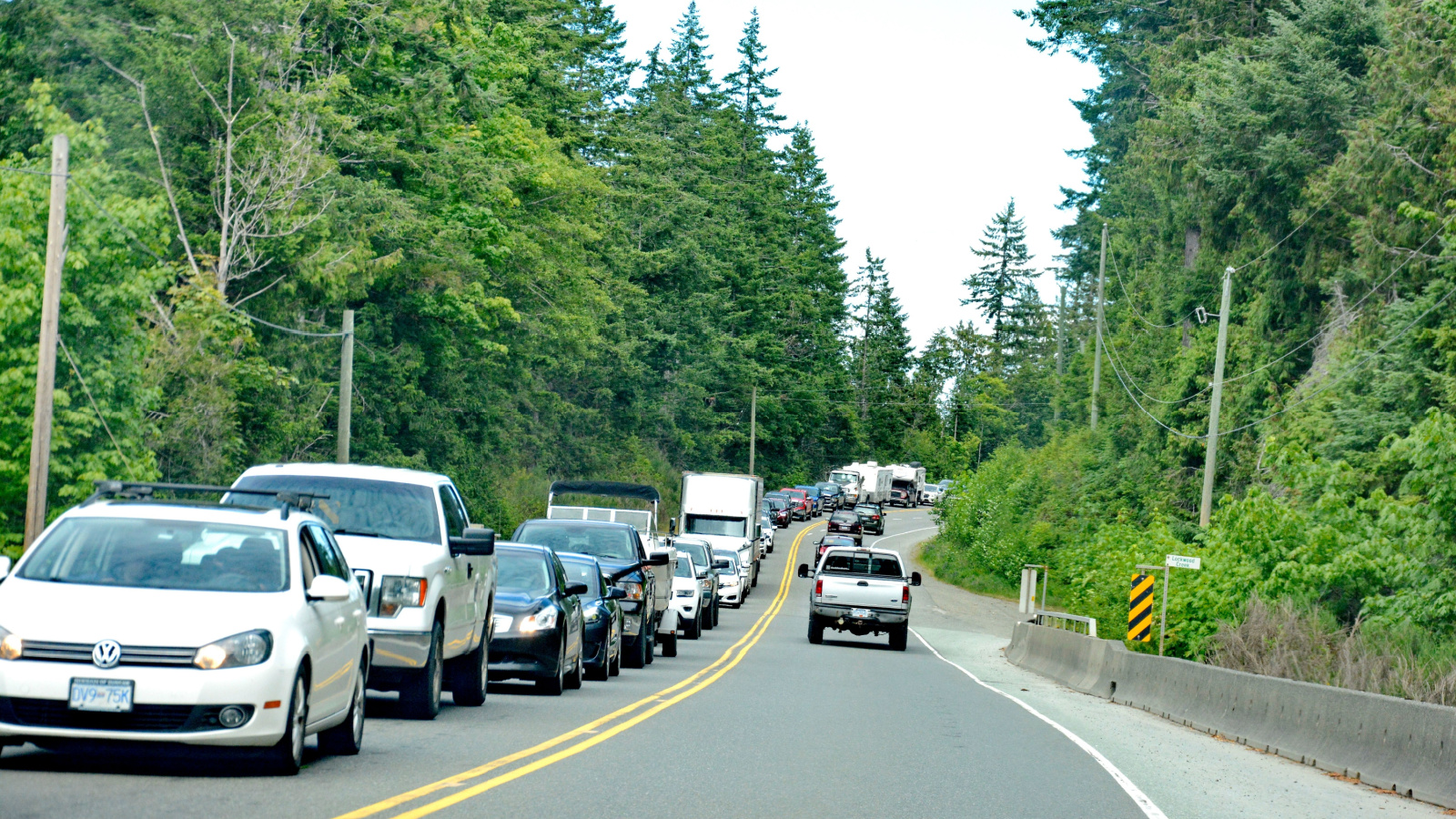
Stop-and-go traffic dramatically increases fuel use. Vehicles burn fuel while creeping forward and accelerating repeatedly. Congested routes also increase travel time and driver stress. Navigation apps now provide real-time traffic updates across Canada. Drivers can check conditions before leaving home. Sometimes a slightly longer route moves faster with fewer stops. Avoiding rush hour periods can also help. Even shifting the departure time by fifteen minutes changes the traffic flow. Regular commuters benefit the most from this strategy. Over months of driving, the fuel savings become noticeable. Less time in traffic also reduces engine wear and improves daily driving comfort.
Maintain the Engine and Air Filters
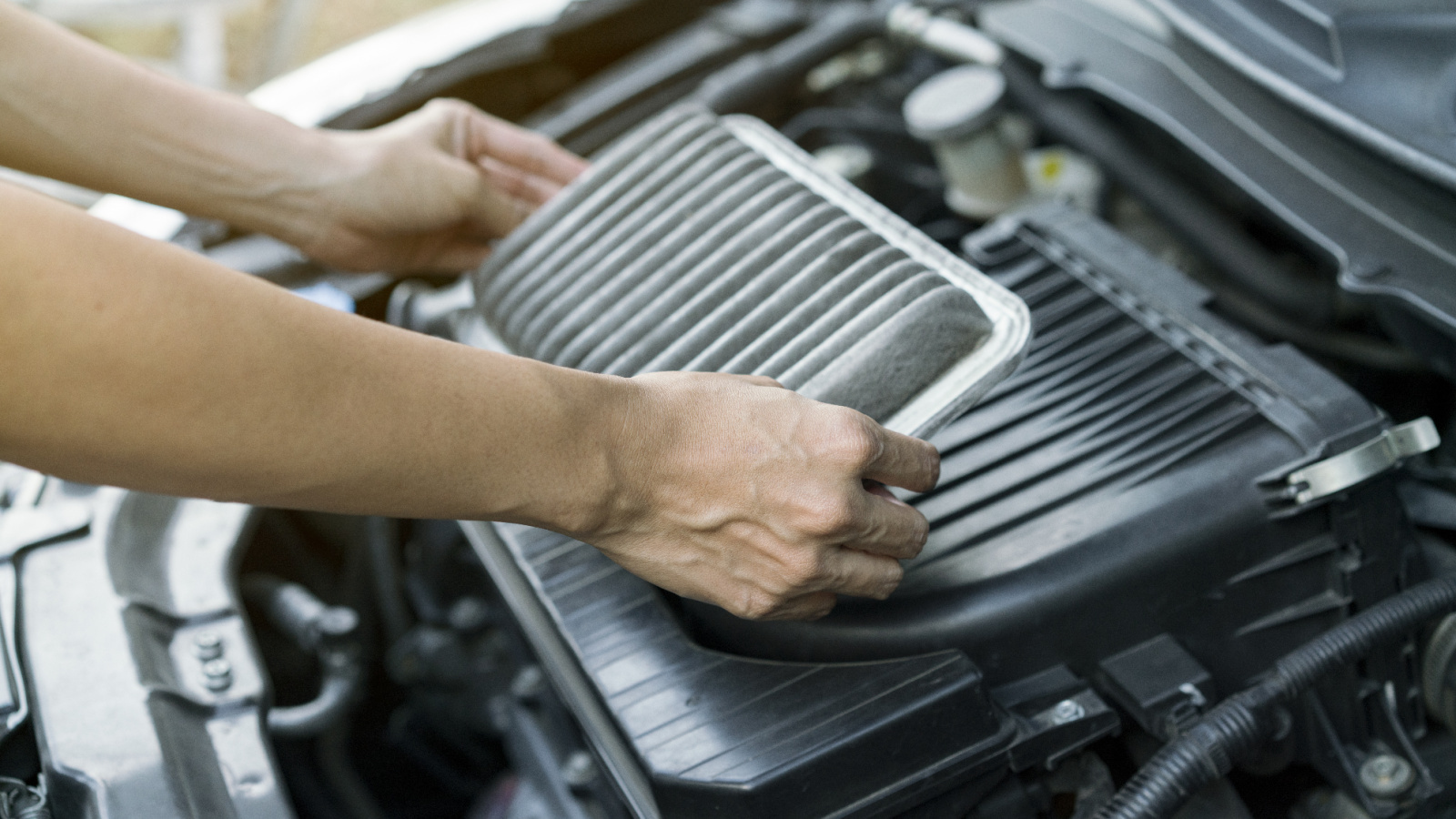
Routine maintenance helps engines operate efficiently. Dirty air filters restrict airflow needed for proper combustion. When airflow drops, engines compensate by burning more fuel. Replacing an air filter is simple and inexpensive. Mechanics often recommend checking it during oil changes. Spark plugs also affect fuel efficiency over time. Worn plugs reduce combustion performance. Many modern vehicles require replacement only after long intervals. Following the manufacturer’s maintenance schedule prevents hidden efficiency losses. Engine oil type matters as well. Using the recommended viscosity reduces friction inside the engine. These small maintenance steps help vehicles maintain their original fuel economy longer.
Remove Roof Racks When Not in Use
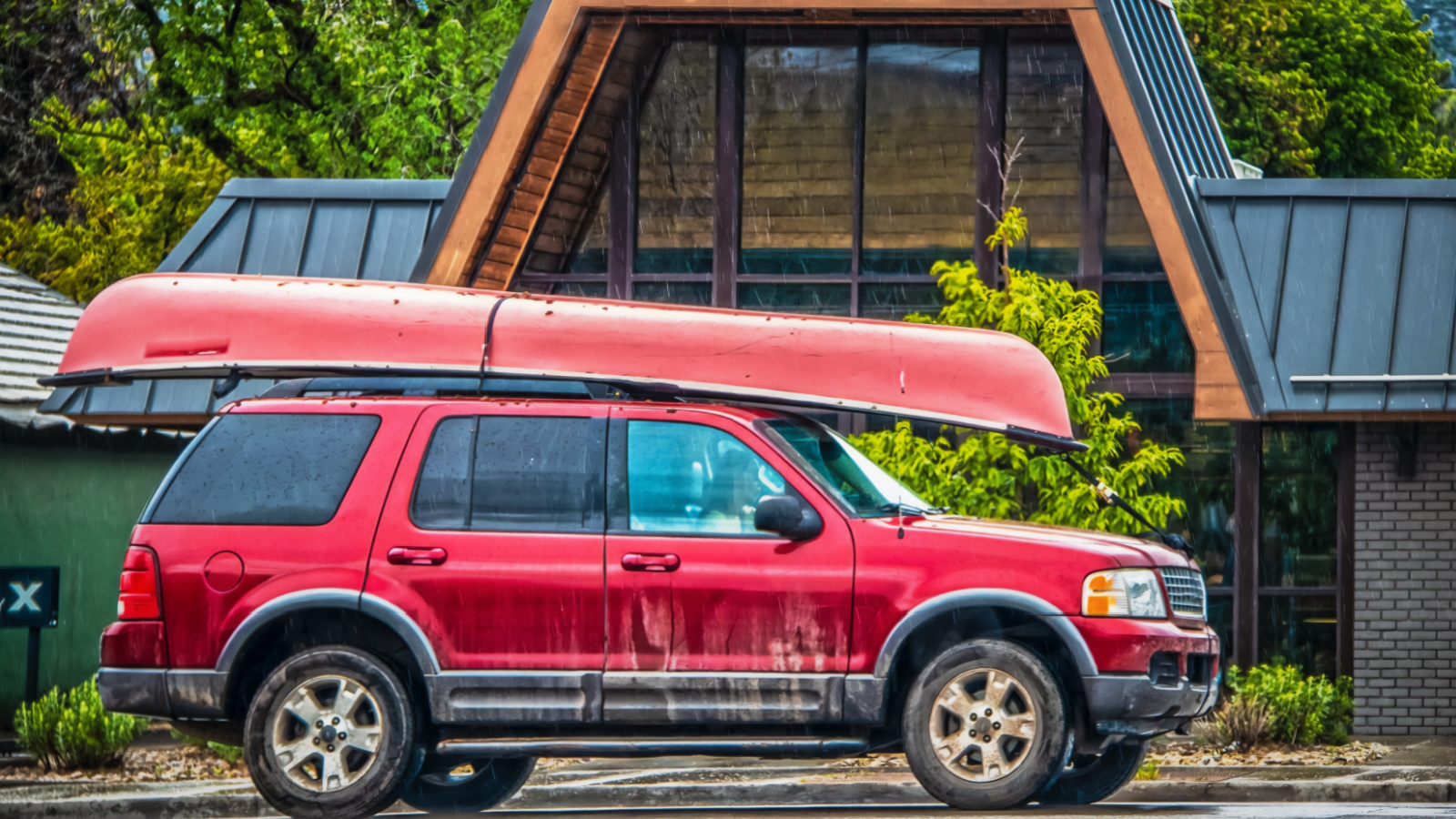
Roof racks create aerodynamic drag even when empty. Air resistance increases at highway speeds. This forces the engine to work harder to maintain speed. Studies show roof racks can reduce fuel efficiency by several percent. The effect becomes larger with cargo boxes or bike carriers. Many drivers leave racks installed year-round. Removing them when not needed improves airflow over the vehicle. Installation usually takes only a few minutes with basic tools. Drivers planning road trips can reinstall racks later. For everyday commuting, the smoother roof profile saves fuel. It also reduces wind noise during highway travel.
Use the Right Fuel Grade for Your Vehicle
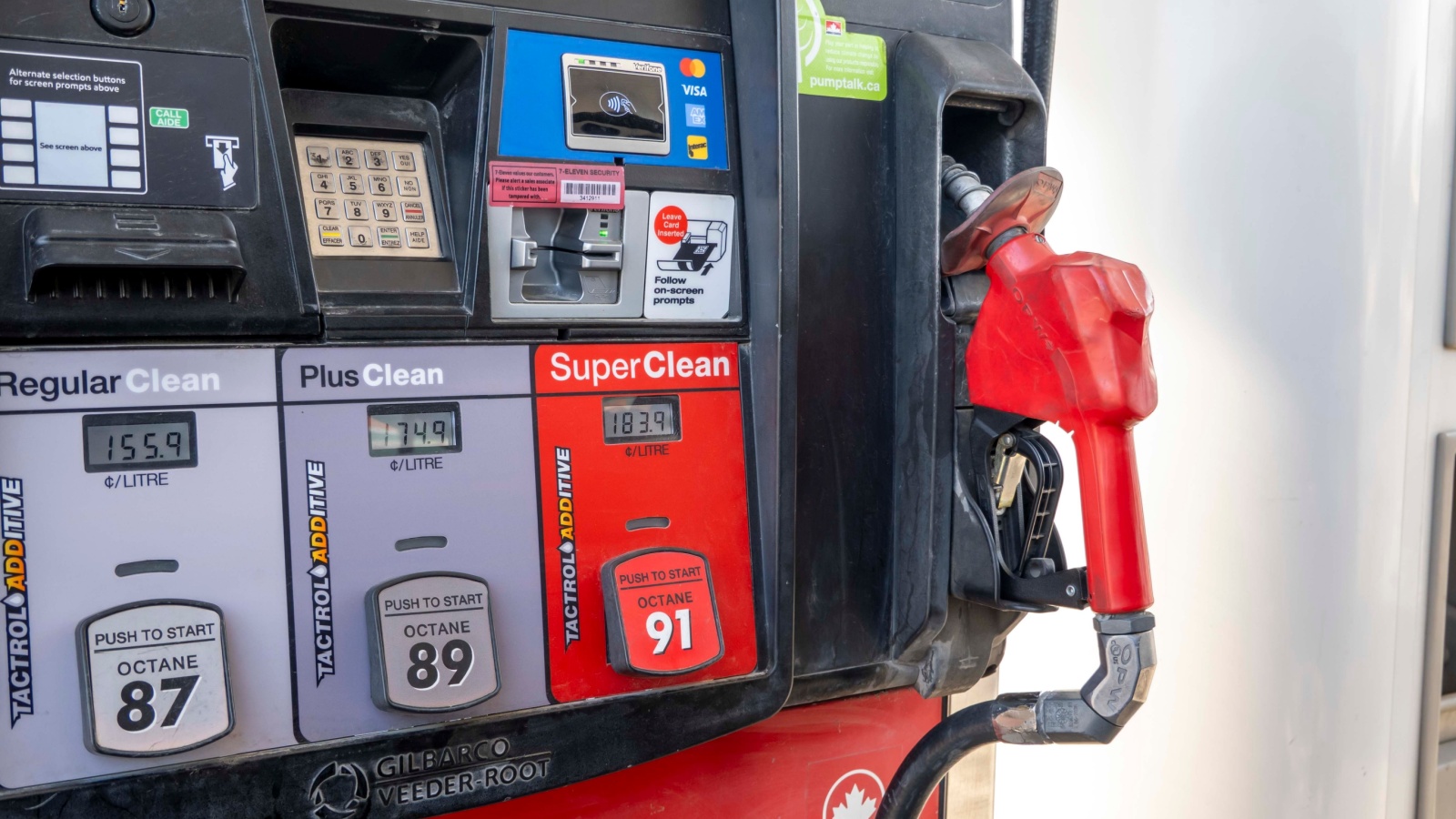
Some drivers believe premium gasoline improves fuel economy automatically. In most vehicles, that is not true. Cars designed for regular fuel gain little benefit from higher grades. Premium gasoline costs significantly more per liter in Canada. Using it unnecessarily increases driving expenses. Check the owner’s manual to confirm the recommended grade. Vehicles requiring premium will state it clearly. Others may only suggest it under heavy loads. Following the manufacturer’s recommendation avoids wasting money. Drivers sometimes switch to premium during price spikes, hoping for savings. In reality, the higher price often outweighs any small efficiency change.
Try Carpooling for Regular Commutes

Carpooling reduces fuel costs by sharing the driving load. Many Canadian commuters travel similar routes every day. Coworkers or neighbors may live nearby without realizing it. Rotating driving responsibilities cuts fuel spending for everyone involved. Some workplaces encourage carpool programs with preferred parking spaces. Public transit hubs also support park-and-ride arrangements. Even carpooling a few days each week helps. Four people sharing one vehicle dramatically lowers total fuel use. Less traffic congestion also benefits the wider community. Gas price spikes often revive interest in carpooling. It remains one of the most effective ways to reduce driving expenses.
Keep Windows Closed at Highway Speeds

Open windows increase aerodynamic drag at higher speeds. Air entering the cabin disrupts the vehicle’s airflow. The engine must work harder to overcome that resistance. At city speeds, the effect remains small. On highways, the impact becomes noticeable. Drivers often lower windows instead of using air conditioning. That strategy may save fuel at low speeds. Once speeds climb above about 80 km/h, the situation changes. Closed windows usually improve efficiency. Using moderate air conditioning becomes a better option. Every vehicle behaves slightly differently. Still, smoother airflow helps reduce fuel consumption during long highway trips.
Monitor Fuel Economy Regularly

Many drivers never track their vehicle’s fuel economy. Without a reference point, it becomes hard to notice problems. Monitoring fuel use helps detect changes early. Most modern cars display average fuel consumption on the dashboard. Drivers can also track it manually after each refill. Sudden drops may signal mechanical issues or driving habit changes. Seasonal temperature shifts also affect fuel economy in Canada. Winter fuel blends and cold weather lower efficiency. Tracking these patterns helps drivers adjust expectations. It also encourages better driving habits. When drivers see real numbers improve, they often stay motivated to continue efficient driving practices.
Consider Occasional Transit or Cycling Days

Driving every day is not always necessary. Many Canadian cities now support mixed commuting options. Public transit networks continue expanding across major regions. Cycling infrastructure has also improved in several urban centres. Even replacing one driving day per week saves fuel. Some commuters drive to transit stations and complete the trip by train. Others cycle short neighbourhood routes during warmer months. This flexibility reduces fuel spending without major lifestyle changes. Gas price spikes often encourage people to test these alternatives. Drivers who experiment occasionally may discover convenient options that reduce reliance on daily vehicle use.
22 Groceries to Grab Now—Before another Price Shock Hits Canada

Food prices in Canada have been steadily climbing, and another spike could make your grocery bill feel like a mortgage payment. According to Statistics Canada, food inflation remains about 3.7% higher than last year, with essentials like bread, dairy, and fresh produce leading the surge. Some items are expected to rise even further due to transportation costs, droughts, and import tariffs. Here are 22 groceries to grab now before another price shock hits Canada.
22 Groceries to Grab Now—Before another Price Shock Hits Canada
This Options Discord Chat is The Real Deal
While the internet is scoured with trading chat rooms, many of which even charge upwards of thousands of dollars to join, this smaller options trading discord chatroom is the real deal and actually providing valuable trade setups, education, and community without the noise and spam of the larger more expensive rooms. With a incredibly low-cost monthly fee, Options Trading Club (click here to see their reviews) requires an application to join ensuring that every member is dedicated and serious about taking their trading to the next level. If you are looking for a change in your trading strategies, then click here to apply for a membership.