
35,000+ smart investors are already getting financial news, market signals, and macro shifts in the economy that could impact their money next with our FREE weekly newsletter. Get ahead of what the crowd finds out too late. Click Here to Subscribe for FREE.
For years, Canadians were told rising prices were temporary, manageable, or global. Charts tell a different story. Line after line shows how everyday costs pulled ahead of wages, savings, and expectations. Housing, food, transport, and utilities all climbed together, leaving fewer places to hide. Even households doing everything right felt poorer year after year. These charts matter because they show patterns, not anecdotes. Here are 15 shocking charts that show how the cost of living exploded for Canadians.
Grocery Prices Rising Faster Than Paycheques
15 Shocking Charts That Show How the Cost of Living Exploded for Canadians
- Grocery Prices Rising Faster Than Paycheques
- Rent Growth Outpacing Inflation Nationwide
- Home Prices Leaving Income Far Behind
- Mortgage Payments Doubling in Short Years
- Utility Bills Climbing Regardless of Usage
- Transportation Costs Breaking the Budget Balance
- Childcare Costs Rising Even with Subsidies
- Insurance Premiums Growing Faster Than Claims
- Property Taxes Climbing with Home Values
- Tuition and Student Costs Rising Past Inflation
- Restaurant Prices Climbing Beyond Treat Status
- Clothing Costs Rising After Years of Stability
- Household Debt Growing Faster Than Assets
- Savings Rates Falling Despite Higher Incomes
- Regional Cost Gaps Shrinking Across Canada
- 22 Groceries to Grab Now—Before another Price Shock Hits Canada

One chart tracks grocery inflation against average wages since 2019. The lines split quickly. Food prices rise sharply while wages move slowly upward. Staples like bread, dairy, and produce climb the fastest. The gap widens each year. Families spend more without buying more. Budget swaps stop working. Cheaper brands rise, too. This chart explains why grocery bills feel shocking even during normal shopping trips. It shows pressure building quietly before suddenly hitting. The result is less flexibility every month. Canadians feel poorer not from one spike, but from years of steady price drift.
Rent Growth Outpacing Inflation Nationwide

A national rent chart shows sharp upward curves after 2021. Inflation rises, but rent climbs faster. Major cities lead, but smaller markets follow closely. The spread between rent and inflation keeps growing. This means renters lose ground every year. Even stabilized units become expensive through turnover. The chart also shows fewer flat periods. Rent no longer pauses between cycles. For younger Canadians, this locks out savings entirely. The chart explains why moving no longer brings relief. It shows a structural shift, not a short surge, reshaping where and how Canadians live.
Home Prices Leaving Income Far Behind

A long-term chart compares home prices to household income. Before 2000, lines rose together. After 2015, prices sprang upward alone. The separation becomes extreme after 2020. Income growth looks flat beside housing gains. The chart shows why first-time buyers disappeared. It also explains rising family help and longer mortgages. Ownership shifts from milestone to inheritance. This chart does not blame demand alone. It reveals how price acceleration broke historical balance. Canadians did not suddenly stop earning. Housing simply stopped matching reality for most working households.
Mortgage Payments Doubling in Short Years

One chart tracks average monthly mortgage payments before and after rate hikes. The line jumps sharply within two years. Payments rise faster than principal values. Even modest homes show large increases. The chart explains panic renewals and forced sales. It also shows why fixed-rate borrowers felt sudden shock. This was not gradual pressure. It was a fast, concentrated strain. Many households lost hundreds monthly without lifestyle changes. The chart turns abstract rate talk into lived math. It explains why confidence dropped quickly across income levels, not just among overstretched buyers.
Utility Bills Climbing Regardless of Usage
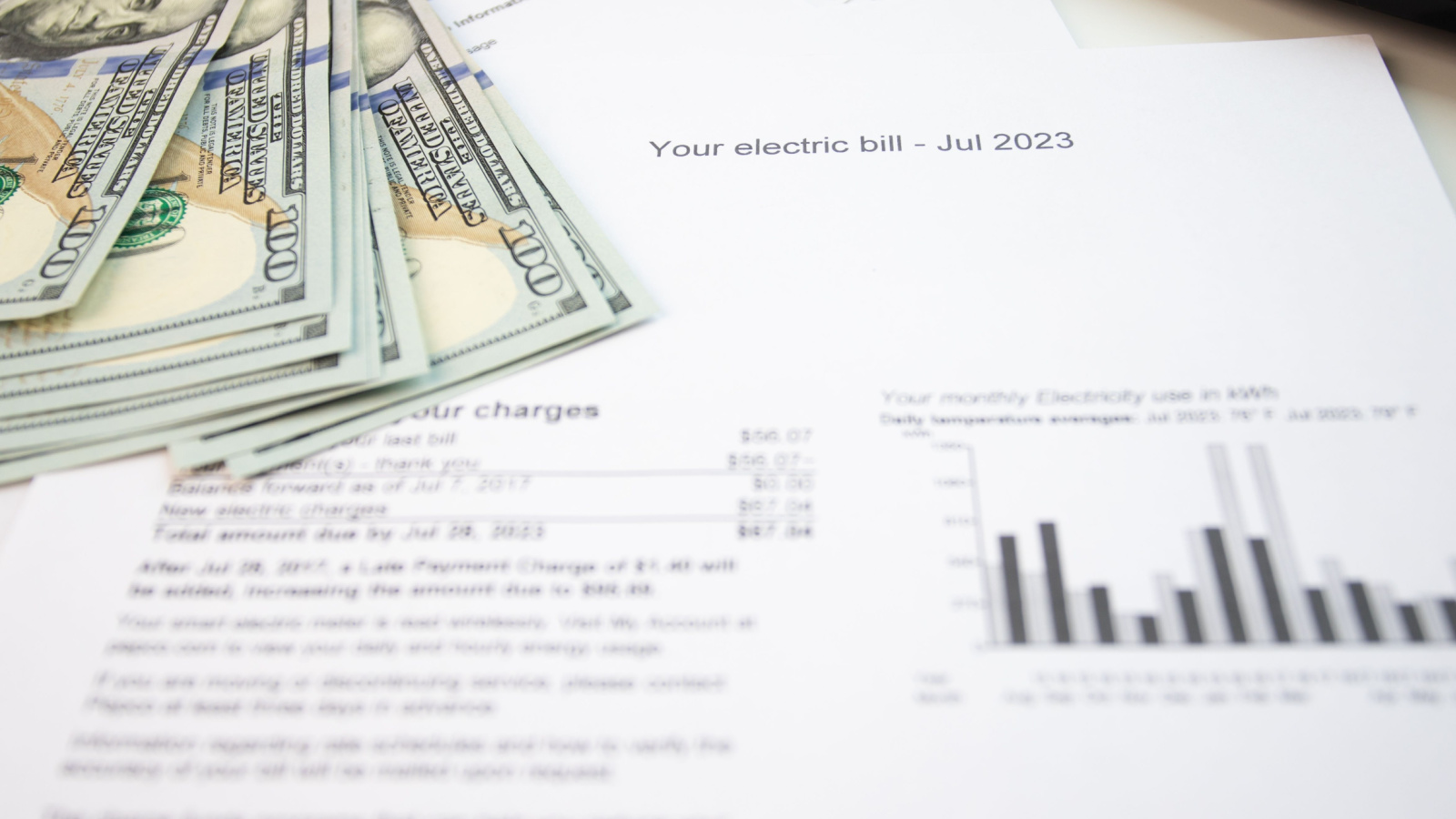
Energy charts show electricity and heating costs rising despite stable consumption. Lines move upward even when usage stays flat. Fees, delivery charges, and adjustments drive growth. The chart highlights how fixed costs dominate bills now. Conservation helps less than before. Households pay more just to stay connected. This hits renters and homeowners alike. The chart explains winter anxiety across provinces. It also shows why monthly bills feel unpredictable. Energy costs stopped reflecting behavior. They now reflect system pricing, leaving families with fewer ways to manage essential expenses.
Transportation Costs Breaking the Budget Balance

A transportation chart combines fuel, insurance, transit, and maintenance. All trends upward together. Fuel spikes draw attention, but insurance grows steadily. Transit fares rise annually. Vehicle upkeep costs climb quietly. The combined line shows how commuting became expensive everywhere. Urban or rural, costs increase. The chart explains why households delay car replacements longer. It also shows why transit savings feel smaller. Transportation stopped being a controllable category. Canadians now plan jobs and housing around mobility costs, not preference. The chart reveals why distance became a financial decision.
Childcare Costs Rising Even with Subsidies

A childcare cost chart shows average fees over time alongside subsidies. Fees dip briefly, then resume climbing. Spaces remain scarce. Parents still pay more overall. The chart highlights uneven regional effects. Some cities benefit more than others. Many families never access subsidized care. The upward trend explains why second incomes often vanish into childcare. It also shows why workforce participation remains uneven. Costs shape choices long before school begins. The chart reveals that relief helped some families, but did not reverse long-term pressure on parents nationwide.
Insurance Premiums Growing Faster Than Claims

Insurance charts compare premiums with claim payouts. Premiums rise steadily while claims stay flat. Auto and home policies show similar patterns. Weather risk increases costs, but pricing grows beyond losses. The chart explains why renewal letters cause dread. Households pay more without added coverage. Shopping around saves more each year. The lines show consolidation effects clearly. Fewer insurers mean less pricing pressure. This chart highlights a hidden drain on budgets. Insurance moved from a safety net to recurring financial stress for many Canadians.
Property Taxes Climbing with Home Values

A municipal tax chart tracks property taxes alongside assessed values. Both trend upward, but taxes rarely fall. Even paid-off homeowners feel pressure. Rising values do not bring extra cash. Taxes rise regardless. The chart explains why fixed-income seniors struggle. It also shows why ownership costs never stabilize. Municipal budgets rely heavily on housing growth. As values climb, taxes follow. The chart makes clear that owning outright does not freeze expenses. Housing wealth brings ongoing costs, not relief, for many long-term residents.
Tuition and Student Costs Rising Past Inflation

Education charts show tuition, housing, and materials together. Tuition rises steadily. Housing costs jump faster. Total student expenses grow far beyond inflation. Grants lag behind costs. The chart explains rising student debt despite policy changes. It also shows why more students live at home. Education became a long-term financial burden, not just a temporary stretch. The lines reveal how access narrowed quietly. This chart matters because it shows future pressure building early. High costs today shape lifetime earning paths and career risks.
Restaurant Prices Climbing Beyond Treat Status

A dining cost chart shows restaurant prices rising faster than groceries. Labor, rent, and supply costs push prices upward. Portions shrink while bills grow. The chart explains why eating out feels rare now. Casual meals become special events. Families cut back first here. The chart also shows tipping expectations rising alongside prices. Total dining costs jump sharply. This is not lifestyle inflation. It reflects structural cost pass-through. The chart captures a cultural shift where dining out moves from habit to occasional indulgence for many Canadians.
Clothing Costs Rising After Years of Stability

Clothing price charts stayed flat for years. After 2020, lines rose quickly. Shipping, labor, and currency shifts drive increases. Discount cycles shorten. Quality drops while prices rise. The chart explains why basics feel expensive again. Seasonal sales lose impact. The rise seems small monthly, but accumulates yearly. This chart matters because it shows inflation spreading into categories once considered stable. Canadians now feel price pressure even in areas once easy to manage through timing and brand choice.
Household Debt Growing Faster Than Assets

Debt charts compare household borrowing to asset growth. Debt climbs steadily. Asset growth slows after peaks. The gap narrows dangerously. This chart explains the rising vulnerability. Families borrow to maintain lifestyles, not invest. Interest costs compound stress. The chart also shows why rate hikes hit so hard. High debt amplifies every increase. Canadians did not suddenly overspend. Costs forced borrowing. This chart reveals how fragile balance sheets became before many realized it. Debt growth masks stress until repayment becomes unavoidable.
Savings Rates Falling Despite Higher Incomes

A savings rate chart shows a sharp decline after 2020. Even as incomes rise slightly, savings fall. Costs absorb gains immediately. Emergency funds shrink. The chart explains rising financial anxiety. Households feel exposed to shocks. This trend matters because savings cushion volatility. Without it, small disruptions cause a crisis. The chart also shows why credit use rises. Canadians save less not by choice, but by necessity. This chart reveals how stability eroded quietly while employment numbers stayed strong.
Regional Cost Gaps Shrinking Across Canada

A regional cost chart compares cities and provinces. Traditionally, cheaper regions rise faster. Expensive cities remain high. Lines converge. This means fewer affordable alternatives remain. Moving no longer guarantees relief. Smaller cities face faster increases. The chart explains migration frustration. Canadians chase affordability only to meet rising costs again. This trend reshapes settlement patterns. It also pressures local wages. The chart shows the cost of living becoming a national issue, not a city problem. Geographic escape routes narrowed quickly.
22 Groceries to Grab Now—Before another Price Shock Hits Canada

Food prices in Canada have been steadily climbing, and another spike could make your grocery bill feel like a mortgage payment. According to Statistics Canada, food inflation remains about 3.7% higher than last year, with essentials like bread, dairy, and fresh produce leading the surge. Some items are expected to rise even further due to transportation costs, droughts, and import tariffs. Here are 22 groceries to grab now before another price shock hits Canada.
22 Groceries to Grab Now—Before another Price Shock Hits Canada
This Options Discord Chat is The Real Deal
While the internet is scoured with trading chat rooms, many of which even charge upwards of thousands of dollars to join, this smaller options trading discord chatroom is the real deal and actually providing valuable trade setups, education, and community without the noise and spam of the larger more expensive rooms. With a incredibly low-cost monthly fee, Options Trading Club (click here to see their reviews) requires an application to join ensuring that every member is dedicated and serious about taking their trading to the next level. If you are looking for a change in your trading strategies, then click here to apply for a membership.