35,000+ smart investors are already getting financial news, market signals, and macro shifts in the economy that could impact their money next with our FREE weekly newsletter. Get ahead of what the crowd finds out too late. Click Here to Subscribe for FREE.
You do not have to commit a dramatic crime to get fined in Canada. Many penalties come from routine habits. Parking in your usual spot can cost you money in winter. Letting your dog off-leash for a minute may bring a ticket. Even washing your car at home can break local bylaws. Rules vary by province and city, which adds confusion. Still, officers enforce them every year. Knowing what triggers a fine helps you avoid frustration and wasted cash. Here are 15 everyday actions that can earn you a fine in Canada (surprisingly common).
Idling Your Car Too Long
15 Everyday Actions That Can Earn You a Fine in Canada (Surprisingly Common)
- Idling Your Car Too Long
- Parking During Snow Removal Bans
- Jaywalking Outside Marked Crosswalks
- Feeding Wildlife in Parks
- Letting Your Dog Off Leash
- Using Your Phone While Driving
- Not Clearing Snow Off Your Car
- Washing Your Car in the Driveway
- Smoking Near Building Entrances
- Failing to Shovel Sidewalks
- Burning Yard Waste Without Permission
- Failing to Update Your Address on Your Licence
- Improperly Disposing of Household Trash
- Fishing Without a Valid Licence
- Ignoring Quiet Hours and Noise Bylaws
- 22 Groceries to Grab Now—Before another Price Shock Hits Canada

Warming up your vehicle in winter feels harmless. Many cities limit how long you can idle. Toronto restricts idling to one minute under most conditions. Other cities set similar limits with few exceptions. Officers can issue tickets if you exceed the allowed time. Fines vary but often start at around $100. These rules target air pollution and fuel waste. Remote starters do not exempt you from bylaws. Neighbors sometimes report repeated violations. If you must idle longer, check your local exemptions first. A short warm-up usually keeps you within legal limits and avoids an unnecessary penalty.
Parking During Snow Removal Bans

Snowstorms trigger temporary parking bans in many cities. Montreal and Ottawa use overnight restrictions during plowing. Ignoring posted signs can lead to towing. Towing fees often exceed the original ticket. Drivers sometimes assume side streets are safe. Plows need full access to clear roads properly. Even a few hours of obstruction cause delays. Cities post updates online and through alerts. Some use flashing signs on main roads. If you leave your vehicle parked during a ban, expect fines. Moving it before crews arrive saves money and hassle. Winter parking rules change quickly, so checking updates matters.
Jaywalking Outside Marked Crosswalks
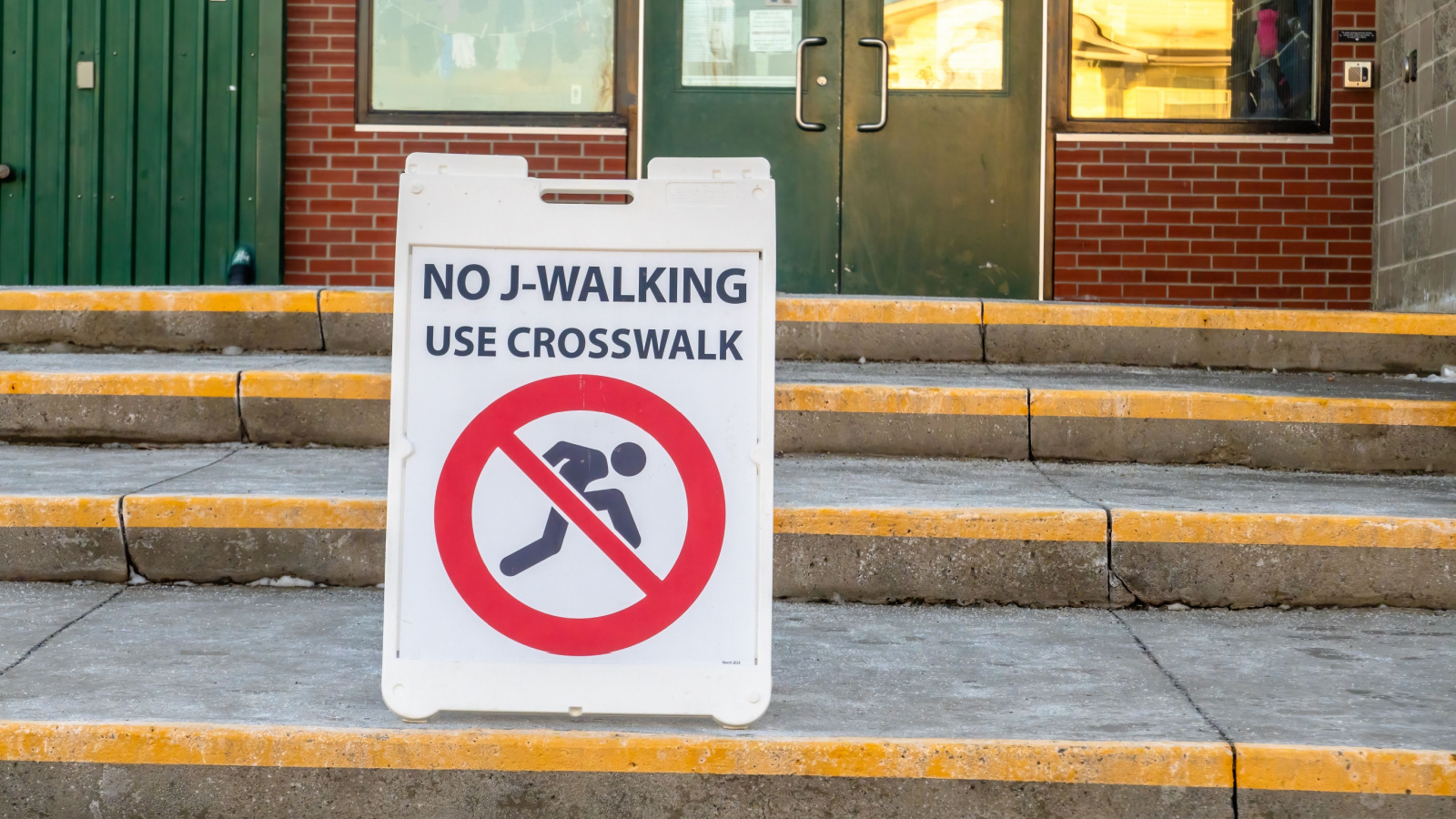
Crossing mid-block seems minor when traffic is light. Many provinces still allow fines for jaywalking. Police enforce these rules near busy intersections. Tickets often range from fifty to one hundred dollars. Drivers may not expect pedestrians outside crosswalks. That risk increases at night or in poor weather. Some cities focus enforcement near schools. Others target high-traffic downtown areas. A short detour to a crosswalk avoids trouble. Signals and pedestrian lights exist for safety. Stepping into traffic outside marked areas can cost you more than time. It can cost you money and points against you.
Feeding Wildlife in Parks

Offering bread to birds feels harmless. Feeding wildlife is illegal in many Canadian parks. Banff and Jasper enforce strict rules. Fines can reach several hundred dollars. Human food harms animals and changes their behavior. Wildlife that associates people with food becomes aggressive. That creates safety risks for everyone. Park wardens patrol busy picnic areas. They issue tickets for feeding squirrels, elk, or bears. Even leaving scraps behind counts as feeding. Signs usually warn visitors about penalties. Respecting these rules protects animals and your wallet. Watching wildlife from a distance is legal. Handing out snacks is not.
Letting Your Dog Off Leash
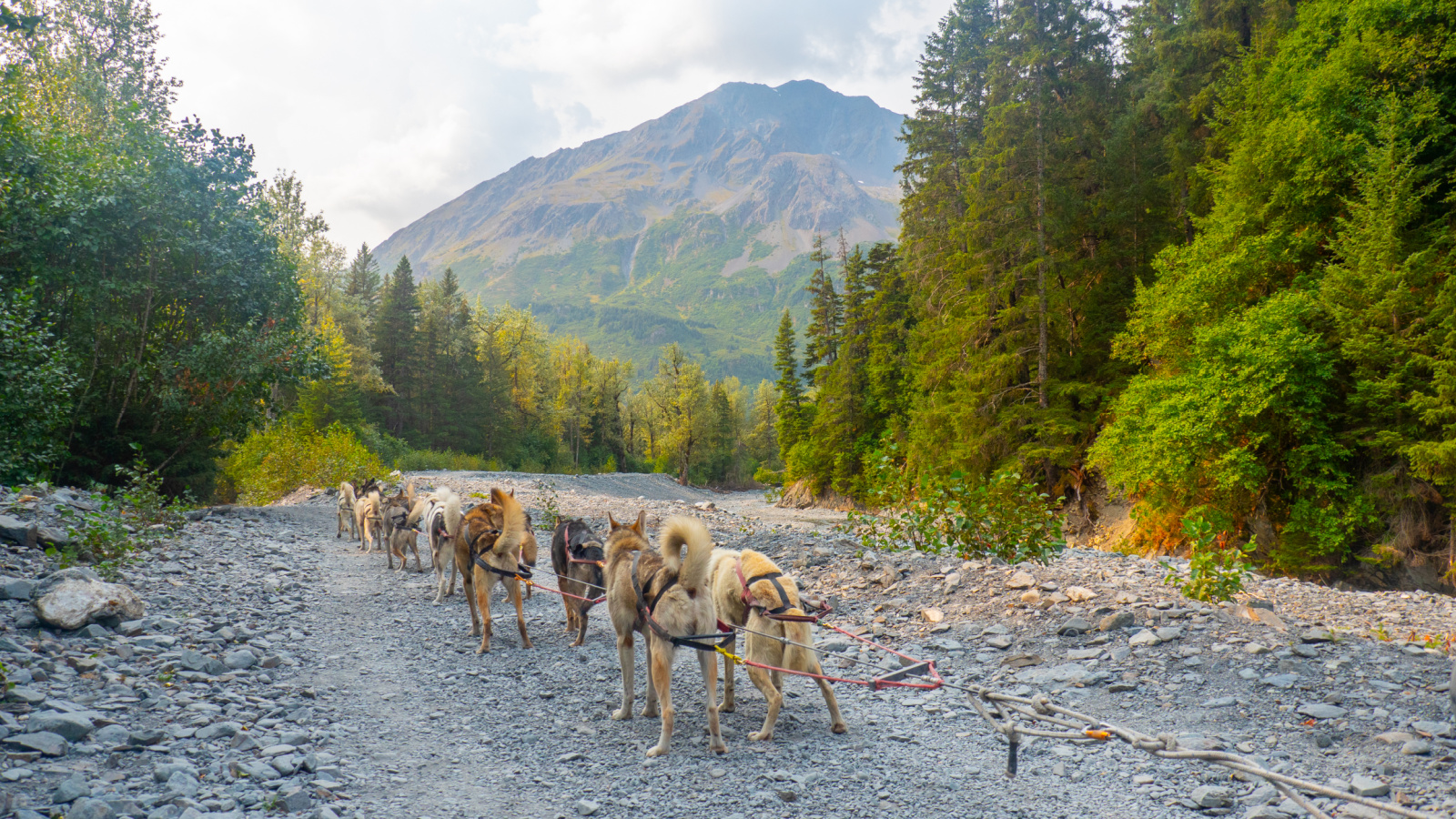
Many owners trust their dog’s recall skills. Municipal bylaws often require leashes outside designated areas. Off-leash zones are clearly marked in most cities. Outside those spaces, officers can issue tickets. Fines vary but can exceed two hundred dollars. Even friendly dogs can frighten strangers. Wildlife encounters also create problems. Some areas add extra penalties for repeat offences. A retractable leash does not count if fully extended. Keeping your dog secured protects others and avoids conflict. Checking local rules before visiting parks helps. What feels like a quick run can turn into a costly mistake.
Using Your Phone While Driving

Holding your phone at a red light counts as distracted driving. Provinces treat this offence seriously. Ontario fines start at hundreds of dollars. Demerit points and license suspensions often follow. Even touching the screen briefly can trigger a ticket. Police watch intersections closely for violations. Hands-free systems are usually permitted. Texting, scrolling, or dialing manually is not. Insurance rates can rise after a conviction. Many drivers underestimate enforcement levels. A quick message is not worth the penalty. Keeping your device out of reach reduces temptation and legal risk on every trip.
Not Clearing Snow Off Your Car
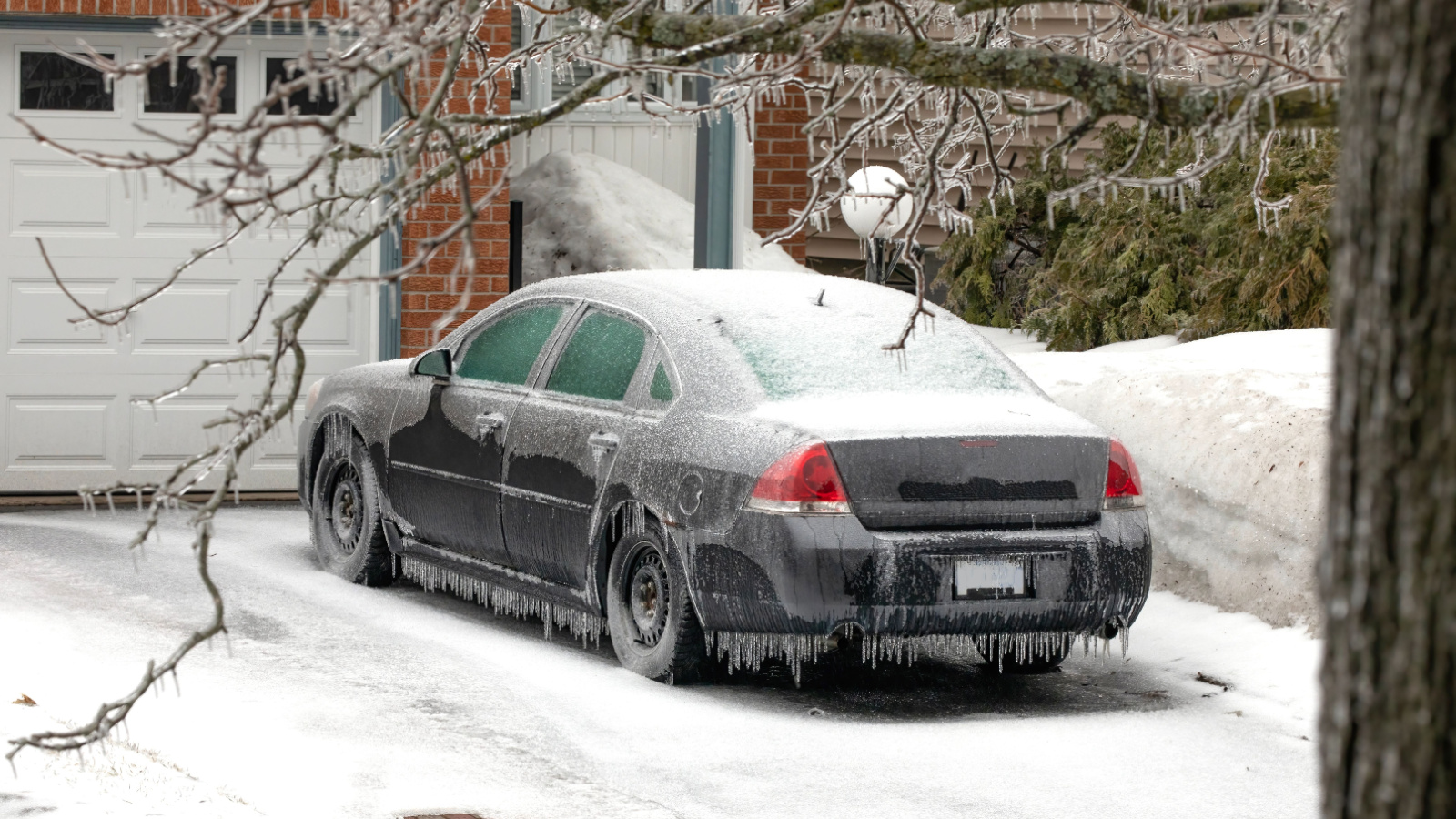
Driving with snow piled on your roof looks common after storms. Many provinces require drivers to clear loose snow. Ice chunks can fly off at highway speeds. That creates hazards for other vehicles. Police can fine drivers who ignore this duty. Tickets often range around one hundred dollars. Some regions add higher penalties for dangerous debris. Clearing windows alone is not enough. Roofs, lights, and licence plates must be visible. Taking extra minutes before leaving prevents problems. It also reduces accident risk. A clean vehicle shows care for others and keeps you within the law.
Washing Your Car in the Driveway

Hosing down your car at home seems routine. Some municipalities restrict driveway washing. Soap and runoff enter storm drains untreated. Environmental bylaws target this pollution source. Fines depend on local regulations. In certain areas, officers respond to complaints. Using commercial car washes reduces runoff issues. They treat wastewater before release. Residents rarely check these specific rules. Yet violations still result in tickets. Reading municipal guidelines clarifies what is allowed. Choosing waterless cleaning products also helps. Saving money with a hose may cost more if a fine arrives in the mail.
Smoking Near Building Entrances

Lighting a cigarette outside feels safer than indoors. Many provinces ban smoking within set distances of entrances. The typical buffer ranges from three to nine meters. Signs often mark restricted zones. Enforcement occurs near hospitals and offices. Fines vary but can exceed two hundred dollars. This rule applies to vaping in some areas. Standing too close exposes others to secondhand smoke. Officers issue tickets even if doors remain closed. Checking posted signs avoids confusion. Moving farther from entrances keeps you compliant. A small step back prevents an avoidable citation.
Failing to Shovel Sidewalks

Homeowners often must clear snow from adjacent sidewalks. Cities set time limits after snowfall ends. Missing that deadline can bring fines. Amounts differ, but add up quickly for repeat issues. Slippery sidewalks increase injury risk. Municipal inspectors sometimes patrol neighborhoods. Complaints from neighbors also trigger enforcement. Hiring help counts if you cannot shovel yourself. Waiting for natural melting does not meet requirements. Clearing a path wide enough for pedestrians matters. Ignoring the rule invites penalties and liability. Keeping sidewalks safe benefits everyone in winter conditions.
Burning Yard Waste Without Permission

Backyard fires look harmless during clean-up season. Many municipalities restrict open burning. Permits are often required even for small piles. Smoke complaints prompt bylaw officers to investigate. Fines vary by region and can exceed several hundred dollars. Fire bans also apply during dry conditions. Ignoring them risks higher penalties. Approved fire pits must meet size and safety standards. Tossing leaves or debris into flames breaks rules in many areas. Checking local regulations before lighting anything matters. Composting or municipal collection programs offer safer alternatives and prevent fines.
Failing to Update Your Address on Your Licence

Moving across town feels routine. Provinces require drivers to update their licence information. Deadlines often fall within days of relocation. Forgetting can lead to tickets during traffic stops. Some provinces add administrative penalties. Outdated addresses also affect insurance and registration records. Many drivers assume mail forwarding covers everything. It does not replace official updates. Online portals make changes simple. Carrying inaccurate information complicates identification. Officers treat this as a legal responsibility. Promptly updating records avoids issues and keeps them accurate. A few minutes online prevents future fines.
Improperly Disposing of Household Trash

Placing garbage out on the wrong day seems minor. Municipalities set strict collection schedules. Leaving bags early attracts wildlife and pests. Some cities fine repeat offenders. Recycling mistakes also trigger penalties in certain regions. Mixing prohibited materials causes contamination issues. Bylaw officers may tag bins with warnings. Continued non-compliance leads to tickets. Weight limits and bag limits apply in many areas. Ignoring these details can cost money. Reading local waste guidelines helps. Following pickup times and sorting rules keeps streets clean and avoids avoidable fines.
Fishing Without a Valid Licence

Casting a line at a local lake feels casual. Most provinces require fishing licenses for adults. Even catch-and-release often requires proper documentation. Conservation officers conduct spot checks regularly. Fines range widely depending on the offence. Additional penalties apply for exceeding limits. Ignorance rarely excuses violations. Short-term licenses are available online. Carrying proof of purchase matters during inspections. Regulations protect fish populations and habitats. Checking seasonal rules prevents trouble. A small licence fee costs far less than a ticket for unauthorized fishing.
Ignoring Quiet Hours and Noise Bylaws

Late-night music can draw unwanted attention. Most municipalities set quiet hours. These often begin around eleven at night. Excessive noise leads to complaints from neighbors. Bylaw officers may issue warnings first. Repeat disturbances usually result in fines. Construction noise also follows restricted hours. Even daytime limits apply in some areas. Portable speakers used outdoors are considered violations if they are too loud. Checking local bylaws clarifies acceptable times. Keeping volume reasonable shows respect. Avoiding repeated complaints prevents penalties and tension in your community.
22 Groceries to Grab Now—Before another Price Shock Hits Canada

Food prices in Canada have been steadily climbing, and another spike could make your grocery bill feel like a mortgage payment. According to Statistics Canada, food inflation remains about 3.7% higher than last year, with essentials like bread, dairy, and fresh produce leading the surge. Some items are expected to rise even further due to transportation costs, droughts, and import tariffs. Here are 22 groceries to grab now before another price shock hits Canada.
22 Groceries to Grab Now—Before another Price Shock Hits Canada
This Options Discord Chat is The Real Deal
While the internet is scoured with trading chat rooms, many of which even charge upwards of thousands of dollars to join, this smaller options trading discord chatroom is the real deal and actually providing valuable trade setups, education, and community without the noise and spam of the larger more expensive rooms. With a incredibly low-cost monthly fee, Options Trading Club (click here to see their reviews) requires an application to join ensuring that every member is dedicated and serious about taking their trading to the next level. If you are looking for a change in your trading strategies, then click here to apply for a membership.