
35,000+ smart investors are already getting financial news, market signals, and macro shifts in the economy that could impact their money next with our FREE weekly newsletter. Get ahead of what the crowd finds out too late. Click Here to Subscribe for FREE.
Fall can be one of the best times for Canadians to travel. Summer crowds begin to thin, airfare and accommodation can become more attractive on some routes, and destinations from the Rockies to Atlantic Canada take on an entirely different character. But autumn also brings complications that are easier to miss when a getaway looks simple on the booking screen.
Changing weather, reduced seasonal services, airline fare restrictions, insurance exclusions and road closures can all affect what a trip ultimately costs — and whether the original itinerary still works. International travellers have another layer of entry requirements, roaming charges and border rules to consider. Before locking in a reservation, these 20 things Canadians should check before booking a fall getaway can help reveal the details that matter most.
Check Passport Validity and Entry Requirements
20 Things Canadians Should Check Before Booking a Fall Getaway
- Check Passport Validity and Entry Requirements
- Read the Latest Canadian Travel Advisory
- Look at Fall Weather, Not the Summer Forecast
- Check Wildfire and Smoke Conditions
- Remember That Hurricane Season Continues Through Fall
- Recheck the Flight Schedule Before Building the Trip Around It
- Confirm What the Fare Includes for Baggage
- Read the Fare’s Change and Refund Rules
- Examine Travel Insurance Beyond the Headline Coverage Amount
- Understand What Provincial Health Coverage Will Not Pay
- Review Prescription and Medication Rules
- Check Rental-Car, Licence and Winter-Tire Requirements
- Check Roads, Parks and Seasonal Closures
- Read the Accommodation Cancellation and Prepayment Terms
- Compare the Final Price, Not the First Price Shown
- Factor In Exchange Rates and Foreign-Transaction Charges
- Plan for Cellphone Roaming Before Crossing the Border
- Confirm Attractions, Campgrounds and Seasonal Hours
- Know the Rules for Bringing Purchases Back to Canada
- Build an Emergency Plan Before Leaving
- 16 Costco Canada Habits That Could Be Costing Shoppers More Than They Save

A passport that has not technically expired can still cause trouble at an international border. Countries set their own entry requirements, and some require a passport to remain valid for a certain period after the traveller expects to leave. Visa, electronic authorization and transit requirements can also vary depending on the destination, length of stay and countries crossed along the way.
That makes the passport check something to complete before buying a non-refundable ticket, rather than the night before departure. The Government of Canada recommends confirming destination-specific validity and visa requirements through its Travel Advice and Advisories information and, when necessary, the destination country’s embassy or consulate. Families also need to remember that every traveller requires the appropriate documents. A seemingly inexpensive October weekend abroad can become much more expensive if an urgent passport renewal, overlooked visa or documentation problem forces the trip to be changed.
Read the Latest Canadian Travel Advisory

A destination that looked straightforward when the idea first came up may have different conditions by the time reservations are being made. Canada’s Travel Advice and Advisories system covers approximately 230 destinations and includes information on security, regional risk levels, entry requirements, health concerns, local laws, natural disasters and emergency contacts.
The important detail is that risk can vary within a country. A destination may carry one overall recommendation while particular regions have stronger warnings. Advisories can also change when security conditions, storms, demonstrations or other events develop. Canadians planning an international fall getaway should therefore check the advisory before paying and again shortly before departure. This is particularly important when large non-refundable expenses are involved. Insurance policies can also contain conditions related to government advisories, making the timing of a warning potentially relevant to coverage. A five-minute check can provide considerably more context than relying on destination photos or an old recommendation from someone who travelled there months earlier.
Look at Fall Weather, Not the Summer Forecast

September can still feel like summer in one destination and behave almost like winter in another. Canadian autumn travel is especially vulnerable to dramatic differences in temperature, rain, frost and early snow. Environment and Climate Change Canada maintains forecasts and weather alerts covering communities across the country, including warnings, watches, advisories and special weather statements.
Historical expectations are useful for packing, but travellers should not confuse a destination’s average October temperature with the conditions likely during a particular weekend. Mountain regions can experience snow while lower elevations remain mild, and nighttime temperatures can fall much faster than visitors expect. Weather can also affect driving conditions, hiking plans, ferry operations and outdoor attractions. A couple planning a scenic road trip may discover that the patio weather shown in promotional photos bears little resemblance to the forecast for their dates. Checking both typical seasonal conditions and the short-range forecast makes it easier to build an itinerary that still works when autumn acts like autumn.
Check Wildfire and Smoke Conditions
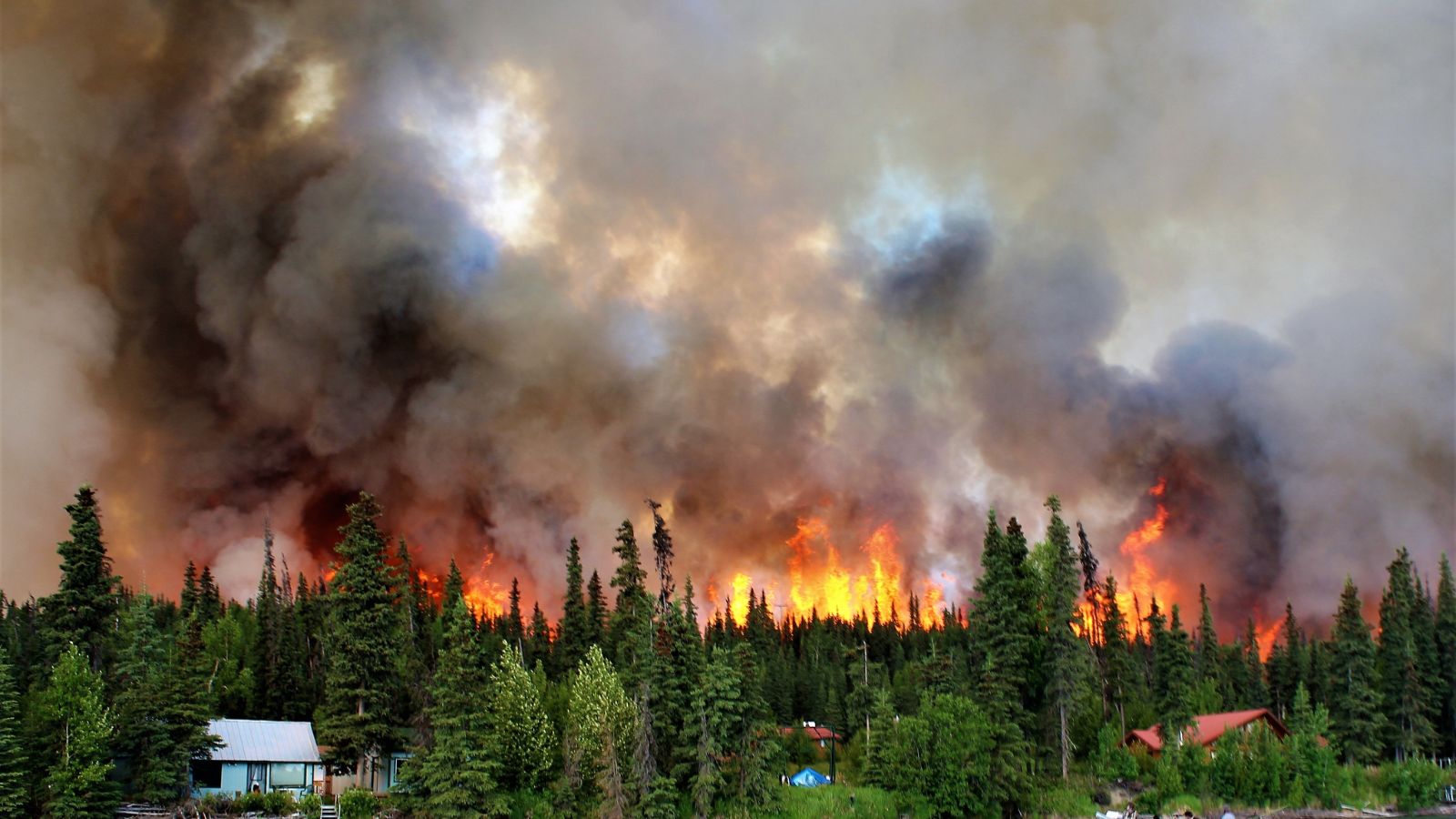
Wildfire concerns do not automatically disappear when September arrives. The Government of Canada notes that Canada’s wildfire season typically extends from early April into late October, meaning early-fall road trips can still be affected by active fires, smoke, evacuation measures or poor air quality. Conditions can change quickly and can be very different even between communities in the same province.
Natural Resources Canada’s Canadian Wildland Fire Information System provides national information on active fires and fire conditions, while the Air Quality Health Index and wildfire-smoke forecasts help travellers understand smoke exposure. That information matters even when flames are nowhere near the hotel. Smoke can travel substantial distances and change the experience of an outdoor-oriented getaway, particularly for travellers planning hikes, cycling or long days outside. Anyone reserving an expensive lodge specifically for mountain views may also want to understand cancellation terms beforehand. Fall can provide spectacular outdoor conditions, but checking wildfire and smoke information before committing reduces the chances of booking around an outdated picture of local conditions.
Remember That Hurricane Season Continues Through Fall
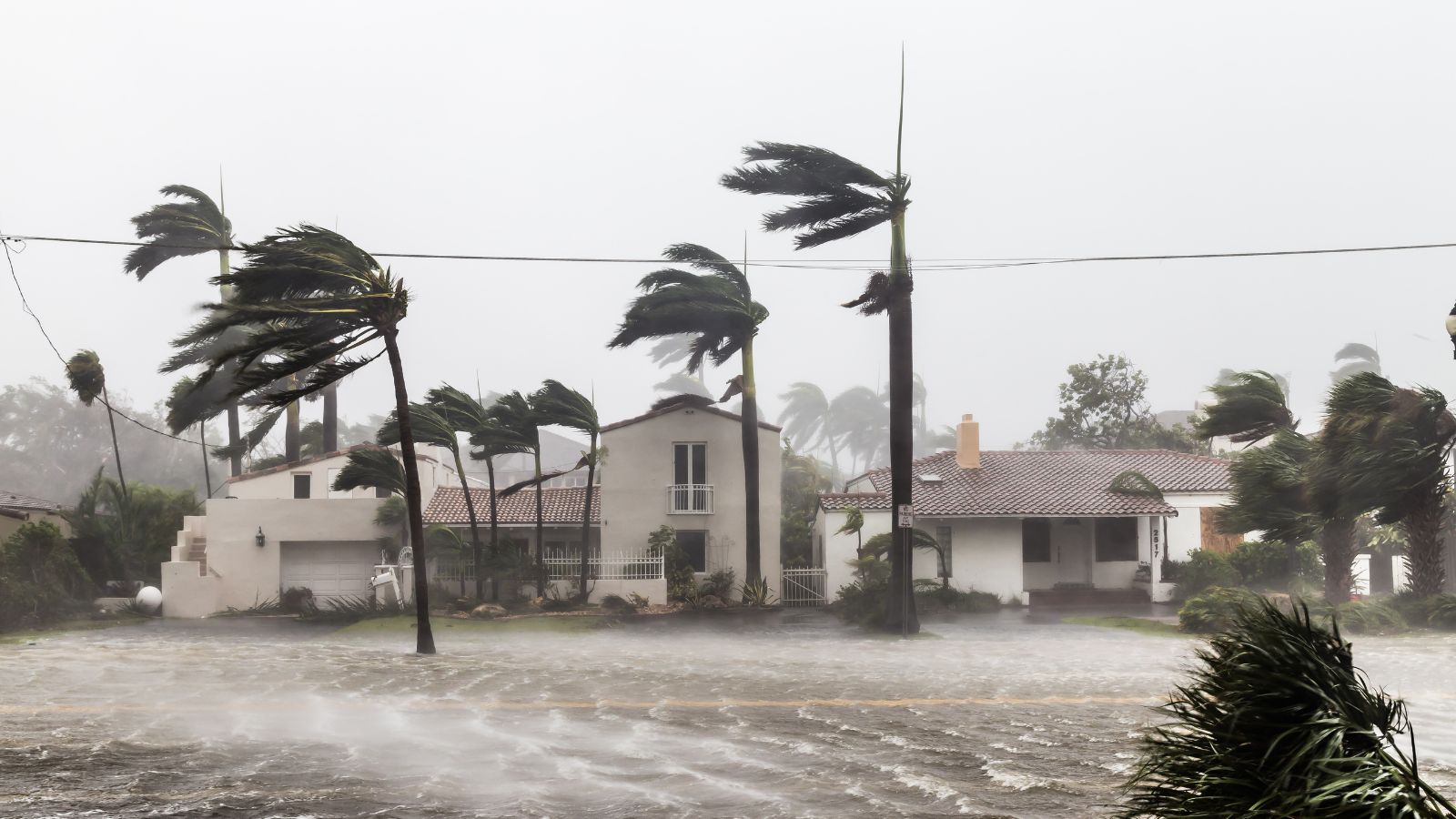
A warm Caribbean getaway can look especially appealing once Canadian temperatures begin dropping, but September, October and November overlap with Atlantic hurricane season. Government of Canada destination guidance notes that hurricane season in the Atlantic, Caribbean Sea and Gulf of Mexico runs from early June through the end of November.
That does not mean fall trips to those regions must be avoided. It does mean flexibility deserves more consideration than it might during another season. Severe storms can disrupt airports, cruise schedules, hotels, utilities and ground transportation even when a resort itself avoids major damage. Canadian travellers considering a late-season beach trip should check the destination’s weather risks, understand airline and accommodation cancellation conditions, and determine exactly what their insurance covers if a storm develops. A cheaper non-refundable package can become a poor bargain if its dates cannot be changed. The lowest advertised price is therefore only one part of the decision during hurricane season.
Recheck the Flight Schedule Before Building the Trip Around It

A convenient flight time can be the piece that makes a short getaway possible. If that schedule changes, a three-night trip can effectively become a two-night trip. The Government of Canada’s pre-boarding guidance recommends checking flight numbers, schedules, terminals and flight status with the airline. It also advises travellers to check in ahead of departure and allow adequate time at the airport.
Canadian air-passenger rules also establish obligations when flights are significantly delayed or cancelled, although the exact remedy depends on the circumstances. That makes it sensible to save booking confirmations and watch for airline schedule notifications after purchasing. Connections deserve extra attention because a seemingly manageable itinerary can become fragile when the first flight has little room for delay. Travellers paying more for a direct flight may decide the added cost is justified on a short fall escape where every afternoon matters. Flight times should therefore be treated as an important part of the purchase rather than background information underneath the fare.
Confirm What the Fare Includes for Baggage

Two airfares that appear nearly identical can produce different totals once bags are added. Canadian government guidance tells air travellers to check the carrier’s rules, fees and size restrictions for both carry-on and checked baggage. These details are particularly important with lower-priced fares that may include fewer services than travellers expect.
Fall packing can complicate the calculation. Boots, coats and heavier clothing can turn a bag that worked for a summer weekend into one that exceeds a carrier’s size or weight allowance. Travellers bringing hiking equipment, golf clubs or other larger items should check those rules separately rather than assuming normal baggage pricing applies. It is also worth looking at the allowance for every operating carrier when an itinerary involves more than one airline. A $40 fare difference may disappear quickly if one option requires extra baggage charges in both directions. Comparing the full trip price rather than just the first fare displayed provides a much more realistic picture of what the getaway will cost.
Read the Fare’s Change and Refund Rules

The cheapest airline ticket often comes with the least flexibility. Canadian Transportation Agency guidance explains that carrier tariffs contain the fares, charges and conditions governing transportation, while individual fare rules can determine whether a ticket is refundable and what penalties apply when a passenger changes a booking.
That distinction becomes important during fall, when weather, illness or changing schedules can make flexibility valuable. Travellers should determine whether a fare can be changed, whether a difference in fare would also be payable, and whether cancellation produces cash, a credit or nothing at all under the purchased conditions. Airline obligations when the carrier disrupts a flight are separate from the rules that apply when a passenger voluntarily changes plans. That difference is easy to miss while shopping. Paying an additional amount for a more flexible fare will not make sense for everyone, but the decision should be deliberate. Saving $60 has less appeal when changing the trip later costs several times that amount.
Examine Travel Insurance Beyond the Headline Coverage Amount

Seeing the words “travel insurance included” should not end the insurance check. The Government of Canada recommends travel insurance even for short international trips and advises travellers to understand policy limitations, exclusions, deductibles, pre-existing-condition provisions and medical-evacuation coverage.
Coverage attached to a credit card can be valuable, but travellers should verify that the trip qualifies rather than assuming every purchase is protected. Trip length, age, how the booking was paid for and the type of expense can all matter under individual policies. Cancellation coverage also operates differently from emergency medical coverage. Someone worried about losing a prepaid hotel because of an unexpected illness should confirm that the policy addresses that scenario rather than focusing only on its medical maximum. The Government of Canada also warns that medical treatment abroad can be extremely expensive and that the federal government does not pay travellers’ medical bills. Insurance deserves the same scrutiny as airfare and accommodation before a major non-refundable purchase is finalized.
Understand What Provincial Health Coverage Will Not Pay

A provincial or territorial health card should not be treated as a substitute for travel medical insurance. Health Canada explains that public coverage continues for certain medically necessary services when residents travel within Canada, although items such as ambulance services and prescription drugs may not necessarily be covered outside a person’s home province.
The financial risk becomes larger outside Canada. Provincial or territorial plans may cover only part of an emergency medical bill, generally based on what the home plan would have paid for comparable care. If treatment abroad costs substantially more, the traveller can be responsible for the difference. That is why federal guidance recommends private health insurance for travel outside Canada. Even a quick cross-border shopping weekend can create exposure if an accident results in hospital care. Canadians travelling domestically should also check supplementary benefits when planning activities where ambulance transport could become relevant. Health coverage tends to feel unimportant until something goes wrong, which makes it one of the least glamorous but most consequential checks before booking.
Review Prescription and Medication Rules

Routine medication can become a travel issue when crossing an international border. The Government of Canada advises travellers to bring enough medication for the trip, check the destination’s rules and verify requirements for medicines containing controlled substances. A drug that is routinely prescribed in Canada is not automatically treated the same way under another country’s laws.
Medication should generally remain identifiable, and travellers with important prescriptions may benefit from carrying supporting documentation recommended by their health professional. Extra supply can also be useful when a flight cancellation or storm unexpectedly extends a trip. Canadians using controlled medications need to pay particular attention to quantity restrictions and destination rules. Cannabis creates an especially important distinction: legality within Canada does not make it permissible to carry cannabis across an international border without the required authorizations. Medication rules are easy to overlook because they do not appear prominently beside a hotel price or airfare. For travellers who depend on daily prescriptions, however, they belong near the top of the pre-booking checklist.
Check Rental-Car, Licence and Winter-Tire Requirements

A fall road trip can cross from pleasant pavement into winter-driving conditions surprisingly quickly. Canadians renting a vehicle abroad should first confirm whether the destination requires or recommends an International Driving Permit. Global Affairs Canada notes that some foreign rental agencies may require one, although Canadians with provincial or territorial licences do not need an IDP to drive in the United States.
Domestic trips have seasonal rules worth checking too. British Columbia requires winter tires or chains on most designated routes beginning October 1, with requirements extending through March or April depending on the highway. Québec has its own winter-tire rules, including requirements that apply to rental passenger vehicles in the province during the mandatory winter period. Insurance also deserves review: travellers should know whether coverage comes from a personal auto policy, credit card benefit or rental company’s protection and what exclusions apply. The right vehicle is not simply whichever model has the lowest daily rate.
Check Roads, Parks and Seasonal Closures

The calendar can change an itinerary even when the weather looks perfect. Many roads, trails, campgrounds and visitor facilities operate seasonally, particularly in mountain and northern destinations. Parks Canada publishes destination-specific restrictions and closure information, and provincial road-information services provide current highway conditions.
Examples show how widely dates can differ. Some mountain roads remain open year-round while others close to vehicles in late October or early November. Parks may also impose temporary wildlife restrictions during the fall. A mapping app does not always reflect those details accurately; Parks Canada specifically advises visitors in some destinations to rely on official provincial road services for current conditions. This matters when a scenic drive or trail is the main reason for making the trip. Before booking a remote hotel or cabin, travellers should make sure the road, park entrance and planned activities will actually be accessible on their dates. Fall’s quieter atmosphere sometimes arrives because summer infrastructure has already begun shutting down.
Read the Accommodation Cancellation and Prepayment Terms

A refundable hotel rate and a non-refundable rate may appear side by side with only a modest price difference. That small saving can carry a large consequence if the getaway changes. Cancellation policies may establish specific deadlines, charge one or more nights after a cutoff, or make a prepaid reservation completely non-refundable.
Canadian consumer guidance reinforces the importance of reading those conditions before purchasing travel. Québec’s Office de la protection du consommateur, for example, advises consumers to find out the cancellation conditions before buying a trip and notes that refunds are not automatically guaranteed simply because personal circumstances prevent travel. Rules and protections vary by jurisdiction and booking arrangement, so travellers should rely on the actual contract that applies to their reservation. Screenshots or saved confirmation emails can also preserve the terms shown at purchase. Fall weather can encourage spontaneous bookings, but spontaneity becomes expensive when the cancellation policy is discovered only after plans change.
Compare the Final Price, Not the First Price Shown

An attractive nightly rate can lose much of its appeal when mandatory charges appear later in the booking process. Canada’s Competition Bureau describes “drip pricing” as advertising an unattainable price and then adding mandatory fixed charges. The Bureau says this can violate the Competition Act when those additional mandatory fees are not government-imposed charges such as sales tax.
The practical lesson for travellers is straightforward: comparison shopping should be based on what will actually leave the bank account. Accommodation, ticket and activity bookings can contain taxes, mandatory fees or optional extras that make headline prices difficult to compare at first glance. Travellers should proceed far enough through the reservation process to understand the final total while avoiding accidentally submitting payment before they are ready. Parking, breakfast and other optional costs may also matter even when they are not legally part of the advertised base price. A hotel advertised at a lower nightly rate is not necessarily the cheaper stay once the entire trip is calculated.
Factor In Exchange Rates and Foreign-Transaction Charges

A U.S. hotel advertised at US$200 is not a C$200 hotel. That sounds obvious, yet exchange-rate changes and card fees are easy to underestimate when comparing international travel with a domestic alternative. The Financial Consumer Agency of Canada explains that foreign credit-card purchases can involve both the exchange rate used to convert the purchase and a foreign-currency conversion charge.
The agency provides an example using a 2.5% conversion charge, but actual charges depend on the card agreement. Cash advances can be more expensive because additional fees and interest may apply. Travellers should therefore check their own card rather than assuming the rate used by a friend or another financial institution is identical. Currency movements can also change the Canadian-dollar amount of a later refund. On a larger hotel bill, rental car and several restaurant purchases, small percentages accumulate quickly. A realistic fall-getaway budget should convert major expenses to Canadian dollars and account for card charges before declaring one destination cheaper than another.
Plan for Cellphone Roaming Before Crossing the Border

A phone that works automatically upon landing can create costs just as automatically. The CRTC explains that international roaming charges may apply to calls, texts and mobile data when a Canadian phone connects to another country’s network. Background data can also be used even when the traveller is not actively scrolling through apps.
Before leaving Canada, travellers can compare their provider’s roaming package with alternatives such as a local SIM, eSIM or prepaid service. The CRTC notes that international roaming packages are widely available and that an unlocked device may be used with another provider’s SIM or eSIM. The right option depends on trip length and expected usage. Someone relying on navigation, ride-hailing and restaurant searches will have different needs from a traveller who plans to stay mostly offline. Border communities deserve attention as well because phones can occasionally connect to a U.S. network while still physically in Canada. Checking settings and prices ahead of time can prevent a surprisingly expensive souvenir.
Confirm Attractions, Campgrounds and Seasonal Hours

Fall’s smaller crowds can come with smaller operating schedules. Parks, campgrounds, visitor centres, tours and attractions that operate daily during July may reduce hours or close entirely by late September or October. Ontario Parks’ official 2026 operating calendar, for example, shows some facilities ending their season in September while others continue into October, November or year-round.
That makes the dates of a getaway as important as the destination name. A park can still be technically accessible while its campground, roofed accommodation, visitor centre or specific services have already closed. Travellers planning around a particular attraction should confirm hours on the operator’s official website for their actual date rather than relying on a general search result or summer travel guide. Restaurant and tour schedules in seasonal communities can shrink as well, making advance reservations more useful. Autumn often delivers a quieter version of a popular destination, but travellers should make sure the quieter version still contains the experiences they were expecting to book.
Know the Rules for Bringing Purchases Back to Canada
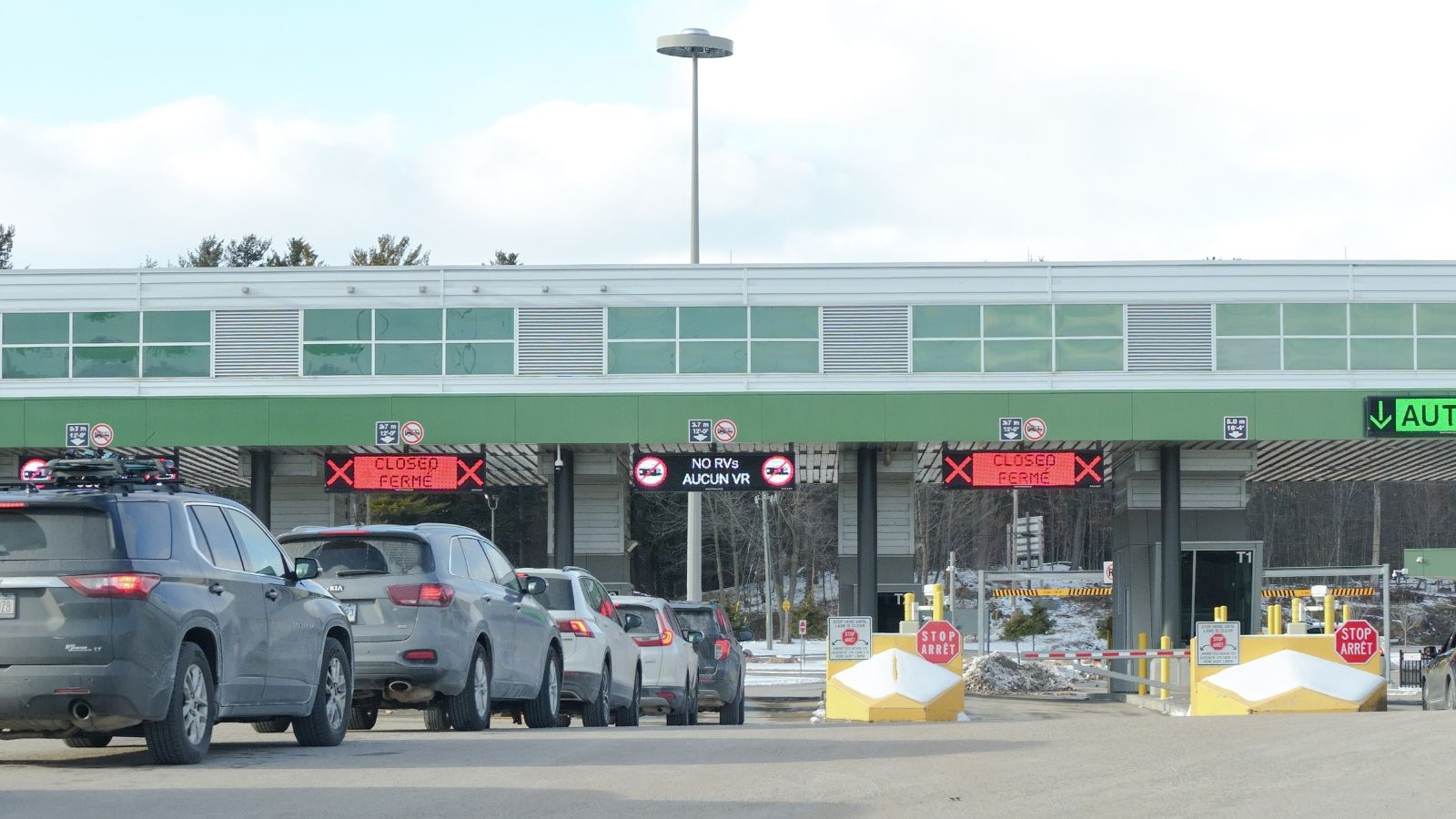
Cross-border bargains can become less attractive if return-to-Canada rules are misunderstood. The Canada Border Services Agency requires returning residents to declare goods acquired abroad, including purchases and gifts. Personal exemption amounts depend on how long the traveller was outside Canada, and a same-day trip does not provide the same exemption as a longer absence.
Food, plants and animal products deserve particular attention. CBSA requires these items to be declared because some can carry pests or diseases and may be restricted or prohibited. Travellers should keep receipts and declare purchases honestly rather than trying to calculate at the border from memory. Someone planning a fall trip around U.S. outlet shopping, a food festival or a wine-region visit should therefore research import limits beforehand. The purpose is not to discourage shopping; it is to make the final Canadian-dollar cost more predictable and avoid returning home with an item that cannot legally enter the country.
Build an Emergency Plan Before Leaving

The final check costs almost nothing. Canadians travelling internationally can register through the federal Registration of Canadians Abroad service, which allows officials to provide information during emergencies and notify registrants about significant changes affecting their destination. The service is particularly relevant when travelling somewhere vulnerable to severe weather, natural disasters or rapidly changing security conditions.
Government guidance also recommends leaving a detailed itinerary and contact information with family or friends and keeping access to copies of important documents such as the passport identification page and insurance information. Travellers should know how to contact their insurer, financial institution and the nearest Canadian government office if something goes wrong. None of this needs to turn a relaxing getaway into an emergency-planning exercise. It is simply a backup system. When a phone disappears, a passport is lost or a storm changes the itinerary, having the important information somewhere other than inside the missing device can make a stressful situation considerably easier to manage.
16 Costco Canada Habits That Could Be Costing Shoppers More Than They Save

The Executive Membership can feel like an obvious upgrade because the 2% annual reward sounds straightforward. For households that spend heavily at Costco Canada, the extra fee may be easy to justify. But the habit becomes costly when shoppers upgrade first and calculate later. A Gold Star Membership costs less, while Executive costs more and only pays off if eligible annual spending is high enough to offset the difference.
16 Costco Canada Habits That Could Be Costing Shoppers More Than They Save
This Options Discord Chat is The Real Deal
While the internet is scoured with trading chat rooms, many of which even charge upwards of thousands of dollars to join, this smaller options trading discord chatroom is the real deal and actually providing valuable trade setups, education, and community without the noise and spam of the larger more expensive rooms. With a incredibly low-cost monthly fee, Options Trading Club (click here to see their reviews) requires an application to join ensuring that every member is dedicated and serious about taking their trading to the next level. If you are looking for a change in your trading strategies, then click here to apply for a membership.