35,000+ smart investors are already getting financial news, market signals, and macro shifts in the economy that could impact their money next with our FREE weekly newsletter. Get ahead of what the crowd finds out too late. Click Here to Subscribe for FREE.
Thanksgiving can look like a one-meal holiday on the calendar, but the household budget often tells a different story. Food is only the starting point. Travel, overnight guests, special diets, child care, pet arrangements and even the containers needed for leftovers can turn a modest gathering into a surprisingly expensive weekend.
That deserves extra attention in 2026. Canadian grocery prices were still 2.8% higher year over year in August, while gasoline prices were up 22.8%. Families planning celebrations therefore have good reason to work out the full cost before invitations turn into purchases. These 20 expenses cover the obvious Thanksgiving essentials as well as the smaller costs that tend to appear once the long weekend gets close.
The Turkey or Main Protein
20 Things Canadian Families Should Budget for Before Thanksgiving
- The Turkey or Main Protein
- Potatoes, Vegetables and Fresh Fruit
- Butter, Dairy and Refrigerated Staples
- Baking Ingredients and Desserts
- Drinks for the Entire Weekend
- Food Allergies and Special Diets
- The Takeout or Convenience-Food Backup
- Extra Groceries for Overnight Guests
- Tableware and Serving Equipment
- Decorations and Flowers
- Cleaning and Paper Products
- Gasoline for Thanksgiving Road Trips
- Flights and Longer-Distance Transportation
- Hotels and Other Accommodation
- Local Transportation and Parking
- Pet Care and Boarding
- Child Care and Babysitting
- Family Entertainment and Weekend Activities
- Leftover Containers and Food-Safety Supplies
- A Post-Thanksgiving Cash Buffer
- 16 Costco Canada Habits That Could Be Costing Shoppers More Than They Save
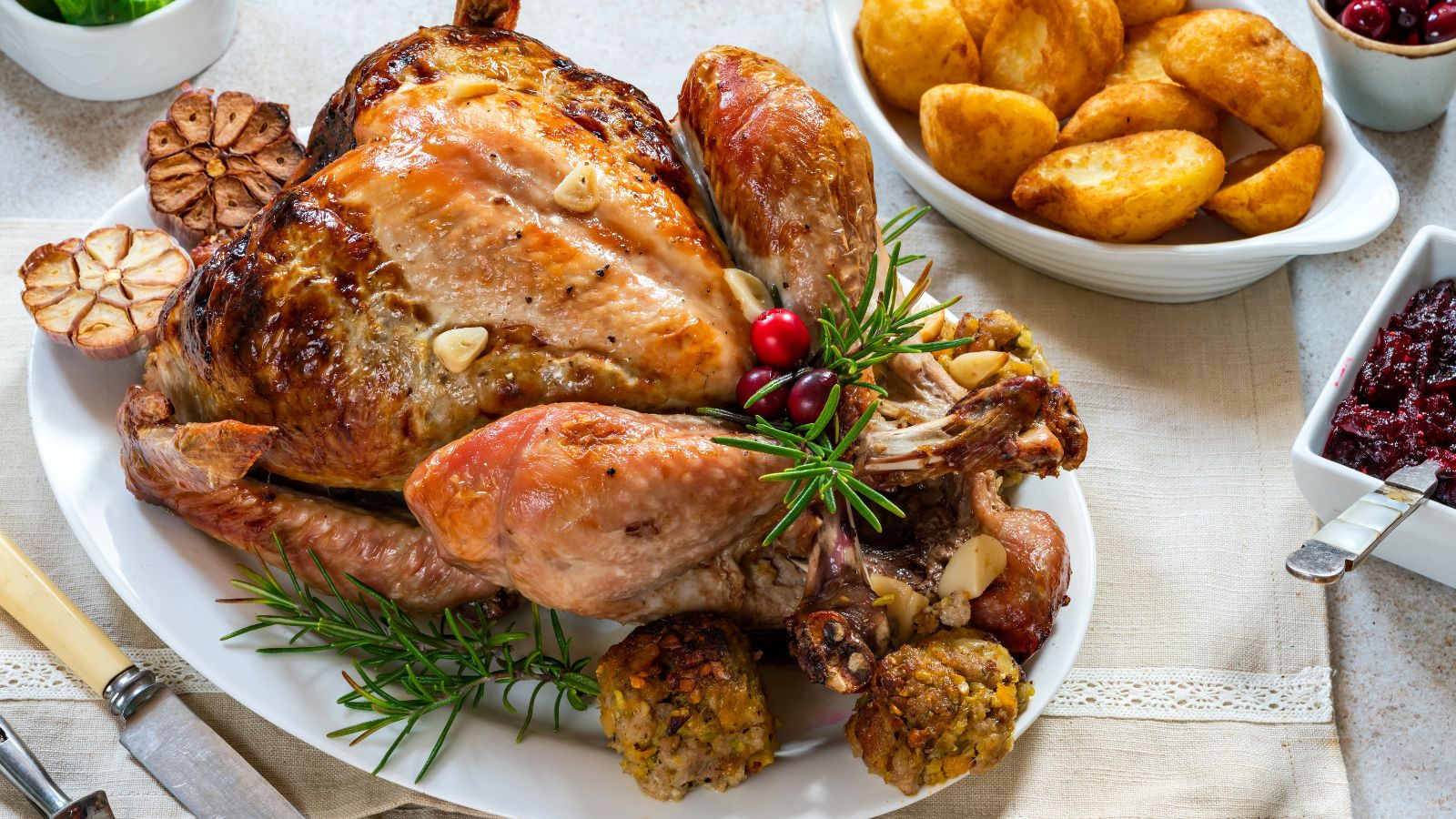
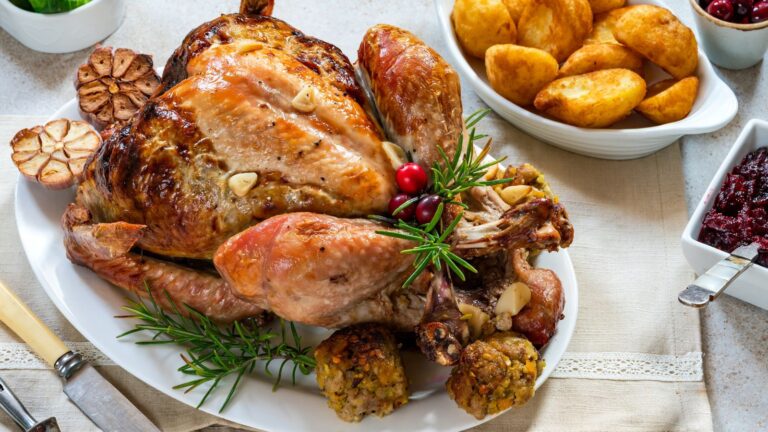
The centrepiece can claim a larger share of the food budget than families expect, particularly when several guests are coming. A whole turkey requires enough meat for the table while often leaving room for sandwiches, soups or another dinner afterward. Families choosing ham, beef, chicken or a plant-based main should still price the protein before building the rest of the menu around it.
Turkey remains a major Canadian food product. Agriculture and Agri-Food Canada reported that 494 regulated producers supplied 139.3 million kilograms of turkey in 2025. Retail prices still vary by province, store, weight and promotions, however, so national production does not guarantee a cheap bird at the local supermarket. A realistic Thanksgiving budget should therefore give the main dish its own line rather than treating it as part of a vague grocery total. Buying according to the confirmed guest count also reduces the temptation to oversize the meal.
Potatoes, Vegetables and Fresh Fruit

Side dishes often look inexpensive individually, but Thanksgiving menus have a habit of multiplying them. Potatoes, carrots, squash, Brussels sprouts, onions, salad ingredients and fruit can easily fill an entire shopping cart section before gravy, stuffing or dessert is considered. Larger gatherings also mean recipes that normally serve four may suddenly require two or three batches.
Recent price data show why produce deserves its own allowance. Statistics Canada reported fresh fruit prices were 4.7% higher year over year in August 2026. Its July national retail-price data placed potatoes at about $5.23 per kilogram, though actual prices vary significantly by location and product. A family serving mashed potatoes, roasted vegetables, salad and a fruit-based dessert may therefore spend much more on produce than the traditional image of “cheap sides” suggests. Planning exact quantities and choosing seasonal substitutes can keep this category from quietly expanding.
Butter, Dairy and Refrigerated Staples

Butter has a way of appearing everywhere at Thanksgiving. It may be needed for mashed potatoes, stuffing, vegetables, pie crust, dinner rolls and desserts. Milk, cream, cheese, sour cream and eggs can add another layer of refrigerated purchases, particularly when several dishes are being made from scratch.
Some dairy inflation has recently moderated, but that does not make these items insignificant. Statistics Canada said dairy prices were only 0.7% higher year over year in August 2026, down sharply from July’s pace. Even so, its July average-price data showed a 454-gram package of butter at about $5.92 nationally, while a dozen eggs averaged $4.95 and two litres of milk averaged $5.53. Those figures can accumulate quickly when recipes call for repeated quantities. Checking the refrigerator before shopping is especially useful here because Thanksgiving is an easy time to accidentally buy duplicates of ingredients already sitting at home.
Baking Ingredients and Desserts

Pumpkin pie may be the traditional choice, but the dessert table often grows beyond one pie. Apple crisp, cheesecake, cookies, whipped cream and treats for children can bring flour, butter, eggs, sugar, oil and specialty ingredients into the Thanksgiving budget. A family baking several desserts from scratch may discover that dessert costs rival one of the savoury courses.
Current retail data make that worth planning. Statistics Canada reported average national prices of roughly $5.92 for 454 grams of butter, $4.95 for a dozen eggs and $10.23 for three litres of vegetable oil in July 2026. Individual recipes may use only part of those packages, but a kitchen running through multiple pies, cakes and breads can consume staples quickly. Families can reduce waste by deciding on the dessert menu before shopping rather than buying ingredients for several possibilities. Asking a guest to bring dessert can also shift both the cost and the workload without shrinking the celebration.
Drinks for the Entire Weekend

Drinks are easy to underestimate because they are rarely treated as the main attraction. Coffee, tea, milk, juice, sparkling water, soft drinks and other beverages can become a noticeable expense when guests stay for several hours or overnight. A household accustomed to supplying drinks for four people may suddenly be stocking the refrigerator and coffee cupboard for ten or twelve.
The broader food budget already represents a substantial household expense. Statistics Canada found Canadian households spent an average of $12,046 on food in 2023, equal to 15.7% of average spending on goods and services. Thanksgiving compresses some of that demand into a single weekend. A practical beverage budget should start with the actual guest list and the length of the gathering. Families can also decide in advance which drinks they will provide instead of trying to satisfy every possible preference. A few clearly chosen options tend to cost less than a refrigerator filled with half-finished bottles and cartons.
Food Allergies and Special Diets

A guest with a food allergy, celiac disease or another dietary requirement can change the shopping list substantially. Separate ingredients, certified products and precautions against cross-contact may be necessary. These are not extras that can simply be dropped when the grocery bill gets high; for some guests, they are essential to eating safely.
Health Canada estimates that approximately 7% of Canadians self-report a food allergy, while diagnosed prevalence is lower. Gluten-free food can also carry a significant premium. Canadian research published in 2025 found gluten-free staple products remained more than twice as expensive overall as comparable gluten-containing foods, with especially large differences for some flour and bread products. Hosts therefore benefit from asking about dietary requirements before shopping begins. The financial advantage is not only knowing what specialty products to buy, but knowing what not to buy. One thoughtfully planned safe dish may be considerably cheaper than purchasing several expensive substitutes at the last minute.
The Takeout or Convenience-Food Backup
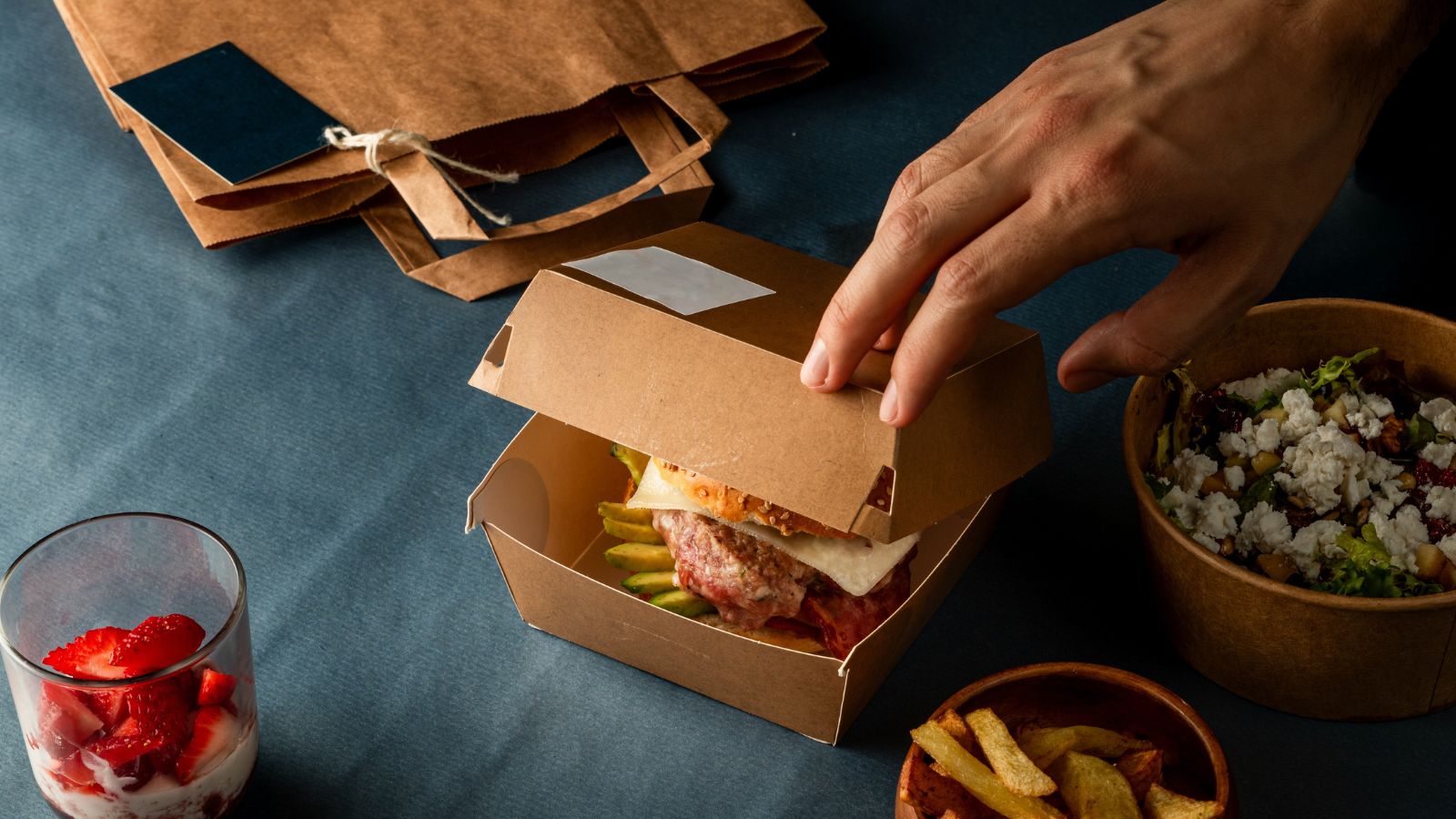
Even families planning a home-cooked Thanksgiving can benefit from budgeting for the meal that does not go according to plan. Travellers may arrive late, children may become hungry hours before dinner, or the host may simply run out of energy after a full day of cooking. Pizza, takeout, prepared supermarket food or a restaurant breakfast can suddenly become part of the weekend.
That convenience has become more expensive. Statistics Canada reported food purchased from restaurants was 3.1% more expensive in August 2026 than a year earlier. Canadian households were already spending an average of $3,351 annually on restaurant food in 2023. Thanksgiving does not need to become a weekend of restaurant meals, but having a modest backup amount is more realistic than assuming every meal will emerge from the kitchen exactly as planned. Keeping a simple frozen or ready-to-heat meal available can serve the same purpose at a lower cost.
Extra Groceries for Overnight Guests
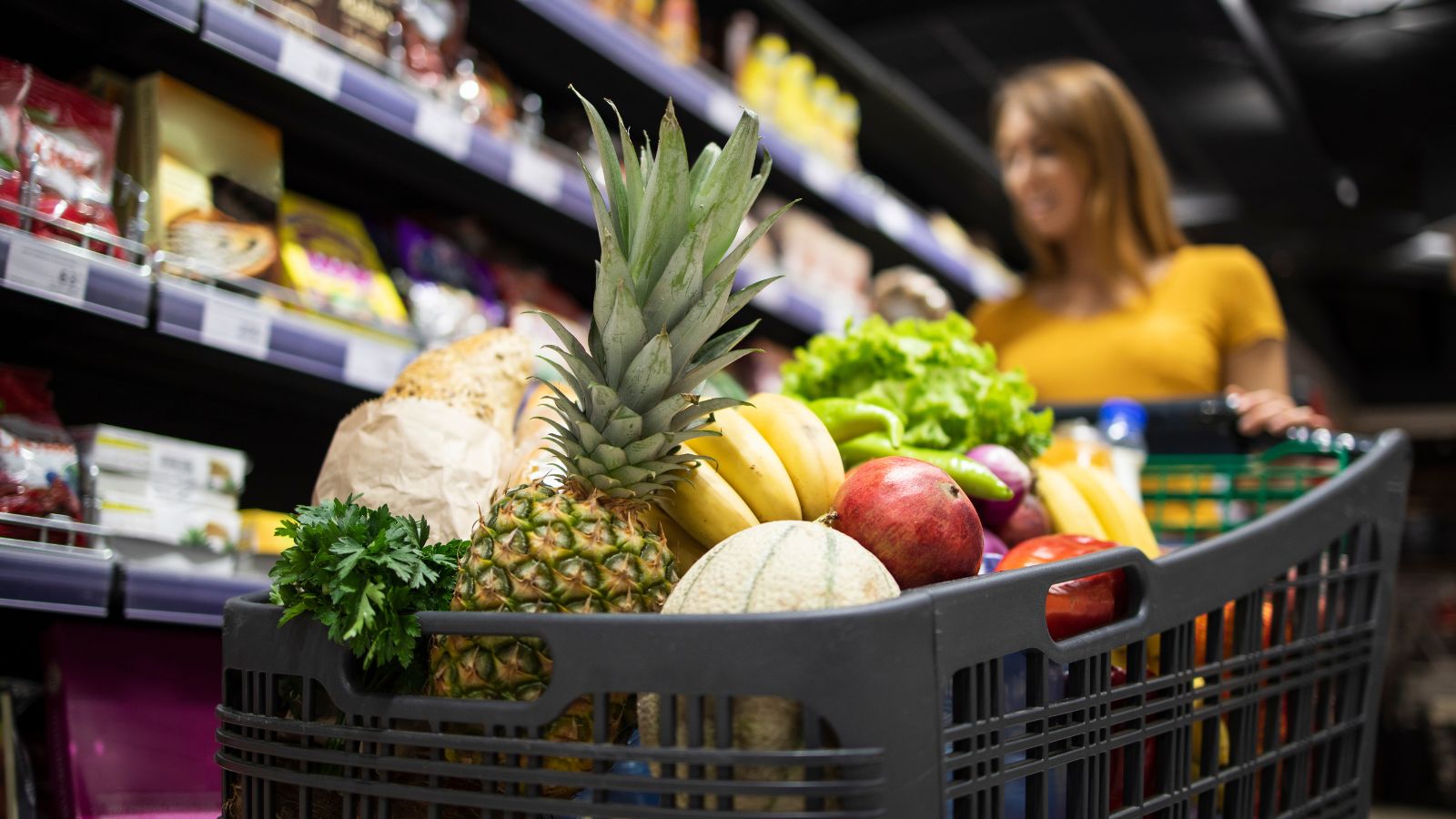
Dinner may be the headline event, but overnight guests still need breakfast, lunch and snacks. Bread, cereal, fruit, coffee, milk, sandwich ingredients and the occasional late-night snack can substantially increase the grocery bill without ever appearing on the formal Thanksgiving menu. Families hosting relatives for two or three days should budget for people, not merely place settings at dinner.
Statistics Canada found households spent an average of $8,659 on food purchased from stores in 2023. Grocery prices have climbed further since then, including another 2.8% year-over-year increase as of August 2026. A household suddenly feeding several extra adults and children will therefore feel the difference. Hosts can make the calculation more manageable by planning inexpensive breakfasts and lunches around items that overlap with Thanksgiving ingredients. Leftover turkey sandwiches, fruit already purchased for dessert and breakfast foods bought in larger packages can stretch the same grocery dollars across the weekend.
Tableware and Serving Equipment

A bigger gathering can expose surprising gaps in a kitchen. There may be enough dinner plates but not enough forks, serving bowls, wine glasses, chairs or trivets. A family hosting Thanksgiving for the first time may also discover it does not own a roasting pan large enough for the turkey or serving dishes capable of holding several sides.
Those purchases belong in the household budget rather than being disguised as groceries. Statistics Canada reported average household spending on operations, furnishings and equipment reached $9,404 in 2023, up from $7,934 in 2019. Thanksgiving is exactly the type of occasion that can trigger one-off purchases inside that broad category. Before buying anything, families can conduct a quick inventory and borrow rarely used equipment from relatives. A borrowed roasting pan or extra folding chairs can perform exactly the same job as new ones. When a purchase is necessary, choosing equipment likely to be reused makes the expense easier to justify.
Decorations and Flowers

A few pumpkins, candles or autumn flowers can make a Thanksgiving table feel special, but seasonal decoration can become a surprisingly large category when purchases are made piece by piece. Table runners, centrepieces, wreaths and outdoor displays may each seem inexpensive until they appear together on the receipt.
Household-related spending is already substantial for Canadians. Statistics Canada recorded an average of $9,404 per household for household operations, furnishings and equipment in 2023. Thanksgiving décor sits inside a much broader pattern of spending on the home, which makes a separate seasonal limit useful. Families can decide beforehand whether the priority is the dining table, front entrance or another focal point instead of decorating every room. Reusable items also spread their cost over several years. Natural elements already available at home, simple candles or decorations stored from previous autumns can create the same sense of occasion without allowing a one-day celebration to become a mini home-makeover project.
Cleaning and Paper Products

Hosting creates costs before the first guest arrives. Dish soap, dishwasher detergent, garbage bags, paper towels, napkins and cleaning supplies may need replenishing. After the meal, a kitchen that has produced several courses can burn through supplies faster than a normal weekend, especially when food preparation begins a day or two early.
These purchases fit into the broader category of household operations, furnishings and equipment, on which Canadian households spent an average of $9,404 in 2023. They rarely attract the same attention as the turkey because each individual product is comparatively inexpensive. Together, however, they can push a Thanksgiving shopping trip beyond its planned total. Checking pantry and cleaning cupboards before heading to the store prevents the common habit of buying “just in case” duplicates. Reusable cloths, washable napkins and regular dishes can also reduce disposable-product costs when a household already has enough for the number of guests.
Gasoline for Thanksgiving Road Trips

For many families, Thanksgiving happens several hours away from home. The cost of driving to visit parents, grandparents or relatives can therefore rival part of the grocery bill, particularly when the trip involves a larger SUV, multiple vehicles or several hundred kilometres of highway driving.
Fuel deserves particular attention in 2026. Statistics Canada reported Canadian gasoline prices were 22.8% higher in August than a year earlier, even after prices dipped 0.9% from July to August. Transportation overall was 7.5% more expensive year over year. Families planning a Thanksgiving road trip can estimate fuel consumption before leaving instead of treating gasoline as an unavoidable afterthought. Coordinating vehicles among relatives, filling up before entering higher-priced areas and avoiding unnecessary extra trips can help. The broader lesson is simple: the holiday budget should include the journey to Thanksgiving dinner, not just what is waiting on the table.
Flights and Longer-Distance Transportation

Some Thanksgiving reunions require more than a tank of gasoline. Families separated by provinces may need airfare, intercity rail or long-distance bus tickets. These costs can escalate quickly when several members of the same household are travelling, especially once baggage charges, airport transportation or seat-selection fees are added.
Air transportation has faced notable price pressure. Statistics Canada reported airfare was 15.0% more expensive year over year in August 2026. In July, airfare had already been 12.0% higher than a year earlier, while travel-tour prices were also elevated. Those national figures do not determine the price of a particular Thanksgiving ticket, but they illustrate why transportation should be booked and budgeted deliberately. Families can compare the total trip cost rather than just the advertised fare. A flight that initially looks cheaper may lose that advantage after baggage, parking and airport transfers are included. Flexibility around departure times can sometimes make a meaningful difference.
Hotels and Other Accommodation

Not every family home has room for every relative. A Thanksgiving gathering can therefore create a lodging bill for either the travelling household or the host who helps cover accommodation for visiting parents or other family members. Even one or two nights can change the overall cost of the weekend dramatically.
Accommodation has recently been moving higher. Statistics Canada reported traveller accommodation prices increased 5.1% from July to August 2026. Separately, its Survey of Household Spending found Canadian households spent an average of $910 on accommodation away from home in 2023, well above pandemic-era levels. Families expecting to need a hotel, motel or short-term lodging should therefore treat it as a core cost rather than something to arrange after the meal plans are settled. Staying with relatives, splitting a larger rental or choosing accommodation farther from the gathering can sometimes lower the expense, provided additional transportation costs do not erase the savings.
Local Transportation and Parking

Even families that avoid a major road trip can encounter transportation costs during Thanksgiving weekend. Airport pickups, taxis, ride-hailing, public transit and paid parking can add up when guests are moving between homes, restaurants, attractions and transportation terminals. Urban gatherings can be particularly vulnerable to small repeated charges.
Transportation is one of the largest household spending categories in Canada. Statistics Canada estimated average household transportation spending at $12,090 in 2023, behind only shelter and food among major consumption categories. By August 2026, transportation prices were another 7.5% higher year over year. Thanksgiving planning should therefore account for how everyone will actually move around once they arrive. Carpooling, checking parking rules beforehand and coordinating pickups can eliminate duplicated trips. When several relatives are travelling together, comparing one larger ride with multiple smaller rides can also prevent transportation from becoming an invisible series of charges spread across different family members.
Pet Care and Boarding

Thanksgiving plans can create an extra bill for four-legged family members. A long road trip may require a kennel or pet sitter, while hosting a crowded home may mean arranging temporary care for an animal that becomes anxious around visitors. Even pets travelling with the family can require food, carriers, medication or pet-friendly accommodation.
Statistics Canada’s household-spending framework specifically tracks pet food and goods along with veterinarian services, kennels, grooming, pet insurance and other pet-related services. That breadth is a useful reminder that pet expenses go well beyond a bag of food. Families deciding whether an animal will travel, stay home or be boarded should make that decision early enough to price the options properly. A last-minute kennel booking can create both logistical and financial stress. Including pet care in the Thanksgiving plan from the beginning avoids treating it as an unexpected emergency expense after the rest of the weekend has already been paid for.
Child Care and Babysitting

A holiday centred on family does not necessarily eliminate child-care expenses. Parents working part of the long weekend, attending adult gatherings or travelling at awkward hours may need a babysitter or other care. Some families may also require additional care when regular arrangements close for the holiday.
Child care remains a major consideration for Canadian families despite falling fees in many parts of the country. Statistics Canada reported 58% of children aged zero to five were in child care in 2025. Average parental expenses for full-time centre-based care fell to $435 per month nationally that year, from $508 in 2023 and $663 in 2022. Holiday or occasional arrangements can operate differently from regular subsidized care, however, so standard monthly costs may not reflect Thanksgiving weekend needs. Parents should confirm schedules early and include any babysitting or alternate-care expense in the celebration budget rather than assuming family members will automatically be available.
Family Entertainment and Weekend Activities

Thanksgiving weekend often involves more than dinner. A movie, pumpkin patch, museum visit, sporting event or other family outing can fill the hours before or after the meal. For households with children or visiting relatives, entertainment is sometimes what turns a gathering into an entire weekend event.
Recreation has been getting more expensive. Statistics Canada reported recreation, education and reading prices were 5.6% higher year over year in August 2026. Canadian households also spent an average of $5,231 on recreation in 2023, up 23.9% from 2021. Families do not have to eliminate entertainment, but setting aside an activity budget can prevent spontaneous outings from competing with grocery money. Free walks, parks, home movie nights, board games and community events can fill part of the schedule while leaving room for one paid activity that everyone is genuinely interested in. The goal is to make the weekend memorable without purchasing entertainment simply because everyone is together.
Leftover Containers and Food-Safety Supplies

Thanksgiving leftovers are practically another meal plan, but safely storing them requires enough refrigerator space and suitable containers. A household preparing an unusually large turkey may suddenly need more shallow containers, freezer bags, foil or labels than it normally keeps in the kitchen.
Health Canada recommends refrigerating Thanksgiving leftovers promptly, discarding cooked food that has sat at room temperature for more than two hours, and generally eating refrigerated leftovers within two to three days or freezing them. Reheated leftovers should reach 74°C. Those rules make food-storage supplies more than a convenience purchase. Having containers ready can protect the money already spent on the meal by preventing usable food from being wasted. Families should check container lids and freezer space before cooking begins. Properly portioned leftovers can then become lunches, sandwiches, soups or future dinners, extending the value of the Thanksgiving grocery budget beyond the holiday itself.
A Post-Thanksgiving Cash Buffer

The final budget category is not something served at dinner. It is the money left after the weekend. Thanksgiving arrives when many households are also facing regular bills, fall expenses and the approaching holiday-shopping season. Spending every available dollar on one weekend can create a difficult financial hangover long after the leftovers are gone.
The Financial Consumer Agency of Canada specifically describes holiday costs as occasional expenses that should be planned for in a budget rather than treated as emergencies. It also warns that unpaid credit-card balances generate interest; its consumer guidance notes that a card might charge around 19% on regular purchases and higher rates on cash advances, although actual rates vary. A sensible Thanksgiving plan therefore includes a firm overall limit and leaves room for ordinary expenses afterward. The most useful budget is not the one that funds the biggest celebration. It is the one that allows the family to enjoy the weekend without turning October’s memories into November’s debt.
16 Costco Canada Habits That Could Be Costing Shoppers More Than They Save

The Executive Membership can feel like an obvious upgrade because the 2% annual reward sounds straightforward. For households that spend heavily at Costco Canada, the extra fee may be easy to justify. But the habit becomes costly when shoppers upgrade first and calculate later. A Gold Star Membership costs less, while Executive costs more and only pays off if eligible annual spending is high enough to offset the difference.
16 Costco Canada Habits That Could Be Costing Shoppers More Than They Save
This Options Discord Chat is The Real Deal
While the internet is scoured with trading chat rooms, many of which even charge upwards of thousands of dollars to join, this smaller options trading discord chatroom is the real deal and actually providing valuable trade setups, education, and community without the noise and spam of the larger more expensive rooms. With a incredibly low-cost monthly fee, Options Trading Club (click here to see their reviews) requires an application to join ensuring that every member is dedicated and serious about taking their trading to the next level. If you are looking for a change in your trading strategies, then click here to apply for a membership.