
35,000+ smart investors are already getting financial news, market signals, and macro shifts in the economy that could impact their money next with our FREE weekly newsletter. Get ahead of what the crowd finds out too late. Click Here to Subscribe for FREE.
Switching cellphone plans can look deceptively simple: find a lower monthly price, move the number, and start saving. In practice, the decision can involve device balances, promotional pricing, network compatibility, roaming rules, family accounts, data limits, and other details that are easy to miss during a hurried change.
Canadian consumers also have protections under the CRTC’s Wireless Code that can make switching easier, but those protections work best when customers understand them. These 20 common mistakes can turn an attractive cellphone offer into a higher bill, weaker coverage, or an unnecessary dispute.
Switching Before Checking the Remaining Device Balance
20 Mistakes Canadians Make When Switching Cellphone Plans
- Switching Before Checking the Remaining Device Balance
- Cancelling the Old Service Before Porting the Number
- Assuming National Coverage Means Good Coverage Everywhere
- Assuming an Unlocked Phone Will Work Perfectly on Any Network
- Ignoring Canada’s 3G Network Shutdowns
- Focusing on the Promotional Price Instead of the Long-Term Price
- Automatically Accepting an Activation or Plan-Change Fee
- Skipping the Critical Information Summary
- Forgetting About the Trial Period
- Assuming “Unlimited” Always Means Unlimited Full-Speed Data
- Treating the $50 Data Cap as a Guarantee Against Extra Costs
- Ignoring Roaming Costs Until the Phone Crosses the Border
- Assuming International Calling, Texting, and Roaming Are the Same Thing
- Buying Far More Data Than the Household Actually Uses
- Treating Prepaid and Postpaid Plans as Interchangeable
- Changing a Family Plan Without Checking Who Controls the Account
- Forgetting That a Wireless Discount May Be Connected to a Bundle
- Failing to Save the Offer and Contract Before the Details Disappear
- Assuming the Final Bill From the Old Carrier Must Be Correct
- Giving Up When the Provider Will Not Resolve a Legitimate Dispute
- 16 Costco Canada Habits That Could Be Costing Shoppers More Than They Save

A cheaper cellphone plan can stop looking inexpensive once the old device agreement is added to the final bill. Canadians who received a phone at a subsidized price or financed it through their carrier may still have an outstanding device-related amount when they leave. Under the Wireless Code, early cancellation charges connected to a subsidized device are tied to the remaining device subsidy and must decline over time. Simply changing providers does not erase money still legitimately owing on the hardware.
This matters most when a switch happens several months before a device agreement reaches its end. A household might save $20 a month on the new plan but immediately face several hundred dollars associated with the old phone. Device rental or return programs can add another complication because the customer may need to return the handset or make a final payment to keep it. Before approving a transfer, Canadians should obtain the current device balance, determine whether the handset must be returned, and calculate the full cost of leaving rather than comparing monthly service prices alone.
Cancelling the Old Service Before Porting the Number

Customers who want to keep their existing cellphone number should resist the instinct to call the old carrier and cancel first. Canada’s number-porting system generally works most smoothly when the existing service remains active and the new carrier initiates the transfer. The CRTC specifically advises consumers not to cancel their service before switching when they intend to keep their number. Once the old service has already been terminated, retaining that number may no longer be possible.
The safer sequence is to establish the new account, tell the new provider that the existing number should be transferred, and follow the authentication instructions used during the port. Mobile transfers can often happen within a few hours, although temporary disruptions can occur during the change. This seemingly small procedural mistake can become surprisingly disruptive for anyone whose number is connected to work contacts, family members, appointment systems, financial accounts, or two-factor authentication. A few minutes spent confirming the porting process before cancelling anything can prevent the much larger task of notifying dozens of contacts about a new number.
Assuming National Coverage Means Good Coverage Everywhere

Canada can have extremely high overall mobile-network availability while still producing very different experiences from one community, highway, cottage region, or building to another. The CRTC’s 2026 telecommunications report says LTE coverage reaches nearly all Canadians, while 5G reaches about 94% of the population. Those national numbers can make two carriers appear interchangeable even when their networks perform differently in the places that matter to a particular customer.
Rural coverage deserves especially careful attention. The CRTC notes that rural areas continue to lag the national average and that perceptions of mobile reliability are lower among rural respondents. Coverage along highways also remains less complete than population coverage, with roughly 87% of major roads and highways reported as served by mobile networks. Someone living in Toronto but regularly driving through Northern Ontario may therefore have very different priorities from a person who rarely leaves the GTA. Before switching, it is worth checking provider coverage maps, asking neighbours or coworkers about their experience, and testing service during any available trial period rather than judging a network solely by its national advertising.
Assuming an Unlocked Phone Will Work Perfectly on Any Network

Canada’s unlocking rules have removed one major barrier to switching. Newly purchased carrier devices must be provided unlocked, and eligible locked devices can be unlocked without a carrier unlocking charge. But “unlocked” only means that the handset is not electronically restricted to one carrier. It does not guarantee that every technical feature of the phone will operate on every Canadian network.
Network bands, Voice over LTE support, software configuration, SIM compatibility, and carrier certification can still matter, particularly with imported phones or older devices. The issue has become more important as Canadian networks move away from legacy 3G technology. A phone might accept a new provider’s SIM and show a data connection while still experiencing problems with voice calling or other network functions. Anyone bringing a handset to a new carrier should therefore check the exact model number rather than merely the brand and model family. Confirming compatibility through the new provider is particularly valuable for devices purchased abroad, second-hand phones, and handsets that were never originally offered by that carrier.
Ignoring Canada’s 3G Network Shutdowns

Older phones that have worked reliably for years can become a poor choice for a new plan as Canadian carriers retire 3G infrastructure. The CRTC warns that once 3G networks are phased out, voice calls will rely on Voice over LTE, or VoLTE. Some older 3G phones will stop working, while certain older 4G devices can also be affected if they do not properly support VoLTE on the relevant network.
The problem is not limited to obviously ancient flip phones. A handset bought overseas, a second-hand smartphone, or a model unsupported by the new carrier may have LTE data capability without full compatibility for modern voice service. The SIM card itself can also be a factor. That creates an awkward scenario in which a customer successfully signs up for an inexpensive bring-your-own-device plan and only later discovers that the phone needs replacing. Before moving an older handset, Canadians should check both the carrier’s device-compatibility information and the CRTC’s guidance on the 3G phase-out. A cheap plan is considerably less attractive if it unexpectedly forces an immediate phone purchase.
Focusing on the Promotional Price Instead of the Long-Term Price

A cellphone plan advertised at an appealing monthly rate may include credits, loyalty discounts, automatic-payment incentives, or other promotions that do not necessarily last indefinitely. The number displayed most prominently in an advertisement therefore should not be the only number used to compare plans. What matters is the minimum monthly charge, the conditions attached to discounts, and what the service will cost once any temporary incentive disappears.
This can produce a meaningful difference over a year or two. Imagine one provider offering a $45 promotional price that later rises while another offers a stable $50 rate. The cheaper-looking option may not remain cheaper for long. The Wireless Code requires clear pricing in contracts, while the CRTC has also adopted additional rules concerning notice of expiring promotions that are scheduled to take effect in 2027. For a switch made today, consumers should still identify the regular price, the promotion’s expiry date, requirements such as automatic payments, and any discount tied to keeping several services together. Comparing the cost over the expected ownership period is much more useful than comparing the first bill.
Automatically Accepting an Activation or Plan-Change Fee

Long-time cellphone customers may be accustomed to seeing connection, activation, or plan-change fees when starting or modifying service. Canadian rules changed substantially in 2026. Effective June 12, 2026, new federal telecom protections prohibit fees related to activating or modifying a telecommunications service plan, as well as certain other charges designed primarily to discourage customers from switching or cancelling.
There are important limits to that rule. Providers can still charge for qualifying optional products or services that a customer explicitly chooses, so not every amount appearing during signup is automatically prohibited. The CRTC has also examined newer carrier charges, including fees associated with devices and SIMs, to determine whether they comply with the prohibition. The practical mistake is assuming that any charge labelled “connection,” “setup,” or something similar must simply be paid. Canadians switching plans should ask what a fee is for, whether it is mandatory to activate the service, and whether it falls under the new rules. An unexplained charge deserves scrutiny, particularly when the service could not function without the item or process generating that fee.
Skipping the Critical Information Summary

The longest contract is not necessarily the first document a new customer should read. Postpaid wireless customers are entitled to a Critical Information Summary, commonly called a CIS, that pulls together some of the most important elements of the agreement. Under the Wireless Code, it must include key contract terms, the total monthly charge, information about one-time charges and additional fees, and other important details.
That makes the CIS particularly useful when a sales conversation contains several moving parts. A customer may have been offered a device credit, a limited-time monthly discount, a particular data allowance, and an international add-on during a single transaction. Memory is a poor substitute for written terms when the first or second bill arrives. The summary also gives consumers something concrete to compare against what they believed they had agreed to. Rather than treating the documents emailed after signup as routine paperwork, switchers should save the CIS and review the monthly price, included services, device terms, extra charges, and usage limits before assuming the transaction is complete.
Forgetting About the Trial Period

Coverage maps and sales conversations can only reveal so much. The real test comes when the new phone is used in a basement office, on the commuter train, inside a concrete condo tower, or along the road to a family cottage. For qualifying contracts with an early cancellation fee, the Wireless Code requires a trial period of at least 15 calendar days so customers can determine whether the service meets their needs.
There are usage conditions. For a standard single-user plan, the trial-period allowance must be at least half the monthly permitted usage for services that are not unlimited. A device supplied by the provider generally must also be returned in near-new condition if the customer cancels under the trial provisions. Customers who self-identify as having a disability receive an extended trial period of at least 30 days and higher permitted usage. The mistake is discovering reception problems, waiting several weeks to see whether they improve, and only then trying to reverse the deal. Testing the new network aggressively but within the trial rules gives Canadians a much better chance to correct a poor switching decision without unnecessary cost.
Assuming “Unlimited” Always Means Unlimited Full-Speed Data
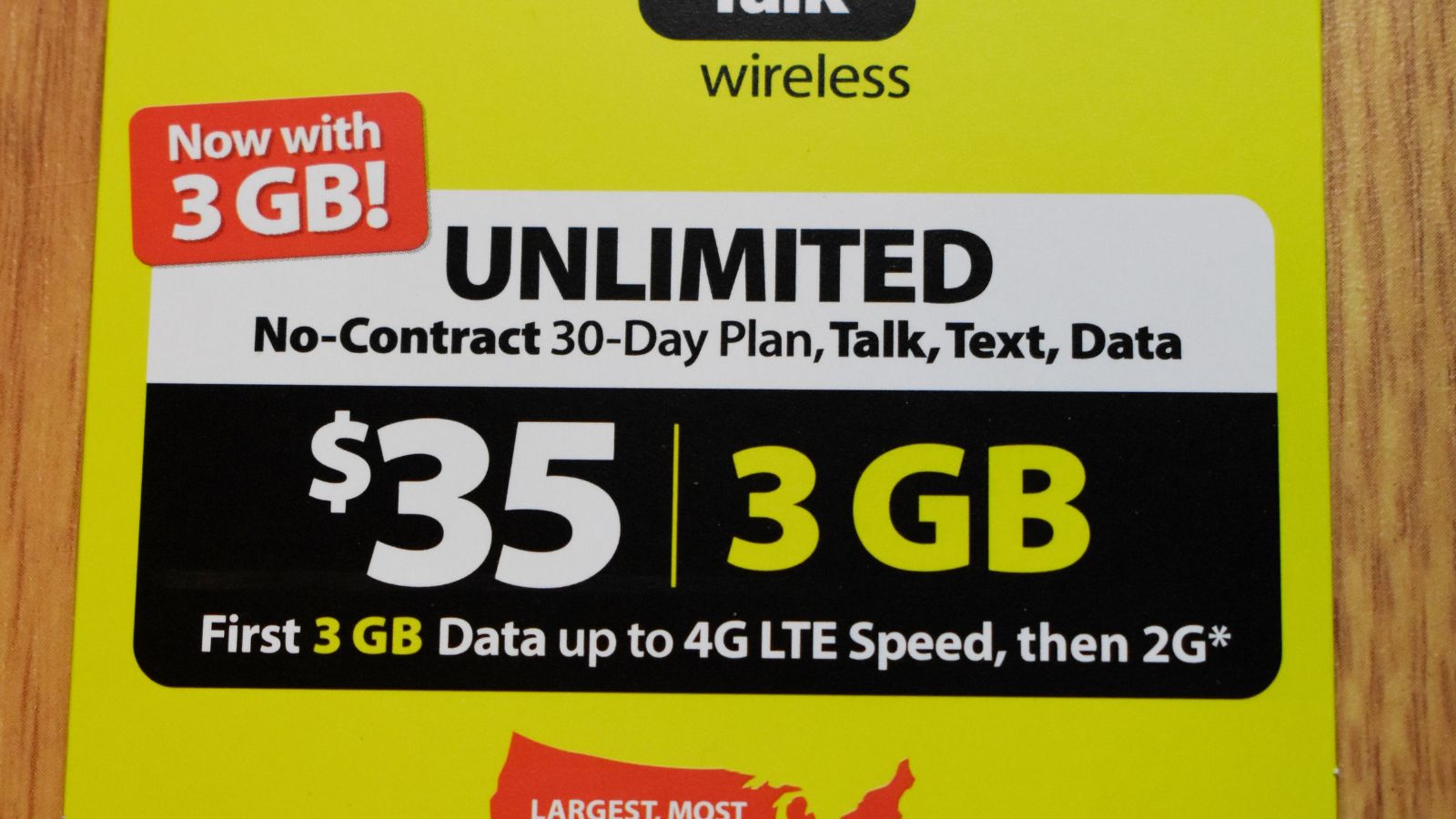
The word “unlimited” can create the impression that every gigabyte of mobile data will be delivered under exactly the same conditions. In practice, consumers still need to read the fair-use policy and plan description. The Wireless Code prohibits overage charges on a service sold as unlimited, but providers may impose limits on unlimited services when those limits are clearly explained in the applicable fair-use policy.
A common plan structure, for example, can provide a large quantity of data at higher speeds before reducing speeds once that threshold is reached. That arrangement can still be materially different from a plan with conventional overage charges, but the distinction matters for customers who routinely stream video, tether laptops, upload large files, or rely on mobile service as a backup Internet connection. The safer comparison is therefore not simply “unlimited versus limited.” Canadians should examine how much high-speed data is included, what happens after the threshold, whether hotspot use is treated differently, and whether network-management conditions could affect normal use. The most generous-looking headline may hide a practical limitation that only becomes obvious late in the billing cycle.
Treating the $50 Data Cap as a Guarantee Against Extra Costs

Canada’s Wireless Code provides meaningful protection against unexpected domestic data bills. When a plan charges for data overages, providers generally cannot impose more than $50 in data overage charges during a billing cycle without explicit consent to go beyond that amount. That protection is valuable, but it should not be misunderstood as meaning an account can never accumulate $50 in extra data costs.
A customer can still incur charges up to the cap, and an account holder or authorized user can consent to spending beyond it. The CRTC therefore recommends monitoring data usage, something most providers make possible through an app or online account. This becomes particularly relevant immediately after changing plans because a household may move from an enormous data bucket to a cheaper plan with a smaller allowance. Behaviour that never mattered before can suddenly produce charges. Background downloads, video streaming, cloud backups, and tethering can consume substantial data without feeling unusual. Canadians who reduce their allowance to save money should set usage alerts and understand who on the account has authority to approve additional spending.
Ignoring Roaming Costs Until the Phone Crosses the Border

A Canadian plan that works perfectly at home can become much more expensive once the device connects to a foreign network. Under the Wireless Code, international roaming charges are capped at $100 per billing cycle unless the customer expressly agrees to incur more. Providers are also required to send an international roaming notification explaining applicable voice, text, and data rates.
The cap should not be mistaken for free roaming or an automatic $100 travel package. Charges can accumulate below the threshold, and background data can create costs even when the phone is sitting in a pocket. The CRTC specifically warns that apps may automatically send or receive data while travelling. Anyone who frequently visits the United States or travels internationally should therefore compare roaming arrangements before switching carriers, not at the airport. One plan may include certain destinations while another relies on daily passes or pay-per-use billing. Turning off data roaming when it is not needed, checking the destination list, and understanding the plan’s travel options can easily matter more than saving a few dollars on the domestic monthly rate.
Assuming International Calling, Texting, and Roaming Are the Same Thing

A plan advertised with generous international features can still require careful reading because international calling, international texting, and roaming are different services. Calling another country while physically located in Canada is not the same as using a Canadian phone while travelling abroad. Likewise, unlimited international text messaging does not automatically mean international voice calls or foreign mobile data are included.
The Wireless Code requires postpaid contracts to clearly identify services included in the agreement, including voice, text, and data, along with limits that can trigger extra charges. Contracts must also indicate where customers can find rates for optional and pay-per-use services. This is especially important for households with relatives overseas or Canadians who cross the U.S. border regularly. A plan might look ideal because it mentions “international” service prominently while covering only one narrow category of use. Before moving the number, switchers should describe their actual calling and travel habits to the provider and confirm each scenario separately. A five-minute clarification can prevent a surprisingly expensive assumption on a future bill.
Buying Far More Data Than the Household Actually Uses

Canadian cellphone plans have become increasingly data-heavy. The CRTC’s 2026 market report says more than half of mobile subscribers now have plans containing over 50 GB of monthly data, while the proportion subscribing to very large data packages has risen sharply in recent years. Actual mobile data consumption has also grown significantly, more than doubling between 2020 and 2024 among subscribers with data plans.
Those trends do not mean every individual customer needs the biggest bucket available. Someone who works from home, uses Wi-Fi most of the day, and downloads entertainment before travelling may consume far less mobile data than a person who regularly tethers a laptop or streams video on the road. The mistake is buying a 100-GB or 200-GB plan simply because the price-per-gigabyte looks impressive. Unused gigabytes have little value if a smaller plan would reduce the monthly bill. Before switching, Canadians can review several months of historical usage through their carrier account and choose a comfortable buffer above normal consumption rather than selecting a plan solely by the size of its advertised data allowance.
Treating Prepaid and Postpaid Plans as Interchangeable

Two plans can advertise similar data and calling allowances while operating very differently behind the scenes. Postpaid customers generally use the service and receive a bill afterward, with the possibility of additional charges depending on the plan. Prepaid customers normally fund their account in advance, and service can be suspended when the prepaid amount or service period runs out.
Canadian consumer protections also contain specific prepaid provisions. The Wireless Code requires providers to give prepaid customers at least a seven-calendar-day grace period after the commitment period expires to top up and retain an existing balance. Even so, switching from postpaid to prepaid can change how automatic payments, roaming, device financing, account balances, and service interruptions work. Prepaid can be an excellent choice for someone seeking tighter spending control, while postpaid may better suit another household’s needs. The mistake is comparing only gigabytes and monthly price without considering how the account functions. Canadians should confirm top-up rules, expiry conditions, roaming availability, device requirements, and what happens when funds run out before deciding that two similarly priced plans are equivalent.
Changing a Family Plan Without Checking Who Controls the Account

A family or shared wireless account is not merely several independent phone lines that happen to appear on one bill. Under the Wireless Code, the account holder is responsible for the contract and, by default, is the person who can consent to charges beyond established data-overage and roaming caps. The account holder can authorize other users to exercise some of those powers.
That matters when one family member wants to leave, upgrade, port a number, or modify the shared arrangement. Removing one line may affect the structure of the account, while a person who regularly uses a phone may not have the authority required to approve contractual changes. Confusion is particularly likely in multigenerational households where the person paying the bill is not the person managing everyone’s devices. Before starting a switch, the household should establish which person is the legal account holder, which users are authorized, which numbers are moving, and which lines are staying behind. Sorting out those roles before the transfer begins can prevent failed requests, unexpected permissions issues, and accidental changes to other family members’ service.
Forgetting That a Wireless Discount May Be Connected to a Bundle

The price attached to a cellphone line may depend on more than the wireless plan itself. Canadians who buy several telecommunications services from the same company can receive bundle pricing, cross-product credits, or other incentives tied to maintaining multiple services. Removing one component can therefore affect the economics of the services that remain.
The CRTC’s telecom codes recognize this characteristic of bundles: changing or removing one underlying service may affect the price or characteristics of other services. A customer who saves $15 by moving a mobile line could therefore lose a discount on home Internet or another bundled product, wiping out some or all of the expected savings. The simplest comparison is a household-level calculation rather than a line-level calculation. Before porting the cellphone number, Canadians should ask the existing provider what the Internet, television, home-phone, or remaining wireless services will cost after the mobile line leaves. The new wireless plan should then be compared against the entire before-and-after monthly expense rather than against one isolated number printed on the current wireless bill.
Failing to Save the Offer and Contract Before the Details Disappear
A verbal promise made during a sales call can feel memorable until a billing dispute arises two months later. Promotions may involve several components—monthly credits, device discounts, bonus data, waived amounts, or loyalty incentives—and remembering the exact combination becomes difficult once the transaction is complete. Keeping the paperwork is therefore more than an administrative habit.
The CCTS specifically asks consumers involved in billing or contract disputes to provide useful documentation such as contracts, bills, proof of payment, and relevant correspondence. The Wireless Code also gives postpaid customers a permanent copy of their contract and related documents. That record can make the difference between demonstrating that an agreed discount is missing and relying on conflicting recollections of a telephone conversation. Canadians switching plans should save the Critical Information Summary, contract, chat transcripts, confirmation emails, screenshots of the offer, and any reference numbers connected to the sale. Creating one folder for those records takes only a few minutes and provides a clear paper trail if the first bill does not match the deal that prompted the switch.
Assuming the Final Bill From the Old Carrier Must Be Correct

The old account should not be forgotten as soon as the new SIM starts working. Final bills can contain legitimate remaining amounts such as device balances, service charges up to the cancellation date, or other contractual obligations. They can also become the moment when a customer notices an unexpected amount, missing credit, or disagreement over what was supposed to happen when the service ended.
Billing deserves attention because it remains the leading source of telecom complaints handled by the CCTS. Its 2025 annual reporting said billing-related issues had reached their highest level in five years, while its 2026 mid-year update again identified billing as the top concern. Wireless service accounted for more than half of the concerns reported in the mid-year data. Those numbers do not mean most final bills are wrong; they do show why consumers should actually read them. Canadians should compare the final statement with the contract, device balance, cancellation date, and any promised credits, then raise unexplained charges promptly with the former provider instead of assuming the account is permanently finished.
Giving Up When the Provider Will Not Resolve a Legitimate Dispute

A frustrating customer-service call does not have to be the final step in a wireless dispute. The CCTS is Canada’s independent telecom and television ombuds organization and can handle eligible complaints involving issues such as wireless billing, contracts, service delivery, and other disputes after the customer has first given the provider a reasonable opportunity to resolve the problem.
That escalation route is worth knowing before switching rather than discovering it during a billing crisis. CCTS data released in April 2026 showed that 19,157 complaints were accepted during the first half of its reporting year, with 88% of concluded complaints successfully resolved. Consumers should still begin with the carrier and clearly explain the requested correction, while retaining bills, contracts, correspondence, and other supporting information. If the issue remains unresolved, a well-documented CCTS complaint provides a structured next step. Switching providers is supposed to create more choice and competition, not leave customers trapped between two companies arguing over responsibility. Knowing the available dispute process gives Canadians a practical way to pursue a legitimate problem after ordinary customer service has failed.
16 Costco Canada Habits That Could Be Costing Shoppers More Than They Save

The Executive Membership can feel like an obvious upgrade because the 2% annual reward sounds straightforward. For households that spend heavily at Costco Canada, the extra fee may be easy to justify. But the habit becomes costly when shoppers upgrade first and calculate later. A Gold Star Membership costs less, while Executive costs more and only pays off if eligible annual spending is high enough to offset the difference.
16 Costco Canada Habits That Could Be Costing Shoppers More Than They Save
This Options Discord Chat is The Real Deal
While the internet is scoured with trading chat rooms, many of which even charge upwards of thousands of dollars to join, this smaller options trading discord chatroom is the real deal and actually providing valuable trade setups, education, and community without the noise and spam of the larger more expensive rooms. With a incredibly low-cost monthly fee, Options Trading Club (click here to see their reviews) requires an application to join ensuring that every member is dedicated and serious about taking their trading to the next level. If you are looking for a change in your trading strategies, then click here to apply for a membership.