35,000+ smart investors are already getting financial news, market signals, and macro shifts in the economy that could impact their money next with our FREE weekly newsletter. Get ahead of what the crowd finds out too late. Click Here to Subscribe for FREE.
As autumn settles in, many Canadian households enter the part of the year when several expenses start climbing at once. Heating demand returns, winter driving costs arrive, holiday spending gets closer, and ordinary grocery bills can consume more room in the budget. That makes early fall a useful time to find expenses that can be reduced without cutting necessities.
The most effective savings often come from ordinary habits rather than dramatic lifestyle changes. Recurring subscriptions, convenience spending, unnecessary banking charges, wasted fuel and inefficient home-energy use can quietly compete with genuinely important winter costs. These 21 everyday expenses are worth reviewing before cold weather puts more pressure on household finances.
Restaurant and Takeout Spending
21 Everyday Costs Canadians Should Cut Before Winter Gets Expensive
- Restaurant and Takeout Spending
- Food That Ends Up in the Garbage
- Grocery Trips Without a Plan
- Paying Extra for Familiar Grocery Brands
- Convenience-Store Top-Ups
- Streaming Services That Rarely Get Opened
- Paid Apps and Digital Services That Became Invisible
- Cellphone Plans With Far More Data Than Needed
- Internet Speeds the Household Does Not Actually Need
- Monthly Banking Fees That No Longer Make Sense
- Using the Wrong ATM
- Credit-Card Interest on Everyday Purchases
- Buy-Now-Pay-Later Purchases for Seasonal Wants
- Automatically Renewing Auto Insurance
- Letting the Vehicle Idle Unnecessarily
- Driving on Under-Inflated Tires
- Keeping the Thermostat Higher Than Necessary
- Paying to Heat Air That Escapes Through Drafts
- Washing Every Load in Hot Water
- Using the Dryer When Clothes Could Air-Dry
- Leaving Electronics on Standby Around the Clock
- 16 Costco Canada Habits That Could Be Costing Shoppers More Than They Save

Restaurant meals can feel like a relatively harmless convenience when purchased one at a time, but the monthly total can become substantial. Statistics Canada reported that Canadian households spent an average of $3,351 on food purchased from restaurants in 2023. That figure includes households with very different incomes and dining habits, but it illustrates how eating away from home occupies a meaningful place in household spending. Cutting even one or two routine orders each week can redirect money toward heating, winter transportation or other seasonal expenses.
The goal does not have to be eliminating restaurants entirely. A household that normally orders dinner three evenings a week might replace only one order with a simple pasta, soup or freezer meal. Meal planning can make that change easier because dinner is less likely to become an expensive last-minute decision. Health Canada specifically notes that planning meals can save money and make unplanned restaurant meals less likely. Small reductions repeated throughout fall can create a useful winter cushion.
Food That Ends Up in the Garbage

Few household expenses are as frustrating as buying food and then throwing it away. Environment and Climate Change Canada has estimated that millions of tonnes of food produced in Canada become avoidable food loss or waste each year, with household over-purchasing, poor planning, storage problems and confusion over date labels among the contributing factors. Produce, bread and cereals have also been identified among frequently wasted food categories in Canadian homes.
A useful fall reset is therefore less about buying the cheapest food and more about actually eating what has already been purchased. Checking the refrigerator before shopping, freezing extra bread, planning meals around produce approaching its prime and using leftovers for lunches can stretch grocery spending further. Canadians should also distinguish between an expiry date and a best-before date. The Canadian Food Inspection Agency explains that best-before dates generally relate to freshness and quality rather than automatically meaning a properly stored product becomes unsafe the next morning.
Grocery Trips Without a Plan

Walking into a supermarket without knowing what is already at home can make an ordinary grocery trip considerably harder to control. Extra sauces, duplicate pantry goods, snacks and ingredients purchased with vague intentions may eventually become waste. Canada’s Food Guide recommends planning meals, checking what is available and making a grocery list before shopping. It specifically notes that sticking to a list can help save money, save time and reduce food waste.
The process can remain flexible. A household does not need seven elaborate dinners mapped out every Sunday. Planning four or five basic meals, leaving room for leftovers and keeping several inexpensive backup ingredients may be enough. Flyers can then be checked for items already needed instead of allowing promotions to determine the entire cart. This matters heading into winter because grocery costs compete with heating, winter tires, clothing and seasonal events. A predictable grocery routine makes the household budget easier to manage before those other expenses arrive.
Paying Extra for Familiar Grocery Brands

Brand loyalty can be expensive when it happens automatically. Health Canada recommends comparing unit prices, checking generic and brand-name alternatives, looking on different shelves and shopping sales when trying to control grocery spending. A recognizable package may still be worth paying for when taste or quality genuinely matters, but many staples offer room to experiment. Flour, canned vegetables, pasta, frozen fruit, cleaning products and pantry basics are obvious places to compare instead of buying by habit.
Shopping patterns matter as well. The Competition Bureau has repeatedly linked greater grocery competition with the potential for lower prices and more consumer choice. Its September 2026 update noted that food affordability remained a major Canadian concern. That does not mean driving across town to save pennies. It can mean comparing nearby discount banners, reviewing digital flyers and occasionally testing a lower-priced alternative. Saving even a few dollars across several weekly staples can matter far more over an entire winter than a single dramatic bargain.
Convenience-Store Top-Ups

Convenience spending becomes expensive partly because it solves an immediate problem. Someone forgets lunch, runs out of milk or wants a snack on the drive home, and the closest store becomes the easiest option. Health Canada specifically advises consumers trying to eat on a budget to avoid relying on convenience stores because they can be more expensive than grocery stores. An occasional stop is unlikely to damage a budget, but several small stops every week create a recurring expense.
The practical fix is preparedness rather than deprivation. Keeping a refillable water bottle, snacks, coffee supplies and basic lunch ingredients at home reduces the number of moments when convenience pricing wins. The arithmetic can become noticeable quickly. A $6 snack-and-drink purchase made four times a week represents roughly $96 over four weeks. Cutting that pattern in half preserves some convenience while freeing nearly $50. Heading toward winter, that amount can cover part of a utility bill, fuel fill-up or another expense that is much harder to avoid.
Streaming Services That Rarely Get Opened

Streaming subscriptions have a way of becoming permanent long after the program that prompted the signup has ended. One service carries a favourite show, another has sports, and another came with a promotion that seemed inexpensive at the time. The problem is not any individual subscription; it is the combined recurring total when several services remain active despite limited use. The Financial Consumer Agency of Canada recommends reviewing actual expenses when building a budget so households can identify costs that are not providing enough value.
A useful approach is rotation. Instead of maintaining every entertainment service simultaneously, a household might keep one or two active, watch what it wants, cancel them and switch later. Reviewing bank and credit-card statements can reveal forgotten monthly charges faster than trying to remember every signup. Even three unused services costing $10 each would consume $360 over a year. Reducing recurring entertainment costs before winter creates savings automatically each month, with no need to repeatedly make the same budgeting decision.
Paid Apps and Digital Services That Became Invisible

Streaming platforms are not the only subscriptions that accumulate. Cloud storage upgrades, fitness apps, productivity programs, photo-editing tools, gaming memberships, news products and premium mobile features can all renew automatically. Individually, many are deliberately priced to feel small. Together, they can become another household bill. FCAC advises consumers to monitor accounts regularly and confirm that recurring or pre-authorized withdrawals match what was actually authorized.
A fall subscription audit can be surprisingly straightforward. Search recent bank and credit-card statements for repeating charges, then classify each as essential, genuinely useful or barely noticed. The middle category deserves the closest look because people often keep services simply because cancelling requires a few minutes of effort. A $7 monthly app does not look significant, but four such subscriptions equal $336 a year. The useful question is not whether an app is inexpensive; it is whether the household would deliberately sign up for it again today at the current price.
Cellphone Plans With Far More Data Than Needed

Canada’s wireless market provides a strong reason to periodically compare plans rather than letting an old contract continue indefinitely. A 2025 telecommunications pricing study commissioned by Innovation, Science and Economic Development Canada found substantial differences between weighted average prices and the cheapest available offers. For a plan category with at least 20 GB of data, the national weighted average was $73.51 while the study identified a minimum available price of $32.77.
Not every consumer can obtain the cheapest advertised offer, and coverage, financing, roaming and service requirements differ. Still, the gap demonstrates why checking alternatives matters. A person routinely using only a fraction of a large data allowance may be paying for capacity that provides no practical benefit. Reviewing three months of actual data consumption before shopping makes comparisons more meaningful. Flanker brands, regional providers and promotional offers may offer better value. Cutting $15 monthly from a wireless bill would retain $180 annually for expenses that become much more noticeable once winter arrives.
Internet Speeds the Household Does Not Actually Need

Home internet can create the same problem as cellphone service: paying for the biggest number rather than the service actually required. The federal government’s 2025 telecom pricing study found wide variation between average and minimum available broadband prices. For service at 50 Mbps or higher, the Canadian weighted average price was $79.04, while the lowest identified offer was $43. Higher-speed tiers also carried progressively higher average prices in the study.
That does not mean every household should downgrade. Families with multiple heavy users, remote workers, frequent large downloads or other demanding applications may benefit from faster service. The point is to compare the plan against actual household needs. Someone paying for near-gigabit speeds primarily to browse, stream and send email may have room to reduce the tier or negotiate a better price. Asking the existing provider about current promotions is also worthwhile before switching. Internet is essential for many households; paying more than necessary for unused capacity is not.
Monthly Banking Fees That No Longer Make Sense

Bank-account charges are easy to overlook because they are automatically deducted and often remain unchanged for years. Yet Canadian consumers have more options than many assume. Under the modernized federal commitment on low-cost banking, participating financial institutions offer accounts costing no more than $4 per month, and qualifying groups can access no-cost accounts. Other institutions may waive monthly charges when customers satisfy specific balance or product conditions.
The right account depends on transaction habits. Someone making dozens of debit transactions may require a different package from someone who pays almost everything by credit card and makes only a few bank transactions. FCAC specifically recommends comparing account fees, transaction limits and services periodically. The savings do not need to be enormous to matter. Replacing a $16 monthly account with one costing $4 would save $144 annually. That is money currently disappearing without providing food, heat, transportation or entertainment—and therefore an unusually painless place to look for winter budget room.
Using the Wrong ATM

An urgent cash withdrawal can cost more than the amount shown on the first fee screen. FCAC explains that ATM transactions may involve a regular account fee, a network access fee and a convenience charge imposed by another financial institution or a privately operated machine. The exact combination depends on the customer, account and ATM. A few dollars may seem insignificant when someone simply needs $40 in cash, which is exactly why the habit can persist.
Planning withdrawals makes those charges easier to avoid. Using an ATM operated by the customer’s own institution is generally the simplest approach, while some credit unions participate in networks offering broader surcharge-free access. Cash back at merchants can provide another option when available. A person paying $4 in combined fees twice a month loses $96 over a year purely for accessing their own money. That amount will not transform a household budget, but cutting several small financial leaks like this one can collectively create meaningful breathing room before winter.
Credit-Card Interest on Everyday Purchases
Credit-card interest can quietly turn ordinary groceries, fuel and clothing into more expensive purchases long after they have been consumed. FCAC explains that consumers generally pay interest when a credit-card balance is not paid in full by the due date. Its consumer guidance gives 19% as an example rate for regular purchases and notes that cash advances may carry still higher rates, although individual cards vary considerably.
The effect becomes clearer over time. FCAC provides an example involving a $2,000 balance at 18% interest: paying only a $60 minimum would take three years and 11 months and produce $793 in interest. Increasing the monthly payment substantially shortened both the repayment period and interest cost. Before winter shopping accelerates, reducing discretionary spending while directing the difference toward an existing balance can therefore accomplish two things simultaneously. It lowers new spending and prevents previous purchases from continuing to generate financing costs month after month.
Buy-Now-Pay-Later Purchases for Seasonal Wants

Deferred-payment plans can make winter clothing, electronics and holiday purchases appear more affordable because the full cost disappears from the checkout moment. But these arrangements are still credit. FCAC warns that some buy-now-pay-later and retail-card promotions can lose their promotional interest rate when payments are missed or balances are not cleared according to the agreement. In one example provided by the agency, a promotional rate could jump from 0% to 35%.
That makes these plans especially risky when several purchases overlap. Four seemingly manageable instalments from different retailers can become one crowded monthly budget. Before using financing for a seasonal want, it is worth asking whether the purchase would still happen if the full price had to leave the bank account today. Saving beforehand or buying a cheaper alternative removes the possibility of late charges or expensive interest. Winter already brings plenty of unavoidable bills. Adding instalment obligations for discretionary purchases can make January much harder than December initially suggests.
Automatically Renewing Auto Insurance

Car insurance is mandatory for drivers, but loyalty does not guarantee the lowest premium. FCAC states that premiums vary between insurers and recommends shopping around, requesting quotes and comparing coverage. Depending on circumstances, consumers may also save through higher deductibles, multi-policy arrangements or other discounts. Ontario’s regulator similarly encourages drivers to obtain multiple quotes because insurers can price comparable risks differently.
The best time to compare is before the renewal deadline, not after another year has already been charged. Drivers should still compare equivalent coverage rather than choosing a cheaper policy that removes protections they actually need. Changes in vehicle use also matter. Someone who now works primarily from home, drives fewer kilometres or has changed vehicles should ensure those details are accurately reflected. Even when the existing insurer remains the best choice, requesting competing quotes establishes that the premium is still competitive. Winter driving is expensive enough without paying more than necessary for identical insurance protection.
Letting the Vehicle Idle Unnecessarily
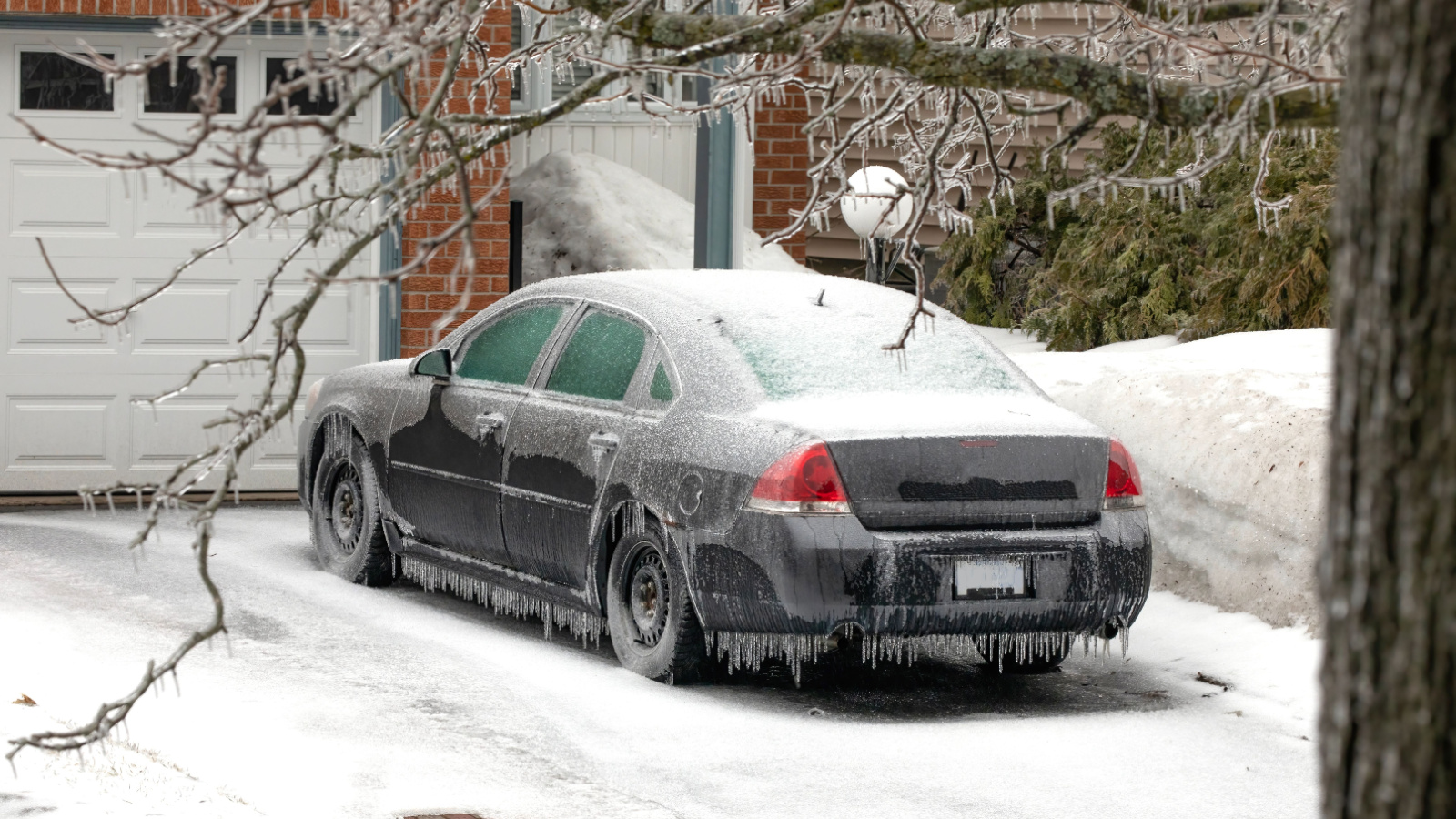
Canadian winters encourage idling, but the habit often begins well before truly cold weather arrives. Natural Resources Canada advises drivers to turn off an engine when stopped for more than 60 seconds, except in traffic. NRCan estimates that an average vehicle with a three-litre engine wastes about 300 millilitres of fuel during 10 minutes of idling. Repeated every day, that fuel goes nowhere.
Short periods may appear trivial, yet they are easy to accumulate while waiting outside schools, shops or homes. Drivers can reduce unnecessary idling by combining errands, planning pickup times and going inside instead of sitting with the engine running when practical. The objective is not to compromise safety or ignore manufacturer guidance during severe weather. It is to remove idle time that serves no useful purpose. With fuel already representing a significant transportation expense for many Canadian households, avoiding needless consumption is one of the few driving costs that can be reduced without travelling fewer necessary kilometres.
Driving on Under-Inflated Tires

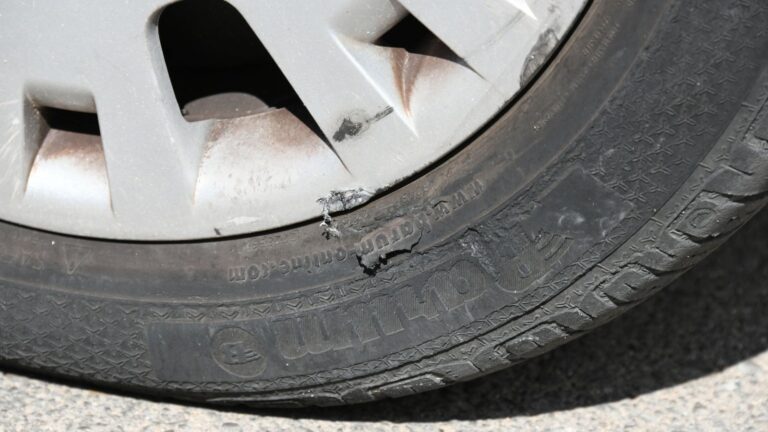
Tire pressure becomes especially relevant as temperatures drop. Even without considering seasonal changes in pressure, running significantly under the vehicle manufacturer’s recommendation makes the vehicle less efficient. Natural Resources Canada says tires under-inflated by 56 kilopascals, or about eight psi, can increase fuel consumption by as much as 4%. NRCan also warns that under-inflation can shorten tire life by more than 10,000 kilometres.
Checking pressure monthly is inexpensive and takes only a few minutes. The correct figure should come from the vehicle’s tire-information placard, normally located near the driver’s door, rather than the maximum pressure printed on the tire itself. Maintaining pressure is therefore about more than fuel. Prematurely replacing a set of tires represents a far larger expense than the air needed to maintain them properly. Before winter driving intensifies, checking both seasonal tires and the vehicle’s recommended pressures can help protect two costly household categories at once: fuel and vehicle maintenance.
Keeping the Thermostat Higher Than Necessary

Home heating is one of the clearest reasons to cut smaller expenses before winter. Natural Resources Canada says space heating represents about 61% of the energy used in an average Canadian home. That means small changes in heating habits can matter more than obsessing over minor electrical appliances. NRCan estimates that lowering the thermostat by 1°C for an eight-hour period can reduce heating-energy consumption by roughly 2% in many conventional systems.
A setback can be scheduled overnight or during periods when the home is empty, provided it suits the heating system. Heat pumps and certain hydronic systems can respond differently, so homeowners should follow appropriate system guidance rather than applying aggressive setbacks blindly. Comfort also matters. The goal is not to spend winter shivering; it is to avoid heating an empty house or maintaining unnecessarily high overnight temperatures. Establishing a sensible routine in fall makes energy savings automatic when colder conditions arrive.
Paying to Heat Air That Escapes Through Drafts

Turning down the thermostat helps, but heating becomes harder to control when warm air constantly escapes. Natural Resources Canada identifies air sealing as an important home-efficiency measure and recommends checking windows, doors and other common leakage areas. Weatherstripping is specifically designed to block unwanted airflow around movable window and door components. NRCan has also estimated that windows and doors can account for a significant share of total home heat loss.
Not every draft requires a costly renovation. Worn weatherstripping, an unsealed door sweep or a small gap around trim may sometimes be addressed with relatively inexpensive materials, provided they are installed correctly and appropriate products are used. Homeowners should be more cautious with major sealing work because ventilation and moisture management still matter. For renters, reporting defective seals to the landlord may be appropriate. The financial logic is straightforward: before paying for more heat all winter, reduce the places where purchased heat unnecessarily leaves the building.
Washing Every Load in Hot Water

Laundry is another routine where habit can quietly increase energy consumption. Natural Resources Canada recommends washing clothes in cold water when possible because doing so avoids much of the energy required to heat wash water. NRCan also recommends using appropriately sized full loads and high-speed spin settings, which can remove more water before clothes reach the dryer.
Hot water still has legitimate uses depending on the fabric, level of soiling and care instructions, so the aim is not to outlaw it. Instead, cold washing can become the default for ordinary loads rather than something used occasionally. Households running several loads every week repeat this energy decision hundreds of times a year. Detergents and modern machines are commonly designed to operate under a range of temperatures, but manufacturer instructions should still guide individual situations. Once heating demand rises elsewhere in the home, reducing unnecessary water heating is an easy way to keep another portion of the utility bill under control.
Using the Dryer When Clothes Could Air-Dry

Dryers provide enormous convenience, particularly during wet or freezing Canadian weather, but they do not need to handle every garment from start to finish. Natural Resources Canada recommends drying appropriately sized loads, cleaning the lint trap and using higher-speed washer spin cycles to remove more moisture beforehand. It also suggests line-drying or using an indoor drying rack where appropriate as ways to reduce dryer energy consumption.
The most practical approach may be partial rather than total air-drying. Sweaters, workout clothing or delicate items can go on racks while towels and bedding still use the machine. Even reducing drying time helps. A household can also group lightweight garments separately from heavy towels so one slow-drying item does not keep an entire mixed load running. Safety and moisture levels need consideration when drying indoors, particularly in small or poorly ventilated spaces. Used sensibly, however, the drying rack is effectively a small household appliance with no electricity bill.
Leaving Electronics on Standby Around the Clock

Televisions, game consoles, printers, speakers and other connected devices can continue drawing electricity when nobody is actively using them. Natural Resources Canada estimates that standby power can account for roughly 5% to 10% of a household electricity bill. Network-connected devices are especially likely to remain partly active because they maintain clocks, remote functions or internet connections even while their primary function is idle.
Not everything should be unplugged. Routers, security devices and equipment that needs continuous operation should remain available. The easier targets are guest-room televisions, printers used occasionally, entertainment peripherals and older electronics attached to AC adapters. NRCan recommends smart power bars, sleep settings and unplugging rarely used equipment. The savings from any single device may be modest, but standby consumption is persistent: it occurs every hour of every day. Cutting that background electricity use before heating season helps ensure more of the winter energy budget is paying for something the household is actually using.
16 Costco Canada Habits That Could Be Costing Shoppers More Than They Save

The Executive Membership can feel like an obvious upgrade because the 2% annual reward sounds straightforward. For households that spend heavily at Costco Canada, the extra fee may be easy to justify. But the habit becomes costly when shoppers upgrade first and calculate later. A Gold Star Membership costs less, while Executive costs more and only pays off if eligible annual spending is high enough to offset the difference.
16 Costco Canada Habits That Could Be Costing Shoppers More Than They Save
This Options Discord Chat is The Real Deal
While the internet is scoured with trading chat rooms, many of which even charge upwards of thousands of dollars to join, this smaller options trading discord chatroom is the real deal and actually providing valuable trade setups, education, and community without the noise and spam of the larger more expensive rooms. With a incredibly low-cost monthly fee, Options Trading Club (click here to see their reviews) requires an application to join ensuring that every member is dedicated and serious about taking their trading to the next level. If you are looking for a change in your trading strategies, then click here to apply for a membership.