
35,000+ smart investors are already getting financial news, market signals, and macro shifts in the economy that could impact their money next with our FREE weekly newsletter. Get ahead of what the crowd finds out too late. Click Here to Subscribe for FREE.
Fall can be deceptively demanding on a vehicle. Warm afternoons can quickly turn into chilly mornings, heavy rain can expose worn tires and wipers, and the first frost can reveal a battery or defroster that seemed perfectly healthy all summer. In many parts of Canada, autumn is also the short preparation window before freezing temperatures, road salt, snow and ice become everyday concerns.
A few preventative checks can therefore make the seasonal change considerably less stressful. These 18 things Canadian drivers should check before fall weather hits cover everything from tires and brakes to windshield damage, coolant, rust protection and emergency equipment. Some take only a few minutes in the driveway; others are good reasons to schedule a professional inspection before colder conditions expose a problem.
Check How Much Tread the Tires Have Left
18 Things Canadian Drivers Should Check Before Fall Weather Hits
- Check How Much Tread the Tires Have Left
- Recheck Tire Pressure as Temperatures Fall
- Decide When the Winter Tires Are Going On
- Inspect the Wiper Blades Before the Rain Gets Worse
- Switch to Cold-Weather Windshield Washer Fluid
- Have the Battery Tested Before the First Real Cold Snap
- Make Sure Every Exterior Light Actually Works
- Pay Attention to Brake Feel, Noise and Pulling
- Check Coolant Strength, Level, Hoses and Belts
- Test the Heater and Defrosters While the Weather Is Still Mild
- Repair Small Windshield Chips Before Temperature Swings Worsen Them
- Check the Cabin Air Filter and Ventilation Airflow
- Check Engine Oil and Other Important Fluid Levels
- Inspect for Rust Before Road Salt Returns
- Check the Spare Tire, Jack and Wheel Wrench
- Rebuild the Emergency Kit for Cold Weather
- Have the Exhaust System Checked for Leaks
- Make Sure Cameras and Driver-Assistance Sensors Are Ready for Bad Weather
- 16 Costco Canada Habits That Could Be Costing Shoppers More Than They Save

Rain is often the first fall-weather test for tires that looked perfectly adequate during a dry summer. Tread grooves are designed to move water away from the tire’s contact area, and as tread wears down, wet-weather and eventually snow performance deteriorate. Transport Canada advises drivers to check tires regularly for tread wear as well as cuts, cracks, blisters and bulges. It also warns that tires approaching 4 mm of tread should not be relied upon for snow-covered roads, even though the legal wear limit can be considerably lower.
Fall is therefore a useful time to measure rather than guess. A tread-depth gauge costs little and can expose substantial differences between tires that look similar from several feet away. Uneven wear also deserves attention because it can point toward alignment or balance issues. A vehicle that spent the summer quietly wearing one tire along an inside edge could enter the rainy season with much less usable grip than its owner realizes.
Recheck Tire Pressure as Temperatures Fall
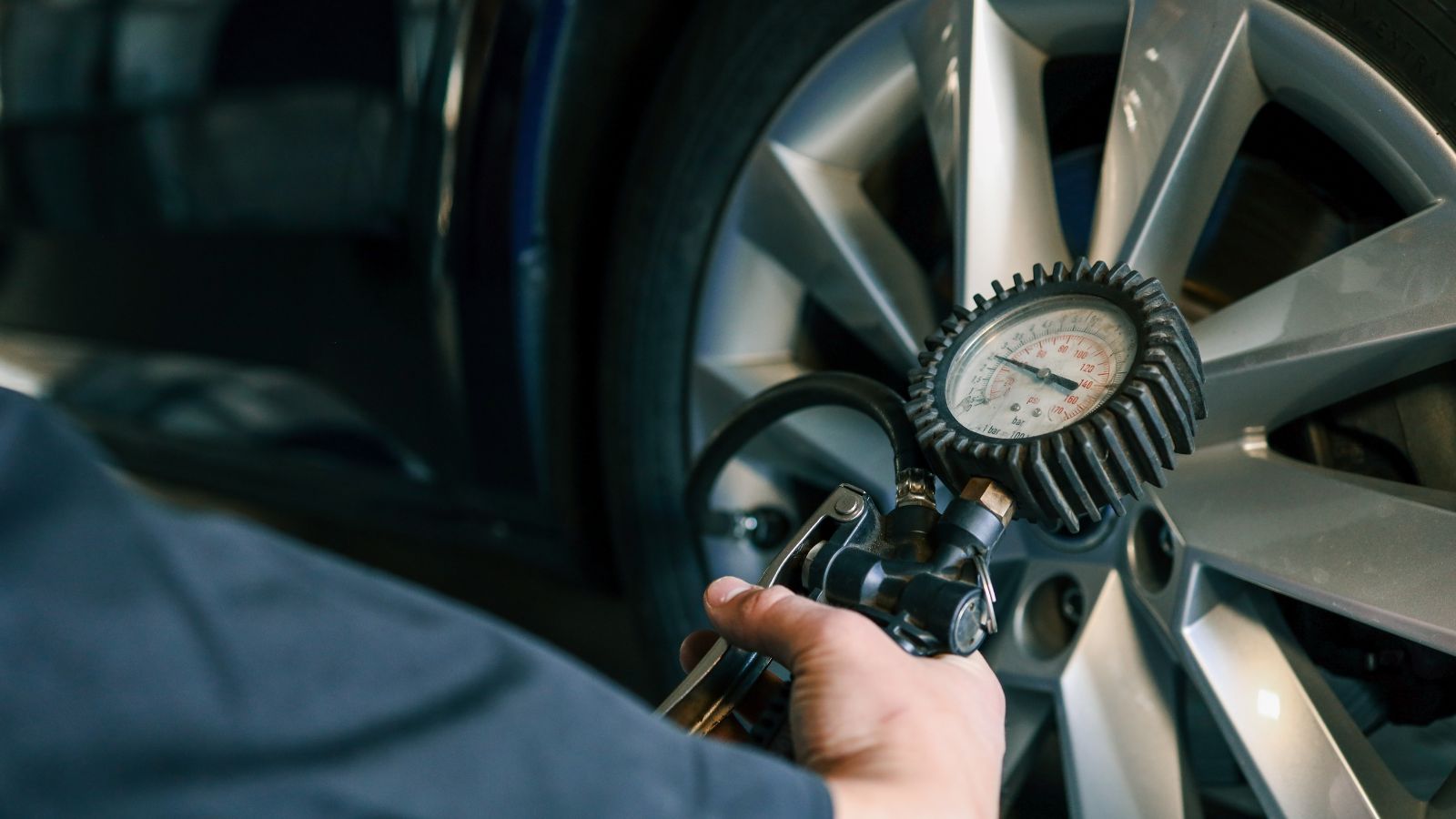
A tire can be properly inflated during a warm September afternoon and noticeably lower after a major temperature drop. Transport Canada says tire pressure falls by roughly 1 psi, or about 7 kPa, for every 5°C decline in temperature. Tires also gradually lose air over time, making autumn an especially sensible season to establish a habit of checking pressures rather than waiting for a dashboard warning.
Pressure should be checked when the tires are cold and adjusted to the vehicle manufacturer’s specification, normally found on the driver’s-door label or in the owner’s manual. That figure is more important than simply inflating the tire to a number printed on its sidewall. Underinflation can affect handling, tire life and efficiency, while overinflation reduces the tire’s contact area and can also compromise grip. The spare should be included in the inspection. A forgotten spare that has slowly lost pressure for years will not be much help beside a wet highway on a cold October night.
Decide When the Winter Tires Are Going On
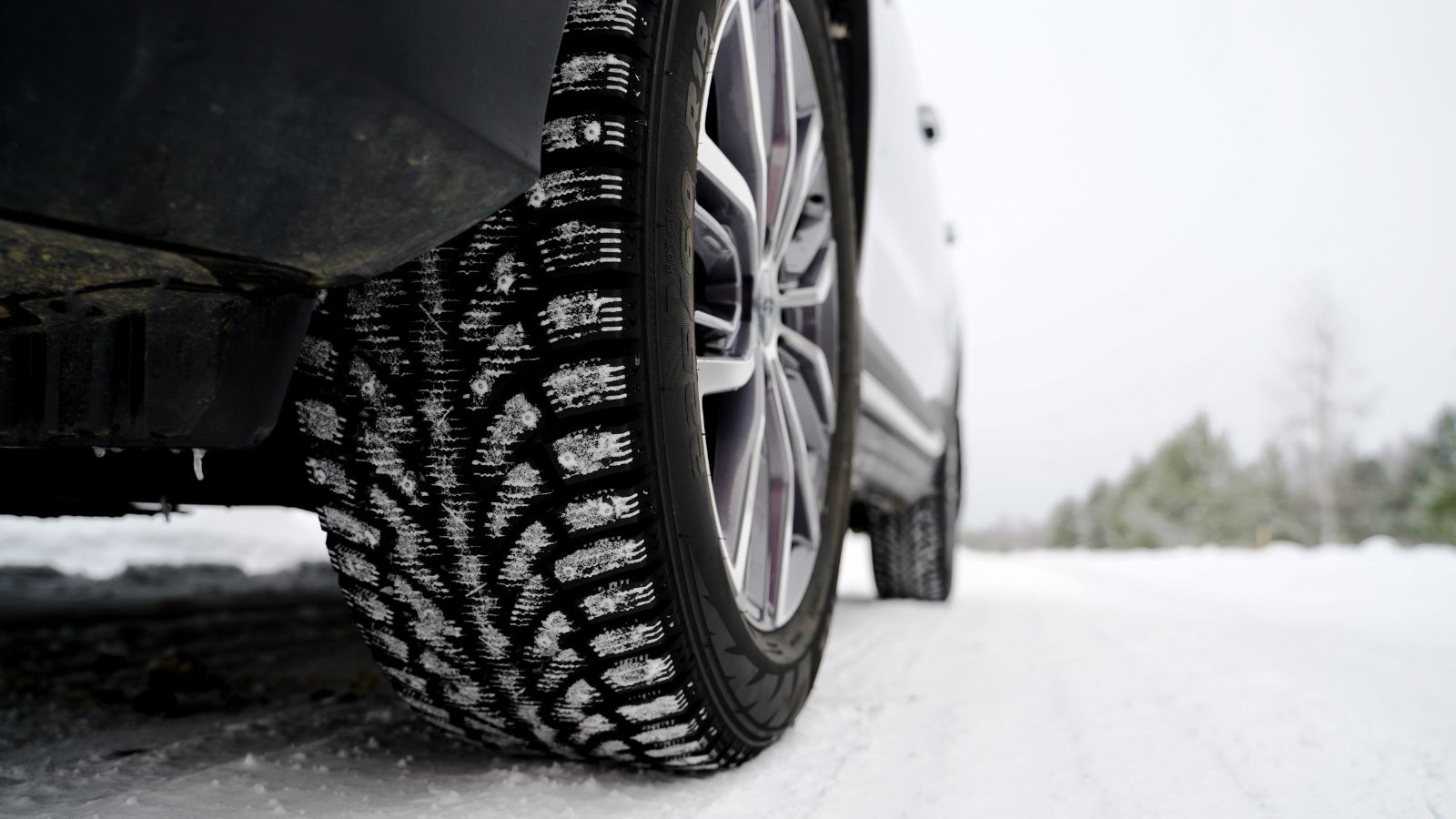
Winter-tire preparation should happen before the first major snowfall appears in the forecast. Transport Canada notes that summer and conventional all-season tires begin losing elasticity below about 7°C, while winter compounds remain flexible at considerably lower temperatures. It also recommends installing winter tires on all four wheels rather than mixing seasonal tires, which can create different grip characteristics between the front and rear of the vehicle.
Local requirements matter too. Quebec requires qualifying vehicles registered in the province to use winter tires from December 1 through March 15. In British Columbia, winter tires or chains are required on many designated routes beginning October 1, with requirements continuing until March 31 or April 30 depending on the highway. That means Canadians planning autumn travel across provincial or mountainous routes may face winter-tire rules before winter officially arrives. Inspecting stored tires for cracking, damage and remaining tread before appointment calendars fill up can prevent an unpleasant surprise at installation time.
Inspect the Wiper Blades Before the Rain Gets Worse
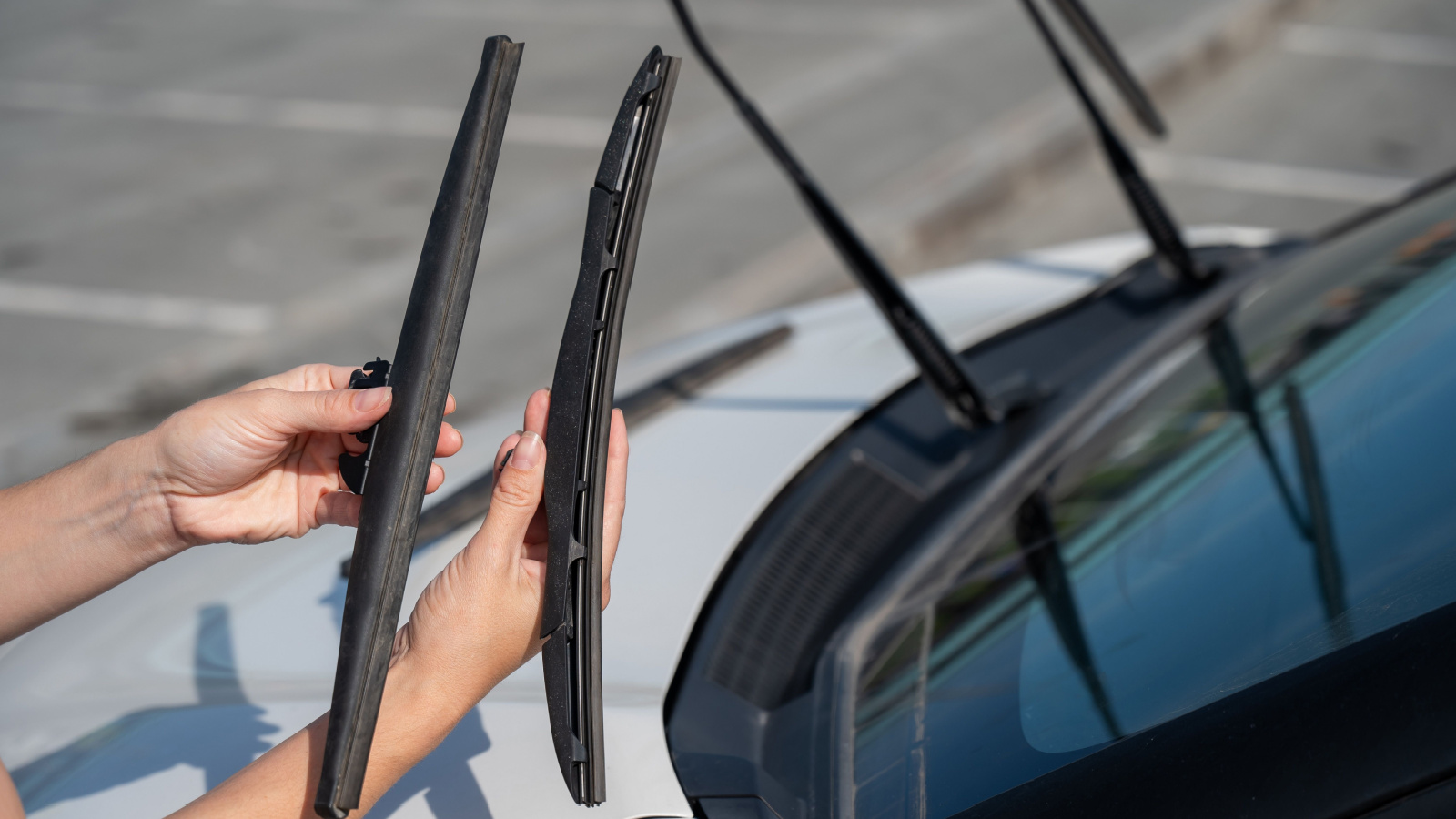
A wiper problem can remain almost invisible through a dry stretch of summer and become painfully obvious during the first dark fall downpour. Blades that chatter, skip, leave streaks or fail to clear sections of glass are not merely irritating; they can significantly reduce the usable view through the windshield when rain, spray and nighttime glare arrive together. Transport Canada specifically recommends replacing blades that streak and checking the wiper system while preparing a vehicle for colder weather.
The rubber deserves a close look for tears, cracking or deformation. The rear wiper on hatchbacks and SUVs should not be forgotten either, since road spray can cover the back glass surprisingly quickly in wet weather. CAA notes that wiper blades can have a relatively short service life and encourages inspection when streaking appears. Fall replacement can also save drivers from discovering during the first freezing-rain event that an old blade has hardened, separated from its frame or can no longer clear slush effectively.
Switch to Cold-Weather Windshield Washer Fluid
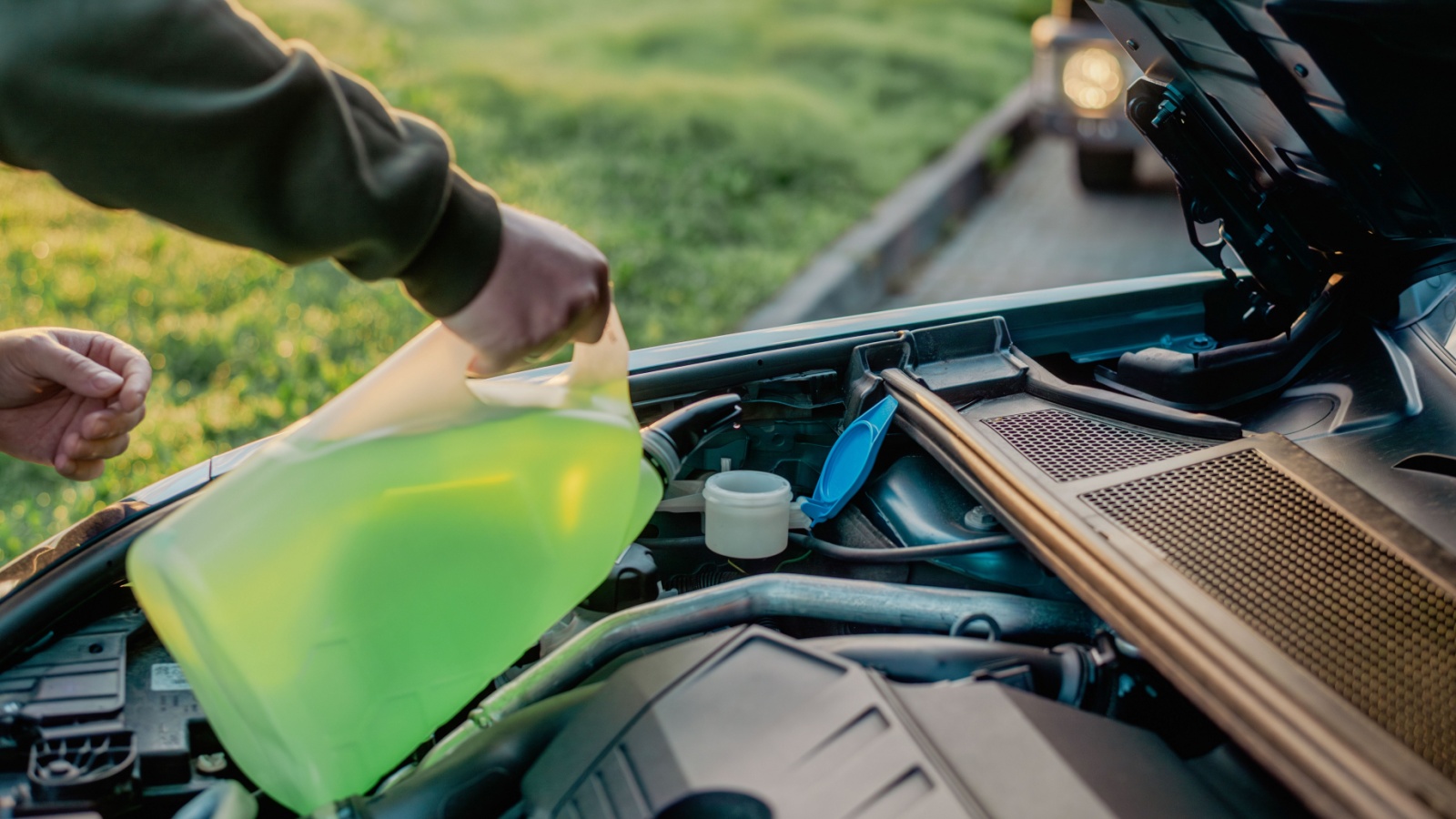
The washer reservoir can still contain warm-weather fluid when nighttime temperatures begin approaching freezing. That may not matter in September rain, but it can become a serious visibility problem when cold weather arrives. Transport Canada recommends filling the system with winter washer fluid rated around -40°C as part of winter preparation and suggests keeping an extra container in the vehicle.
This is an easy maintenance item to overlook because the washer system may work normally until the temperature falls far enough for unsuitable fluid to freeze or become ineffective. Autumn highway driving can also consume washer fluid surprisingly quickly as wet roads cover windshields with grime. Drivers should test both front and rear washers where fitted and check that the spray nozzles actually reach the intended area of the glass. A full reservoir, functional pump and suitable cold-weather fluid turn a five-minute driveway check into valuable insurance against the mixture of rain, road dirt, slush and salt that accompanies the next several months.
Have the Battery Tested Before the First Real Cold Snap
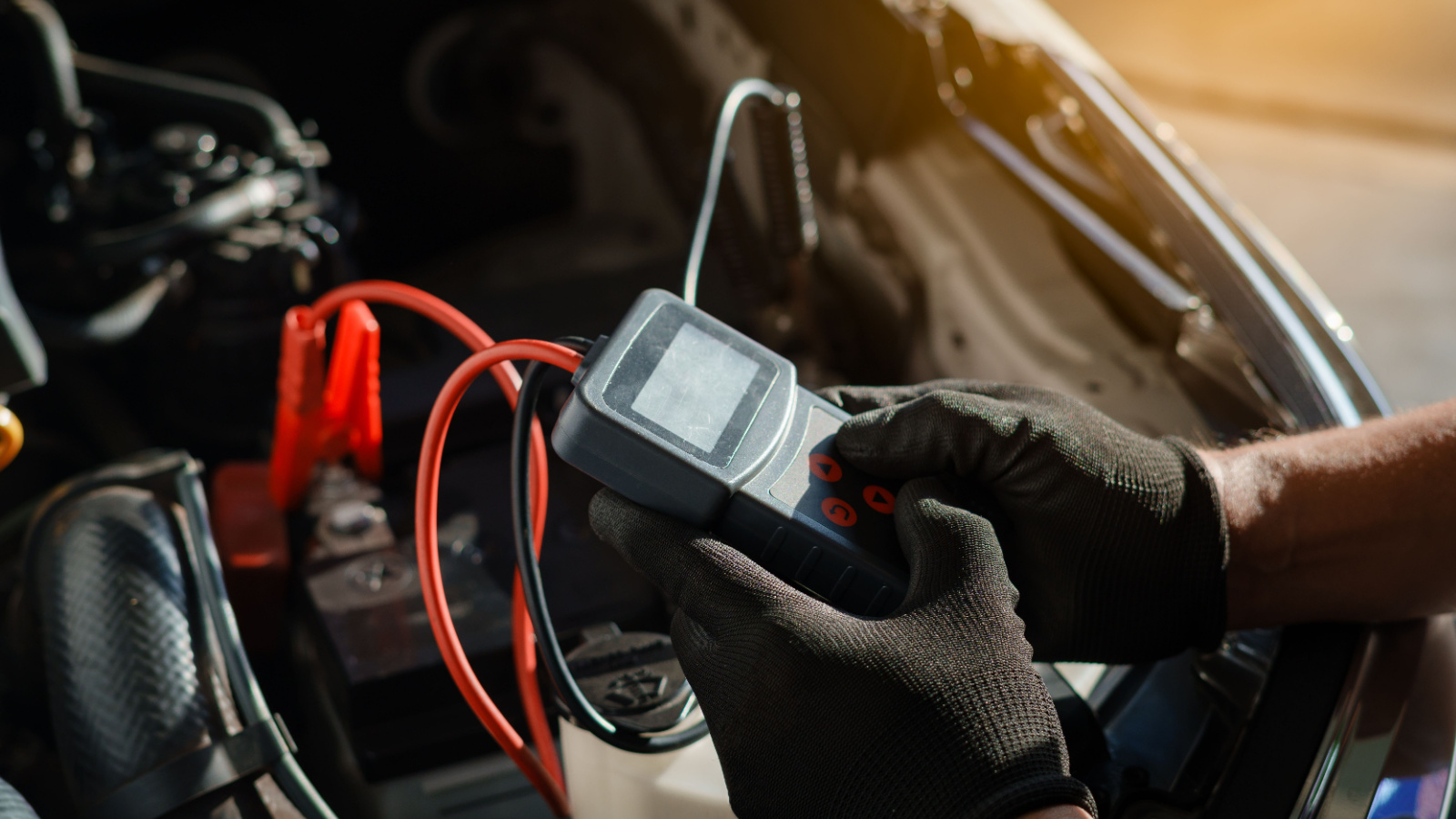
A marginal 12-volt battery can behave normally throughout summer and then struggle when colder mornings arrive. Transport Canada recommends checking the battery, cleaning its terminals, inspecting the charging system and replacing a weak battery before winter. CAA similarly notes that batteries work harder in cold temperatures and says units in roughly the three-to-five-year range deserve particular attention for signs of deterioration.
Warning signs can include slow cranking, dim or flickering lights, corrosion around the terminals, swelling or unusual difficulty starting the vehicle. A proper load or battery-health test can identify weakness before the car refuses to start in a grocery-store parking lot on a cold morning. Electric vehicles should not be overlooked: although their large traction batteries receive most of the attention, many EVs also use a conventional low-voltage battery to operate accessories and control systems. Fall testing is inexpensive compared with the inconvenience of discovering a failing battery only after temperatures have plunged.
Make Sure Every Exterior Light Actually Works
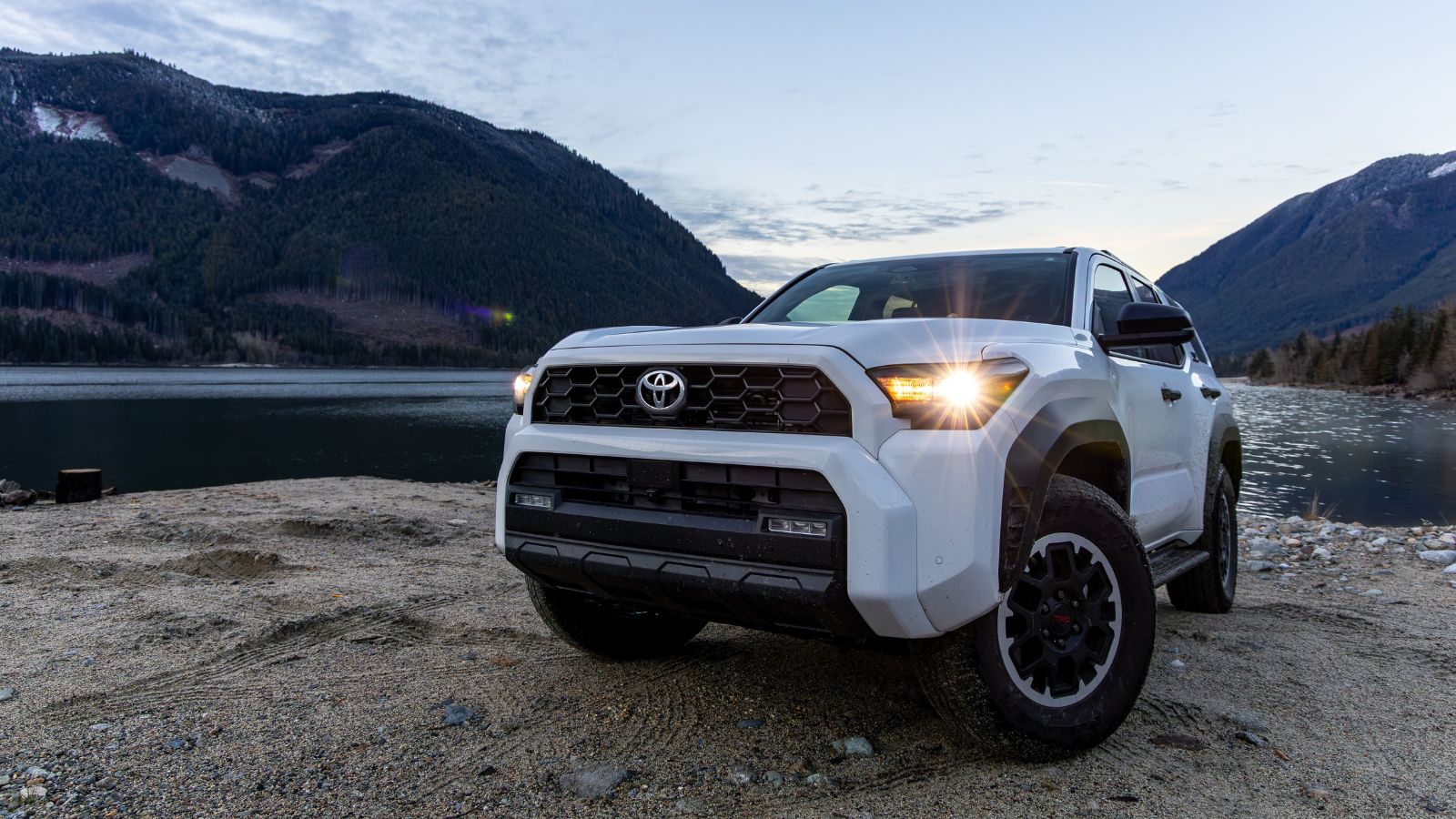
Autumn brings shorter daylight hours, darker commutes, rain and fog, making vehicle lighting increasingly important. A useful fall inspection includes low beams, high beams, brake lights, turn signals, tail lamps, licence-plate lights and four-way flashers. Transport Canada also advises checking that headlights are properly aimed, since a functioning bulb does little good if its beam is pointing incorrectly.
Drivers should also understand what their lighting controls actually do. Transport Canada warns that an illuminated dashboard does not necessarily mean the headlights and tail lamps are on, and daytime running lights are not sufficient for driving in darkness or bad weather. Vehicles sold under newer Canadian lighting requirements offer more safeguards against so-called phantom vehicles, but older models remain common. A simple check against a garage door or with another person walking around the vehicle can identify failed lamps. Cleaning cloudy or dirty lenses at the same time can further improve the usefulness of lights during wet and increasingly dark fall drives.
Pay Attention to Brake Feel, Noise and Pulling

Brakes deserve attention before cold and slippery weather starts exposing weaknesses. Transport Canada recommends a thorough brake inspection and identifies pulling, changes in pedal feel, squealing and grinding as possible indications that repairs are needed. Fall is a particularly sensible time to address those symptoms because wet leaves, cold rain, frost and eventually snow all reduce the margin available when a driver needs to stop suddenly.
A vehicle should brake smoothly and predictably without vibration, unusual sounds or a pedal that suddenly feels different. Visual inspection may also reveal heavily worn pads or badly corroded components, although many brake-system problems require a technician to identify properly. Vehicles that sat for long stretches can develop rotor surface corrosion, while high-mileage vehicles may simply be approaching scheduled brake service. No maintenance work can overcome the physics of a slippery road, but entering the season with a properly functioning braking system removes one preventable variable when stopping distances begin increasing.
Check Coolant Strength, Level, Hoses and Belts
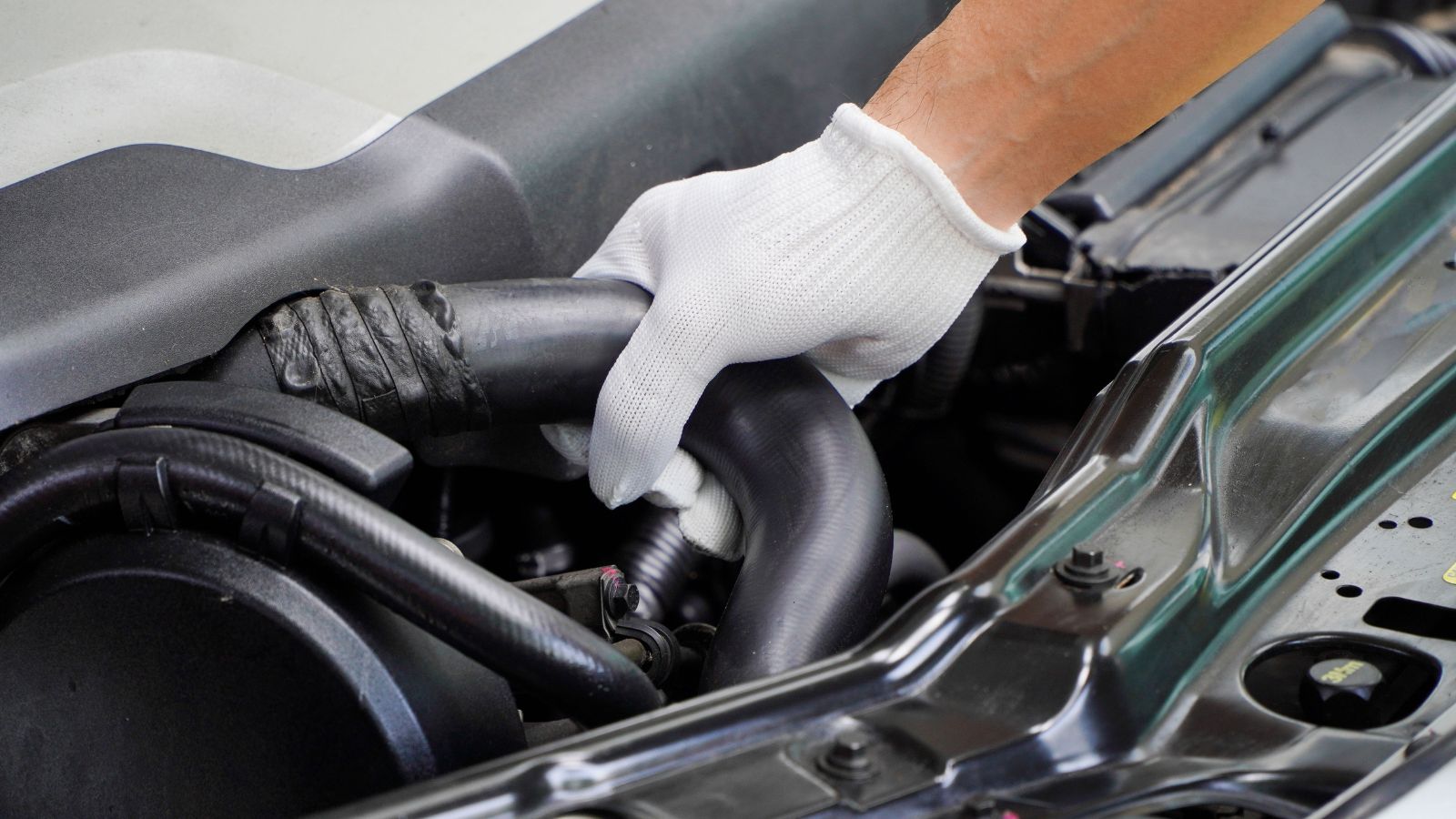
Engine coolant is not merely a summer overheating concern. It also protects the cooling system during freezing weather, which makes fall an appropriate time to verify its level and condition. Transport Canada recommends testing coolant or antifreeze strength during seasonal preparation and checking the radiator hoses, belts, radiator cap, water pump and thermostat for problems such as leaks or cracking.
The exact coolant type and replacement interval vary widely by manufacturer, so the vehicle’s maintenance schedule should take priority over generic rules. Drivers should also avoid opening a hot cooling system, where pressurized coolant can cause serious burns. Instead, signs such as unexplained coolant loss, residue around hoses, a sweet smell, an abnormal temperature gauge or fluid underneath the vehicle warrant investigation. A small seep that causes little trouble during mild September weather could become considerably more inconvenient once temperatures drop. Catching it early can prevent a minor repair from becoming a roadside breakdown or overheating event later in the season.
Test the Heater and Defrosters While the Weather Is Still Mild
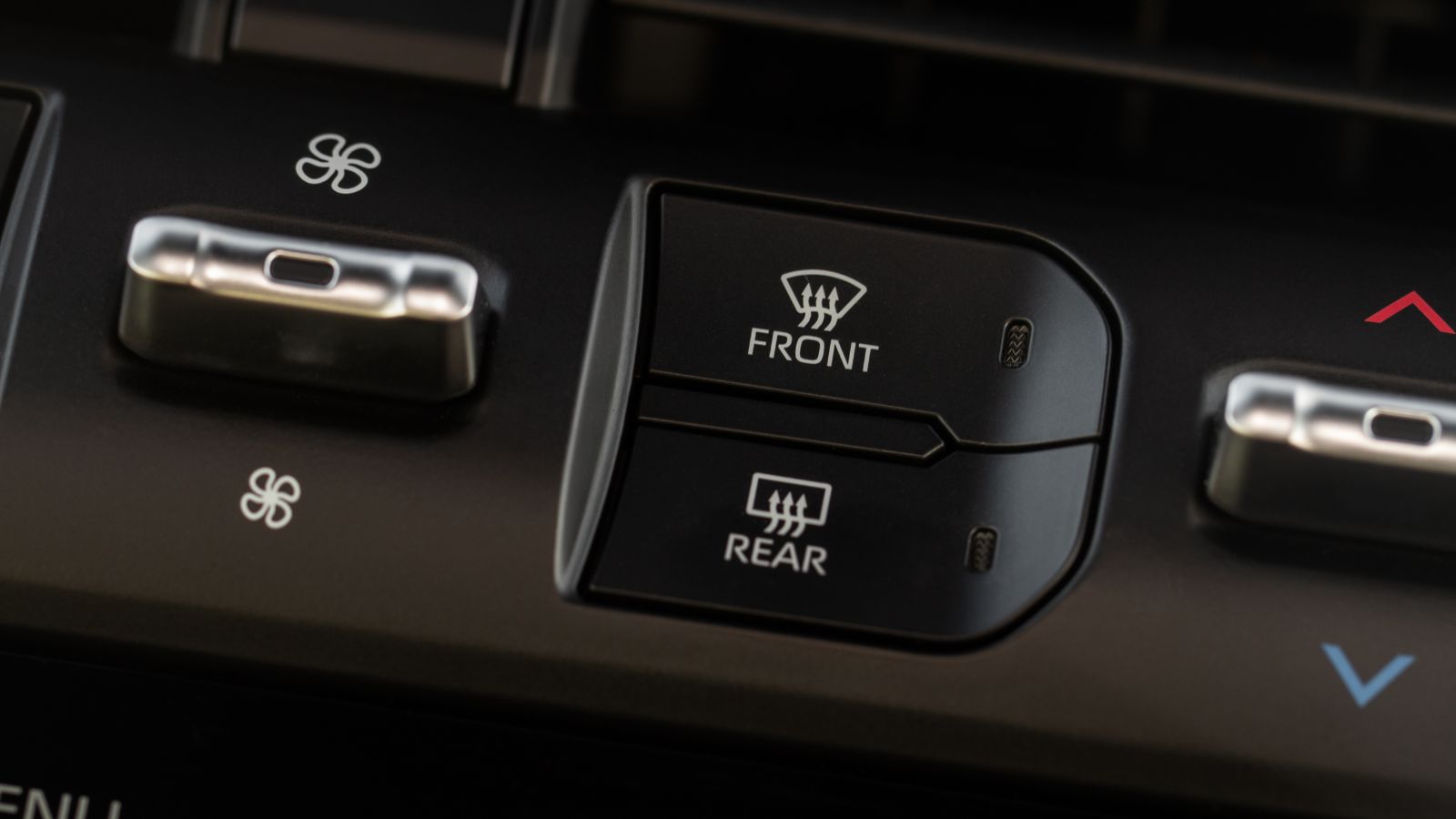
The first frosty morning is a bad time to discover that the heater blower barely works or the windshield defroster cannot clear the glass. Transport Canada specifically includes the heater and defroster among the systems that should be checked during cold-weather preparation. Canadian vehicles are also required to have windshield defrosting and defogging systems, underscoring how important clear glass is to safe operation.
Fall gives drivers several weeks to test the system without an urgent weather emergency. Air should flow strongly from the windshield vents, the temperature should rise normally and rear-window defrost lines should operate where fitted. Air conditioning matters as well: the SAAQ points out that conditioned air is useful for defogging because it is drier, even during winter. Weak airflow, persistent fogging, odd smells or an inability to produce heat can indicate anything from a clogged filter to cooling-system or HVAC trouble. Fixing the problem in October is far easier than scraping ice while waiting for a windshield that refuses to clear in January.
Repair Small Windshield Chips Before Temperature Swings Worsen Them
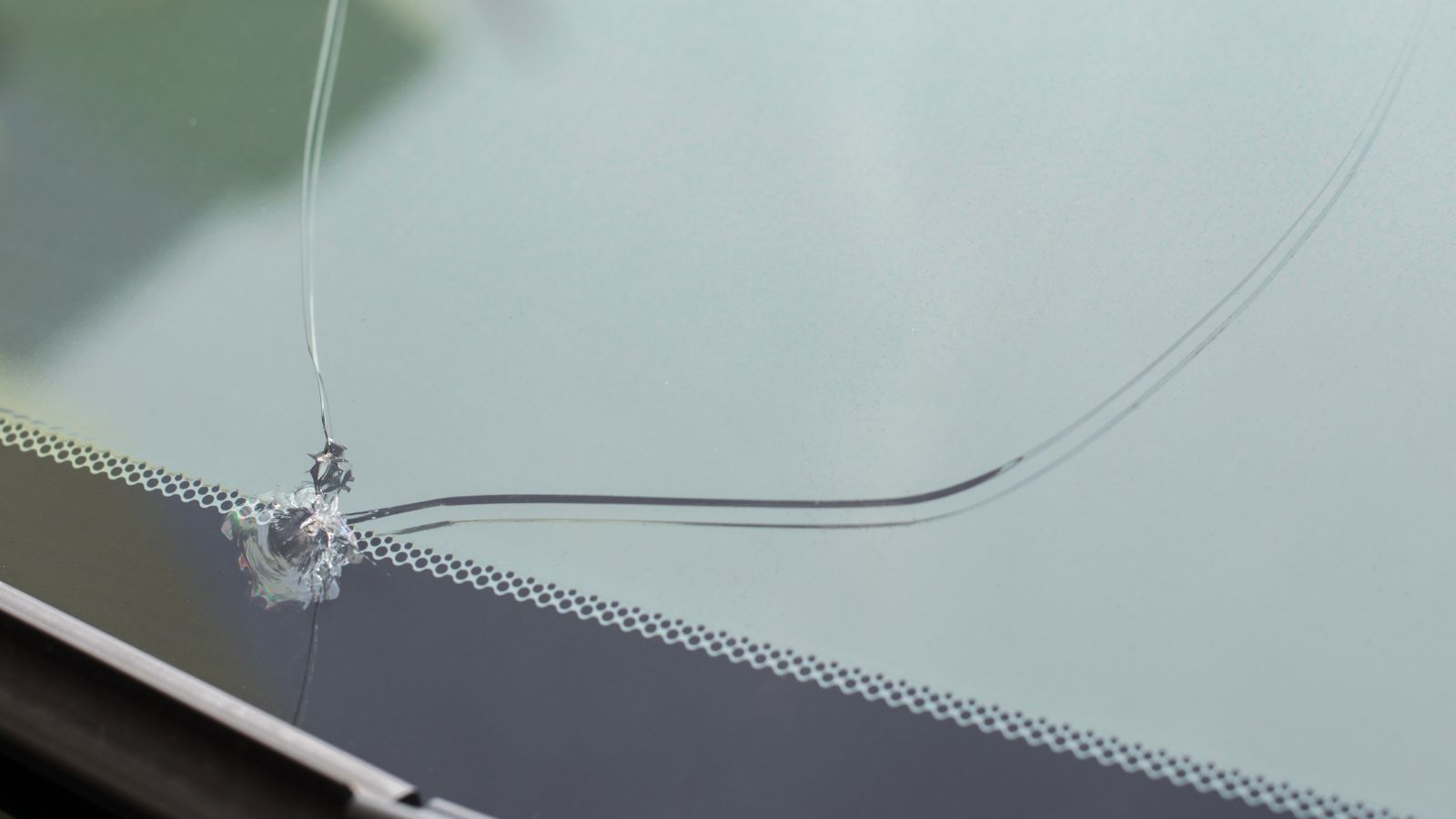
A tiny stone chip acquired during summer construction season can become a much larger problem as temperatures fluctuate. Glass expands and contracts as its temperature changes, and an existing chip creates a weakened area where stress can concentrate. CAA-Quebec warns that temperature changes can worsen windshield damage and recommends avoiding abrupt thermal shocks, such as pouring hot water onto cold glass.
Many small, localized chips can be repaired when addressed early, depending on their size, position and severity. Once a crack spreads across a large area or into the driver’s field of vision, replacement may become necessary. Modern windshields can also contain cameras, heating elements and other equipment, potentially making replacement and recalibration more complicated than it once was. Inspecting the glass closely in fall therefore has a practical financial benefit. A small mark that was easy to ignore during July could spread rapidly after a freezing night followed by strong defroster heat, turning a simple repair into a much larger job.
Check the Cabin Air Filter and Ventilation Airflow
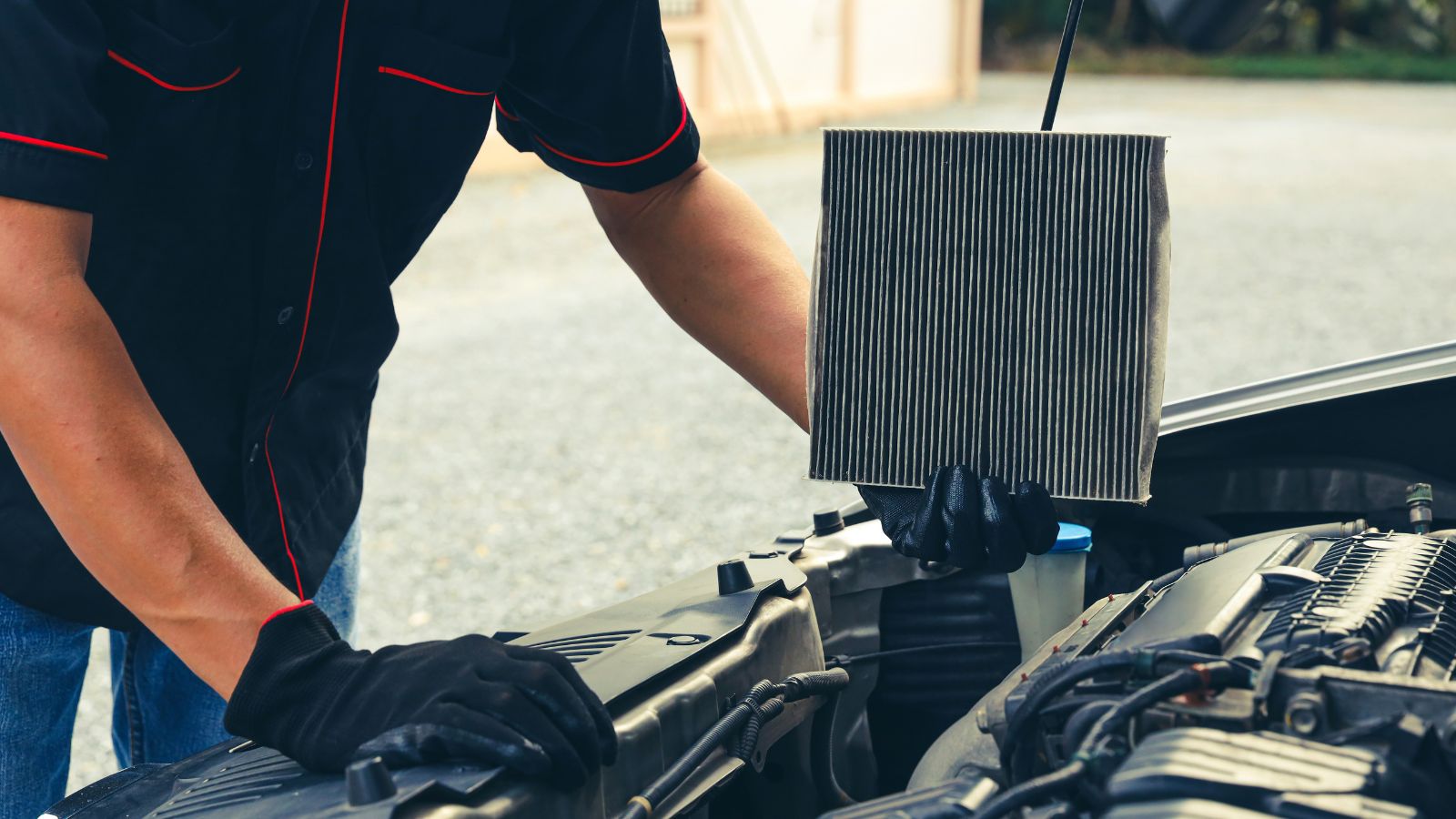
A cabin filter rarely receives the same attention as tires or brakes, yet it can affect how effectively the heating and ventilation system moves air. CAA-Quebec explains that a dirty cabin filter can reduce airflow through the climate-control system, while Toyota Canada notes that good airflow is particularly important for quickly defrosting and defogging the windows.
Replacement schedules differ considerably among manufacturers and vehicles, so the owner’s manual remains the best guide. Nevertheless, fall is a good opportunity to inspect a filter that has spent spring and summer collecting pollen, dust and road debris. Warning signs can include weak airflow from the vents, musty odours or windows that take longer than expected to clear. Some filters are easy to reach behind a glovebox; others are better left to a technician. The objective is not simply cabin comfort. When damp autumn weather causes windows to fog repeatedly, an HVAC system capable of delivering strong, dry airflow becomes an important part of maintaining visibility.
Check Engine Oil and Other Important Fluid Levels
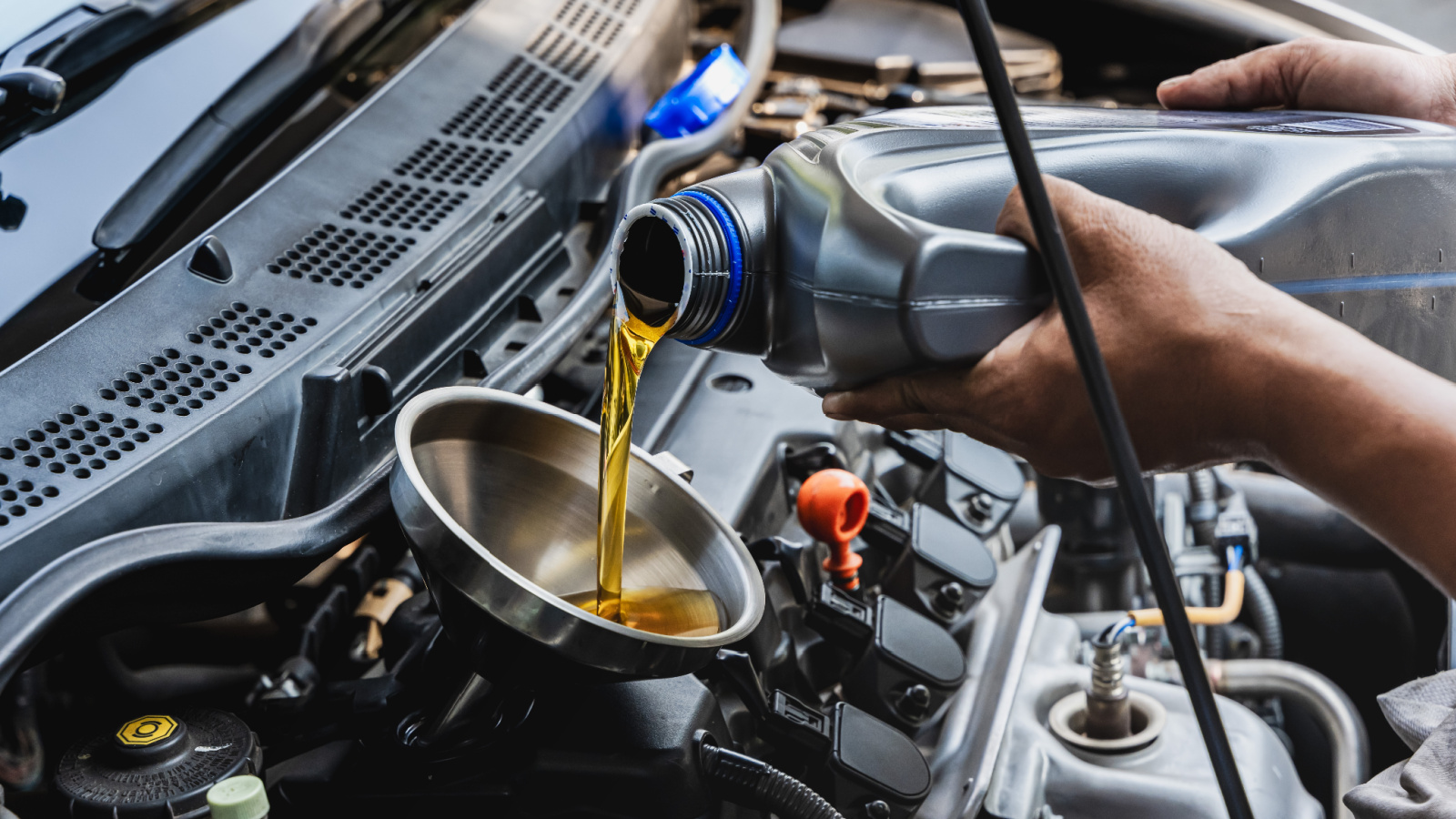
Seasonal preparation is a convenient time to look under the hood for more than coolant. Engine oil, brake fluid and other serviceable fluids should be checked according to the manufacturer’s instructions, while any unexplained reduction deserves investigation rather than repeated topping up. CAA recommends following the owner’s manual for oil changes, and Natural Resources Canada has likewise emphasized using an engine-oil grade recommended by the vehicle manufacturer.
Cold-weather performance makes the correct oil particularly important. Modern multigrade oils are engineered to perform across a broad range of temperatures, and simply switching to a different viscosity because winter is approaching can be inappropriate for vehicles designed around a specific oil specification. The owner’s manual, oil-fill cap and manufacturer maintenance information should guide the choice. Fall is also a good time to look underneath the parked vehicle for new stains. Oil, coolant, brake fluid or transmission-fluid leaks that begin as minor drips may indicate problems worth addressing before freezing temperatures and difficult roadside conditions make repairs more inconvenient.
Inspect for Rust Before Road Salt Returns
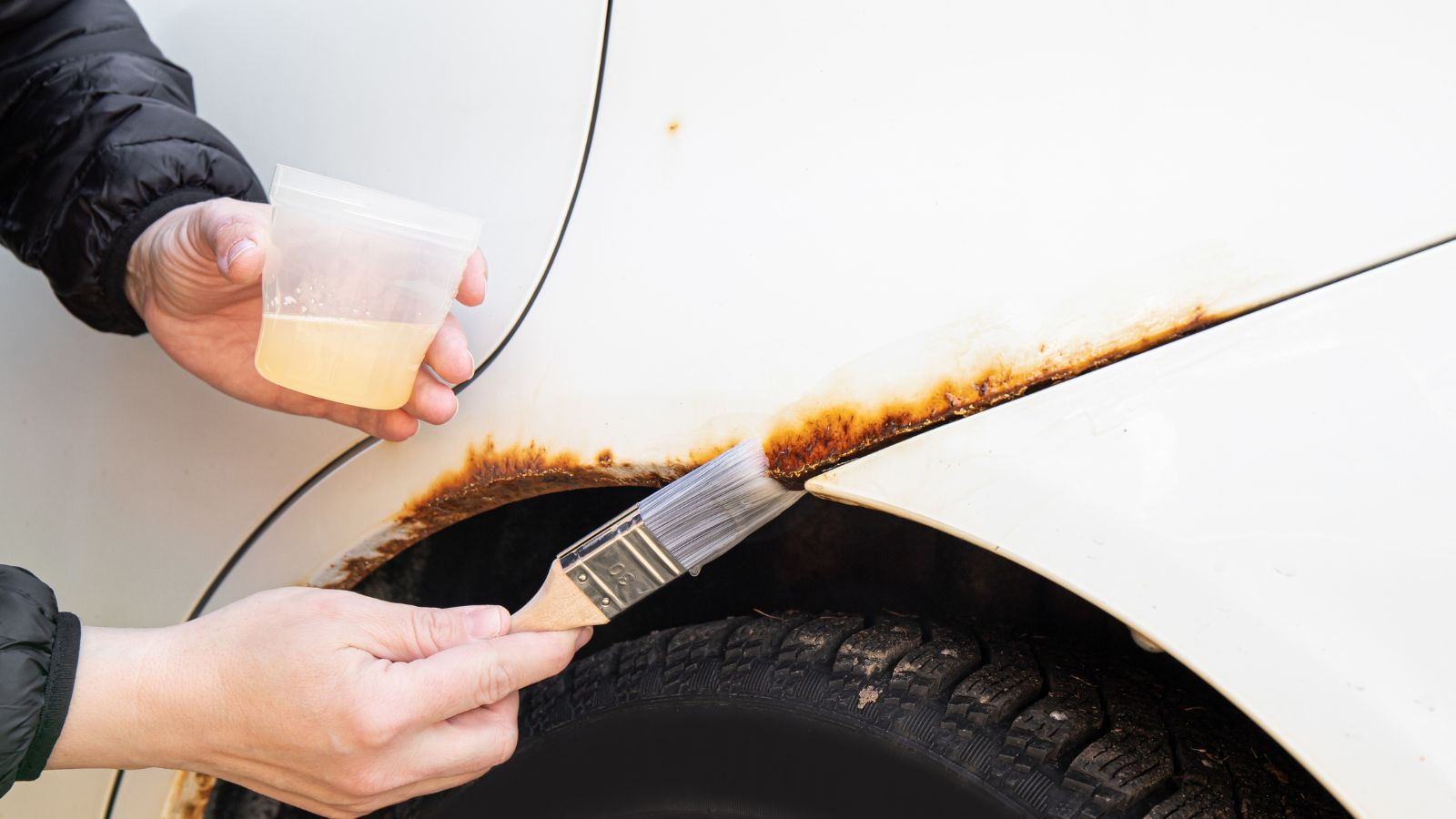
Canadian winter roads can be exceptionally hard on exposed metal. Moisture and salt-based de-icing materials accelerate corrosion, and areas underneath a vehicle can deteriorate long before the damage is obvious from the driver’s seat. The SAAQ warns that rust can eventually compromise structural integrity, while CAA recommends underbody washing and appropriate rust protection as ways to slow winter corrosion.
Late summer and early fall are particularly practical times to inspect existing rust and consider preventative treatment because the vehicle can be cleaned before heavy salt exposure begins. CAA-Quebec specifically identifies roughly August through October as a favourable period for rustproofing. Drivers keeping a vehicle for many years may have the most to gain, especially in regions where salt is used heavily. Wheel wells, lower body seams, brake and fuel lines, suspension parts and the underbody all deserve attention. Chips in painted surfaces can also expose metal. Rust rarely creates an immediate dramatic failure, but several winters of neglect can turn a cosmetic problem into expensive mechanical and structural repairs.
Check the Spare Tire, Jack and Wheel Wrench
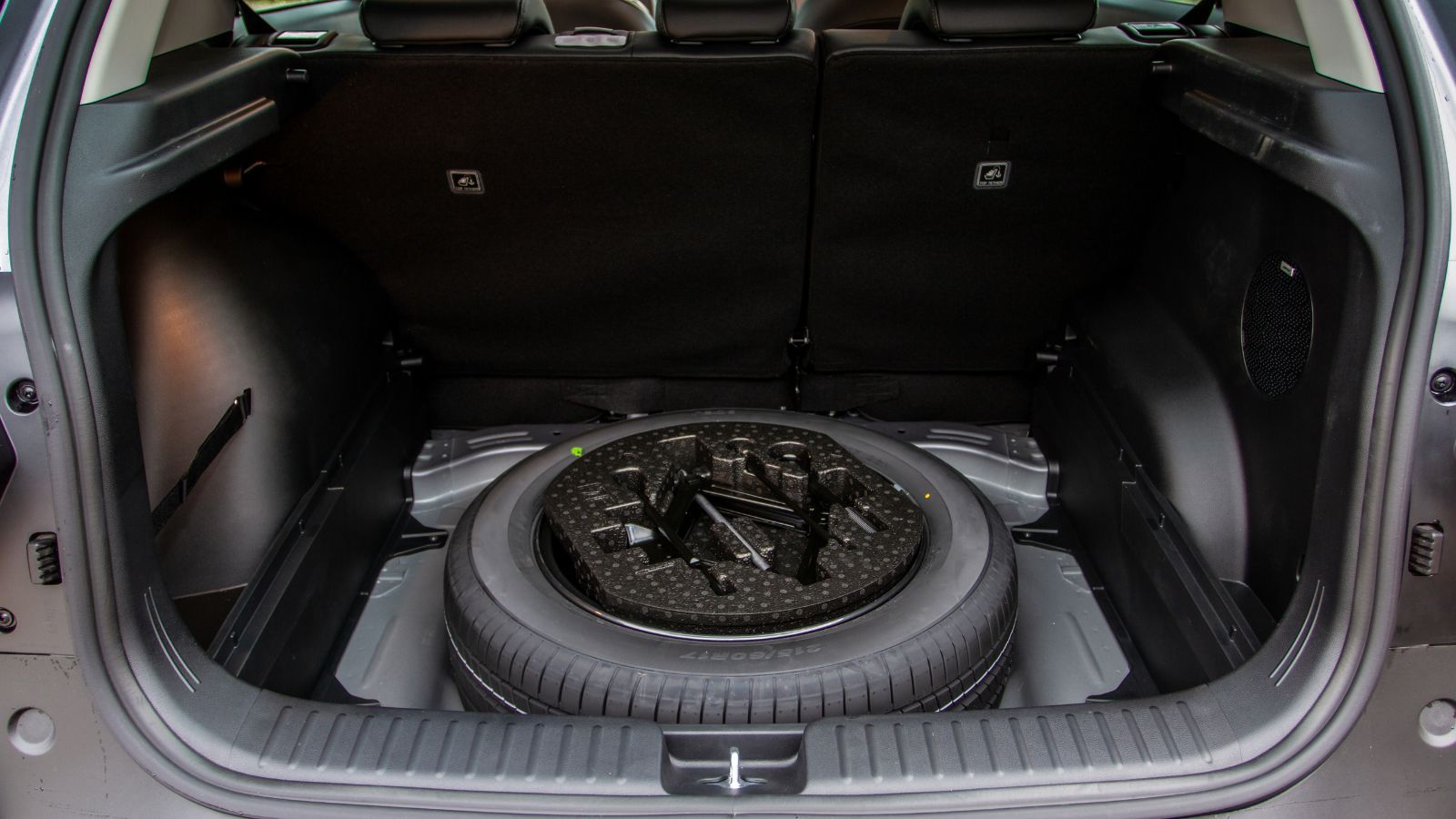
A flat tire is frustrating in July and potentially much more serious during cold rain or early snow. Transport Canada advises checking spare-tire pressure regularly and has specifically recommended keeping a jack and wheel wrench in the vehicle. Temporary spares can sit untouched for years, quietly losing pressure while the four road tires receive routine attention.
Fall is a useful time to pull back the cargo-floor panel and confirm what is actually there. Some newer vehicles do not carry a traditional spare at all and instead rely on an inflator, sealant kit or run-flat tires. Drivers should understand which system their vehicle uses and whether any sealant has expired. Where a spare is fitted, it should be inspected for inflation and obvious damage, while the jack and wheel tools should be present and accessible. Discovering that a wheel wrench disappeared during a previous repair is far better in the driveway than at the edge of a highway during a November storm.
Rebuild the Emergency Kit for Cold Weather

An emergency kit tends to disappear gradually. A flashlight gets borrowed, snacks expire, gloves migrate into the house and the booster cables somehow end up in another vehicle. Before autumn progresses, the federal government’s emergency-preparedness guidance recommends keeping a dedicated car kit that includes items such as non-perishable food, water, warm clothing, a blanket, first-aid supplies, a shovel, scraper, flashlight and warning equipment.
Transport Canada adds useful winter-specific items including traction material or mats, booster cables, extra washer fluid and basic tools. The kit should match where the vehicle travels; someone routinely driving rural highways or mountain routes may need considerably more preparation than a short-distance city commuter. A charged phone and power source also deserve a place in the plan. The purpose is not to pack for an expedition every morning. It is to make sure that a breakdown, road closure or sudden weather event remains an inconvenience rather than becoming a dangerous exposure situation.
Have the Exhaust System Checked for Leaks
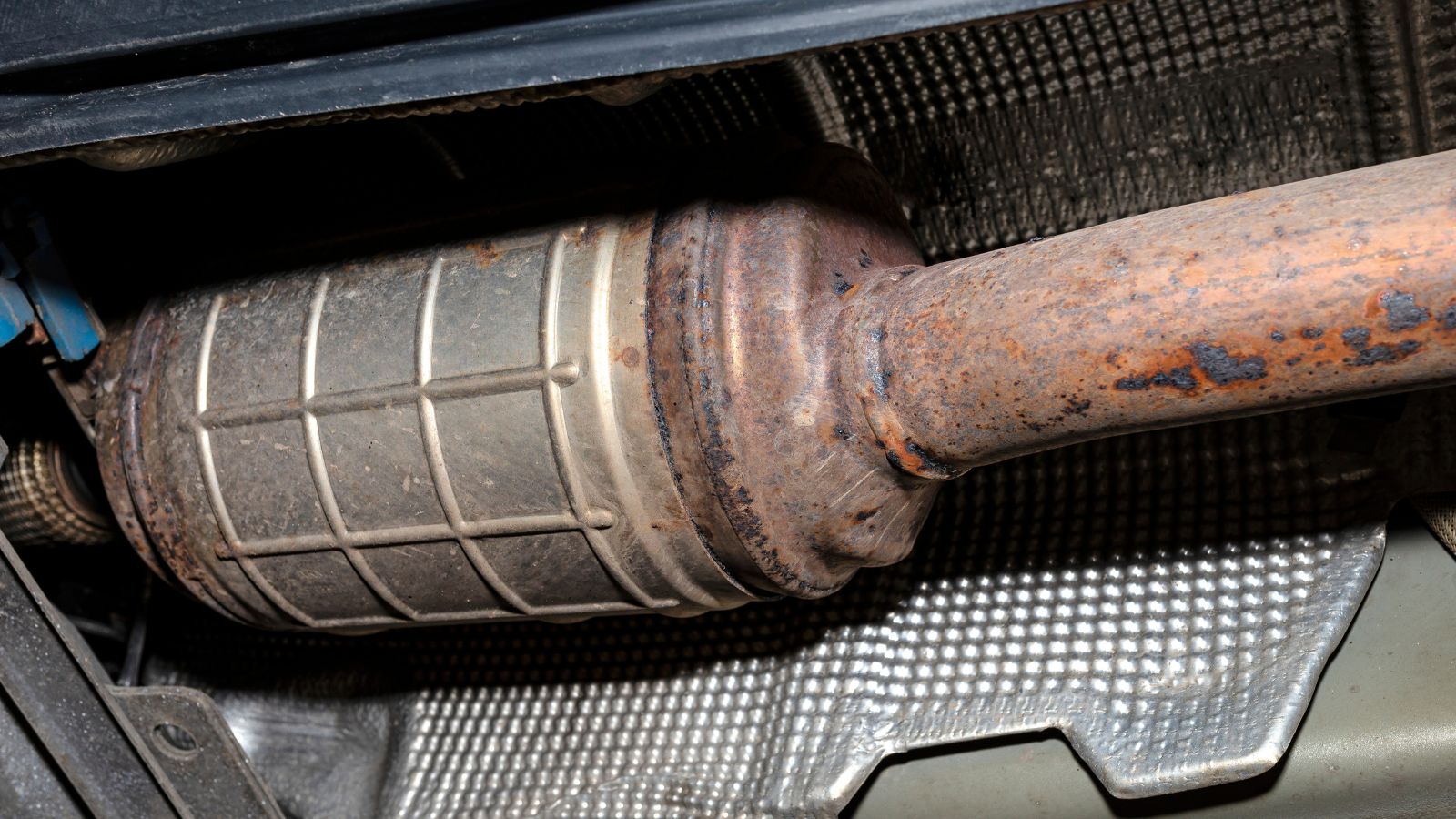
An exhaust leak is never desirable, but colder weather makes exhaust-system condition especially important because vehicle occupants spend more time with windows closed. Transport Canada recommends including the exhaust system in winter inspections because leaks can allow carbon monoxide to enter the cabin. The Canadian Centre for Occupational Health and Safety gives similar advice and emphasizes keeping the exhaust pipe clear of snow.
Carbon monoxide is colourless and odourless, so occupants cannot depend on smell to detect dangerous exposure. Unusual exhaust noise, visible deterioration or suspected leaks deserve professional attention. The tailpipe should also remain unobstructed if a vehicle becomes stuck in deep snow. Federal winter-safety guidance specifically warns motorists trapped in snow to make sure the exhaust outlet stays clear, reducing the risk of exhaust gases being forced into the cabin. Checking the system during fall provides time to repair damaged pipes, joints or mufflers before snowbanks and closed windows make an existing defect more hazardous.
Make Sure Cameras and Driver-Assistance Sensors Are Ready for Bad Weather

Modern vehicles increasingly depend on cameras, radar and other sensors for features such as automatic emergency braking, forward-collision warnings, lane assistance and parking systems. These technologies can be useful, but Transport Canada warns that they do not always work properly in poor weather or low visibility. Rain, snow, ice and dirt can interfere with cameras and sensors, making fall an appropriate time to learn where those components are located and how they should be maintained.
Canadian testing has demonstrated why that matters. Transport Canada research into advanced driver-assistance systems found significant effects under simulated winter conditions; in testing of forward-collision warning systems, three of five vehicles failed to provide a warning when their relevant sensor was covered in ice. Even simpler equipment can be affected: Transport Canada notes that dirt, rain, darkness and glare can reduce the usefulness of backup cameras. Owners should follow the manual for cleaning sensor areas and should never assume electronic assistance replaces careful driving. The technology is most valuable when drivers understand both what it can do and what bad weather can prevent it from doing.
16 Costco Canada Habits That Could Be Costing Shoppers More Than They Save

The Executive Membership can feel like an obvious upgrade because the 2% annual reward sounds straightforward. For households that spend heavily at Costco Canada, the extra fee may be easy to justify. But the habit becomes costly when shoppers upgrade first and calculate later. A Gold Star Membership costs less, while Executive costs more and only pays off if eligible annual spending is high enough to offset the difference.
16 Costco Canada Habits That Could Be Costing Shoppers More Than They Save
This Options Discord Chat is The Real Deal
While the internet is scoured with trading chat rooms, many of which even charge upwards of thousands of dollars to join, this smaller options trading discord chatroom is the real deal and actually providing valuable trade setups, education, and community without the noise and spam of the larger more expensive rooms. With a incredibly low-cost monthly fee, Options Trading Club (click here to see their reviews) requires an application to join ensuring that every member is dedicated and serious about taking their trading to the next level. If you are looking for a change in your trading strategies, then click here to apply for a membership.