35,000+ smart investors are already getting financial news, market signals, and macro shifts in the economy that could impact their money next with our FREE weekly newsletter. Get ahead of what the crowd finds out too late. Click Here to Subscribe for FREE.
A Canadian backyard party can look effortless once the grill is hot and the chairs are full, but the smoothest gatherings usually have more planning behind them than guests ever notice. Weather can change quickly, food needs careful handling outdoors, fire and noise rules differ by community, and features such as pools, extension cords or crowded pathways can introduce risks that are easy to overlook. These 20 things Canadians should know before hosting a backyard party cover practical details ranging from municipal bylaws and barbecue safety to allergies, air quality, alcohol, parking and emergency planning. A few thoughtful checks beforehand can make the difference between an evening remembered for good food and conversation and one remembered for entirely different reasons.
Check the Noise Rules Before Turning Up the Music
20 Things Canadians Should Know Before Hosting a Backyard Party
- Check the Noise Rules Before Turning Up the Music
- Know Whether a Fire Pit Is Actually Allowed
- Give the Barbecue a Safety Check
- Treat Coolers Like Part of the Kitchen
- Use a Thermometer, Not Guesswork
- Build a Clean Food-Prep System
- Ask About Food Allergies Before Shopping
- Plan Alcohol Service and Safe Rides
- Set Smoking and Cannabis Boundaries Early
- Have a Thunderstorm Plan
- Make Shade and Water Part of the Setup
- Check the AQHI, Not Just the Temperature
- Assign a Pool Watcher
- Make the Yard Safe for Children
- Use Outdoor-Rated Electrical Gear
- Prepare for Mosquitoes and Ticks
- Make Seating and Pathways Accessible
- Think Through Guest Parking
- Plan Waste and Cleanup Before Guests Arrive
- Keep Emergency Basics Close
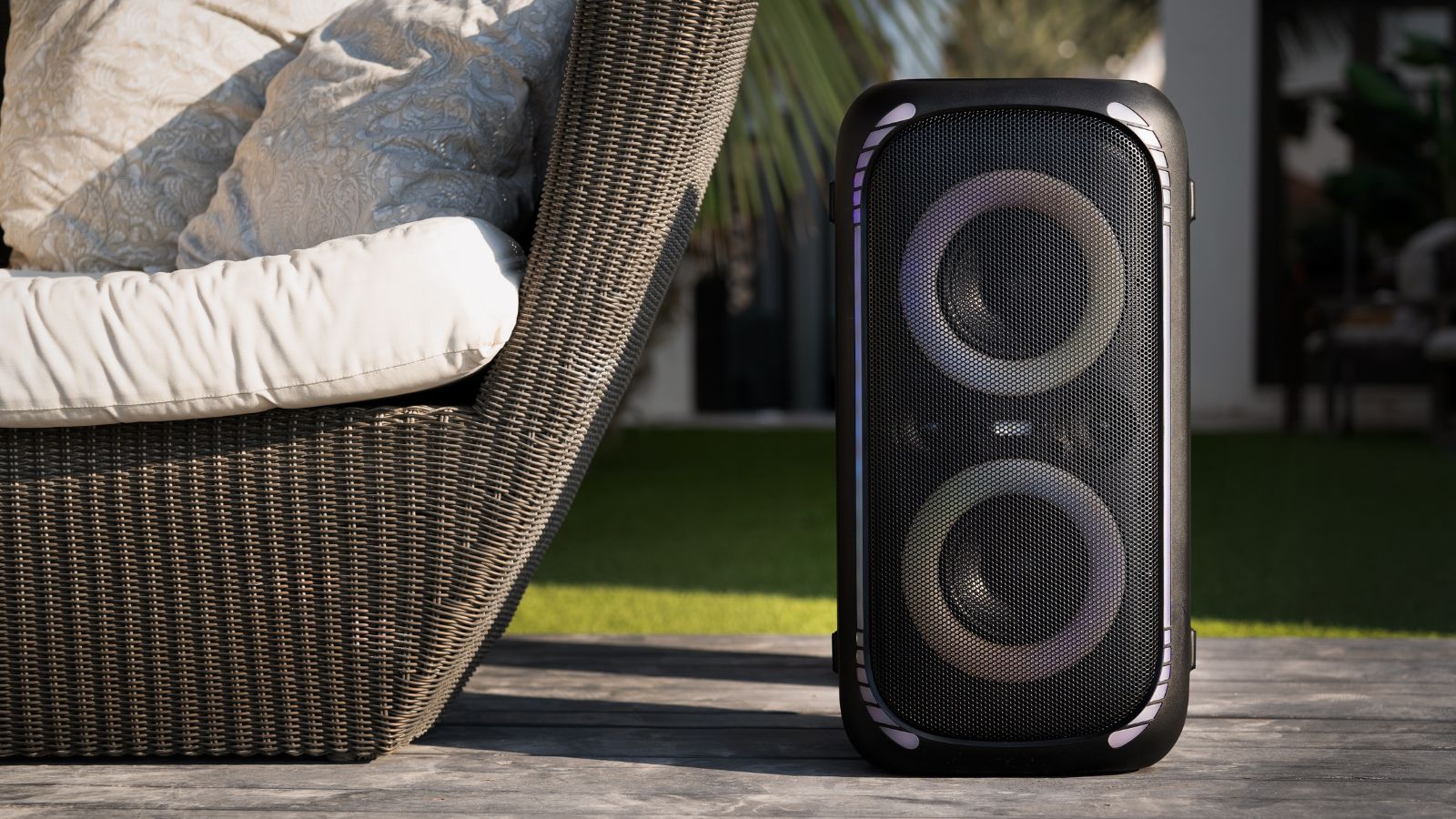
Music is often part of the atmosphere, but a private backyard does not automatically sit outside municipal noise rules. Canadian cities can regulate amplified sound through decibel limits, time restrictions or standards based on how sound is received at neighbouring properties. Toronto, for example, regulates amplified sound under its Noise Bylaw and also maintains a process for noise exemptions for certain special events. Other municipalities use different limits, hours and enforcement systems, making a quick check of the local bylaw worthwhile before speakers are positioned near the fence.
The practical issue is not simply whether music stops at a particular hour. Bass can travel surprisingly well through fences and walls, while guests talking loudly after the music is lowered may create a different kind of neighbourhood disturbance. A host can reduce problems by pointing speakers inward, keeping them away from property lines and lowering the volume as the evening progresses. Telling immediate neighbours about the gathering beforehand can also prevent an ordinary celebration from beginning with goodwill and ending with a complaint.
Know Whether a Fire Pit Is Actually Allowed
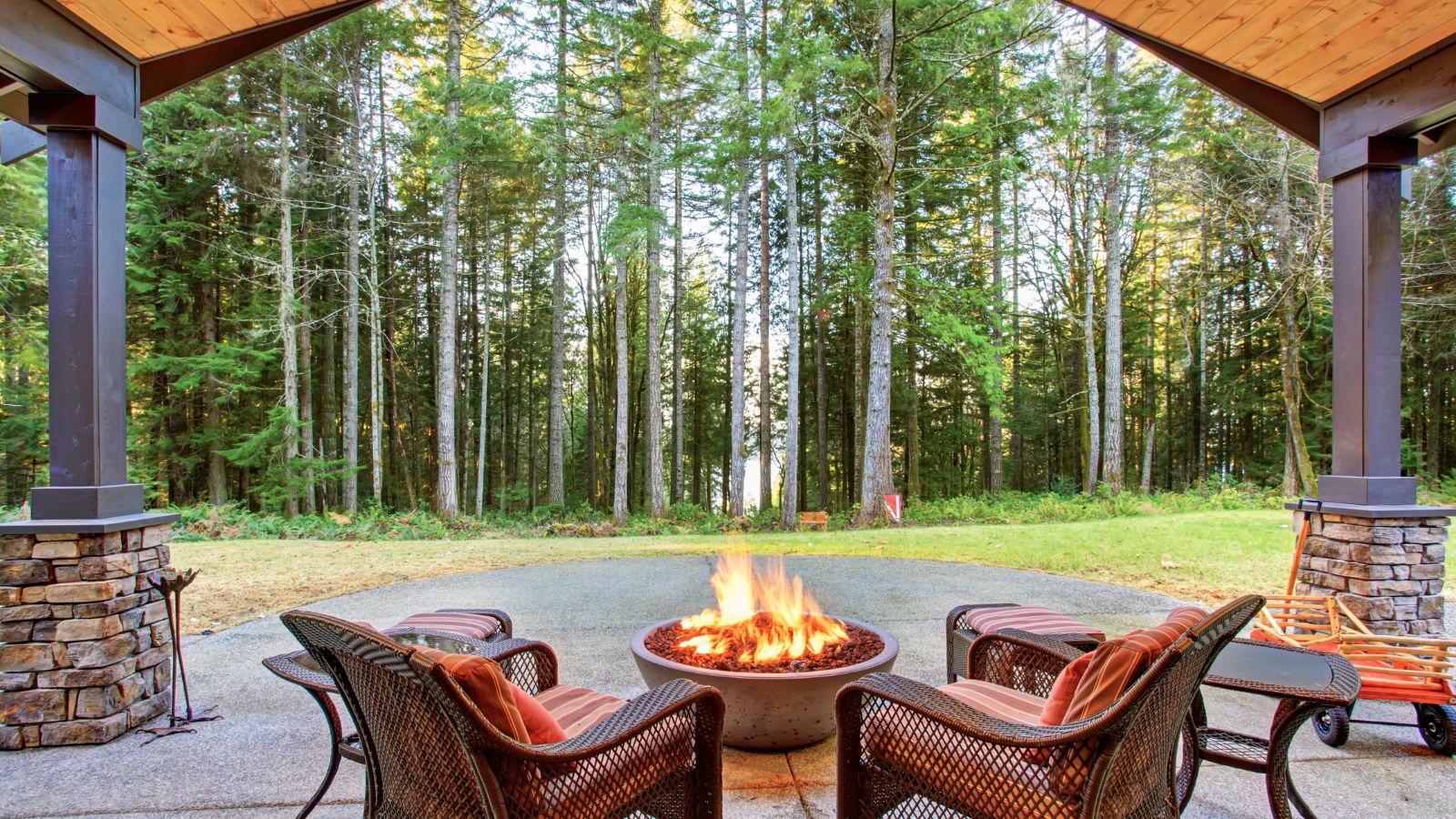
A fire pit may seem like the perfect way to extend a Canadian summer evening, but permission to light one varies considerably by municipality and sometimes by neighbourhood. Ottawa provides a useful example: an open-air fire permit is required for many fires on private property, including backyard fires, fire pits and wood-burning outdoor fireplaces, and not every property is eligible. Local fire bans can create additional restrictions when conditions become dry. A fire feature that was acceptable earlier in the season may therefore become temporarily prohibited.
That makes the municipal fire-service website an important stop before guests arrive. Hosts should confirm whether a permit is required, whether the property qualifies and whether a temporary ban is active. The fuel matters as well; rules for wood-burning fires may differ from those governing certified propane appliances. Even where a fire is permitted, chairs, decorations, dry vegetation and children’s play areas should remain safely separated. The goal is to create a comfortable focal point without discovering halfway through dinner that the evening’s centrepiece conflicts with local fire rules.
Give the Barbecue a Safety Check
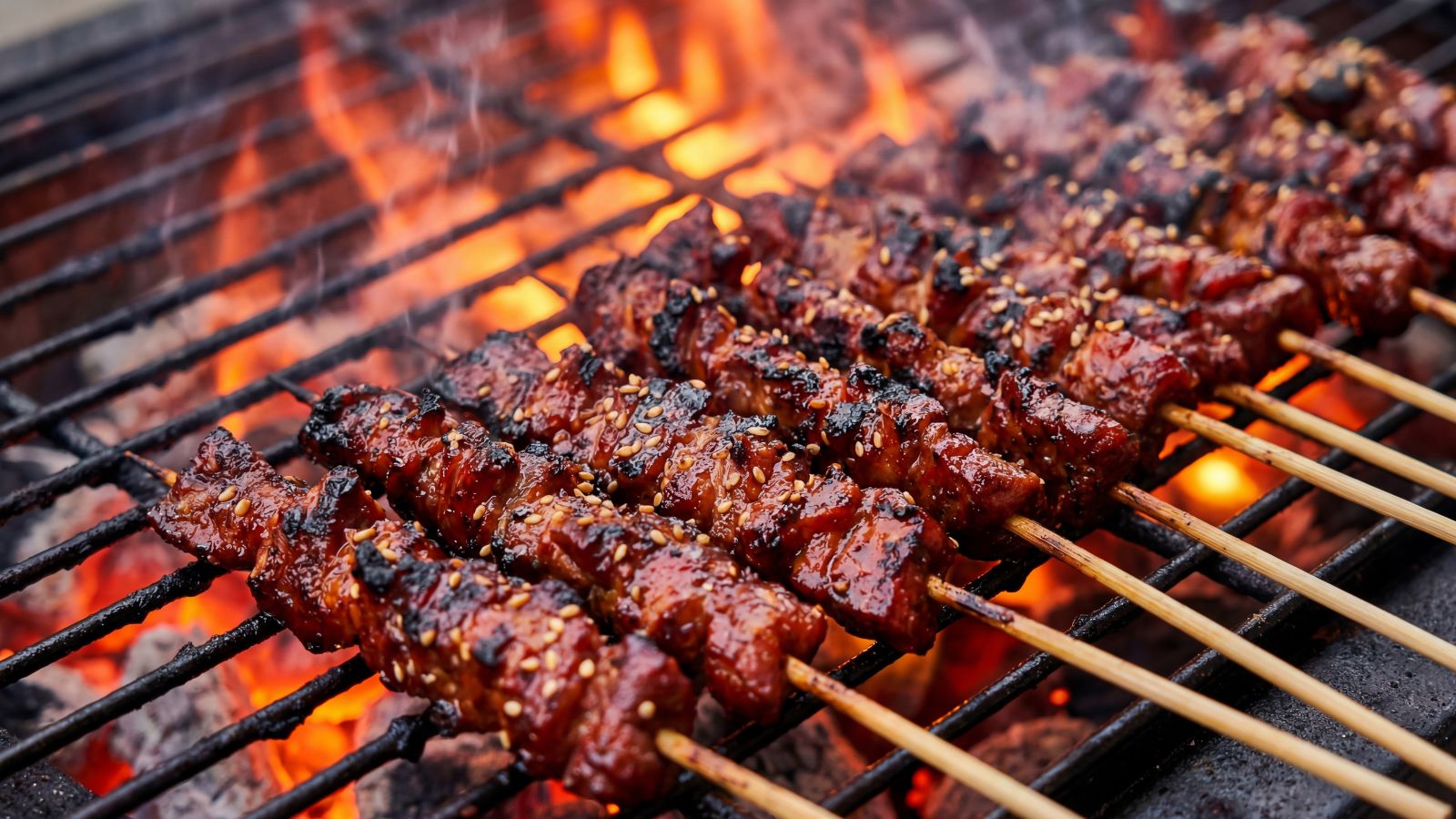
The barbecue deserves attention before burgers ever reach the grill. Health Canada notes that propane and natural gas are naturally odourless, with an odour added to help people detect leaks. It also warns that barbecues can produce carbon monoxide, which is why they must be operated outdoors in a well-ventilated area. A grill should never migrate into a garage, enclosed porch or other sheltered space simply because rain arrives. Ventilation matters even when doors are open.
A pre-party check can be surprisingly simple: examine hoses and connections, make sure the grill is stable, remove excessive grease and confirm that the propane cylinder is in suitable condition. Health Canada also recommends inspecting barbecue brushes because loose metal bristles can detach, remain on the cooking surface and end up in food. Keeping children and crowded seating away from the cooking zone is equally sensible. During a busy party, the person grilling is often answering questions, carrying plates and socializing at once, so creating a clear buffer around a hot appliance reduces opportunities for an avoidable burn, spill or flare-up.
Treat Coolers Like Part of the Kitchen
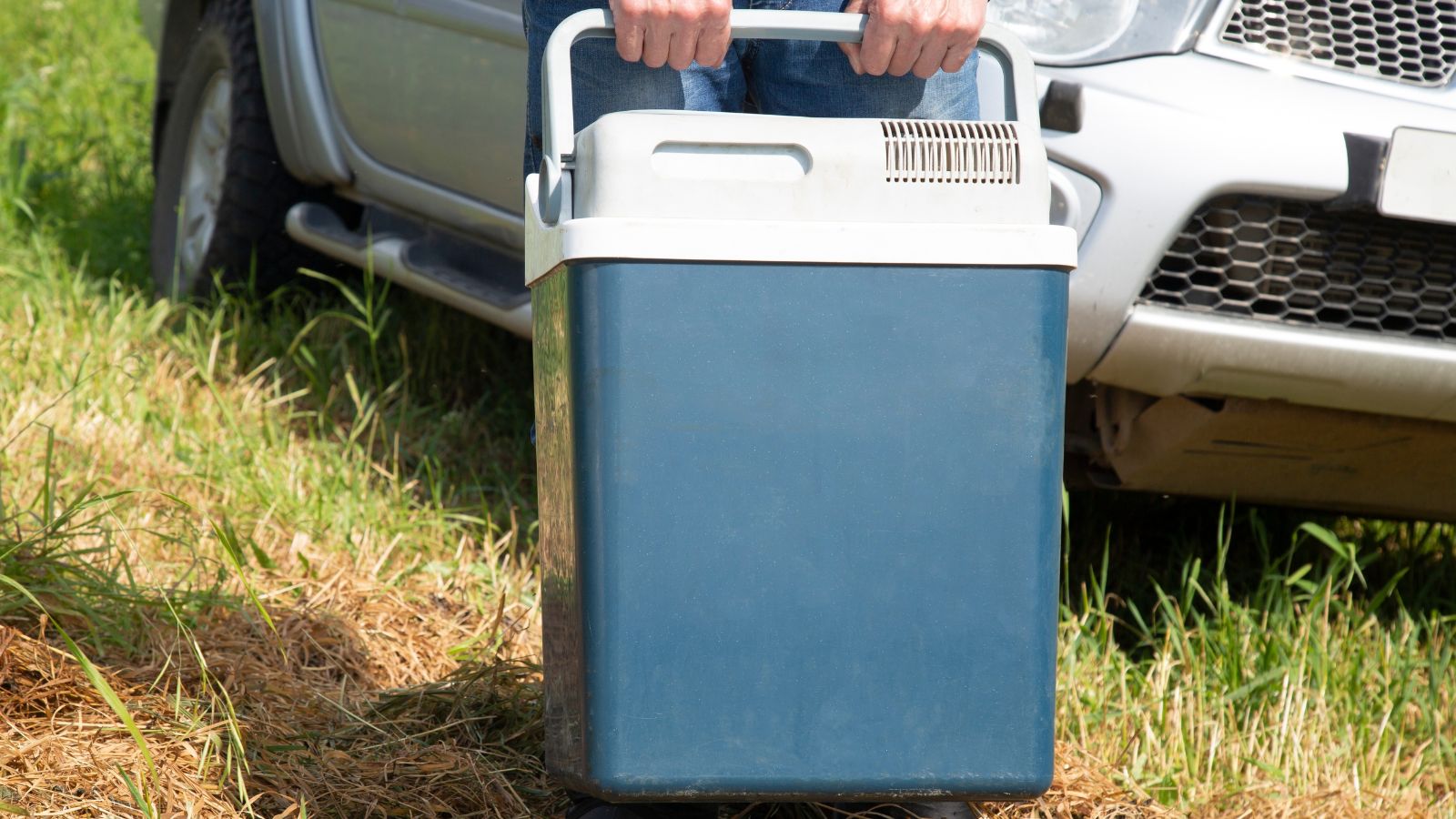
Outdoor entertaining changes the environment around food even though the basic food-safety rules remain the same. Health Canada identifies 4°C to 60°C as the temperature danger zone in which bacteria can grow quickly. Food can become unsafe after spending as little as two hours within that range, and hot summer conditions can shorten the practical window further. Potato salad, raw meat, dairy-based dips and other perishables therefore need more attention than simply placing them on a shaded picnic table.
A well-packed cooler functions like a temporary refrigerator. Ice packs should be plentiful, raw meat should be sealed so juices cannot leak, and the cooler should remain out of direct sunlight. Health Canada even suggests that using separate coolers for drinks and food can help because the beverage cooler is typically opened much more often. Once the buffet begins, smaller serving dishes can be replenished rather than putting the entire supply outside at once. That approach keeps food fresher, reduces waste and avoids the awkward end-of-night question of whether something sitting in warm air for hours is still safe to save.
Use a Thermometer, Not Guesswork
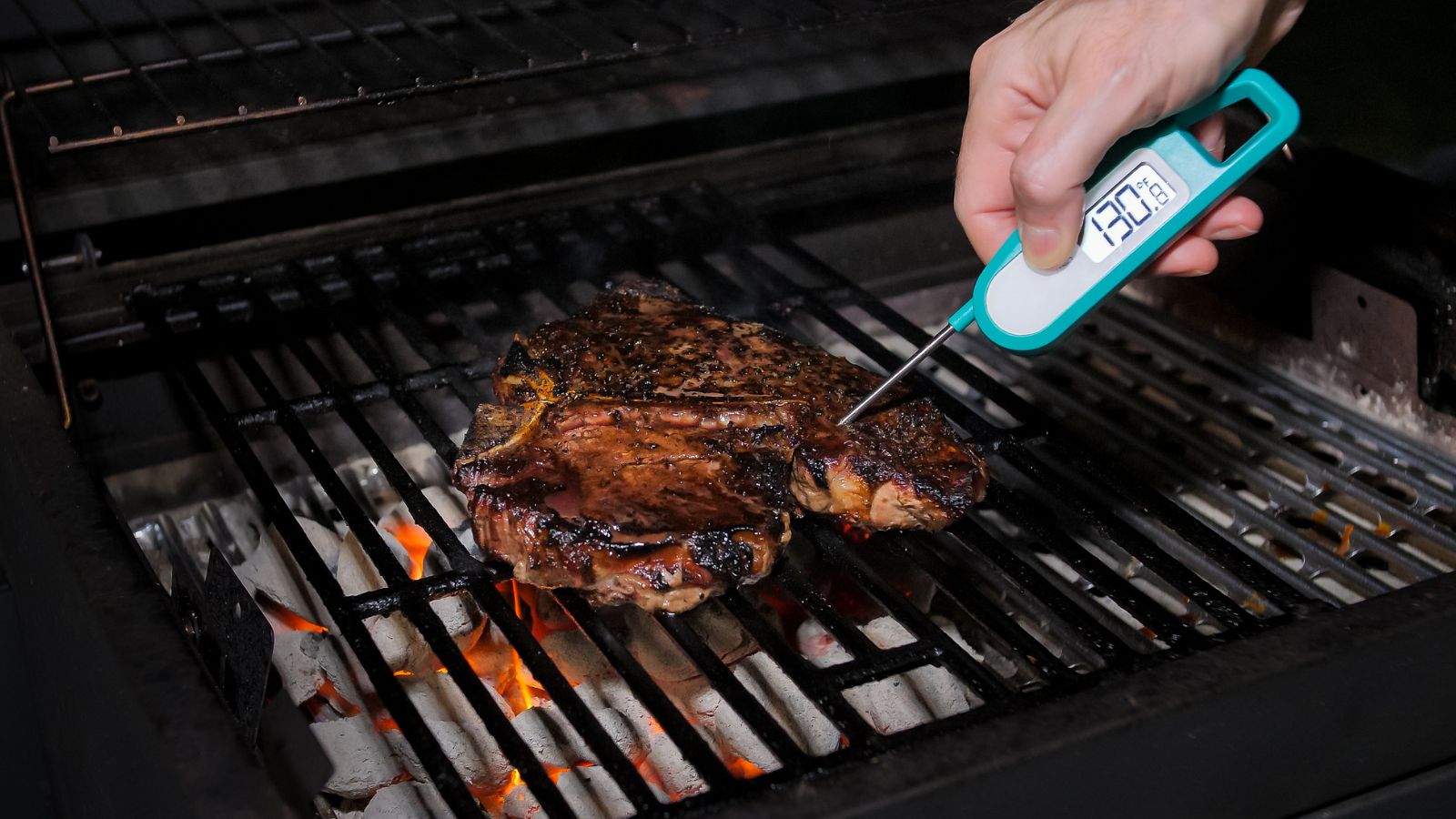
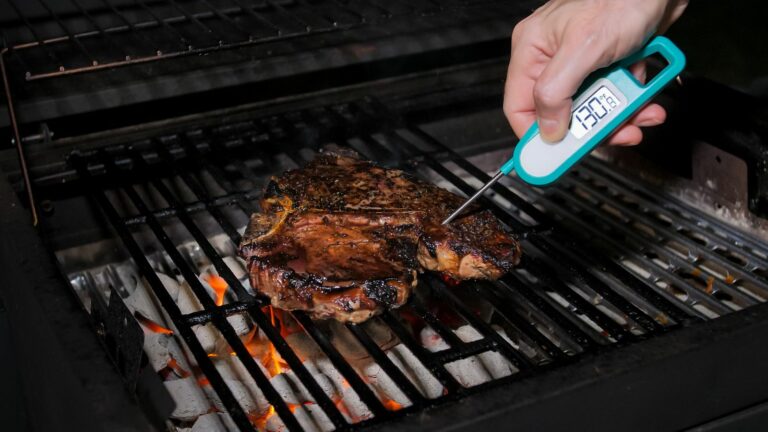
Barbecue cooks often develop strong opinions about judging meat by colour, texture or cooking time, but Health Canada specifically warns that colour alone is not a reliable indication of safety. Meat can brown before harmful bacteria have been eliminated. A digital food thermometer provides a much more dependable answer. Federal guidance lists 71°C for ground beef, veal, lamb and pork products such as burgers and sausages, while poultry pieces and ground poultry should reach 74°C. Different foods require different temperatures.
The thermometer also has to be used correctly. For hamburgers, Health Canada recommends inserting it through the side of the patty into the centre. Several pieces should be checked individually because grills often develop hotter and cooler zones. Cleaning the thermometer between readings prevents it from becoming another source of contamination. This small routine matters most at larger gatherings, when dozens of burgers may be moving from grill to platter quickly. Guests generally will not notice that temperatures are being checked, but they will appreciate a meal that arrives properly cooked without relying on a cook’s best guess.
Build a Clean Food-Prep System

A backyard buffet can become surprisingly complicated once raw meat, salads, serving utensils, condiments and used dishes converge around one table. Health Canada recommends separating raw meat from ready-to-eat foods and using different plates, utensils and cutting boards for raw and cooked products. The classic mistake is carrying raw burgers to the grill on a platter and then placing the cooked burgers back on the same unwashed platter. Raw juices can re-contaminate food after cooking has already made it safe.
Handwashing is another detail that becomes more difficult outdoors. Health Canada advises washing hands thoroughly with soap and warm water before and after handling raw meat, while its summer food-safety guidance recommends roughly 20 seconds of washing. A party setup should therefore make the route from grill to sink easy rather than expecting the cook to improvise. Extra tongs, clean platters and paper towels can prevent shortcuts when the yard becomes busy. Designing the food station with a clear “raw side” and “finished side” may seem overly organized at first, but it becomes remarkably useful once several dishes are being prepared simultaneously.
Ask About Food Allergies Before Shopping

Modern backyard menus often include far more than hamburgers and hot dogs, and ingredient awareness matters when guests have food allergies. Health Canada identifies priority allergens that include eggs, milk, mustard, peanuts, tree nuts, fish, crustaceans and molluscs, sesame, soy, wheat and triticale, along with sulphites as an important cause of allergic-type reactions. Some ingredients are less obvious than expected: tahini contains sesame, for example, while sauces and marinades can introduce allergens that are not apparent from the dish’s name.
Asking about allergies before grocery shopping is considerably easier than trying to redesign the menu after everyone arrives. Packages and ingredient labels should be kept available when possible so guests can check products themselves. Separate serving utensils are useful when an allergen-free option is being offered because cross-contact can defeat the purpose of preparing a separate dish. A simple arrangement—such as keeping buns, sauces, salads and toppings in distinct containers—also helps guests understand what they are choosing. The objective is not to turn a social gathering into a laboratory; it is to make sure everyone can eat comfortably without having to interrogate the host at the buffet table.
Plan Alcohol Service and Safe Rides

Alcohol rules are provincial, and the legal treatment of a private home can differ from that of a rented venue, ticketed gathering or public event. In Ontario, the Alcohol and Gaming Commission says a permit is generally not required when alcohol is served to invited guests in a person’s own home or another private place. British Columbia similarly states that a liquor Special Event Permit is not required for events held at private residences. Those exemptions should not be interpreted as permission to turn a backyard party into an informal bar; selling liquor or changing the nature or location of an event can trigger different requirements.
Responsible transportation deserves just as much planning as the drinks themselves. Quebec’s road-safety authority recommends measures such as designated drivers, readily available water and non-alcoholic beverages, and access to taxis, rideshare services or other transportation. A host can make that easy by placing alcohol-free drinks where they are as visible as beer or wine and discussing rides before the night winds down. Transportation arranged early is usually far easier than negotiating over car keys at midnight.
Set Smoking and Cannabis Boundaries Early

Even an entirely outdoor gathering benefits from clear expectations about smoking and cannabis. Health Canada states that cannabis smoke contains many of the same harmful chemicals found in tobacco smoke, including carcinogens. Provincial and municipal restrictions on smoking or vaping can vary, but a homeowner can still establish straightforward house rules about where smoking is permitted on private property. That becomes especially important when children, pregnant guests, people with respiratory sensitivities or non-smokers are attending.
The best location is not automatically the back step beside everyone else. Smoke can drift directly across dining tables, children’s play areas, open windows and neighbouring patios. A designated area well away from food and the main seating space can prevent recurring conversations throughout the evening. Hosts should also think about cannabis edibles when children are present because treats can resemble ordinary food. Keeping adult products securely stored and clearly separated from the buffet is a sensible precaution. Setting expectations in advance allows the gathering to remain comfortable for smokers and non-smokers without requiring someone to negotiate boundaries after the party is already underway.
Have a Thunderstorm Plan

Canadian summer weather can shift from pleasant to dangerous faster than a backyard can be cleared. Environment and Climate Change Canada recommends having a weather-safety plan for outdoor events because thunderstorms can develop quickly. Its lightning guidance is particularly direct: when thunder is heard, people should move to a safe indoor location rather than waiting to see lightning nearby. The agency also recommends remaining sheltered for 30 minutes after the last rumble of thunder before returning outdoors.
A backyard host does not need the emergency structure of a music festival, but the basic principle translates well. Before guests arrive, decide where everyone could go if a storm approaches. A house may accommodate a dozen people easily but become uncomfortable when 40 guests suddenly need shelter. Umbrellas, gazebos and tall trees are not substitutes for appropriate lightning shelter. Weather alerts should be checked during the day rather than only when rain begins. It is much easier to move food, unplug equipment and bring children inside while a storm is approaching than after wind, heavy rain and lightning have reached the neighbourhood.
Make Shade and Water Part of the Setup

Warm weather is often the reason for hosting outdoors, but heat exposure can turn uncomfortable before guests recognize what is happening. Health Canada advises adjusting outdoor activities during extreme heat and making opportunities to cool down readily available. Sun exposure is another consideration: federal guidance recommends sun protection when the UV Index reaches 3 or higher, including broad-spectrum, water-resistant sunscreen with an SPF of at least 30. Shade becomes especially valuable around midday and during long afternoon gatherings.
A practical party setup should therefore treat water and shade as core supplies rather than optional extras. A water dispenser or cooler positioned beside other beverages encourages guests to drink without having to ask. Umbrellas, trees, canopies or a shaded deck can provide relief for older adults, children and anyone who prefers to stay out of direct sunlight. Seating should not all be concentrated in the brightest part of the lawn simply because that area photographs well. An afternoon barbecue lasting several hours exposes guests to conditions much longer than a quick trip outside, so comfort planning matters just as much as menu planning.
Check the AQHI, Not Just the Temperature
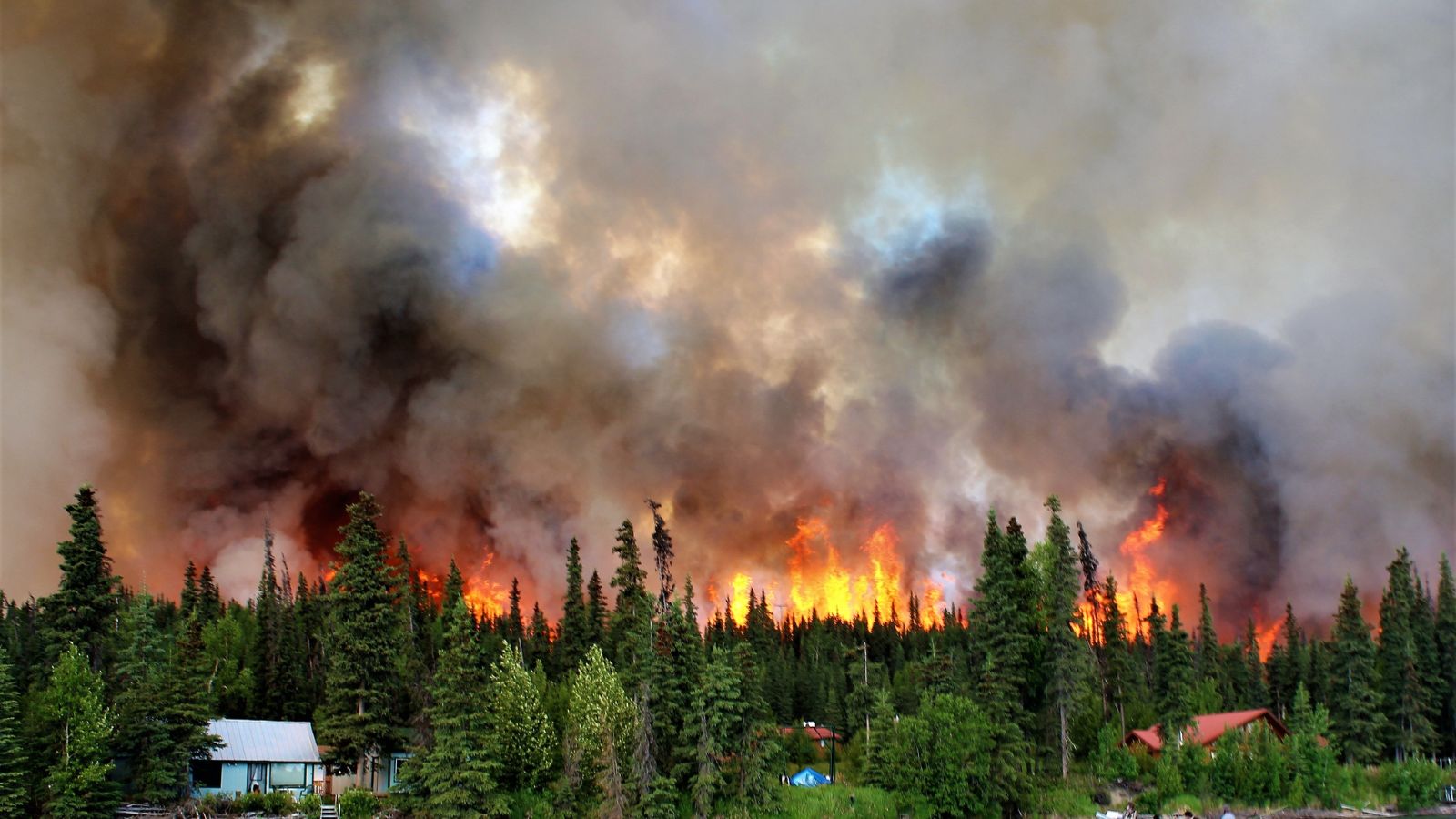
A clear sky and comfortable temperature do not always mean ideal outdoor conditions. Wildfire smoke has made air quality a more familiar consideration across Canada, and Environment and Climate Change Canada’s Air Quality Health Index (AQHI) provides a scale from 1 to 10+ describing health risks from air pollution. Federal guidance classifies values from 7 to 10 as high risk and 10+ as very high risk. At very high risk levels, authorities recommend reducing or rescheduling strenuous outdoor activities, with stronger precautions for people at higher risk.
That information can influence a backyard party even when no one plans to exercise. Children may be running around, older relatives may have health vulnerabilities and guests with asthma or other respiratory conditions may be affected before others notice a problem. Wildfire smoke can also degrade air quality even when it is not strongly visible or easily smelled. Checking the AQHI alongside the normal weather forecast takes only a moment. If conditions deteriorate, moving the meal indoors, shortening the gathering or creating access to cleaner indoor air may be more sensible than sticking rigidly to an outdoor plan made days earlier.
Assign a Pool Watcher
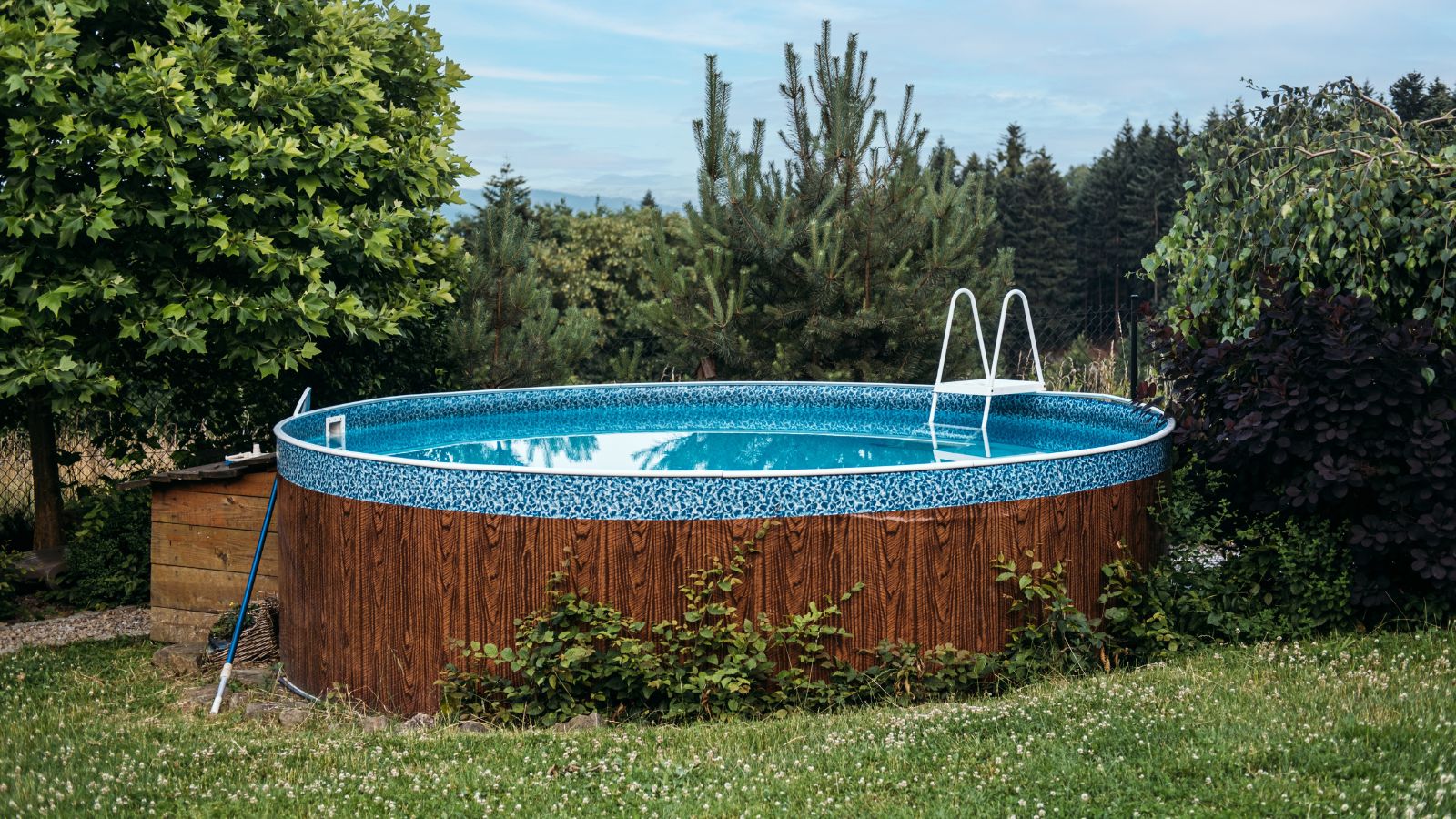
A swimming pool changes a backyard party from an ordinary gathering into an environment requiring active water supervision. Health Canada says drowning is one of the leading causes of death among children aged one to four and recommends keeping young children and inexperienced swimmers within view and within arm’s reach while they are in the water. Swimming aids such as water wings and inflatable seats are not substitutes for supervision. The agency also recommends secure fencing, self-closing and self-latching gates, and controlled access to backyard pools.
Parties create a particular supervision problem because many adults may be nearby while nobody is clearly responsible for watching the water. One solution is assigning a specific adult as the pool watcher and deliberately transferring that role when the person needs a break. The pool area should also be kept free of unnecessary toys and furniture that could create climbing or tripping hazards. Lifesaving equipment and a first-aid kit should remain nearby. When music, food preparation and conversations compete for attention, “everyone is watching” can quickly mean that no one is watching closely enough.
Make the Yard Safe for Children
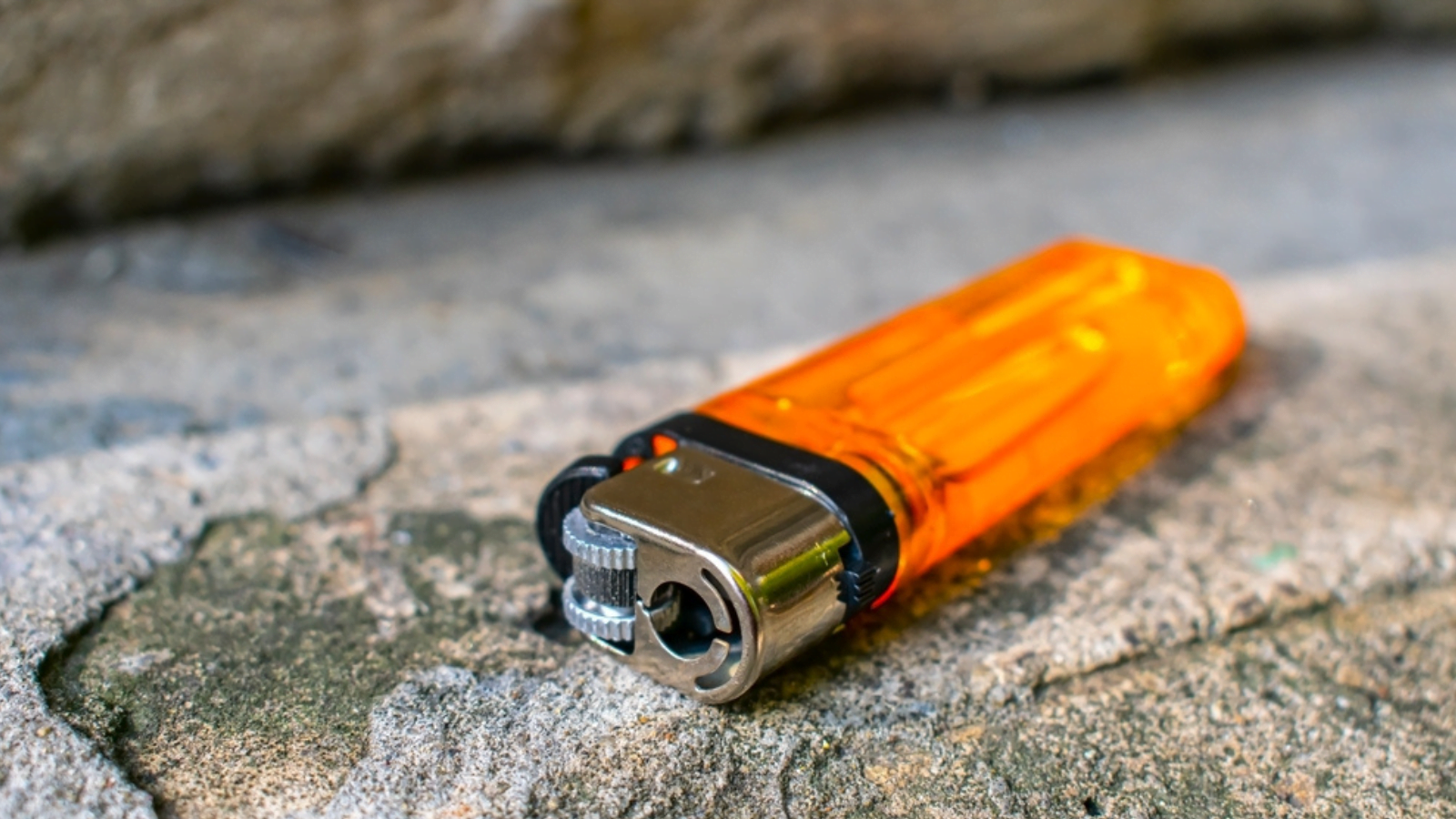
A yard that works perfectly for adults can look very different from a child’s height. Health Canada recommends examining play areas for hazards and actively supervising children outdoors. Small objects, matches, lighters, candles and accessible water can all become problems. Its guidance on trampolines is especially cautious: trampoline injuries frequently occur at private homes, and Health Canada recommends allowing only one person at a time, using an enclosure and keeping children younger than six off full-size trampolines.
Before a family-friendly gathering, it helps to walk through the yard specifically looking for what children might climb, pull, open or trip over. Garden tools can be moved into a locked shed, chemicals can be secured and unstable furniture can be relocated. Decorations with small detachable pieces may also deserve attention when toddlers are attending. If there is a trampoline, play structure or inflatable attraction, adults should understand who is supervising it rather than assuming children will regulate themselves. A five-minute safety sweep before guests arrive can remove hazards that would otherwise remain unnoticed until a curious child discovers them first.
Use Outdoor-Rated Electrical Gear

Speakers, decorative lights, phone chargers and food warmers can turn a simple backyard into a temporary electrical installation. The Electrical Safety Authority in Ontario advises using grounded outdoor extension cords and connecting them to outlets protected by a Ground Fault Circuit Interrupter (GFCI). It also warns against running extension cords through doors or windows, where they can be pinched or damaged. Equipment intended only for indoor use should not be assumed safe simply because the weather forecast looks dry.
Cable placement matters almost as much as the equipment itself. A dark extension cord stretched across a lawn can become a tripping hazard once guests begin moving between tables after sunset. Connections should be protected from water, and overloaded outlets should be avoided when lights, speakers and appliances are operating simultaneously. If rain begins, improvised solutions such as wrapping live connections loosely in plastic are poor substitutes for equipment designed for outdoor conditions. Electrical planning is rarely the most exciting part of hosting, but it is considerably easier to solve before guests arrive than when someone discovers the only available outlet is twenty metres from the music system.
Prepare for Mosquitoes and Ticks
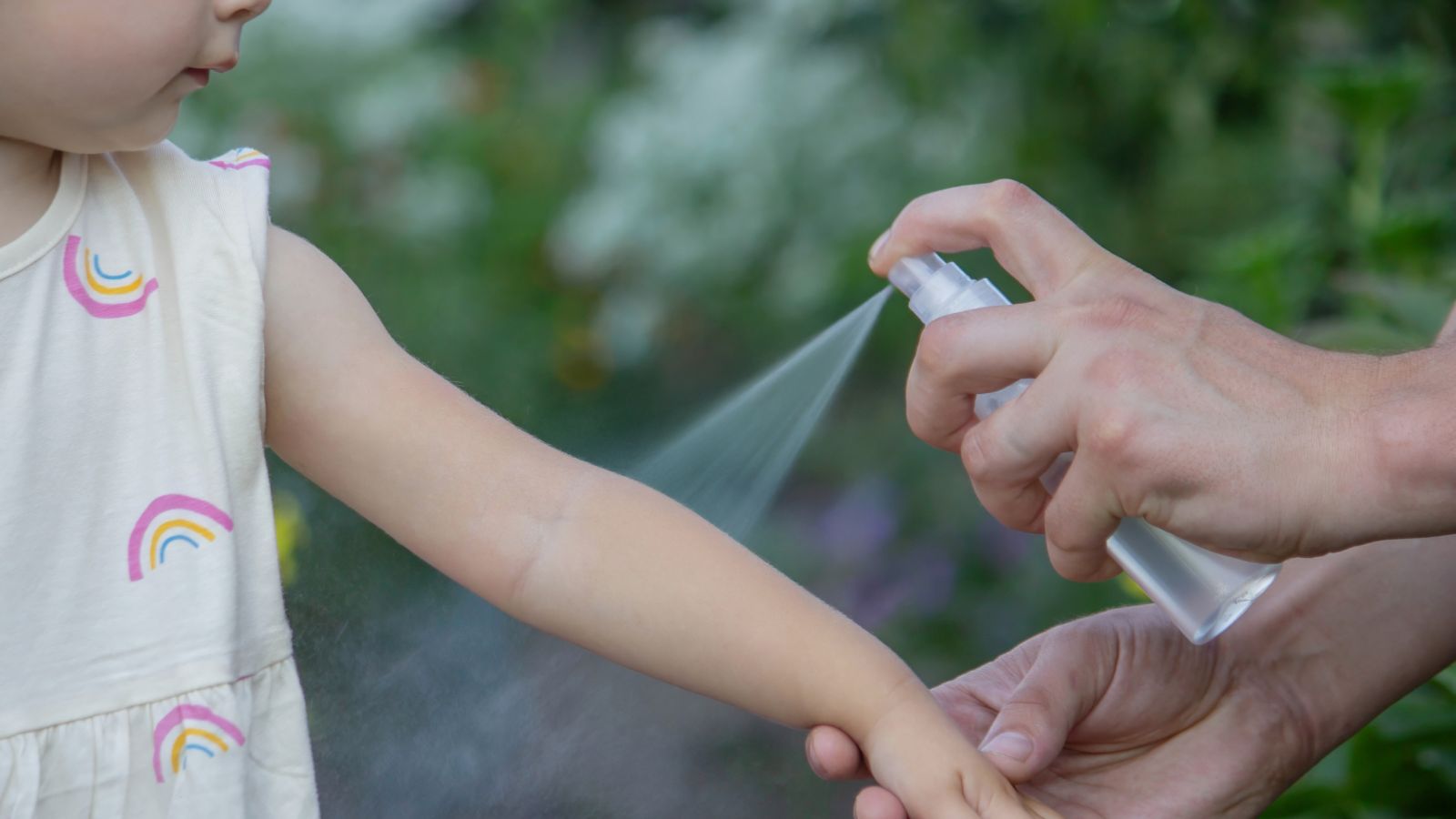
Canada’s biting insects are more than a nuisance in some regions. Health Canada says personal repellents containing DEET or icaridin can protect against mosquitoes and ticks when used according to label directions. Age restrictions and recommended concentrations differ for children; for example, products containing DEET or icaridin should not be used on infants younger than six months. The federal government also notes that some products marketed for outdoor comfort, including certain electronic devices and bug zappers, do not protect people from bites as effectively as personal insect repellents.
Hosts can make the yard less troublesome before reaching for sprays. Cutting long grass, removing standing water and keeping dining areas away from dense vegetation can improve comfort. Providing an approved repellent option may be useful during an evening gathering, although guests should still follow the product label and consider their own needs. In tick-prone regions, the Public Health Agency of Canada recommends measures such as closed-toe shoes, light-coloured clothing and checking for ticks after outdoor exposure. Those details matter particularly when a party spills beyond the manicured patio into wooded or grassy areas.
Make Seating and Pathways Accessible

Accessibility can be overlooked when tables and chairs are arranged mainly around aesthetics. Accessibility Standards Canada emphasizes clear paths of travel to outdoor facilities and furniture, including picnic tables, benches and gathering areas. A backyard does not need to resemble a public facility to benefit from the same principle. Narrow routes between chairs, loose gravel, garden hoses, stairs and uneven grass can make an otherwise welcoming gathering difficult for someone using a wheelchair, walker or cane.
A host who knows that a guest has mobility needs can ask what setup would work best rather than making assumptions. More generally, creating at least one wide, unobstructed route from the entrance to seating, food and washroom access improves the experience for everyone. Firm chairs with backs and arms can also be more comfortable for older guests than low folding or camping chairs. Lighting routes after dark reduces another barrier. Accessibility planning does not have to be elaborate; often it means reconsidering where a cooler, planter or extension cord has been placed. A yard feels more inviting when guests can move around it without needing assistance at every turn.
Think Through Guest Parking

A party can create neighbourhood tension before anyone reaches the backyard if vehicles begin blocking driveways or sidewalks. Parking rules are municipal and may apply even when there is no sign directly beside the vehicle. Toronto, for example, lists several parking violations that can be enforced without posted signage, including obstructing a driveway, stopping on or over a sidewalk and parking within three metres of a fire hydrant. Other Canadian municipalities establish their own distances, overnight restrictions and permit requirements.
For larger gatherings, including a brief parking note with the invitation can save confusion. Hosts can identify legal street-parking areas, suggest carpooling or tell guests where not to park. People arriving by taxi or rideshare may also need a sensible pickup point that does not block traffic or neighbouring driveways. The same planning becomes useful later if alcohol is being served and more guests decide to leave vehicles overnight. A neighbour who cannot get out of a driveway is unlikely to care how carefully the barbecue menu was prepared, so transportation logistics deserve consideration before the first vehicle arrives.
Plan Waste and Cleanup Before Guests Arrive

A backyard meal can generate an impressive amount of packaging, bottles, cans, napkins and leftover food in only a few hours. Municipal waste systems differ across Canada, so the correct destination for an item depends on the community. Toronto, for example, encourages reusable alternatives to disposable products as part of its waste-reduction efforts. Using ordinary dishes, washable serving trays and reusable cups where practical can reduce the volume requiring sorting at the end of the evening.
When disposable items are necessary, clearly labelled containers can prevent every plate and can from ending up in the same garbage bag. Hosts should check local recycling and organics instructions because materials accepted in one municipality may not belong in another’s program. Cleanup planning also protects the yard: food scraps left overnight can attract insects or wildlife, while broken glass becomes much harder to find in grass the next morning. Putting bins in obvious locations during the party usually works better than expecting guests to search for them. A little organization during the event means the host is not facing a miniature waste-management project after everyone leaves.
Keep Emergency Basics Close
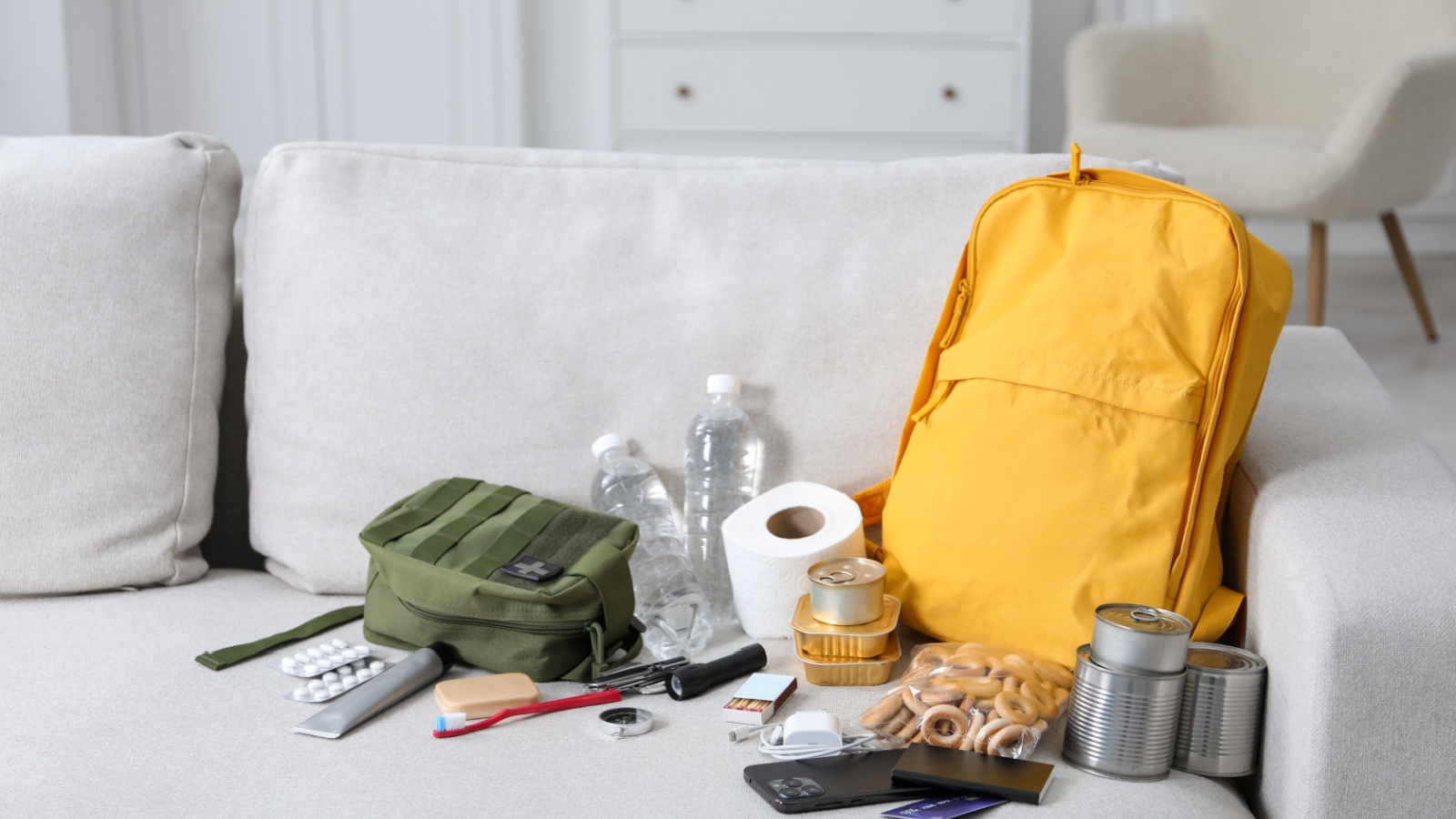
Most backyard parties end without anything more serious than spilled ketchup, but basic preparation helps when something unexpected occurs. Public Safety Canada recommends that households maintain an emergency plan and an accessible emergency kit so essential supplies can be found quickly. Environment and Climate Change Canada similarly recommends keeping emergency supplies available during severe summer weather, including a flashlight, radio, first-aid kit and other necessities. A gathering does not require a professional first-aid station, but useful supplies should not be buried behind boxes in the basement.
A stocked first-aid kit, charged phone, flashlight and knowledge of the property’s exact address can cover many ordinary situations. Someone should also know where the fire extinguisher is located and how to shut down the barbecue or other equipment if needed. Hosts with pools have an additional reason to keep lifesaving equipment accessible. The most effective emergency preparation is usually simple and almost invisible to guests. It allows minor injuries to be handled promptly and provides a clearer response if severe weather, a power outage or another unexpected event interrupts the evening.
This Options Discord Chat is The Real Deal
While the internet is scoured with trading chat rooms, many of which even charge upwards of thousands of dollars to join, this smaller options trading discord chatroom is the real deal and actually providing valuable trade setups, education, and community without the noise and spam of the larger more expensive rooms. With a incredibly low-cost monthly fee, Options Trading Club (click here to see their reviews) requires an application to join ensuring that every member is dedicated and serious about taking their trading to the next level. If you are looking for a change in your trading strategies, then click here to apply for a membership.