35,000+ smart investors are already getting financial news, market signals, and macro shifts in the economy that could impact their money next with our FREE weekly newsletter. Get ahead of what the crowd finds out too late. Click Here to Subscribe for FREE.
Summer entertaining has a way of looking inexpensive in the planning stage. A few burgers, cold drinks and chairs on the patio can sound manageable until the grocery cart fills, the propane tank needs attention, extra guests arrive and the weather demands a backup plan. In Canada, those additions land against a backdrop of still-elevated food, transportation and seasonal service costs.
The real bill often comes from the details rather than one extravagant purchase. These 17 summer entertaining costs Canadians underestimate show how food, drinks, utilities, yard preparation, transportation, convenience spending and even cleanup can quietly turn an ordinary backyard gathering into a much larger household expense.
The Grocery Cart Grows Faster Than the Guest List
17 Summer Entertaining Costs Canadians Underestimate
- The Grocery Cart Grows Faster Than the Guest List
- Drinks Become a Second Grocery Bill
- Ice and Chilling Supplies Add Up
- The Barbecue Burns More Than Burgers
- Disposable Serving Ware Isn’t Disposable to the Budget
- Grill Accessories Turn Into a Seasonal Upgrade Cycle
- Making the Patio “Guest Ready” Can Get Pricey
- Mosquito and Tick Protection Becomes Part of Hosting
- The Yard Can Become Part of the Party Budget
- Keeping Guests Cool Has an Energy Cost
- Water Use Rises Before and After the Gathering
- Overbuying for “Just in Case” Guests
- Takeout and Delivery Rescue Plans Cost More
- Getting Everyone Home Safely Costs Money
- Entertaining Away From Home Brings Travel Costs
- Bad Weather Creates a Backup-Plan Budget
- Cleanup Is Its Own Final Round of Spending
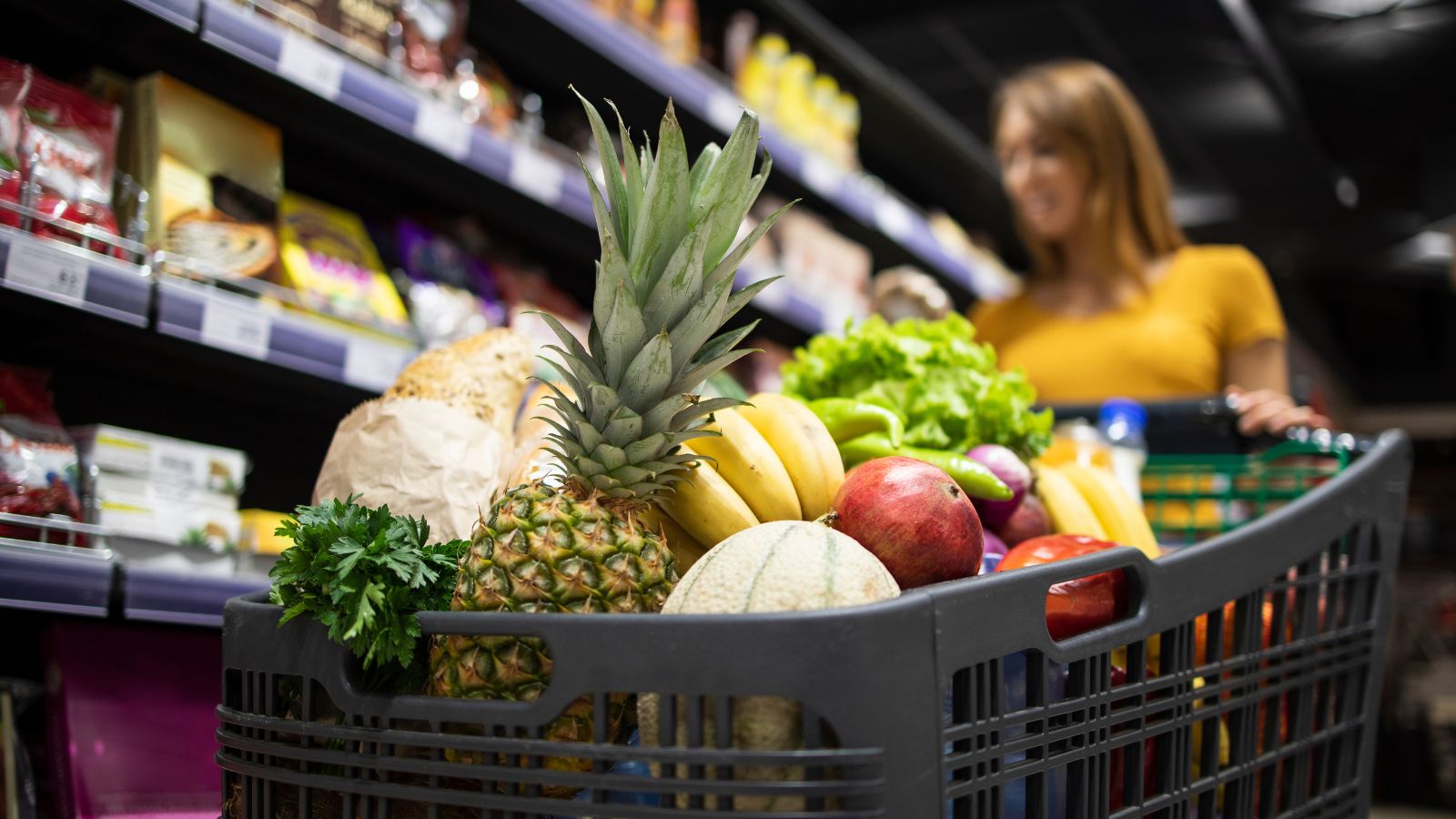
Food is usually the first number hosts estimate, but it is also one of the easiest to undershoot. Statistics Canada reported that food purchased from stores was 3.9% more expensive in June 2026 than a year earlier. Its national retail-price data placed ground beef at an average $16.61 per kilogram, chicken breasts at $14.63 and tomatoes at $5.03. A barbecue serving several households can therefore accumulate a substantial bill before buns, cheese, condiments, salads or dessert enter the cart.
Quantity makes the effect more noticeable. Hosts rarely purchase precisely one serving per person because nobody wants a platter to empty too early. A little extra meat, another salad and a second dessert may each appear minor, yet they multiply quickly across a large guest list. Canada’s Food Price Report 2026 also forecast overall food-price growth of 4% to 6%, reinforcing why familiar summer menus can cost noticeably more than remembered.
Drinks Become a Second Grocery Bill

The food budget frequently receives careful attention while beverages are treated as an afterthought. Then come soft drinks, sparkling water, juice, mixers, coffee, beer, wine and perhaps a bottle of spirits. Statistics Canada tracks alcoholic beverages as a distinct consumer-price category because beverage spending represents a meaningful part of household consumption, while provincial liquor pricing and retail systems can make the final cost differ considerably across Canada.
The problem is variety as much as quantity. Providing three beer choices, several wines, alcohol-free alternatives and drinks for children means buying multiple packages even when only part of each is consumed. A host expecting twelve guests may effectively shop for several different beverage preferences at once. That makes drinks less like a single menu item and more like a second grocery run. Add lemons, limes, garnishes and mixers for cocktails, and the beverage station can quietly rival the cost of the main meal.
Ice and Chilling Supplies Add Up

A hot afternoon creates another category that is easy to forget until shortly before guests arrive: keeping everything cold. Bags of ice may be needed for coolers as well as drinks, while bottled water, canned beverages and extra refrigerator space become part of the logistics. Statistics Canada reported that soft drinks, other beverages and ice generated about $35.8 billion in sales at Canadian food and beverage retailers in 2024, illustrating how large this everyday category is.
Entertaining magnifies it because the refrigerator often cannot hold everything at once. A host may fill a cooler with cans, another with ice and food, and still make a convenience-store trip once the first supply melts. Those purchases typically happen after the main shopping trip, so they can escape the original budget completely. For a long afternoon barbecue or cottage gathering, keeping drinks cold is not merely a matter of buying beverages; it requires planning for the infrastructure around them.
The Barbecue Burns More Than Burgers
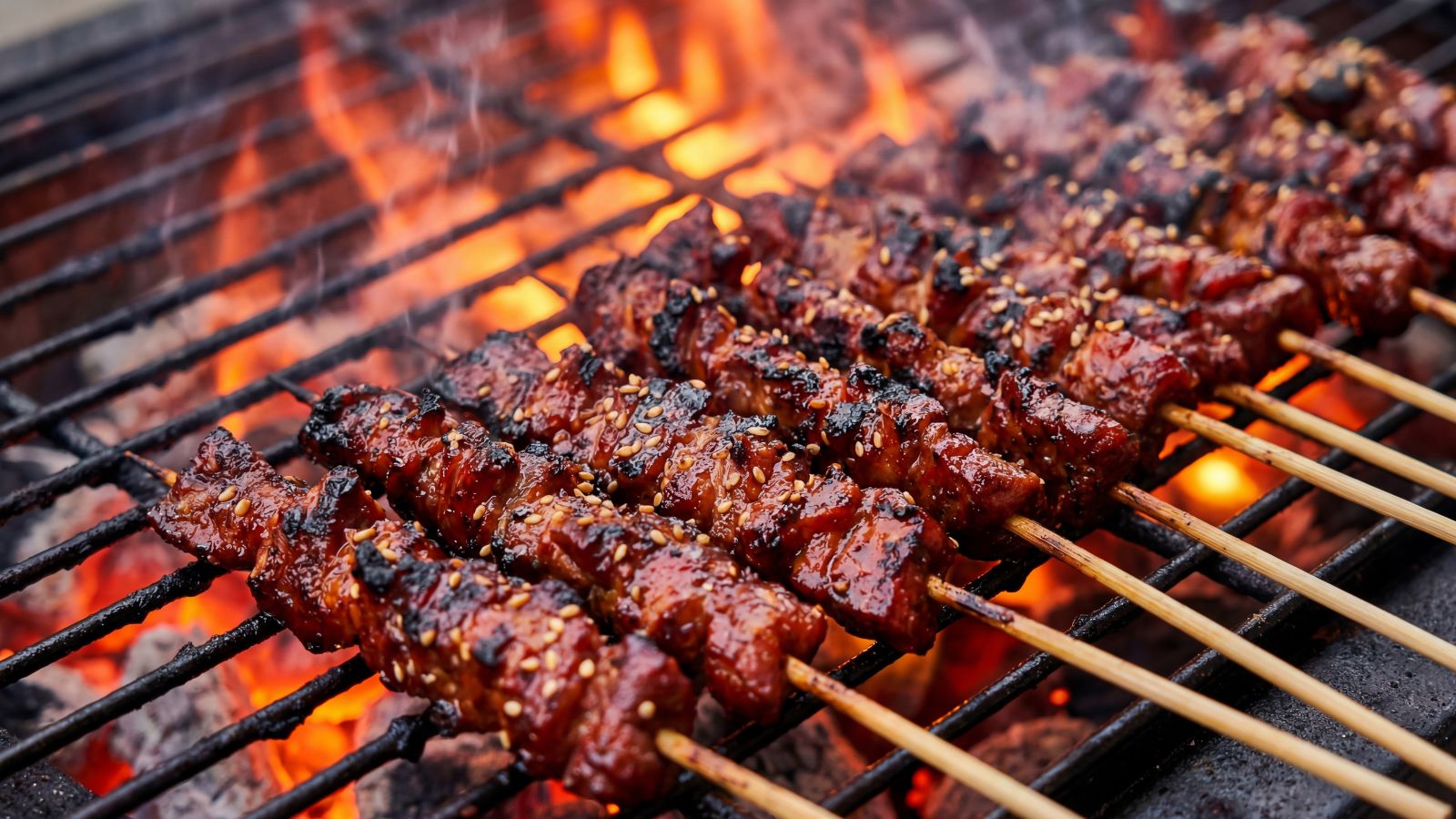
Outdoor cooking comes with a fuel bill that disappears into the background until the tank feels suspiciously light. Propane refills, charcoal, pellets and firewood all add operating costs to a gathering. A host who discovers an empty propane cylinder shortly before dinner may also make an unplanned drive to exchange or refill it, combining cooking fuel with transportation spending.
That transportation component has recently been especially noticeable. In June 2026, Canadian gasoline prices were 20.5% higher than a year earlier, despite falling sharply from May. For households making multiple grocery, liquor-store and hardware-store trips before a weekend gathering, those kilometres have a cost. The effect is larger at cottages or rural properties where stores can be far apart. Grilling may feel cheaper than ordering restaurant meals, but the real calculation includes the energy needed to cook the food and the fuel spent collecting everything required to serve it.
Disposable Serving Ware Isn’t Disposable to the Budget

Paper plates, cups, napkins, foil, food-storage containers and serving trays often arrive in the cart one package at a time. None appears particularly significant, yet a large gathering might require several categories simultaneously. Canada’s restrictions on several kinds of problematic single-use plastics have also changed the disposable-products landscape, pushing hosts and retailers toward paper, wood and other alternatives for items such as certain cutlery and food-service ware.
The environmental scale of disposables helps explain why governments have focused on the category. Environment and Climate Change Canada says Canada generated 5.2 million tonnes of plastic waste in 2022, with packaging accounting for 42%. For a household budget, the simpler lesson is that one-night products can become recurring summer purchases. Reusable plates and glasses involve washing and storage, but buying fresh packages of disposables for every birthday, barbecue and long-weekend gathering creates a seasonal expense that is easy to miss because it is scattered across several receipts.
Grill Accessories Turn Into a Seasonal Upgrade Cycle

Owning a barbecue does not mean outdoor cooking has become free. Grill brushes, thermometers, skewers, drip pans, covers, replacement grates and specialized utensils can gradually turn a basic cooking appliance into a collection of recurring purchases. The Hearth, Patio & Barbecue Association reported in its Canadian market research that about 70% of Canadian households owned a grill, demonstrating just how deeply outdoor cooking is embedded in warm-weather routines.
Frequent use creates wear as well as temptation. A deteriorating cover gets replaced, then a meat thermometer seems worthwhile, followed by a smoker box or better grilling tools. None needs to be extravagant to push the season’s entertaining budget upward. A family that hosts regularly may also keep separate outdoor utensils, serving platters and food-preparation equipment for convenience. The barbecue itself may have been purchased years ago, but maintaining and accessorizing the cooking setup can produce a fresh stream of costs every summer.
Making the Patio “Guest Ready” Can Get Pricey

Summer entertaining can trigger a surprisingly expensive transformation of an outdoor space. Extra chairs, seat cushions, an umbrella, planters, an outdoor rug, side tables and string lights all seem reasonable when considered separately. Together, they can make “getting the patio ready” one of the largest costs associated with hosting, particularly when furniture is being purchased for guests who visit only a handful of times each season.
Statistics Canada includes furniture and household textiles within its household operations, furnishings and equipment component, which represented 12.8% of the 2026 Consumer Price Index basket. That broader category illustrates how household setup purchases occupy a meaningful place in Canadian spending. Entertaining can accelerate purchases that might otherwise have been postponed. A worn chair suddenly looks less acceptable with ten people coming over, and a sunny patio suddenly needs shade. The gathering itself lasts an afternoon, but the preparation can resemble a miniature home-improvement project.
Mosquito and Tick Protection Becomes Part of Hosting

A pleasant backyard can become uncomfortable quickly when mosquitoes arrive, so repellents, screens and other pest-control products often join the hosting checklist. Health Canada recommends registered repellents containing ingredients such as DEET or icaridin for protection against mosquitoes and ticks. That means families hosting outdoors may purchase personal sprays for adults and children alongside products intended to make the patio more comfortable.
There is also a growing public-health reason to take tick protection seriously. The Public Health Agency of Canada reported 5,809 Lyme disease cases in 2024, with national incidence rising to 14.1 cases per 100,000 people from 11.9 in 2023. Not every backyard carries the same risk, but outdoor gatherings near wooded, grassy or cottage areas can make repellents a practical expense rather than decorative summer merchandise. Add citronella products, netting or replacement screens, and insect management becomes another small category capable of growing across repeated gatherings.
The Yard Can Become Part of the Party Budget
A gathering often creates an unofficial deadline for yard work. Grass gets cut, flower beds are refreshed, weeds disappear and tired planters suddenly need replacing. Statistics Canada found that 82% of Canadian households with gardens that watered them had done so during the previous summer in 2021. Canadian greenhouses and nurseries also produced nearly 146 million outdoor potted plants in 2023, showing the scale of the seasonal gardening market.
For hosts, the expense can include flowers, mulch, soil, fertilizer, replacement hoses and gardening tools before any food is purchased. A backyard that seemed perfectly adequate on Monday can feel unfinished once tables are being positioned for Saturday guests. This is particularly easy to underestimate because many purchases are mentally classified as “house” or “garden” spending rather than entertaining. Yet if the approaching barbecue is what prompted the new flowers, fresh mulch and hurried trip to the garden centre, they are effectively part of the event’s cost.
Keeping Guests Cool Has an Energy Cost
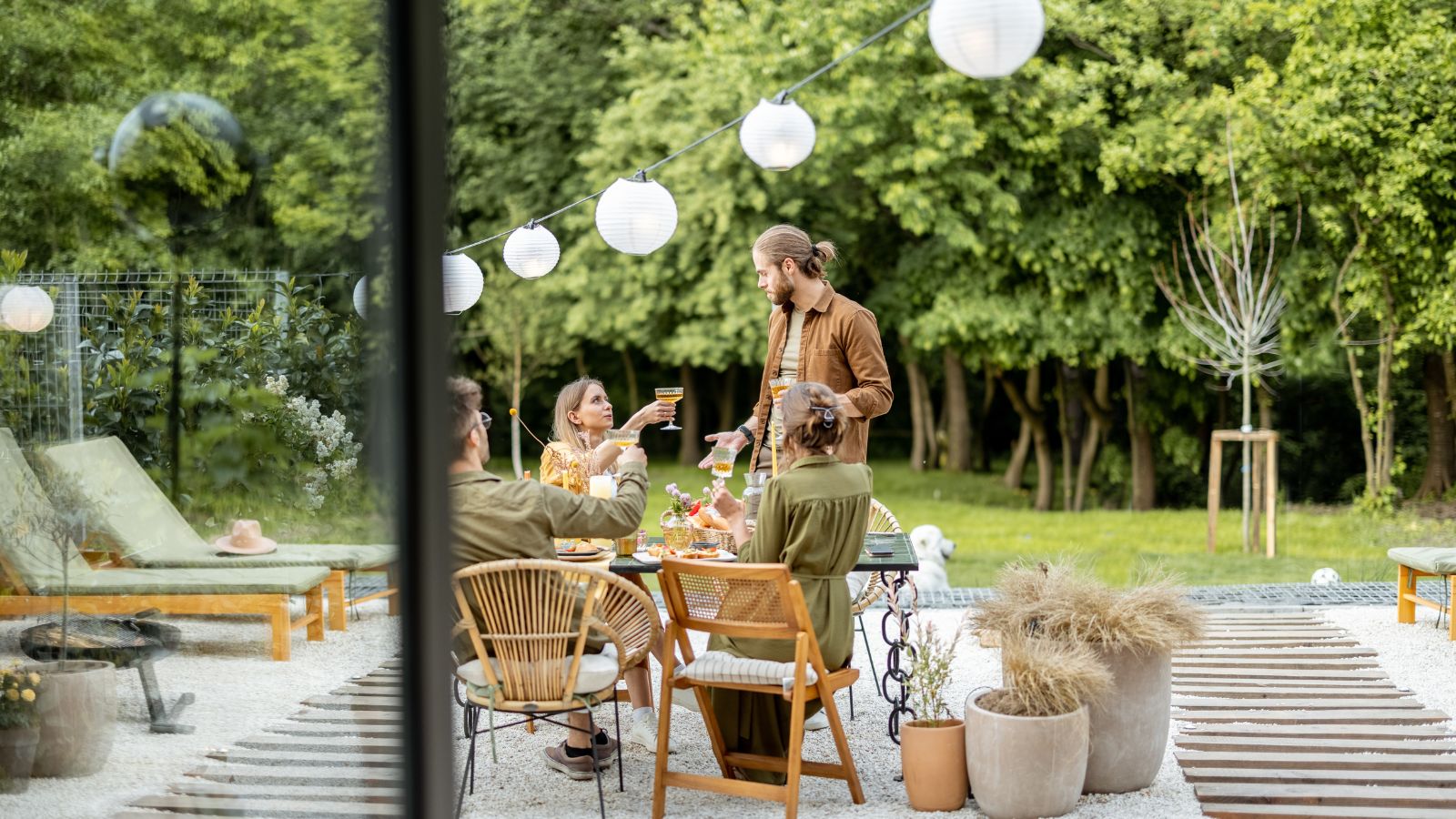
Canadian summers can produce conditions where shade alone is not enough. Fans may appear on the patio, doors repeatedly open and close, and air conditioning can run harder as guests move indoors. Environment and Climate Change Canada notes that prolonged extreme heat can raise demand for air conditioning and fans enough to strain electricity grids. The comfort of a summer gathering therefore has an energy component that rarely appears on the shopping list.
Health Canada’s 2026 guidance also recommends an upper indoor temperature of 26°C to protect older adults from heat-related illness and warns that ordinary fans become ineffective at cooling the body at temperatures above 35°C. That matters when grandparents or other heat-sensitive guests are attending. A host may cool indoor rooms throughout the afternoon even when most people are outdoors. Electricity is billed later rather than at checkout, which helps make it one of summer entertaining’s least visible costs.
Water Use Rises Before and After the Gathering

Water can flow long before anyone rings the doorbell. Lawns get watered, patios are rinsed, gardens are refreshed and outdoor furniture may need cleaning. Statistics Canada found that 51% of Canadian households with lawns had watered them in 2021. Among households that watered a lawn, 41% used a sprinkler and 19% reported using a sprinkler system, although households could use more than one method.
Then comes the gathering itself. Water is used for food preparation, handwashing, dishes and the post-party cleanup, while children may add sprinklers or water toys to the afternoon. Municipal water pricing varies substantially across Canada, so there is no single national dollar figure for that extra consumption. Still, metered households ultimately pay for volume. A green lawn and spotless patio can seem like part of the backdrop, but getting an outdoor space ready and resetting it afterward can quietly add another utility cost.
Overbuying for “Just in Case” Guests

Hosts commonly fear running out of food more than buying too much. That encourages generous safety margins: an extra package of burgers, another tray of vegetables and enough dessert for people who may never arrive. The financial result is most obvious when leftovers are forgotten after everyone leaves. Agriculture and Agri-Food Canada reported that nearly half of Canada’s food supply—46.5%—was still being lost or wasted in updated national research, despite significant improvement from earlier estimates.
Health Canada also notes that almost half of food waste occurs in the home. Entertaining creates perfect conditions for overbuying because attendance can be uncertain and portions are difficult to predict. Leftovers are valuable when they become lunches or freezer meals, but much less so when salads wilt or cooked food remains outside too long to save. In a period of elevated grocery prices, buying a large buffer “just in case” can be one of the gathering’s most avoidable costs.
Takeout and Delivery Rescue Plans Cost More
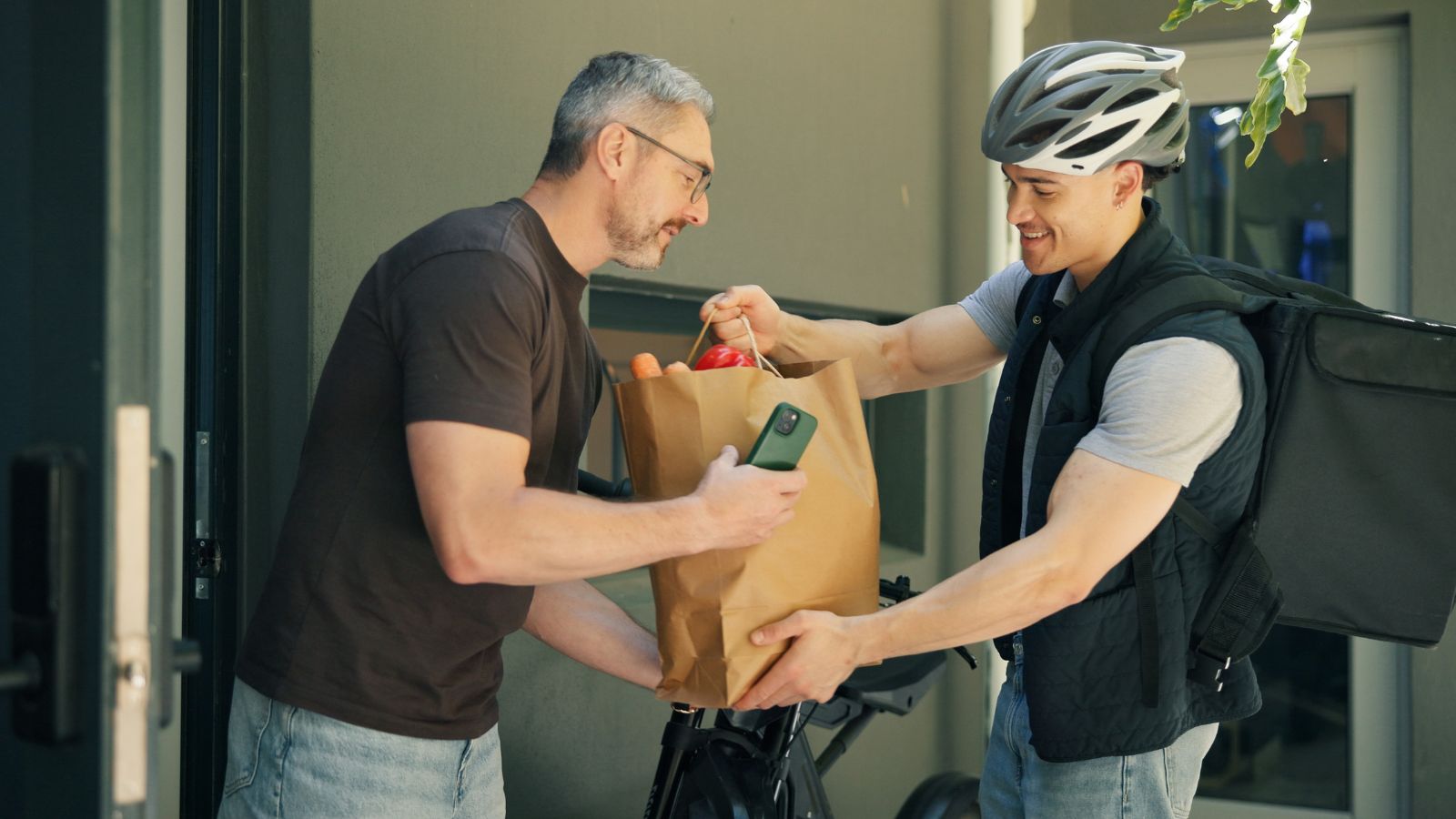
Even carefully planned gatherings can run short on something. Perhaps more guests arrive than expected, the main dish is delayed, or nobody wants to cook dessert. Ordering pizza or another prepared meal seems like an easy rescue, but restaurant food has also become more expensive. Statistics Canada reported that prices for food purchased from restaurants were 2.7% higher in June 2026 than a year earlier.
Digital ordering can bring additional charges into the transaction as well. Canada’s Competition Bureau describes “drip pricing” as advertising a price that consumers cannot actually obtain because mandatory fixed charges are added later, except certain government-imposed charges. Not every delivery purchase involves prohibited pricing practices, but service charges, delivery charges and tips can still push the final checkout total well above menu prices. A $40 shortfall in party food can therefore become a considerably larger expense once convenience enters the equation, especially for a large last-minute order.
Getting Everyone Home Safely Costs Money

Hosting does not always end when dessert is served. If alcohol is involved, transportation home may become part of the evening’s practical cost. Guests may need taxis, ride-hailing services or public transit, while others arrange designated drivers or leave vehicles overnight. Even hosts who do not pay those fares directly may spend extra on non-alcoholic alternatives or transportation arrangements to make the gathering workable for everyone.
Regular driving costs have also been elevated. Statistics Canada’s transportation component was 6.7% higher in June 2026 than a year earlier, while gasoline alone was up 20.5%. That affects guests travelling across town and hosts making several preparation trips. A suburban gathering that brings together households from different neighbourhoods can generate a surprising amount of combined travel. Transportation tends to remain invisible because each person manages it separately, yet at the group level, getting ten or twenty people to and from one backyard represents a meaningful piece of the evening’s total economic cost.
Entertaining Away From Home Brings Travel Costs

Not every summer gathering happens in somebody’s backyard. Cottage weekends, reunions and destination celebrations can move entertaining into the much more expensive world of accommodation and transportation. Statistics Canada reported that traveller accommodation prices were 10.1% higher in June 2026 than a year earlier. Rental passenger vehicles were 6.8% more expensive year over year, making a weekend built around shared meals and family time considerably more costly than the grocery bill alone suggests.
Canadians are still travelling despite those pressures. Leger reported in June 2026 that 56% of Canadians planned a leisure trip during the summer, while 48% identified cost or inflation as a factor shaping their plans. Entertaining away from home can involve groceries, restaurants and drinks on top of fuel, accommodation and activities. Splitting a cottage among several households may feel economical, but the collection of smaller costs can turn a casual weekend together into one of summer’s biggest discretionary expenditures.
Bad Weather Creates a Backup-Plan Budget
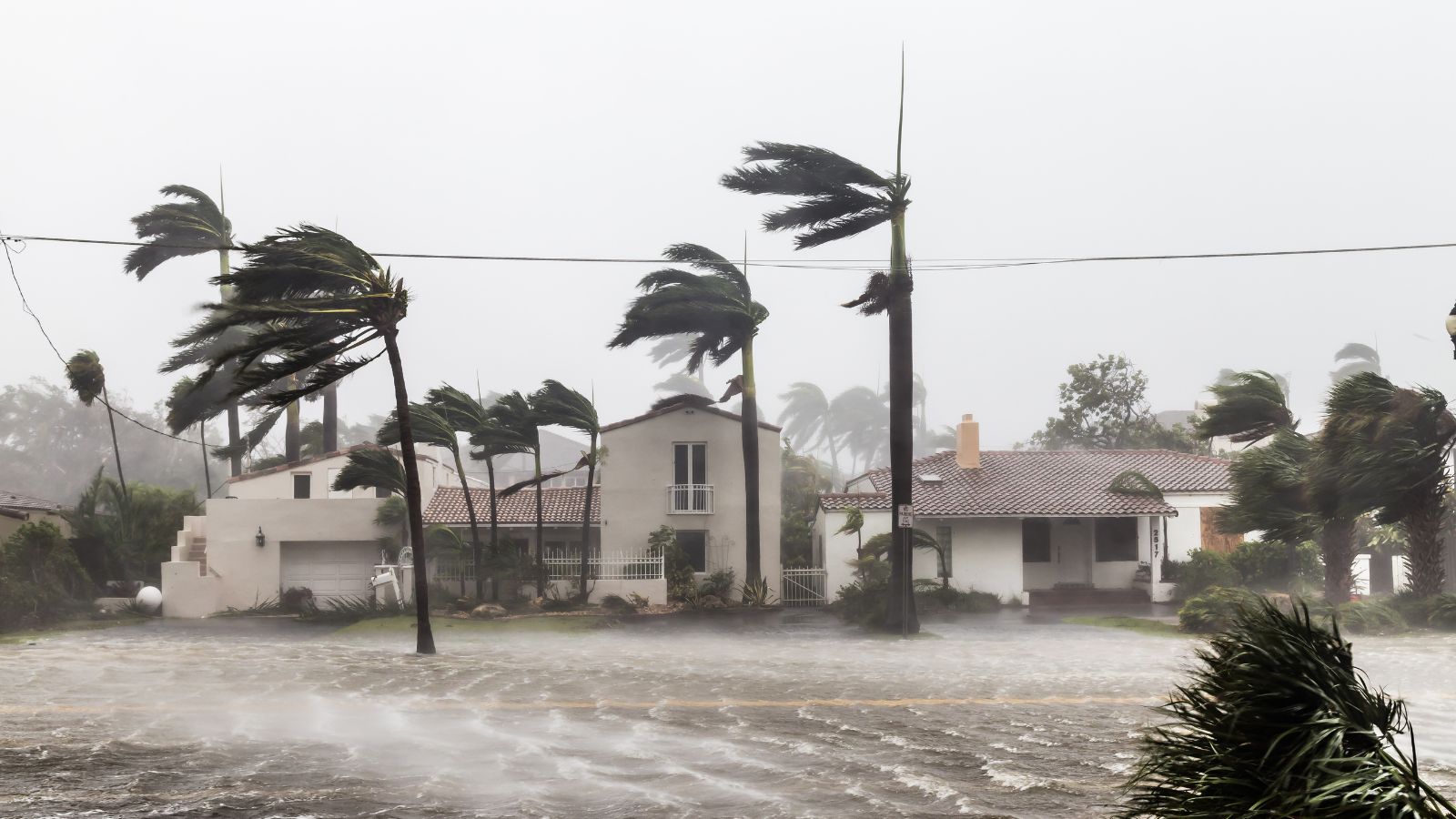
Canada’s summer weather can force hosts to plan for two events at once: the outdoor gathering they want and the indoor version they may need. Environment and Climate Change Canada describes thunderstorms as one of the country’s most frequent hazardous weather types, capable of producing lightning, hail, damaging winds, flash floods and tornadoes. A weather backup may therefore mean a canopy, extra indoor seating, garage cleanup or an alternative venue.
Recent damage figures show that severe weather is hardly theoretical. Insurance Bureau of Canada reported more than $2.4 billion in insured severe-weather damage during 2025, while storms in Manitoba, Saskatchewan and the Montreal area during June 2026 alone produced more than $1.1 billion in insured damage. A family barbecue is obviously operating on a much smaller scale, but the principle is similar: weather changes plans quickly. Buying shelter or rearranging an event at the last minute can create expenses that never appeared in the sunny-day budget.
Cleanup Is Its Own Final Round of Spending

The entertaining budget does not end when the final guest leaves. Garbage bags, dishwasher detergent, surface cleaner, paper towels, food-storage supplies and replacement containers may all be used more heavily after a large gathering. Statistics Canada’s household-spending classifications explicitly recognize household cleaning products along with paper, plastic and foil supplies, while its definition of paper household supplies includes items such as disposable plates and cups.
Interestingly, Canada’s broader household operations, furnishings and equipment CPI was 0.2% lower in June 2026 than a year earlier. That is a useful reminder that underestimated spending is not always caused by inflation. Sometimes households simply consume much more of something when entertaining. One weekend may require two dishwasher cycles, several loads of linens and a fresh box of garbage bags. None feels like a party purchase, which is exactly why cleanup is easy to overlook. By the time the patio is reset, the final cost can extend well beyond what was served at the table.
This Options Discord Chat is The Real Deal
While the internet is scoured with trading chat rooms, many of which even charge upwards of thousands of dollars to join, this smaller options trading discord chatroom is the real deal and actually providing valuable trade setups, education, and community without the noise and spam of the larger more expensive rooms. With a incredibly low-cost monthly fee, Options Trading Club (click here to see their reviews) requires an application to join ensuring that every member is dedicated and serious about taking their trading to the next level. If you are looking for a change in your trading strategies, then click here to apply for a membership.