35,000+ smart investors are already getting financial news, market signals, and macro shifts in the economy that could impact their money next with our FREE weekly newsletter. Get ahead of what the crowd finds out too late. Click Here to Subscribe for FREE.
A vehicle can enter a Canadian repair shop with one obvious problem and leave behind a bill containing several unfamiliar lines. Modern diagnostics, computerized safety systems, specialized fluids and years of winter corrosion have made repair pricing more complicated than the familiar parts-plus-labour formula. Provincial consumer rules can also affect what shops must disclose, how estimates work and when additional repairs require authorization.
Understanding 16 common ways mechanics’ bills can surprise Canadian drivers makes those invoices easier to interpret. Not every unexpected charge signals a problem: some reflect legitimate diagnostic work, required calibration or additional damage discovered after components come apart. The important distinction is whether the work was necessary, clearly explained and properly authorized.
Diagnostic Time Can Cost Money Before a Wrench Turns
16 Ways Canadian Mechanics’ Bills Can Surprise Drivers
- Diagnostic Time Can Cost Money Before a Wrench Turns
- Labour Hours May Be “Book Time,” Not Clock Time
- The Part Being Installed Can Change the Quote Dramatically
- Canadian Winter Corrosion Can Turn a Simple Job Into a Long One
- “Shop Supplies” Can Appear as a Separate Charge
- Sales Tax Can Create a Big Difference Between the Quote and Payment
- Suspension Work Can Be Followed by an Alignment Charge
- Modern Safety Systems Can Require Calibration After Repairs
- A Battery Replacement Can Require Electronic Registration
- Air-Conditioning Service Is More Specialized Than It Looks
- Tire Changes Can Uncover TPMS Costs
- A “Brake Pad Job” Can Become a Larger Brake Repair
- Even a Routine Oil Change Can Have Vehicle-Specific Extras
- A Vehicle Under Warranty Can Still Produce a Repair Bill
- Some Repair Work May Be Sent to Another Business
- Estimate Protections Depend on the Province
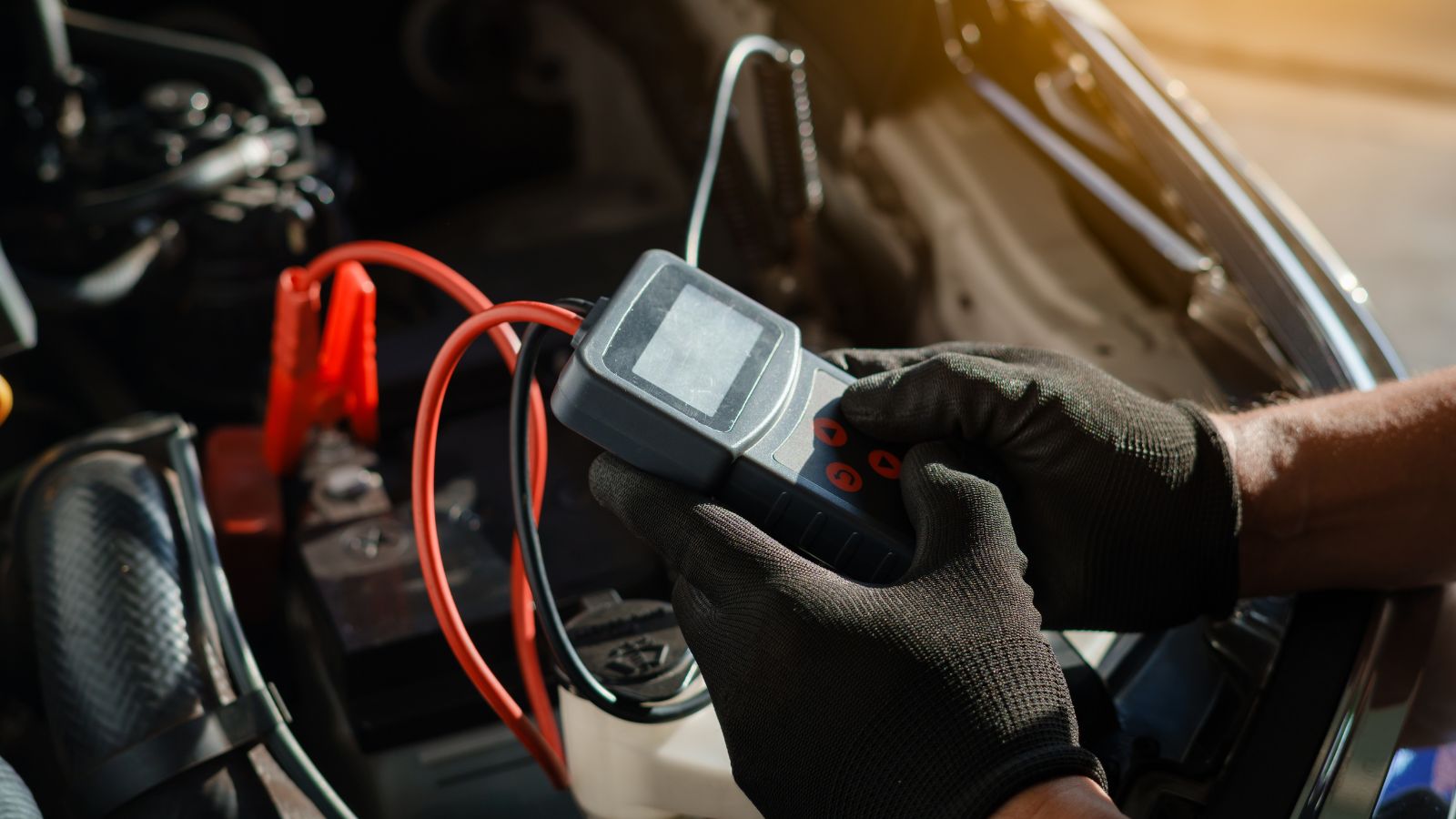
A warning light does not tell a technician which component should immediately be replaced. Modern diagnosis can involve scanning fault codes, checking live electronic data, testing circuits and reproducing an intermittent problem. That means a driver can owe money even when the appointment ends with nothing physically repaired. In Ontario, repair businesses are permitted to charge for an estimate when the customer is told in advance that there will be a fee and how much it will cost.
The distinction becomes important when a vehicle arrives with a vague complaint such as stalling, a battery drain or an intermittent dashboard warning. A technician might spend significant time establishing what is not wrong before finding the cause. Manitoba similarly allows businesses to charge for an estimate when the fee and amount are disclosed beforehand. Asking whether diagnostic or assessment time is included in the eventual repair price can therefore prevent an unpleasant surprise at pickup.
Labour Hours May Be “Book Time,” Not Clock Time

One of the most confusing lines on a repair invoice is labour. Drivers sometimes assume that three billed labour hours mean a mechanic physically worked on the vehicle for exactly three hours. Many shops instead calculate routine work using predetermined flat-rate or standard labour times. Commercial labour guides estimate how long a particular repair should take, and the shop multiplies that figure by its labour rate.
Consequently, an experienced technician with the correct tools might complete a three-hour listed procedure in less actual time without the labour charge automatically shrinking. The reverse can also happen: a difficult job may consume additional real-world time while the quoted flat-rate amount remains unchanged. ALLDATA, one widely used repair-information provider, distinguishes standard or flat-rate time from manufacturer warranty time. Understanding whether a quote is based on straight time or flat-rate labour makes comparison shopping considerably more meaningful.
The Part Being Installed Can Change the Quote Dramatically

Two estimates for apparently identical repairs may use very different components. Replacement parts can be original-equipment manufacturer products, new aftermarket components, remanufactured units or previously used parts. Alberta’s motor-vehicle regulator specifically requires repair businesses to provide information on whether installed parts came from the original manufacturer or another source and whether they are new, used or reconditioned.
That distinction matters because the least expensive component is not automatically the one every shop will recommend. Availability, warranty coverage, fit and the shop’s experience with a particular supplier can all influence the choice. Aftermarket products can sometimes provide a lower-priced alternative to original-equipment components, while recycled or remanufactured pieces create still more options. A driver comparing two totals should therefore compare the parts specification, not just the bottom line. An inexpensive estimate using one component and a higher estimate using another may not actually represent the same repair.
Canadian Winter Corrosion Can Turn a Simple Job Into a Long One
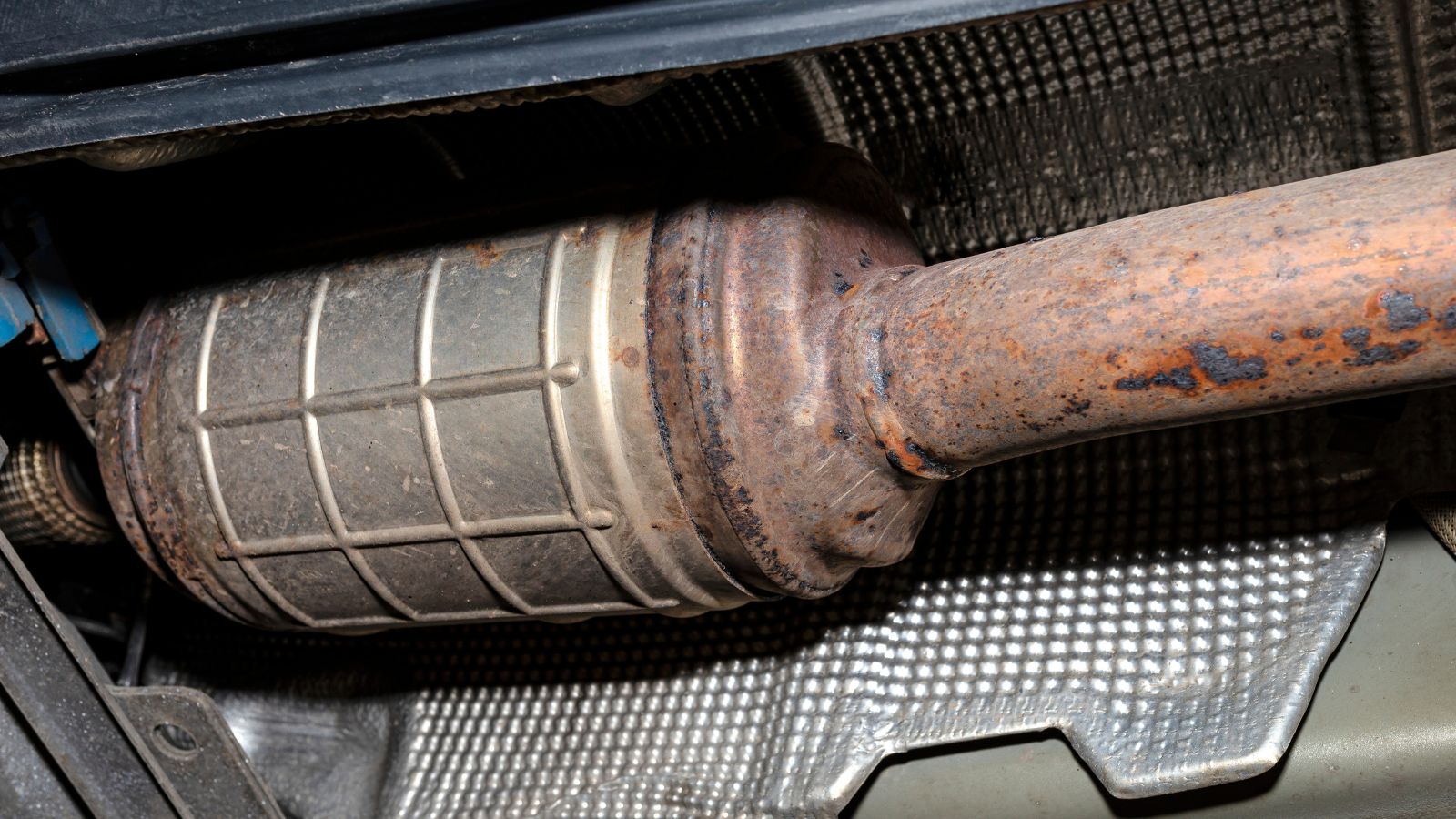
A repair procedure that looks straightforward on paper may be anything but straightforward underneath a vehicle that has survived years of Canadian winters. Road salt is widely used to improve winter traction, but corrosion is one of its unwanted consequences. Brake hardware, suspension fasteners and other exposed metal components can rust, making removal considerably harder than it would be on a relatively corrosion-free vehicle.
That can create the classic phone call nobody enjoys: the technician started the repair and discovered bolts or components that were badly seized. Brake systems are particularly exposed. NAPA AUTOPRO notes that winter road salt accelerates corrosion and that parts can eventually seize when maintenance is neglected. Extra disassembly, replacement hardware or additional damaged components can therefore turn an ordinary older-car repair into a more complicated job. This is one reason estimates prepared before disassembly sometimes cannot reveal every problem hiding underneath.
“Shop Supplies” Can Appear as a Separate Charge

Parts and labour are not necessarily the only categories on a legitimate repair invoice. Drivers may encounter a line labelled “shop supplies,” materials or a similar description. These charges can relate to consumables used while performing the work rather than a large component that remains on the vehicle. What matters is whether the charge is disclosed and itemized in accordance with the rules that apply where the repair takes place.
Ontario’s consumer guidance specifically says a final repair invoice should identify shop supplies charged to the customer. Manitoba goes further in its estimate requirements: when shop supplies will be charged, the estimate is expected to state the amount and the method used to calculate it. That makes this an excellent line to check before authorizing a large repair. A quoted total that appears attractive at first glance can look different when smaller ancillary charges are added later, especially if the original estimate did not make them obvious.
Sales Tax Can Create a Big Difference Between the Quote and Payment

Taxes are easy to overlook when concentrating on a four-figure mechanical repair. Yet the applicable GST, HST or provincial sales tax can materially change the amount actually paid. The Canada Revenue Agency lists a 13% HST rate for Ontario, for example, while Alberta has 5% GST and no provincial sales tax. Other provinces use different combinations and rates.
That creates a noticeable difference on expensive work. A fully taxable $1,000 repair subject to Ontario’s 13% HST reaches $1,130 after tax. Manitoba’s motor-vehicle repair guidance illustrates another reason drivers can be caught off guard: its rules say a repair estimate should include fees, charges and levies but may exclude federal and provincial retail sales taxes. A driver who mentally treats the pre-tax estimate as the final withdrawal from the bank account can therefore underestimate the actual cost even when the shop follows the applicable disclosure rules.
Suspension Work Can Be Followed by an Alignment Charge
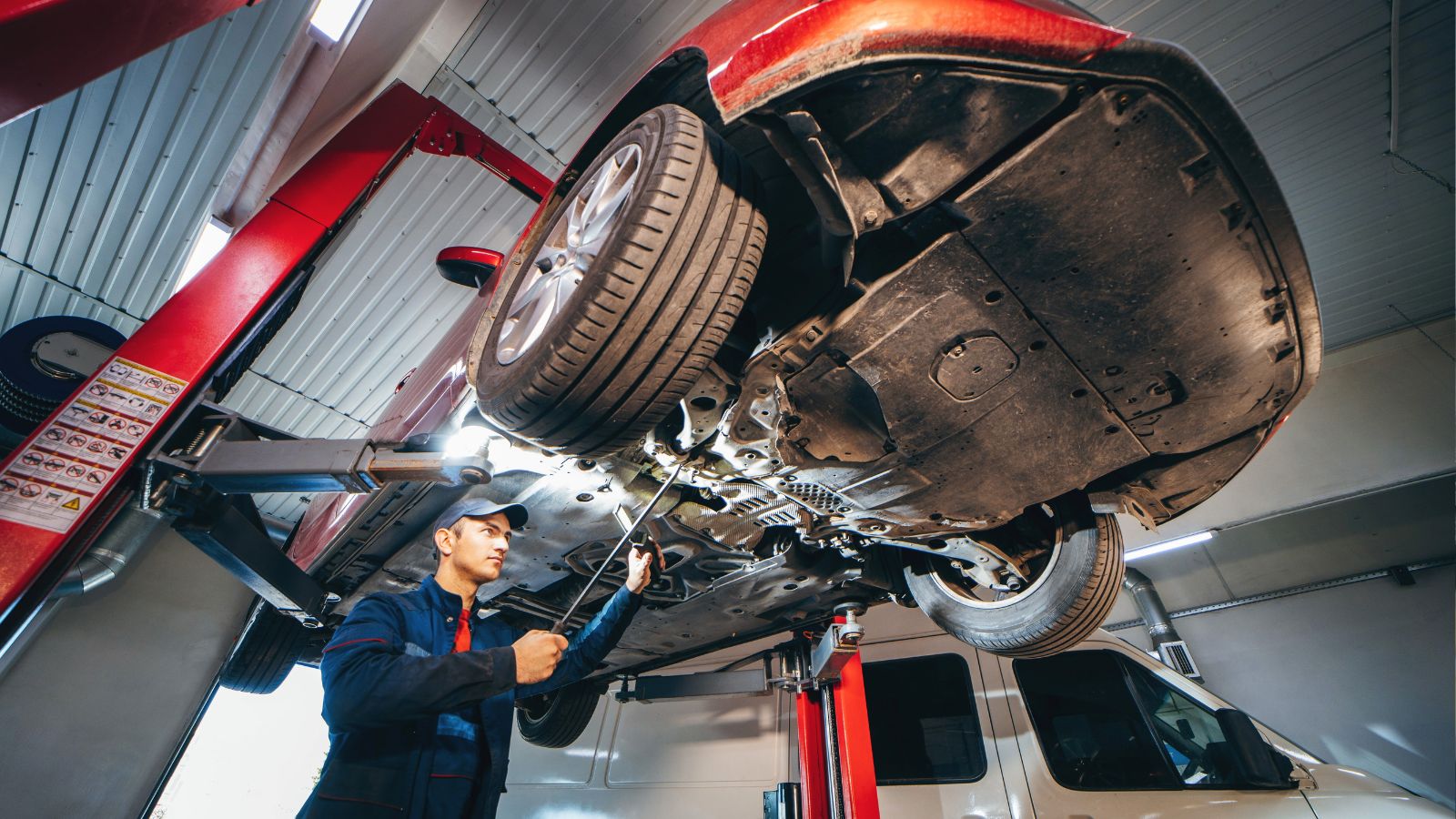
Replacing a steering or suspension component may solve the worn-part problem without completing every step required to return the vehicle to the road. Wheel alignment involves measuring and adjusting the geometry of the wheels relative to manufacturer specifications. Canadian Tire’s alignment service, for example, includes inspection of steering and suspension components and adjustment of alignment angles according to manufacturer specifications.
That means an estimate for suspension components may be accompanied by a separate alignment operation rather than being a single all-inclusive line. The need depends on the repair and vehicle design, so it is useful to ask before work begins whether alignment is part of the quoted amount. Alignment itself protects more than steering-wheel position: incorrect geometry can show up as uneven tire wear, pulling or an off-centre steering wheel. For someone who expected to pay only for a control arm or steering component, the additional service can feel unexpected even when it is technically connected to the original repair.
Modern Safety Systems Can Require Calibration After Repairs
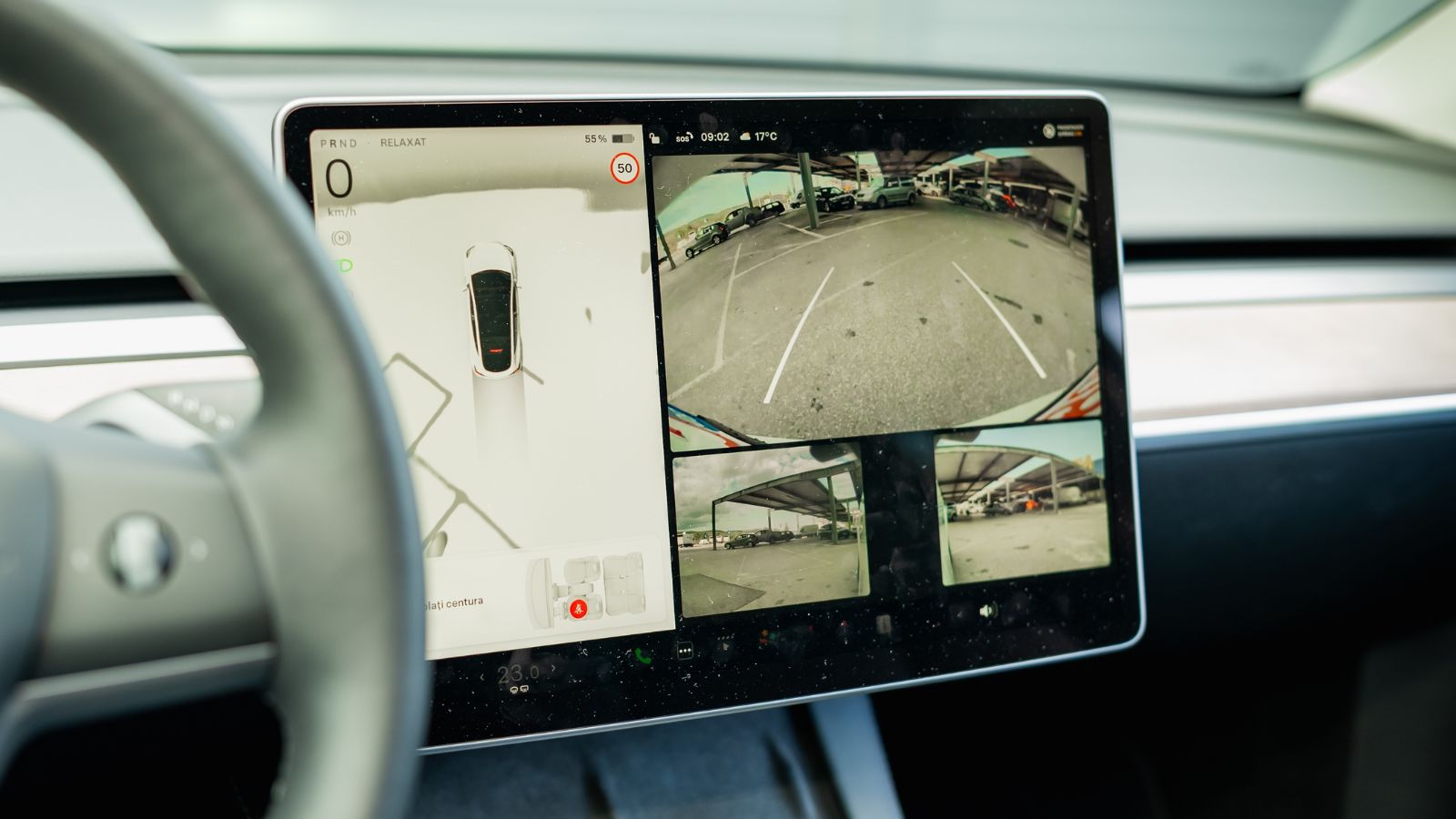
Cameras and radar sensors have changed the economics of repairs that once involved mostly mechanical adjustments. Advanced driver-assistance systems can support functions such as emergency braking, lane assistance and other electronic safety features. Depending on the manufacturer and repair procedure, calibration may be required after work that affects the position or reference points used by those sensors.
Windshield replacement is a common example because forward-facing cameras are frequently mounted behind the glass. Industry technical guidance also documents manufacturer-specific calibration considerations after wheel-alignment work, including steering-angle, radar and other sensor procedures. As a result, a driver can authorize what sounds like a glass, suspension or alignment job and discover that the complete manufacturer-specified process contains an electronic calibration step as well. Before rejecting the charge, it is worth asking the shop to identify the manufacturer’s service requirement that triggered it. On a modern vehicle, mechanical alignment and electronic alignment are increasingly connected.
A Battery Replacement Can Require Electronic Registration
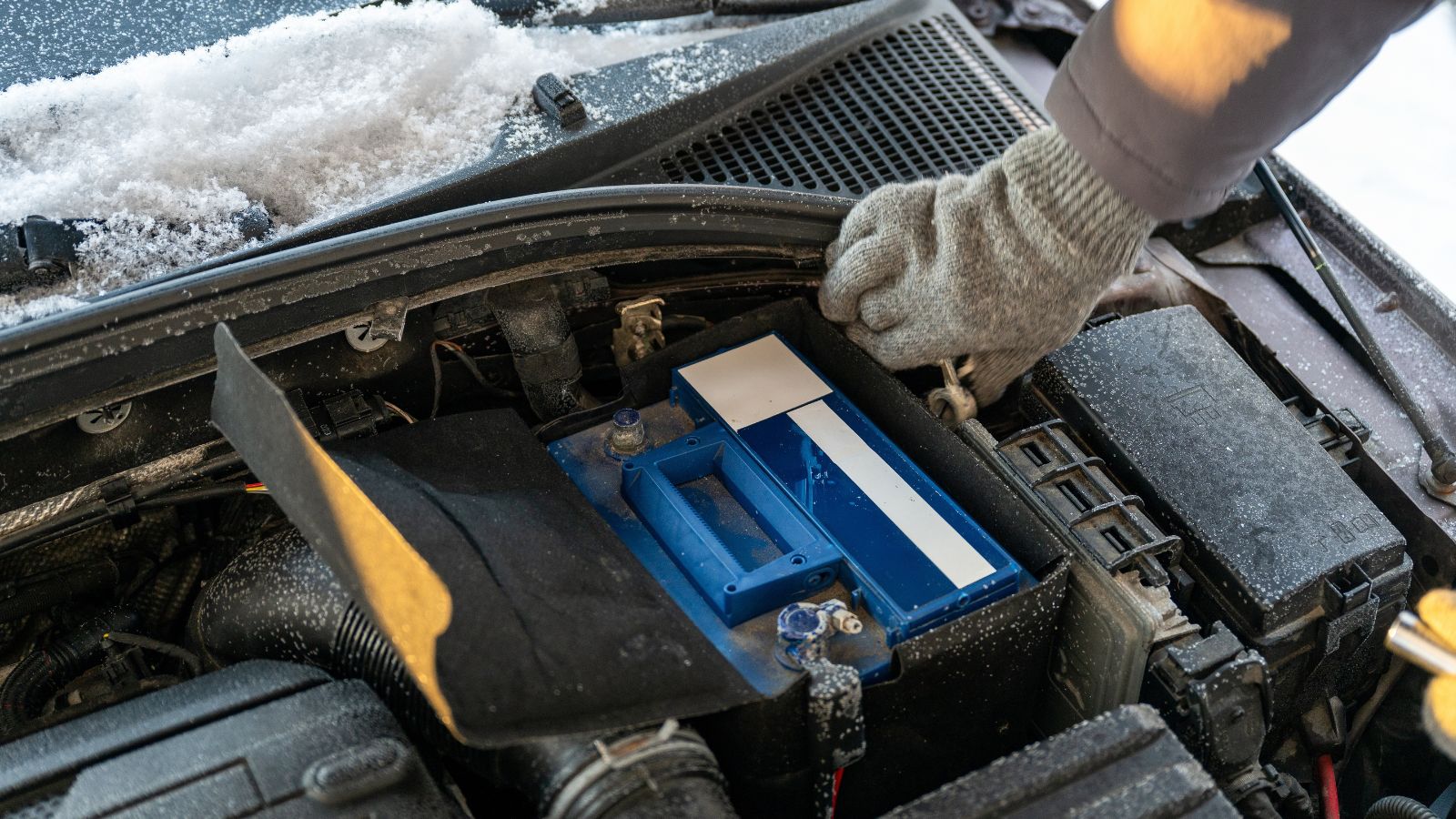
Replacing a 12-volt battery used to be one of the simplest jobs on a car: remove two terminals, install the replacement and drive away. Some modern vehicles complicate that routine because their battery-management or energy-management systems track battery condition and alter charging behaviour. On applicable vehicles, installing a new battery can require registration, adaptation or coding with a diagnostic tool.
Battery-equipment specialist Midtronics explains that registration informs the vehicle’s control system that a new battery has been installed so charging parameters can be adjusted. The process requires appropriate scan or battery-service equipment on vehicles designed for it. That means the invoice for what looks like an ordinary battery swap may contain additional labour for electronic setup. Not every car requires this procedure, so the useful question is vehicle-specific: does the manufacturer’s service information require registration or adaptation for this model and battery type? When it does, the extra computer work is part of completing the replacement correctly.
Air-Conditioning Service Is More Specialized Than It Looks

A driver whose air conditioning stops cooling may imagine a simple “recharge,” but automotive A/C systems require diagnosis before refrigerant is added. Leaks, compressor problems, electrical faults and incorrect refrigerant charge can produce similar symptoms. Newer systems may also use R-1234yf rather than the older R-134a refrigerant, and the different refrigerants have distinct servicing requirements and equipment standards.
Industry standards call for appropriate recovery, recycling and recharge procedures, while R-1234yf systems use service equipment designed for that refrigerant. That can make the invoice more complicated than the price of a can of refrigerant. Diagnostic work, recovery and recharge operations, leak detection and the actual failed component may all be separate parts of the repair. The practical lesson is to ask what an advertised A/C service includes. A recharge price and a complete diagnosis-and-repair price describe very different jobs, even though both may initially be discussed as fixing an air conditioner that blows warm air.
Tire Changes Can Uncover TPMS Costs
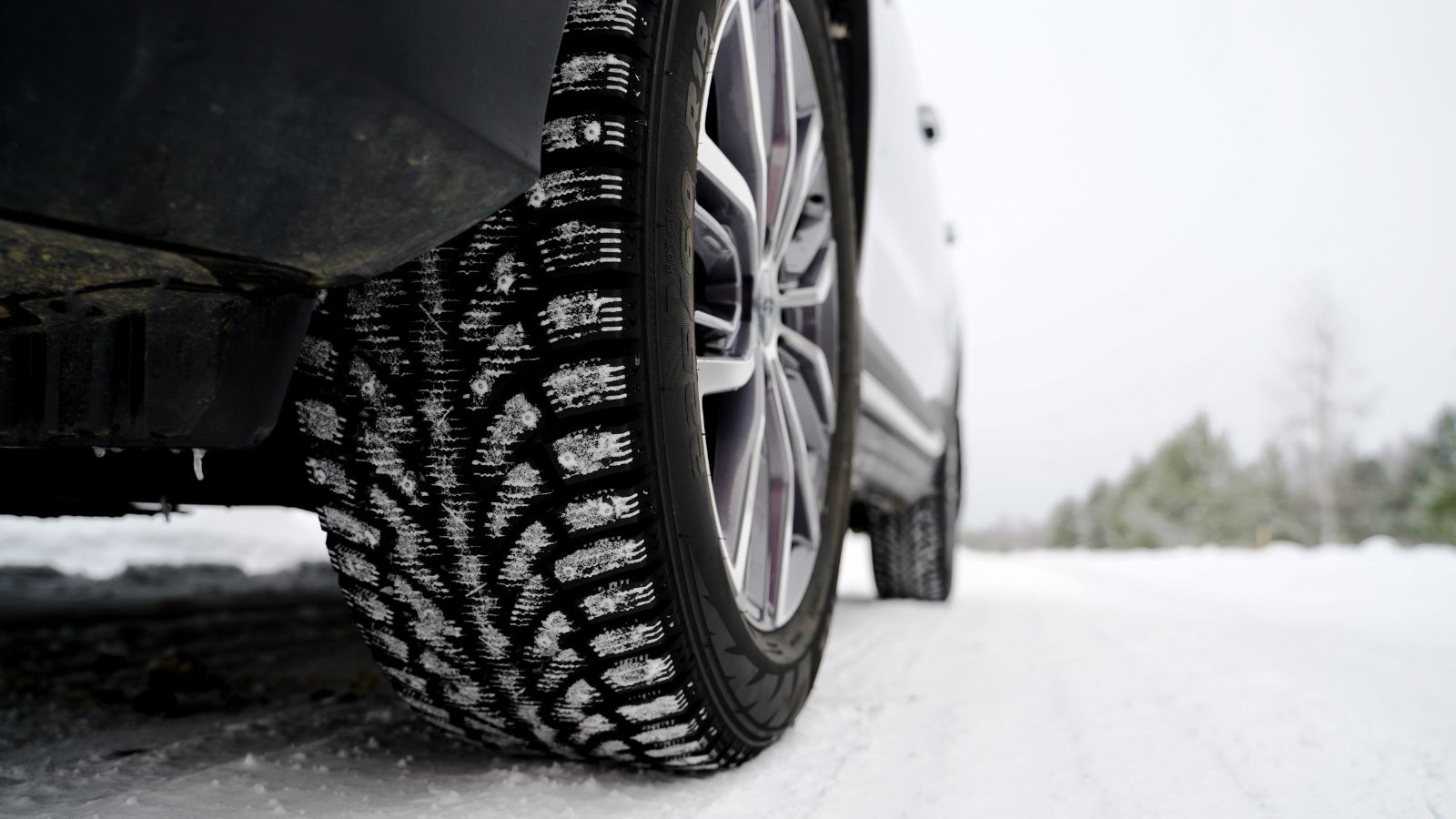
Seasonal tire appointments seem predictable until a tire-pressure monitoring system enters the conversation. Direct TPMS systems use sensors associated with the wheels to monitor inflation pressure and alert the driver when pressure becomes unsafe. Transport Canada describes tire-pressure monitoring as a driver-assistance technology intended to warn motorists about low tire pressure.
Those sensors also create maintenance considerations. Kal Tire notes that a TPMS may need resetting after a winter-tire change and that, when the integrated battery in some sensors expires, the sensor itself must be replaced rather than simply receiving a new battery. The result can be an added parts or programming charge during an appointment that a driver expected to involve only mounting or swapping tires. This is especially relevant as vehicles age and original sensors reach the end of their service lives. Asking whether a tire quote includes TPMS hardware and relearning can make seasonal budgeting considerably more accurate.
A “Brake Pad Job” Can Become a Larger Brake Repair

Drivers often diagnose their own brake problem before arriving at the shop: there is a squeal, so they assume the vehicle needs pads. A proper brake inspection examines more than friction material. CAA-Quebec recommends checking pad wear, rotor condition and proper caliper function, illustrating why the final repair recommendation can include more components than the driver initially expected.
Canadian winter conditions add another variable. NAPA AUTOPRO notes that corrosion affects brake components and that winter road salt speeds the process. A shop can therefore find pads nearing the end of their life alongside rotors that no longer meet service requirements or caliper hardware that is not moving properly. None of that means every brake estimate should automatically become a major overhaul. It does mean the meaningful comparison is between measured conditions and manufacturer specifications. Requesting the inspection findings—such as remaining pad material and rotor condition—helps separate a legitimate expanded repair from an unexplained increase in the bill.
Even a Routine Oil Change Can Have Vehicle-Specific Extras

Oil-change advertising often uses a simple starting price, but engines do not all consume the same quantity or require the same lubricant specification. CAA North & East Ontario notes that when a manufacturer specifies full-synthetic oil, its mobile oil-change service does not allow the customer to downgrade to semi-synthetic oil. Petro-Canada Lubricants likewise advises owners to follow the manufacturer’s specified viscosity and performance standard.
Package limits also matter. Great Canadian Oil Change says its standard service includes five or six litres depending on location, with some premium filters costing extra. A larger-capacity engine, manufacturer-required synthetic lubricant or non-standard filter can therefore change the final price. This helps explain why two vehicles arriving for the apparently identical “oil change” may leave with different bills. Rather than comparing only promotional starting prices, drivers can ask which oil specification, quantity and filter their particular engine requires and whether all three are included in the advertised amount.
A Vehicle Under Warranty Can Still Produce a Repair Bill
“It’s still under warranty” sounds reassuring, but a new-vehicle warranty is not the same thing as unlimited free maintenance. Manufacturer warranties generally focus on defects covered by their terms, while normal maintenance and wear items may be treated differently. Volkswagen Canada, for example, says wear-and-tear items and adjustments are excluded from its new-vehicle limited warranty after an initial 12 months or 20,000 kilometres.
GM Canada similarly identifies items that wear out, including brake pads and wiper blades, as exceptions that require owners to consult the warranty manual for details. Toyota’s Canadian warranty information also excludes maintenance services such as brake-pad or clutch-lining replacement from certain parts-and-service coverage. A vehicle can therefore be well within its overall warranty period and still generate a legitimate bill for maintenance or ordinary wear. Checking the exact component and warranty provision is more reliable than assuming the vehicle’s age alone determines whether the repair should be free.
Some Repair Work May Be Sent to Another Business

Not every repair shop performs every specialized operation under its own roof. A garage may have the expertise for most of a job but use another business for a particular procedure. Canadian consumer rules explicitly recognize subcontracting. Alberta’s AMVIC says a repair business must obtain the customer’s consent before subcontracting repair work.
Manitoba’s rules also contemplate subcontracted repairs and state that both the original repairer and subcontractor are responsible for the applicable repair warranty; the original repairer must provide the subcontractor’s contact information for a warranty claim. For the customer, subcontracting can help explain why a repair takes longer than expected or why a specialized outside operation appears in the overall cost. The key question is authorization. Before approving a complex job, it is reasonable to ask whether any portion will leave the shop, what that outside work is expected to cost and who is responsible if the subcontracted portion later causes a problem.
Estimate Protections Depend on the Province
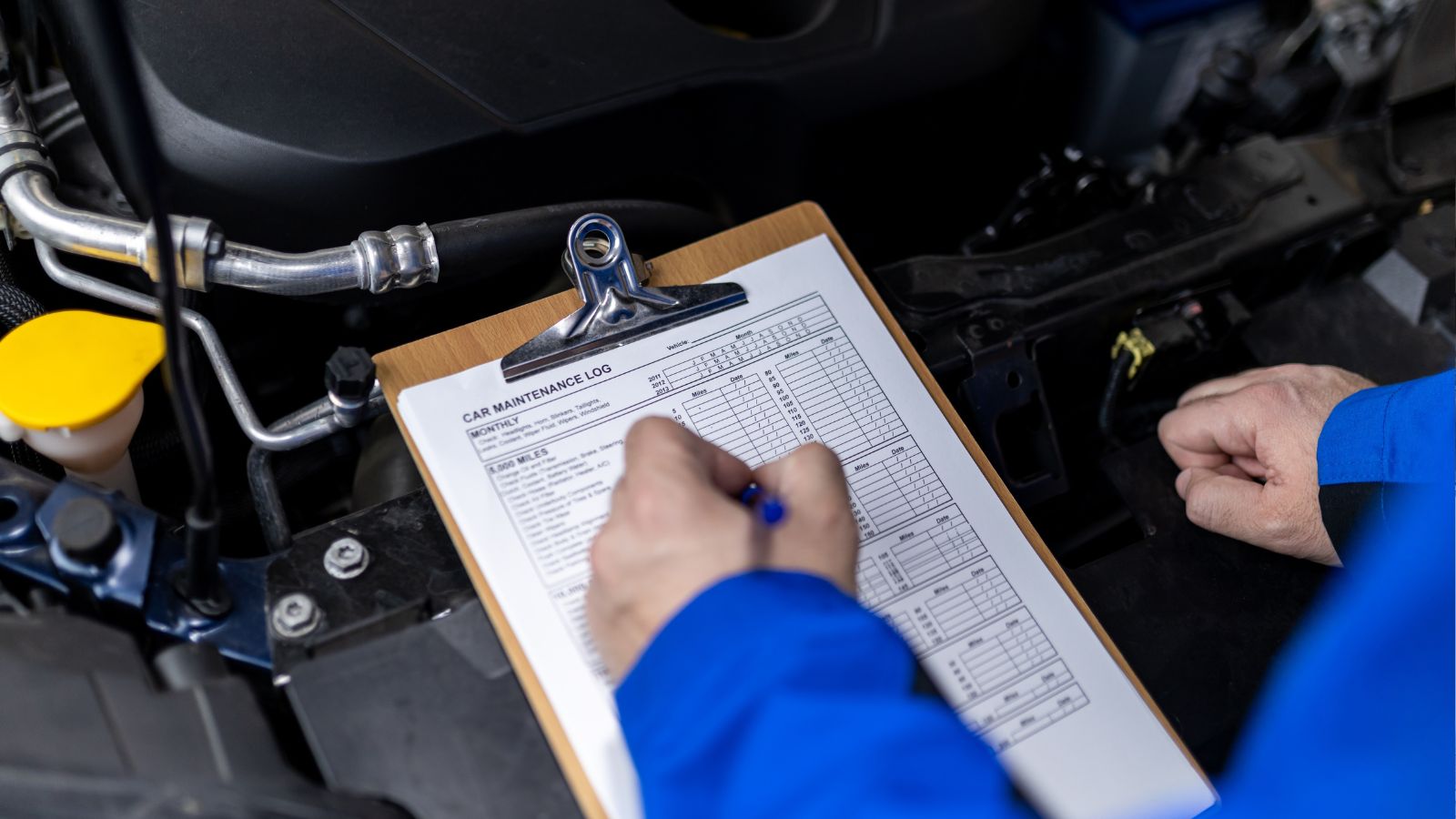
Canada does not have one identical set of consumer rules governing every mechanic’s estimate. Ontario says the final cost cannot exceed a written estimate by more than 10% unless additional work is properly authorized. Alberta also applies a 10% limit but caps that permitted increase at $100. Manitoba uses a similar 10%-up-to-$100 rule and generally requires written estimates to be offered for repairs exceeding $100.
Quebec works differently. Its consumer-protection guidance generally requires a written estimate for automotive repairs above $100 and says a garage cannot demand more than the total shown on that estimate, except for repairs the consumer subsequently authorizes. Those differences matter when advice from a friend in another province is treated as universal Canadian law. The safest approach is to obtain a detailed written estimate, set expectations for how additional work will be authorized and check the consumer-protection rules in the province where the repair is actually being performed.
This Options Discord Chat is The Real Deal
While the internet is scoured with trading chat rooms, many of which even charge upwards of thousands of dollars to join, this smaller options trading discord chatroom is the real deal and actually providing valuable trade setups, education, and community without the noise and spam of the larger more expensive rooms. With a incredibly low-cost monthly fee, Options Trading Club (click here to see their reviews) requires an application to join ensuring that every member is dedicated and serious about taking their trading to the next level. If you are looking for a change in your trading strategies, then click here to apply for a membership.