35,000+ smart investors are already getting financial news, market signals, and macro shifts in the economy that could impact their money next with our FREE weekly newsletter. Get ahead of what the crowd finds out too late. Click Here to Subscribe for FREE.
A car repair estimate can turn into a surprisingly large household decision, especially after several years of rising automotive costs. Statistics Canada reported that auto parts, maintenance and repair costs were 22.6% higher in December 2025 than in December 2019, making it increasingly important to understand what sits behind a four-figure garage quote.
The price on the bottom line is only part of the story. Labour assumptions, diagnostic charges, parts quality, warranties, recalls, corrosion, electronic calibrations and provincial consumer rules can all change what a repair is really worth. These 19 things Canadians should know before their next car repair quote can help separate necessary work from unclear charges—and a sensible repair from one that deserves another look.
An Estimate Does Not Mean Exactly the Same Thing Across Canada
19 Things Canadians Should Know Before Their Next Car Repair Quote
- An Estimate Does Not Mean Exactly the Same Thing Across Canada
- Diagnostic Charges Should Be Separated From the Repair Itself
- Labour Deserves More Attention Than the Hourly Rate
- The Type of Replacement Part Can Change the Quote Substantially
- Small Fees Can Make a Large Quote Look Even Larger
- Additional Repairs Should Require Additional Authorization
- Every Quote Has a Time Horizon
- Asking for Replaced Parts Can Add Transparency
- Repair Warranties Can Be More Valuable Than a Small Price Difference
- The Vehicle May Already Have Warranty Coverage
- A Recall Search Can Turn a Repair Bill Into a Manufacturer Repair
- A Trouble Code Is Not the Same Thing as a Diagnosis
- Large Repairs Are Good Candidates for a Second Opinion
- Repair Cost Should Be Compared With the Vehicle’s Remaining Value
- Canadian Corrosion Can Add Labour That Was Not Obvious at First
- Hybrid and EV Quotes Require the Right Technical Capability
- ADAS Calibration Can Be a Legitimate Part of a Modern Repair
- Collision Estimates Operate Differently From Ordinary Mechanical Repairs
- Keep the Quote, Authorization and Final Invoice
Canadian drivers should be cautious about treating every repair estimate as though the same nationwide rules apply. Consumer protection is largely provincial, so the legal significance of a written estimate can change depending on where the garage operates. Ontario, for example, generally prevents an auto repairer from charging more than 10% above an estimate unless the customer agrees to a new amount. Québec has a different framework: for repairs expected to exceed $100, a garage generally must provide a written evaluation and cannot exceed its stated total except for additional repairs authorized by the customer.
Alberta has another variation. Its consumer-protection guidance identifies charging more than 10% above an estimate, to a maximum overrun of $100, without the consumer’s agreement as an unfair pricing practice. These differences make the paperwork more than a formality. A driver facing a $2,000 repair should know whether the document is a formal estimate, a preliminary quotation or simply a diagnostic prediction—and what provincial rules apply before signing anything.
Diagnostic Charges Should Be Separated From the Repair Itself

A garage may need real technician time before it can confidently say what has failed. That is particularly true when the complaint involves an intermittent electrical problem, warning light, parasitic battery drain or drivability issue. The useful question is not simply, “Why am I paying for diagnosis?” It is what the diagnostic charge includes: scan time, testing, disassembly, a road test or a specified amount of technician labour.
Provincial rules can also affect how these charges are presented. In Québec, for example, a garage preparing a required written evaluation may charge for that evaluation only if it discloses the exact fee beforehand. A clear quote should therefore separate the cost of finding the problem from the cost of correcting it whenever the two are distinct. Consider a vehicle with a no-start condition: replacing a starter may be expensive, but proper testing could instead uncover a weak battery, poor cable connection or charging-system fault. Paying for competent diagnosis can be cheaper than paying for the wrong component.
Labour Deserves More Attention Than the Hourly Rate
Drivers often compare garages by asking one question: “What is the labour rate?” That number matters, but it does not reveal the entire labour bill. A lower hourly rate multiplied by substantially more billed time can cost more than a higher rate attached to a more efficient repair plan. The quote should therefore make it possible to understand both the rate and the labour time being charged.
Québec provides a useful example of why those details matter. Garages there must prominently display their hourly repair rate, and detailed invoices for qualifying repairs must identify the number of labour hours billed, the hourly rate and the total labour cost. Elsewhere, consumers can still ask for comparable information even where the rules differ. If a quote shows $900 in labour, asking whether that represents six hours at $150, a standardized labour allowance, or several separate operations can expose duplicated or misunderstood charges. The goal is not to challenge every hour; it is to understand what the hours represent before authorizing them.
The Type of Replacement Part Can Change the Quote Substantially
Two estimates for the “same” repair may not actually be pricing the same components. A replacement could involve a new original-equipment part, a new aftermarket component, a remanufactured unit or, for some applications, a used part. Those choices can affect cost, availability and warranty coverage, which is why a quote that simply says “alternator” or “control arm” may leave an important question unanswered.
Consumer rules recognize these distinctions in some provinces. Québec’s required written evaluations specify whether proposed parts are new, used, remanufactured or refurbished. Alberta’s collision-repair guidance likewise advises that estimates identify whether parts are new or second-hand and whether they are original-manufacturer or generic components. Imagine one garage quoting a new OEM headlamp while another prices a recycled assembly from a dismantler. The second total may look dramatically better without either business necessarily being dishonest. Canadians comparing estimates should make sure the part descriptions, brands where relevant, conditions and warranties are genuinely comparable before declaring one shop cheaper.
Small Fees Can Make a Large Quote Look Even Larger

A repair authorization should not require a scavenger hunt to discover the actual amount due. Labour and parts may dominate the estimate, but additional charges can include diagnostic work, shop materials, environmental or disposal-related charges and applicable sales taxes. Some fees may be entirely legitimate; the important point is that mandatory charges should not appear only after the customer has already committed to the work.
Federal consumer guidance warns broadly about so-called junk fees that are poorly disclosed and can accumulate quickly. Provincial requirements add more detail in some jurisdictions. Québec’s rules require a qualifying repair invoice to identify installed parts and their prices, labour hours and rates, applicable taxes and the total cost. Alberta treats misrepresentation of total prices, fees or mandatory charges as an unfair practice. A useful habit is therefore to ask, “Is this the estimated all-in amount before I approve the work?” A $1,250 headline repair that becomes $1,500 after several previously unexplained charges is a very different financial decision.
Additional Repairs Should Require Additional Authorization

The phone call that begins with, “While we were in there, we found something else,” is common in automotive repair. Sometimes the discovery is completely reasonable. Removing one component may reveal a leaking seal, damaged fastener or second worn part that could not be seen during the initial inspection. What should not be assumed is that an open-ended repair authorization automatically covers every extra item a technician encounters.
Ontario and Québec provide particularly clear examples. Ontario requires authorization for repair work and limits what can be charged relative to an estimate unless the customer approves a revised amount. Québec states that a garage cannot perform repairs that were not specified in the written evaluation without the customer’s consent, and additional authorized repairs may then be added to the bill. A practical approach is to tell the service adviser in advance to obtain approval before exceeding a specified amount. That creates a decision point rather than allowing a $1,400 job to quietly become a $2,300 one by pickup time.
Every Quote Has a Time Horizon

A repair estimate should be read not only for its price but also for how long that price is intended to remain valid. Parts availability, supplier pricing and the shop’s ability to schedule work can make an old estimate less useful, particularly if a driver waits weeks or months before returning. Consumers should therefore look for an expiry period and ask what happens if the repair is postponed.
Québec makes this detail explicit: a required written evaluation must state the period for which it is valid. That offers a useful lesson even for motorists elsewhere. Suppose an owner receives a quote in August, decides to postpone the work and returns just before winter. It should not automatically be assumed that the same components remain available at the same price—or that deterioration has not changed the required repair. Before relying on an older document, ask the shop to confirm it. That also provides an opportunity to determine whether diagnostic work must be repeated and whether any previous fee will be credited toward the eventual repair.
Asking for Replaced Parts Can Add Transparency
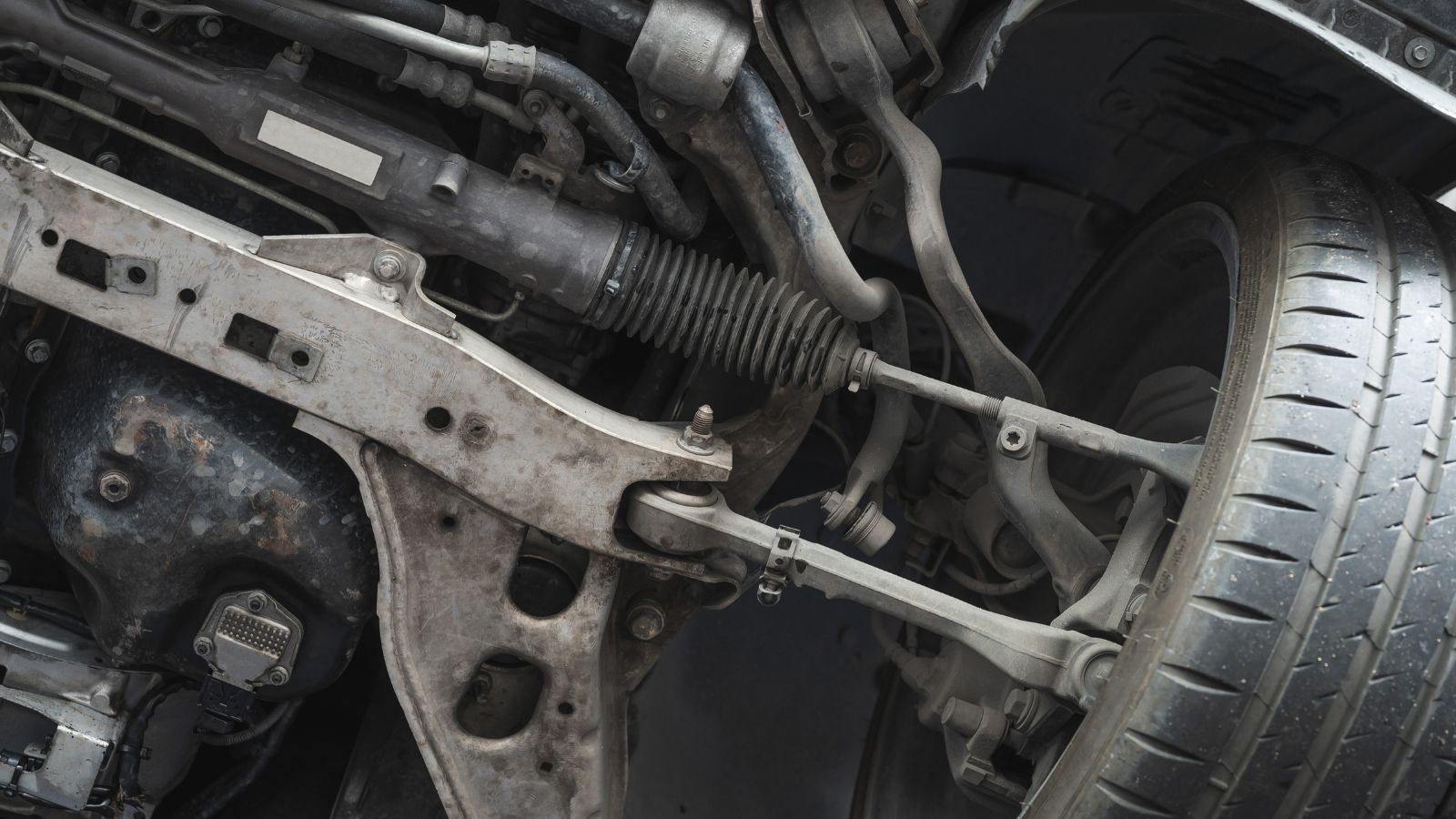
Few drivers genuinely want a worn wheel bearing, corroded brake component or leaking water pump sitting in their trunk. Still, asking whether replaced components can be returned provides a useful layer of transparency. It allows a customer to see what was removed and, when appropriate, have another professional examine a disputed part.
The right is more formalized in some provinces. Ontario law requires repairers to offer to return parts removed during repairs, subject to applicable exceptions. Québec consumers can request replaced parts when authorizing the job, although exceptions apply—for example, when parts need to go back to a manufacturer or distributor for warranty purposes or when certain remanufacturing arrangements are involved. Asking in advance matters because the old component may otherwise enter the shop’s normal disposal or core-return process. This is particularly useful with visually understandable failures such as cracked belts, severely worn brake hardware or leaking mechanical assemblies. It should not be treated as proof that every diagnosis can be confirmed merely by looking at the removed part.
Repair Warranties Can Be More Valuable Than a Small Price Difference
When two garages are separated by $50 or $100, warranty coverage can matter more than the difference in the initial quote. Canadians should ask how long both parts and labour are covered, what happens if the same symptom returns, and whether warranty work has to be performed at the original location. A cheap component becomes less attractive if replacing it again means paying the labour charge twice.
Some provinces establish minimum protections. Ontario says parts and labour on covered motor-vehicle repairs generally carry a warranty of at least 90 days or 5,000 kilometres, whichever comes first. Québec’s consumer guidance states that automobile repairs are guaranteed for three months or 5,000 kilometres, again subject to the applicable legal conditions and exceptions. Shops may offer longer warranties voluntarily. A driver comparing two alternator replacements, for example, should compare not only the part brands and totals but also the warranty periods and labour coverage. Written warranty terms are considerably more useful than a reassuring verbal promise made at the service counter.
The Vehicle May Already Have Warranty Coverage

Before approving a costly repair on a relatively new vehicle, owners should check the factory warranty booklet, any purchased extended-service plan and previous repair paperwork. Warranty coverage can vary by component and time or kilometre limits, and certain systems may have different coverage periods. Assuming a repair is out of warranty without checking could turn an avoidable expense into a four-figure bill.
The federal Office of Consumer Affairs specifically advises consumers to understand manufacturer and extended warranties and what those warranties cover. Canada also has the Canadian Motor Vehicle Arbitration Plan for eligible disputes involving vehicle assembly, materials and the application of a participating manufacturer’s new-vehicle warranty. In 2026, preliminary CAMVAP eligibility includes qualifying 2022-through-2026 vehicles with less than 160,000 kilometres, along with other conditions. That does not mean every disputed repair qualifies, but it demonstrates why warranty documentation matters. When a major drivetrain, electronic or recurring defect appears, checking coverage should happen before a customer simply authorizes retail-priced repairs.
A Recall Search Can Turn a Repair Bill Into a Manufacturer Repair
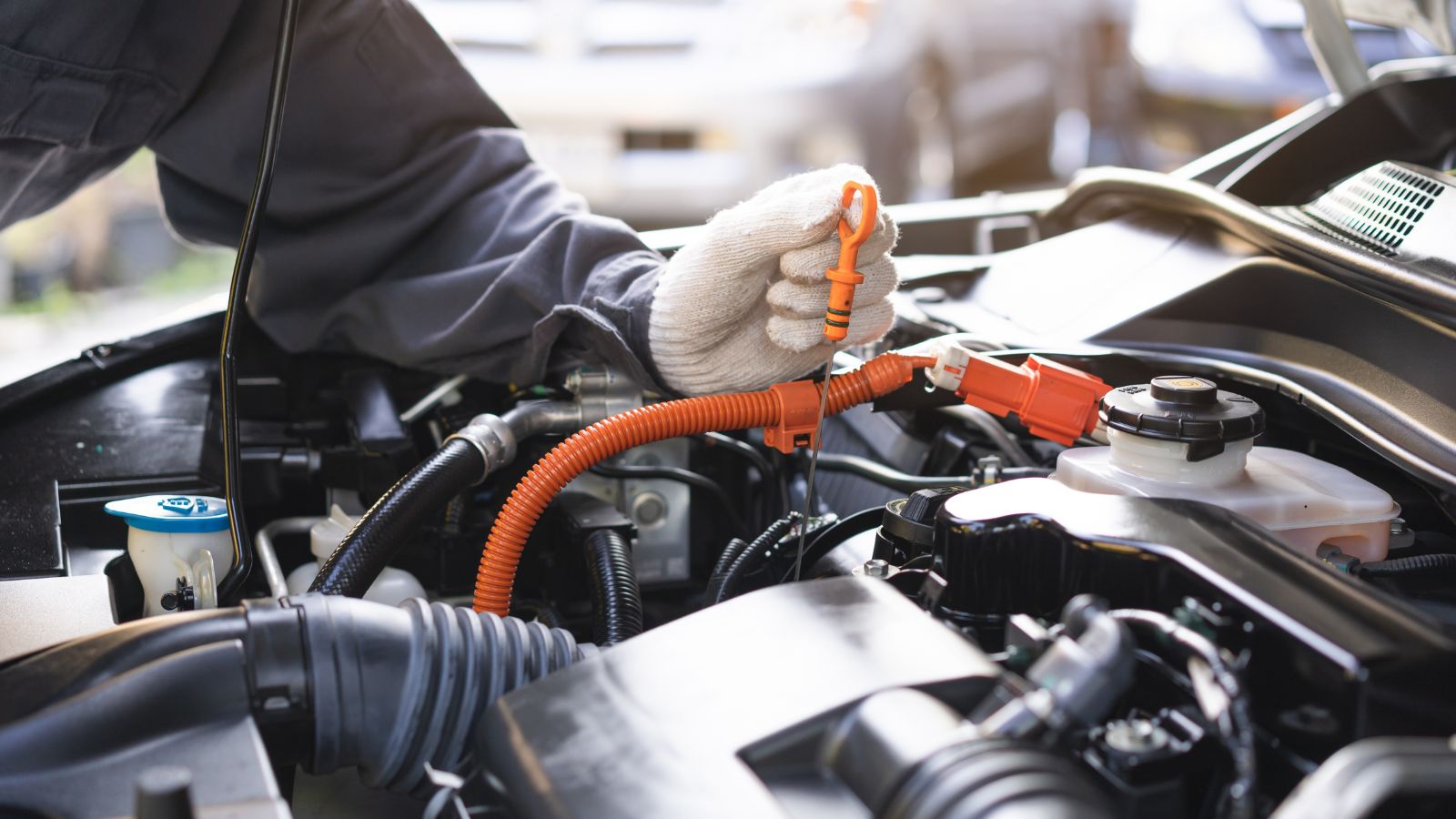
A problem serious enough to generate a repair quote may sometimes overlap with a manufacturer safety recall. Before paying for work involving airbags, steering components, fuel systems, electrical faults or other safety-related equipment, checking the vehicle identification number against manufacturer and government recall information can be worthwhile.
Transport Canada maintains recall information covering notices issued in Canada back to 1970 and encourages motorists to check the safety-recall database as well as manufacturer VIN tools. Transport Canada says manufacturers will almost always perform safety-recall corrections free of charge. One prominent example is the Takata airbag campaign: more than eight million affected airbag inflators have been subject to recalls in Canada, with dealers replacing affected inflators without charging owners. A recall does not mean every similar mechanical complaint is automatically covered, so VIN confirmation is essential. Still, spending a few minutes checking before authorizing an expensive repair can prevent an owner from paying for work that may properly belong in a manufacturer recall process.
A Trouble Code Is Not the Same Thing as a Diagnosis
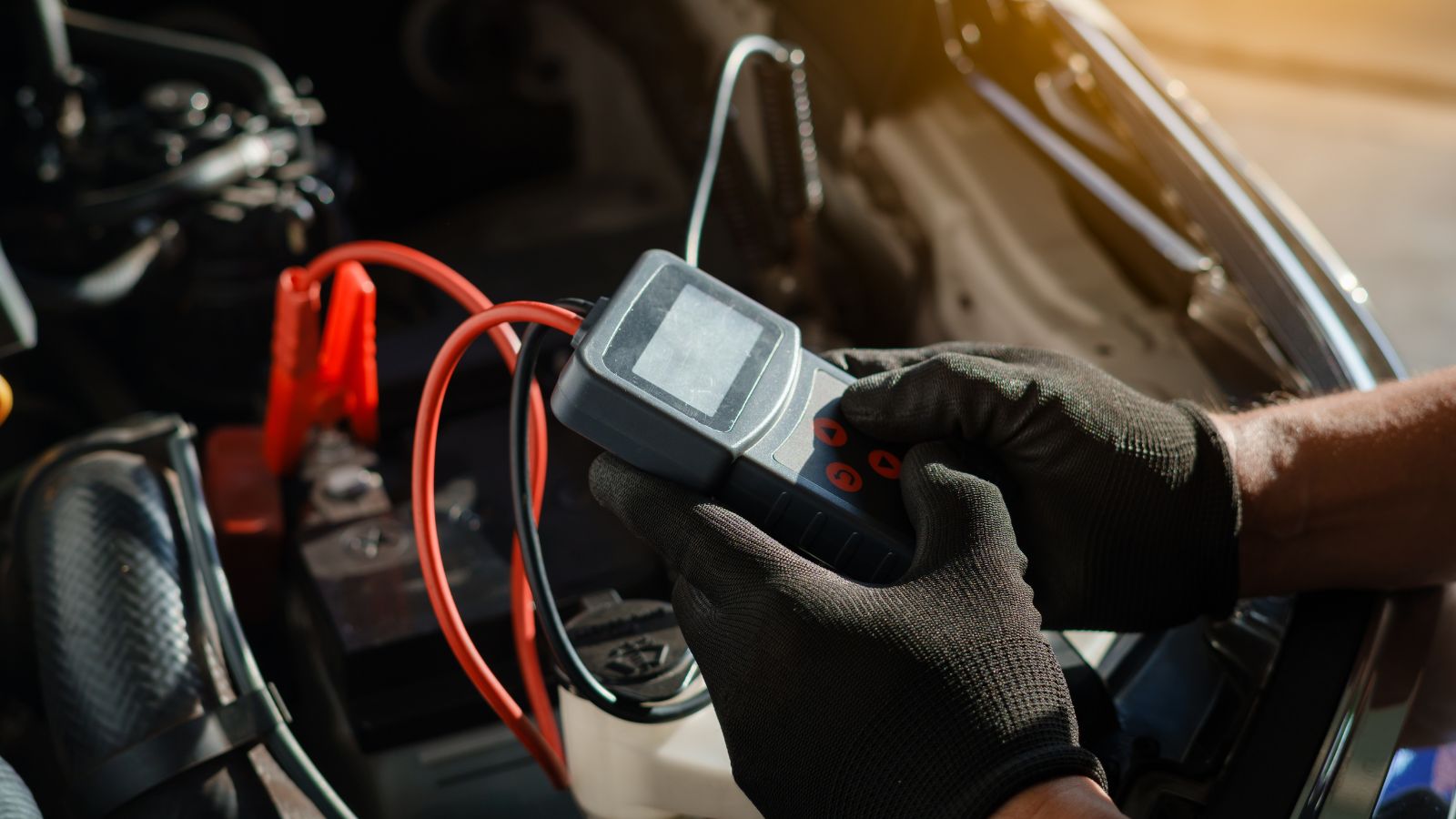
A modern vehicle can store a diagnostic trouble code when an electronic control module detects a fault or an operating condition outside expected parameters. That information is extremely useful, but drivers should be wary of treating a code description as a direct instruction to replace the component named on a scanner screen.
Automotive training standards illustrate why. ASE diagnostic materials expect technicians to combine trouble codes with scan-tool information, circuit testing, sensor readings and other diagnostic procedures to determine the underlying cause. AAA similarly cautions that reading a code does not necessarily identify the part that should be replaced. Consider an emissions-related code associated with a sensor. The actual cause could involve wiring, a connector, an air leak, another component or the sensor itself. Asking a garage what tests confirmed the diagnosis is therefore reasonable, particularly before approving an expensive electronic module or assembly. A code provides a direction for investigation; competent diagnosis establishes why the code appeared.
Large Repairs Are Good Candidates for a Second Opinion
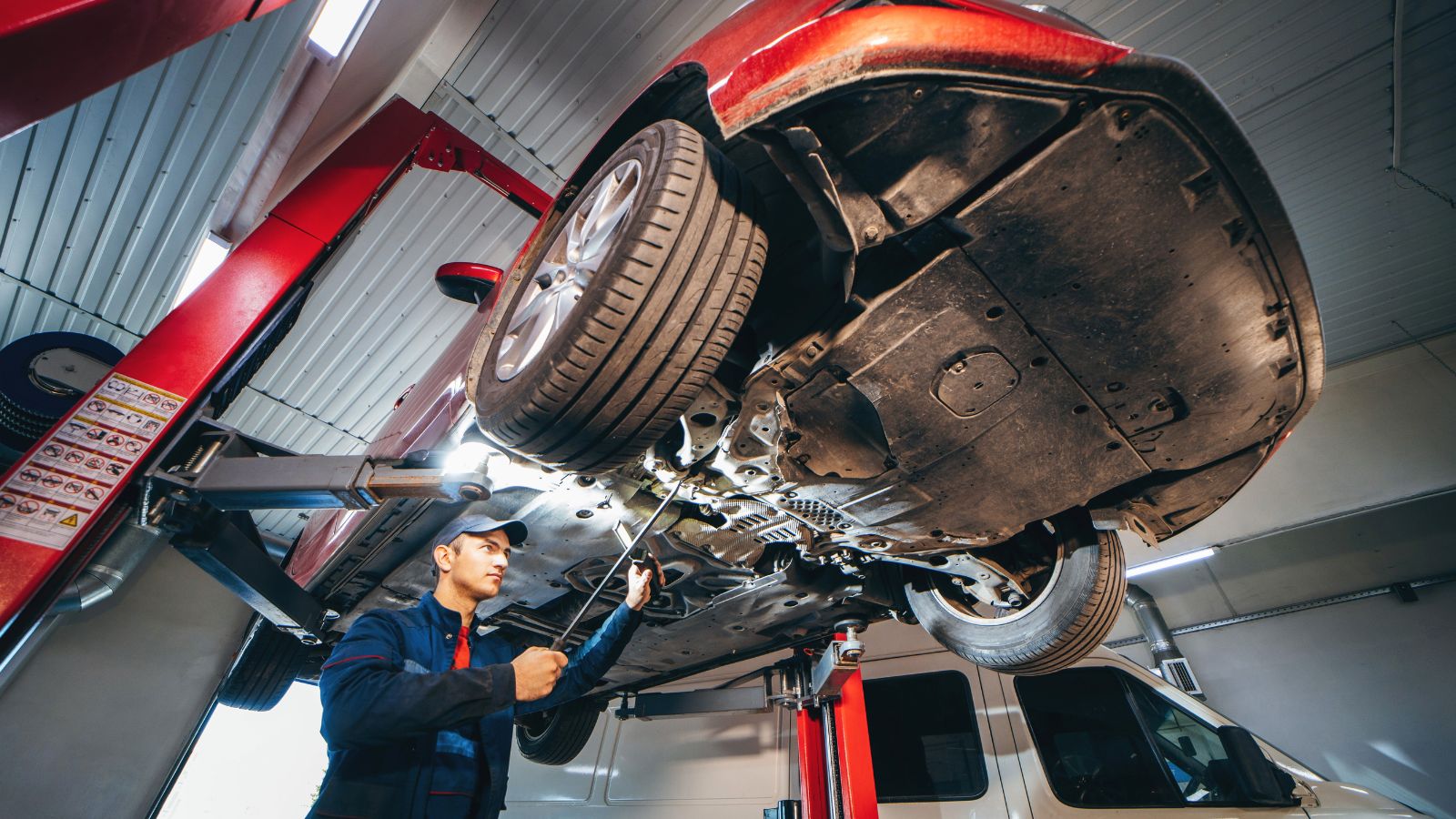
A second estimate is most useful when it tests the diagnosis, not merely the price. Two competent technicians may agree that a vehicle has the same underlying problem but recommend different approaches—one replacing an entire assembly and another repairing only the failed component. That difference can be significant on steering systems, air-conditioning equipment, exhaust components and electronics.
Government consumer guidance supports comparison shopping. Alberta’s general consumer material has recommended obtaining multiple written estimates, while its collision guidance notes that drivers may seek more than one estimate and should investigate why estimates differ. This does not mean towing an undriveable vehicle across town three times for every minor repair. It means a $4,000 transmission, engine, hybrid-system or major suspension recommendation deserves enough scrutiny to justify the expense. If two shops disagree sharply, ask each what inspection or testing supports its recommendation. The second opinion may confirm the first quote completely—which itself has value because the owner can proceed with greater confidence rather than simply hoping the original diagnosis was correct.
Repair Cost Should Be Compared With the Vehicle’s Remaining Value
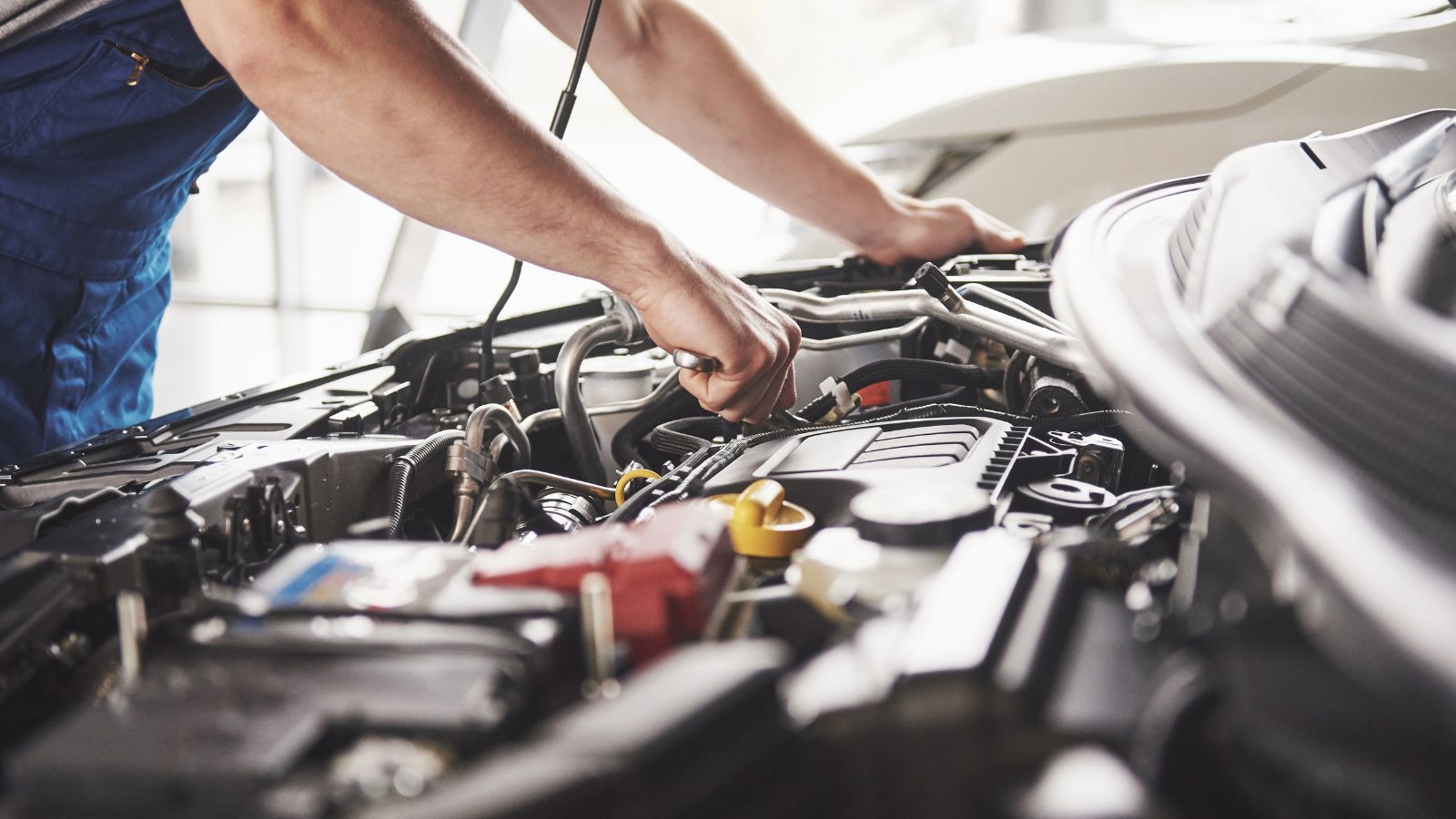
There is no universal rule saying an older car should be discarded when a repair reaches a particular percentage of its value. A well-maintained paid-off vehicle may justify a substantial repair because replacing it could require taking on a much larger purchase or financing cost. At the same time, a big repair on a vehicle already facing corrosion, transmission trouble and other deferred work can become the first instalment in a long series of expenses.
Insurance rules provide a useful illustration of the underlying economics, even though mechanical repairs are a different decision. British Columbia’s vehicle-damage regulations define a total loss to include circumstances where a damaged vehicle could technically be repaired but the cost exceeds its net actual cash value. A private owner does not have to follow that insurance threshold when deciding whether to fix an engine or transmission. The comparison is simply informative. A $5,000 repair means something different on a dependable $18,000 vehicle than on a $6,000 vehicle with several other known problems and a short expected ownership horizon.
Canadian Corrosion Can Add Labour That Was Not Obvious at First
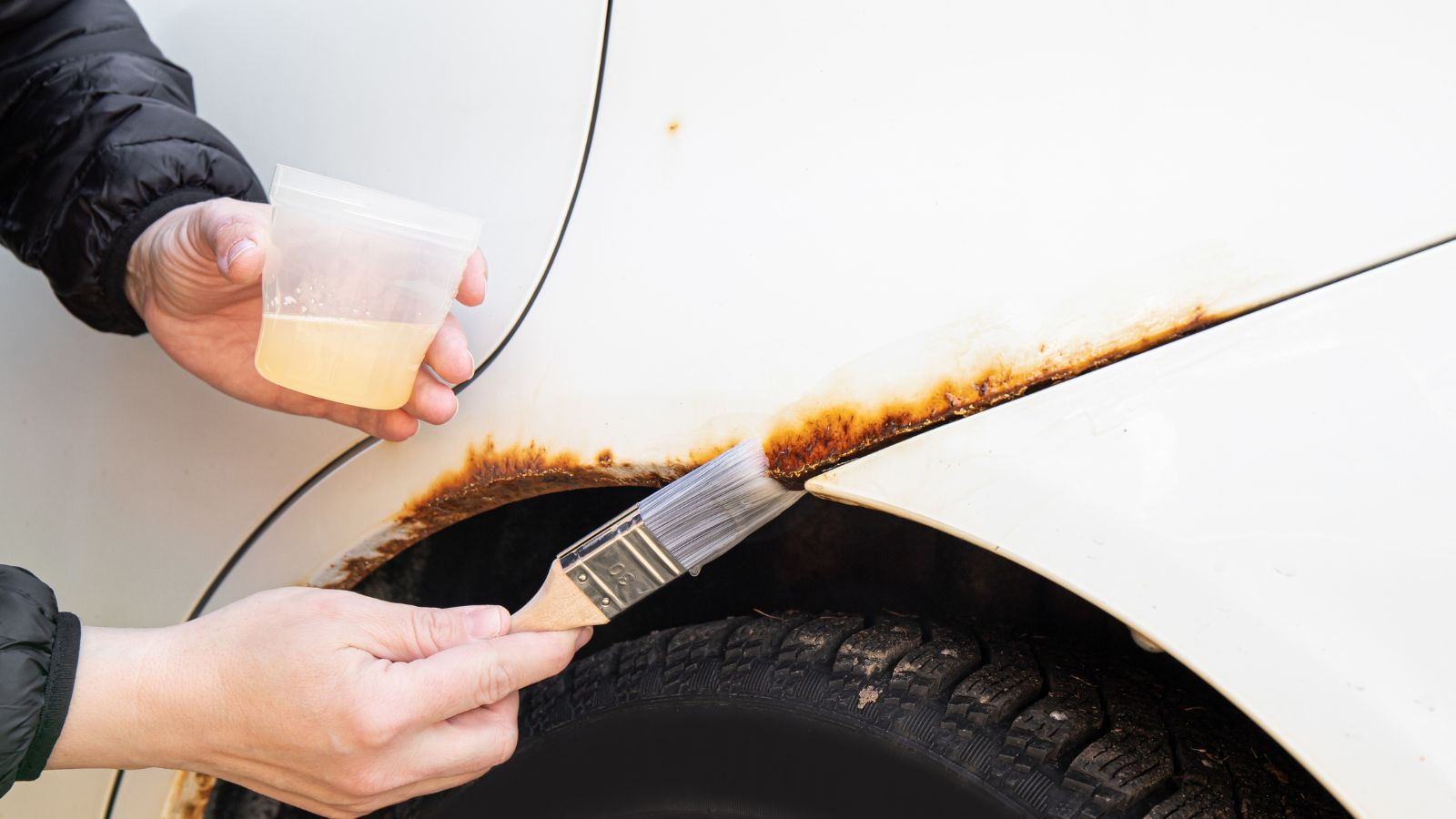
A repair that looks straightforward in a manual can become far harder on a vehicle that has spent years in Canadian winters. Road salt, moisture and corrosion can seize hardware, weaken metal and complicate the removal of components. That is one reason an older Canadian vehicle may require more labour than a similar-looking repair on a cleaner example from a milder climate.
Environment and Climate Change Canada notes that road salts play a major role in maintaining safe winter roads, while federal conservation guidance explains that de-icing salt can accelerate corrosion of metals. Transport Canada recall records also contain real-world examples in which heavy road-salt exposure contributed to vehicle corrosion serious enough to create safety concerns. When a shop warns that a heavily rusted exhaust, suspension or brake repair could uncover extra work, the possibility should not automatically be dismissed. A reasonable quote should still explain what is known, what is uncertain and how approval will be handled if corroded fasteners or surrounding components materially change the job.
Hybrid and EV Quotes Require the Right Technical Capability
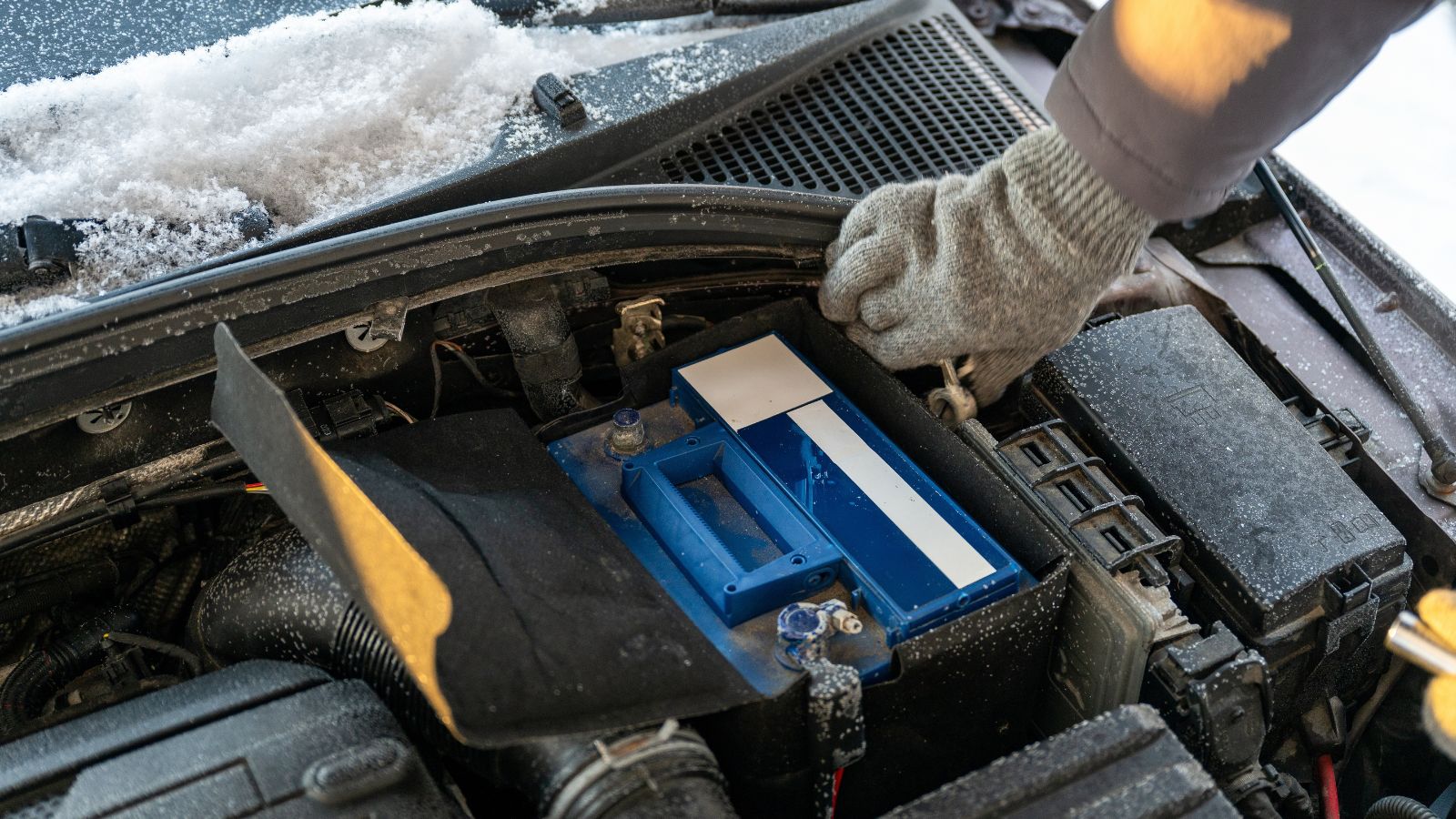
Electric and hybrid vehicles eliminate some familiar internal-combustion maintenance, but they introduce high-voltage propulsion systems that require specialized procedures and training. Canadians should therefore ask whether a facility regularly works on the specific type of electrified vehicle involved, especially when a repair reaches the battery, inverter, high-voltage wiring or electric-drive system.
The issue is becoming more relevant as the fleet changes. Statistics Canada recorded 43,113 new zero-emission vehicle registrations in the first quarter of 2026, representing 10.8% of new motor-vehicle registrations in that quarter. Industry safety standards reflect the technical differences. ASE’s electrified-vehicle safety certification framework includes training on isolating high-voltage systems, securing them against reactivation, assessing battery and electrical-system condition and using appropriate protective equipment. That does not mean an EV must always visit a dealership; qualified independent technicians can also develop the necessary skills and equipment. The useful question is whether the shop quoting the repair can demonstrate that capability rather than treating an EV exactly like a conventional car.
ADAS Calibration Can Be a Legitimate Part of a Modern Repair
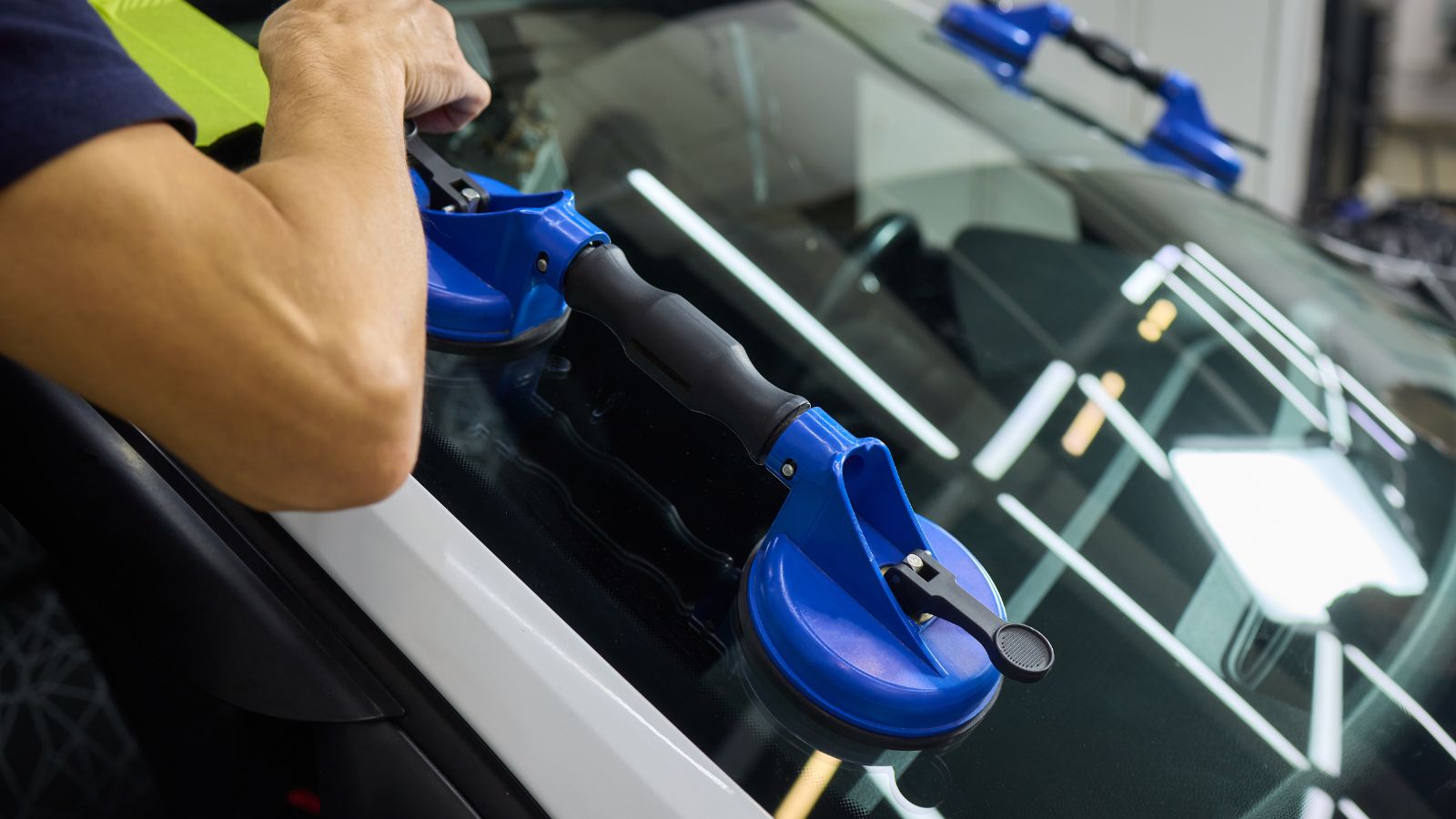
A line for “calibration” can look suspicious to someone who remembers when replacing a windshield meant little more than removing glass, installing a new one and letting the adhesive cure. On many newer vehicles, however, forward-facing cameras and other sensors support functions such as adaptive cruise control, lane assistance and automatic emergency braking. Certain repairs can therefore require aiming or calibrating those systems.
The exact requirement depends on the manufacturer, model and work performed. I-CAR’s compilation of manufacturer repair information shows, for example, that some General Motors forward-facing camera systems require calibration following windshield replacement, while Subaru service information has required EyeSight calibration after specified windshield, camera, suspension or alignment operations. ASE now has a specialist certification specifically covering advanced driver-assistance diagnosis, service and calibration. Consequently, Canadians should not automatically reject an ADAS calibration charge—but they should ask which manufacturer procedure requires it, which system is being calibrated and whether the work will be performed in-house or by another specialist.
Collision Estimates Operate Differently From Ordinary Mechanical Repairs

An estimate after a crash can involve three parties rather than two: the vehicle owner, the repair facility and the insurer. The insurer may prepare its own appraisal, accept a shop estimate or require additional documentation when hidden damage is discovered. Deductibles, policy limits and coverage conditions can therefore affect what the owner ultimately pays even when the repair shop’s technical assessment is sound.
The Financial Consumer Agency of Canada explains that collision coverage generally pays for repairing or replacing an insured vehicle after an applicable collision, subject to the policy. Provincial details still matter. Alberta, for instance, says an insurer may initially assess damage, while a driver generally has the right to take a drivable vehicle and the appraisal to a repair shop of their choice. Alberta also advises asking how supplemental damage discovered after disassembly will be handled. The practical lesson is that a collision estimate should not be treated like a routine brake quote. Before authorizing repairs, drivers should understand the deductible, insurer-approved amount, parts assumptions and process for any supplemental damage.
Keep the Quote, Authorization and Final Invoice

Paperwork can feel unimportant once the keys are handed back and the vehicle is running properly. It becomes extremely important when the same problem returns three weeks later, a warranty claim is disputed or the final bill does not match what was authorized. Canadians should keep the original estimate, diagnostic findings, text or email approvals, work order, final invoice and warranty information together.
Detailed records are supported by consumer guidance across the country. Alberta advises consumers to keep contracts, warranties, bills and payment records. Québec requires qualifying automobile repair invoices to contain extensive information, including the repairs performed, parts installed, labour details, taxes, warranty information and total cost. When a dispute cannot be resolved directly with a business, the federal Office of Consumer Affairs directs consumers toward the relevant provincial or territorial consumer-protection authority, depending on the issue. Dates and names also matter. A brief note recording who authorized a revised amount can be more useful months later than anyone’s memory of a hurried telephone conversation.
This Options Discord Chat is The Real Deal
While the internet is scoured with trading chat rooms, many of which even charge upwards of thousands of dollars to join, this smaller options trading discord chatroom is the real deal and actually providing valuable trade setups, education, and community without the noise and spam of the larger more expensive rooms. With a incredibly low-cost monthly fee, Options Trading Club (click here to see their reviews) requires an application to join ensuring that every member is dedicated and serious about taking their trading to the next level. If you are looking for a change in your trading strategies, then click here to apply for a membership.