
35,000+ smart investors are already getting financial news, market signals, and macro shifts in the economy that could impact their money next with our FREE weekly newsletter. Get ahead of what the crowd finds out too late. Click Here to Subscribe for FREE.
Canadian summers are becoming harder to ignore, and air conditioning is increasingly part of the household budget. Yet the machine itself is only part of the cost. Everyday choices involving thermostats, windows, fans, filters, appliances and even curtains can quietly force cooling systems to work harder than necessary.
The frustrating part is that many of these expenses come from habits that feel sensible in the moment. Turning the thermostat dramatically lower, leaving a fan running or buying the biggest air conditioner available can all seem helpful while producing the opposite result. These 18 ways Canadians waste money cooling their homes show where those unnecessary costs can hide—and where relatively simple changes may keep both indoor temperatures and summer electricity bills under better control.
Cranking the Thermostat Down to Cool the House Faster
18 Ways Canadians Waste Money Cooling Their Homes
- Cranking the Thermostat Down to Cool the House Faster
- Cooling an Empty House All Afternoon
- Leaving Windows or Patio Doors Open While the AC Runs
- Letting Afternoon Sun Pour Through the Windows
- Ignoring Free Cooling After Sunset
- Treating Drafts as Only a Winter Problem
- Running AC in a Poorly Insulated House
- Forgetting About the Air Filter
- Waiting for the Air Conditioner to Break Before Maintaining It
- Blocking the Equipment That Needs to Move Air
- Buying More Air Conditioner Than the Room Needs
- Keeping an Aging, Inefficient AC Forever
- Choosing a Portable AC When a Window Unit Would Work
- Installing a Room Air Conditioner With Gaps Around It
- Leaving Fans Running in Empty Rooms
- Using AC Without Letting Fans Share the Work
- Heating the House With Appliances While Trying to Cool It
- Ignoring Leaky Cooling Ducts
- 16 Costco Canada Habits That Could Be Costing Shoppers More Than They Save
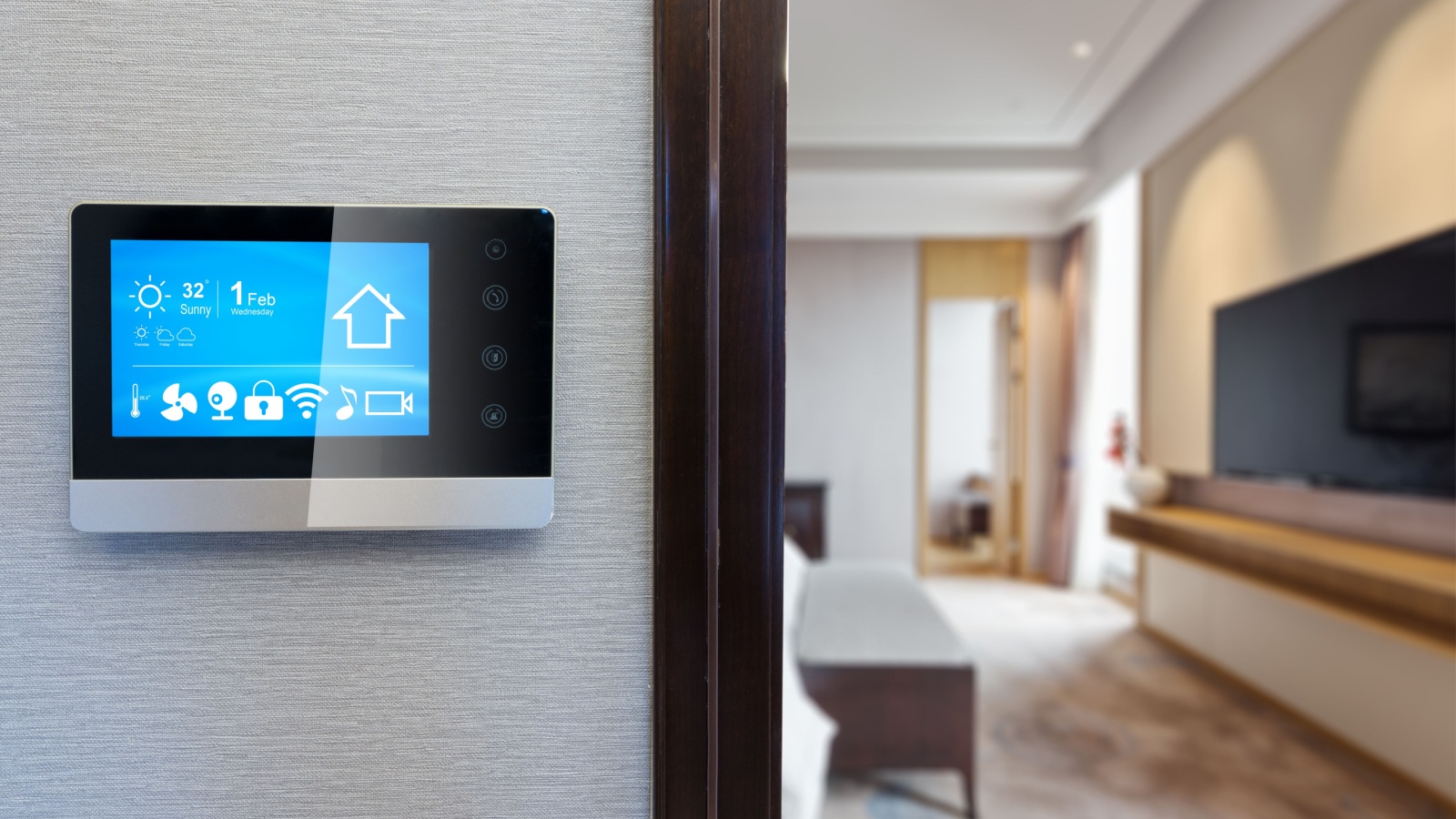
When a home feels unbearably warm, dropping the thermostat from 25°C to 19°C can feel like pressing a “turbo” button. Unfortunately, conventional air conditioning does not work that way. Hydro-Québec specifically notes that setting a thermostat to 19°C does not make a home cool faster. The system simply keeps operating until it reaches that unnecessarily low target, potentially consuming considerably more electricity along the way. BC Hydro recommends setting air conditioning around 25°C when a home is occupied.
The difference can become meaningful over an entire cooling season. BC Hydro estimates that raising an air-conditioning setting by one degree can reduce cooling costs by as much as 5%. A household that routinely chooses 21°C instead of 25°C could therefore be paying substantially more for comfort than necessary. Rather than reacting to a hot room with an extreme setting, keeping a realistic target temperature and using curtains or fans for extra comfort can prevent the air conditioner from running long after the worst heat has passed.
Cooling an Empty House All Afternoon

An air conditioner working hard at 2 p.m. does little for a household whose occupants will not return until dinner. Maintaining the same cool temperature throughout an empty home can turn hours of compressor operation into an expense that nobody actually enjoys. BC Hydro recommends shutting off air conditioning when residents will be away for an hour or more, while other homes may benefit from increasing the temperature rather than maintaining their normal occupied setting.
Timers and programmable controls can make the process far easier. Instead of keeping a house at 24°C from breakfast until late afternoon, for example, a homeowner can reduce cooling while the property is empty and resume it closer to the time people return. Heat pumps require somewhat different operating strategies and often perform best with steadier settings, so manufacturer guidance matters. The broader principle remains straightforward: paying for maximum comfort in rooms nobody is occupying is one of the easiest ways to inflate a summer electricity bill.
Leaving Windows or Patio Doors Open While the AC Runs

Fresh air feels pleasant on a summer morning, but an open window becomes expensive once the outdoor temperature climbs above the indoor temperature. Cool conditioned air can escape while warmer outside air enters, creating another cooling load for the air conditioner. The result is a system trying to cool a house that is simultaneously being reheated from outside. BC Hydro recommends closing doors and windows once outdoor air becomes warmer than indoor air.
The problem can be especially noticeable in homes where patio doors are frequently opened, basement windows remain cracked all day or children move repeatedly between the yard and the house. A window air conditioner faces the same problem on a smaller scale: cooling one bedroom while another window in the room remains open means much of that effort is wasted. Ventilation still has an important role during Canadian summers, but timing matters. Once the day becomes hotter outdoors than indoors, closing the building envelope helps preserve the cooling already purchased.
Letting Afternoon Sun Pour Through the Windows

A bright west-facing living room may look inviting, but direct summer sunlight can deliver a substantial amount of heat through the glass. Once that solar energy enters the house, the air conditioner eventually has to remove much of it. Natural Resources Canada recommends using blinds, drapes and awnings to limit direct sunlight, particularly during summer. BC Hydro has estimated that shading windows can block up to 65% of incoming heat under appropriate conditions.
Exterior shading can be especially effective because it intercepts solar energy before that heat reaches the interior. In testing at the Canadian Centre for Housing Technology, awnings reduced cooling energy consumption by 18% during the evaluated summer conditions. Not every house will achieve exactly that result, but the principle is useful. Closing blinds before leaving for work, shading south- and west-facing windows and reopening coverings after direct sunlight has passed can reduce the amount of heat an air conditioner must remove without sacrificing comfort throughout the entire day.
Ignoring Free Cooling After Sunset

Some households seal their homes and run air conditioning around the clock even after outdoor temperatures have dropped below indoor temperatures. That misses an opportunity to use cooler evening and early-morning air at little cost. BC Hydro recommends opening windows when outside air becomes cooler than the air indoors. Opening windows on opposite sides of a dwelling can create cross-ventilation, while openings on different floors can help warm indoor air move out as cooler air enters.
Timing is crucial. Leaving windows open during the hottest afternoon hours may worsen the problem, while opening them after a genuine temperature drop can reduce the amount of heat stored inside before the next day. A household might, for example, ventilate bedrooms late in the evening, close the windows early the next morning and lower the blinds before direct sun arrives. That routine effectively banks cooler nighttime conditions. Air conditioning may still be necessary during severe heat, but relying on mechanical cooling when outdoor conditions are already favourable can mean paying for cooling that nature is temporarily supplying for free.
Treating Drafts as Only a Winter Problem

A gap around a door frame is easy to notice in January because cold air can be felt immediately. In July, the same opening works against the cooling system in reverse. Warm outside air can leak into the house while conditioned air escapes elsewhere. Natural Resources Canada describes air-leakage control as a major component of home energy efficiency and recommends caulking and weatherstripping around common leakage points such as windows, doors and other openings.
Windows, doors and skylights can account for a significant portion of a home’s overall energy loss, with Natural Resources Canada noting losses of up to 25% in some circumstances. That figure is not exclusively a summer cooling number, but it demonstrates why the building envelope matters. A homeowner who buys a more powerful air conditioner without addressing a loose patio-door seal may simply be paying for equipment to compensate for a repairable problem. Weatherstripping, appropriate caulking and a professional blower-door assessment can help identify where conditioned air is escaping.
Running AC in a Poorly Insulated House

Air conditioning can only remove heat; it cannot stop heat from continually entering a poorly protected building. Thin attic insulation, gaps around attic hatches and poorly insulated exterior assemblies can all increase the cooling load during hot weather. Natural Resources Canada states that properly insulating a home reduces both heating and cooling costs, while BC Hydro notes that better insulation can improve the efficiency of a heat pump and may even allow a smaller system to meet the home’s needs.
This becomes especially relevant in older Canadian houses that were designed primarily around winter heating rather than modern cooling demand. An upstairs bedroom that becomes hot again shortly after the air conditioner switches off may tempt residents to lower the thermostat. Yet the underlying problem could be heat moving through the roof and attic rather than insufficient cooling capacity. Improving insulation requires more money than closing curtains, but it works every summer and every winter. Continually paying higher electricity bills to compensate for a weak building envelope can become the more expensive strategy over time.
Forgetting About the Air Filter
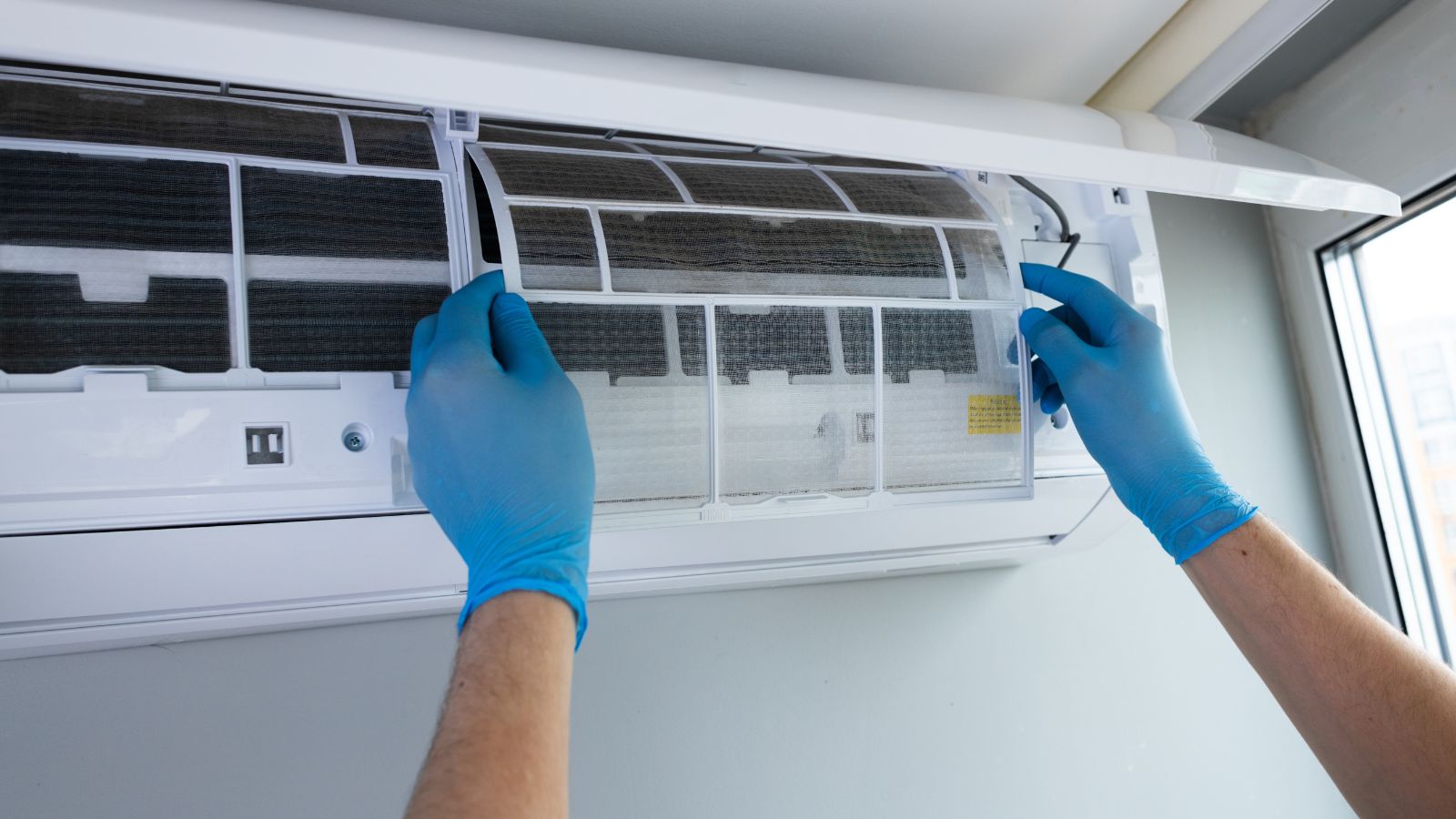
An air conditioner may look fine from the thermostat while quietly struggling behind a clogged filter. Dust, pet hair and other particles accumulate over time, restricting airflow through cooling equipment. Natural Resources Canada warns that dirty filters can raise energy costs and potentially damage equipment. BC Hydro likewise advises regular filter maintenance and says cleaning a heat-pump filter can improve airflow by as much as 30% in some circumstances.
The maintenance schedule depends on the equipment, household and manufacturer. A home with several pets, for instance, may load a filter faster than a lightly occupied property without animals. That is why simply replacing a filter once every summer regardless of its condition is not always enough. A monthly visual check during heavy cooling periods can reveal whether dirt is building up unusually quickly. Filters should still be cleaned or replaced according to manufacturer instructions. Spending hundreds of dollars cooling a home while forcing air through an avoidably dirty filter is a small maintenance oversight that can translate into longer operating times and unnecessary wear.
Waiting for the Air Conditioner to Break Before Maintaining It
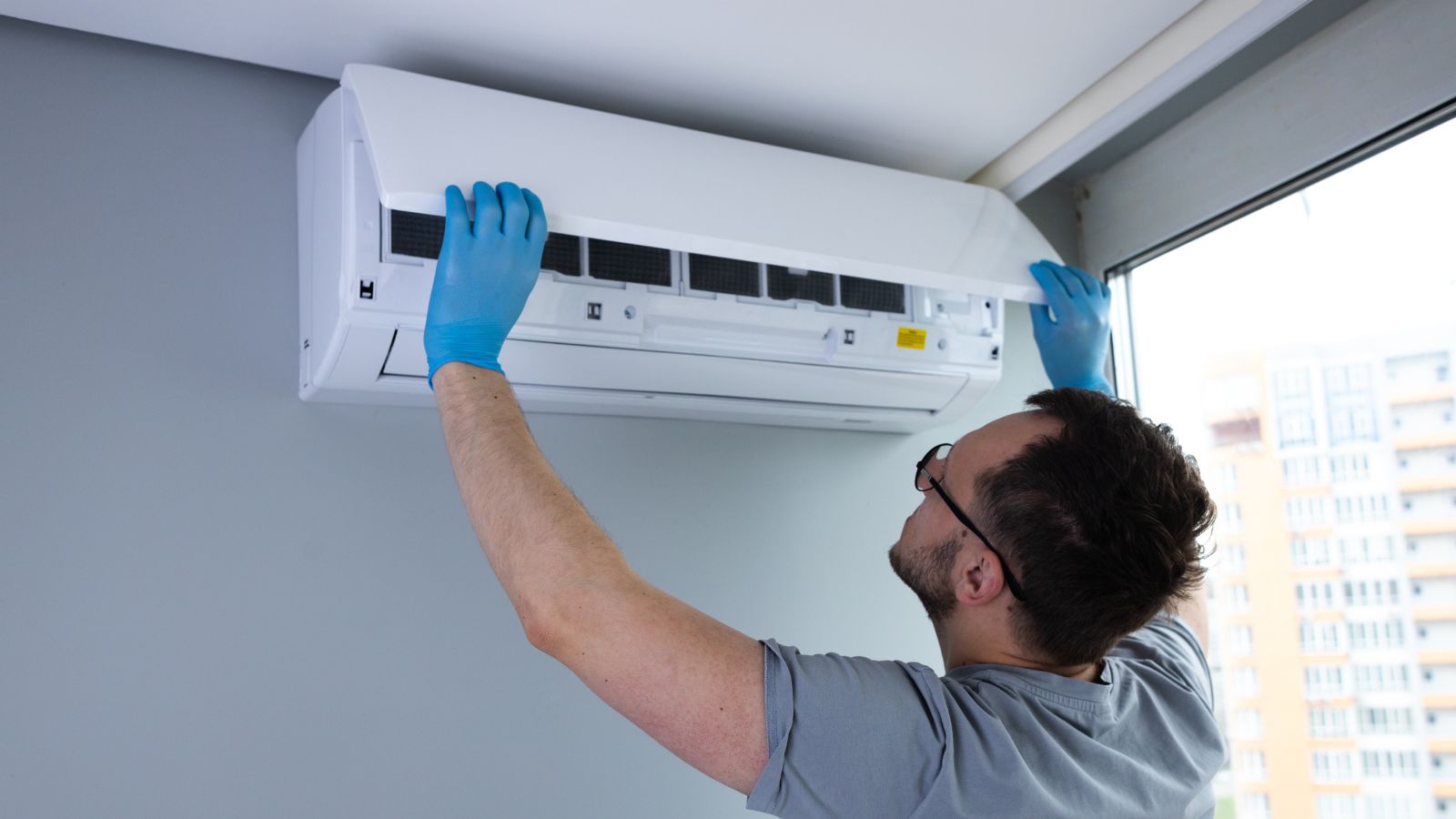
Cooling equipment can continue operating even when its efficiency is deteriorating, which makes neglected maintenance easy to overlook. Natural Resources Canada notes that dirty coils make cooling systems work harder, causing them to run longer and increasing energy costs. It also recommends regular service because blocked airflow, dirty components and other mechanical issues can reduce efficiency before a system fails completely.
Heat pumps require the same attention. BC Hydro suggests regular maintenance and inspections and notes that a service visit every one to two years may be appropriate, depending on the system and manufacturer recommendations. Imagine an outdoor unit gradually becoming surrounded by leaves and debris while an indoor coil collects dust. The homeowner may respond to weaker cooling by lowering the thermostat, never realizing that the equipment itself needs attention. Routine maintenance costs money, but paying for longer compressor cycles month after month—and eventually dealing with a preventable failure—can cost substantially more than keeping the system in proper operating condition.
Blocking the Equipment That Needs to Move Air

Cooling systems depend on airflow, yet furniture, curtains, storage boxes and outdoor vegetation frequently end up crowding the equipment responsible for moving that air. BC Hydro specifically advises keeping furniture and curtains away from indoor heat-pump units and keeping outdoor units clear of foliage and other obstructions. Restricting airflow makes it harder for equipment to move heat efficiently and may reduce overall comfort.
The problem often develops gradually. A couch is pushed closer to an indoor head during redecorating, or shrubs grow around an outdoor compressor until very little open space remains. The system continues operating, so the connection between the obstruction and a higher electricity bill is not always obvious. Central systems also depend on clear supply and return pathways to distribute conditioned air effectively. Keeping registers, returns and equipment unobstructed is therefore more than a housekeeping detail. Before assuming an air conditioner needs a lower thermostat setting or a bigger replacement unit, homeowners can first check whether the existing system is simply being asked to breathe through clutter.
Buying More Air Conditioner Than the Room Needs

Bigger equipment sounds safer during a heat wave, but oversized air conditioning is not necessarily better. Natural Resources Canada warns that oversizing can be detrimental to comfort, operating cost and equipment performance. An oversized unit can cool a space rapidly and shut down before completing the longer operating cycles that help control indoor humidity, potentially leaving occupants feeling clammy even though the thermostat reports the desired temperature.
Room air conditioners should therefore be matched to the area being cooled rather than selected by the largest available BTU rating. BC Hydro’s room-air-conditioner guidance, for example, associates approximately 8,000 BTU of capacity with spaces around 300 to 350 square feet, although factors such as sun exposure and room design also matter. Larger units also consume more energy. A homeowner cooling a modest bedroom does not gain financially by installing equipment intended for a large living area. Proper sizing offers a better balance of temperature control, moisture removal, purchase cost and electricity consumption than simply buying extra capacity “just in case.”
Keeping an Aging, Inefficient AC Forever
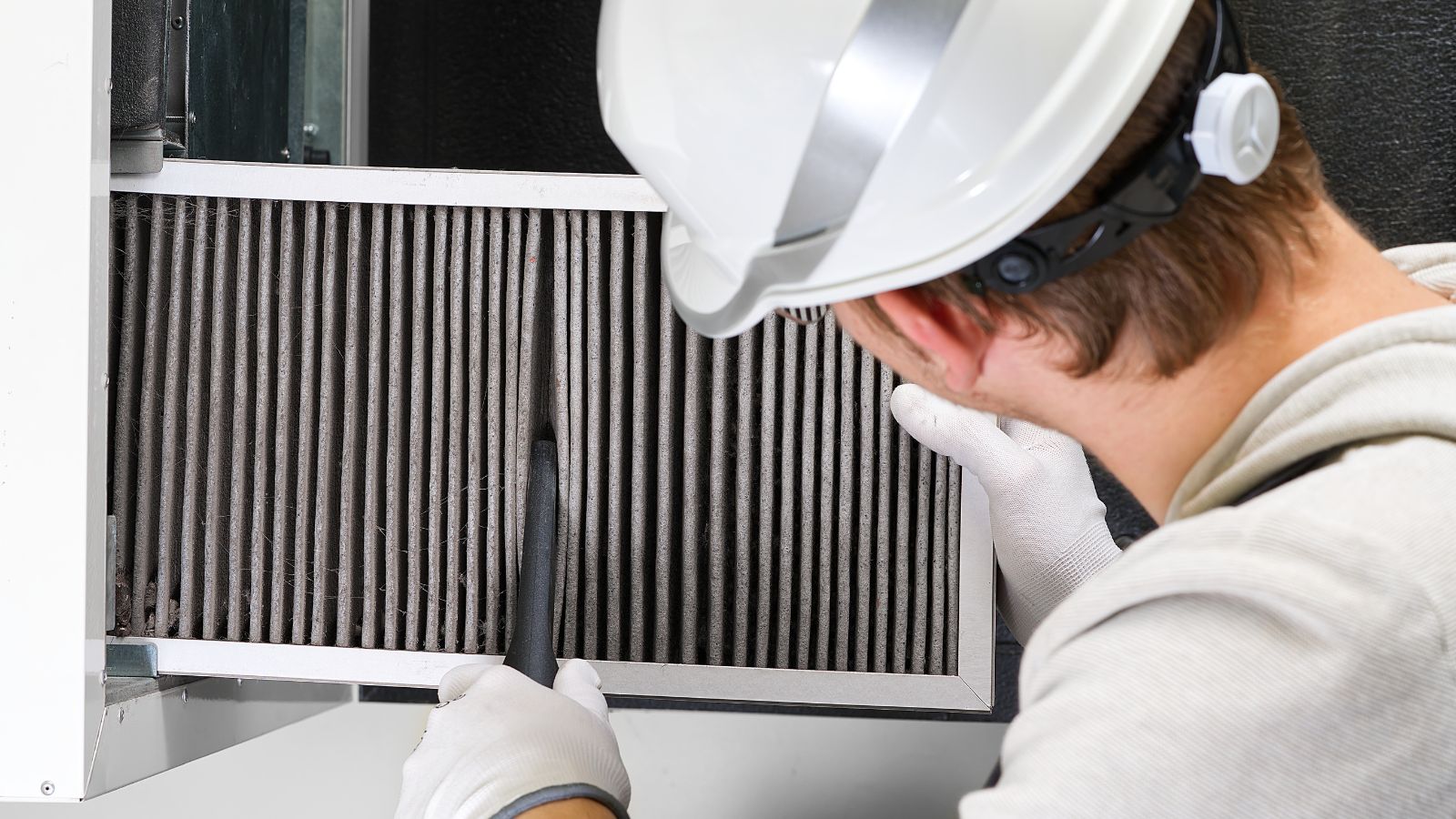
Replacing functioning equipment unnecessarily is rarely economical, but keeping an inefficient air conditioner indefinitely can also become expensive. Cooling technology and efficiency standards have improved considerably. Natural Resources Canada says replacing a central air conditioner that is more than 10 years old with a newer energy-efficient model can reduce cooling energy use by more than 20% in suitable circumstances. ENERGY STAR certified central air conditioners currently use about 8% less energy on average than standard models meeting minimum requirements.
Age alone is not a command to replace a system. Climate, electricity prices, installation costs and annual cooling hours all affect the financial calculation. Still, a 15-year-old machine requiring frequent repairs deserves a different analysis from a well-maintained modern unit. Rather than focusing only on the purchase price of a replacement, homeowners can compare efficiency ratings and expected operating costs. An inexpensive old air conditioner that consumes considerably more electricity every summer may eventually cost more than the seemingly expensive upgrade that replaced it.
Choosing a Portable AC When a Window Unit Would Work
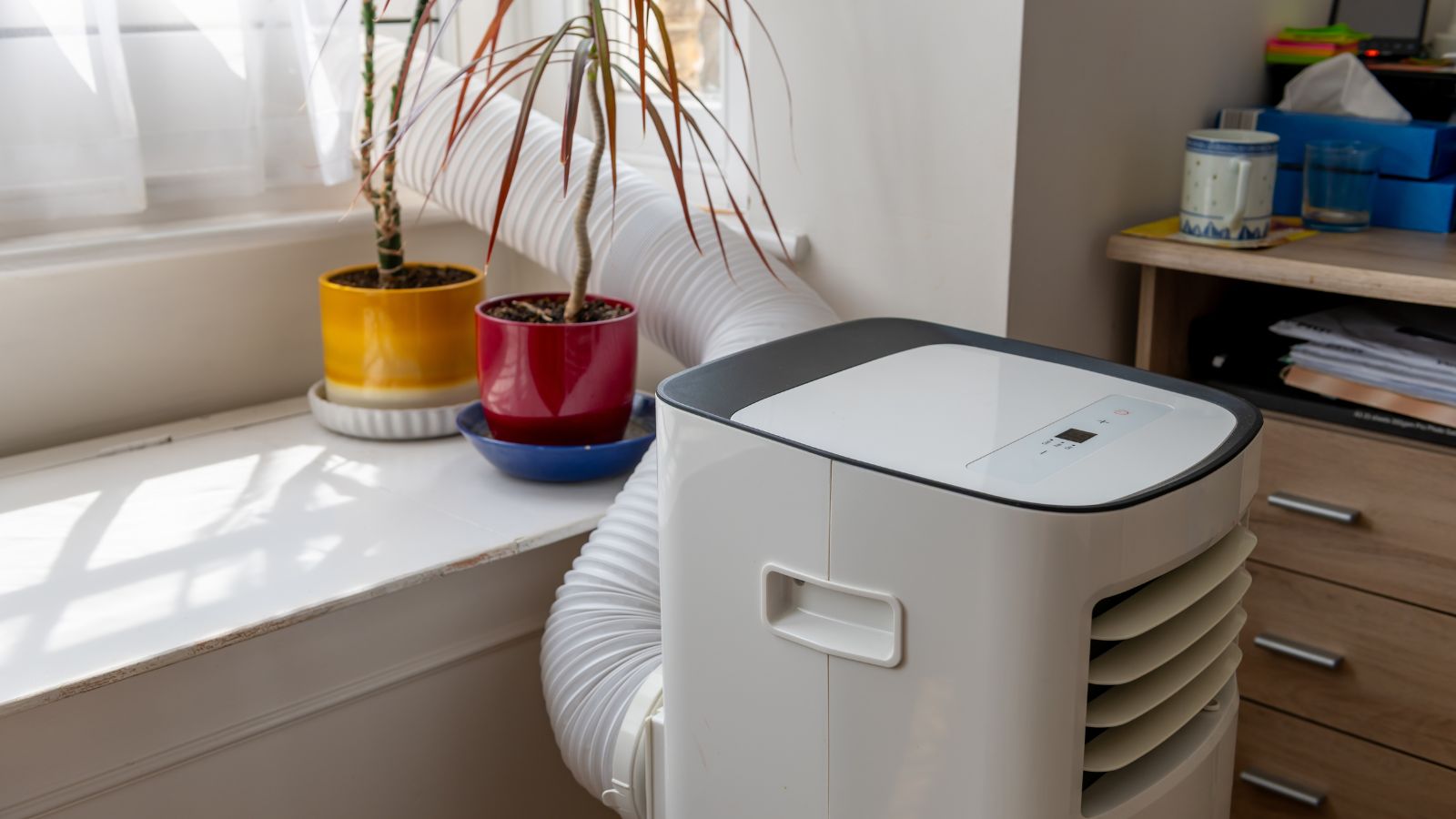
Portable air conditioners offer an obvious convenience: they can be rolled from room to room and require relatively simple installation. That flexibility comes with an efficiency penalty in many cases. BC Hydro reports that window air conditioners are, on average, almost twice as efficient as portable units. Its guidance lists typical Combined Energy Efficiency Ratio ranges of roughly 9 to 15 for window units compared with about 5.6 to 8.4 for portable models; a higher CEER indicates better efficiency.
That does not mean portable units are always a bad purchase. Some apartments prohibit window-mounted equipment, and certain window designs simply cannot accommodate one. For households that do have a choice, however, convenience should not be confused with low operating cost. A portable unit running every night through July and August can consume noticeably more electricity to provide comparable cooling. Looking beyond the sticker price and comparing CEER ratings, room size and installation restrictions can prevent a cheaper-looking purchase from becoming a more expensive machine to operate.
Installing a Room Air Conditioner With Gaps Around It
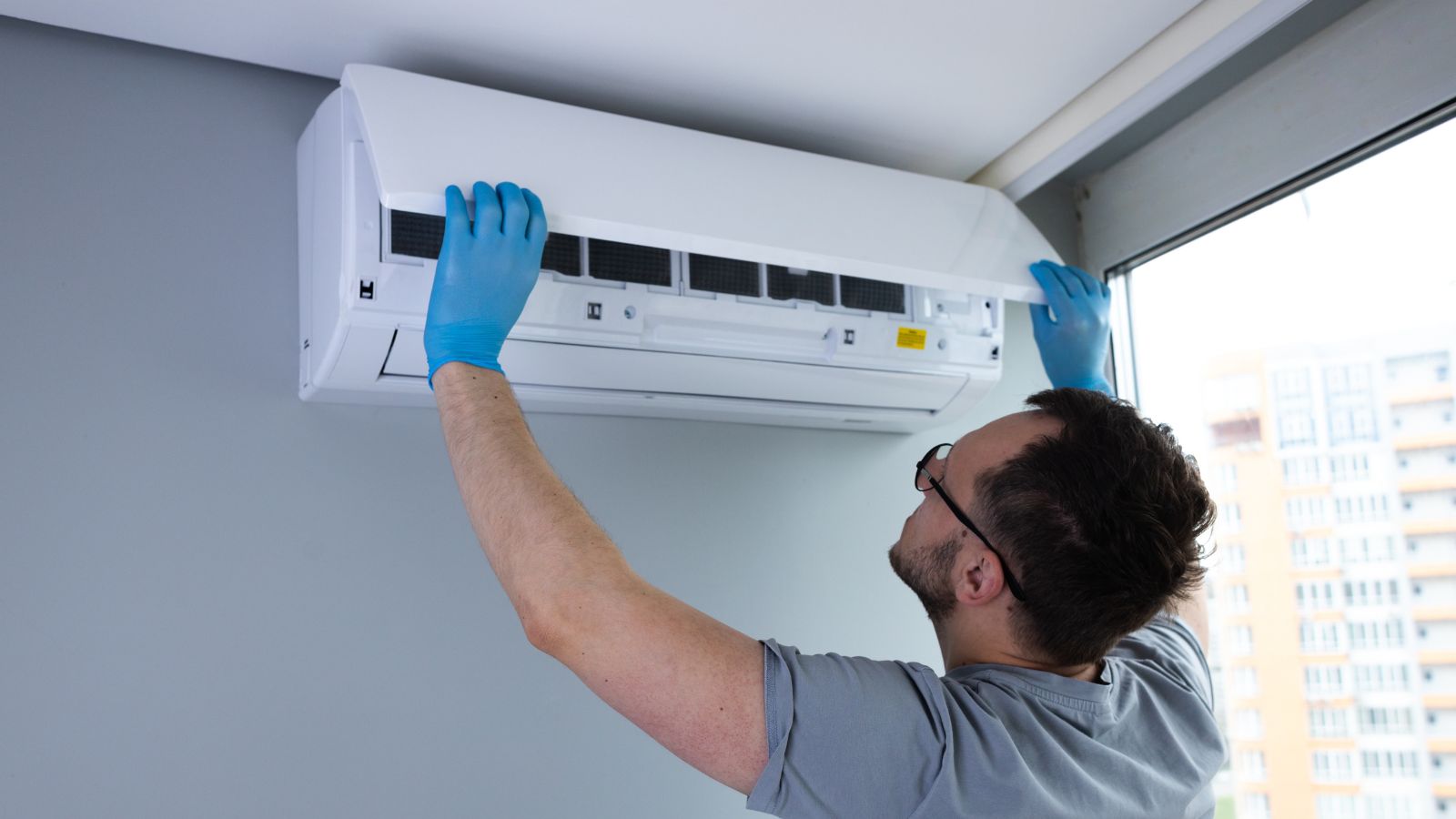
A window air conditioner may be efficient on paper and still perform poorly if warm outdoor air can flow around it. Natural Resources Canada recommends sealing large gaps around room air conditioners with the panels or side curtains supplied by the manufacturer and sealing remaining cracks appropriately. Its broader air-conditioning guidance also stresses sealing air leaks after installation to avoid unnecessary air exchange and additional cooling load.
The mistake is common because installation gaps can look harmless. A narrow opening beside an accordion panel or around a portable unit’s window insert may not seem significant, yet it creates a pathway between conditioned indoor space and summer air outside. The air conditioner then has two jobs: removing heat already inside and dealing with heat continuously entering around its own installation. Before replacing a room unit because it “never seems to catch up,” checking its window panel, hose connection and surrounding seals can be worthwhile. Proper installation allows the equipment’s tested efficiency to matter in the real house rather than only on the product label.
Leaving Fans Running in Empty Rooms
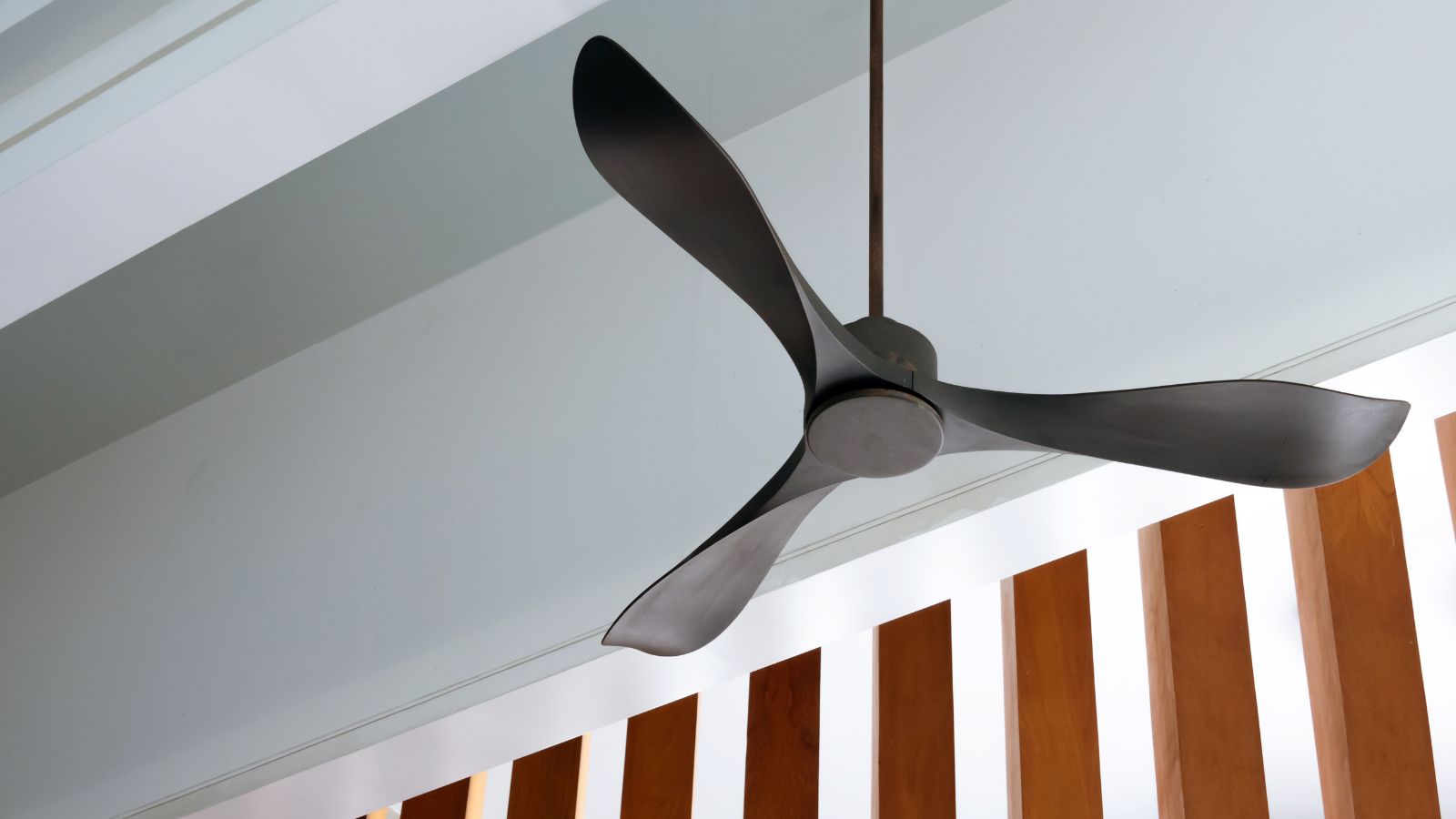
Fans are inexpensive to operate compared with air conditioning, but inexpensive electricity is still wasted when it serves no purpose. Both Natural Resources Canada and BC Hydro emphasize that ordinary circulating fans primarily cool people, not rooms. Moving air across the skin increases comfort, but a fan running in an empty bedroom generally does not meaningfully lower that room’s air temperature.
That distinction matters in houses where ceiling fans remain on from morning until bedtime regardless of occupancy. The better habit is to operate them where people are actually spending time and switch them off when everyone leaves. The exception is when a fan is intentionally being used for ventilation—for example, positioned at a window to move cooler outdoor air through the house. Otherwise, running three or four fans continuously can turn a low-cost comfort tool into another unnecessary electrical load. Motion controls, timers or simply building the “lights off, fan off” habit can preserve the economic advantage that makes fans useful in the first place.
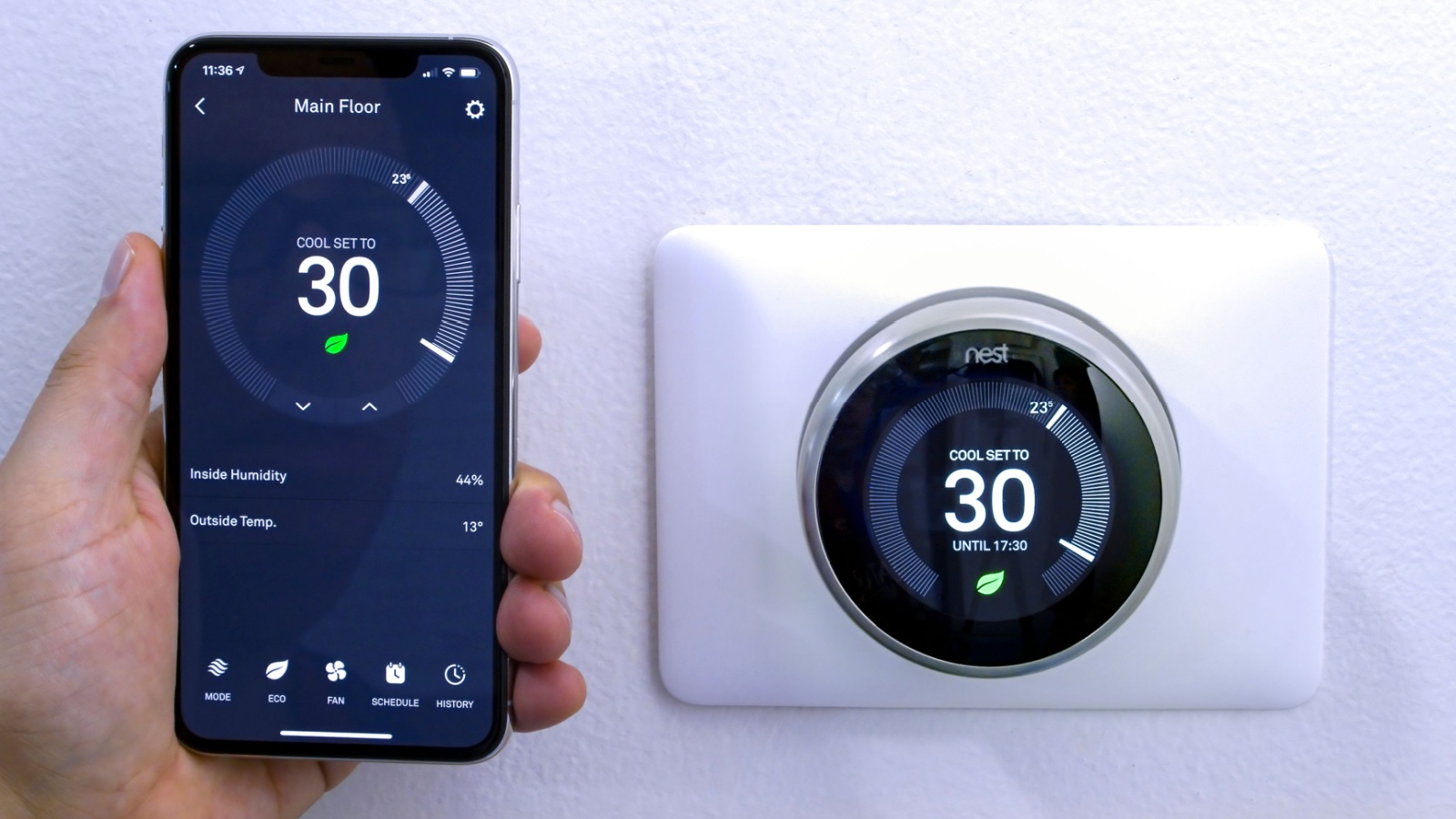
The opposite fan mistake is failing to use them at all. Air movement can make occupants comfortable at a higher thermostat setting, allowing air conditioning to run less aggressively. Natural Resources Canada recommends combining ceiling fans with air conditioning and says setting the thermostat two degrees higher while using ceiling fans can cut air-conditioning costs by nearly 14% under the conditions behind its guidance.
For a household accustomed to 23°C, that could mean experimenting with 25°C while running a ceiling or portable fan in the occupied room. The fan uses electricity, but typically far less than the compressor-driven cooling system it helps offset. Ceiling fans should also be set correctly for summer operation so airflow is directed downward toward occupants. This is an example of paying for comfort rather than chasing the lowest possible air temperature. Air conditioning removes heat from the building; fans improve how that temperature feels. Using both strategically can be more economical than forcing the AC to provide every bit of perceived cooling by itself.
Heating the House With Appliances While Trying to Cool It
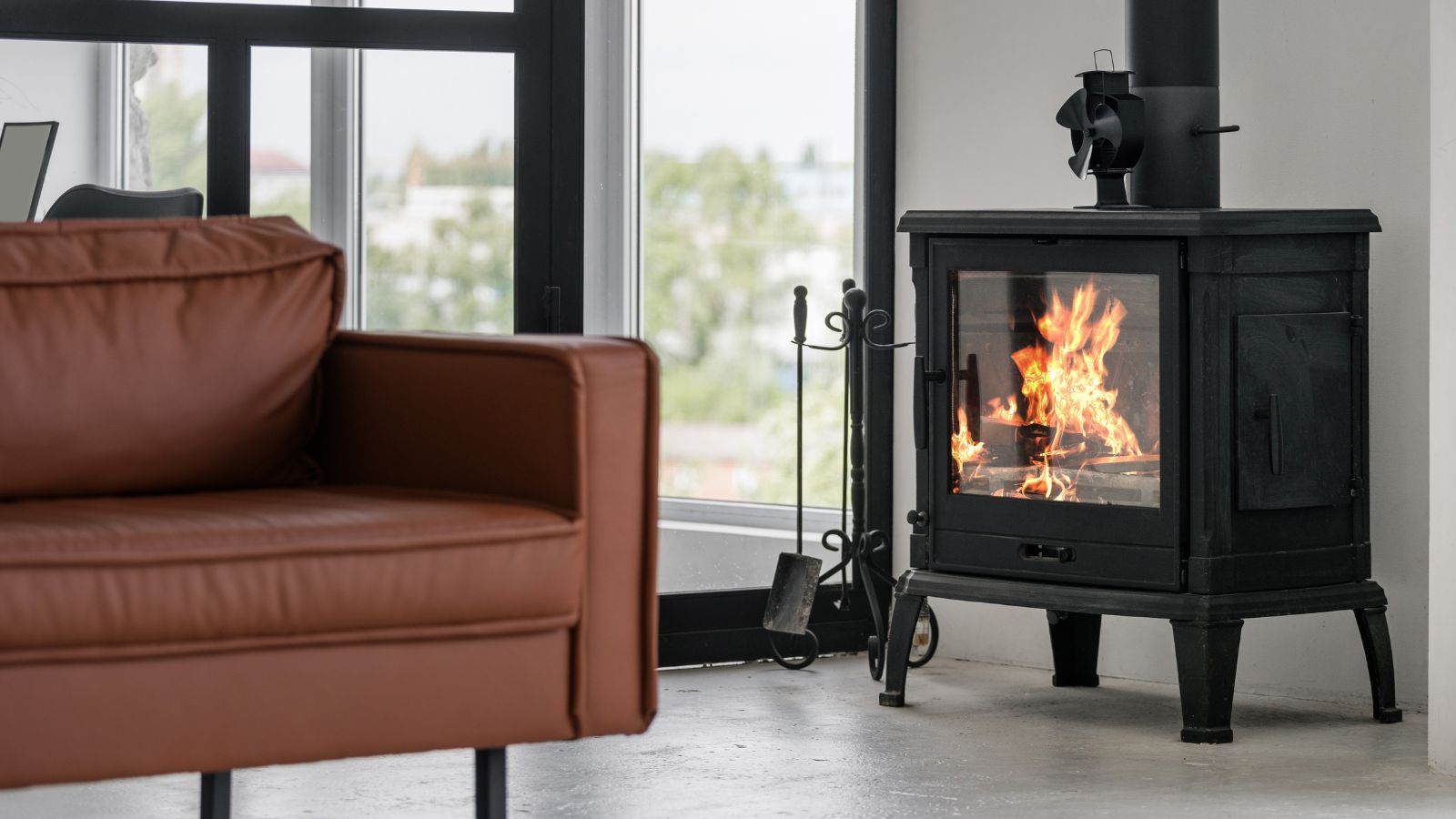
An oven, clothes dryer and other heat-producing appliances add warmth to the same indoor environment an air conditioner is trying to cool. BC Hydro advises limiting the use of large heat-generating appliances during hot periods and suggests options such as microwaves or smaller cooking appliances when practical. It also recommends hanging laundry to dry where feasible rather than adding dryer heat during the hottest part of the day.
The issue becomes obvious in a small condo. Baking dinner at 5 p.m. while direct afternoon sunlight is still entering the unit may cause the kitchen and surrounding rooms to warm noticeably. The air conditioner then uses additional electricity to remove heat that the household just generated. Cooking cannot always be moved to another time, but some loads can. Running a dishwasher later, preparing meals earlier, using an outdoor grill where permitted or choosing smaller appliances can reduce internal heat gains. Otherwise, part of the cooling bill is effectively being spent cancelling out electricity or gas already used to create unwanted heat.
Ignoring Leaky Cooling Ducts
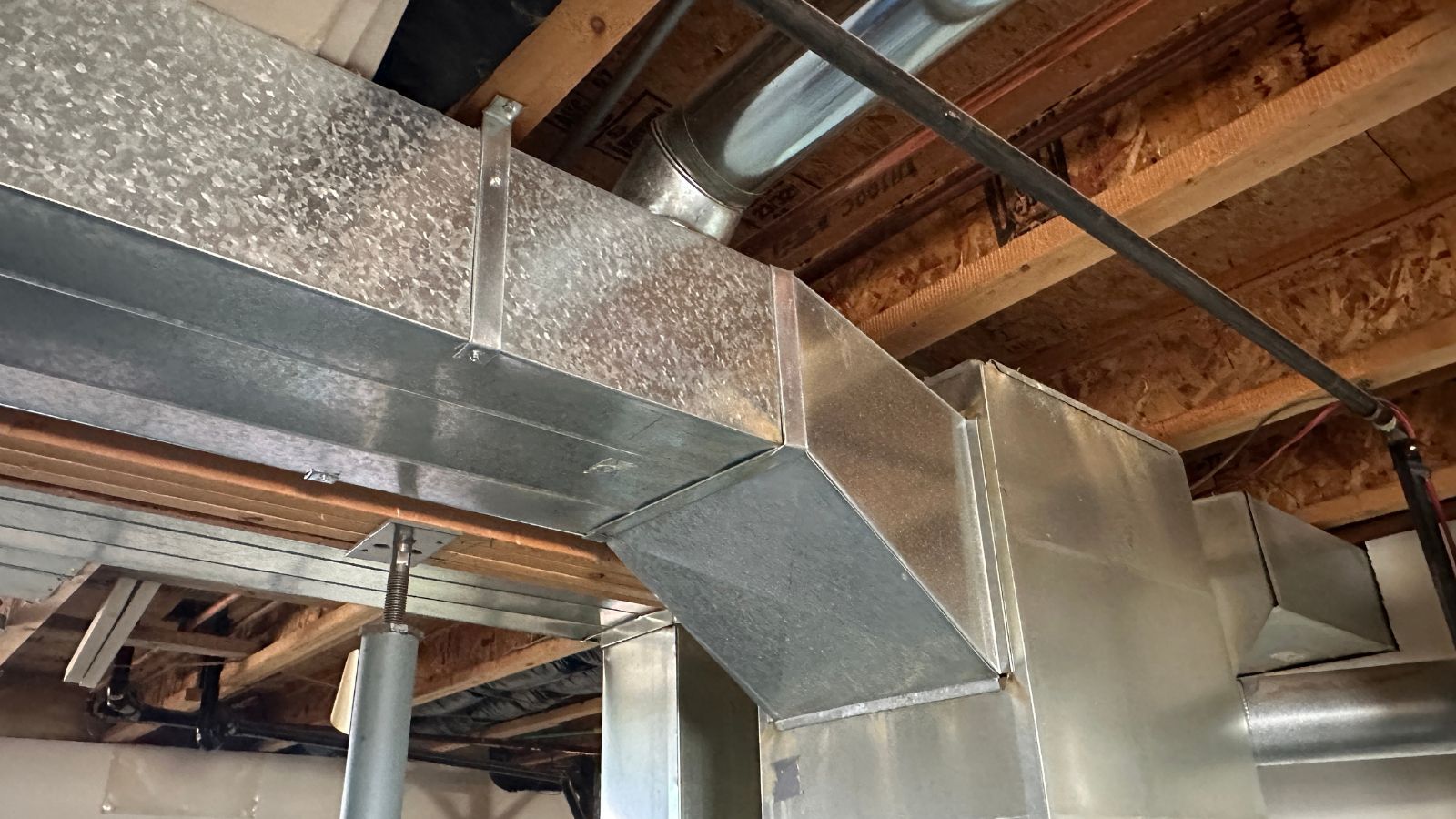
A central air conditioner can operate efficiently at the equipment cabinet while losing a surprising amount of conditioned air before it reaches the rooms. Natural Resources Canada notes that leaking or poorly designed ducts can contribute to higher heating and cooling costs and uneven comfort. ENERGY STAR estimates that in a typical house with forced-air distribution, roughly 20% to 30% of the air moving through ducts can be lost through leaks, holes and poorly connected sections.
Losses are especially frustrating when ducts travel through attics, garages, crawlspaces or other areas outside the conditioned living space. A homeowner may respond to a hot upstairs bedroom by reducing the thermostat for the entire house even though the real problem is distribution. Professional duct inspection, sealing and insulation can improve efficiency; ENERGY STAR says properly sealing and insulating ductwork can improve heating and cooling system efficiency by as much as 20% in some homes. Cooling air that never reaches the intended room is quite literally electricity paid for and then lost along the way.
16 Costco Canada Habits That Could Be Costing Shoppers More Than They Save

The Executive Membership can feel like an obvious upgrade because the 2% annual reward sounds straightforward. For households that spend heavily at Costco Canada, the extra fee may be easy to justify. But the habit becomes costly when shoppers upgrade first and calculate later. A Gold Star Membership costs less, while Executive costs more and only pays off if eligible annual spending is high enough to offset the difference.
16 Costco Canada Habits That Could Be Costing Shoppers More Than They Save
This Options Discord Chat is The Real Deal
While the internet is scoured with trading chat rooms, many of which even charge upwards of thousands of dollars to join, this smaller options trading discord chatroom is the real deal and actually providing valuable trade setups, education, and community without the noise and spam of the larger more expensive rooms. With a incredibly low-cost monthly fee, Options Trading Club (click here to see their reviews) requires an application to join ensuring that every member is dedicated and serious about taking their trading to the next level. If you are looking for a change in your trading strategies, then click here to apply for a membership.