
35,000+ smart investors are already getting financial news, market signals, and macro shifts in the economy that could impact their money next with our FREE weekly newsletter. Get ahead of what the crowd finds out too late. Click Here to Subscribe for FREE.
Card taps feel effortless, but the final amount can carry much more than the price printed on a menu, ticket, room, or rental agreement. For Canadian travellers, currency conversion, unfamiliar local rules, transport systems, and optional-service pricing can turn a routine payment into a costly surprise. The danger is rarely one dramatic charge; it is the accumulation of small percentages, daily add-ons, terminal prompts, and fees that appear only after a transaction posts.
These 20 fees cover the moments most likely to cause confusion—from foreign exchange and cash withdrawals to hotels, flights, rental cars, transit, destination levies, and cruises. Knowing where each charge originates makes it easier to compare the true total, choose an appropriate payment method, and pause before authorizing an amount that does not match expectations.
Foreign Transaction Fees
20 Fees Canadian Travellers Should Watch Before They Tap Their Card
- Foreign Transaction Fees
- Dynamic Currency Conversion
- ATM Operator Surcharges
- Foreign ATM Fees From the Canadian Bank
- Credit Card Cash-Advance Costs
- Merchant Credit Card Surcharges
- Incomplete-Journey Transit Charges
- Hotel Resort and Destination Fees
- Early Check-In and Late Checkout Fees
- City Taxes and Visitor Levies
- Destination Access Fees
- Checked-Baggage Fees
- Seat-Selection Fees
- Flight Change and Cancellation Fees
- Airport Check-In and Boarding-Pass Fees
- Rental-Car Airport Concession Fees
- Young-Driver Surcharges
- One-Way Rental Drop Fees
- Rental-Car Refuelling Charges
- Cruise Gratuities and Service Charges
- 19 Things Canadians Don’t Realize the CRA Can See About Their Online Income
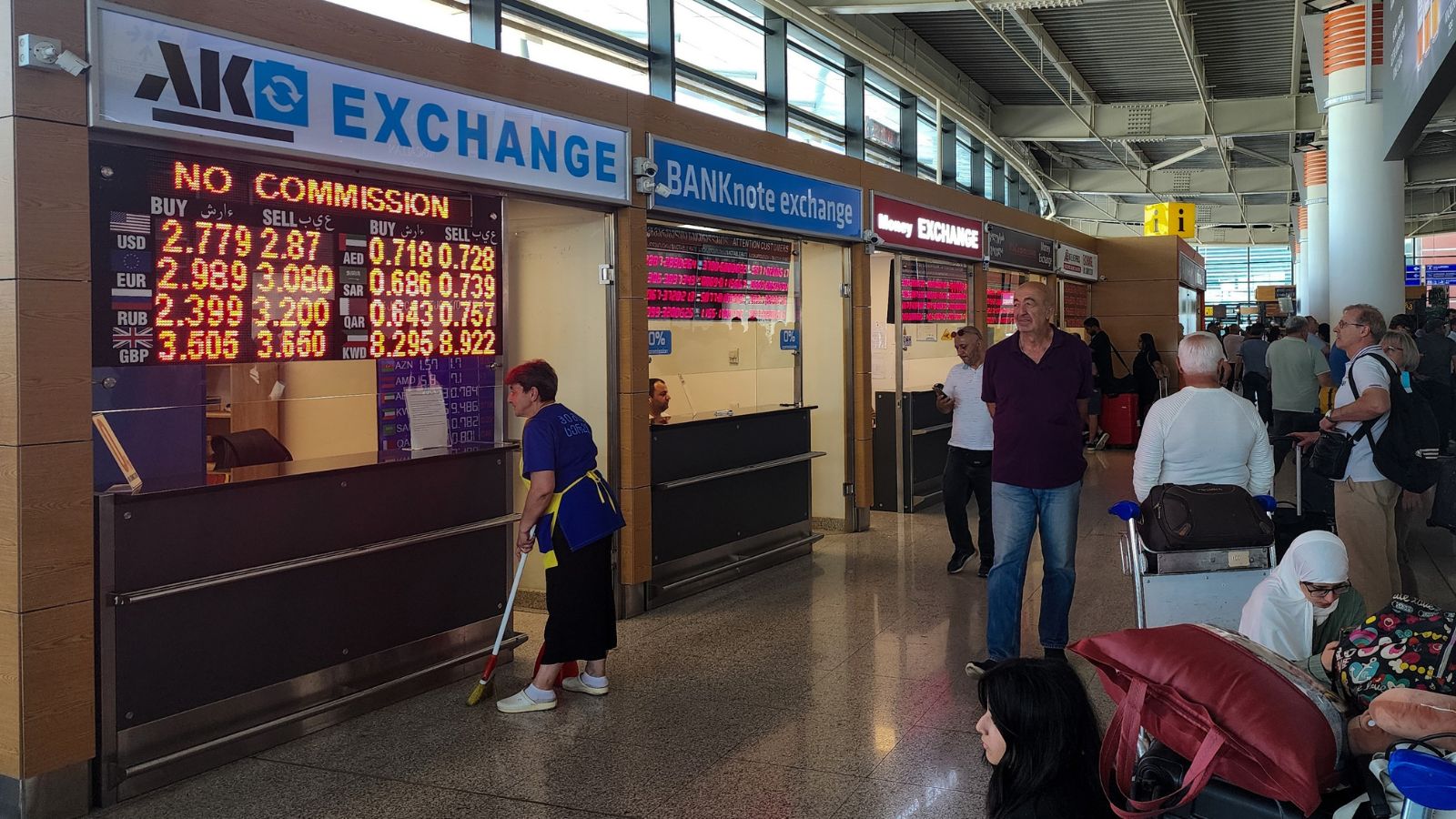
A purchase priced in euros, pounds, yen, or another currency may trigger a foreign transaction fee from the Canadian card issuer. The charge is separate from the exchange rate used to convert the purchase into Canadian dollars. Some travel cards waive it, while many everyday cards do not, so the same café bill can cost different amounts depending on which card reaches the terminal.
The fee becomes harder to notice because it usually appears only after the transaction posts. A traveller may remember tapping for a €100 dinner but later see a larger Canadian-dollar amount that reflects both currency conversion and the issuer’s charge. Before departure, cardholders should check the disclosure box or cardholder agreement rather than assuming a premium-looking card is fee-free. Comparing the fee against rewards earned also matters, because rewards can look generous while still failing to offset the card’s foreign transaction charge on purchases. That matters.
Dynamic Currency Conversion

A terminal abroad may offer to charge a Canadian card in Canadian dollars instead of the merchant’s local currency. That service is called dynamic currency conversion, or DCC. The screen can feel reassuring because the amount is familiar, but the quoted conversion may include a markup or additional fee set by the merchant or its payment provider rather than the traveller’s card network.
The safer comparison is usually between the displayed Canadian-dollar total and the option to pay in local currency. Visa advises travellers that local-currency payment can avoid the merchant’s conversion markup, although the card issuer may still apply its own foreign transaction fee. A rushed diner or hotel guest can easily press the brightly highlighted Canadian-dollar button without reading the smaller rate details. Before authorizing payment, the cardholder should confirm the currency shown on the terminal and decline conversion when the rate is unattractive, unclear, or poorly disclosed.
ATM Operator Surcharges

An overseas cash machine can charge its own access fee before dispensing money. This ATM operator surcharge is imposed by the machine owner, not by the Canadian bank that issued the card. The amount is normally displayed on screen, and the withdrawal can be cancelled before completion, but fatigue or an urgent need for cash often makes travellers accept it.
Independent ATMs in airports, nightlife districts, convenience stores, and tourist centres may be especially costly compared with machines operated by major local banks. A small withdrawal magnifies the damage: paying a fixed fee to obtain the equivalent of C$40 is proportionally far more expensive than making one larger, planned withdrawal. Travellers should read the confirmation screen, compare nearby machines, and avoid repeated low-value withdrawals. Always keep the receipt until the account posts, since it helps distinguish the operator’s fee from any separate charge added later by the Canadian financial institution.
Foreign ATM Fees From the Canadian Bank

The ATM owner’s surcharge may not be the only cost of withdrawing cash abroad. A Canadian bank or credit union can also apply a foreign ATM, out-of-network, or international withdrawal fee. Foreign currency conversion may be added as well. Because these amounts are assessed by the issuer, they may not appear on the machine’s final confirmation screen.
This creates a two-layer bill: one fee is collected immediately by the overseas operator, while another appears later on the Canadian account. A traveller who makes several small withdrawals can therefore pay the same fixed charges repeatedly. Before leaving Canada, it is worth checking the account’s fee schedule, partner-network arrangements, and daily withdrawal limits. Some institutions offer packages with reduced international ATM costs, while others charge each time. The practical goal is not to carry excessive cash, but to understand whether fewer, larger withdrawals at reputable bank machines will reduce the total cost.
Credit Card Cash-Advance Costs

Using a credit card at an ATM is usually treated as a cash advance rather than an ordinary purchase. That distinction matters because cash advances can carry a separate transaction fee, a higher interest rate, and no interest-free grace period. Interest may begin accumulating as soon as the money is withdrawn, even when the cardholder normally pays the monthly statement in full.
The terminal may show the ATM operator’s charge, leaving the issuer’s cash-advance fee and interest invisible until the statement arrives. A traveller who withdraws the equivalent of C$200 can therefore face several costs at once: the machine surcharge, currency conversion, the cash-advance fee, and immediate interest. Debit is often simpler for planned withdrawals, provided the account’s international fees are known. When a credit card must be used, the cardholder should repay the cash-advance balance promptly and review how the issuer allocates payments among balances carrying different interest rates.
Merchant Credit Card Surcharges

Some merchants add a surcharge when a customer pays by credit card. In Canada, merchants outside Quebec may apply credit-card surcharges when they follow applicable network and disclosure rules; practices abroad depend on local law and card-network requirements. The important detail is that the surcharge is imposed because of the payment method, not because the underlying product changed.
A traveller may see the charge as a percentage on a restaurant bill, a flat terminal fee at a tour desk, or a separate line on a hotel invoice. Small percentages become meaningful on large purchases such as excursions, jewellery, or accommodation balances. Before tapping, cardholders should ask whether debit, cash, or another accepted card avoids the fee, while considering security and exchange costs. The total price—not the advertised base price—should guide the decision. A clearly disclosed surcharge may be legitimate, but an unexplained amount deserves a question before authorization is granted.
Incomplete-Journey Transit Charges

Contactless transit systems can calculate fares from both the entry and exit taps. If a traveller forgets to tap out, taps with a phone but exits with the physical card, or uses different devices during one journey, the system may record an incomplete trip. Transport for London and Australian transit authorities warn that incomplete journeys can trigger a maximum or default fare, sometimes outside normal daily caps.
This is easy to do after a long flight, especially when a wallet card and mobile wallet look interchangeable. To the fare system, however, each device may have a different payment token. The best habit, every time, is simple and worth repeating after each transfer: use the same card, phone, or watch at every required gate and check the transit account afterward. When a maximum fare appears, the operator may offer an online correction or refund process, but deadlines and limits can apply.
Hotel Resort and Destination Fees

Hotels may charge mandatory resort, destination, facility, or amenity fees in addition to the room rate. These charges can cover items such as Wi-Fi, fitness-centre access, pool use, local calls, or credits that a guest may never use. In the United States, federal rules now require mandatory lodging fees to be included in the total price, but the fees themselves have not been prohibited.
The tap at check-in or checkout can still feel surprising when the booking confirmation emphasized a nightly rate rather than the all-in stay cost. Travellers should compare totals across properties and read what the fee covers, whether it is charged per room or per person, and whether taxes apply to it. A hotel with a higher room rate but no fee can be cheaper overall. If the final folio does not match the disclosed total, the guest should ask for an itemized explanation before authorizing payment.
Early Check-In and Late Checkout Fees

Arriving before the official check-in time or leaving after checkout can turn a timing problem into an accommodation fee. Hotels may treat early access and late departure as optional services subject to availability, and some charge a fixed amount, a fraction of the nightly rate, or an additional night. The policy may vary with occupancy and the hour requested.
Someone landing at 6 a.m. may assume an empty room can be provided as a courtesy, while the front desk may classify the request as a paid extension. Late checkout can create the same surprise when a flight departs in the evening. Before tapping, guests should ask for the charge, permitted time, and whether loyalty status or a direct-booking benefit waives it. Luggage storage, an airport lounge, or booking the previous night may offer better value. Verbal approval should be reflected on the folio so the final bill matches the arrangement.
City Taxes and Visitor Levies
Many destinations impose a tourist tax, occupancy tax, or visitor levy on paid accommodation. The charge may be calculated per person, per night, as a percentage of lodging cost, or according to the property category. Edinburgh’s visitor levy, for example, applies to eligible stays from July 24, 2026, at five percent of accommodation cost for up to five consecutive nights.
These levies are government charges rather than hotel-created extras, but they can still surprise travellers when a booking platform states that local taxes are payable at the property. The amount may change after booking because municipal rules, exemptions, age thresholds, and caps differ. Before tapping at checkout, guests should compare the tax line with the destination’s official guidance and their reservation terms. Couples, families, and longer-stay visitors should calculate the charge for every eligible person and night. Keeping the receipt can also help resolve questions about exemptions or duplicate collection.
Destination Access Fees

A crowded destination may charge visitors for entry on selected days even when no attraction ticket is involved. Venice’s access-fee system requires certain day visitors to obtain and carry a payment voucher, while people staying in accommodation within the municipality may be exempt because they already pay into the tourist-tax system. Rules vary by date and visitor category.
The risk is not only the fee itself but paying unnecessarily or too late. A traveller staying outside Venice might tap a card for the access charge without checking whether the visit date is covered, while an overnight guest might purchase a voucher despite qualifying for an exemption. Use official portals because third-party sites can add service charges or create confusion. Before payment, travellers should confirm the date, destination zone, exemption status, and proof requirements. The voucher or exemption confirmation should remain available on the phone and offline in case connectivity fails.
Checked-Baggage Fees

Checked baggage is no longer automatically included with many economy fares. Canadian airlines price bags according to fare family, route, purchase date, number of pieces, weight, size, and when the fee is paid. Air Canada and WestJet publish separate schedules, and airport or gate payment can cost more than adding a bag earlier in the trip.
The last-minute tap at a kiosk or counter is especially expensive when a carry-on exceeds the airline’s dimensions or a suitcase crosses the weight limit. A family with several bags can erase much of the savings from a low base fare. Travellers should always use the operating airline’s baggage calculator, not rely only on a booking site’s generic icon. Codeshare flights require extra care because the first operating carrier’s rules may apply. Measuring and weighing bags at home, paying in advance when cheaper, and keeping the receipt can prevent costly disputes at airport check-in.
Seat-Selection Fees

Choosing an aisle, window, extra-legroom seat, or simply seats together can add a separate charge to an airline booking. The Competition Bureau’s study of Canadian aviation found wide variation in seat-selection fees among major carriers. Airline fee pages also show that the price can depend on fare type, route, seat location, and the moment selection is made.
Pressure is strongest for families and nervous flyers. A booking screen may warn that companions could be separated, encouraging an immediate tap even when free automatic assignment remains available. Travellers should distinguish between a standard seat, a preferred seat, and a fare bundle that already includes selection. They should also review family-seating protections and airline policies rather than assuming payment is always required. On connecting itineraries, charges may apply per passenger and per segment, so a modest-looking amount can multiply quickly. The final seat map total deserves the same scrutiny as the airfare.
Flight Change and Cancellation Fees
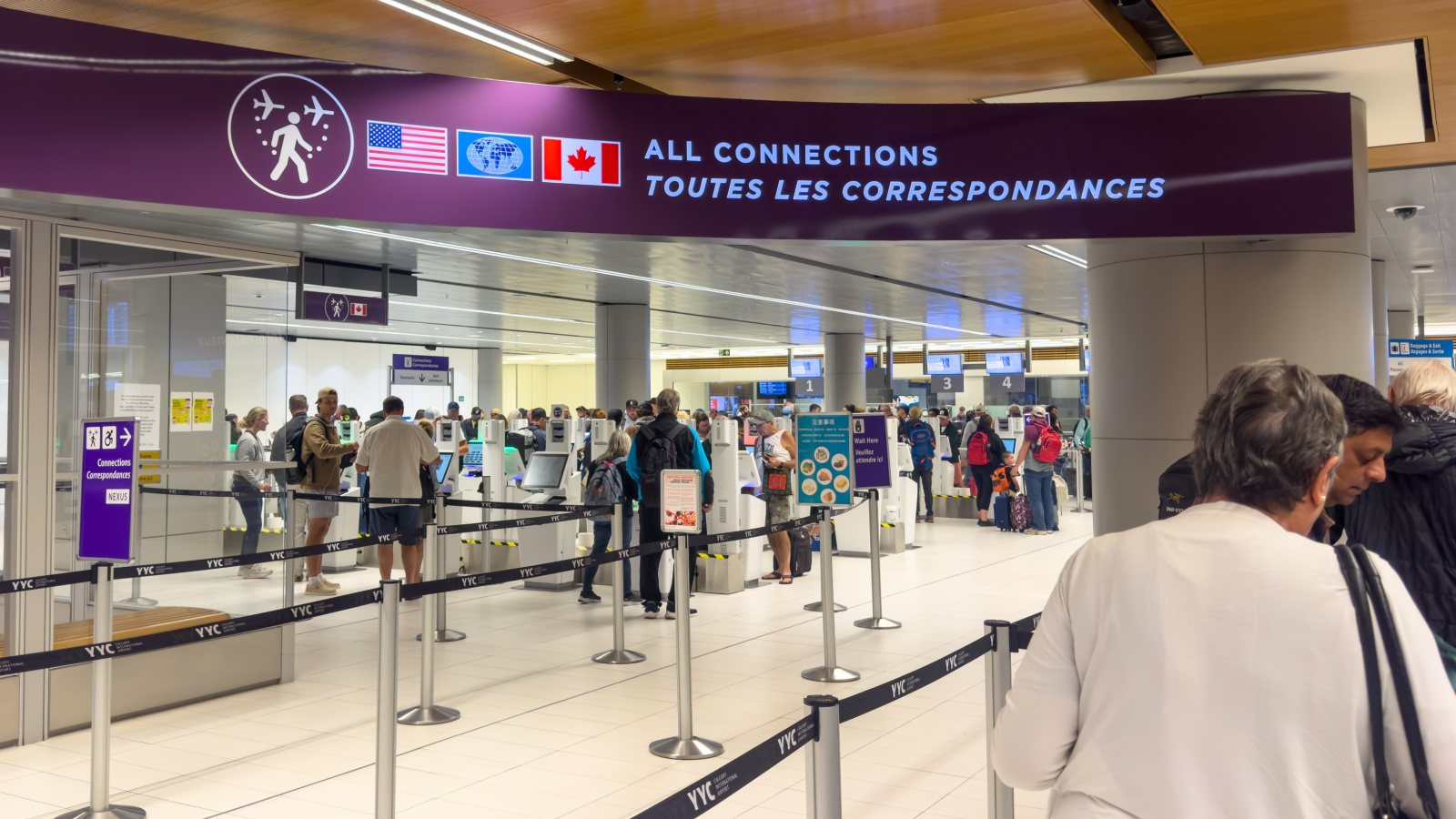
Changing a flight can involve more than the difference between the old and new fare. Depending on the ticket, an airline may add a change fee, cancellation fee, service fee, or non-refundable credit restriction. Flexible fares often reduce these charges, while the cheapest fare classes may prohibit voluntary changes altogether. Airline fee tables should be checked before the card is tapped.
A C$100 fare difference can become a much larger payment when fees apply per passenger or per direction. Travel booked through an agency may also involve a separate agency service charge. Before accepting the new itinerary, travellers should ask for a full breakdown, confirm whether taxes are recalculated, and verify the expiry and transfer rules of any travel credit. When the airline caused the disruption, passenger-rights rules and the carrier’s rebooking obligations may produce different options from a voluntary change. The reason for the change should be recorded accurately.
Airport Check-In and Boarding-Pass Fees

Some low-cost airlines require passengers to complete online or app check-in before a deadline. Missing that step can trigger an airport check-in fee, while oversized or unregistered bags may attract separate counter charges. Ryanair, for example, publishes an airport check-in fee and urges passengers to check in online before arriving. Policies can differ by country, documentation status, and fare bundle.
This fee often appears when the traveller has little leverage: the flight is departing soon and refusing payment may mean missing it. Canadians connecting through unfamiliar airports should download the airline app, verify travel documents, and save the boarding pass before leaving reliable internet access. Screenshots or wallet passes help when roaming service fails, although the airline’s rules determine what formats are accepted. Booking names, passport details, and check-in status should be reviewed before departure. A quick digital task at the hotel can prevent an expensive tap at the counter.
Rental-Car Airport Concession Fees

Airport rental locations may add concession recovery fees, customer facility charges, or related assessments. Rental companies use these charges to recover amounts paid for operating at the terminal or using consolidated rental facilities. The Federal Trade Commission advises renters to review quotes for taxes and fees, while rental-company disclosures list concession and facility charges separately from the base rate.
A car advertised at an attractive daily price can therefore produce a much higher total at pickup. The surcharge may be percentage-based, daily, or per rental, and it can interact with taxes. Before tapping, travellers should compare the airport quote with an off-airport location, adding the cost and inconvenience of reaching the alternative branch. They should also confirm whether returning at the airport changes the price. The key comparison is the final rental total for identical dates, vehicle class, mileage, and cancellation terms—not the headline daily rate displayed in search results.
Young-Driver Surcharges

Rental companies impose a daily underage or young-driver surcharge on renters below a specified age. Enterprise’s Canadian location policies, for example, disclose an underage surcharge for eligible drivers aged 21 to 24, along with limits on the vehicle classes they may rent. The fee can apply every rental day, turning a week-long trip into a substantial extra cost.
A group may assume the youngest traveller can share driving without consequence, only to discover that adding that person creates another daily charge. Before payment, the renter should confirm the minimum age, fee, vehicle restrictions, and whether corporate, membership, government, or insurance programs provide a waiver. Listing an unapproved driver to avoid the fee is risky because it can breach the rental agreement and complicate insurance coverage after a collision. A safe comparison includes the surcharge from the beginning rather than selecting a low base rate that becomes expensive at the counter.
One-Way Rental Drop Fees

Returning a rental car to a different location can trigger a one-way service fee, drop charge, mileage charge, or higher one-way rate. Enterprise Canada says some one-way rentals are assessed an additional charge and that the amount varies by pickup and return locations. A return within the same city may cost more on certain reservations.
The fee reflects fleet repositioning, but it can catch travellers who change road-trip plans later. An unplanned drop at another branch may be more expensive than a one-way reservation arranged in advance. Before tapping, renters should enter the exact return location, compare round-trip and one-way totals, and confirm whether crossing a provincial or national border changes the rules. Ask what happens if a flight cancellation forces a different return city. Any approved change should appear in the revised agreement, because a verbal promise may not protect against an automated drop charge on the final invoice.
Rental-Car Refuelling Charges

Returning a rental vehicle without the required fuel level can trigger a refuelling charge. Companies may offer prepaid fuel, customer refuelling, or company refuelling at a rate higher than nearby stations. The Federal Trade Commission advises consumers to review fuel options, and Enterprise policies note that company-refill prices can exceed local fuel prices and may include additional charges.
The convenience can help in an emergency, but it is poor value when the tank is only partly empty. Prepaid fuel may provide no refund for unused litres, so returning with half a tank can mean paying for fuel that was never consumed. Before tapping at pickup, travellers should identify the selected fuel option and photograph its gauge. Near return, they should use a station close to the branch and keep the receipt. The final invoice should show the agreed fuel level, price method, and service fees separately from the rental rate.
Cruise Gratuities and Service Charges

Cruise ships operate cashlessly, with purchases charged to an onboard account linked to a payment card. Daily crew gratuities may be added automatically unless prepaid, and percentage-based service charges can be attached to beverages, specialty dining, spa treatments, room service, or other optional purchases. Major cruise lines publish policies showing that these charges vary by cruise line and product.
A drink package or discounted dining offer can therefore cost more than its displayed price once the automatic service charge is included. Daily gratuities also multiply by the number of guests and sailing nights, making a family cruise’s final account materially larger. Before embarkation, travellers should determine what is prepaid, what remains adjustable, and which charges are non-refundable once purchased. During the voyage, they should regularly review the onboard account rather than waiting for disembarkation morning. Questions are easier to resolve while receipts, staff, and transaction details are still available.
19 Things Canadians Don’t Realize the CRA Can See About Their Online Income

Earning money online feels simple and informal for many Canadians. Freelancing, selling products, and digital services often start as side projects. The problem appears at tax time. Many people underestimate how much information the CRA can access. Online platforms, banks, and payment processors create detailed records automatically. These records do not disappear once money hits an account. Small gaps in reporting add up quickly.
Here are 19 things Canadians don’t realize the CRA can see about their online income.
This Options Discord Chat is The Real Deal
While the internet is scoured with trading chat rooms, many of which even charge upwards of thousands of dollars to join, this smaller options trading discord chatroom is the real deal and actually providing valuable trade setups, education, and community without the noise and spam of the larger more expensive rooms. With a incredibly low-cost monthly fee, Options Trading Club (click here to see their reviews) requires an application to join ensuring that every member is dedicated and serious about taking their trading to the next level. If you are looking for a change in your trading strategies, then click here to apply for a membership.