
35,000+ smart investors are already getting financial news, market signals, and macro shifts in the economy that could impact their money next with our FREE weekly newsletter. Get ahead of what the crowd finds out too late. Click Here to Subscribe for FREE.
Moving day can turn a minor scuff, dusty window track or aging appliance into a surprisingly expensive disagreement. A careful photographic record helps establish the rental’s condition when possession is returned, particularly when it can be compared with move-in photographs and a signed inspection report. Provincial and territorial tenancy rules differ, so photographs do not replace required inspections, written notices or official forms. They can, however, provide valuable context when questions arise about cleaning, damage, normal wear or missing property. These 17 things cover the rooms, fixtures, outdoor spaces, access devices and records Canadian renters should document before handing back the keys.
Empty-Room Overview Shots
17 Things Canadian Renters Should Photograph Before Moving Out
- Empty-Room Overview Shots
- Walls, Paint and Trim
- Floors, Carpets and Thresholds
- Ceilings, Corners and Water Stains
- Windows, Screens, Coverings and Doors
- Landlord-Supplied Appliances
- Kitchen Counters, Cabinets and Sink Area
- Bathroom Fixtures and Surfaces
- Plumbing and Under-Sink Spaces
- Lights, Fans, Outlets and Safety Alarms
- Closets, Built-Ins and Provided Furniture
- Balconies, Patios, Yards and Entrances
- Parking, Garage, Locker and Shared Laundry Areas
- Final Cleaning and Garbage Removal
- Keys, Fobs and Remote Controls
- Final Utility Meter Readings
- Signed Inspection Report and Disputed Areas
- 19 Things Canadians Don’t Realize the CRA Can See About Their Online Income
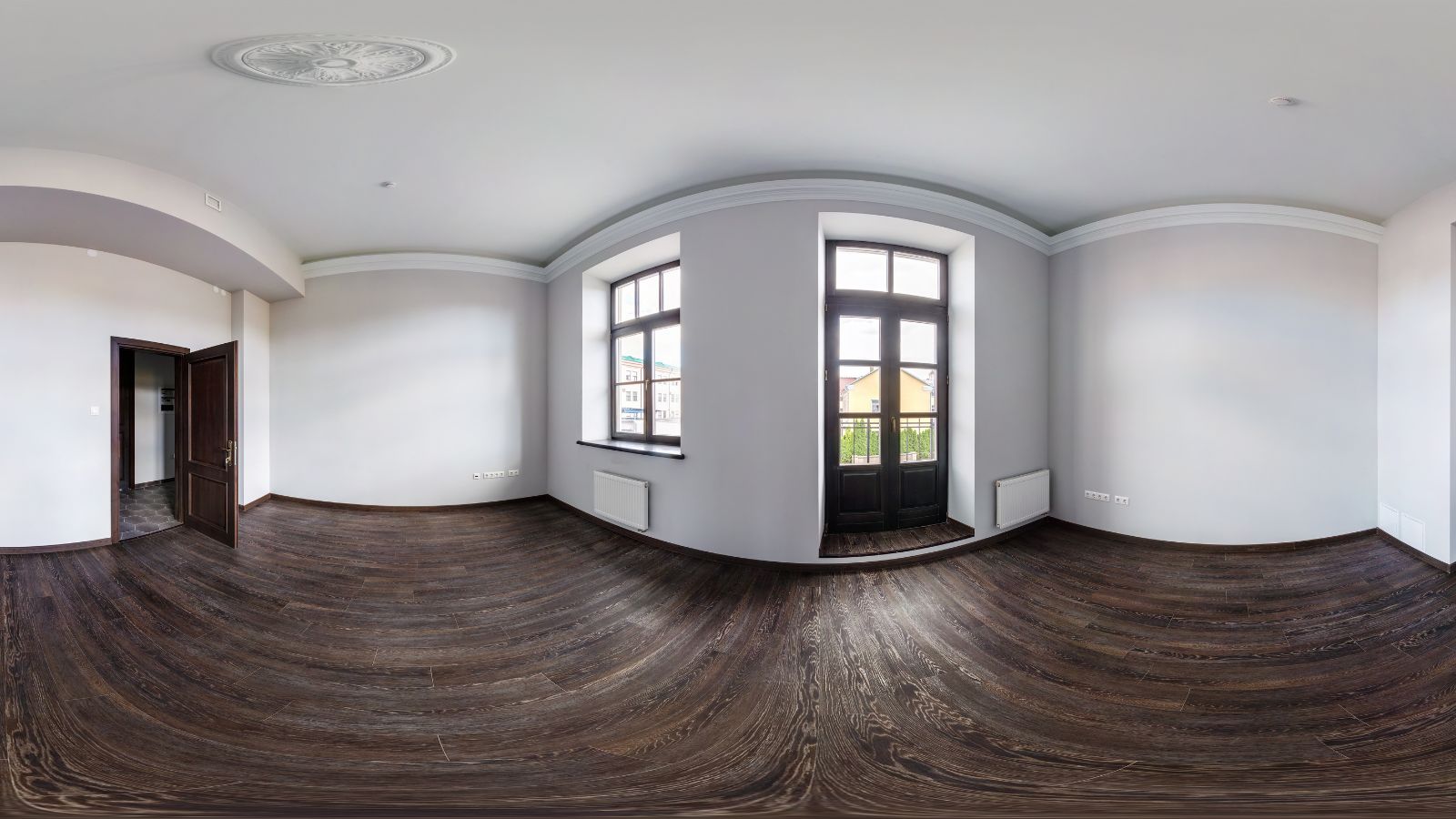
Start with wide photographs of every room after furniture, boxes and personal belongings have been removed. Stand in each doorway and capture the full floor, the opposite walls, the ceiling line and as much of the room as the lens allows. Then take a second image from the opposite corner. These broad views establish that the unit was vacant, show the general level of cleanliness and make later close-ups easier to place in context.
A tight photograph of a scratch can look serious when its location and scale are unclear. A room-wide image solves that problem by showing whether the mark is isolated or part of broader damage. Canadian housing guidance recommends documenting move-in and move-out inspections with photographs or video, while British Columbia’s Residential Tenancy Branch advises taking many images of damage, stains, wear and missing features. Keep the original files, avoid heavy editing and name them by room and date so the record remains easy to understand if questions arise later.
Walls, Paint and Trim
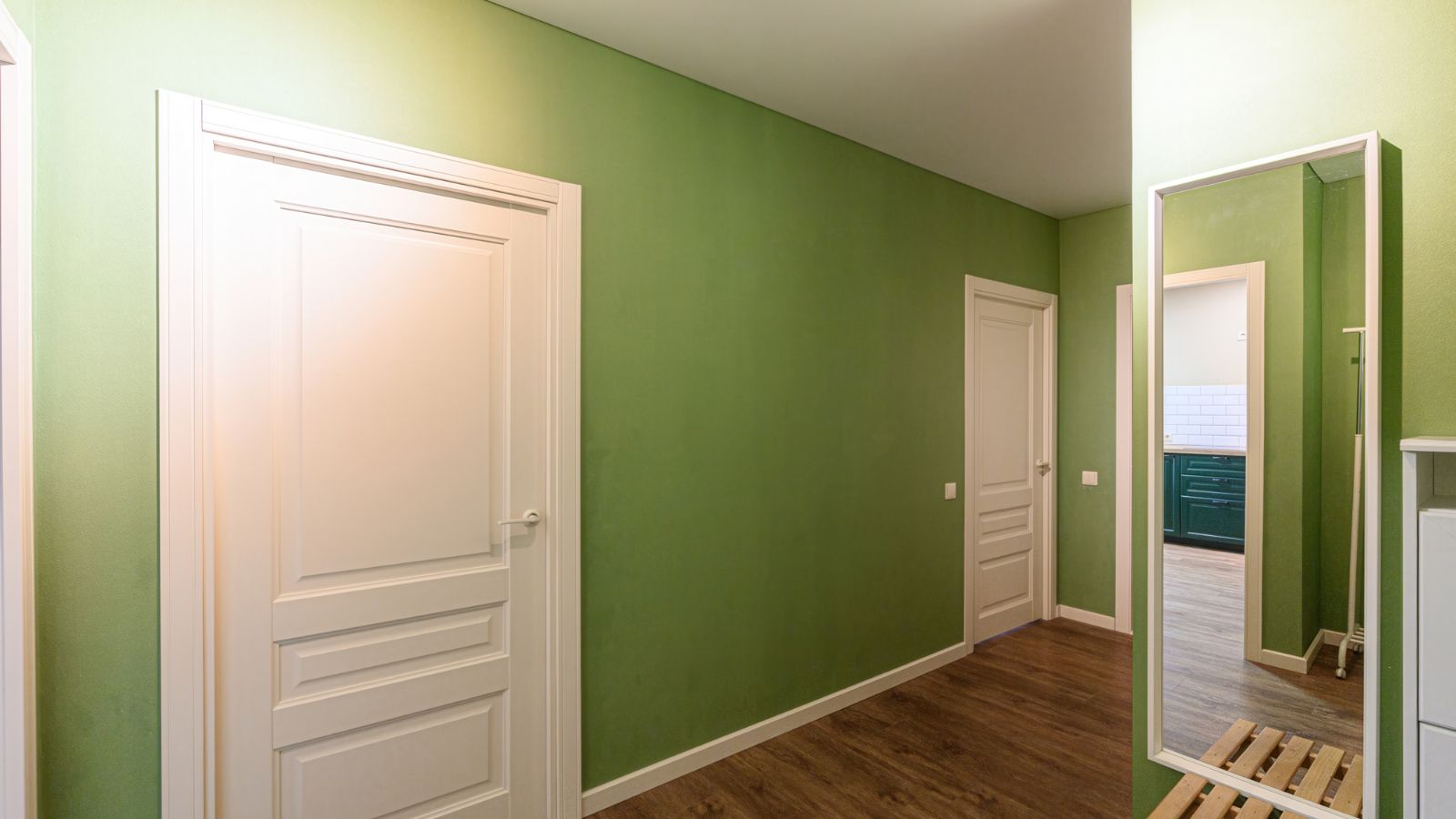
Photograph every wall in even daylight, including baseboards, doorframes, corners and areas that had been hidden by beds, sofas or shelving. Take close-ups of patched nail holes, old cracks, scuffs, peeling paint and any marks that existed before the tenancy. Pair each detail shot with a wider image showing its location. This is especially useful when ordinary aging could be mistaken for fresh damage after the unit is empty.
Normal wear and tenant-caused damage are not the same thing, although the boundary can become disputed. Ontario’s Landlord and Tenant Board gives worn carpet from years of everyday use as an example of normal use, while British Columbia’s current useful-life guideline estimates interior paint at six years. That does not create a universal Canadian rule, but it illustrates why age and prior condition matter. A renter leaving a long-occupied unit should therefore preserve move-in photographs, repair emails and move-out images together rather than relying on a single close-up of a wall.
Floors, Carpets and Thresholds
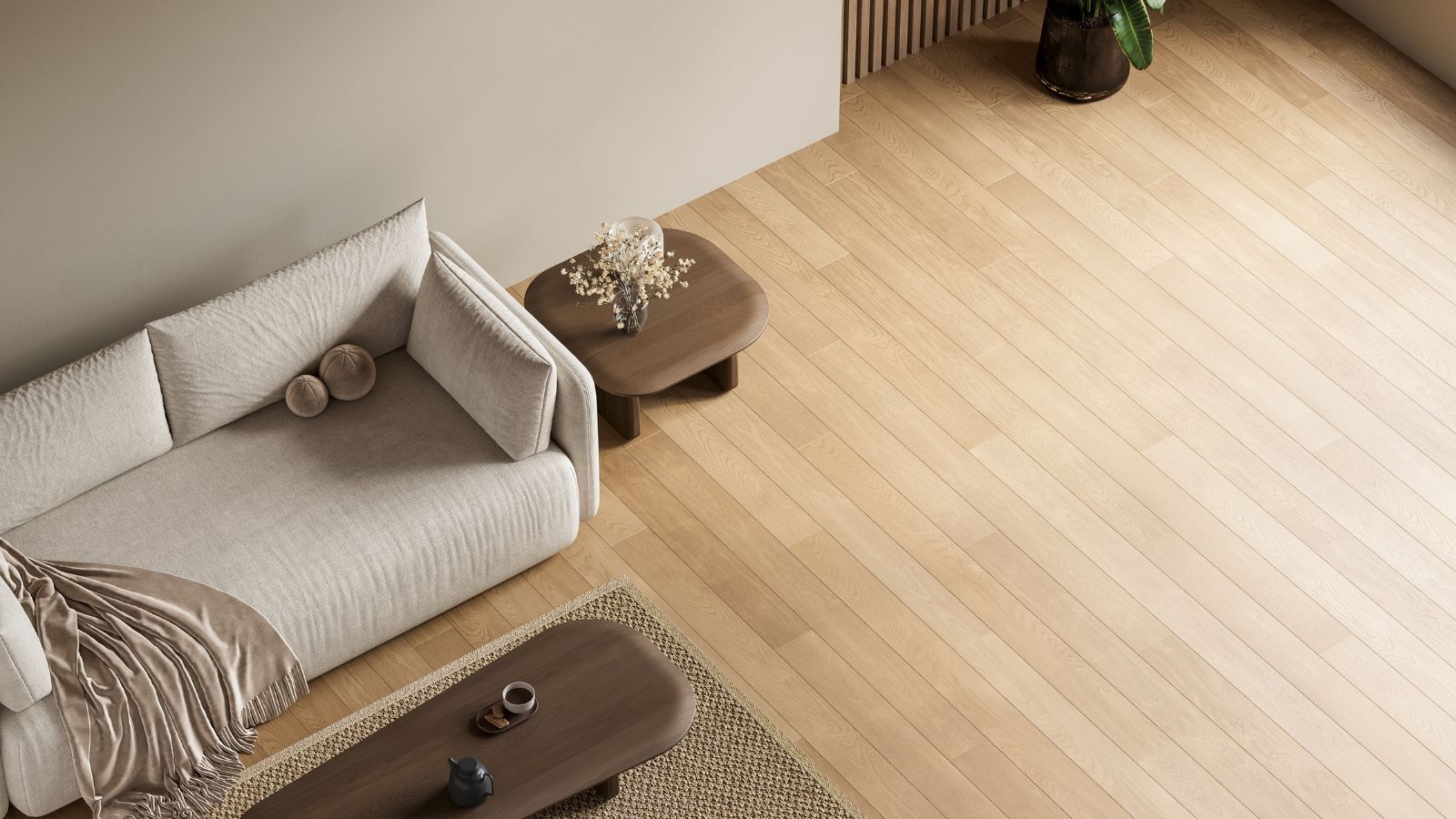
Take photographs of the entire floor in each room, then document high-traffic paths, carpet edges, tile grout, hardwood seams, transitions between rooms and the areas under appliances. Use side lighting when possible because scratches, dents and ripples often disappear under direct overhead light. A coin, ruler or other ordinary object can provide scale beside a small chip or burn, but it should not cover the affected area.
Flooring claims can be expensive because replacement may involve a large continuous surface rather than one small patch. British Columbia’s 2025 useful-life guideline lists estimated service lives of 12 years for carpet, 15 for laminate, 20 for linoleum and 30 for hardwood before replacement, while also warning that actual life varies with quality, installation and maintenance. Those figures are provincial guidance, not national depreciation rules. Still, they demonstrate why clear photographs of wear patterns, material type and the floor’s overall condition are more informative than a dramatic close-up alone.
Ceilings, Corners and Water Stains
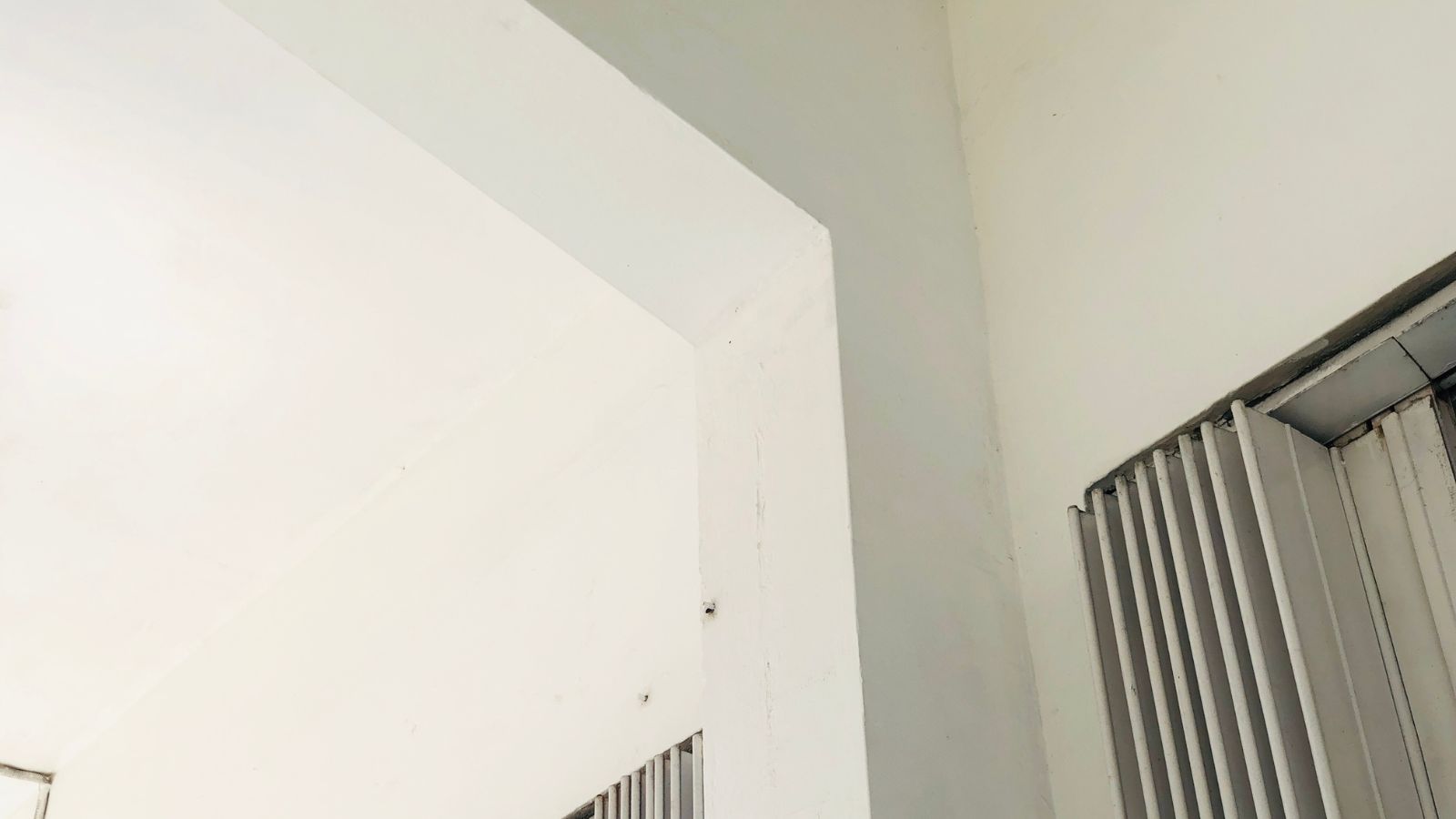
Aim the camera upward before leaving each room. Photograph ceilings, crown moulding, upper corners, sprinkler heads and the areas around bathroom fans or kitchen vents. Give special attention to yellowing, bubbling paint, hairline cracks, mould-like spotting and old water rings. If a stain was previously reported, include a current close-up and a wider photograph showing that it has not spread, along with the earlier maintenance correspondence.
Water damage can originate from roofing, plumbing, condensation or another unit, so a photograph should document condition without pretending to diagnose the cause. British Columbia’s inspection guidance specifically tells landlords and tenants to check ceilings, walls and floors for mould or water damage and to look around windows for leakage. Alberta identifies the building structure, plumbing and supplied systems as usual landlord responsibilities, subject to the lease and circumstances. A dated visual record can therefore help distinguish an unresolved maintenance issue from damage first noticed after possession changed hands.
Windows, Screens, Coverings and Doors

Photograph windows both open and closed, capturing glass, frames, tracks, locks, screens, blinds and curtain hardware. Do the same for interior doors, closet doors, patio doors and the main entrance, including handles, deadbolts and weather stripping. Clean tracks can be surprisingly important in a move-out discussion, so take close-ups after dust, insects and debris have been removed. Show any pre-existing crack, missing slat or bent screen from more than one angle.
Official inspection forms treat these as separate features rather than one general “window” or “door” category. British Columbia’s condition report lists windows, coverings, screens, doors and locks across multiple rooms, and Alberta’s suggested cleaning list includes windows, tracks, closet-door tracks and patio-door tracks. This level of detail reflects how small components can generate separate cleaning or replacement claims. A complete photo set should show function as well as appearance, such as a window staying open securely or a door latching without visible damage.
Landlord-Supplied Appliances

Photograph every appliance supplied with the rental: refrigerator, freezer, stove, oven, cooktop, dishwasher, microwave, range hood, washer and dryer. Capture the exterior, interior, shelves, trays, seals, control panels and serial-number labels where accessible. Take a short video showing lights, fans, burners or basic cycles operating safely, but never perform a test that conflicts with manufacturer instructions. Photograph behind and underneath appliances only when they can be moved without risk.
Cleanliness claims frequently focus on hidden areas. Alberta’s sample move-out cleaning list calls for cleaning in, out, behind and under the refrigerator and stove, as well as the oven, burners and freezer. British Columbia’s inspection guidance also says appliances should be checked for cleanliness and operation. Its useful-life guideline estimates 15 years for refrigerators and ranges, 12 for washers and dryers, and 10 for dishwashers and microwaves. These are B.C. estimates, yet they show why documenting an appliance’s age, condition and performance can matter when replacement costs are discussed.
Kitchen Counters, Cabinets and Sink Area
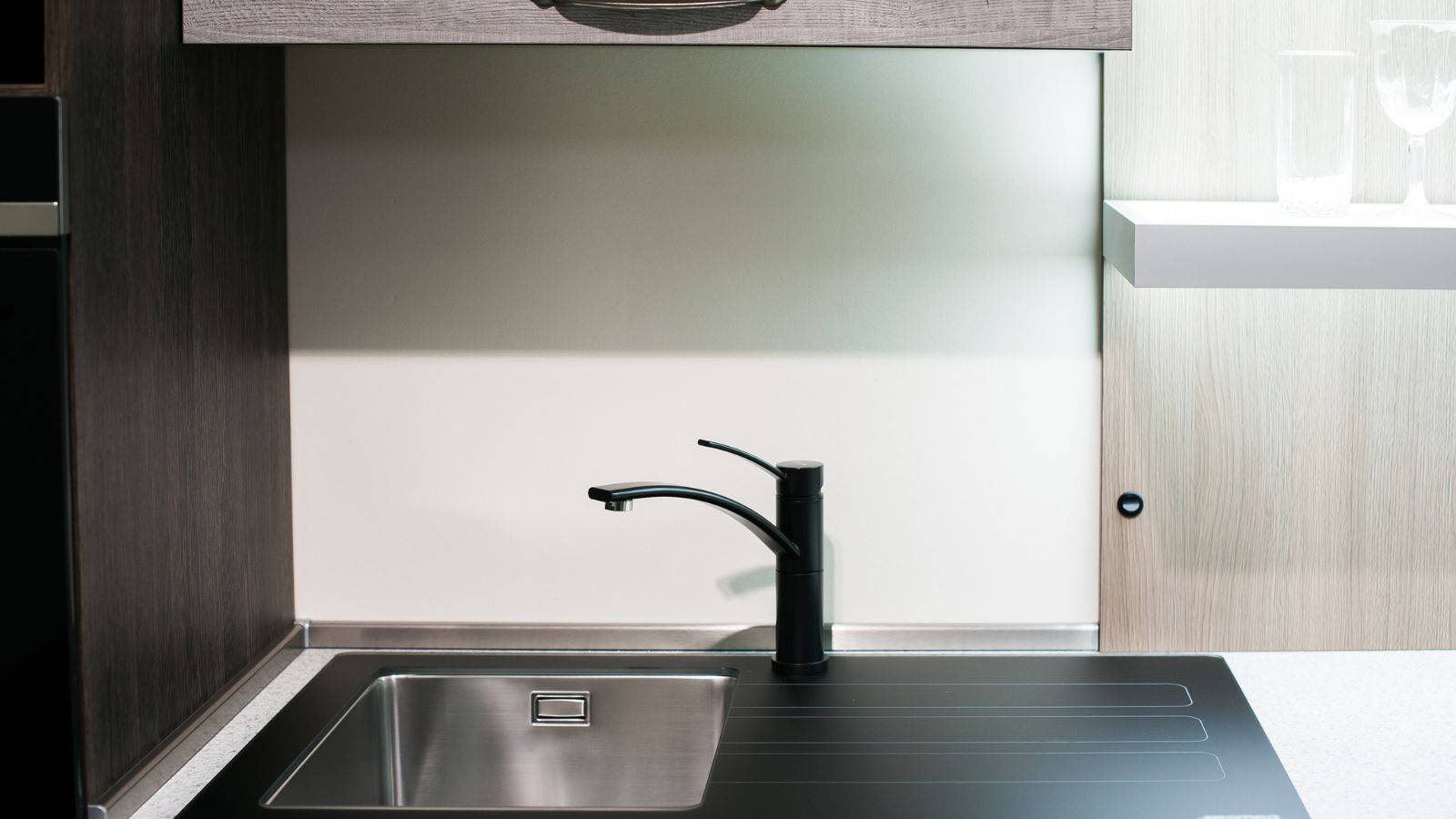
Photograph countertops from above and at a low angle so burns, chips, swelling and knife marks are visible. Open every cabinet and drawer, then capture shelves, hinges, handles and the back corners where crumbs or water damage can hide. Include the backsplash, sink, taps, stopper, caulking and the cabinet directly below the plumbing. A final wide image should show the kitchen as a complete, clean space after all food and personal items have been removed.
Kitchen surfaces have very different expected lifespans and repair options. British Columbia’s useful-life guideline estimates 15 years for laminate or wood countertops, 20 for granite, and 15 to 30 years for kitchen cabinets depending on construction. Its inspection guidance tells parties to check cabinets for cleanliness, stability and water damage, while the provincial condition form separately lists counters, cabinets, sinks and appliances. For renters, that separation is a useful model: photograph each component individually rather than assuming one attractive picture of the kitchen proves every surface was undamaged.
Bathroom Fixtures and Surfaces

Document the bathtub or shower, toilet, sink, vanity, mirror, medicine cabinet, tile, grout, caulking, floor, fan and door. Photograph reflective surfaces at an angle to reveal streaks, chips or cracks, and capture the base of the toilet and tub where staining may be overlooked. Run taps briefly and photograph the basin after drainage to show that it is clear, provided doing so is safe and no known plumbing problem could be worsened.
Bathrooms invite disputes because mineral buildup, worn caulking, mould-like staining and actual breakage can look similar in hurried photographs. Alberta’s suggested cleaning list specifically names the tub, tile, sink, vanity, mirror, medicine cabinet, cupboards and toilet. British Columbia’s condition form also separates the tub or shower, taps, stopper, sink, toilet, mirror, cabinets, fan and outlets. A renter should mirror that detail. One panoramic bathroom image is helpful, but several close-ups create a far stronger record of cleanliness and existing wear.
Plumbing and Under-Sink Spaces
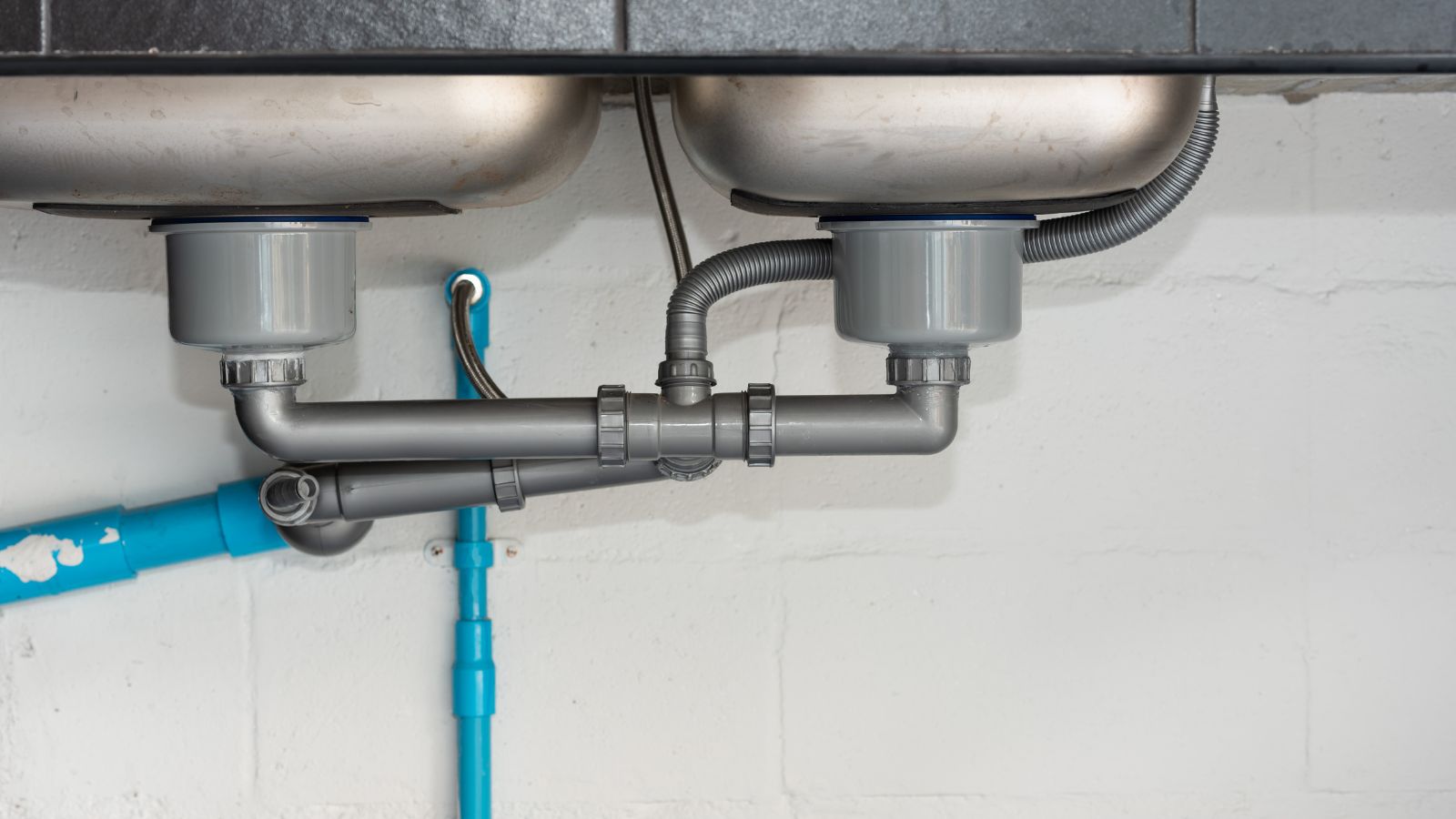
Photograph exposed plumbing under kitchen and bathroom sinks, around the toilet supply line, beside the washing machine and near any accessible water heater. Look for corrosion, swollen cabinet material, old drip marks, buckets, staining or active moisture. If a leak is present, report it promptly rather than simply photographing it. Capture the affected area, the date of the report and any response from the landlord or property manager.
Canadian tenancy rules generally distinguish a landlord’s repair obligations from damage caused by a tenant’s actions or neglect, although the exact law differs by province. Alberta lists plumbing among the items usually maintained by the landlord, and Ontario requires landlord-provided systems to be kept in working order while tenants remain responsible for non-wear damage they cause. British Columbia’s inspection guidance tells parties to test sinks, showers and tubs for leaks and to look for water damage inside cabinets. Photos can preserve what was visible at handover, but written notice helps establish when the problem was reported.
Lights, Fans, Outlets and Safety Alarms
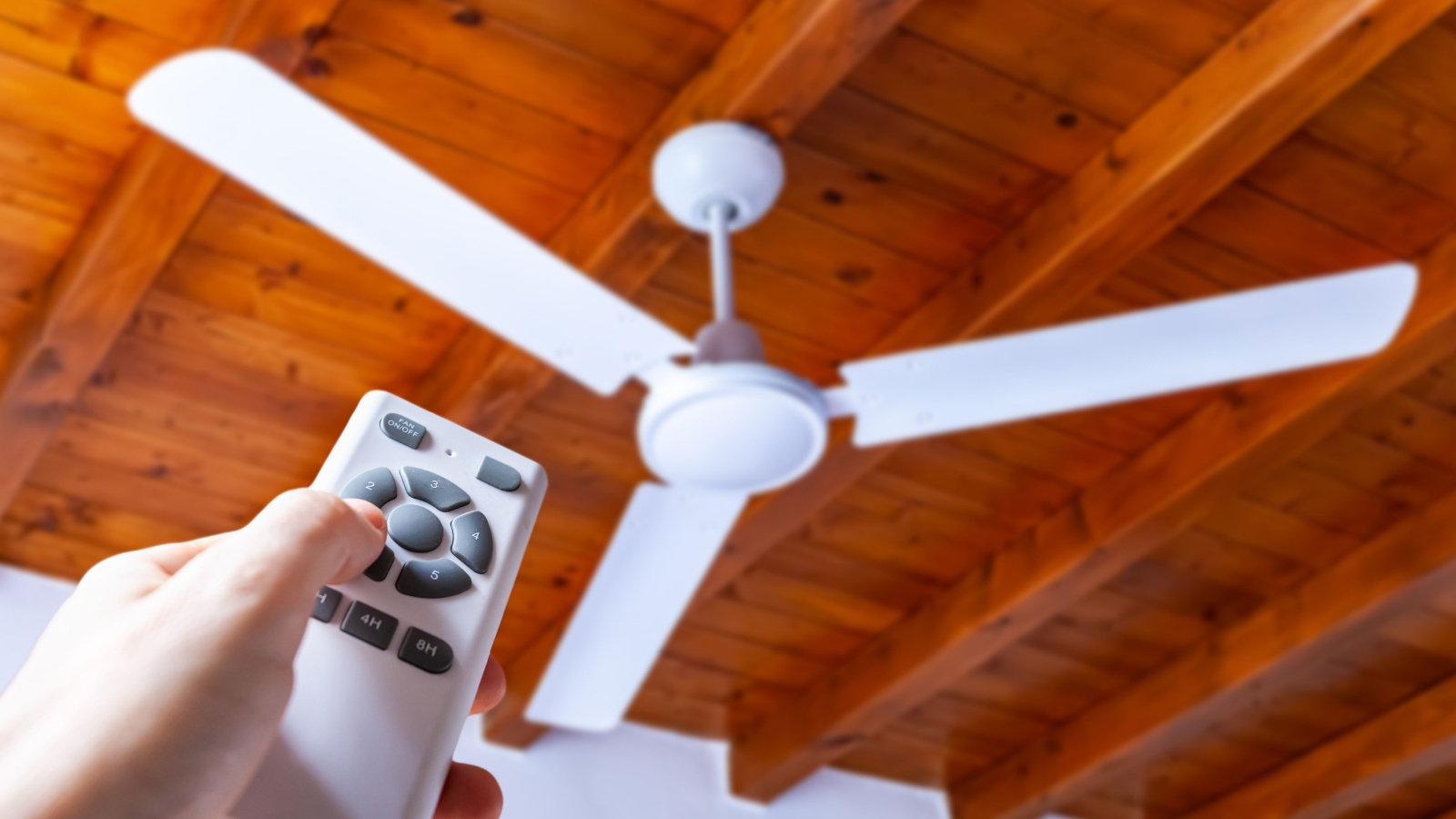
Photograph each light fixture, ceiling fan, bathroom fan, range-hood fan, outlet cover and switch plate. Turn lights on for one image and off for another where practical, showing that shades, covers and bulbs are present. Capture smoke and carbon-monoxide alarms from a respectful distance, including any visible indicator light or damage. Do not remove, open or disable an alarm merely to create a better photograph.
Official checklists repeatedly treat these items as part of the unit’s condition. British Columbia’s inspection guidance asks parties to confirm that ventilation fans and smoke or carbon-monoxide detectors are working, and its condition report lists lighting fixtures, bulbs, fans, electrical outlets and electronic connections. Alberta’s cleaning list calls for dusting fans, vents and light fixtures, replacing burnt-out bulbs and checking the smoke detector. Local fire and tenancy requirements vary, so photographs are not a substitute for required testing or maintenance records; they simply document the visible state at move-out.
Closets, Built-Ins and Provided Furniture

Open every closet, cupboard and built-in storage area before taking photographs. Show shelves, rods, doors, tracks, walls and floors, then capture any landlord-supplied furniture from several angles. Small spaces are easily missed during a rushed walkthrough, especially after movers have stacked boxes nearby. Photographing them empty also proves that no possessions, hangers, food or cleaning products were abandoned.
British Columbia’s inspection guidance specifically tells parties to open cabinets, examine shelves and look for water damage, while its condition report includes closets in entries, living rooms and bedrooms as well as furniture provided by the landlord. This matters because a missing shelf, bent closet track or scratched furnished table can become a separate claim. A useful technique is to take one image with the closet door open and another showing the door closed and aligned. Together, the images show both interior cleanliness and basic operation without requiring lengthy written explanations during a later inspection or dispute.
Balconies, Patios, Yards and Entrances

Photograph any outdoor area included for the tenant’s exclusive use, including balconies, patios, yards, decks, front steps and exterior entrances. Capture the surface, railing, drains, doors, glass, siding and any planters or fixtures supplied with the property. Remove personal items and garbage first. Seasonal conditions matter, so note snow, leaves or rain that may obscure part of the surface rather than presenting an incomplete image as a full inspection.
British Columbia’s guidance specifically includes balconies, patios, yard space, garages and exterior areas in condition reporting. Its official form also lists patio or balcony doors, garbage containers, glass, frames, siding, grounds and walks. Ontario’s maintenance brochure similarly identifies patios, walkways and common-area structures among landlord-maintained features, while tenants remain responsible for damage they cause beyond normal use. An example is a weathered deck board versus a fresh gouge from moving furniture: wide and close photographs can help show the difference clearly and fairly.

Photograph the numbered parking stall, garage bay, storage locker and any other space assigned exclusively under the lease. Include walls, floor, door, lock, shelving, oil stains and the stall or locker number. If shared laundry equipment or another shared facility is part of the tenancy agreement, photograph only the relevant condition and avoid capturing identifiable neighbours or their belongings. The goal is evidence, not surveillance.
British Columbia’s inspection guidance recommends checking parking, storage and shared laundry, and its condition form contains separate categories for utility rooms, garages, parking areas and storage. Ontario’s Landlord and Tenant Board notes that damage responsibility can extend to common areas such as hallways, elevators, stairways, driveways and parking areas. A renter who used a locker for three years, for example, should show that it was emptied and left without new holes or debris. A clear stall number in the frame prevents later confusion about which space was documented.
Final Cleaning and Garbage Removal

After the last sweep, photograph the cleaned unit room by room, including corners, baseboards, appliance interiors, cabinet shelves, window tracks and bathroom surfaces. Also capture empty garbage and recycling areas assigned to the unit, provided photographs can be taken without including other residents’ personal information. Receipts from a professional cleaner may support the record, but photographs show what the premises actually looked like after the work was completed.
Cleaning standards vary by lease and province. Ontario describes the tenant’s duty as ordinary or normal cleanliness, while Alberta ties deposit return to proper cleaning when the tenancy agreement requires it. Alberta’s sample list includes walls, floors, carpets, windows, cupboards, fixtures, vents, appliances and bathrooms. These examples show why a single photograph of a sparkling countertop is not enough. A practical sequence is to photograph from top to bottom in every room, then repeat the wide doorway shot so the final images form a coherent record rather than a random collection of close-ups.
Keys, Fobs and Remote Controls

Arrange all building keys, unit keys, mailbox keys, storage keys, parking fobs and garage remotes in one clearly labelled photograph before handover. A second image can show them being placed in an agreed envelope or beside a written receipt, without exposing security codes. Where possible, obtain written confirmation listing how many of each item were returned and the date possession ended.
British Columbia’s official condition report includes a dedicated “Keys and Controls” section that records the number issued at the beginning and returned at the end, including building-entry keys, unit locks, deadbolts and parking remotes. Manitoba Hydro also connects a renter’s utility responsibility to the period from receiving keys until returning them to the landlord or manager. This makes the handover date more than a symbolic moment. A photograph alone may not prove the landlord received the items, but combined with a signed receipt, email or inspection report, it helps create a clear chain of events.
Final Utility Meter Readings
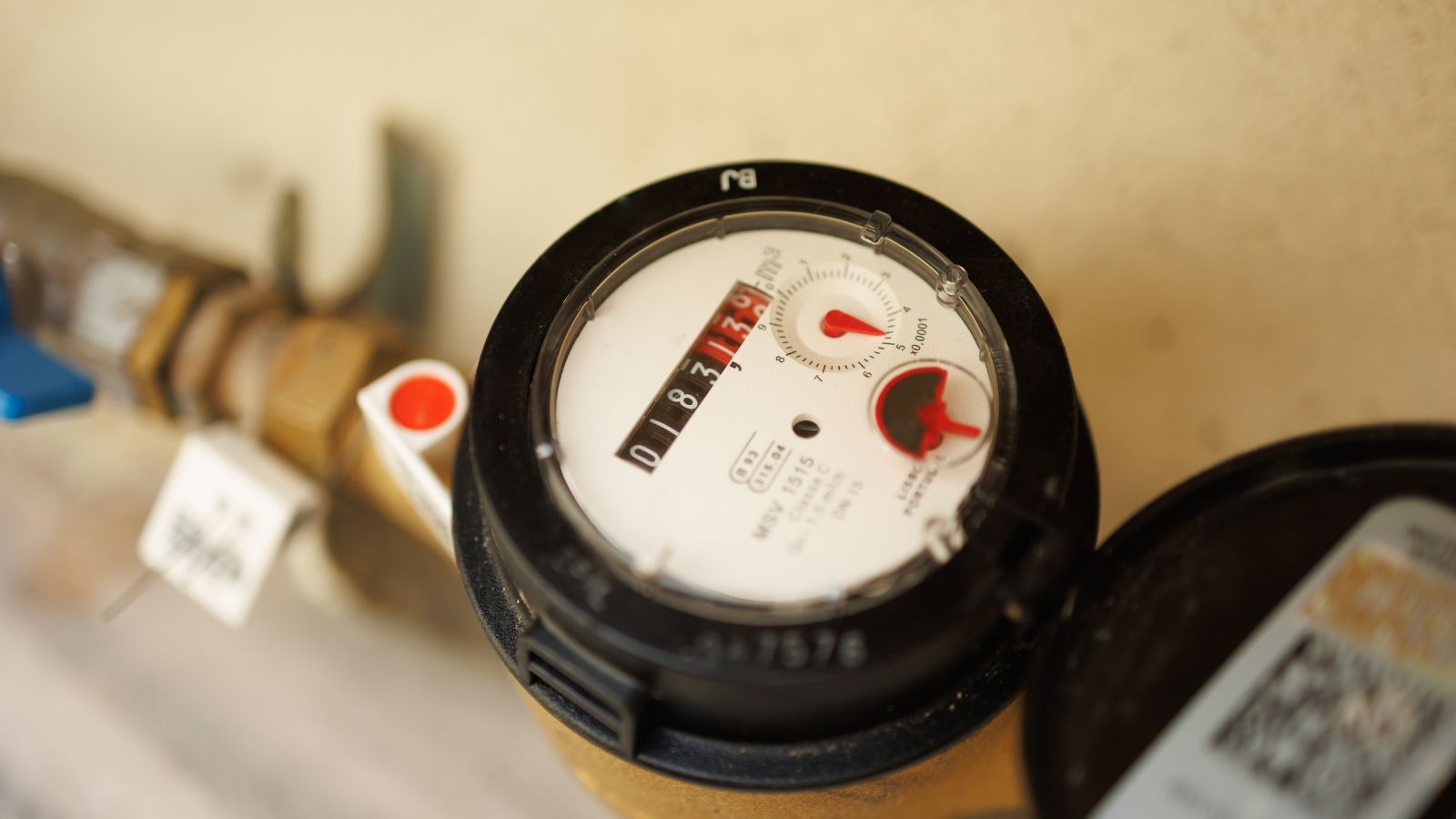
Where the renter is responsible for metered electricity, natural gas or water and has lawful access to the meter, photograph the final reading on the last day of possession. Include the full display and meter number in separate images, then submit the reading through the utility’s approved process. Do not enter locked mechanical rooms or touch equipment that is not intended for customer access; building management may need to provide the reading.
Manitoba Hydro instructs customers moving in or out to submit initial or final readings on moving day and asks renters to gather the meter number and move-out reading. It also states that billing responsibility for a rental generally runs from the day keys are received until the day they are returned. This is a useful Canadian example of why the reading, possession date and key handover should align. A meter photograph is not the submission itself, but it can preserve the number displayed if the final bill later appears inconsistent.
Signed Inspection Report and Disputed Areas

Photograph or scan the completed move-out inspection report immediately after it is signed, including every page, handwritten comment and attachment. If the landlord records a condition the renter disputes, photograph that exact feature before leaving and ensure the disagreement is written on the report where provincial procedure allows. Save related emails, repair requests, receipts and move-in records in the same folder.
The inspection report remains the backbone of the evidence package. CMHC advises comparing each room with the initial inspection and using photographs or video to document both stages. British Columbia tells parties to complete the inspection together, allows tenants to record disagreement, and recognizes condition reports, correspondence, receipts, photographs and videos as possible dispute evidence. Its evidence guidance recommends chronological organization and descriptive filenames. A folder named “Bedroom-wall-north-2026-07-31,” for example, is more useful than an unexplained file called “IMG_4832,” especially when a disagreement surfaces many months after the move.
19 Things Canadians Don’t Realize the CRA Can See About Their Online Income

Earning money online feels simple and informal for many Canadians. Freelancing, selling products, and digital services often start as side projects. The problem appears at tax time. Many people underestimate how much information the CRA can access. Online platforms, banks, and payment processors create detailed records automatically. These records do not disappear once money hits an account. Small gaps in reporting add up quickly.
Here are 19 things Canadians don’t realize the CRA can see about their online income.
This Options Discord Chat is The Real Deal
While the internet is scoured with trading chat rooms, many of which even charge upwards of thousands of dollars to join, this smaller options trading discord chatroom is the real deal and actually providing valuable trade setups, education, and community without the noise and spam of the larger more expensive rooms. With a incredibly low-cost monthly fee, Options Trading Club (click here to see their reviews) requires an application to join ensuring that every member is dedicated and serious about taking their trading to the next level. If you are looking for a change in your trading strategies, then click here to apply for a membership.