35,000+ smart investors are already getting financial news, market signals, and macro shifts in the economy that could impact their money next with our FREE weekly newsletter. Get ahead of what the crowd finds out too late. Click Here to Subscribe for FREE.
A road trip can feel affordable while the car is moving, especially when the early budget covers little more than fuel and a place to sleep. The trouble arrives later, when small charges from parking apps, toll systems, restaurants, booking platforms, and card issuers gather on one statement. Some are optional; others are unavoidable costs of distance, vehicle use, or crossing provincial and international borders.
These 19 frequently forgotten road-trip costs show why the final total can exceed the dashboard estimate. They range from ferry reservations and hotel levies to tire damage, mobile roaming, public charging, and interest—expenses that rarely look dramatic alone but can reshape a Canadian family’s travel budget when combined.
Fuel That Outruns the Estimate
19 Road Trip Costs Canadians Forget Until the Credit Card Bill Arrives
- Fuel That Outruns the Estimate
- Toll Roads and Transponder Charges
- Ferry Fares and Reservation Penalties
- Parking That Multiplies by the Hour
- Hotel Taxes, Destination Fees, and Card Holds
- Convenience-Store Meals and Coffee Stops
- Camping Reservations and Site Extras
- The Costs Outside Park Admission
- Roaming and Mobile Data Charges
- Foreign-Currency Conversion Fees
- Rental-Car Surcharges
- Rental-Car Damage Coverage
- Pre-Trip Maintenance
- Tire Repairs and Replacements
- Breakdowns, Towing, and Roadside Help
- Out-of-Province Medical Gaps
- Public EV Charging and Idle Fees
- Depreciation and Vehicle Wear
- Credit-Card Interest and Cash Advances
- 19 Things Canadians Don’t Realize the CRA Can See About Their Online Income
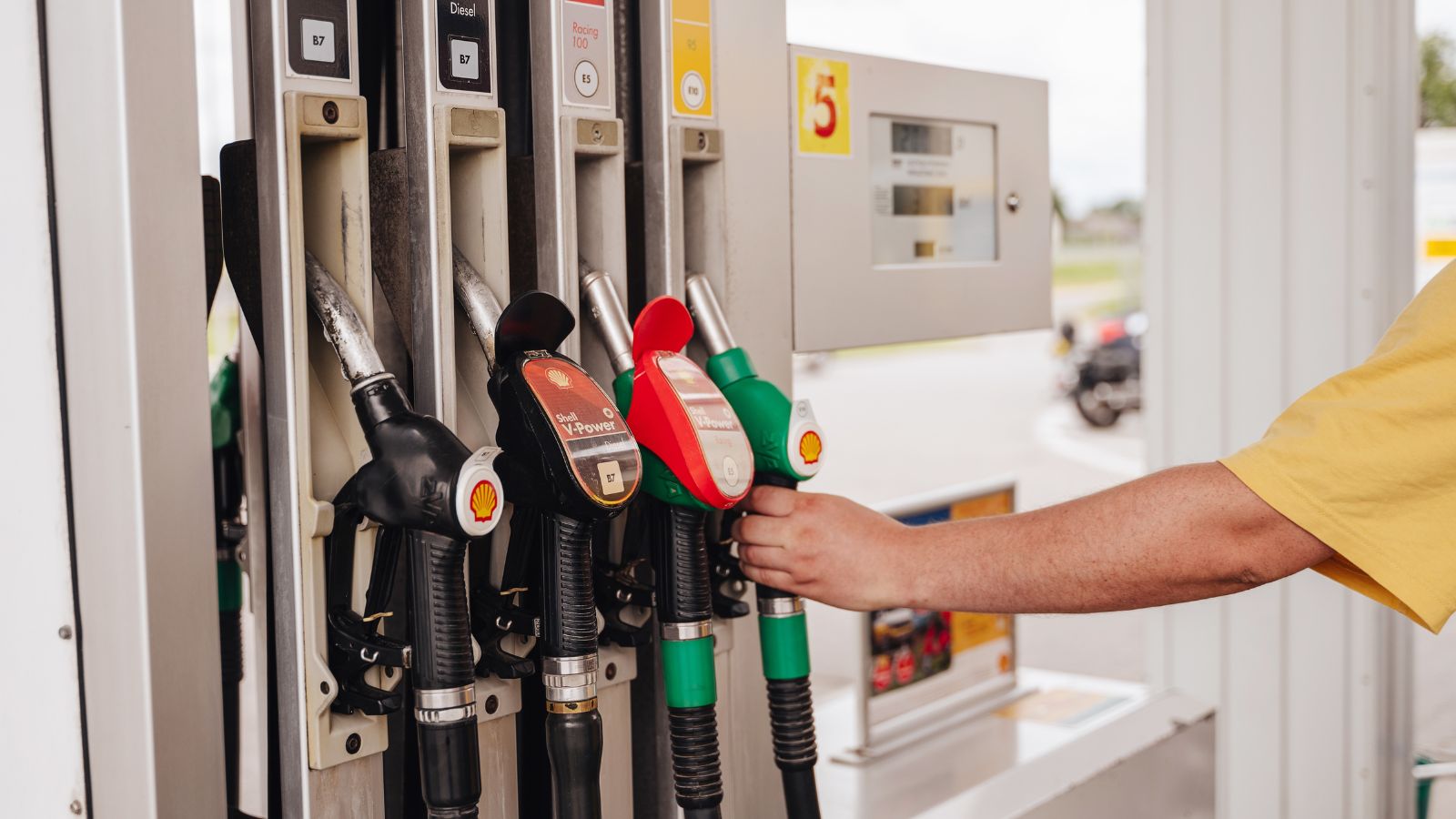
Fuel is usually the first road-trip expense Canadians estimate, yet it is also one of the easiest to underestimate. Pump prices differ by city and province, and a route that crosses several regions can expose a driver to noticeably different tax structures and retail prices. Statistics Canada publishes monthly averages by location precisely because one national figure cannot describe every fill-up. A few cents per litre becomes meaningful once a vehicle needs several tanks.
The original estimate can also collapse when mileage is based on ideal conditions. Roof boxes, heavy luggage, mountain grades, congestion, detours, air conditioning, and aggressive acceleration all increase consumption. A family expecting two fill-ups may return home with four or five fuel transactions scattered across the statement. A safer budget uses the vehicle’s real recent fuel economy, the complete round-trip distance, and a reserve for unplanned kilometres rather than relying on the advertised highway rating alone.
Toll Roads and Transponder Charges
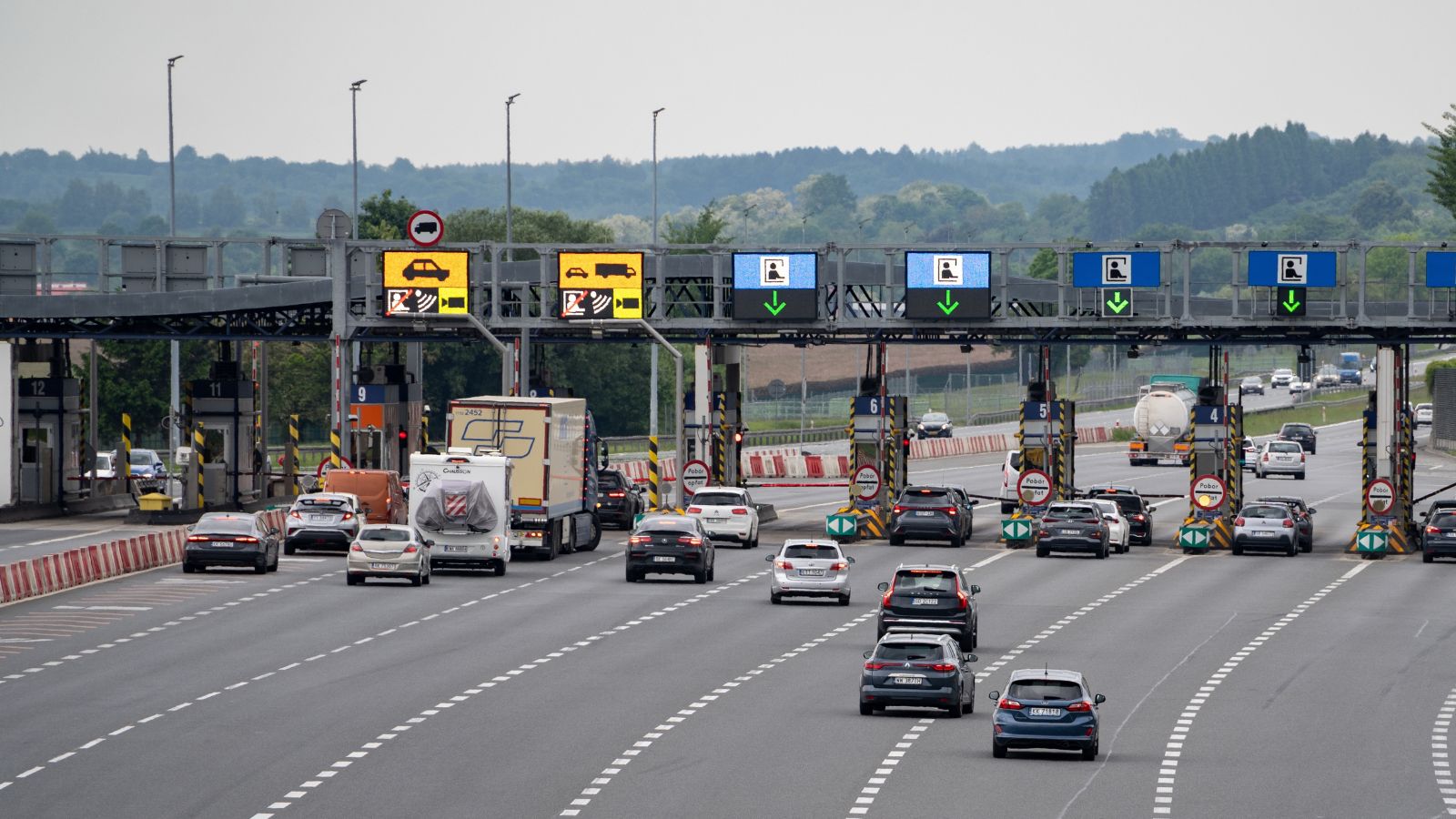
A route can look free on a mapping app until it quietly includes a tolled expressway, bridge, or tunnel. Ontario’s Highway 407 ETR is a strong example: light-vehicle rates vary by zone and time, and some peak rates exceed 80 cents per kilometre. The final invoice can also include account, camera, or transponder-related charges, depending on how the road is used and billed.
These costs are easy to miss because payment does not happen at a booth. A gantry records the licence plate, the trip continues without interruption, and the charge appears later. Visitors using a rental vehicle may face another administrative fee from the rental company when it processes the toll. Before departure, drivers should compare the fastest route with a toll-free alternative, check whether a transponder is available, and calculate both directions. Saving 20 minutes can be worthwhile, but it should be a purchase rather than a surprise.
Ferry Fares and Reservation Penalties

In coastal and island regions, the highway may end at a ferry terminal, turning a simple driving plan into a vehicle fare, passenger fares, and a reservation charge. BC Ferries, for example, sells several fare types, and the price can change with route, sailing, vehicle size, and booking conditions. On some routes, a reservation-only option adds a separate fee before the vehicle and driver fares are paid.
Schedule changes can create another cost. BC Ferries’ published policies include cancellation and no-show deductions that vary by fare and timing, while some reservation fees are non-refundable. A late arrival may therefore mean losing the booking and purchasing another sailing, plus meals or accommodation while waiting. Road-trip budgets should treat ferries as transportation events, not ordinary road kilometres. Confirm the total for every passenger, both directions, reservation terms, vehicle height, and check-in deadline before locking in hotels or activities on the other side.
Parking That Multiplies by the Hour

Parking rarely appears in the headline price of a road trip, but it can become a daily charge at hotels, attractions, beaches, hospitals, and downtown restaurants. A traveller may pay for a hotel room and still discover that the attached garage is operated separately. Moving the car between stops can trigger minimum charges in one day, even when each visit lasts less than an hour.
The problem is repetition, not one expensive meter. A two-night city stay can include hotel parking, an attraction lot, evening street parking, and a second fee after the meter expires. Canadian cities manage tens of thousands of paid spaces, and rates differ by location and time. Drivers should check overnight privileges, in-and-out rules, event pricing, app service charges, and the risk of tickets or towing. Sometimes a hotel farther from downtown with included parking is cheaper overall than a discounted central room with a garage.
Hotel Taxes, Destination Fees, and Card Holds

The room rate shown during a hotel search is often only the starting point. Stays may include GST or HST, provincial sales tax, municipal or regional accommodation levies, destination marketing fees, and property-specific charges. Destination Vancouver has illustrated how combined hotel-related taxes and fees can reach 20 percent of the room rate in that market, although the mix varies by location and property.
Hotels may also place a security hold on a credit card for incidentals. That hold is not a final charge, but it reduces available credit during the trip and can become stressful when fuel, meals, and emergencies are using the same card. Parking, pet fees, breakfast, resort amenities, and late checkout can widen the gap. Travellers should compare the final checkout total, not the search-page rate, and ask how much will be authorized at arrival. A “$189 room” can affect the card like a much larger purchase.
Convenience-Store Meals and Coffee Stops

Road-trip food spending often begins with a reasonable meal budget and then leaks through small, repeated stops. Coffee, bottled drinks, ice, chips, bakery items, drive-through breakfasts, and treats for children may each look minor. Across several travel days, however, four people making two convenience stops daily can create dozens of transactions before restaurant meals are counted. The credit card statement reveals the pattern more clearly than the dashboard cup holders do.
Statistics Canada reported that Canadian households spent an average of $3,351 on food purchased from restaurants in 2023, showing how dining away from home already occupies a meaningful household category. Travel adds captive locations, limited choices, and impulse buying. Packing water, fruit, sandwiches, and a refillable coffee option can reduce spending without turning the trip into deprivation. A separate daily snack allowance also helps distinguish planned treats from automatic purchases made whenever the vehicle stops for fuel or rest.
Camping Reservations and Site Extras

Camping can feel like the economical alternative to a hotel, yet the campsite price rarely represents the stay. Reservation fees, firewood, showers, electrical service, extra vehicles, dump stations, equipment rentals, and local permits may all be separate. Parks Canada states that camping fees are charged by night and vary by park, campground, and service type, while reservation fees are charged in addition to the site itself.
Promotional periods need scrutiny. During the 2026 Canada Strong Pass period, Parks Canada offered free admission and a 25 percent discount on camping and overnight stays, but reservation fees, parking, firewood, permits, and activities remained chargeable. A family arriving without supplies may also pay high prices at a campground store. Before choosing camping to save money, travellers should total the site, booking fee, equipment, food storage, fuel for side trips, and backup. One rainy night in a last-minute motel can erase the expected savings.
The Costs Outside Park Admission

Free or discounted park admission does not mean a cost-free day. Parking, shuttles, guided programs, hot springs, boat launches, fishing licences, equipment rentals, and food concessions can sit outside the entrance fee. Parks Canada explicitly listed several exclusions from its 2026 free-admission offer, including parking, permits, firewood, guided activities, and third-party services. The distinction matters when a family builds an itinerary around “free” destinations.
Attractions beyond national parks use similar layers. A museum may charge for special exhibitions, a historic site may sell tours separately, and a scenic area may require a reservation or shuttle. People tend to budget the visible ticket and treat everything else as incidental, but incidental spending multiplies across a week. A realistic plan checks what admission includes, whether parking is timed, and which experiences require advance booking. Setting a daily activity budget also prevents a spontaneous upgrade at every stop from becoming a post-trip expense.
Roaming and Mobile Data Charges

Crossing into the United States can turn a Canadian phone into a daily travel expense the moment it connects to a foreign network. The CRTC reported that Canadian roaming options often use flat daily fees of roughly $10 to $16, regardless of light usage. A week-long trip with several phones can add hundreds even when most navigation and messaging happens over Wi-Fi.
Canada’s Wireless Code limits data roaming charges to $100 per billing cycle unless the account holder agrees to more, but that protection is not free roaming. Daily passes, calls, texts, and usage rules still depend on the plan. Families should confirm whether each device activates a fee, whether billing follows calendar days or 24-hour periods, and whether connected watches or tablets are included. Downloaded maps, disabled background data, an eligible Canada–U.S. plan, or a local eSIM can be cheaper than discovering automatic roaming days on the next bill.
Foreign-Currency Conversion Fees

A cross-border road trip creates a second price for every purchase: the amount after currency conversion. Exchange-rate movement is only part of the cost. The Financial Consumer Agency of Canada gives an example in which a card agreement applies a 2.5 percent foreign-currency conversion charge. On a converted $1,450 purchase, that fee alone is $36.25, before considering whether the merchant offered an unfavourable conversion.
The problem grows through repetition. Fuel, hotels, meals, attractions, and shopping may each be converted separately, making the premium difficult to notice while travelling. Merchants may also offer to charge in Canadian dollars, but that convenience can include a rate set by the merchant or payment processor. Travellers should check their card agreement, compare no-foreign-transaction-fee options, and choose the local currency when the card issuer provides the conversion. A trip that appears on budget in U.S. dollars can look very different when the Canadian statement settles.
Rental-Car Surcharges

Rental-car searches emphasize the daily base rate, yet mandatory fees can substantially change the final total. The Competition Bureau has documented cases in which non-optional charges made advertised rental prices unattainable. Its review of industry enforcement found that added mandatory fees could increase represented rates by wide percentages depending on the company, location, and vehicle type. The lesson remains relevant even when booking platforms show inclusive totals.
Airport concession fees, facility charges, licensing recovery fees, taxes, extra drivers, young-driver charges, one-way returns, child seats, and prepaid fuel can all alter the quote. A bargain rate may also include a low kilometre allowance or strict cancellation terms. Travellers should proceed to the payment screen, read the rate rules, and save the total. Comparing an airport branch with a neighbourhood location can reveal differences. The cheapest headline rate is not necessarily the cheapest car once every compulsory and optional line is added.
Rental-Car Damage Coverage

The rental counter presents damage protection after a traveller has waited in line, handled luggage, and committed to the itinerary. That timing encourages a rushed decision. Insurance Bureau of Canada notes that personal auto insurance may cover a rental only when the policy includes optional protection. Credit-card benefits may provide another route, but eligibility can depend on paying for the rental with that card and declining the agency’s waiver.
Without collision or loss-damage protection, the renter may be responsible for theft or physical damage, even though the rental vehicle carries legally required liability insurance. Coverage also has exclusions involving vehicle type, rental length, territory, drivers, and off-road use. Buying duplicate protection wastes money; assuming protection exists can be far more expensive. Before departure, travellers should obtain written details from the insurer and card issuer, note the deductible and exclusions, and confirm who covers loss-of-use or administrative charges after a claim.
Pre-Trip Maintenance

A road trip can bring forward maintenance that commuting allowed drivers to postpone. Oil changes, brake service, coolant, wiper blades, batteries, belts, and air-conditioning repairs often become urgent when a vehicle is expected to cover long distances in heat or heavy rain. The bill feels trip-related because the work is triggered by departure, even though the vehicle needed it soon.
Skipping the inspection does not eliminate the cost; it shifts the risk to a more expensive location. A worn battery that fails at home can be replaced on schedule, while the same failure at a remote stop may involve towing, emergency labour, and a lost hotel night. CAA’s maintenance guidance emphasizes tire pressure, wipers, and other checks, and its driving-cost tools classify maintenance as an ongoing ownership expense. A pre-trip inspection budget is therefore not wasted money. It is a way to replace uncertainty with a planned, locally priced repair.
Tire Repairs and Replacements

Tires absorb heat, potholes, gravel, construction debris, and long highway hours, creating unexpected road-trip spending. Pressure changes with temperature, and CAA Atlantic notes that an increase of 5°C to 6°C can raise tire pressure by one PSI. Incorrect inflation affects wear, traction, handling, and fuel economy, while a damaged sidewall may require replacement rather than a simple plug.
The surprise becomes larger when the vehicle uses an uncommon size, run-flat design, or all-wheel-drive system that may require matched tread depths. A remote shop may have only one premium replacement available, and a temporary spare can restrict speed and distance. Before leaving, drivers should inspect tread, sidewalls, valve stems, and the spare, then confirm that the jack and wheel-lock key are present. A portable inflator and repair kit may solve a minor puncture, but they cannot rescue tires. Building a tire reserve avoids charging an emergency purchase at the worst moment.
Breakdowns, Towing, and Roadside Help

A breakdown creates more than a repair bill. Towing distance, after-hours service, diagnostic fees, rideshares, meals, and an unplanned hotel accumulate while passengers wait for a shop to open. Memberships reduce some costs, but coverage is not unlimited. Plans differ by towing distance, number of calls, vehicle eligibility, and whether trailers, motorcycles, or recreational vehicles are included. The cheapest membership may not match a remote itinerary.
Drivers should also understand what their automaker, credit card, insurer, or new-car warranty provides. Duplicate programs add annual fees without improving response. On the other hand, discovering that a plan covers only a short tow can be painful when the nearest repair facility is far away. Before departure, travellers should save assistance numbers offline, verify coverage territory, and identify repair options along remote stretches. A modest emergency fund should cover the expenses that begin after the tow truck arrives, not merely the tow itself.
Out-of-Province Medical Gaps

Canadians travelling within the country often assume a provincial health card covers all emergency expenses. Health Canada confirms that emergency hospital and physician services remain covered during travel outside the home province, but services such as prescription drugs and ambulances may not be covered. Those gaps matter on a road trip, where an injury can require transport, medication, mobility aids, or a return journey that public insurance does not pay.
Crossing the U.S. border increases the exposure. Provincial plans generally reimburse only some emergency costs based on what the home province would have paid in Canada, leaving the traveller responsible for the balance. Travel insurance therefore belongs in a road-trip budget, not only an airline itinerary. Policies should be checked for pre-existing-condition rules, trip length, deductibles, vehicle-related exclusions, and emergency-assistance procedures. The premium may feel unnecessary until one medical event creates a charge larger than every other trip expense combined.
Public EV Charging and Idle Fees
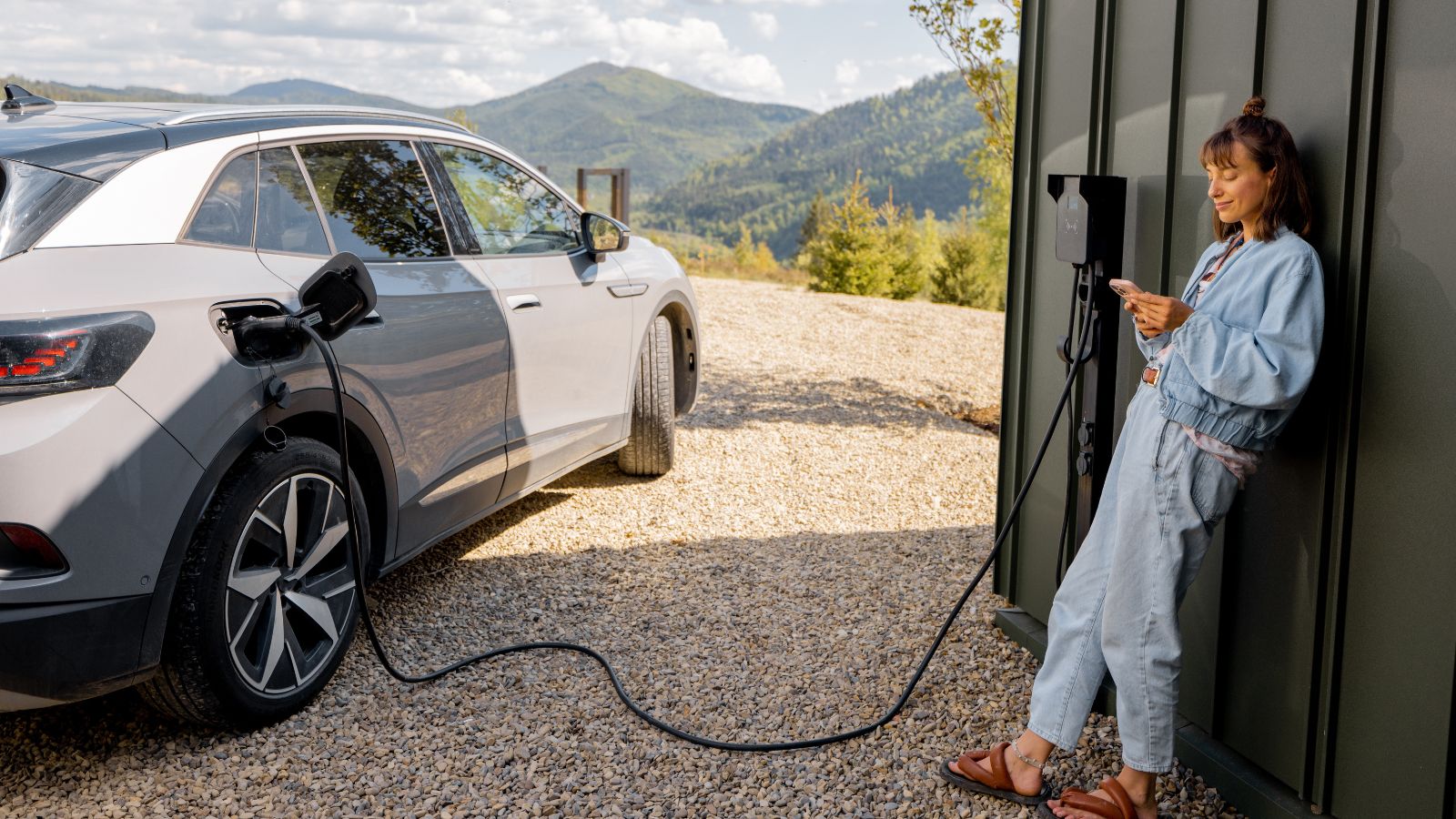
Electric vehicles remove gasoline from the budget, but public charging is not free or uniform. Networks may bill by kilowatt-hour, minute, hour, or session, and fast charging generally costs more than slower destination charging. ChargeHub reports Canadian Level 2 prices often range from $1 to $3 per hour and notes that fast-charging sessions cost more, depending on power, network, and location.
Extra charges can appear when a station requires activation, paid parking, or an idle fee after charging ends. Drivers leaving the vehicle plugged in during dinner may pay for energy, parking, and post-charge occupancy. Cold weather, highway speed, headwinds, elevation, and a roof box can also increase charging stops. EV travellers should map backup stations, examine each network’s pricing, and stop charging when the added range no longer justifies the slower final portion. The surprise is rarely one session; it is several differently priced sessions across multiple charging-network apps.
Depreciation and Vehicle Wear

The credit card records fuel and repairs, but it does not show the vehicle value consumed by the trip. Every kilometre contributes to tire wear, oil and fluid intervals, brake use, and resale mileage. CAA’s Driving Costs Calculator treats maintenance and depreciation as ownership costs and explains that depreciation varies with kilometres, condition, trim, and the market. Those costs remain invisible until service or sale.
This does not mean every vacation needs a depreciation invoice. It means comparing a road trip with flights, trains, or a rental requires more than gasoline. A 4,000-kilometre journey may bring the next oil change forward, consume a share of tire life, and push a leased vehicle closer to its kilometre allowance. Families who drive frequently can create a per-kilometre vehicle reserve for maintenance and replacement. The money will not appear as one charge, but ignoring it makes driving appear cheaper than it truly is.
Credit-Card Interest and Cash Advances

The last forgotten road-trip cost may arrive after unpacking: interest. Credit-card purchases may remain interest-free when the statement balance is paid by the due date, but a trip that exceeds available cash turns fuel, hotels, and meals into borrowed expenses. The Financial Consumer Agency of Canada notes that cash advances have no interest-free grace period and commonly carry a higher rate than ordinary purchases.
That distinction matters when travellers withdraw cash from a credit card at an ATM, use certain credit-card cheques, or rely on an advance during emergencies. Interest begins immediately and may be joined by a transaction fee. Carrying a trip balance makes each purchase cost more over time, long after the memories fade. A budget includes a repayment plan before departure, preserves emergency credit, and avoids treating the minimum payment as affordability. The statement total is not the final cost when borrowing charges continue into later months.
19 Things Canadians Don’t Realize the CRA Can See About Their Online Income

Earning money online feels simple and informal for many Canadians. Freelancing, selling products, and digital services often start as side projects. The problem appears at tax time. Many people underestimate how much information the CRA can access. Online platforms, banks, and payment processors create detailed records automatically. These records do not disappear once money hits an account. Small gaps in reporting add up quickly.
Here are 19 things Canadians don’t realize the CRA can see about their online income.
This Options Discord Chat is The Real Deal
While the internet is scoured with trading chat rooms, many of which even charge upwards of thousands of dollars to join, this smaller options trading discord chatroom is the real deal and actually providing valuable trade setups, education, and community without the noise and spam of the larger more expensive rooms. With a incredibly low-cost monthly fee, Options Trading Club (click here to see their reviews) requires an application to join ensuring that every member is dedicated and serious about taking their trading to the next level. If you are looking for a change in your trading strategies, then click here to apply for a membership.