35,000+ smart investors are already getting financial news, market signals, and macro shifts in the economy that could impact their money next with our FREE weekly newsletter. Get ahead of what the crowd finds out too late. Click Here to Subscribe for FREE.
A Canadian highway trip can move from calm cruising to a serious roadside problem with very little warning. In 2023, Canada recorded 1,964 road fatalities—the highest annual total in a decade—showing why preparation cannot stop at filling the tank and entering a destination. Mechanical condition, weather, fatigue, documentation and emergency planning all shape whether a long drive remains routine when traffic, distance or conditions become demanding.
These 20 checks focus on problems that drivers commonly have the best chance to prevent before departure. Some take only a minute, while others may require a technician, insurer or change of schedule. Together, they create a practical safety margin for Canadian highways, where a familiar route can still involve sudden storms, long service gaps, wildlife and limited cellular coverage.
Tire Pressure, Tread and Sidewall Condition
20 Things Canadian Drivers Should Never Ignore Before a Highway Trip
- Tire Pressure, Tread and Sidewall Condition
- The Spare Tire and Every Tool Needed to Use It
- Brakes and Steering That Feel Even Slightly Different
- Engine Oil, Coolant and the Other Essential Fluids
- The Battery and Charging System
- Headlights, Signals, Wipers and Clear Glass
- Dashboard Warnings That Have Become “Normal”
- Open Safety Recalls
- Fuel Range or an EV Charging Strategy
- Weather Alerts Along the Entire Route
- Road Closures, Construction and Offline Navigation
- Sleep and a Real Fatigue Plan
- Alcohol, Cannabis and Impairing Medication
- Seat Belts, Child Restraints and Head Restraints
- Phones, Screens and Cabin Setup
- Speed and Following Distance
- Cargo, Roof Racks, Trailers and Vehicle Limits
- Emergency Supplies and a Safe Breakdown Procedure
- Licence, Registration, Insurance and Roadside Coverage
- Wildlife, Remote Stretches and a Check-In Plan
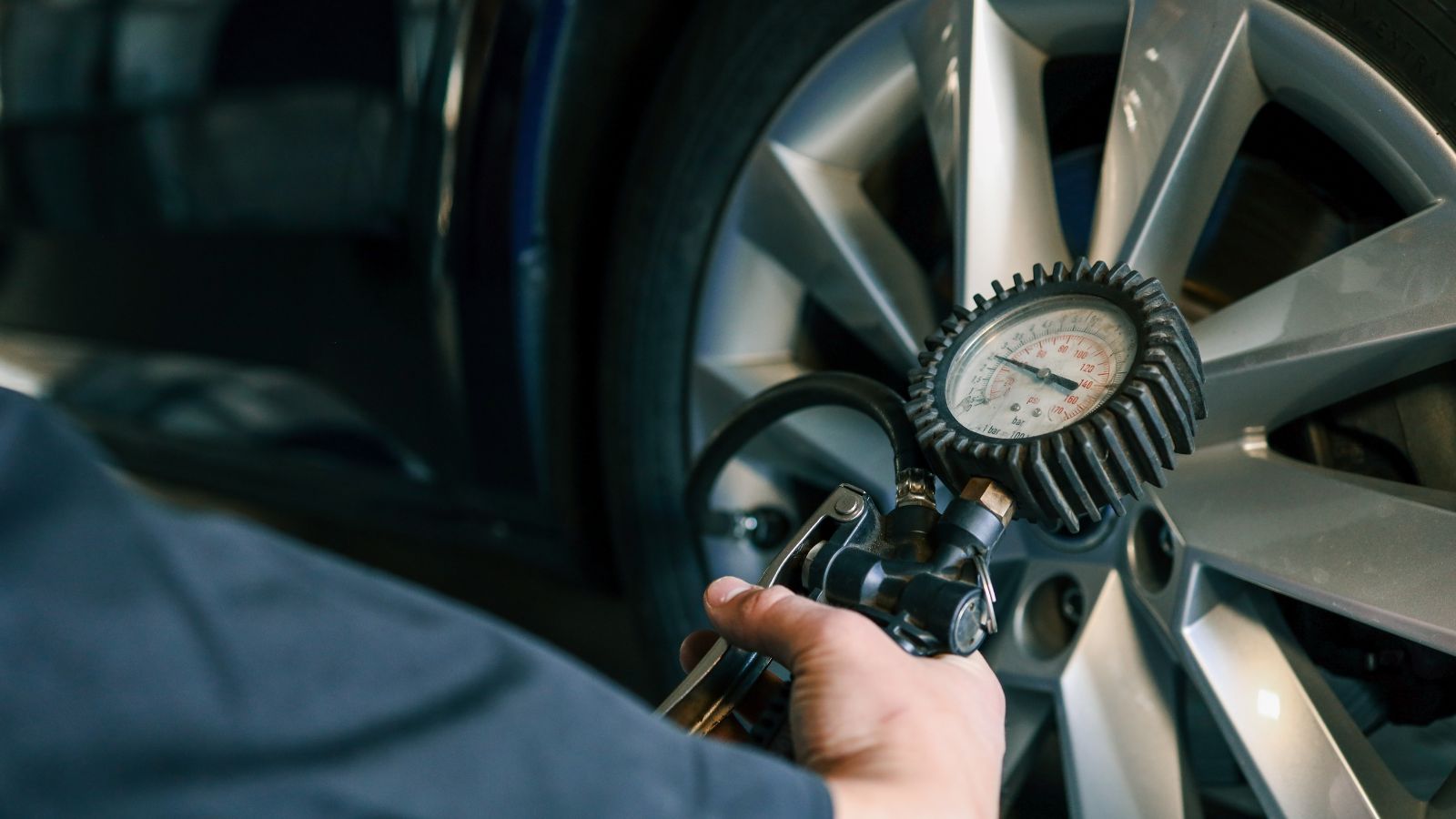
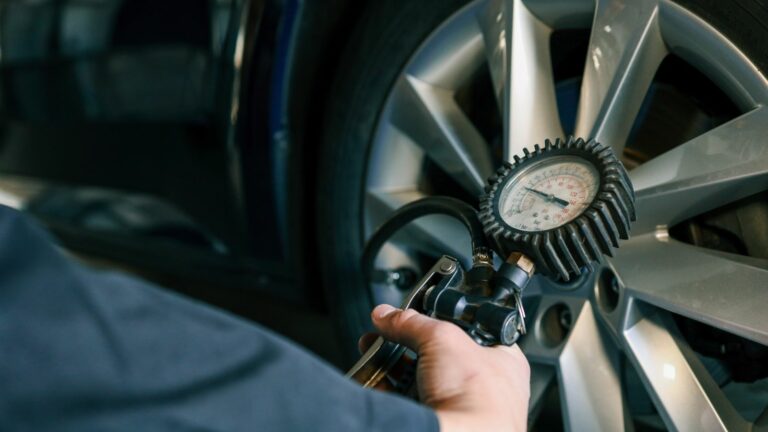
Tires are the only parts of a vehicle that touch the road, and highway speed magnifies every weakness. Pressure should be checked when the tires are cold and adjusted to the value on the driver’s-door placard or in the owner’s manual—not the maximum moulded into the sidewall. Transport Canada warns that pressure changes with temperature, making a pre-trip check especially important when a route crosses from a warm city into cooler northern or mountain conditions. Uneven wear, exposed cords, cuts, bulges or a recurring loss of air call for professional attention before departure.
Tread deserves more than a quick glance from standing height. Transport Canada notes that wet- and snow-road performance becomes compromised when tread depth falls below about four millimetres, even though a tire may not yet appear completely worn out. A tire that feels acceptable on dry urban pavement may struggle to clear water during a sudden highway downpour. Check all four tires, not just the easiest one to reach, and inspect the inner shoulders where alignment-related wear can hide. Any vibration that grows with speed should also be investigated rather than dismissed as a harmless quirk.
The Spare Tire and Every Tool Needed to Use It
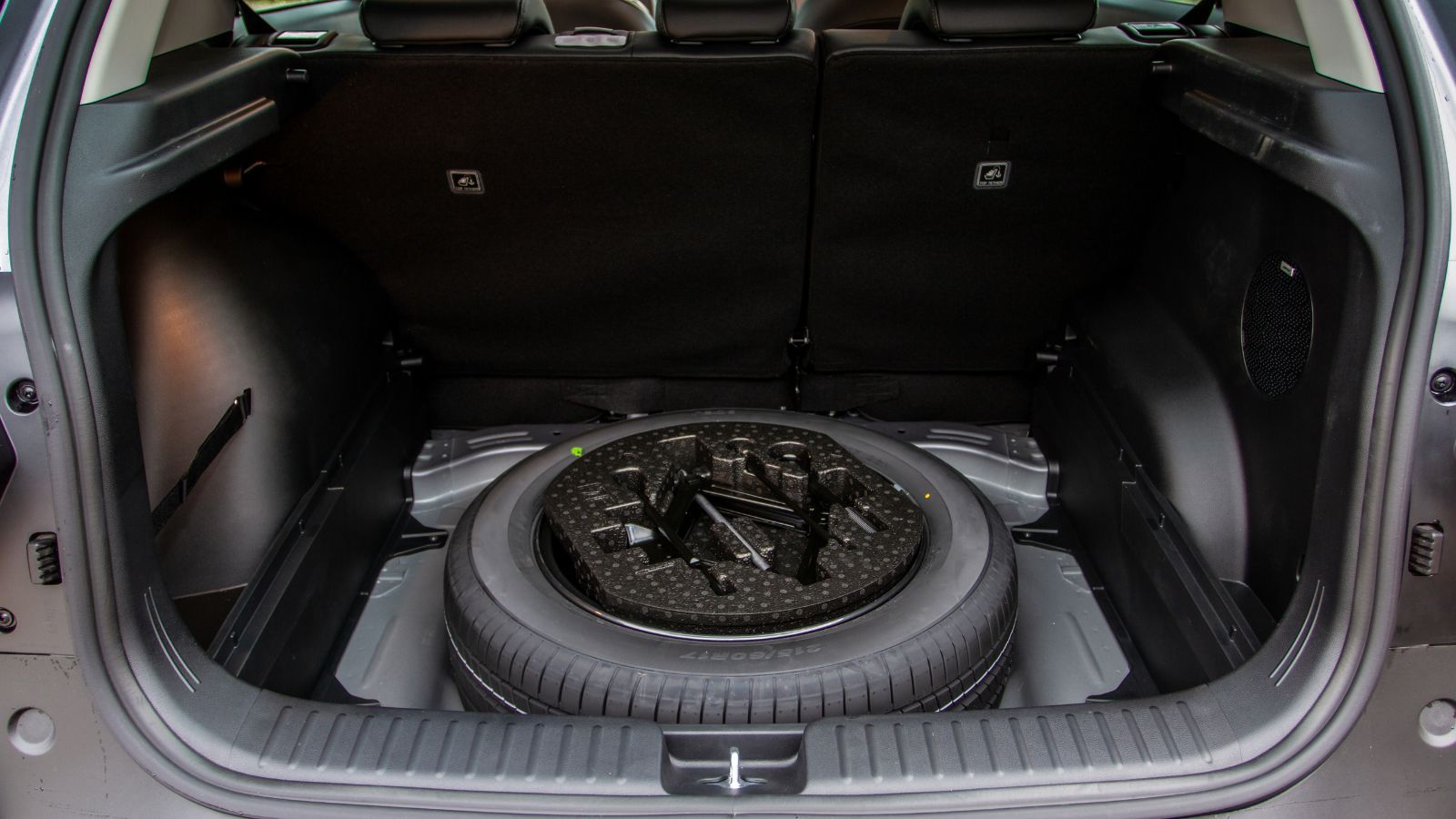
A spare tire is useful only when it is inflated, accessible and matched with the equipment required to install it. Before a highway trip, confirm what the vehicle actually carries: a full-size spare, a temporary spare or a sealant-and-compressor kit. Check the spare’s pressure while the regular tires are cold, then locate the jack, jack handle, wheel wrench and towing eye if the vehicle uses one. A wheel-lock key deserves special attention because removing a locking lug nut may require the correct adapter.
The safest rehearsal happens in the driveway, not beside transport trucks. Review the owner’s manual for approved lifting points, the temporary spare’s speed and distance restrictions, and the correct sequence for operating an inflator kit. Make sure luggage will not bury the equipment beneath half the contents of the cargo area. Consider a driver who discovers a flat after dark, only to learn that the jack handle was removed during a previous repair; the tire itself is no longer the main problem. A five-minute inventory can prevent hours of avoidable delay and reduce the temptation to attempt an unsafe improvised repair.
Brakes and Steering That Feel Even Slightly Different

Highway travel asks more from brakes than a short neighbourhood drive. Long descents, traffic slowdowns and emergency stops can expose problems that seemed minor at lower speeds. CAA advises drivers to take changes in pedal feel, pulling, squealing or grinding seriously. A soft pedal, repeated vibration under braking or a vehicle that drifts to one side should be inspected before the trip. The same applies to steering that suddenly feels loose, heavy or inconsistent, because stable directional control matters most when speeds are high and shoulders are narrow.
A brief road test on a familiar route can reveal warning signs without deliberately provoking hard braking. Listen with the audio system off, notice whether the steering wheel sits straight and pay attention to new smells after normal braking. Anti-lock brakes may cause the pedal to pulse during a genuine emergency stop, but a persistent pulse during ordinary braking can point to a different issue and should not be guessed at. The human tendency is to postpone repairs when a vehicle still “mostly” stops. On a highway, however, the meaningful question is whether it can stop predictably, in a straight line, every time.
Engine Oil, Coolant and the Other Essential Fluids

A highway engine may run for hours at sustained load, so fluid checks should happen before the vehicle is packed and hot. Ontario’s Ministry of Transportation includes engine oil, coolant, brake fluid, transmission fluid and power-steering fluid among routine maintenance items, while CAA also highlights windshield washer fluid. Check levels according to the owner’s manual, look beneath the vehicle for fresh drips and note any sweet, burnt or fuel-like odour. A low level is not merely something to top up repeatedly; it may be evidence of a leak or consumption problem that needs diagnosis.
Coolant deserves particular caution because an overheated engine can turn a simple trip into an expensive tow. Inspect the reservoir only as directed and never remove a pressurized radiator cap from a hot engine. Verify that the cooling fan operates normally and that the temperature gauge has not been creeping higher during recent driving. Fluids must also meet the manufacturer’s specification—colour alone is not a reliable guide, and mixing incompatible products can create problems. A litre of correct washer fluid may seem unimportant beside engine oil, yet running dry during bug season, slush or road-salt spray can erase visibility within seconds.
The Battery and Charging System
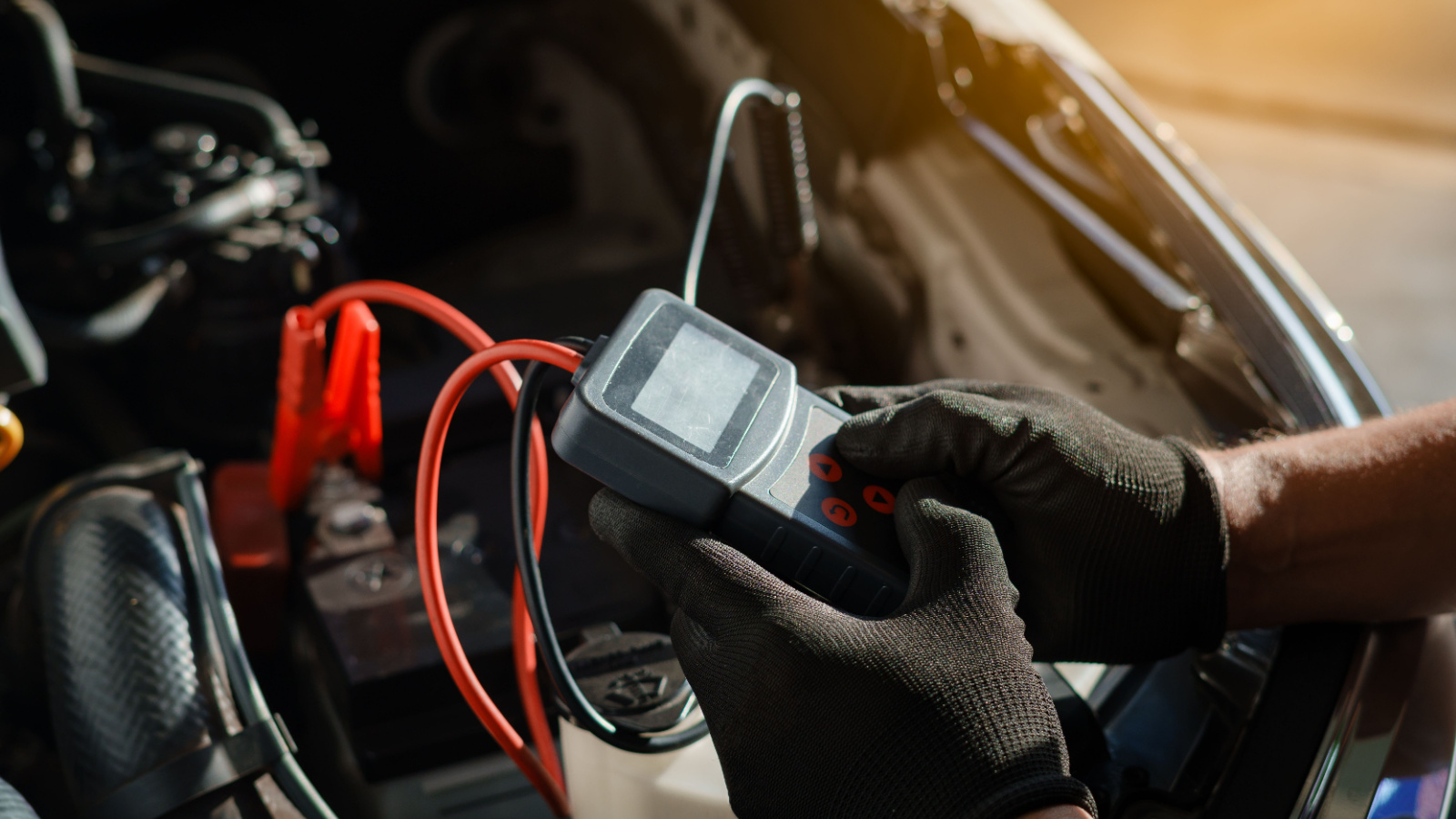
A battery that starts the vehicle at home can still be close to failure. Highway trips often add electrical demand through climate control, phone charging, navigation, lights and entertainment systems, while repeated short stops may provide less recovery time than expected. CAA recommends checking that battery terminals are tight and free of corrosion and having the battery tested before a road trip when there is any doubt. Slow cranking, dimming lights during start-up, an intermittent battery warning light or a recent need for a boost should be treated as evidence, not bad luck.
The inspection should include more than the battery case. Look for damaged cables, a loose hold-down bracket and obvious swelling or leakage, and have the charging system assessed if warning signs appear. Drivers carrying booster cables or a portable jump pack should know the correct procedure for their specific vehicle, since connection points and restrictions vary. A jump pack also needs to be charged; leaving one in the trunk for a year does not guarantee readiness. The practical example is familiar: a family stops for fuel in a remote area, switches off the engine and discovers that the last successful start was the battery’s final one. Testing beforehand is far easier.
Headlights, Signals, Wipers and Clear Glass

Visibility is a complete system, not simply a clean windshield. Walk around the vehicle while another person operates the low beams, high beams, brake lights, turn signals and hazard flashers. CAA recommends confirming that exterior lights work and that headlights are aimed correctly. A burned-out rear lamp can make a slowing vehicle difficult to read in rain or darkness, while cloudy lenses can weaken useful illumination. Clean the cameras and sensors used by driver-assistance features as well, but remember that those systems do not replace an unobstructed view.
Wiper blades should sweep cleanly without chattering, splitting or leaving broad streaks. CAA notes that an average blade may last about six months, although climate and use can shorten or extend that interval. Fill the washer reservoir with a product suited to expected temperatures, clear the nozzles and inspect the windshield for chips that may spread under vibration or temperature change. Inside glass matters too: haze from dust and interior vapours can create severe glare from oncoming headlights. One overlooked detail is the rear window; if cargo blocks it, mirrors and a working rear camera become even more important, but neither justifies careless loading.
Dashboard Warnings That Have Become “Normal”
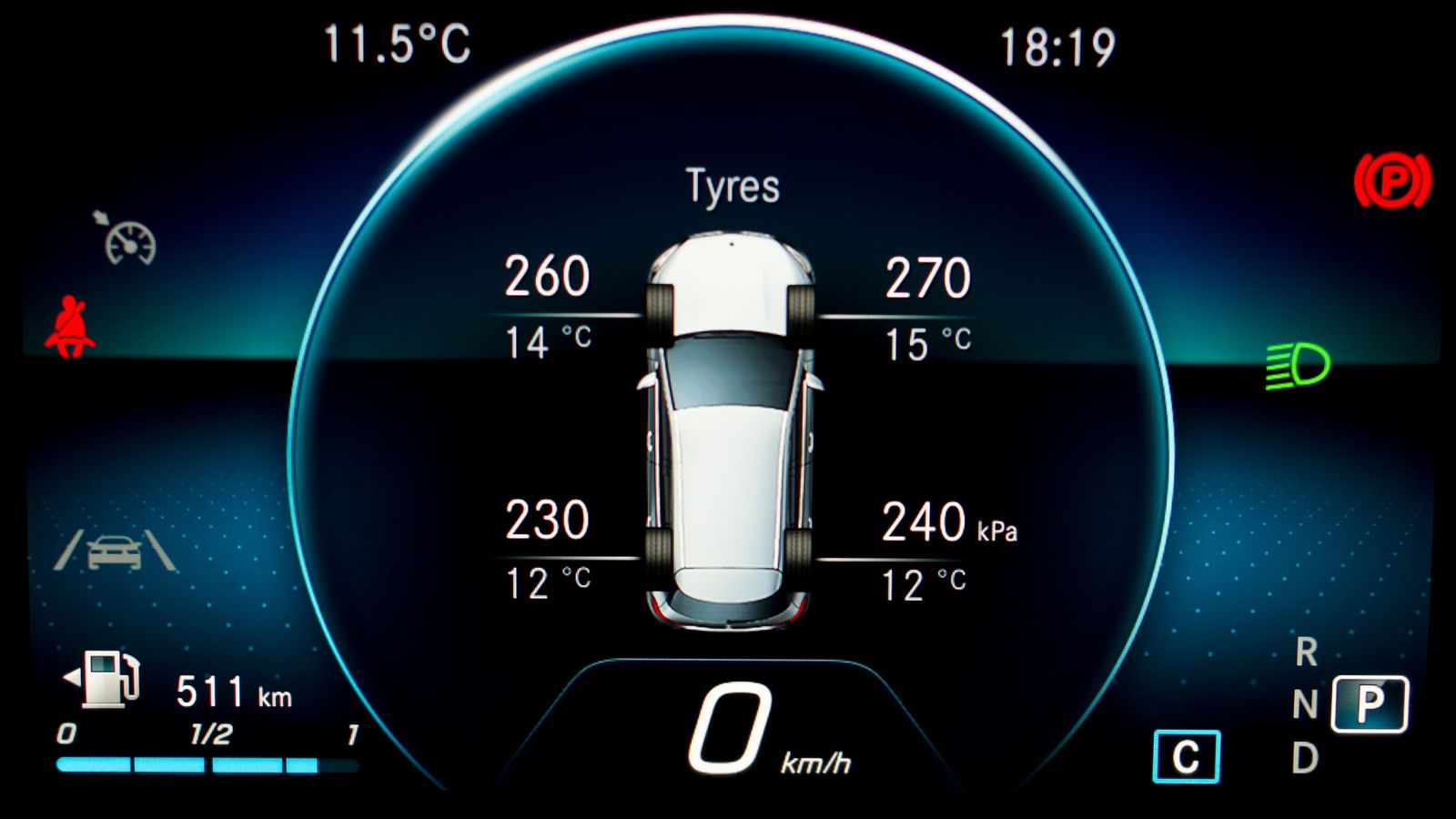
A warning light does not become harmless because it has been glowing for weeks. Ontario’s driver guidance tells motorists to check gauges and warning lights before moving and notes that a warning that remains on may indicate a serious problem. Before a highway trip, identify every illuminated symbol rather than assuming it is only a sensor. Red oil-pressure, brake-system or overheating warnings usually require immediate attention, while amber engine, stability-control, tire-pressure or emissions lights still require diagnosis on the timetable specified by the manufacturer.
Context matters. A check-engine light that flashes is more urgent than one that remains steadily illuminated, and a tire-pressure warning may reflect a puncture rather than a seasonal pressure change. Read the owner’s manual, record any diagnostic code obtained by a qualified shop and correct the underlying cause instead of merely clearing the light. Also watch gauges during the trip: a temperature needle rising on a long grade or a charging light appearing after dark can provide an early chance to stop safely. The dangerous habit is dashboard blindness—seeing the same icon so often that it disappears psychologically, even while the mechanical condition continues to worsen.
Open Safety Recalls
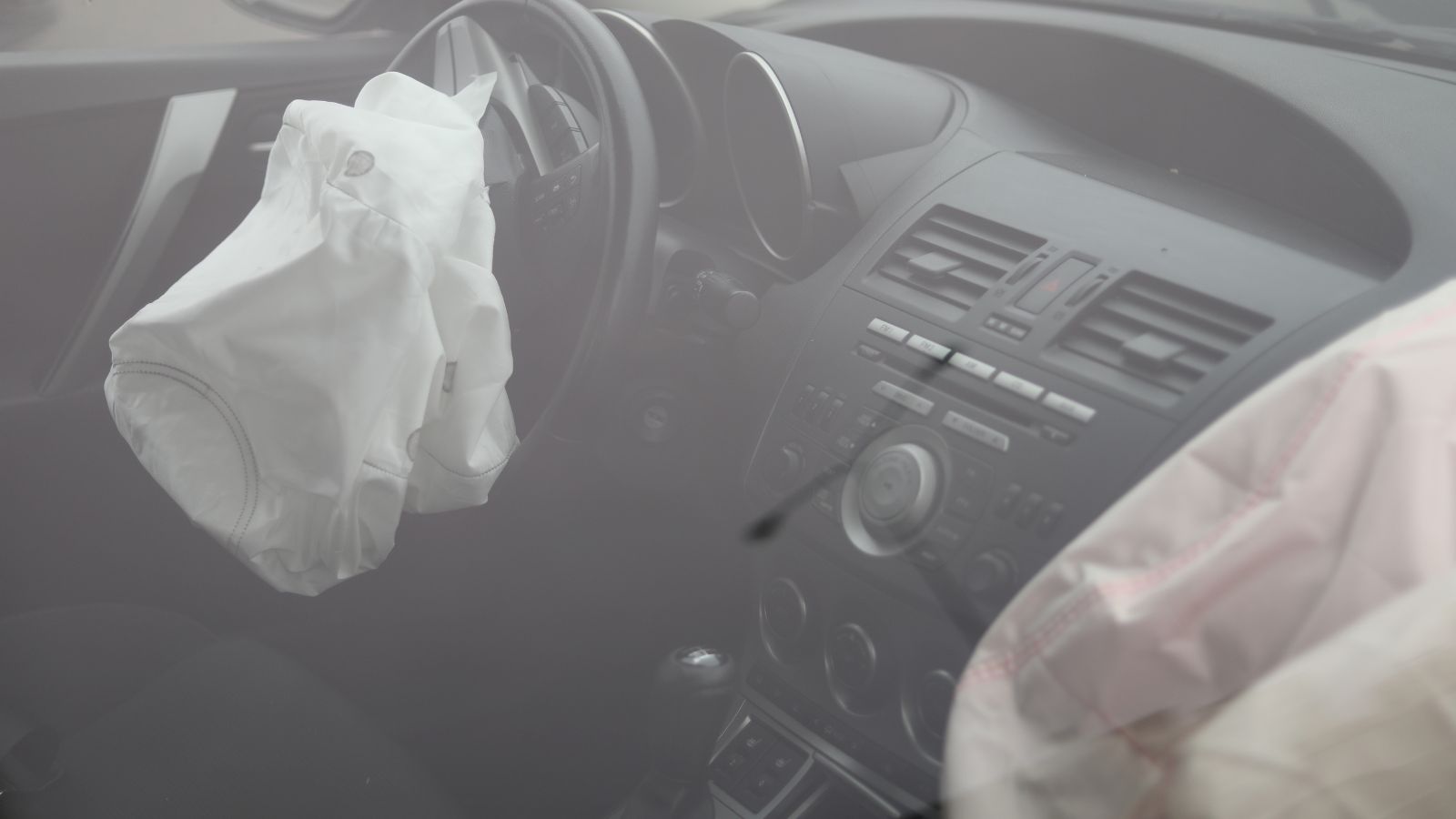
Safety recalls are easy to overlook when a vehicle seems to drive normally, especially after a change of address, a private used-car purchase or missed dealer mail. Transport Canada maintains a national motor-vehicle safety recall database covering recalls from 1970 onward and provides options to search by make, model, year and, where available, vehicle identification number. A pre-trip check takes only a few minutes and can uncover defects involving airbags, brakes, fuel systems, steering components, electrical wiring or other safety-critical equipment.
An open recall is not the same as routine maintenance. It means the manufacturer has identified a safety defect or regulatory non-compliance and has a remedy process, typically arranged through an authorized dealer. Confirm whether the specific VIN is affected and whether the repair has already been completed; a generic model-year search may show campaigns that do not apply to every vehicle. Transport Canada advises owners to have unresolved recalls repaired as soon as possible. This matters particularly for recently purchased used vehicles, where service history may be incomplete. Contacting the manufacturer or dealer early may reveal parts availability, repair timing or interim precautions.
Fuel Range or an EV Charging Strategy
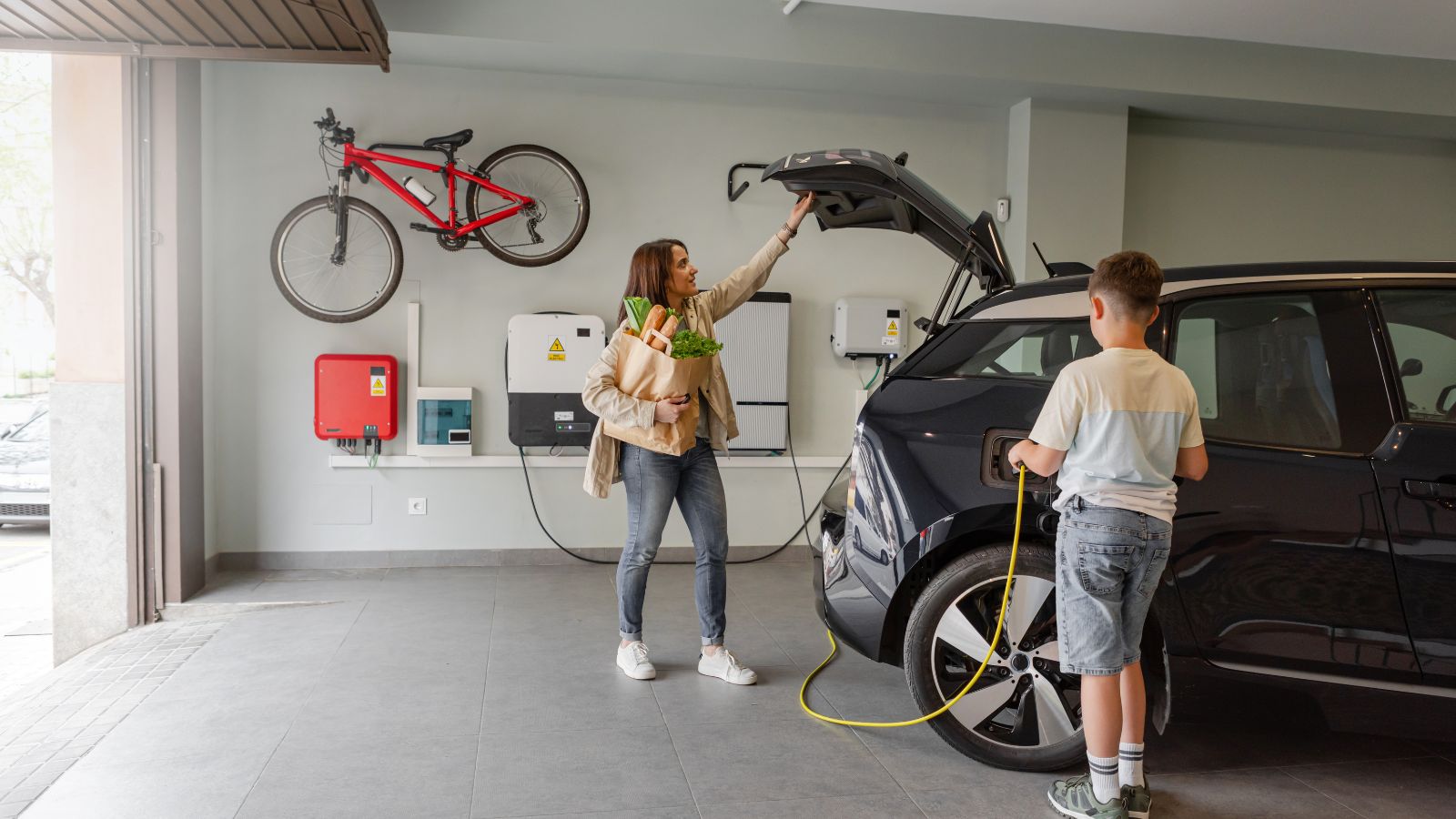
A reliable energy plan starts before the low-fuel or low-battery warning appears. For gasoline and diesel vehicles, identify long gaps between services, account for detours and avoid beginning remote sections with a marginal range estimate. For electric vehicles, Natural Resources Canada provides a charging and alternative-fuel station locator, but a map pin should still be checked for connector type, charging speed, access hours and recent operating status. Build in a second charging option rather than depending on one location with no practical alternative.
Temperature, speed, elevation, wind, cabin heating, towing and roof-mounted cargo can all change consumption. CAA has reported that extreme cold below about –15°C can reduce some EVs’ range by as much as 40 per cent, while a 2025 CAA survey found that many Canadian EV drivers remained dissatisfied with the availability of public fast charging. That does not make long EV trips impractical; it makes conservative planning important. A driver expecting the vehicle’s best advertised range on a cold, windy prairie day may arrive anxious or not arrive at all. Leaving a sensible reserve turns unexpected construction, a closed charger or a strong headwind into an inconvenience rather than an emergency.
Weather Alerts Along the Entire Route

The weather at the starting point says little about conditions several hours away. Environment and Climate Change Canada’s WeatherCAN service provides official forecasts, radar and alerts for more than 10,000 locations, making it possible to check the destination and the major points between. Mountain passes, lake-effect snow belts, exposed prairie highways and coastal routes can differ sharply from nearby cities. Review alert timing, precipitation type, wind, visibility and temperature—not just the daily high and a weather icon.
A forecast should influence the decision, not merely the packing list. Strong wind may make a tall van, trailer or roof-loaded vehicle harder to control; heavy rain can overwhelm worn tires; wildfire smoke or fog can reduce visibility; and freezing rain can make a road unsafe before accumulation looks dramatic. Parks Canada warns that mountain weather can change quickly and that snow can occur at any time of year in some regions. A practical plan includes a later departure, an alternate route or a no-go threshold. The cost of a hotel night or delayed arrival is often small compared with continuing into a closure, whiteout or severe thunderstorm simply because the itinerary was fixed.
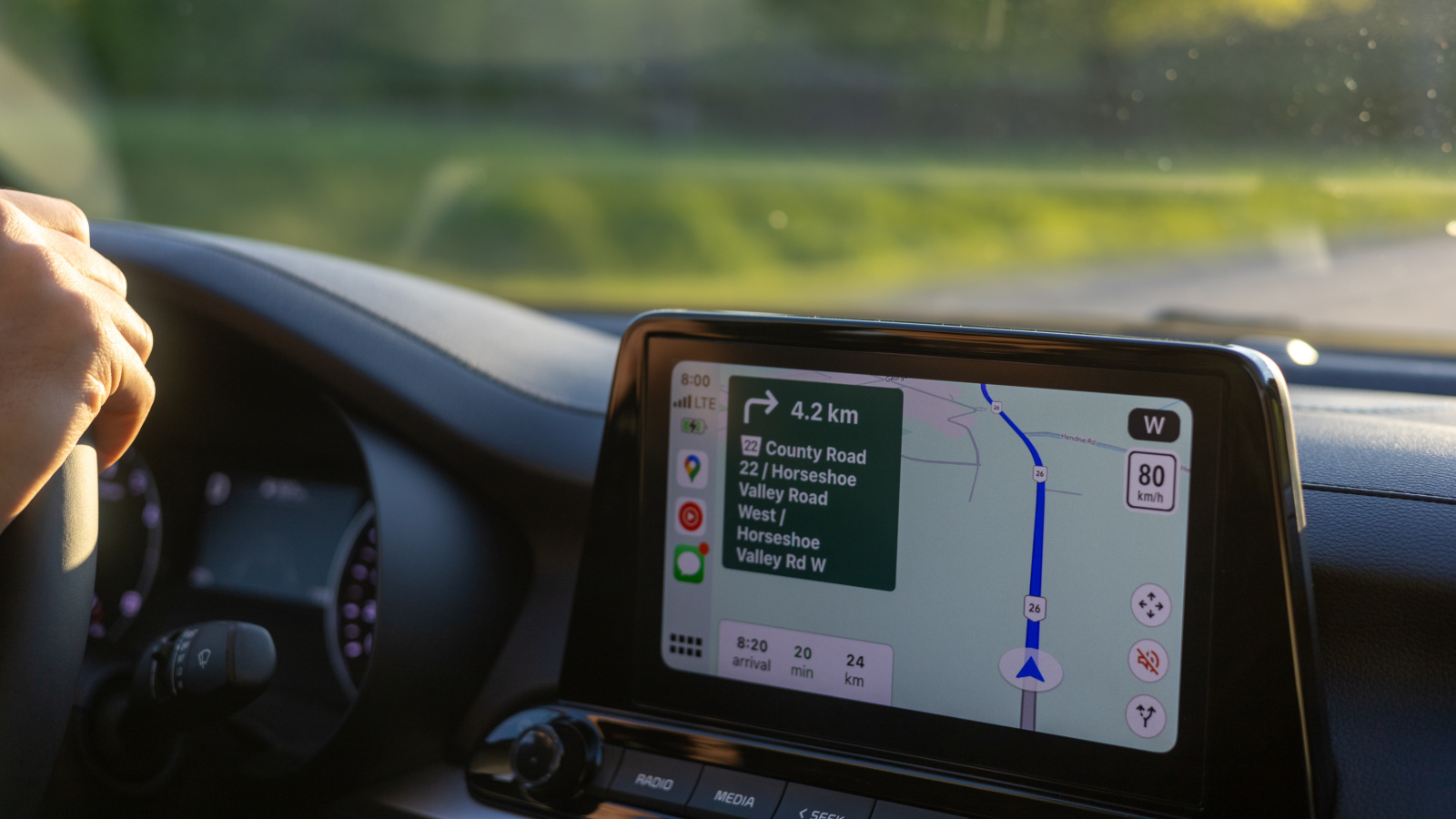
A route that worked last month may be blocked today by construction, flooding, wildfire, collision response or seasonal restrictions. Provincial road-information services provide the most useful operational picture. Ontario 511, for example, reports construction, closures and collisions and includes more than 900 highway cameras; DriveBC offers current conditions, delays, incidents and webcams in British Columbia. Similar services exist across Canada, and they should be checked close to departure as well as during planned stops, not while the vehicle is moving.
Navigation apps are valuable, but they can lose data service or recommend unsuitable shortcuts. Download an offline map, note major highway numbers and towns, and keep enough route information to continue if a phone overheats, loses power or has no signal. Remote roads may have long distances between fuel, food, washrooms and cellular coverage, so a detour can consume more time and energy than the map suggests. Share the intended route and expected arrival with a reliable contact when travelling through isolated areas. The goal is not to predict every disruption; it is to preserve options when the preferred route disappears.
Sleep and a Real Fatigue Plan

Fatigue is not solved by opening a window or turning up music. Transport Canada cites an international consensus that fatigue contributes to roughly 15 to 20 per cent of road collisions. Its guidance recommends arriving well rested, ideally after about eight hours of sleep, stopping approximately every 90 minutes and taking a nap of at least 20 minutes when drowsiness develops. Those numbers make a useful planning framework, especially for trips that begin after a full workday or extend into a driver’s normal sleeping hours.
Warning signs include repeated yawning, heavy eyelids, wandering within the lane, missed signs and difficulty recalling the last few kilometres. At that point, the correct response is to stop somewhere safe, not to negotiate for “one more exit.” Coffee can improve alertness temporarily for some people, but it does not repay sleep debt and should not be treated as permission to continue indefinitely. Build breaks into the arrival estimate, rotate qualified drivers before fatigue becomes obvious and avoid schedules that reward pushing through. A late arrival is inconvenient; even a momentary lapse of awareness at highway speed can carry a vehicle a considerable distance.
Alcohol, Cannabis and Impairing Medication
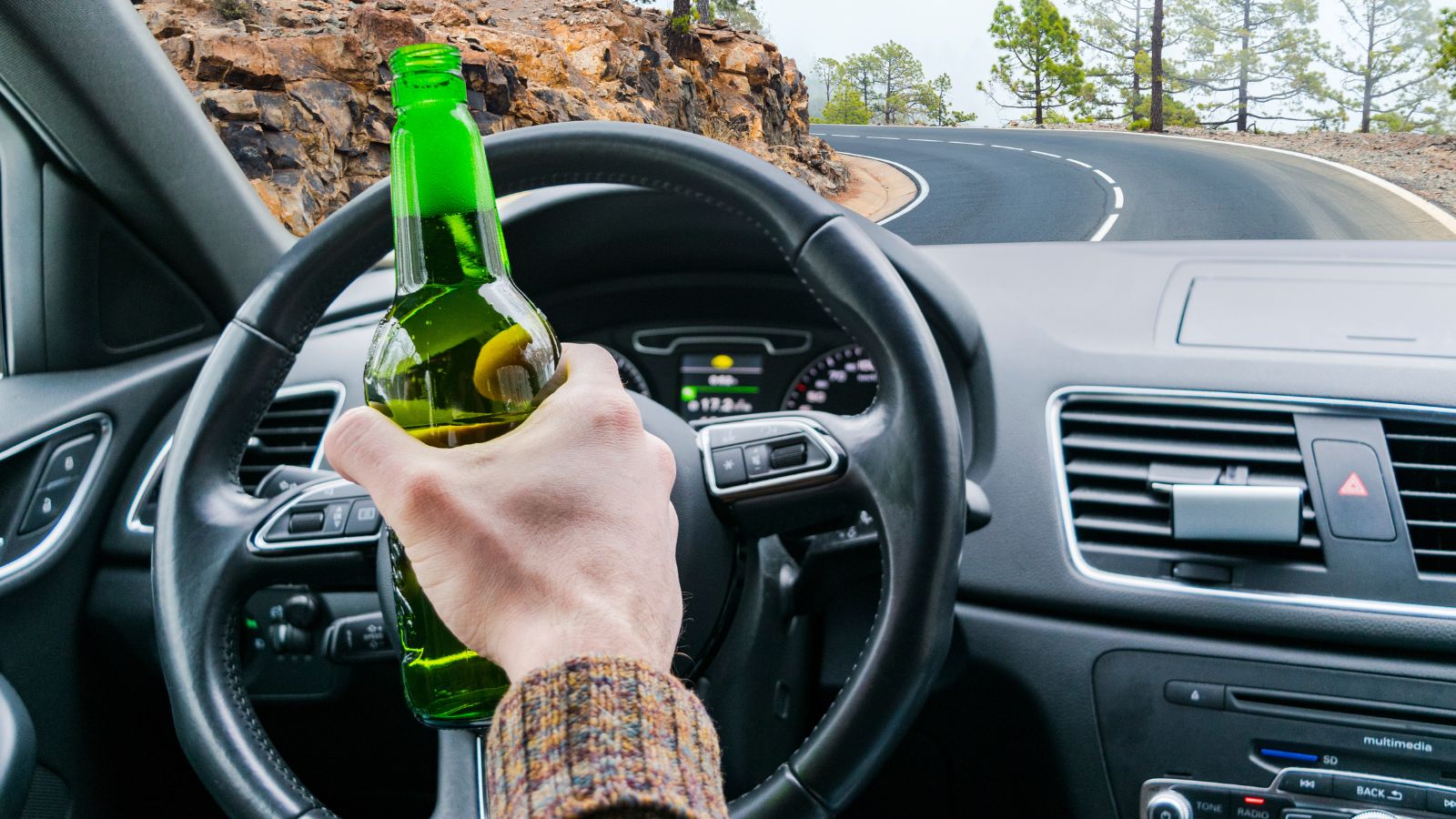
A highway trip should begin with a driver who is fully fit, not merely someone who believes the effects have mostly worn off. Alcohol and cannabis can impair judgment, reaction and coordination, and combining substances can make the effects less predictable. Transport Canada’s road-safety material reported that in 2016 roughly one-third of fatally injured drivers had consumed alcohol and about half had used another impairing drug. The lesson is broader than the date: impairment remains a central road-safety risk, and a long drive does not create an exception.
Prescription and non-prescription medication also deserves attention. Antihistamines, sleep aids, pain medicines and other products may cause drowsiness, slowed reaction or blurred attention, sometimes more strongly when first started or when combined with alcohol. Ask a physician or pharmacist how a medicine affects driving and read the label rather than relying on past experience with a different product. Designate a completely sober driver, delay departure or arrange another form of transportation when there is uncertainty. “I feel fine” is a weak safety test because impairment can reduce the very judgment needed to recognize impairment.
Seat Belts, Child Restraints and Head Restraints

Every seating position should be prepared before the vehicle moves. Transport Canada reports that, in 2020, 35 per cent of passenger-vehicle occupants killed in collisions were not wearing a seat belt. Its road-safety material also states that proper belt use reduces an adult occupant’s risk of death by about 47 per cent and serious injury by about 52 per cent. Check that belts latch, retract and lie flat, and make sure passengers do not route shoulder belts behind their backs or place bulky objects between the belt and body.
Children need a restraint suited to their size and the law of the province or territory being travelled through. Transport Canada says correct child-restraint use can reduce the chance of death by 71 per cent and injury by 67 per cent, and advises keeping children under 13 in the back seat. Confirm that the seat carries the National Safety Mark, is not expired or recalled and has not been compromised in a collision. Remove bulky coats when they prevent a snug harness. CAA recommends positioning adjustable head restraints around mid-ear level and no more than approximately six centimetres from the back of the head.
Phones, Screens and Cabin Setup

Distraction begins before the first notification sounds. Transport Canada estimates that distracted driving contributed to 22.5 per cent of fatal collisions and 25.5 per cent of serious-injury collisions in 2021. Before departure, mount the phone securely, enter the destination, choose audio, connect charging cables and silence non-essential alerts. A passenger can handle messages, music and route changes; a solo driver should pull off the roadway and park safely before interacting with a screen.
Built-in systems can distract when they demand long glances or complex menus. Voice control may reduce some manual input, but it does not make every conversation or task mentally effortless. Keep essential items—toll payment, sunglasses, tissues and water—where they can be reached without searching through bags. Secure pets so they cannot climb onto the driver or interfere with controls. A common highway error begins innocently: the map reroutes, the driver looks down for several seconds and traffic ahead brakes suddenly. Cabin setup is therefore a safety check, not a convenience ritual. The best interface is the one that requires almost no attention once the vehicle is moving.
Speed and Following Distance

The posted limit is a ceiling under ideal conditions, not a promise that the road is safe at that speed. Ontario guidance tells drivers to obey speed limits while choosing a speed that still allows a safe stop for conditions. Rain, snow, darkness, traffic, construction, wildlife activity, towing and unfamiliar roads all justify slowing down. Cruise control can reduce fatigue on clear, dry roads, but it should not be treated as a target when traction or visibility deteriorates.
Following-distance guidance varies by jurisdiction and circumstance. Ontario teaches a minimum two-second gap in good conditions, while Manitoba’s public insurer recommends four seconds under ideal conditions and more when conditions worsen. Rather than arguing over the smallest acceptable number, drivers should create a visibly generous space and increase it behind motorcycles, heavy trucks, snowplows and vehicles blocking the view ahead. Count from the vehicle in front passing a fixed marker until the driver’s own vehicle reaches it. Extra space provides time to notice brake lights, move smoothly and avoid panic braking. It also reduces windshield spray and gives merging traffic somewhere to go, which can make the entire trip calmer.
Cargo, Roof Racks, Trailers and Vehicle Limits

Packing changes how a vehicle behaves. Heavy items should be placed low, centred and secured so they cannot shift during a turn or become projectiles in a sudden stop. Transport Canada warns that cargo carried on a roof raises the centre of gravity and can make a vehicle less stable, while rear boxes and racks can affect handling. Check the owner’s manual for payload, roof-rack and towing limits, remembering that passengers, luggage, accessories and trailer tongue weight all count against the vehicle’s capacity.
External cargo also changes energy use and clearance. CAA Atlantic has estimated that efficiency can decline by about two per cent for every additional 45 kilograms, while bike racks and rooftop carriers add aerodynamic drag. The exact effect varies by vehicle and speed, but the direction is predictable: more weight and wind resistance reduce range or increase fuel consumption. Tighten rack hardware to specification, secure straps away from hot exhaust parts and moving components, and recheck the load after the first stop. When towing, verify the hitch, safety chains, electrical connector, lights and tire pressures, including the trailer’s. A neatly closed hatch does not prove the vehicle is safely loaded.
Emergency Supplies and a Safe Breakdown Procedure

A practical emergency kit should match the route and season. The Government of Canada recommends keeping food, water in plastic bottles, a blanket, extra clothing and footwear, a first-aid kit with a seat-belt cutter, and winter tools such as a shovel, scraper and snowbrush. Add a charged flashlight, reflective warning devices, gloves, basic phone power, necessary medication and supplies for children or pets. Water should be replaced periodically; the federal checklist suggests every six months. Remote travel may justify more food, warm layers and backup communication.
Equipment is only half the preparation. Ontario’s freeway guidance says that when trouble develops, drivers should activate hazard lights, move as far onto the shoulder as safely possible and never stop in a live lane if the vehicle can still move. Occupants should avoid standing near traffic and, where possible, exit on the side away from moving vehicles. Call emergency services when there is immediate danger and roadside assistance for a mechanical breakdown. A reflective vest in the trunk is useless if retrieving it requires stepping into traffic, so place critical items where they can be reached safely. The safest repair may be no roadside repair at all.
Licence, Registration, Insurance and Roadside Coverage

Mechanical readiness does not replace legal and financial readiness. Confirm that the driver’s licence, vehicle registration and insurance are current and available in the format accepted by the jurisdictions on the route. Insurance Bureau of Canada notes that auto insurance is required before a vehicle can be registered and plated, while mandatory coverages vary among provinces and territories. Anyone crossing a provincial or international border should check whether the policy, rental agreement and roadside plan cover the destination, additional drivers, towing distance and the type of vehicle or trailer involved.
Keep insurer and roadside-assistance contact information somewhere accessible without relying on a single phone. For travel outside the home province, ask the insurer whether a paper proof-of-insurance card is advisable and whether coverage limits should be increased. Drivers headed into the United States should also confirm policy territory, health coverage and rental-car rules rather than assuming Canadian arrangements transfer unchanged. A small paperwork problem can become expensive after a collision or tow. The best time to discover that roadside coverage ends after a short distance—or excludes a trailer—is while reading the policy at home, not while speaking to a dispatcher beside a remote highway.
Wildlife, Remote Stretches and a Check-In Plan

Wildlife risk is not limited to roads marked by a single warning sign. Manitoba Public Insurance advises drivers to slow in posted wildlife areas, watch road edges near brush, tall grass and trees, and reduce speed at night so the vehicle can stop within the distance illuminated by its headlights. Dusk and dawn deserve extra caution because many animals are active then. Scan both shoulders, use high beams when legal and safe, and avoid outrunning the visible road.
When an animal appears, controlled braking is generally safer than a violent swerve that can send the vehicle into opposing traffic, a ditch or a rollover. The situation becomes more serious on remote stretches where help, cellular service and tow trucks may be far away. Tell a reliable person the route, planned stops and expected arrival, then update that person when plans change. Keep enough fuel or charge to turn back or reach the next safe location. A moose, deer or bear is not predictable traffic; the driver’s advantage comes from lower speed, more seeing distance and fewer distractions. The final pre-trip check is therefore not inside the vehicle—it is the plan someone else knows.
This Options Discord Chat is The Real Deal
While the internet is scoured with trading chat rooms, many of which even charge upwards of thousands of dollars to join, this smaller options trading discord chatroom is the real deal and actually providing valuable trade setups, education, and community without the noise and spam of the larger more expensive rooms. With a incredibly low-cost monthly fee, Options Trading Club (click here to see their reviews) requires an application to join ensuring that every member is dedicated and serious about taking their trading to the next level. If you are looking for a change in your trading strategies, then click here to apply for a membership.