35,000+ smart investors are already getting financial news, market signals, and macro shifts in the economy that could impact their money next with our FREE weekly newsletter. Get ahead of what the crowd finds out too late. Click Here to Subscribe for FREE.
Money habits rarely fall apart all at once. More often, they drift: a forgotten subscription here, a higher grocery bill there, a credit-card balance that becomes normal by summer. For Canadians, the midpoint of the year is a practical checkpoint because taxes are settled, utility patterns are changing, travel spending rises, and the next round of mortgage, rent, insurance, and tuition costs may already be visible.
These 16 financial habits focus on realistic resets that can improve cash flow, reduce stress, and make the rest of the year easier to manage. The goal is not perfection. It is a cleaner system before small leaks become expensive routines.
Reset the Budget Around Today’s Prices, Not January’s Guess
16 Financial Habits Canadians Should Reset Before the Second Half of the Year
- Reset the Budget Around Today’s Prices, Not January’s Guess
- Stop Letting Credit-Card Balances Feel Normal
- Rebuild the Emergency Fund Before the Expensive Season Arrives
- Audit Subscriptions Before Summer Spending Hides Them
- Review Mortgage, Rent, and Housing Costs Before They Force the Issue
- Check TFSA, RRSP, and FHSA Contribution Room Before Adding More
- Compare Insurance Before Renewal Dates Sneak Up
- Put Sinking Funds Back Into the Monthly Routine
- Refresh Grocery Habits Around Unit Prices and Waste
- Revisit Banking Fees and Account Packages
- Clean Up Credit Reports and Payment Alerts
- Reprice Cellphone, Internet, and Utility Plans
- Separate Summer Fun From Long-Term Debt
- Review Automatic Savings and Investments After Life Changes
- Protect Against Fraud Before a Busy Spending Period
- Hold a Midyear Money Meeting Before Small Tensions Grow
- 19 Things Canadians Don’t Realize the CRA Can See About Their Online Income

A midyear budget should reflect what life actually costs now, not what seemed reasonable in January. Grocery, rent, fuel, insurance, daycare, transit, and phone bills can shift enough in six months to make an old plan misleading. A household that budgeted $900 a month for food and household basics may find that the real number is closer to $1,050 once school lunches, summer hosting, and higher store prices are included.
This reset works best when categories are rebuilt from bank and card statements rather than memory. Canadians can pull the last 60 to 90 days of spending and create a “current reality” budget. If restaurant meals, delivery apps, or convenience-store purchases are crowding out savings, the numbers will show it quickly. The point is not to shame every purchase; it is to stop pretending last winter’s budget still fits.
Stop Letting Credit-Card Balances Feel Normal

Credit-card debt becomes dangerous when carrying a balance starts to feel like an ordinary monthly bill. Minimum payments can keep an account in good standing, but they also stretch repayment and allow interest to consume money that could have gone toward savings, repairs, or travel. Even a modest balance can become stubborn when new purchases keep landing on the same card.
The reset is to separate old debt from new spending. Canadians can freeze one card for repayment only, move everyday purchases to debit or a paid-in-full card, and set a fixed weekly payment above the minimum. A family carrying a balance after spring car repairs, for example, may make faster progress by paying every payday instead of waiting for the due date. Momentum matters because interest does not pause politely.
Rebuild the Emergency Fund Before the Expensive Season Arrives

Emergency savings often get drained quietly during the first half of the year. Winter heating bills, car maintenance, dental work, vet visits, and tax balances can leave the account thinner than expected. By summer, the temptation is to postpone rebuilding it until autumn, but that leaves households exposed when school costs, winter tires, rent increases, or appliance repairs arrive later.
A practical reset is to treat emergency savings like a bill with a smaller but automatic amount. Even $25 or $50 every payday can rebuild a cushion without requiring a dramatic lifestyle change. The account should be separate from daily chequing, easy to access, and free from withdrawal penalties. A good example is a renter who keeps one month of basic expenses outside the main bank account so a sudden move, job disruption, or repair bill does not immediately become credit-card debt.
Audit Subscriptions Before Summer Spending Hides Them

Subscriptions are easy to ignore because each charge looks small. Streaming services, cloud storage, meal kits, fitness apps, software tools, news apps, children’s games, and premium delivery memberships can quietly pile up. The problem is not any single $8.99 or $14.99 payment; it is the total cost when several renew automatically while summer travel, activities, and social spending also increase.
A reset starts with searching statements for recurring charges, not relying on app icons or memory. Canadians should check credit cards, debit accounts, PayPal-style wallets, phone bills, and app-store subscriptions because payments may be scattered. One household might discover three video services, two music plans, and an old storage upgrade that nobody has used since last year. Cancelling even a few unused services can create a painless cash-flow win before the second half begins.
Review Mortgage, Rent, and Housing Costs Before They Force the Issue

Housing costs deserve a midyear review because they are usually the largest line in a Canadian household budget. Mortgage renewals, variable-rate changes, condo fee increases, property tax instalments, insurance premiums, rent increases, and utilities can all reshape cash flow. Waiting until renewal paperwork or a rent notice arrives can leave too little time to compare options or adjust spending.
Homeowners should estimate the payment impact of renewal scenarios months in advance, especially if their current mortgage was arranged during a lower-rate period. Renters can review provincial rules, upcoming lease dates, and moving costs before making decisions under pressure. A couple facing a fall renewal, for instance, may decide by July to reduce discretionary spending, gather documents for rate shopping, or make extra debt payments to improve their borrowing profile before negotiating.
Check TFSA, RRSP, and FHSA Contribution Room Before Adding More
Registered accounts are useful, but the habit to reset is contributing automatically without checking room, goals, or tax strategy. TFSA room changes annually and also depends on past withdrawals and contributions. RRSP room depends on earned income and pension adjustments. FHSA room has its own rules and can be powerful for eligible first-time home buyers, but it still needs planning.
A midyear check through CRA My Account and personal records helps prevent overcontributions and missed opportunities. Someone saving for a down payment may prioritize an FHSA before a taxable savings account, while a higher-income earner may use RRSP contributions strategically before year-end. Another person may need TFSA flexibility more than a tax deduction. The reset is to match the account to the goal instead of treating every savings account as interchangeable.
Compare Insurance Before Renewal Dates Sneak Up
Insurance renewals often arrive with little fanfare, and many Canadians accept the new premium because the policy is already in place. Auto, home, tenant, condo, life, and travel insurance can all change in price as claims trends, replacement costs, location risks, deductibles, and coverage needs shift. A policy that made sense last year may now be overpriced or missing important protection.
The reset is to build a renewal calendar and compare at least a few weeks before the deadline. Drivers can review kilometres, winter tire discounts, bundled policies, deductibles, and optional coverage. Renters can confirm whether tenant insurance still reflects their belongings and liability needs. A household that added a teenager with a licence, bought an e-bike, or started working from home may need different coverage. Shopping early creates options; shopping after the renewal date often creates excuses.
Put Sinking Funds Back Into the Monthly Routine

Many budgets fail because predictable irregular costs are treated like surprises. Car repairs, holiday gifts, school supplies, annual memberships, professional fees, winter tires, pet care, summer camp, and home maintenance rarely arrive every month, but they arrive eventually. Without sinking funds, these costs often land on credit cards and make a normal month feel like a crisis.
A midyear reset means listing the next six to twelve months of non-monthly expenses and dividing them into payday transfers. If winter tires will cost $900 in November, setting aside about $150 a month from June onward makes the bill less disruptive. A parent planning back-to-school spending can do the same before August. The habit is simple: predictable expenses should have predictable savings, even if the amount is modest.
Refresh Grocery Habits Around Unit Prices and Waste

Food spending is one of the easiest categories to underestimate because it happens in many small trips. A quick stop for milk becomes snacks, a sale item expires before it is used, and bulk buying backfires when food is thrown away. With grocery prices still elevated compared with several years ago, Canadians can save more by changing routines than by chasing every flyer deal.
The reset is to shop from inventory first, compare unit prices, and plan around ingredients that overlap. A household buying lettuce, herbs, and berries for one meal may waste money if the rest spoils by Friday. Choosing frozen produce, store brands, larger formats with realistic use, or meals that share the same protein can reduce waste. The quiet win is buying less food that ends up in the green bin.
Revisit Banking Fees and Account Packages

Bank fees are easy to ignore because they feel like part of the financial furniture. Monthly account fees, extra transaction charges, ATM fees, e-transfer limits, overdraft charges, paper statement fees, and premium credit-card annual fees can add up. Some Canadians keep an account package designed for an older life stage, such as frequent branch use, heavy cheque writing, or a high minimum balance that no longer makes sense.
A midyear reset means asking whether the account still matches actual behaviour. Someone who keeps most money in a high-interest savings account may not need an expensive chequing plan. A student, senior, newcomer, or low-transaction customer may qualify for a lower-fee option. Even a $16.95 monthly fee is more than $200 a year. That money may not transform a budget, but it is too much to pay for features that go unused.
Clean Up Credit Reports and Payment Alerts
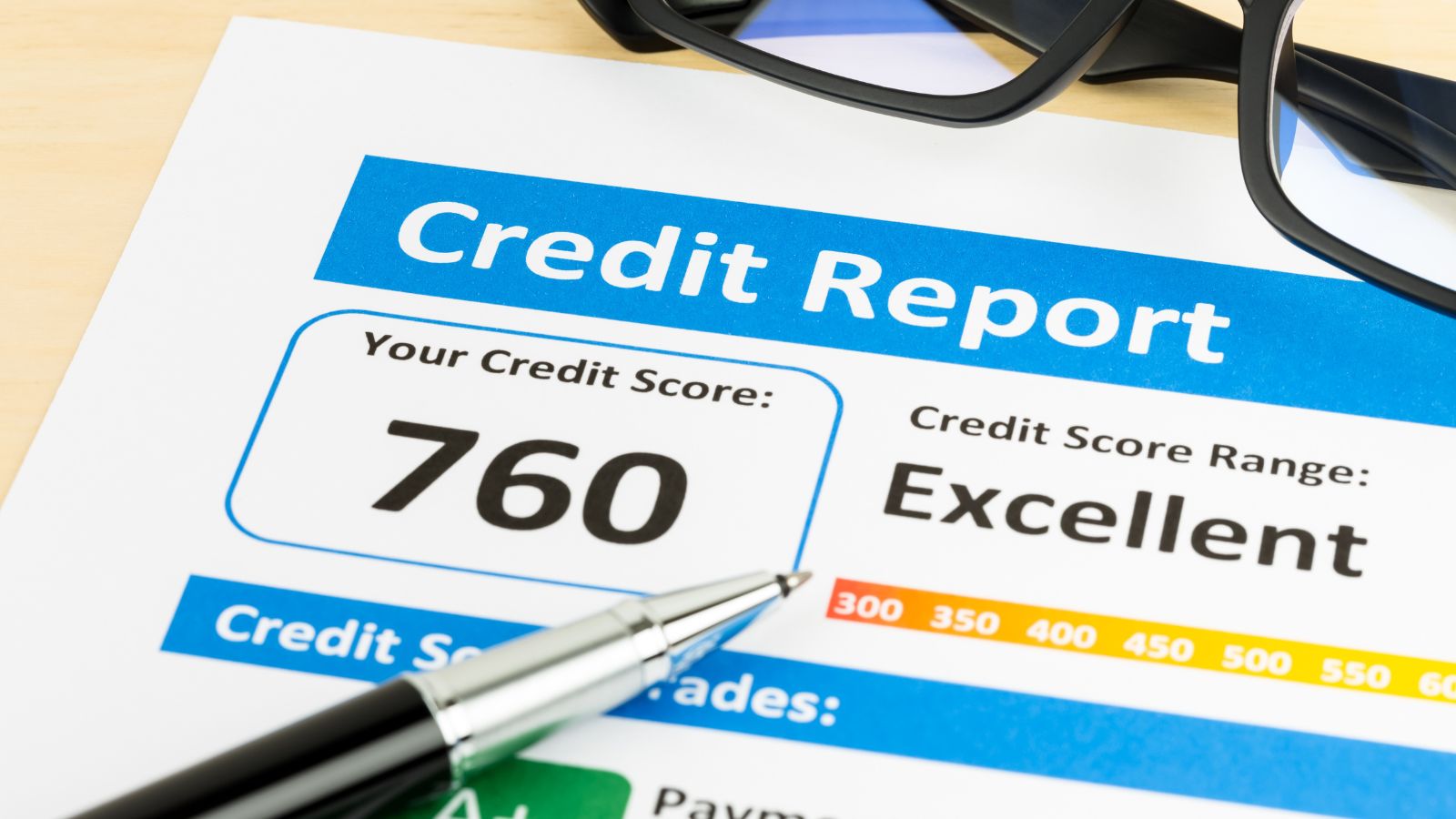
Credit health is not only about borrowing. It affects mortgage applications, apartment searches, insurance in some contexts, and access to lower-cost credit. Errors, forgotten accounts, high utilization, or missed payments can create problems months after the original issue. A midyear check gives Canadians time to correct mistakes before a major purchase or renewal.
The reset is to review credit reports from both major bureaus, confirm addresses and accounts, and set payment alerts before due dates. Credit-card utilization also deserves attention because a card near its limit can signal stress even if payments are current. A consumer planning to finance a vehicle in the fall, for example, may benefit from reducing balances during summer rather than scrambling after a lender has already reviewed the file.
Reprice Cellphone, Internet, and Utility Plans

Telecom and utility bills are classic “set and forget” expenses. Canadians may stay on older cellphone, internet, or TV packages long after better offers appear. Data needs change, household size changes, remote work changes, and promotional pricing expires. The result can be a plan that is both more expensive and less suitable than newer options.
A reset involves checking usage before calling providers. If a phone plan includes 100 GB but the customer uses 12 GB, the plan may be oversized. If home internet regularly struggles during video calls, the issue may be speed, equipment, or placement rather than simply needing the most expensive tier. A polite cancellation or retention call can sometimes uncover discounts, but comparison shopping first gives the conversation more leverage.
Separate Summer Fun From Long-Term Debt

Summer spending can feel harmless because it is tied to memories: patios, road trips, cottages, festivals, weddings, sports, and family visits. The danger is letting seasonal fun become debt that lingers into winter. A weekend away charged to a credit card in July can still be affecting cash flow when holiday expenses arrive in December.
The reset is to create a summer spending cap before plans multiply. Canadians can divide money into categories such as travel, dining, events, fuel, gifts, and children’s activities. A family might decide that two paid attractions and several free beach or park days make more sense than saying yes to every invitation. The goal is not to cancel enjoyment. It is to prevent a good season from becoming a six-month repayment plan.
Review Automatic Savings and Investments After Life Changes

Automatic transfers are useful, but they should not run on autopilot forever. A raise, job loss, parental leave, new rent, mortgage renewal, tuition bill, or changed childcare cost can make an old savings amount too low, too high, or poorly directed. A household may be investing regularly while carrying expensive credit-card debt, or leaving extra cash idle while goals fall behind.
A midyear reset asks whether each automatic transfer still has a purpose. Emergency savings, retirement, education savings, down-payment savings, and short-term travel funds should not all be treated the same. Someone with stable income may raise transfers by the amount of a recent pay increase. Someone under pressure may temporarily redirect investing toward high-interest debt. The habit is not just saving automatically; it is reviewing the automatic system when life changes.
Protect Against Fraud Before a Busy Spending Period

Fraud prevention belongs in a financial reset because scams often exploit routine, urgency, and distraction. Summer travel bookings, marketplace purchases, rental deposits, investment pitches, delivery texts, fake bank alerts, and impersonation calls can all target people who are moving quickly. Reported losses in Canada show that fraud is not a fringe problem; it is a mainstream financial risk.
A practical reset includes turning on transaction alerts, using strong unique passwords, enabling multi-factor authentication, avoiding payment by gift cards or crypto for ordinary purchases, and verifying requests through official channels. A person selling patio furniture online, for example, should be wary of overpayment stories or links that ask for banking credentials. The best habit is slowing down when money and urgency appear together.
Hold a Midyear Money Meeting Before Small Tensions Grow

Money stress often builds because nobody wants to start the conversation. Couples, roommates, adult children, parents, and business partners may all make assumptions about shared costs. By midyear, small differences over groceries, rent, subscriptions, gifts, travel, or caregiving can become resentment if expectations are unclear.
A reset meeting can be short and practical: what changed, what is coming, what needs to stop, and what deserves priority for the rest of the year. A couple might agree to pause renovations and rebuild savings. Roommates might clarify utility sharing before air-conditioning bills rise. An adult child helping a parent may organize automatic payments and fraud safeguards. The value is not just mathematical; it reduces surprises, which are often what make financial stress feel personal.
19 Things Canadians Don’t Realize the CRA Can See About Their Online Income

Earning money online feels simple and informal for many Canadians. Freelancing, selling products, and digital services often start as side projects. The problem appears at tax time. Many people underestimate how much information the CRA can access. Online platforms, banks, and payment processors create detailed records automatically. These records do not disappear once money hits an account. Small gaps in reporting add up quickly.
Here are 19 things Canadians don’t realize the CRA can see about their online income.
This Options Discord Chat is The Real Deal
While the internet is scoured with trading chat rooms, many of which even charge upwards of thousands of dollars to join, this smaller options trading discord chatroom is the real deal and actually providing valuable trade setups, education, and community without the noise and spam of the larger more expensive rooms. With a incredibly low-cost monthly fee, Options Trading Club (click here to see their reviews) requires an application to join ensuring that every member is dedicated and serious about taking their trading to the next level. If you are looking for a change in your trading strategies, then click here to apply for a membership.