35,000+ smart investors are already getting financial news, market signals, and macro shifts in the economy that could impact their money next with our FREE weekly newsletter. Get ahead of what the crowd finds out too late. Click Here to Subscribe for FREE.
Used recreational vehicles can look like freedom parked in a driveway: weekends at the lake, cross-country road trips, campsite mornings, and lower prices than buying new. In Canada, though, a used boat, RV, or trailer can also carry hidden costs tied to registration, safety equipment, liens, recalls, weather damage, storage, towing limits, and provincial rules.
These 22 things Canadians should know before buying a used boat, RV, or trailer focus on the details that often separate a smart purchase from an expensive surprise. A clean-looking unit may still need paperwork corrected, propane systems inspected, tires replaced, or water damage repaired. The goal is simple: understand the practical risks before money changes hands.
Proof of Ownership Matters More Than a Handshake
22 Things Canadians Should Know Before Buying a Used Boat, RV, or Trailer
- Proof of Ownership Matters More Than a Handshake
- Check for Liens Before Paying
- Used Boats May Need a Pleasure Craft Licence Transfer
- Vessel Registration Is Different From a Pleasure Craft Licence
- Safety Equipment Can Add Immediate Costs
- Operator Requirements Should Be Checked Early
- Cold Water Risk Is Not Just a Spring Problem
- Water Damage Is the Expensive Enemy of RVs and Trailers
- Propane Systems Need Respect
- Tires Can Age Out Before They Wear Out
- Brakes, Bearings, and Axles Deserve a Close Look
- Towing Capacity Is Not a Guessing Game
- Recalls Can Apply to RVs, Trailers, Tires, and Components
- Insurance Should Be Quoted Before the Deal Is Final
- Storage Costs Can Change the Math
- Campground and Marina Availability Is Part of Ownership
- Cross-Border Purchases Need Extra Care
- Invasive Species Rules Can Affect Boats and Trailers
- Marine Engines Need Different Checks Than Car Engines
- RV Appliances Should Be Tested, Not Assumed
- A Professional Inspection Can Pay for Itself
- Seasonal Timing Affects Price and Choice
- 19 Things Canadians Don’t Realize the CRA Can See About Their Online Income

A friendly seller and a convincing story are not enough when buying a used boat, RV, or trailer. Canadians should insist on a written bill of sale that clearly identifies the buyer, seller, purchase price, date, serial numbers, VINs, hull identification numbers, and any included equipment. For boats, Transport Canada requires proof of ownership when applying for or transferring a Pleasure Craft Licence, and missing paperwork can delay the process or raise questions about whether the seller had the right to sell.
A common private-sale problem is the “box of papers” that looks complete but is not. One receipt may cover the motor, another may cover the trailer, while the boat itself has no clear ownership trail. RVs and trailers can also have separate ownership documents depending on province, weight, and registration status. Before paying, buyers should compare the paperwork against physical numbers on the unit itself. If the serial number on the frame does not match the paperwork, that bargain deserves a pause.
Check for Liens Before Paying

A used boat, RV, or trailer may still have money owing against it, even if the seller has been making payments faithfully. A lien means a lender or other secured party may have a legal claim on the property. Some provincial services allow lien searches using serial numbers, VINs, or other identifiers, and Newfoundland and Labrador’s official Lien Check service specifically lists boats, trailers, mobile homes, outboard motors, and vehicles among searchable items.
This matters because a buyer could pay full price and later discover that the seller’s old loan was never discharged. The result can be stressful: calls from lenders, transfer problems, or pressure to resolve a debt that was never part of the deal. In Alberta, the province warns that a buyer may be responsible for a lien after purchase. A cautious buyer should search the correct province or territory, ask for written proof that financing has been paid off, and avoid any seller who wants payment before lien questions are answered.
Used Boats May Need a Pleasure Craft Licence Transfer

In Canada, many powered recreational boats require a Pleasure Craft Licence if they are not registered as vessels. Transport Canada says a pleasure craft with a motor of 10 horsepower or more generally needs a licence unless it is registered, and a used boat purchase usually requires the licence to be transferred. The licence number displayed on the hull is not proof that the current seller owns the boat; it is an administrative identifier connected to the craft.
That distinction catches buyers off guard. A seller may say, “The numbers are already on it,” but the buyer still needs proper documents to transfer the licence. Transport Canada’s process requires proof of ownership and other supporting material, and imported pleasure craft may need a new Canadian licence if they are used in Canada. For buyers, the practical move is to confirm the licence status before closing the deal, then make sure the bill of sale matches the name, hull description, and licence details.
Vessel Registration Is Different From a Pleasure Craft Licence

A Pleasure Craft Licence and vessel registration are not the same thing. Transport Canada describes the Canadian Register of Vessels as a title system that tracks ownership and vessel characteristics such as tonnage, construction material, and vessel type. Pleasure craft owners may choose or need registration in certain situations, including when they want an official vessel name or when the craft is subject to a marine mortgage.
This distinction can affect used-boat buyers in real ways. A larger cruiser with a name painted on the stern may have registration records that should be reviewed differently from a small fishing boat with a licence number on the bow. If a seller casually uses “registered” to mean “licensed,” confusion can follow. Buyers should ask which system applies, request the relevant documents, and verify whether any marine mortgage or ownership issue could complicate the sale. The more expensive the boat, the more important this step becomes.
Safety Equipment Can Add Immediate Costs
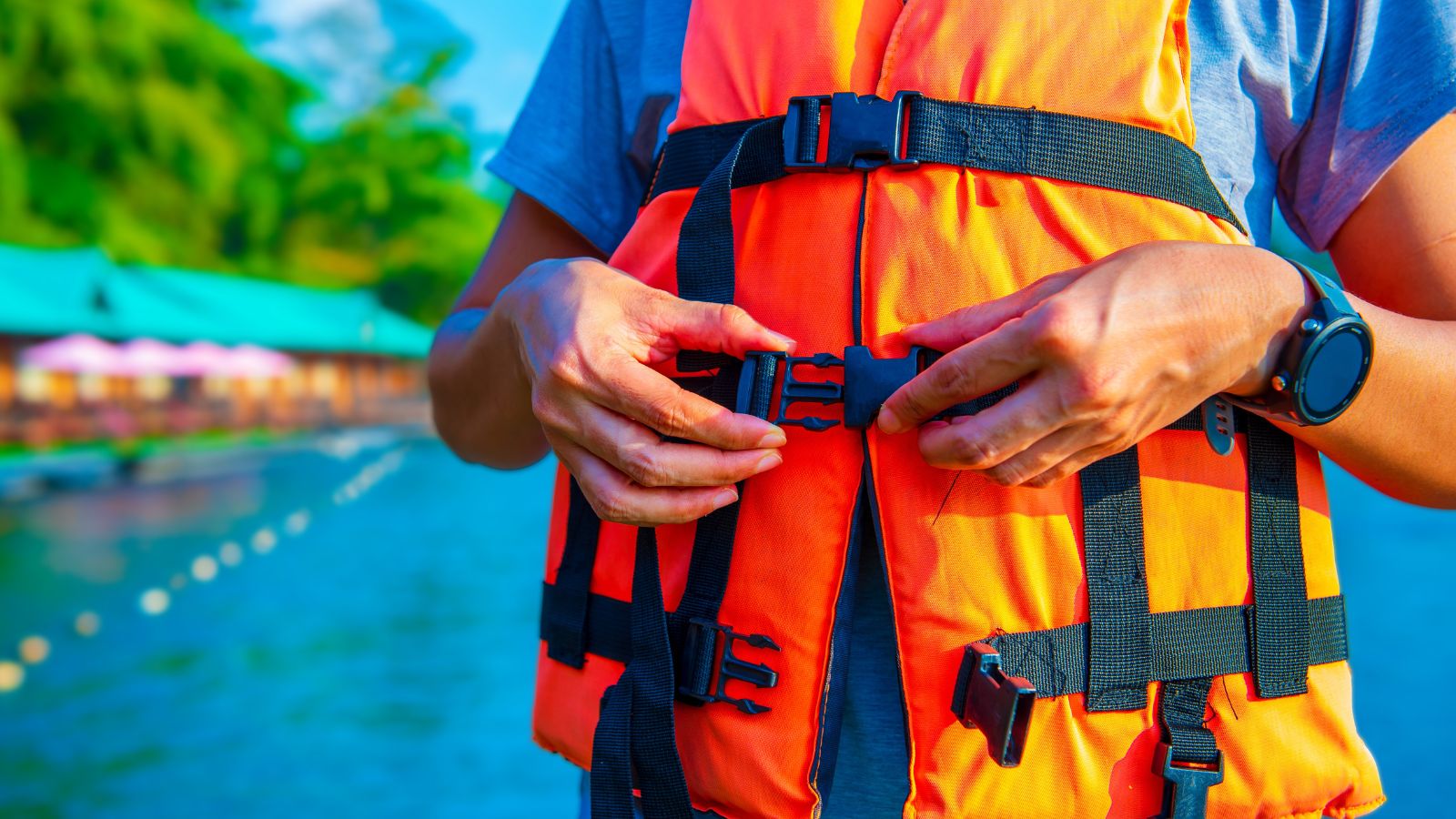
A used boat may come with ropes, cushions, and an old orange lifejacket, but that does not mean it is ready for the water. Canadian safety equipment requirements vary by craft type and length, and Transport Canada’s boating rules require items such as properly sized lifejackets or personal flotation devices, buoyant heaving lines, sound-signalling devices, bailers or pumps, navigation lights when needed, and fire extinguishers for certain vessels.
These items can add up quickly after purchase. A family that buys a small bowrider may discover that the children need properly fitted lifejackets, the fire extinguisher is expired, the anchor line is too short, and the navigation lights do not work. A seller’s “everything included” pile may not meet current requirements or fit the people who will actually be on board. A practical inspection should include the safety kit, not just the engine. Missing gear is not a dealbreaker, but it should affect the real purchase budget.
Operator Requirements Should Be Checked Early

Buying a boat does not automatically mean being legally ready to operate it. In Canada, most people operating powered pleasure craft must carry proof of competency, and the Pleasure Craft Operator Card is the most common form. Transport Canada says boaters who do not already have another accepted document must obtain the card by passing a boating safety test, usually after a course from an accredited provider.
This is especially important for families buying a boat “for the cottage” and assuming anyone can take it out. The card requirement follows the operator, not the boat, so every person expected to operate the craft should understand the rule. It also affects test drives. If a private seller offers a lake trial, the buyer should make sure someone qualified is operating the boat and that required safety equipment is onboard. A great deal can become less attractive if training, testing, and insurance requirements were never considered.
Cold Water Risk Is Not Just a Spring Problem

Canadian boating seasons often begin before lakes and rivers feel remotely warm. Cold water can create danger even on sunny days, especially when a person falls overboard unexpectedly. The Canadian Safe Boating Council describes cold shock as an initial gasp and rapid breathing response that can make it hard to stay calm and keep airways clear. That first minute can be critical, and wearing a lifejacket greatly improves the chance of staying afloat.
Used-boat buyers should consider whether the craft suits local conditions. A small aluminum boat may be fine for sheltered fishing, but less forgiving on a windy northern lake. A canoe, personal watercraft, or older runabout used in cold water demands extra preparation: flotation, reboarding ability, communication, and clothing suited to water temperature rather than air temperature. The bargain is not only the hull and motor; it is the entire safety setup needed for real Canadian conditions.
Water Damage Is the Expensive Enemy of RVs and Trailers
Water intrusion is one of the most expensive problems in a used RV or travel trailer. Soft floors, stained ceilings, musty smells, bubbling wall panels, swollen cabinets, and discoloured corners can point to leaks that have been active for months or years. A unit can look freshly cleaned and still hide damage behind wall coverings, under vinyl flooring, or around roof seams.
Buyers should slow down around windows, roof vents, slide-outs, front caps, and storage compartments. A trailer parked through several freeze-thaw cycles may have sealant cracks that widened slowly. One common example is a “barely used” camper with a spotless dinette but soft flooring near the door because water entered around the frame. Professional inspections can be worthwhile because rot repairs often exceed what first-time buyers expect. A low price may simply reflect a seller who knows spring rain is about to reveal the problem again.
Propane Systems Need Respect
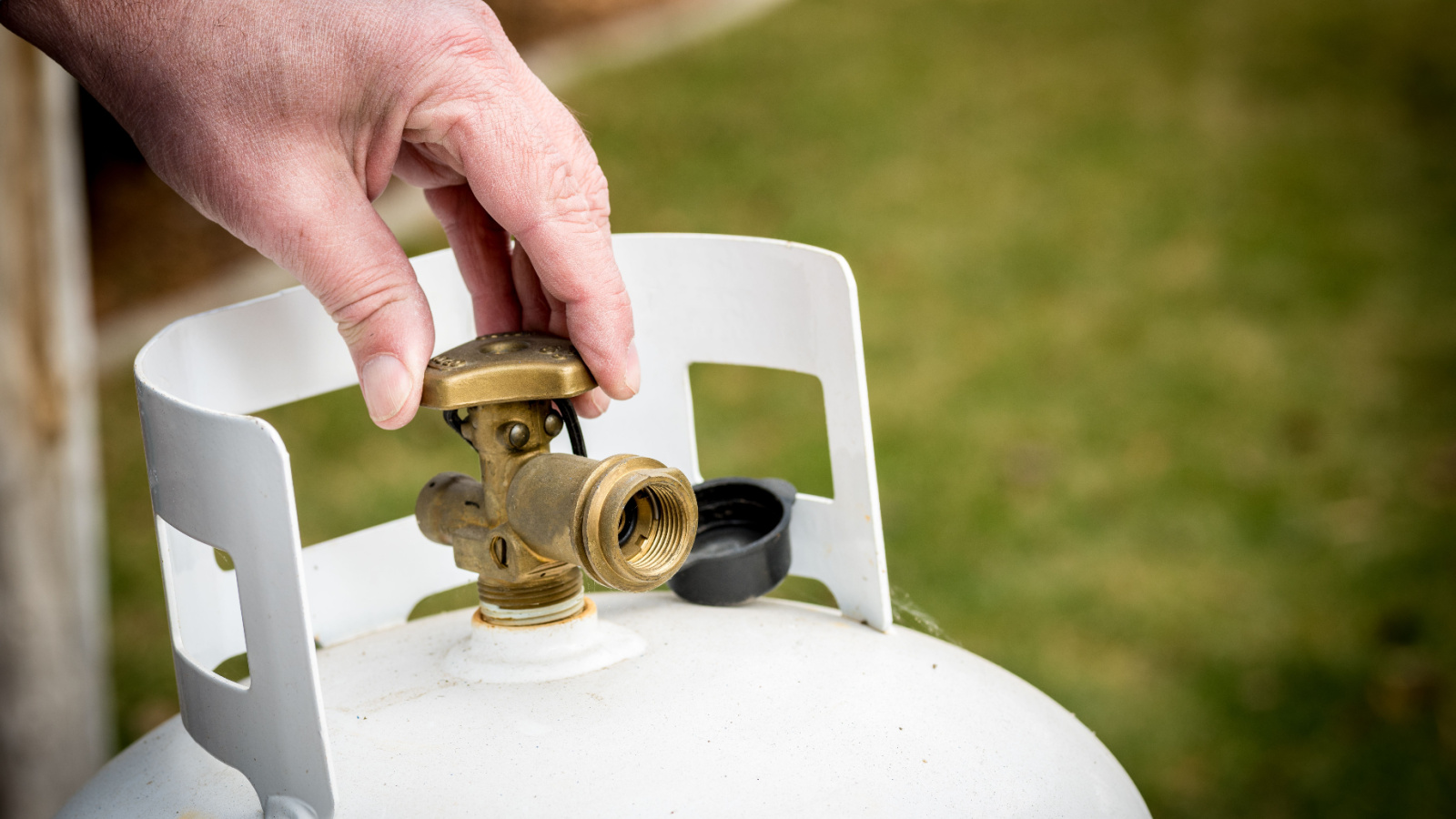
Many RVs and trailers rely on propane for furnaces, stoves, fridges, and water heaters. That makes propane systems central to comfort and safety. Used units should be checked for cylinder dates, regulator condition, appliance operation, gas odours, damaged lines, and proper certification marks. Canadian propane cylinders and appliances are subject to safety standards, and industry safety guidance often emphasizes inspection and recertification intervals.
This is one area where casual testing is risky. A seller lighting the stove for five seconds does not prove the system is safe. Buyers should ask when the propane system was last inspected, check whether portable cylinders are still within their valid service life, and consider a certified inspection before camping with family. A small leak inside a closed trailer is not a minor inconvenience. It is a safety issue that can turn an otherwise good purchase into a serious hazard.
Tires Can Age Out Before They Wear Out

Used RVs, boat trailers, and utility trailers often have tires with deep tread because they spend more time parked than moving. Tread depth alone can be misleading. Trailer tires can deteriorate from age, sun exposure, underinflation, and long storage periods. Cracked sidewalls, flat spots, mismatched tires, and old date codes can signal immediate replacement costs.
This is a common trap with seasonal equipment. A boat trailer may travel only from a cottage shed to the launch ramp, then suddenly be expected to handle a 300-kilometre highway trip after sale. Similarly, an RV that sat for years on one side of a driveway may have tires that look acceptable from a distance but are not safe under load. Buyers should check date codes, load ratings, spare tire condition, and whether the tires match the trailer’s actual weight. Fresh tires may not be exciting, but they are cheaper than a roadside failure.
Brakes, Bearings, and Axles Deserve a Close Look
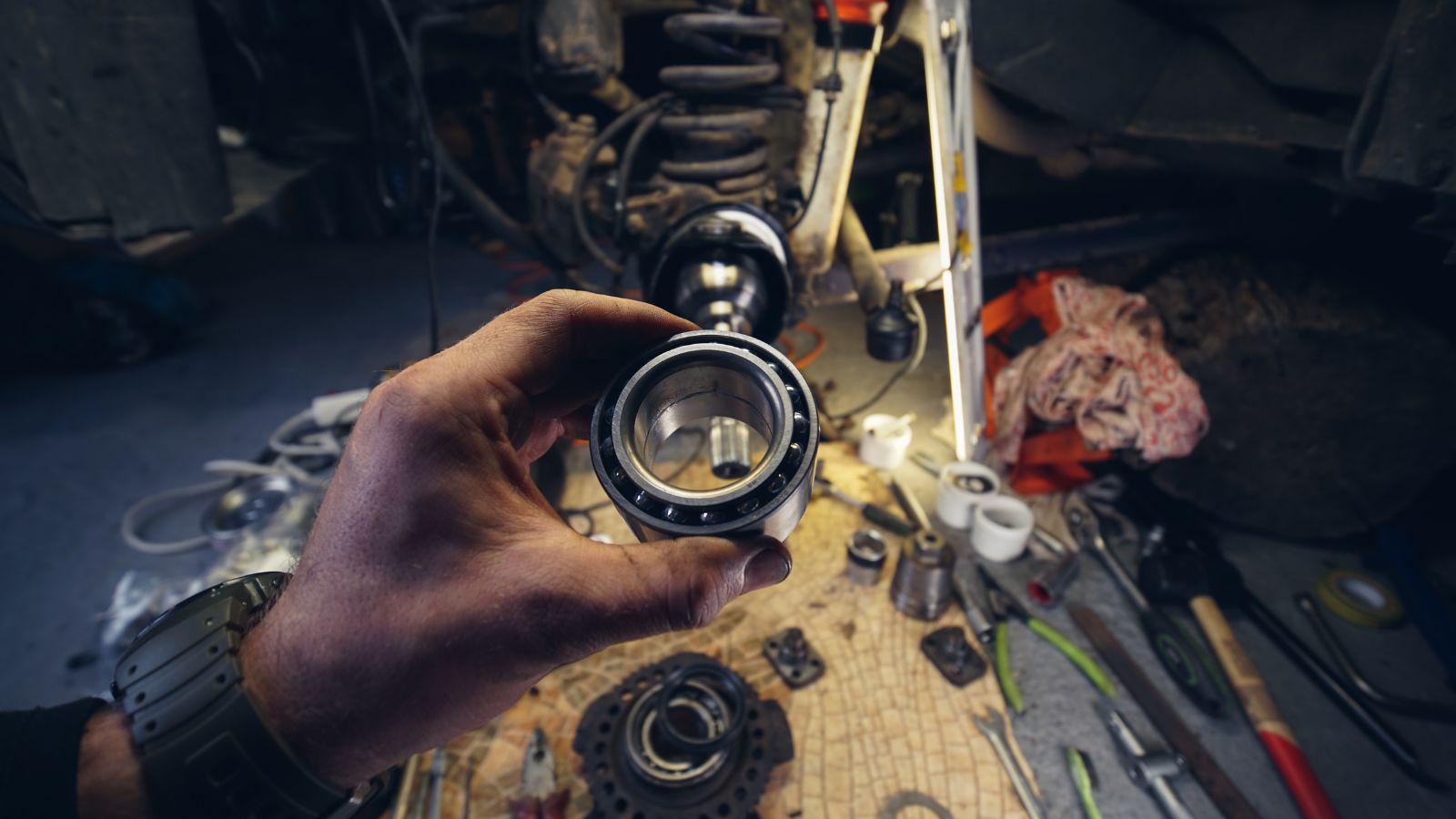
Trailer running gear is easy to overlook because it sits under the fun part of the purchase. Yet brakes, wheel bearings, suspension components, axles, couplers, and safety chains determine whether the trailer can be moved safely. A boat trailer dunked repeatedly in fresh or salt water can have corrosion in places that do not show well in photos. An RV trailer that has been overloaded may show uneven tire wear, sagging suspension, or stressed frame components.
A careful buyer should ask when bearings were last serviced and whether electric brakes, breakaway switches, lights, and connectors work. A short test tow can reveal pulling, clunking, weak braking, or sway. In provinces where inspections apply to certain vehicles or trailers, buyers should understand those rules before assuming the unit can be registered and used immediately. A beautiful camper with neglected running gear may need a repair bill before the first weekend away.
Towing Capacity Is Not a Guessing Game
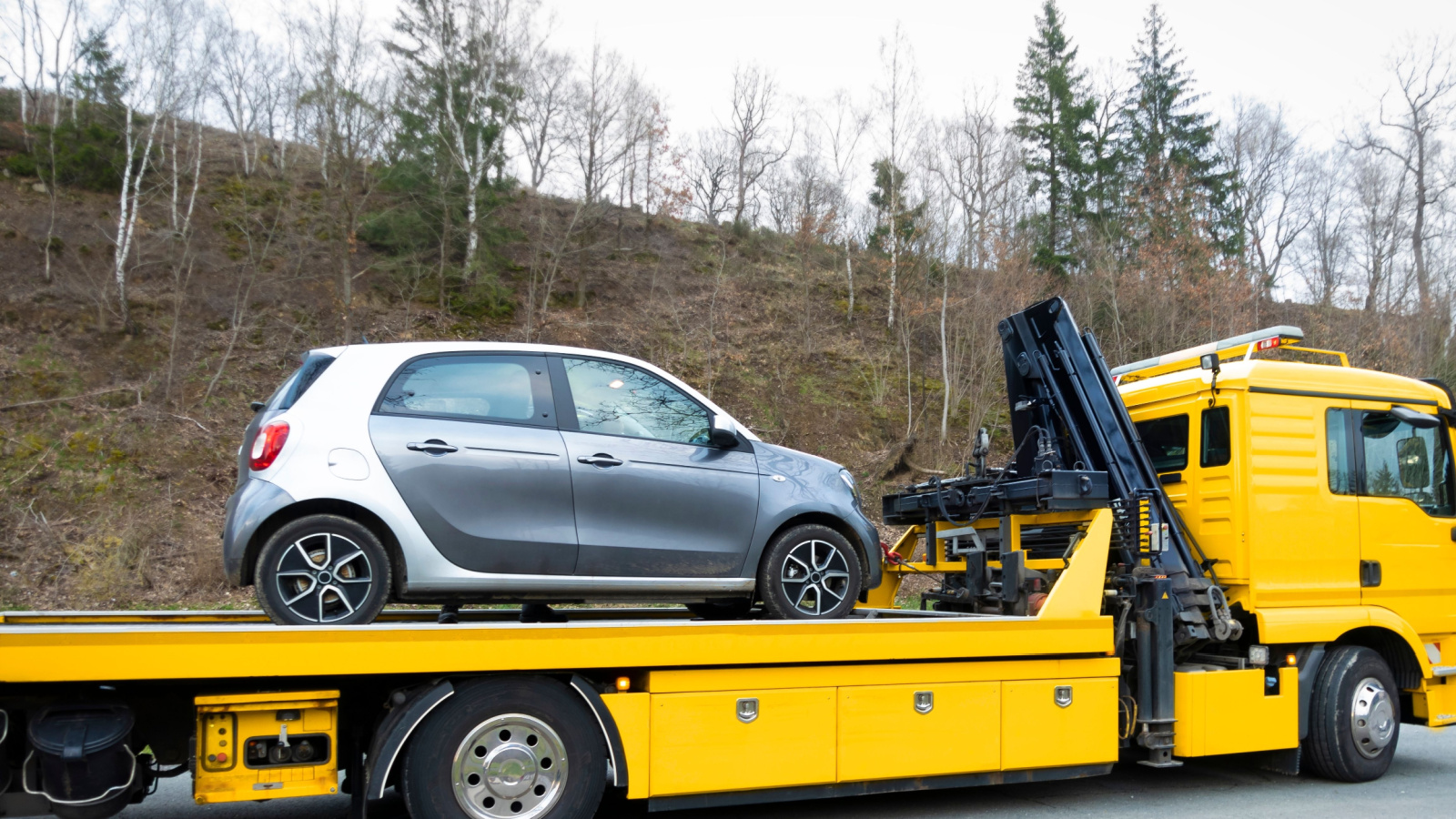
The right trailer can still be the wrong trailer for a buyer’s vehicle. Towing limits depend on more than the advertised trailer weight. Buyers need to consider gross vehicle weight rating, tongue weight, payload capacity, passengers, cargo, hitch rating, brake controller requirements, and the weight of water, propane, food, bicycles, and camping gear. A trailer that seemed manageable empty can become too heavy once loaded for a long weekend.
This is where many first-time buyers underestimate real-world numbers. A mid-size SUV may tow a small travel trailer on paper, but the vehicle’s payload can be consumed quickly by people, luggage, and tongue weight. Boat buyers face the same issue once fuel, batteries, gear, and the trailer itself are included. The safest approach is to verify ratings from the tow vehicle’s manual and door sticker, then compare them with the trailer’s compliance labels. A comfortable margin is better than buying at the limit.
Recalls Can Apply to RVs, Trailers, Tires, and Components
Used buyers often check recalls on cars but forget RVs, trailers, and tires. Transport Canada maintains recall information for vehicles, tires, and child car seats, and recall searches can include manufacturer and VIN-based tools. In 2025, Transport Canada also highlighted expanded access to VIN lookup tools for vehicle safety recalls, emphasizing that unresolved recalls can pose safety risks.
An RV is a collection of systems: chassis, brakes, axles, tires, appliances, electrical components, and sometimes a motor vehicle platform. A used motorhome may have recalls from the chassis maker and separate safety notices related to RV equipment. A travel trailer may have axle, tire, propane, or electrical recall concerns. Buyers should gather the VIN and model information before purchase and search manufacturer and Transport Canada resources. A seller saying “nothing ever went wrong” is not the same as confirming no recall remains open.
Insurance Should Be Quoted Before the Deal Is Final

Insurance can vary widely for boats, RVs, trailers, and motorhomes. A small utility trailer may be handled differently from a fifth wheel, a motorhome, or a high-powered boat. Insurers may ask about storage location, replacement value, usage, operator experience, safety equipment, surveys, modifications, and whether the unit will be used in Canada only or across the border. Some marinas and campgrounds may also require proof of coverage.
A buyer who waits until after purchase may discover awkward conditions. An older boat may need a marine survey before coverage. A motorhome with previous damage may be harder to insure. A trailer stored on a rural lot may cost more to cover against theft. Before handing over a deposit, buyers should request quotes using the exact make, model, year, VIN or hull number, and intended use. Insurance is not just paperwork; it is part of the real carrying cost.
Storage Costs Can Change the Math
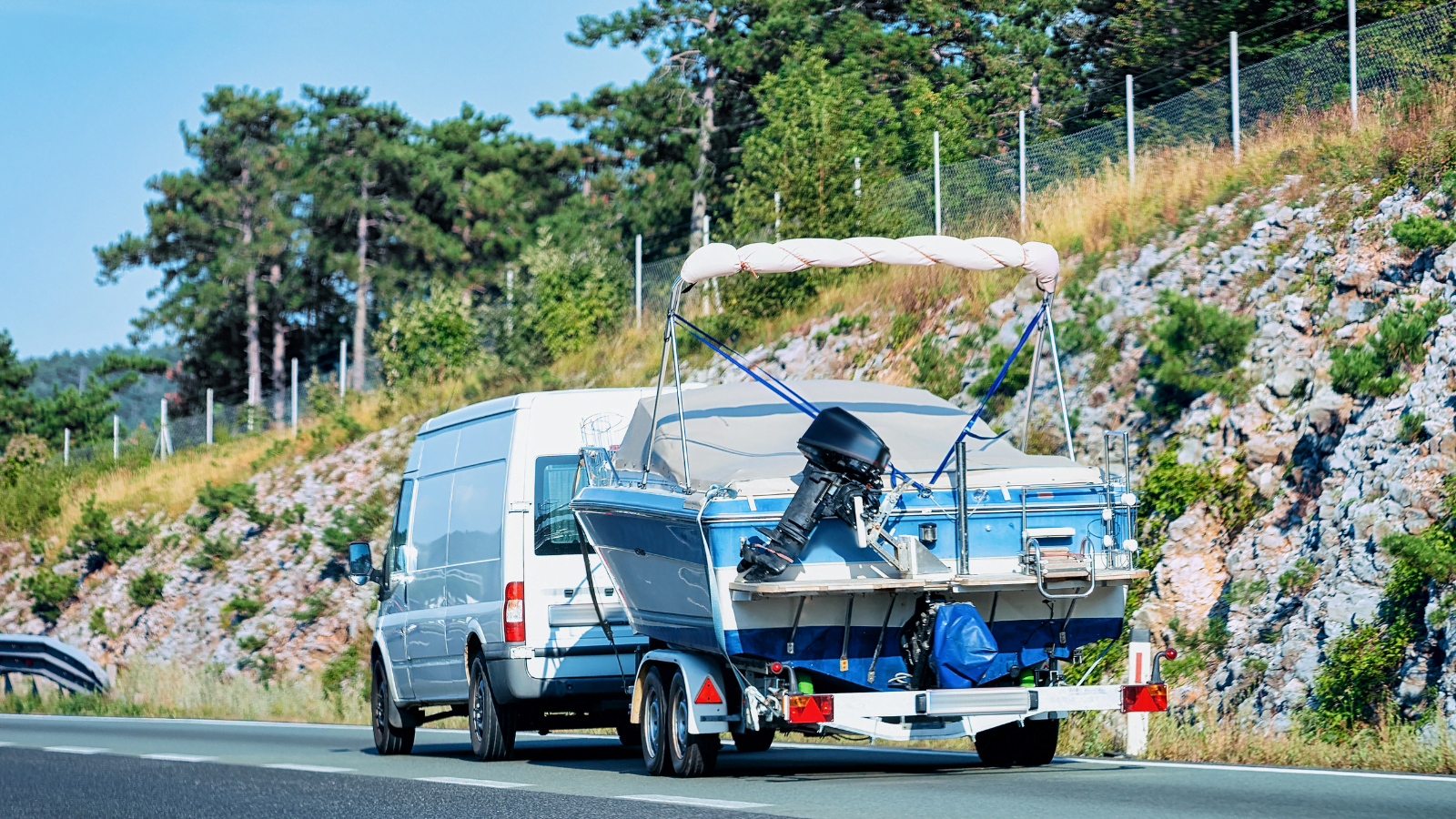
A used boat, RV, or trailer may seem affordable until storage enters the calculation. Not every driveway can legally or practically hold a 26-foot travel trailer or a boat on a trailer. Municipal bylaws, condo rules, neighbourhood restrictions, winter storage needs, marina fees, and indoor storage costs can all reshape the budget. In snowy areas, indoor or covered storage can also reduce deterioration, but it comes at a price.
This is where the dream sometimes meets the tape measure. A buyer may bring home a camper only to find it blocks sightlines, violates local rules, or cannot fit past a fence gate. Boats add launch access and dockage questions. A low-cost used cruiser may need a paid slip, haul-out, shrink wrapping, and off-season yard storage. Buyers should confirm where the unit will live before buying it. The cheapest purchase can become expensive if it needs commercial storage every month.
Campground and Marina Availability Is Part of Ownership

Buying an RV or boat does not guarantee easy access to campsites, slips, or launch ramps. Popular Canadian destinations can book quickly during summer and long weekends. Some campgrounds limit trailer length, age, generator use, or arrival times. Marinas may have waitlists, draft restrictions, electrical limitations, or rules about insurance and inspections.
This affects what kind of used unit makes sense. A large fifth wheel may feel luxurious but be harder to fit into older provincial park sites. A cabin cruiser may look appealing but require a slip that is difficult to secure near major urban centres. Even smaller boats depend on launch parking and local water levels. Buyers should research the places they actually plan to use, not just the places shown in promotional photos. A realistic ownership plan includes reservations, access points, and seasonal availability.
Cross-Border Purchases Need Extra Care

Some Canadians look south for used boats, RVs, or trailers, especially when exchange rates, inventory, or model availability appear favourable. Importing can work, but it requires careful attention to admissibility, compliance, taxes, recall clearance, documentation, and border processes. The Canada Border Services Agency provides rules for importing vehicles, while Transport Canada oversees motor vehicle safety requirements.
The risk is assuming that a U.S. trailer or motorhome automatically qualifies for Canadian use. Lighting, labels, safety standards, recalls, and paperwork can complicate the process. Boats may have separate licensing or registration issues once brought into Canada. Exchange rates, transport costs, inspection fees, brokerage costs, provincial taxes, and modifications can erase apparent savings. Before buying across the border, Canadians should confirm import eligibility and total landed cost. A “deal” that cannot be registered easily is not a deal.
Invasive Species Rules Can Affect Boats and Trailers

Moving a used boat from one lake or province to another can raise invasive species concerns. Fisheries and Oceans Canada promotes “Clean, Drain, Dry and Decontaminate” practices to prevent the spread of aquatic invasive species. Provincial rules may also apply, and Alberta notes that watercraft inspection is mandatory during certain months for watercraft entering from specific directions.
This matters in private sales because boats are often moved long distances after purchase. A buyer hauling a used fishing boat from one region to another should clean hulls, drain bilges, empty live wells, remove plants and mud, and follow local inspection rules. Boat trailers can carry invasive mussels, aquatic plants, and standing water just as easily as boats. The responsibility does not end with the seller. A clean transfer protects waterways and helps avoid fines, delays, or refused access at inspection stations.
Marine Engines Need Different Checks Than Car Engines

A boat engine can start in a driveway and still fail under load. Outboards, sterndrives, and inboards should be assessed for compression, cooling flow, gearcase oil condition, corrosion, fuel-system issues, water intrusion, propeller damage, and service history. A proper water test is often more revealing than a quick start on muffs because overheating, shifting problems, vibration, and power loss may only appear on the water.
Older boats also bring parts availability questions. A clean hull with an aging two-stroke outboard may be cheap to buy but costly to repair if parts are scarce or local mechanics are reluctant to work on it. Buyers should ask for maintenance receipts, winterization records, and any evidence of recent impeller, lower-unit, or fuel-system service. A marine mechanic inspection can be especially valuable because boat engine repairs often cost more than buyers expect from car experience.
RV Appliances Should Be Tested, Not Assumed

An RV’s fridge, furnace, air conditioner, water heater, converter, battery charger, water pump, awning, slide-outs, and holding tank sensors all affect livability. These systems can fail even when the trailer looks nearly new. Some appliances operate on propane, electricity, or both, and a seller may only demonstrate the easiest mode. A fridge that cools on shore power but fails on propane may not be obvious during a short viewing.
Buyers should allow enough time for a real systems check. The furnace should ignite and run, the water pump should hold pressure, the air conditioner should cool, and the fridge should begin dropping temperature. Slide-outs should move smoothly without grinding, leaks, or uneven seals. A family who discovers at the first campsite that the water heater does not work may spend the weekend boiling kettles. Testing takes patience, but it can prevent a disappointing first trip.
A Professional Inspection Can Pay for Itself
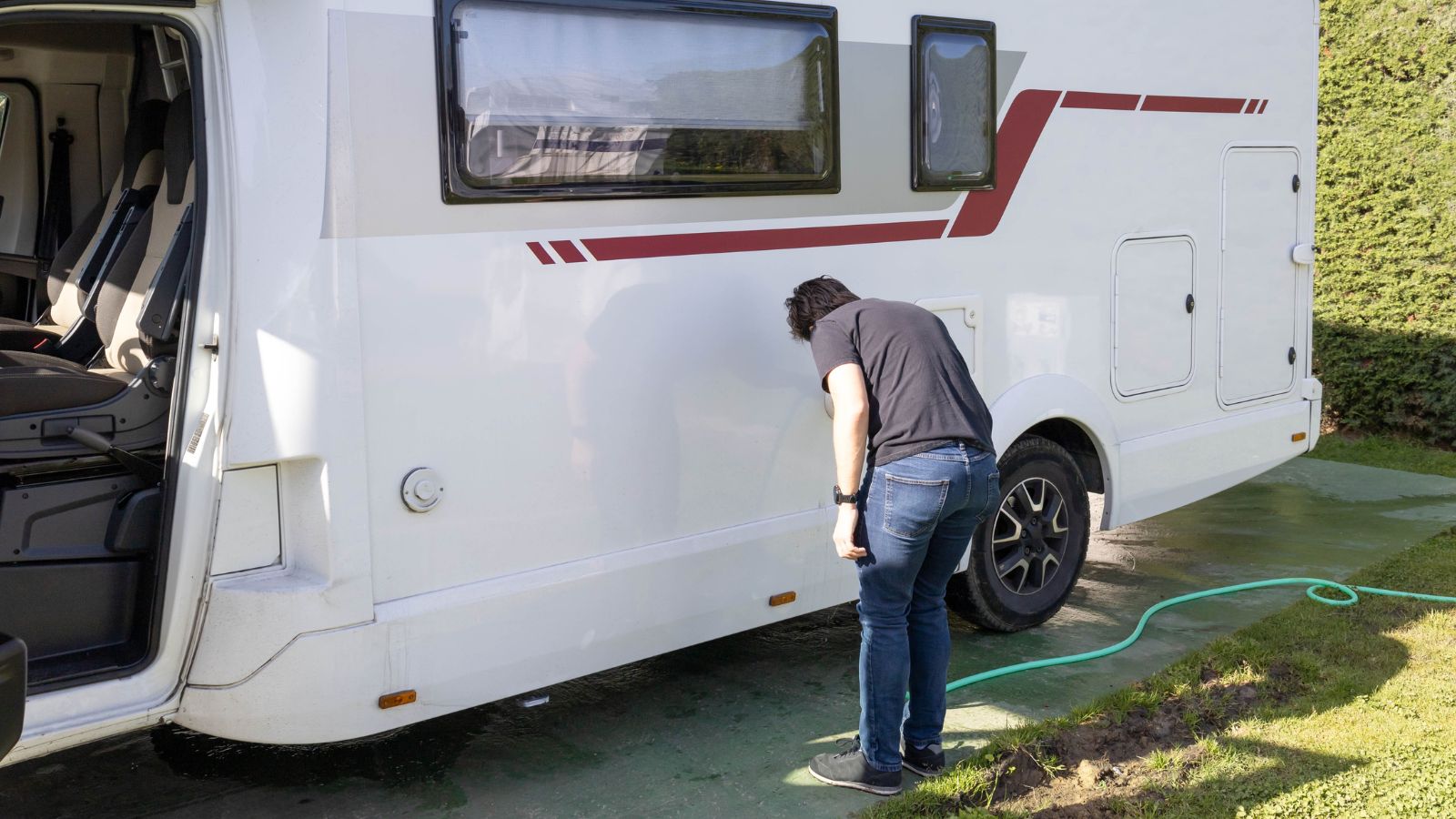
Private sellers often price used boats, RVs, and trailers based on appearance, emotional attachment, or online listings rather than actual condition. A professional inspection can uncover hidden rot, electrical faults, structural repairs, collision damage, corroded frames, brake problems, engine issues, or unsafe propane systems. ICBC advises used-vehicle buyers to perform their own inspection and consider a professional mechanic, along with lien and history checks.
The cost of an inspection may feel inconvenient when a desirable unit has multiple interested buyers. Still, rushing is exactly how expensive mistakes happen. A buyer may be told, “Another person is coming tonight,” but pressure should not replace due diligence. For higher-priced boats, RVs, or motorhomes, inspections and marine surveys can also help with insurance and financing. If a seller refuses reasonable inspection access, that refusal is information. Sometimes the smartest purchase is the one that is walked away from.
Seasonal Timing Affects Price and Choice
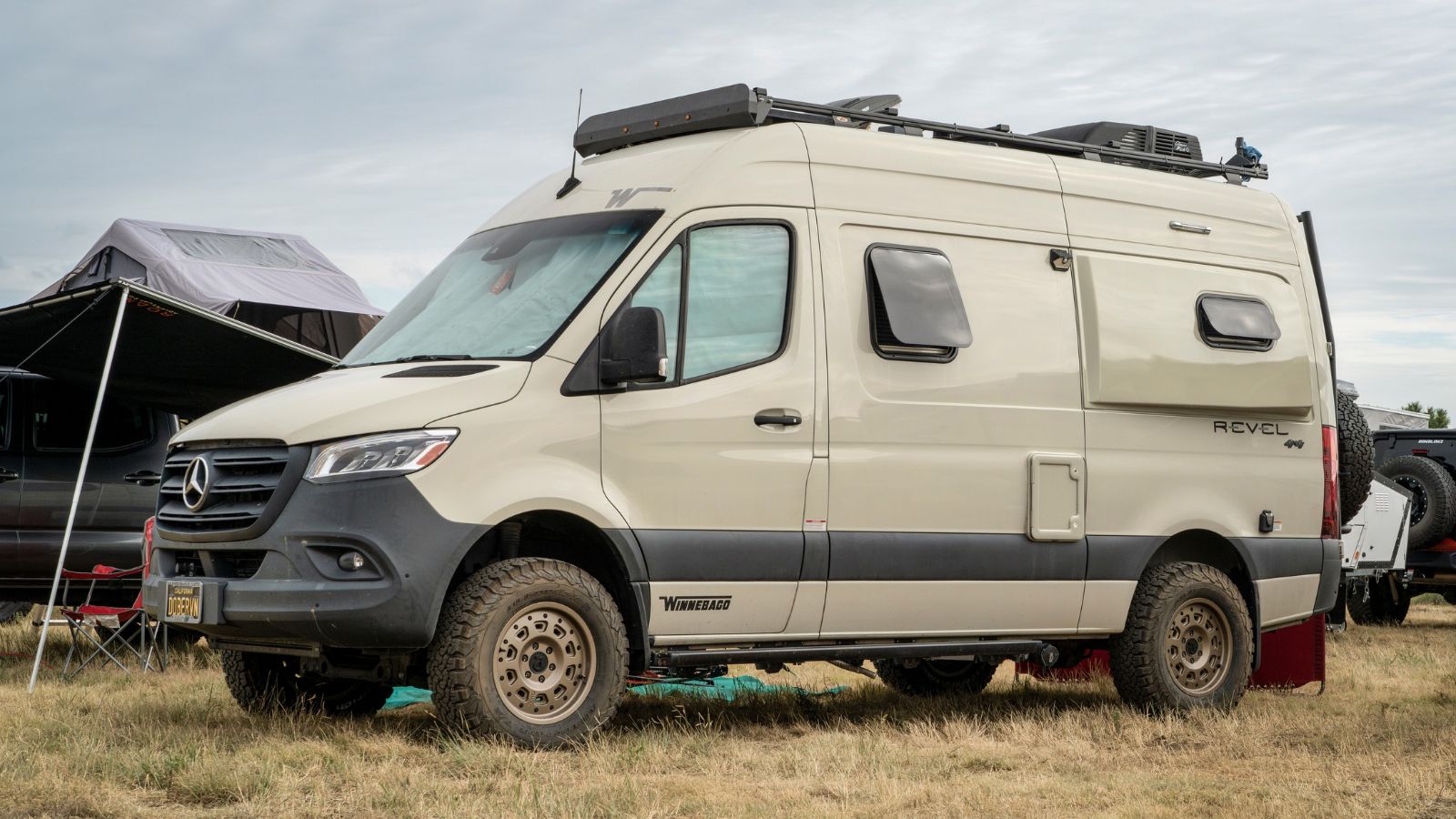
The market for boats, RVs, and trailers is seasonal in Canada. Demand often rises as weather improves and families start planning summer trips. Prices can soften after peak season, but late-season buyers may face storage, winterization, or limited inspection opportunities. A boat viewed in November may be shrink-wrapped, winterized, and impossible to water-test. An RV viewed in February may hide roof or plumbing issues until thaw.
Timing can work for or against the buyer. Spring offers more selection but stronger competition. Fall can bring motivated sellers but fewer chances to test everything properly. A trailer bought in late autumn may immediately need winter storage and battery care. A boat bought before freeze-up needs proper winterization, especially if the seller has not already done it. Buyers should factor the calendar into negotiations. A lower price is helpful only if seasonal limitations are reflected in the risk.
19 Things Canadians Don’t Realize the CRA Can See About Their Online Income

Earning money online feels simple and informal for many Canadians. Freelancing, selling products, and digital services often start as side projects. The problem appears at tax time. Many people underestimate how much information the CRA can access. Online platforms, banks, and payment processors create detailed records automatically. These records do not disappear once money hits an account. Small gaps in reporting add up quickly.
Here are 19 things Canadians don’t realize the CRA can see about their online income.
This Options Discord Chat is The Real Deal
While the internet is scoured with trading chat rooms, many of which even charge upwards of thousands of dollars to join, this smaller options trading discord chatroom is the real deal and actually providing valuable trade setups, education, and community without the noise and spam of the larger more expensive rooms. With a incredibly low-cost monthly fee, Options Trading Club (click here to see their reviews) requires an application to join ensuring that every member is dedicated and serious about taking their trading to the next level. If you are looking for a change in your trading strategies, then click here to apply for a membership.