
35,000+ smart investors are already getting financial news, market signals, and macro shifts in the economy that could impact their money next with our FREE weekly newsletter. Get ahead of what the crowd finds out too late. Click Here to Subscribe for FREE.
Summer has a way of making ordinary household costs feel less ordinary. Longer days, weekend trips, backyard projects, hotter weather, and busier family schedules can all turn familiar bills into bigger line items. In Canada, where prices for transportation, services, housing, insurance, and communications can vary widely by province and provider, paying the first amount shown is often not the only option.
These 19 summer bills are especially worth reviewing before paying full price. Some involve seasonal demand, some involve loyalty discounts or competing offers, and others come with fees that can be questioned, reduced, paused, bundled, or replaced with a cheaper plan.
Cellphone Plans
19 Summer Bills Canadians Can Negotiate Before Paying Full Price
- Cellphone Plans
- Home Internet
- Cable and TV Packages
- Streaming Subscriptions
- Car Insurance
- Home and Tenant Insurance
- Electricity and Cooling Costs
- Natural Gas and Water Heater Rentals
- Lawn Care and Landscaping
- Pest Control
- Pool and Hot Tub Service
- Gym and Fitness Memberships
- Car Rental Bills
- Hotel and Short-Term Stay Fees
- Moving and Storage Costs
- Home Renovation and Repair Bills
- Credit Card Annual Fees
- Bank Account and Service Fees
- Travel Insurance
- 19 Things Canadians Don’t Realize the CRA Can See About Their Online Income

Cellphone bills are one of the easiest summer costs to forget because they arrive every month, usually by automatic payment. But summer often changes how people use their phones. Road trips, cottage weekends, festivals, and visits to family can mean more data use, more roaming, and more hotspotting than usual. A plan that looked fine in February may be overpriced by July, especially if competing carriers are advertising bonus data or limited-time switching offers.
Before paying the regular amount, it is worth checking whether the provider has a retention department, seasonal promotion, family-plan discount, or bring-your-own-device rate. A Toronto family heading to Nova Scotia, for example, may not need a larger permanent plan if a temporary data add-on costs less. Canadians also have protections around overage and roaming caps, which makes it reasonable to ask why a bill jumped and whether charges can be reversed or credited.
Home Internet

Summer internet bills can creep higher when households have students at home, guests using Wi-Fi, or remote workers spending more time on video calls. Providers often market faster packages as the solution, but many homes do not need the highest tier. A household mostly streaming, browsing, and attending video meetings may be able to negotiate a lower monthly rate, a modem-fee credit, or a promotion normally reserved for new customers.
The strongest negotiating point is comparison shopping. If another provider offers a similar speed at a lower price in the same postal code, customer service may have room to match it or provide a loyalty credit. It also helps to ask about actual usage rather than advertised speed. Some customers discover they are paying for a package built for heavy gaming or multiple 4K streams when their real summer usage is much more modest.
Cable and TV Packages

Traditional TV packages can become expensive during summer because they often include channels that barely get watched once people are outside more. Sports packages, specialty channels, rental boxes, and legacy bundles can quietly remain on the bill even when viewing habits have changed. The bill may feel fixed, but TV service is one of the areas where providers often have lighter packages, theme packs, or promotional credits.
A practical approach is to review the last month of actual viewing. If only local news, a sports channel, and one entertainment package are being used, the rest becomes negotiation room. Some households save by switching to a skinny basic package and adding one or two targeted services. Others ask for a temporary suspension while away at the cottage. The key is not threatening to cancel immediately, but asking what lower-cost package matches current usage.
Streaming Subscriptions

Streaming bills are often smaller individually, which makes them easy to ignore. But summer can expose how many platforms are billing at once. One service for a single show, another for kids’ movies, another for sports, and another bundled through a telecom provider can add up to a surprisingly large monthly entertainment bill. Because streaming is usually month-to-month, it is often negotiable in a different way: by pausing, rotating, downgrading, or switching billing channels.
Some platforms offer ad-supported tiers, annual discounts, student pricing, telecom bundles, or free trial periods through device purchases and loyalty programs. A family travelling for most of August may not need every subscription running while away. Even a simple rotation system can help: keep one or two active services, finish what is being watched, then switch. The savings may look small per platform, but the annual difference can resemble a utility bill.
Car Insurance

Summer driving can change the insurance conversation. More kilometres, teenage drivers home from school, cottage trips, and longer highway routes can all affect risk. But that does not mean the renewal amount should be accepted without review. Insurers may offer discounts for bundling, winter tire use, telematics, alumni groups, professional associations, anti-theft devices, clean driving records, or higher deductibles.
The best time to negotiate is before renewal, not after automatic payment. A driver in Calgary or Mississauga may discover that two insurers price the same vehicle very differently because each company weighs claims history, repair costs, neighbourhood risk, and vehicle theft data in its own way. Asking about removing collision coverage from an older vehicle, adjusting annual kilometres, or updating the listed commute can also matter. The goal is not less protection; it is a policy that reflects real summer use.
Home and Tenant Insurance

Home and tenant insurance often gets treated as a fixed cost, especially when it is bundled with a mortgage, condo, or lease routine. But summer brings risks and changes that can affect pricing: renovations, pools, short-term guests, vacant periods, bikes, outdoor equipment, and high-value items stored in sheds or garages. Reviewing coverage before paying the renewal can reveal both gaps and savings.
Negotiation can involve more than asking for a lower premium. Some households reduce costs by increasing deductibles, bundling with auto coverage, installing monitored alarms, adding water sensors, or removing coverage that no longer applies. Renters may qualify for discounts through alumni or employer groups. Homeowners should also ask whether a recent roof, updated plumbing, sump pump, or backwater valve changes the risk profile. A 15-minute call can prevent both overpaying and being underinsured.
Electricity and Cooling Costs
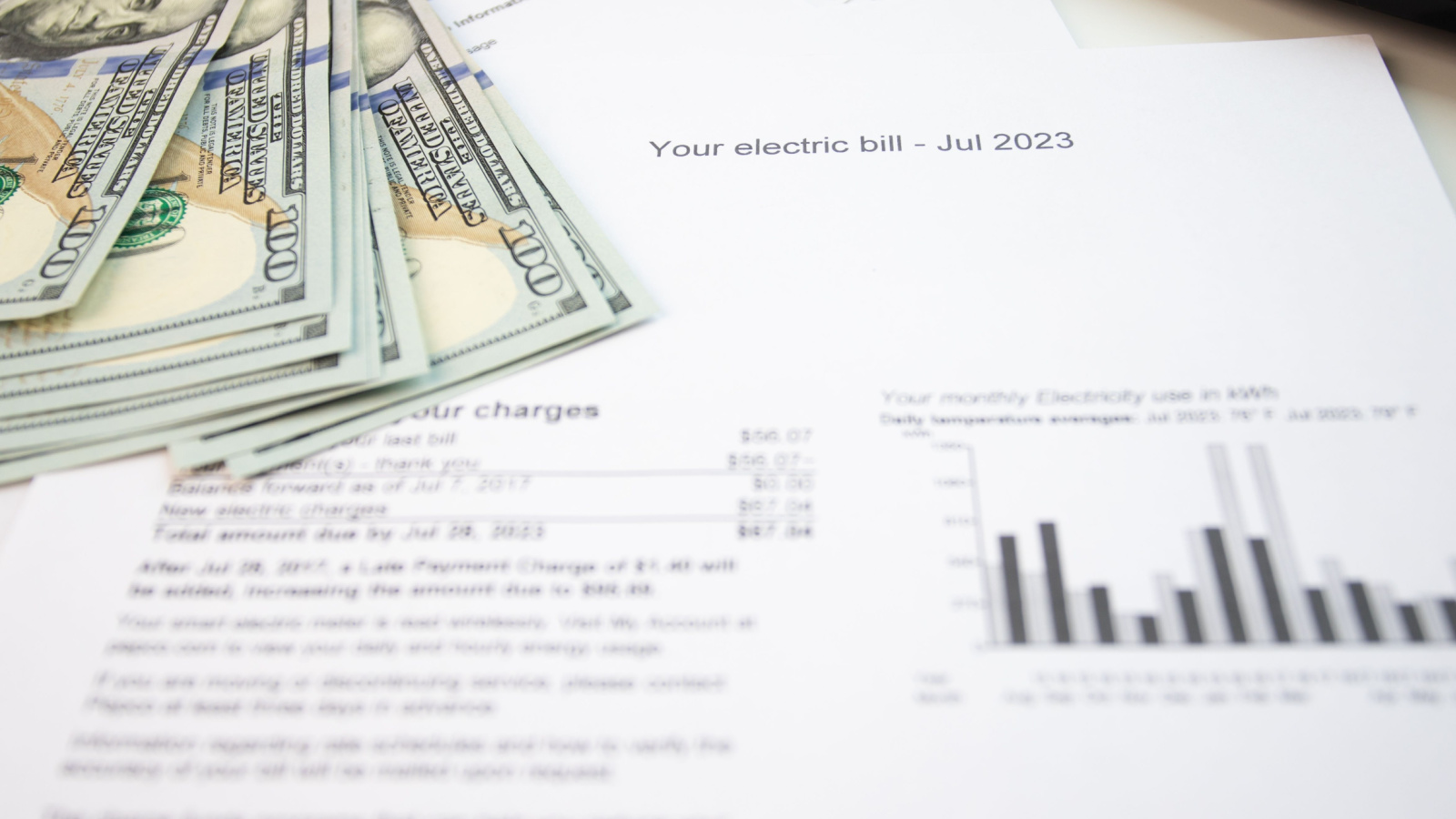
Air conditioning, fans, pool pumps, dehumidifiers, and extra laundry can make electricity bills feel heavier in summer. The bill itself may not always be negotiable in the traditional sense, especially where rates are regulated, but the plan, usage pattern, equal billing option, and equipment settings often are. In provinces with time-of-use pricing, shifting laundry, dishwashing, and pool pump operation away from peak periods can matter.
Customers can also ask utilities about equalized payment plans, arrears arrangements, energy audits, rebate programs, and low-income assistance where eligible. A household that suddenly sees a higher bill should check whether the charge is based on an estimate, a rate-plan change, or unusually high use. Sometimes the negotiation is not with the price per kilowatt-hour but with the payment schedule, efficiency upgrade, or rate option that prevents summer spikes from turning into late fees.
Natural Gas and Water Heater Rentals

Natural gas bills may be lower in summer for heating, but water heating, barbecue lines, pool heaters, and rental equipment can still generate costs. Many Canadians also carry long-running water heater rental fees that were inherited when they bought a home. Those charges can continue for years unless the homeowner asks about buyout options, contract terms, replacement rules, and cancellation costs.
This is an area where details matter. A low monthly rental can look harmless until multiplied over a decade. Before paying automatically, it is worth asking the provider for the remaining contract, buyout amount, service history, and full cost of ownership. For households with summer visitors, teenagers showering after sports, or pool equipment running, reviewing hot-water use may also reveal whether the current tank size, rental plan, or energy source still makes sense.
Lawn Care and Landscaping

Lawn care companies often fill calendars quickly in late spring and early summer, which can make quoted prices feel non-negotiable. Yet many services have room to adjust if the customer is flexible. Weekly mowing might become biweekly. Fertilizer packages can be reduced. Aeration can be bundled with neighbours. A one-time cleanup may be cheaper if yard waste is already bagged or access is easy.
The best leverage is a clear scope. Instead of asking for “yard work,” list the exact job: mow, edge, trim hedge, remove bags, or spread mulch. A homeowner in Winnipeg with a small front lawn should not be paying the same style of package as a larger suburban property with gardens, slopes, and irrigation. Written quotes help avoid misunderstandings, especially when summer storms create extra demand and contractors are juggling multiple jobs.
Pest Control

Ants, wasps, mosquitoes, mice, and raccoons can turn into urgent summer problems, and urgency is where bills often rise. Pest control may be negotiable if the customer asks whether the issue requires a full treatment plan, a one-time visit, exclusion work, or monitoring. Some companies sell seasonal packages, but not every problem needs a long contract.
Good questions can prevent overpaying. Ask what pest was identified, what treatment is being used, whether follow-up visits are included, and what happens if the problem returns within a set period. A wasp nest under a deck is different from a recurring carpenter ant issue. A family hosting relatives for the long weekend may want fast help, but speed should not replace a written estimate. Comparing two local providers can also reveal whether “emergency” pricing is truly justified.
Pool and Hot Tub Service

Pools and hot tubs are summer luxuries that can become expensive through chemicals, opening fees, repairs, heater use, pump electricity, and weekly maintenance. Many service bills are negotiable because companies can adjust visit frequency, chemical packages, opening and closing bundles, or equipment recommendations. A full weekly service may not be needed if the owner is comfortable testing water between visits.
Before paying for a major repair, it is wise to ask whether a part can be replaced instead of the entire unit. Pumps, filters, heaters, covers, and salt systems can vary widely in cost. A homeowner may also ask whether off-peak service dates are cheaper than the first hot weekend of the season. In neighbourhoods with multiple pools, some companies may offer route discounts when several homes book service on the same day.
Gym and Fitness Memberships

Summer is a strange season for gym bills. Some people use the gym more because of fitness goals, while others disappear outdoors for cycling, running, hiking, or swimming. Yet the membership charge continues. Many fitness centres have cancellation rules, annual fees, freeze options, and personal training packages that can be questioned before the next payment goes through.
Members should ask whether a summer freeze is available, whether the plan can be downgraded, or whether unused personal training sessions can be extended. A student home for four months may qualify for a short-term plan rather than a full annual contract. Someone who joined for winter treadmill access may not need premium club privileges in July. The important step is checking the notice deadline, because some gyms require cancellation or changes before a specific billing date.
Car Rental Bills

Summer car rentals can become much more expensive than the advertised daily rate. Airport surcharges, insurance add-ons, extra-driver fees, fuel charges, toll devices, child seats, mileage limits, and late-return penalties can all change the final bill. While base rates may be firm during peak travel periods, many add-ons are worth questioning before signing.
Canadians should compare the total cost, not just the headline price. Some credit cards and personal auto policies may already include rental coverage, though limits and exclusions vary. A family flying into Vancouver or Halifax may also find that renting away from the airport reduces fees. If plans change, calling before pickup can sometimes secure a better class of vehicle, remove unneeded extras, or avoid prepaid terms that are harder to unwind.
Hotel and Short-Term Stay Fees

Hotels, resorts, and short-term rentals often price summer stays with layers of fees. Parking, resort charges, cleaning fees, pet fees, early check-in, late checkout, and cancellation terms can turn a reasonable nightly rate into a larger bill. These charges are not always negotiable, but they are often adjustable if raised before booking or before arrival.
A polite call can work better than relying only on the booking screen. Guests can ask whether parking is included, whether the resort fee is mandatory, whether a flexible cancellation rate is available, or whether loyalty membership unlocks breakfast or late checkout. A family staying three nights near a national park may save more by negotiating parking and breakfast than by chasing a slightly cheaper room. The strongest position comes from comparing total prices across properties.
Moving and Storage Costs

Summer is peak moving season in many Canadian cities, especially around July 1 in Quebec and at the end of school terms elsewhere. That demand can push up prices for movers, storage lockers, packing supplies, and truck rentals. Even so, customers often have room to negotiate if they can move midweek, avoid month-end, reduce inventory, or handle some packing themselves.
A proper written estimate matters more than a quick low quote. Movers should explain whether charges are hourly, flat-rate, weight-based, distance-based, or subject to stairs, elevators, fuel, and storage fees. A student moving from a Toronto apartment to a shared house may not need a full-service package. A family relocating across provinces should be especially careful with deposits and inventory lists. The cheapest quote can become the most expensive if belongings are held hostage or extra fees appear on moving day.
Home Renovation and Repair Bills

Summer is renovation season, and that can make contractors busy enough to quote confidently. Deck repairs, fence replacements, window work, roofing, paving, painting, and bathroom upgrades may all carry seasonal premiums. Negotiation does not mean pressuring skilled trades to undercharge; it means clarifying scope, materials, timing, payment schedule, warranty, and whether parts of the job can be staged.
Homeowners should request detailed written estimates from more than one contractor. A quote that separates labour, materials, disposal, permits, and contingency makes it easier to compare fairly. If the work is not urgent, scheduling outside the busiest weeks may reduce the price. A smaller job can sometimes be bundled with a neighbour’s similar repair. The strongest protection is a written contract that explains what happens if the cost changes after work begins.
Credit Card Annual Fees

Credit card annual fees often renew quietly, and summer spending can make the charge easier to miss. Travel cards, premium cash-back cards, and cards with lounge access may be worth the fee for some households, but not all. If the benefits are no longer being used, the fee can sometimes be waived, reduced, offset with points, or avoided by switching to a no-fee version.
The negotiation should be specific. Cardholders can ask whether a retention offer is available, whether unused travel credits can be applied, or whether a downgrade preserves credit history while removing the annual cost. Someone who booked fewer flights than expected may not need a premium travel card for another year. The math should compare the annual fee against actual rewards earned, insurance benefits used, and perks that would otherwise have been purchased.
Bank Account and Service Fees

Monthly account fees, e-transfer charges, overdraft protection, paper statement fees, ATM charges, and package upgrades can feel small until they repeat all summer. Banks may waive or reduce some fees if customers maintain a minimum balance, bundle products, qualify as students or seniors, or move to a digital account. A branch or phone representative may also suggest a package that better matches actual transaction habits.
The easiest mistake is staying in an old account tier. A person who once needed unlimited transactions may now use mostly credit cards and automatic payments. Another customer may pay for overdraft protection they never use. Before paying full price, it is worth reviewing the last three months of activity and asking which cheaper account would cover the same behaviour. Even a modest monthly reduction becomes meaningful when combined with other summer savings.
Travel Insurance

Travel insurance is often purchased quickly at checkout, especially when booking flights, tours, or vacation packages. But the first offer is not always the best fit or the best price. Coverage can overlap with workplace benefits, credit card insurance, provincial health coverage limits, or an existing annual plan. Summer travellers may overpay when buying separate policies for every trip.
The better approach is to compare coverage before departure. Ask about emergency medical limits, trip cancellation, interruption, baggage, pre-existing condition exclusions, deductibles, and whether domestic travel is covered. A family taking two trips in one summer may find an annual multi-trip policy cheaper than separate single-trip plans. A retiree visiting relatives in another province may need different protection than a student taking a weekend flight. The goal is not the cheapest policy, but the right coverage without duplicate premiums.
19 Things Canadians Don’t Realize the CRA Can See About Their Online Income

Earning money online feels simple and informal for many Canadians. Freelancing, selling products, and digital services often start as side projects. The problem appears at tax time. Many people underestimate how much information the CRA can access. Online platforms, banks, and payment processors create detailed records automatically. These records do not disappear once money hits an account. Small gaps in reporting add up quickly.
Here are 19 things Canadians don’t realize the CRA can see about their online income.
This Options Discord Chat is The Real Deal
While the internet is scoured with trading chat rooms, many of which even charge upwards of thousands of dollars to join, this smaller options trading discord chatroom is the real deal and actually providing valuable trade setups, education, and community without the noise and spam of the larger more expensive rooms. With a incredibly low-cost monthly fee, Options Trading Club (click here to see their reviews) requires an application to join ensuring that every member is dedicated and serious about taking their trading to the next level. If you are looking for a change in your trading strategies, then click here to apply for a membership.