
35,000+ smart investors are already getting financial news, market signals, and macro shifts in the economy that could impact their money next with our FREE weekly newsletter. Get ahead of what the crowd finds out too late. Click Here to Subscribe for FREE.
Airport terminals have a way of making ordinary purchases feel urgent. A forgotten charger, a half-empty water bottle, or a sudden craving before boarding can turn into a surprisingly expensive stop. For Canadian travellers, the challenge is not only price; it is also security rules, customs limits, baggage restrictions, and the pressure of buying in a captive environment.
Here are 21 airport purchases that often cost more than they should, create unnecessary hassle, or look like deals until the fine print catches up. A little planning before leaving home can keep more money in the travel budget and fewer impulse buys in the carry-on.
Bottled Water
21 Items Canadians Should Never Buy at the Airport
- Bottled Water
- Phone Chargers
- Headphones and Earbuds
- Neck Pillows
- Travel Blankets
- Full-Size Toiletries
- Sunscreen
- Snacks and Candy
- Full Meals Before Boarding
- Coffee and Specialty Drinks
- Books and Magazines
- Souvenir T-Shirts
- Local Specialty Foods
- Perfume and Cologne
- Cosmetics and Skincare Sets
- Alcohol
- Tobacco Products
- Currency Exchange
- Prepaid SIM Cards
- Luggage and Carry-On Bags
- Travel Insurance
- 19 Things Canadians Don’t Realize the CRA Can See About Their Online Income

Bottled water is one of the classic airport traps because travellers often throw out drinks before security and then buy the first replacement they see near the gate. The problem is not the need for water; it is the timing. After security, options are limited, and vendors know passengers are thirsty, rushed, and unlikely to compare prices across terminals.
A better habit is simple: pack an empty reusable bottle. Canadian airport security rules allow empty bottles through screening, and many major airports have refill stations after the checkpoint. That small preparation can save money on every trip, especially for families buying several bottles before boarding. It also avoids the frustrating moment of paying premium terminal prices for something widely available for free a few metres away.
Phone Chargers
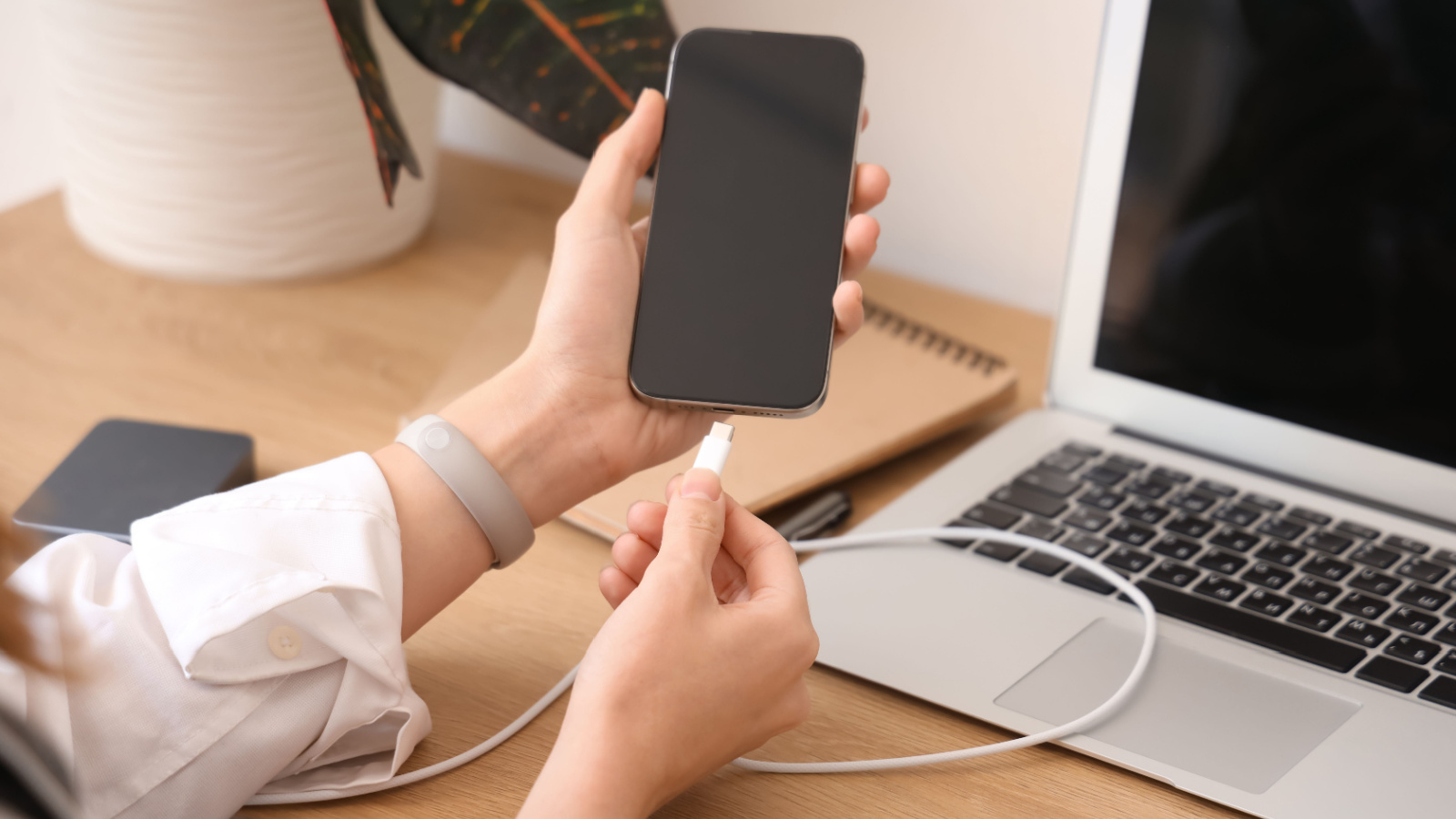
A missing charger can feel like a travel emergency, especially when boarding passes, hotel confirmations, ride-share apps, and bank alerts all live on a phone. Airport electronics shops are built for that panic. Chargers, cables, and adapters are often displayed near gates because they solve a real problem at the exact moment travellers feel least able to wait.
The issue is that rushed purchases often lead to overpaying for basic accessories or buying the wrong wattage, plug type, or connector. A Canadian traveller heading to Europe, for example, may grab a cable when the real need is a plug adapter. A small tech pouch packed at home with a wall charger, cable, power bank, and destination adapter usually costs less than one last-minute airport replacement.
Headphones and Earbuds

Headphones are another airport purchase driven by urgency. A traveller realizes their earbuds are dead, misplaced, or packed in checked luggage just as a long flight approaches. Airport shops then become the only visible solution, and the options tend to lean toward convenience rather than careful value.
The risk is not just price. Noise-cancelling claims, fit, battery life, and return policies matter more than they seem when the product will be used for hours. Buying in a terminal leaves little time to read reviews or check whether the model is an older version. Keeping an inexpensive backup pair in a carry-on can prevent an entertainment problem from becoming a premium purchase made five minutes before boarding.
Neck Pillows
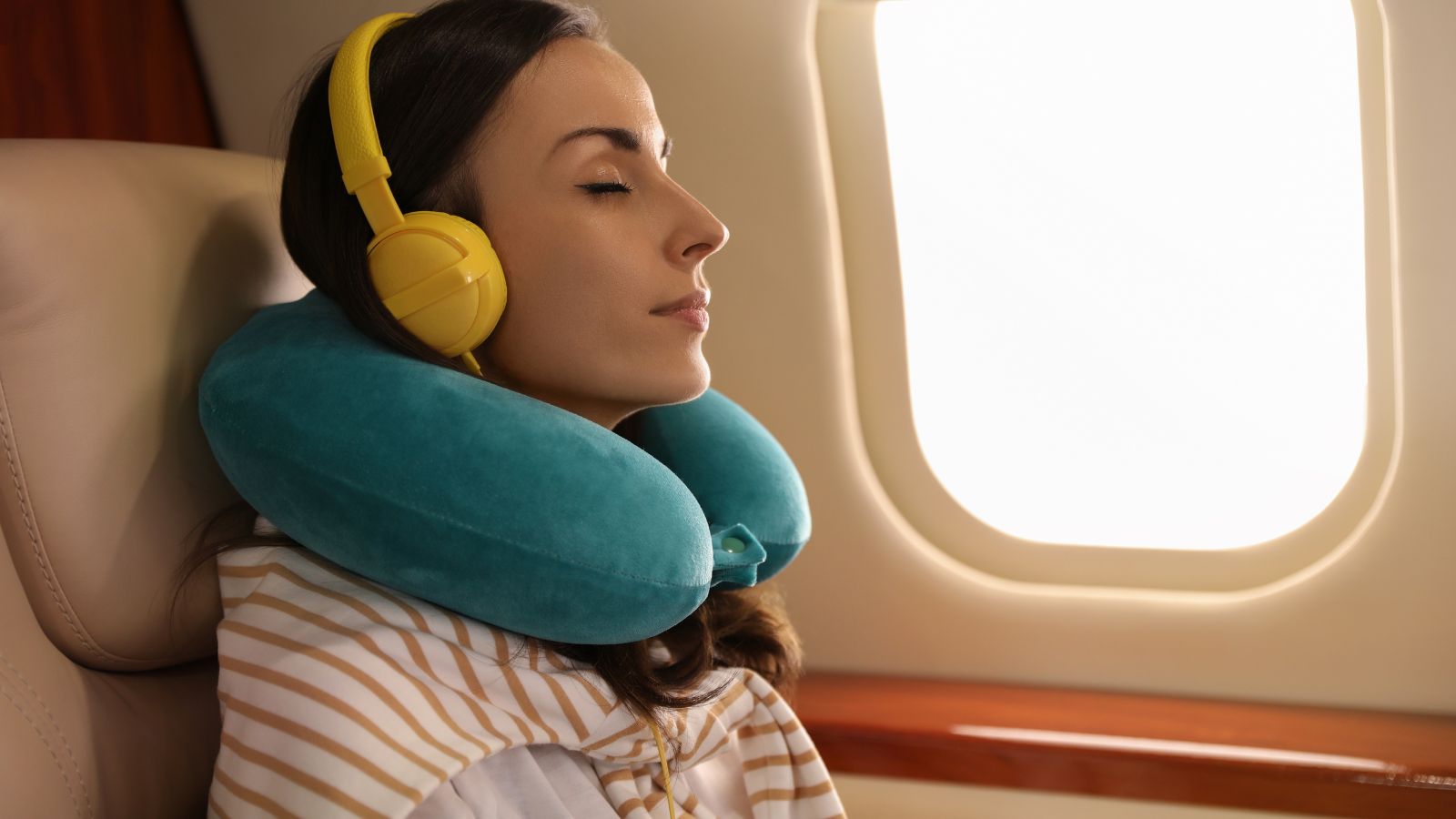
Neck pillows look harmless, but they are among the most common comfort purchases people make when travel fatigue takes over. A traveller may pass the same display three times while waiting for a delayed flight, gradually convincing themselves that a soft-looking pillow will transform an economy seat into a restful experience.
The trouble is that many airport neck pillows are bulky, overpriced, and difficult to return once opened. Some also do little for actual support if the shape does not match the passenger’s sleeping position. Canadians taking long-haul flights from Toronto, Vancouver, or Montreal are usually better off comparing compact memory foam or inflatable options before the trip. A pillow bought thoughtfully can be useful; one bought at the gate often becomes extra luggage.
Travel Blankets

Airport blankets and shawls can seem practical, especially when terminals are cold or a red-eye flight is ahead. The purchase feels even more reasonable when airlines no longer reliably provide blankets on shorter or lower-fare routes. Still, buying one at the airport often means paying more for a product chosen mainly because it is nearby.
A lightweight scarf, packable wrap, or compact travel blanket from home usually does the job better. It can double as a pillow cover, sun shield, or extra layer at the destination. Airport blankets also add bulk at the worst possible time, when carry-on space is already tight. For travellers trying to avoid checked baggage fees, every last-minute comfort purchase can make the bag harder to close.
Full-Size Toiletries

Full-size toiletries are risky airport buys for Canadian travellers because carry-on liquid rules are strict. Containers of liquids, gels, aerosols, creams, and pastes must generally be 100 millilitres or 100 grams or less and fit inside a one-litre resealable bag. A full-size shampoo, lotion, or face wash bought before security may not make it through screening.
Even after security, large toiletries can become awkward on connecting flights or return trips if they need to be packed in carry-on baggage again. Travel-size containers filled at home are usually cheaper and more predictable. The better approach is to prepare a small kit with toothpaste, moisturizer, sunscreen, and other essentials before leaving. Airport toiletries solve a short-term problem but often create a packing problem later.
Sunscreen

Sunscreen is easy to forget when leaving Canada for a warmer destination, particularly during winter escapes. The airport version may seem convenient, but sunscreen is a liquid or cream under security rules, so container size matters if it is going in carry-on. Prices can also be noticeably higher in travel retail areas, especially for familiar brands.
There is also the issue of choice. Skin sensitivity, SPF level, water resistance, and reef-related restrictions in some destinations can all matter. Buying in a rush may mean settling for a product that is too small, too scented, or not suited to the trip. A better plan is to pack a compliant travel-size tube for the flight and buy a larger bottle at a regular store after arrival if needed.
Snacks and Candy

Airport snacks look small, but they can quietly add up. Granola bars, chocolate, chips, trail mix, and candy are often positioned where bored or hungry passengers wait. That matters because travel involves lines, delays, and decision fatigue, all of which make impulse buying easier. A family buying “just a few things” before boarding can spend the price of a full grocery run.
Most solid snacks are easier to plan for than travellers realize. Crackers, protein bars, nuts, and sealed dry snacks can often be packed at home, though destination rules should be checked for international travel. The savings are especially clear on domestic Canadian flights, where bringing food from home can prevent paying terminal prices for items that cost much less at a supermarket.
Full Meals Before Boarding
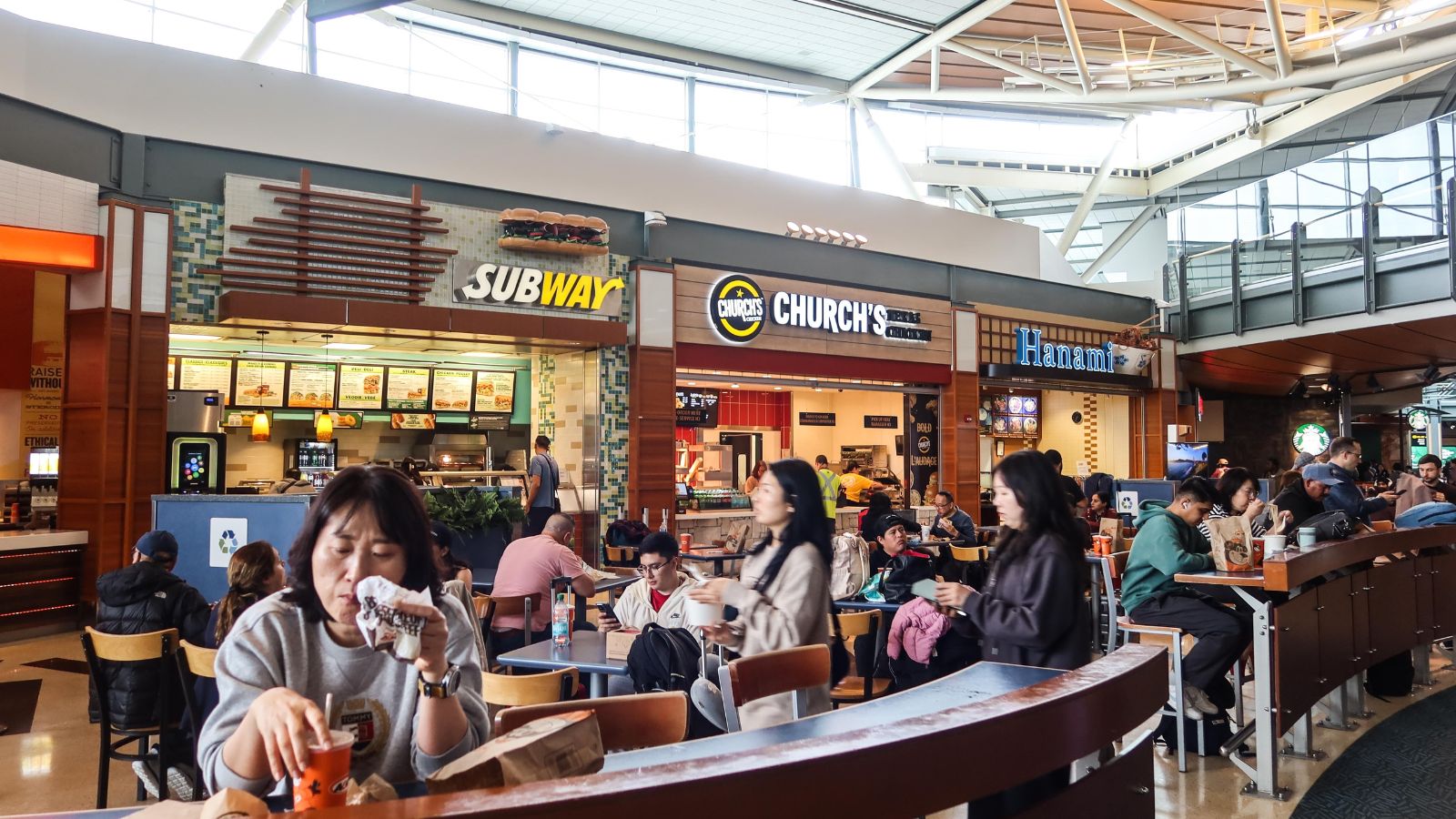
Buying a full airport meal can make sense during a long layover, but it is rarely the best default choice. Food and beverage concessions are a major part of airport commercial revenue, and terminal restaurants operate with higher rent, staffing, security, and logistics costs than typical street-side locations. Those costs often show up in menu prices.
The bigger problem is timing. A rushed meal before boarding can lead to paying sit-down prices for food eaten in ten minutes. Some travellers then discover the flight is delayed and buy more food later. Checking the flight time, packing a snack, and eating before reaching the airport can reduce that pressure. When a meal is unavoidable, comparing menus across the terminal can still prevent the first visible option from becoming the most expensive one.
Coffee and Specialty Drinks

Coffee feels like a minor purchase, but airports turn small habits into repeated costs. A traveller might buy one drink after security, another during a delay, and a third during a connection. Specialty drinks, bottled cold brews, and add-ons can push the total far beyond what the same caffeine routine would cost outside the terminal.
There is also a practical issue. Carrying hot drinks near boarding can be awkward, and some passengers end up discarding unfinished coffee before getting on the aircraft. For early flights, making coffee at home or using a loyalty app outside the airport can help. Once inside the terminal, plain coffee is usually a better value than larger blended drinks. The airport is rarely the best place to experiment with an expensive beverage that may be abandoned at the gate.
Books and Magazines

Airport bookstores are pleasant places to browse, and they can be lifesavers when a delay stretches on. Still, buying reading material at the airport is usually a costly way to solve boredom. New hardcovers, glossy magazines, puzzle books, and travel guides are often purchased because the passenger forgot to download something or packed entertainment in checked luggage.
The smarter move is to prepare entertainment before leaving home. Library apps, e-books, podcasts, audiobooks, and downloaded shows can fill hours without adding weight. For readers who prefer paper, a used paperback or a book already waiting at home is usually cheaper than a terminal purchase. Airport books are not bad products; they are simply easy to buy at the exact moment boredom is strongest and comparison shopping is weakest.
Souvenir T-Shirts

Souvenir T-shirts at airports often carry a high convenience premium. They are aimed at travellers who forgot gifts, want a last-minute reminder of the trip, or need a clean shirt after a spill. The designs may be fun, but the quality and pricing can vary widely, and the selection is usually smaller than what is available in local shops.
For Canadian travellers returning from vacation, airport souvenirs can also feel less personal than items bought in the community visited. A shirt purchased in a neighbourhood shop, market, museum, or independent boutique often has a better story behind it. Airport T-shirts are best treated as emergency clothing, not thoughtful keepsakes. If gifts are part of the plan, buying earlier in the trip usually leads to better value and more meaningful choices.
Local Specialty Foods

Maple treats, regional chocolates, smoked seafood, hot sauces, and boxed delicacies often look appealing in airport gift shops. The packaging is attractive, and the products are positioned as easy gifts. But “local” does not always mean best value, especially when the product is sold in a terminal with limited competition and higher operating costs.
There is another concern: food rules. Travellers crossing borders may face restrictions on meat, dairy, produce, or other agricultural items, depending on the destination. Even packaged goods can become inconvenient if they contain liquids, gels, or sauces over carry-on limits. Buying food gifts before reaching the airport allows more time to check ingredients, compare prices, and pack properly. The airport version is convenient, but convenience is often the most expensive ingredient.
Perfume and Cologne

Perfume and cologne are strongly associated with duty-free shopping, but the deal is not automatic. Fragrance prices vary by brand, bottle size, exchange rate, airport, and retailer. A larger bottle may look cheaper per millilitre but still cost more than an online sale or department-store promotion back in Canada.
Liquid rules also matter. Fragrances bought after security are usually sealed for travel, but connections and return flights can complicate things if packaging is opened or if the itinerary includes additional screening. Scent is also personal; buying under airport lighting and time pressure can lead to regret later. For anyone shopping for a specific fragrance, checking regular Canadian prices before departure is essential. The duty-free sign should start a comparison, not end it.
Cosmetics and Skincare Sets

Airport beauty counters are designed to feel luxurious and efficient. Bundled skincare sets, limited editions, and “travel exclusives” can make the purchase seem smarter than buying individual items at home. The danger is that these sets often include products a traveller may not normally use, larger sizes that do not fit carry-on rules later, or shades chosen too quickly.
Skincare is also highly personal. A product that works for one traveller may irritate another, especially when climate, sun exposure, and long flights are already affecting skin. Airport purchases leave little room for patch testing or comparing ingredient lists. Canadians who rely on specific brands are better off watching sales before a trip. At the airport, beauty sets should be judged against real needs, not the appeal of polished packaging.
Alcohol
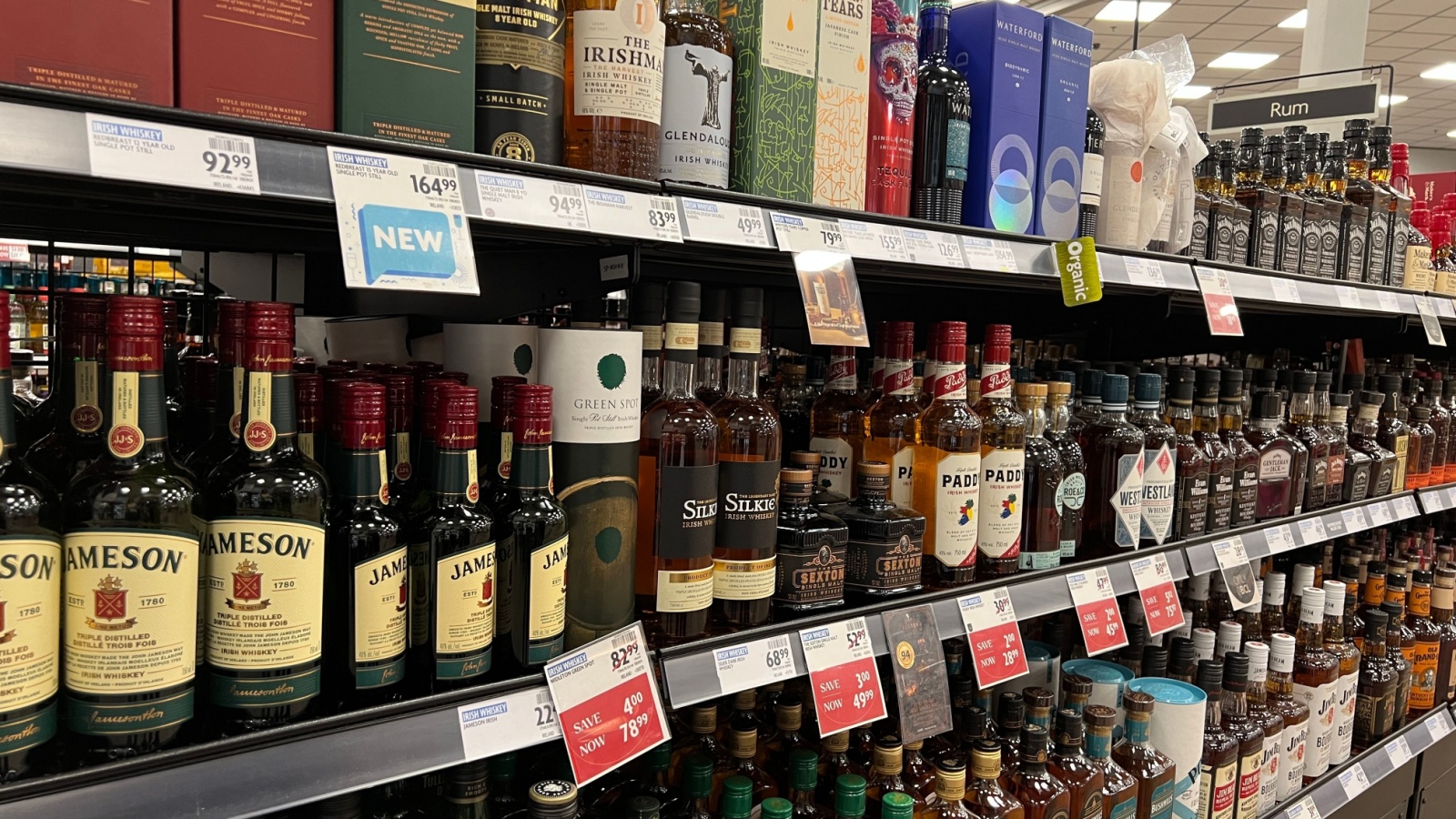
Alcohol can be one of the more legitimate duty-free categories, but it still deserves caution. Canadian travellers returning home must pay attention to personal exemption rules, trip length, provincial or territorial rules, and quantity limits. Duty-free does not mean unlimited, and exceeding allowances can lead to duties and taxes.
There is also the practical side. Bottles are heavy, fragile, and inconvenient during connections. A one-litre bottle may seem like a bargain until it takes up precious carry-on space or creates problems with a second security screening. Prices should also be compared with provincial liquor stores before assuming savings. Alcohol bought at the airport makes the most sense when the traveller knows the allowance, knows the regular price, and has a direct route home.
Tobacco Products

Tobacco is another category where duty-free signs can encourage overbuying. Canadian rules set limits on what travellers can bring back without paying duty and taxes, and provinces may have additional controls. A purchase that looks inexpensive in the terminal can become less attractive if it exceeds allowances or is not properly declared.
There are also destination rules to consider. Some countries have strict limits, plain-packaging rules, or heavy penalties for undeclared tobacco. For travellers buying gifts, the risk is even greater because the recipient may not be worth the customs hassle. Tobacco purchases should never be made casually at the gate. If someone chooses to buy, the quantity, destination rules, and Canadian return limits should be checked before reaching the cashier.
Currency Exchange

Airport currency exchange counters are convenient, but convenience can be expensive. Travellers often use them because they suddenly realize they need euros, pesos, pounds, yen, or U.S. dollars for taxis and tips. The problem is that airport exchange services may offer less favourable rates and fees than alternatives arranged earlier.
Canadian travellers can often do better by planning currency through a bank, credit union, reputable exchange service, or fee-conscious payment card. Government travel guidance also notes that credit cards may offer favourable exchange rates compared with exchanging cash, though foreign transaction fees can still apply. The airport counter may be useful for a small emergency amount, but it is rarely the best place to exchange a large portion of a vacation budget.
Prepaid SIM Cards
Airport SIM cards promise instant connection, which is tempting after a long flight. The issue is that travellers buying at the airport may not have time to compare data limits, expiry dates, hotspot rules, coverage maps, activation requirements, or roaming alternatives from their Canadian provider. A plan that sounds generous at the kiosk may be poor value once daily use begins.
For many destinations, eSIMs can be researched and installed before departure, while some Canadian phone plans offer roaming passes that are expensive but predictable. The best option depends on length of stay, data needs, and whether calls or texts matter. Airport SIM cards can work, but they should not be bought blindly. Connectivity is too important to leave to a rushed conversation at arrivals.
Luggage and Carry-On Bags

Buying luggage at the airport usually means something has gone wrong: a broken zipper, an overweight bag, a damaged handle, or a sudden need to separate items. That urgency puts travellers in a weak shopping position. Selection is limited, prices can be high, and there is little time to check durability, warranty terms, or airline size rules.
This matters because airlines can enforce carry-on dimensions and weight limits, especially on full flights. A bag bought quickly in the terminal may still fail at the gate or become uncomfortable to manage during connections. A small foldable duffel packed inside a suitcase can be a cheaper backup. For planned luggage purchases, buying before the trip allows proper comparison and prevents an airport emergency from turning into an expensive compromise.
Travel Insurance
Travel insurance is too important to buy as an afterthought. Canadian government guidance recommends trip interruption and travel health insurance before leaving Canada, even for short trips outside the country. Waiting until the airport can leave little time to review exclusions, pre-existing condition clauses, cancellation benefits, medical limits, or destination advisories.
A rushed policy can create false confidence. Travellers may assume they are covered for everything when the policy has waiting periods, exclusions, or documentation requirements. Insurance should match the trip: cruise, adventure travel, business equipment, family travel, or medical needs all change the calculation. Buying early also gives time to compare coverage through insurers, brokers, banks, employers, or credit cards. The airport is a poor place to read fine print that may matter during an emergency.
19 Things Canadians Don’t Realize the CRA Can See About Their Online Income

Earning money online feels simple and informal for many Canadians. Freelancing, selling products, and digital services often start as side projects. The problem appears at tax time. Many people underestimate how much information the CRA can access. Online platforms, banks, and payment processors create detailed records automatically. These records do not disappear once money hits an account. Small gaps in reporting add up quickly.
Here are 19 things Canadians don’t realize the CRA can see about their online income.
This Options Discord Chat is The Real Deal
While the internet is scoured with trading chat rooms, many of which even charge upwards of thousands of dollars to join, this smaller options trading discord chatroom is the real deal and actually providing valuable trade setups, education, and community without the noise and spam of the larger more expensive rooms. With a incredibly low-cost monthly fee, Options Trading Club (click here to see their reviews) requires an application to join ensuring that every member is dedicated and serious about taking their trading to the next level. If you are looking for a change in your trading strategies, then click here to apply for a membership.