
35,000+ smart investors are already getting financial news, market signals, and macro shifts in the economy that could impact their money next with our FREE weekly newsletter. Get ahead of what the crowd finds out too late. Click Here to Subscribe for FREE.
Summer getaways, winter escapes, long weekends, and cross-country family visits all have one thing in common: the house left behind still needs attention. For Canadians, vacation prep is not only about packing bags and confirming flights. It can also mean preventing burst pipes, missed deliveries, insurance headaches, spoiled food, and security risks that become obvious only after the driveway sits empty.
These 20 practical steps cover the overlooked home details that can make the difference between a relaxed return and an expensive surprise. From checking policy rules to making the home look lived-in, the goal is simple: leave with fewer loose ends and come back to a place that feels exactly as it should.
Check the Home Insurance Rules Before Leaving
20 Things Canadians Should Do Before Leaving Their Home for Vacation
- Check the Home Insurance Rules Before Leaving
- Arrange for Someone Trustworthy to Check the House
- Shut Off the Main Water Valve When Appropriate
- Keep the Heat Set Properly in Cold Weather
- Pause Mail and Prevent Deliveries From Piling Up
- Make the Home Look Lived-In
- Lock Every Entry Point, Including the Easy-to-Forget Ones
- Test Smoke and Carbon Monoxide Alarms
- Unplug Small Appliances and Chargers
- Clean Out Perishable Food and Take Out the Garbage
- Secure Outdoor Furniture, Tools, and Seasonal Gear
- Check the Sump Pump and Basement Drainage
- Review Security Cameras, Alarms, and Smart Devices
- Avoid Broadcasting Travel Plans Online
- Tell a Neighbour What Is Normal and What Is Not
- Protect Vehicles Left at Home
- Prepare Pets, Plants, and Indoor Conditions
- Store Valuables and Important Documents Safely
- Confirm Travel Documents, Insurance, and Emergency Contacts
- Do a Final Walkthrough With a Written Checklist
- 19 Things Canadians Don’t Realize the CRA Can See About Their Online Income

Many Canadians assume a home insurance policy works the same whether the house is occupied or not. That is not always the case. Policies often include conditions for extended absences, especially during heating season, when frozen pipes can turn a short trip into a major claim. Some insurers require the home to be checked regularly, heat maintained, or the water supply shut off when no one is staying there.
This step matters because “vacant” and “unoccupied” can mean different things in insurance language. A furnished house during a two-week vacation may be treated differently from an empty property with no clear return date. Before leaving, homeowners should review the policy or call the broker. A five-minute call can clarify whether a neighbour’s visit, monitored alarm, or water shutoff is needed to keep coverage intact.
Arrange for Someone Trustworthy to Check the House

A trusted neighbour, relative, or friend can spot problems that no smart device can fully replace. A small ceiling stain, a furnace failure, a freezer that has stopped humming, or a package sitting in plain view can all become bigger issues if ignored. In winter, a quick indoor check is especially important because heat loss can lead to frozen pipes and water damage.
The best arrangement is specific, not vague. Instead of saying “keep an eye on things,” ask the person to enter the home, check the thermostat, look under sinks, confirm doors are secure, and report anything unusual. Leave emergency contacts, insurer details, and instructions for shutting off water or power. A simple checklist on the kitchen counter can help the person act confidently if something goes wrong.
Shut Off the Main Water Valve When Appropriate
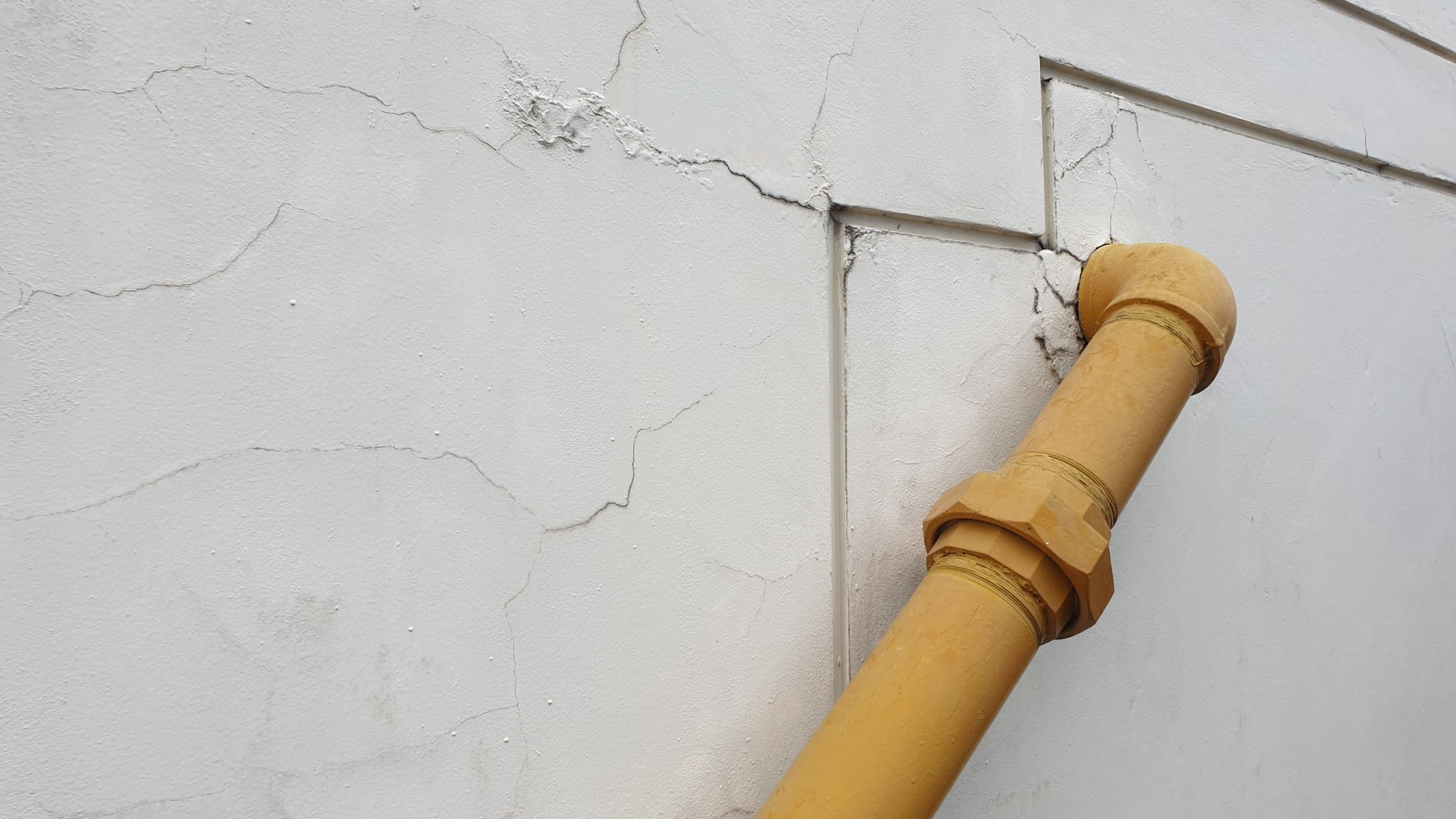
Water damage is one of the most stressful problems to discover after a trip. A loose supply hose, failing toilet part, cracked pipe, or slow leak can release water for days before anyone notices. For longer absences, many Canadian insurers and plumbing experts recommend shutting off the main water valve, particularly when the house will be unattended or temperatures may drop.
This does not mean every home should be treated the same way. Some boilers, humidifiers, sprinkler systems, ice makers, or water-based appliances may need special handling. Homeowners should know where the main valve is, test it before departure day, and consider opening a faucet briefly to relieve pressure after shutting it off. The worst time to discover a stuck valve is while rushing to the airport.
Keep the Heat Set Properly in Cold Weather
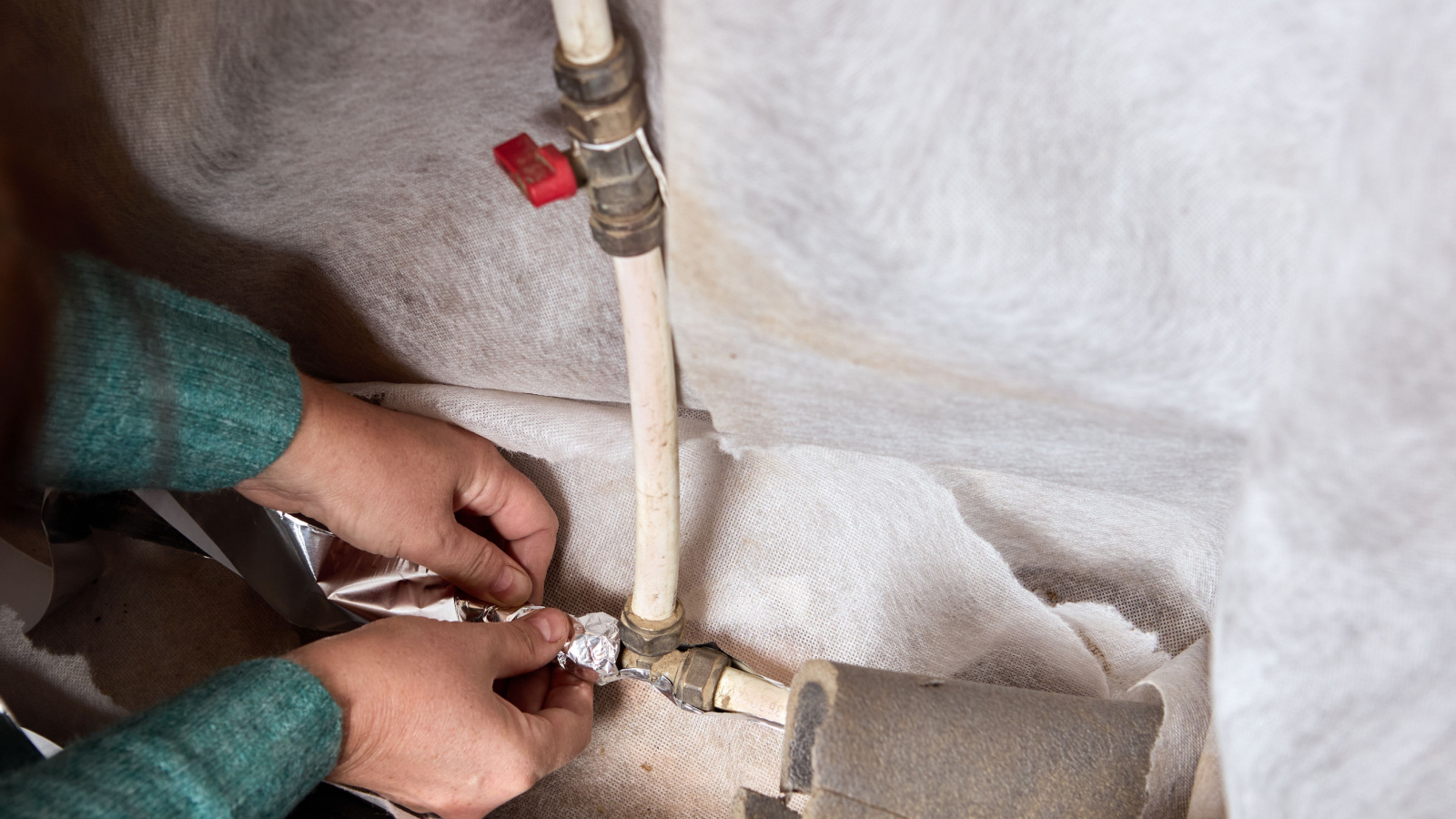
Canadian vacations often happen when the weather at home is far less forgiving than the destination. A January trip to Mexico or Florida may feel carefree, but a house in Manitoba, Ontario, Quebec, or Atlantic Canada still needs enough heat to protect pipes, appliances, and indoor materials. Turning the thermostat too low can save a little energy while creating a much larger risk.
A reasonable winter setting depends on the house, insulation, plumbing location, and local climate. Pipes near exterior walls, crawl spaces, basements, and garages are more vulnerable. Before leaving, close garage doors, open interior cabinet doors where plumbing sits on exterior walls, and make sure the furnace filter is not overdue. Smart thermostats can help monitor temperature remotely, but they should support—not replace—a physical inspection plan.
Pause Mail and Prevent Deliveries From Piling Up

A stuffed mailbox is one of the clearest signs that nobody is home. Canada Post offers a Hold Mail service that temporarily stops residential mail delivery while occupants are away, and the service generally needs to be arranged before the absence begins. For parcels, subscriptions, meal kits, and recurring deliveries, separate arrangements may be needed because not every delivery stream is covered the same way.
This step is not only about appearances. Mail can include credit cards, government notices, tax documents, or health information. A missed delivery notice left on the door can also advertise an empty home. Before leaving, Canadians should pause newspapers, reschedule online orders, and ask a trusted person to collect anything that still arrives. Apartment and condo residents should also check parcel room policies before travel.
Make the Home Look Lived-In

A dark, silent home can stand out, especially on streets where neighbours know each other’s routines. Timers, smart plugs, and motion-sensitive exterior lights can create a more natural pattern than leaving one lamp on around the clock. Randomized lights in common areas, such as the living room and hallway, can make the home appear active without wasting power all day.
The outside matters just as much. An overgrown lawn in July, unshovelled snow in February, or bins left at the curb for several days can signal absence. Arrange mowing, snow clearing, and garbage-bin movement before leaving. In many Canadian communities, winter sidewalk rules can also make snow removal more than a cosmetic issue. A lived-in appearance is usually the result of several small habits, not one dramatic security feature.
Lock Every Entry Point, Including the Easy-to-Forget Ones

Most people remember the front door. Fewer remember basement windows, garage side doors, sliding patio doors, shed locks, or the door between the garage and the house. Before leaving, walk the property from the outside and think like someone looking for the easiest opening. Small windows, loose screens, and hidden side gates are often the weak points.
It is also smart to remove spare keys from obvious places. Under a planter, inside a barbecue, above a doorframe, or beneath a decorative rock are not secret hiding spots. If someone needs access, give them a key directly or use a secure lockbox with a temporary code. For smart locks, change old codes and delete access for contractors or guests who no longer need entry.
Test Smoke and Carbon Monoxide Alarms
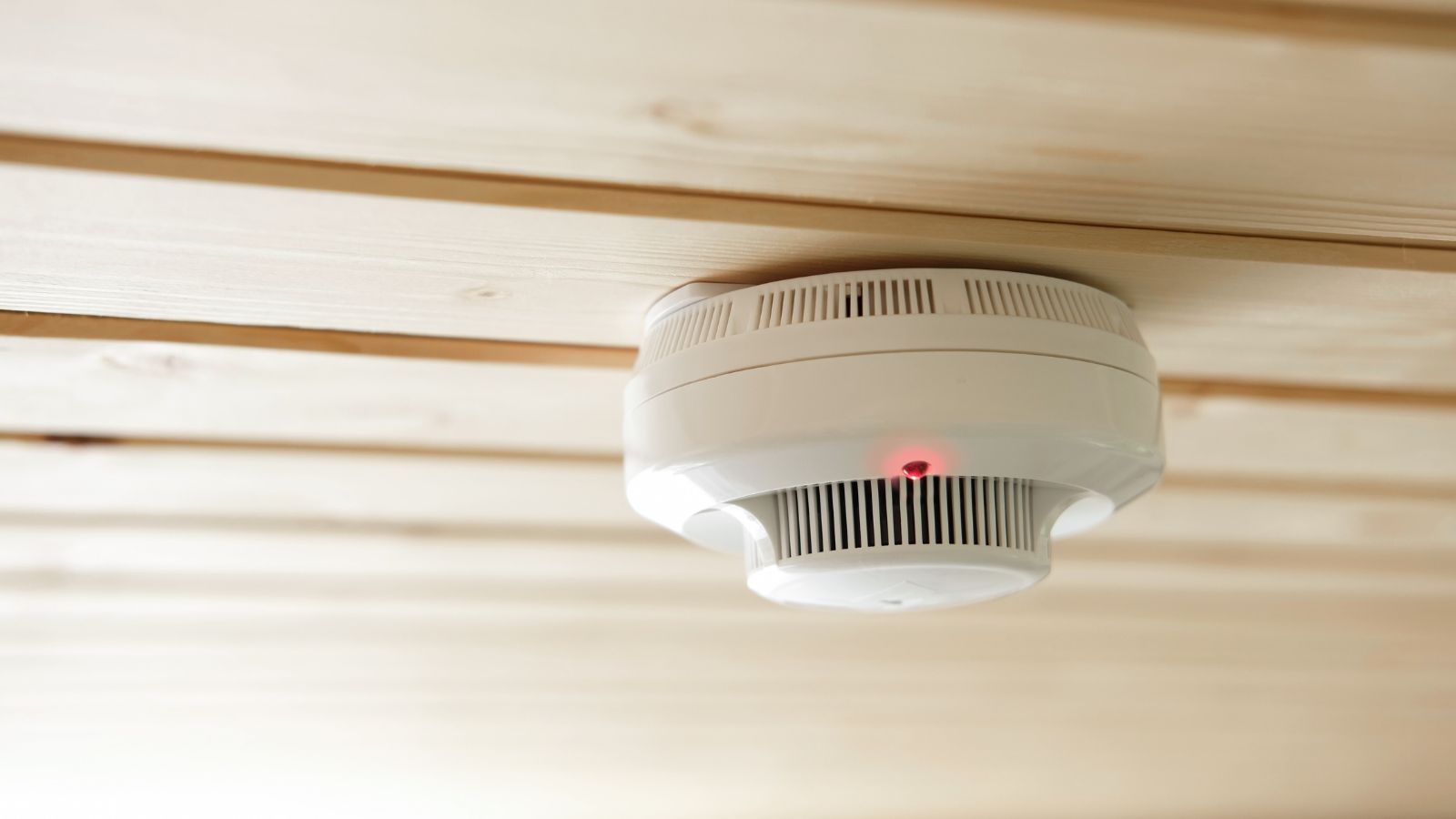
A home does not stop needing fire protection because the occupants are away. Smoke alarms and carbon monoxide alarms should be tested regularly, and a pre-vacation check is a practical reminder. Health Canada recommends smoke alarms in bedrooms, outside sleeping areas, and on every level of the home, along with routine testing and maintenance according to the manufacturer’s instructions.
Carbon monoxide deserves special attention in homes with fuel-burning appliances, fireplaces, attached garages, or gas equipment. The gas cannot be seen or smelled, so alarms are the key warning system. Before leaving, press test buttons, replace weak batteries, and make sure alarms are not past their expiry dates. A working alarm can also help a house sitter or neighbour respond quickly if something happens.
Unplug Small Appliances and Chargers
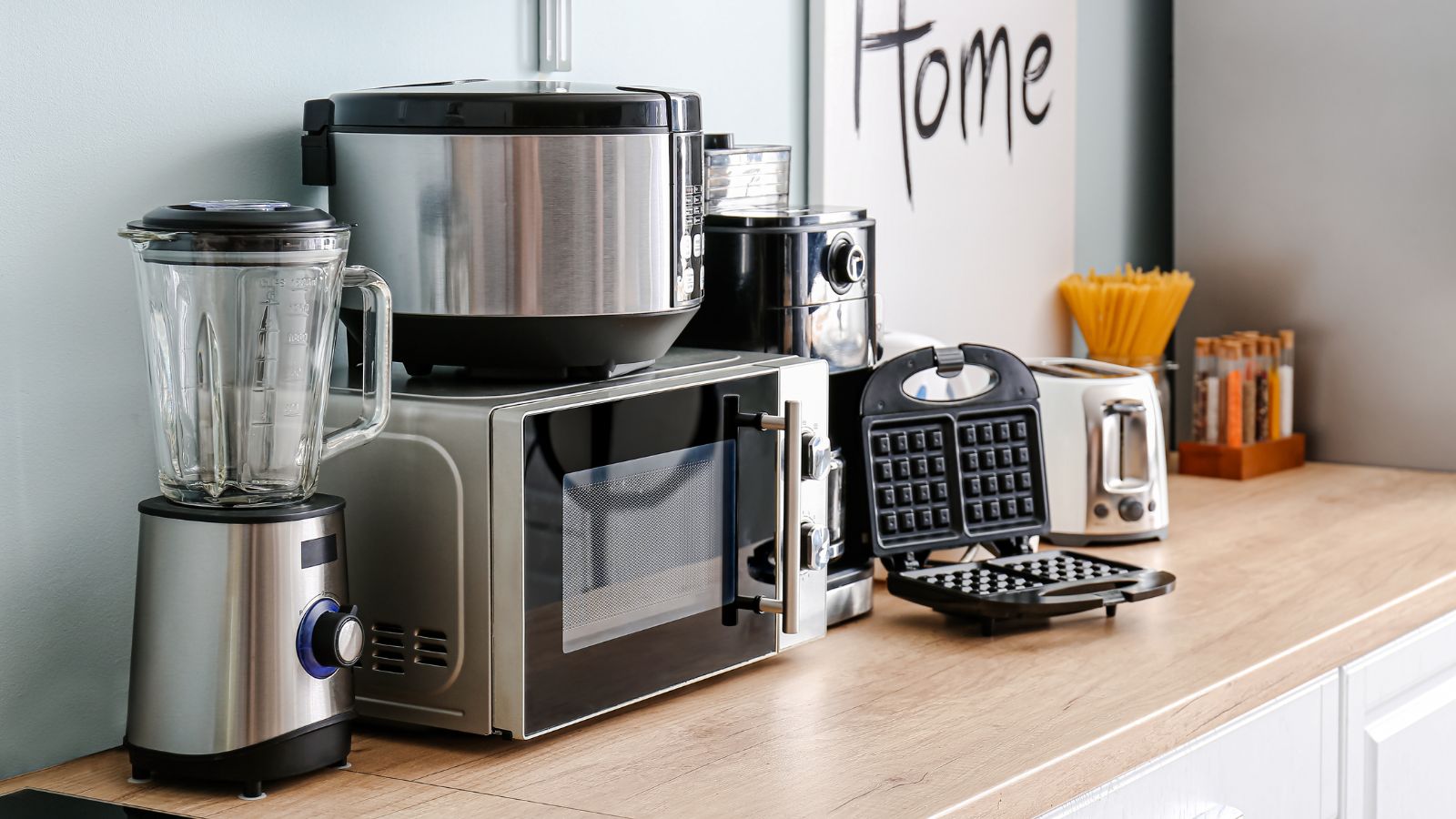
Kitchen counters and bathroom vanities often hold the appliances people use right before leaving: coffee makers, kettles, toasters, hair tools, phone chargers, and electric toothbrush chargers. Unplugging small and heat-generating devices reduces unnecessary standby power use and lowers the risk of problems caused by faulty cords, overheating, or power surges.
This does not mean emptying every outlet in the house. Refrigerators, freezers, routers needed for security systems, sump-pump equipment, and monitored devices may need to stay powered. The practical approach is to focus on non-essential appliances, especially anything with a heating element or charging battery. A final “countertop sweep” before departure can catch the curling iron, toaster oven, or laptop charger that everyone assumed someone else unplugged.
Clean Out Perishable Food and Take Out the Garbage

Few vacation returns are more unpleasant than opening the door to the smell of forgotten garbage or spoiled food. Before leaving, check the fridge for milk, meat, berries, leftovers, and open containers that will not survive the trip. A half-used container of takeout sauce or a bag of salad can create odour faster than expected, especially during a summer power interruption.
Garbage, compost, and recycling need the same attention. In many Canadian municipalities, green bins and food scraps can attract pests if left indoors or outdoors too long. Take bins to the curb only if someone can bring them back afterward. For longer trips, consider giving away perishables, freezing suitable items, and wiping spills in the fridge so small messes do not become stubborn smells.
Secure Outdoor Furniture, Tools, and Seasonal Gear

Outdoor items can become theft targets, storm debris, or insurance complications. Patio furniture, bikes, ladders, lawn tools, grills, children’s toys, and sporting equipment should be stored in a garage, shed, or locked area before leaving. A ladder left outside can also make second-floor access easier for someone with bad intentions.
Canadian weather can change quickly, even during vacation season. Prairie wind, Atlantic storms, heavy rain in Ontario, or sudden hail in Alberta can scatter lightweight furniture and damage windows, siding, or neighbouring property. Before departure, close umbrellas, secure barbecues, cover or move cushions, and check that shed doors latch properly. The goal is not to make the yard perfect, but to remove anything that could cause damage while no one is there to react.
Check the Sump Pump and Basement Drainage
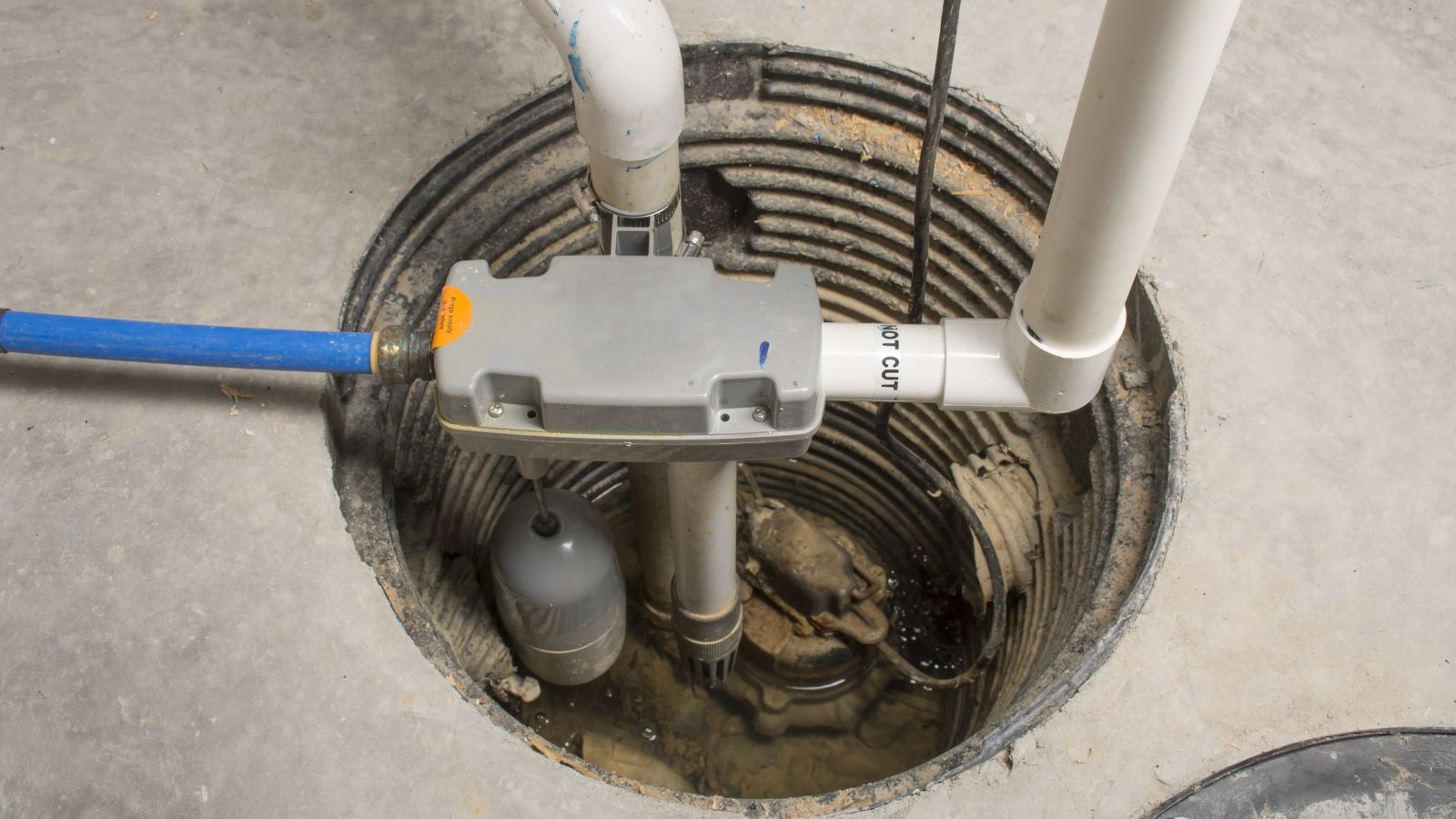
Basements are common in many Canadian homes, and they can be vulnerable when heavy rain hits during an absence. A working sump pump, clear floor drain, and downspouts that direct water away from the foundation can make a major difference. Insurance organizations often recommend keeping drains, storm grates, gutters, and downspouts clear to reduce water damage risk.
Before leaving, listen to the sump pump, inspect the pit if it is accessible, and make sure the discharge line is not blocked. Homes in areas with frequent outages may benefit from a battery backup or water alarm. Move valuables, boxes, electronics, and important papers off basement floors. A finished basement can look calm when the trip begins and become expensive very quickly if water has nowhere to go.
Review Security Cameras, Alarms, and Smart Devices

Smart home gear is helpful only if it is charged, connected, and set up correctly. Doorbell cameras, exterior cameras, alarm systems, leak sensors, smart thermostats, and garage-door monitors should be checked before leaving. Make sure batteries are charged, Wi-Fi is stable, notifications are enabled, and emergency contacts are current.
It is also worth testing what happens when an alert arrives. If a camera detects motion at 2 a.m. in another time zone, who should respond? If the alarm company calls, is the phone number still correct? If the Wi-Fi router loses power, will the system reconnect? Technology can create peace of mind, but only when the response plan is clear. A trusted local contact still matters.
Avoid Broadcasting Travel Plans Online

Posting airport selfies, countdowns, hotel views, and daily travel updates can unintentionally reveal that a home is empty. The Government of Canada’s cyber-safety guidance advises travellers to be careful about sharing travel details and to consider privacy settings. Even when accounts feel personal, posts can spread through tags, public comments, screenshots, and shared stories.
A safer habit is to post highlights after returning or to limit real-time updates to a small private group. This is especially useful for families whose public profiles include neighbourhood clues, school names, vehicle photos, or house exteriors. Vacation photos are fun, but timing matters. The home does not need an online announcement that the owners are hundreds or thousands of kilometres away.
Tell a Neighbour What Is Normal and What Is Not

A neighbour does not need a full itinerary to be useful. They need to know the practical details: which car should be in the driveway, whether anyone is expected to visit, whether lights are on timers, and who to call if something seems wrong. This helps them distinguish normal activity from a stranger checking doors or an unexpected moving van.
A short conversation can prevent misunderstandings. For example, a neighbour who knows a cousin is feeding the cat will not panic when they see someone enter. The same neighbour may act quickly if a delivery truck leaves three large boxes on the step or if the garage door is open at night. Community awareness remains one of the simplest and most human forms of home protection.
Protect Vehicles Left at Home
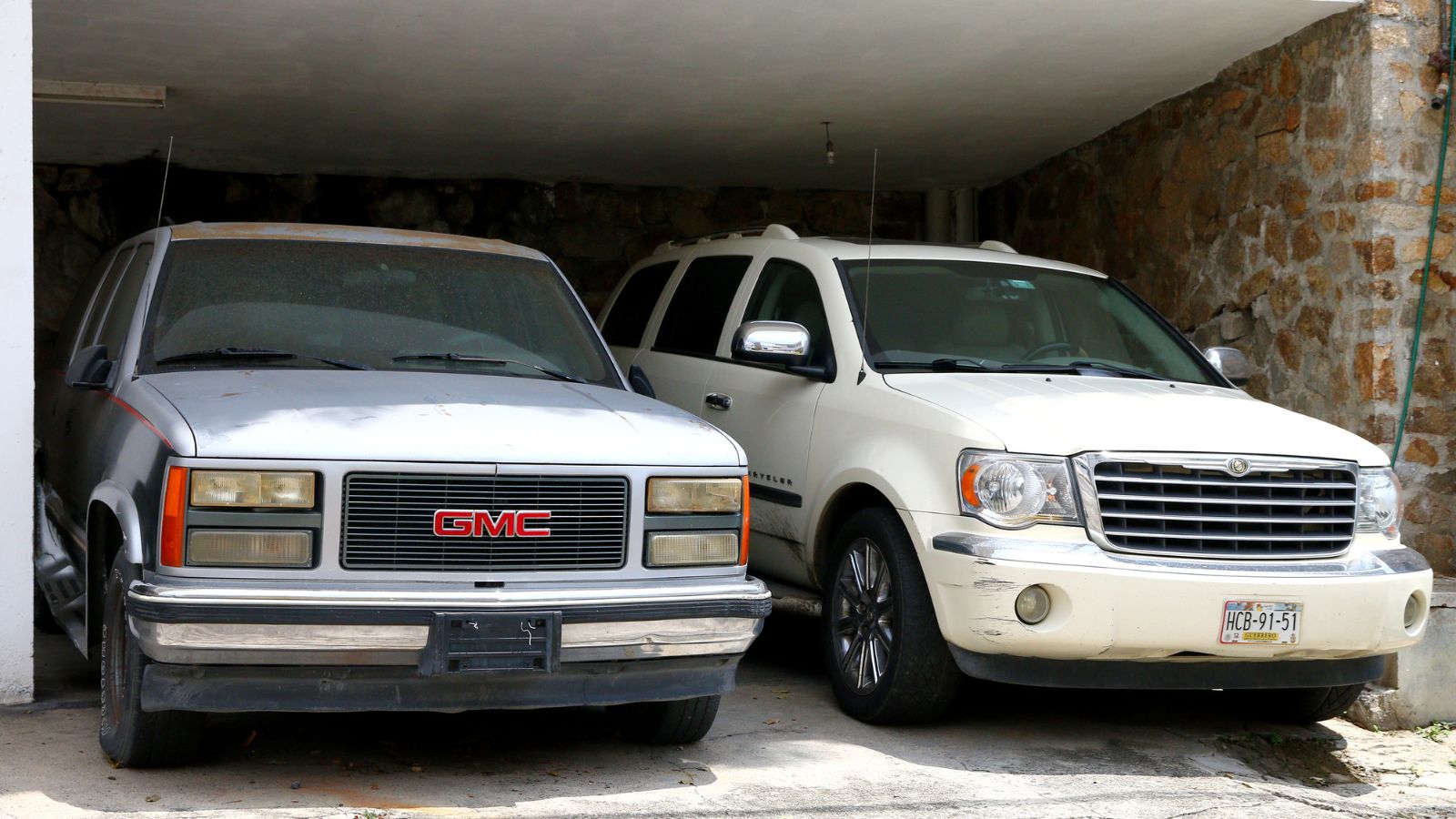
Cars left in driveways can also signal absence or become targets themselves. Before leaving, lock vehicles, remove garage-door openers, take out valuables, and avoid leaving insurance papers or ownership documents in plain sight. Police services across Canada regularly remind residents that vehicle break-ins often involve unlocked doors or visible items.
If a vehicle will sit for a long time, consider parking it in a garage or asking someone to move it occasionally if safe and permitted. In winter, make sure snow clearing does not leave a perfect outline around an untouched car for days. For electric vehicles, follow the manufacturer’s guidance for charge level and plugged-in storage. A vacation-ready home includes the driveway too.
Prepare Pets, Plants, and Indoor Conditions

Pets and plants create some of the most emotional vacation stress. Even when animals are boarding elsewhere, the home may still need temperature control, fresh air circulation, and safe storage of pet food. If a pet sitter is visiting, leave written feeding instructions, veterinary contacts, medication details, and permission notes if emergency care may be needed.
Plants are less dramatic but still reveal absence when they wilt in front windows. Move delicate plants away from direct sun, group them for easier watering, or ask the home checker to water them on a schedule. Indoor conditions also matter for wood furniture, musical instruments, and humidity-sensitive items. A home should not be sealed so tightly or heated so poorly that everything inside suffers.
Store Valuables and Important Documents Safely

Jewelry, passports left at home, spare credit cards, birth certificates, tax papers, and backup drives should not be scattered across desks and drawers. Before leaving, place important items in a safe, locked cabinet, safety deposit box, or another secure location. This also helps if someone needs to enter the home for an emergency and should not have access to private papers.
Digital security deserves attention too. Lock computers, store external drives out of sight, and avoid leaving passwords on sticky notes near workstations. For Canadians travelling internationally, copies of passports, insurance documents, and itineraries should be left with a trusted person, but the originals and copies should be handled carefully. Good organization reduces both theft risk and the chaos of trying to find documents during a crisis.
Confirm Travel Documents, Insurance, and Emergency Contacts
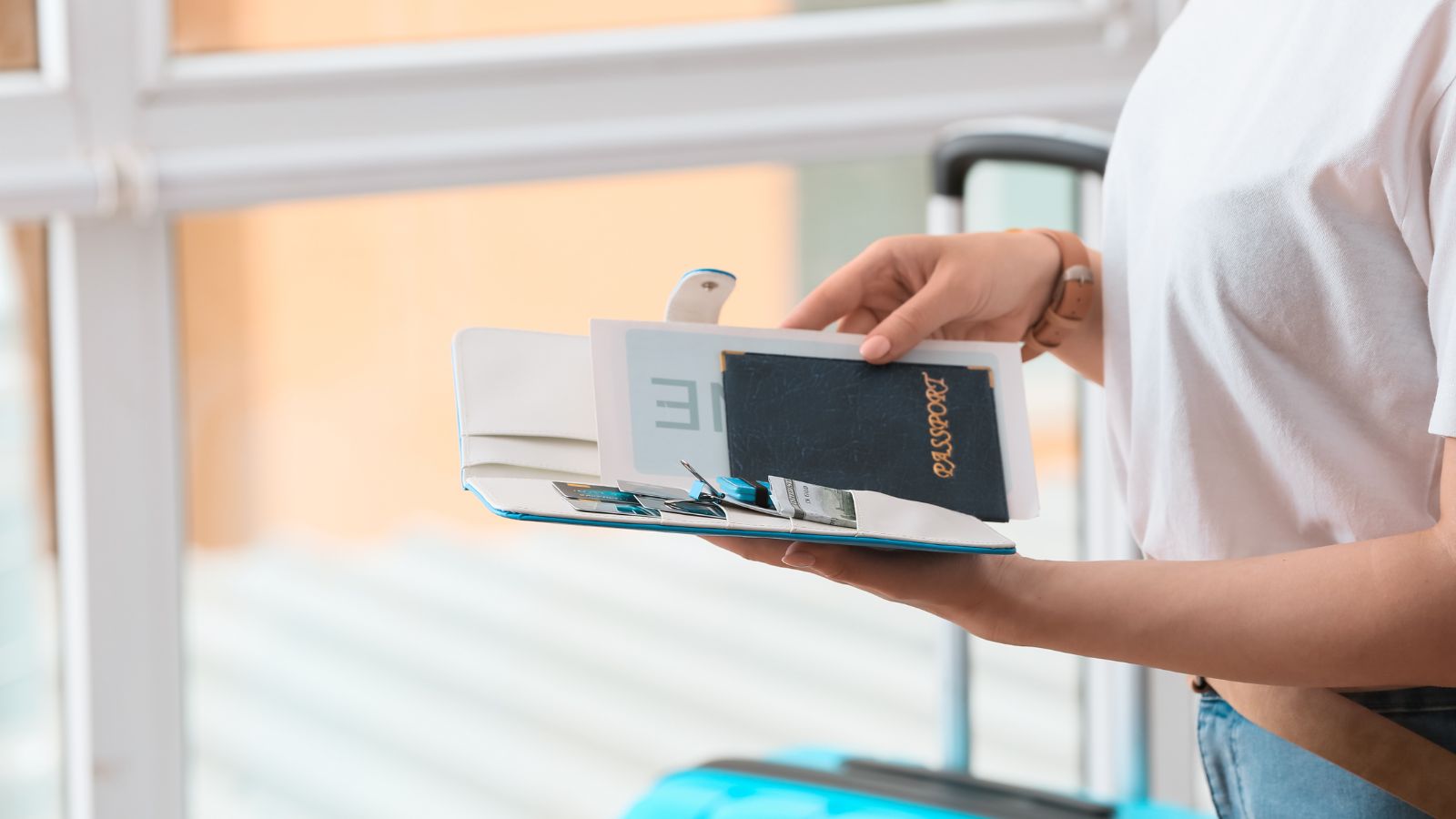
Home preparation should connect with travel preparation. The Government of Canada recommends leaving a copy of the itinerary with friends or family, along with copies of the passport identification page and insurance policy. This is especially useful if travellers lose documents, face a medical issue, or need help from someone in Canada.
Before leaving, confirm that emergency contacts know how to reach the traveller and how to access key home information if needed. A contact sheet can include the insurance company, alarm provider, veterinarian, plumber, electrician, and a nearby neighbour. Store it somewhere logical, not buried in an email thread. When a pipe bursts or a flight is delayed, clear information saves time and reduces panic.
Do a Final Walkthrough With a Written Checklist

The last hour before departure is when mistakes happen. Someone turns on the dishwasher, leaves a window cracked, forgets the garbage, or assumes another family member locked the patio door. A written checklist reduces the mental load and gives the household one shared standard before everyone leaves.
A useful walkthrough moves in order: kitchen, bathrooms, bedrooms, basement, garage, yard, doors, thermostat, lights, alarms, and vehicle. It should include simple confirmations such as “water off,” “small appliances unplugged,” “garbage out,” “back door locked,” and “mail held.” Families who travel often can reuse and refine the same checklist each trip. The calmest departures are usually built from small routines done consistently.
19 Things Canadians Don’t Realize the CRA Can See About Their Online Income

Earning money online feels simple and informal for many Canadians. Freelancing, selling products, and digital services often start as side projects. The problem appears at tax time. Many people underestimate how much information the CRA can access. Online platforms, banks, and payment processors create detailed records automatically. These records do not disappear once money hits an account. Small gaps in reporting add up quickly.
Here are 19 things Canadians don’t realize the CRA can see about their online income.
This Options Discord Chat is The Real Deal
While the internet is scoured with trading chat rooms, many of which even charge upwards of thousands of dollars to join, this smaller options trading discord chatroom is the real deal and actually providing valuable trade setups, education, and community without the noise and spam of the larger more expensive rooms. With a incredibly low-cost monthly fee, Options Trading Club (click here to see their reviews) requires an application to join ensuring that every member is dedicated and serious about taking their trading to the next level. If you are looking for a change in your trading strategies, then click here to apply for a membership.