35,000+ smart investors are already getting financial news, market signals, and macro shifts in the economy that could impact their money next with our FREE weekly newsletter. Get ahead of what the crowd finds out too late. Click Here to Subscribe for FREE.
Warm weather has a way of making backyard upgrades feel urgent. A sunny weekend can turn a modest patio plan into a cart full of furniture, lighting, grills, planters, shade gear, and “summer must-haves” that look perfect in May but feel less practical by July.
Across Canada, outdoor living comes with a short prime season, changing weather, strong UV, wildfire smoke in some regions, mosquitoes, sudden storms, condo rules, municipal bylaws, storage problems, and maintenance that is easy to underestimate. These 19 outdoor living purchases often start with good intentions, but many households end up regretting them once real summer use, upkeep, and costs settle in.
Oversized Patio Sectionals That Swallow the Whole Deck
19 Outdoor Living Purchases Canadians Often Regret by July
- Oversized Patio Sectionals That Swallow the Whole Deck
- Cheap Outdoor Cushions That Fade, Soak, and Sag
- Gazebos That Cannot Handle Real Summer Wind
- Cantilever Umbrellas With Bases That Are Too Light
- Bargain Outdoor Dining Sets That Nobody Wants to Sit In
- High-End Barbecues Bought for Occasional Burgers
- Charcoal Smokers That Require More Patience Than Expected
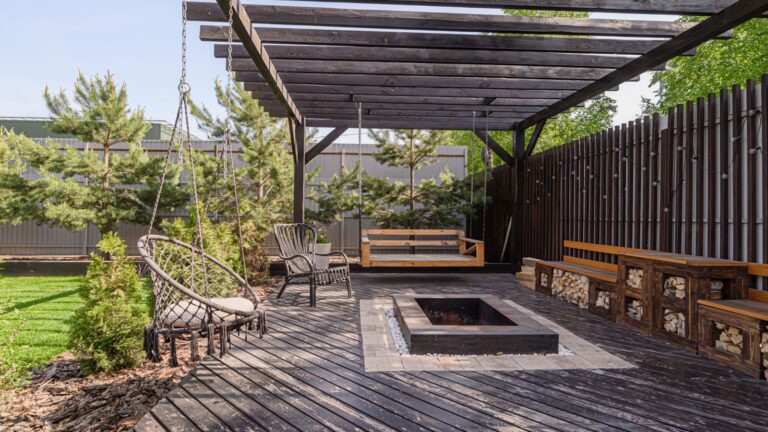
- Backyard Fire Tables That Break Bylaw Expectations
- Patio Heaters That Are Used in the Wrong Space
- Above-Ground Pools Bought Before Reading the Safety Fine Print
- Inflatable Kiddie Pools That Seem Harmless but Need Constant Attention
- Decorative Water Features That Invite Mosquito Trouble
- Trendy Planters Filled With High-Maintenance Annuals
- Invasive or Aggressive Plants Bought for Quick Coverage
- Outdoor Rugs That Stay Damp Underfoot
- Solar String Lights That Look Better Online Than in Real Life
- Outdoor Speakers and TVs That Compete With Weather and Neighbours
- Deck Boxes That Are Too Small, Too Flimsy, or Not Waterproof Enough
- Outdoor Kitchens That Outgrow the Budget
- 19 Things Canadians Don’t Realize the CRA Can See About Their Online Income

Large outdoor sectionals look inviting in store displays, especially when staged with cushions, lanterns, and a coffee table that suggests effortless entertaining. The regret often arrives once the furniture is actually delivered. Canadian decks, balconies, and townhouse patios can be narrower than expected, leaving little room to walk around, open a barbecue lid, or pull out dining chairs. A sectional that seats eight may technically fit, but it can make the space feel crowded and less flexible for everyday use.
By July, the other problem is exposure. Cushions collect pollen, dust, rainwater, and food spills, while frames sit through heat, damp nights, and sudden thunderstorms. Severe summer weather is not rare in Canada, with federal weather guidance noting thunderstorm wind-warning criteria at gusts of 90 km/h or more. A heavy set may survive the gusts, but moving it, covering it, and storing it can become a seasonal chore that turns a “relaxing” purchase into extra work.
Cheap Outdoor Cushions That Fade, Soak, and Sag

Budget cushions can make a plain patio set look finished, which is why they are such an easy impulse buy in late spring. The trouble is that inexpensive fabric often reveals its limits quickly. After several weeks of UV exposure, humidity, sunscreen residue, and summer rain, colours can fade unevenly and seams may begin to pull. Cushions that seemed plush in the aisle can flatten after a few gatherings, especially when foam stays damp between uses.
The bigger frustration is cleaning. Outdoor textiles are not maintenance-free, even when labelled for patio use. Dirt left on fabric can stain, and damp cushions can become a home for mildew smells if they are stacked wet or stored in a closed deck box without airflow. By July, many Canadians discover that the lowest sticker price came with a hidden requirement: constant bringing-in, drying-out, spot-cleaning, and replacing pieces that were supposed to last more than one season.
Gazebos That Cannot Handle Real Summer Wind

A pop-up gazebo or metal-frame canopy can feel like the missing piece for a backyard: shade, privacy, and a defined outdoor “room” in one purchase. The regret often comes after the first serious windstorm. Even a well-made gazebo needs proper anchoring, and many patios, balconies, and interlock areas make that difficult. Weighted corners may be enough for calm days but not for the kind of gusty weather that can arrive suddenly during Canadian summer thunderstorms.
By July, owners may also realize that the gazebo changes how the space behaves. It can trap heat, block airflow, collect rainwater in the canopy, or annoy neighbours if it sits close to a property line. In strata, condo, or rental settings, it may also conflict with rules about exterior structures. What looked like a low-cost pergola alternative can become a source of stress if the roof fabric tears, the frame twists, or the whole thing has to be taken down before every forecasted storm.
Cantilever Umbrellas With Bases That Are Too Light

Cantilever umbrellas are popular because they shade a seating area without placing a pole in the middle of the table. They also create one of the most common outdoor-living regrets: underestimating the base. A large offset umbrella works like a sail. If the base is too light, poorly filled, or placed on uneven decking, it may wobble, rotate, or tip in gusty weather. The bigger the canopy, the more obvious this becomes.
The danger is not just cosmetic. Research on beach and patio umbrella injuries found wind involved in a notable share of reported cases, especially with beach umbrellas and also with patio umbrellas. In Canada, there have also been product recalls involving outdoor umbrellas with battery or fire hazards. By July, many households stop opening the umbrella unless someone is outside watching it. A shade solution that cannot be trusted unattended can feel less like comfort and more like a large, expensive liability.
Bargain Outdoor Dining Sets That Nobody Wants to Sit In

Outdoor dining sets sell the dream of long summer dinners, but comfort often gets less attention than looks. Narrow chairs, hard seats, awkward armrests, and tables that are too high or too low can make a set unpleasant after 20 minutes. The problem becomes obvious once real meals arrive: plates, drinks, condiments, citronella candles, and serving bowls all need surface space. A compact table may photograph well but function poorly for family dinners.
By July, wear also starts to show. Metal frames may heat up in direct sun, dark tabletops can become uncomfortable to touch, and lightweight chairs may scrape loudly or shift on deck boards. In many Canadian regions, the outdoor dining season is short enough that every usable evening counts. A set that looks good but is uncomfortable often becomes background furniture, used only when guests come over and then quietly avoided for the rest of the week.
High-End Barbecues Bought for Occasional Burgers

A premium barbecue can be worth it for households that cook outdoors often. The regret comes when the purchase is driven by showroom excitement rather than actual cooking habits. Large grills take up space, use more fuel, require more cleaning, and can feel excessive for simple weeknight meals. Side burners, rotisserie attachments, smoker boxes, and extra cooking zones may sound useful, but by July many owners are still using only one or two burners.
Safety and placement add another layer. Canadian fire-safety guidance stresses that barbecues should be used outdoors, not in enclosed areas such as garages, tents, or covered spaces that can trap fumes or create fire risk. A big grill also needs clearance from siding, railings, and overhangs. When a deck is small, that can push seating into awkward spots. The result is a purchase that looks impressive, but demands more space, cleaning, and attention than the household expected.
Charcoal Smokers That Require More Patience Than Expected

Charcoal smokers and kamado-style grills have a loyal following for good reason: they can produce excellent food. The regret comes from assuming they work like a gas grill with better flavour. Smoking takes planning, temperature control, fuel management, and cleanup. A brisket or pork shoulder can require hours of attention, and not every household wants to spend a hot July Saturday adjusting vents, monitoring smoke, and explaining to neighbours why the backyard smells like hickory all afternoon.
There are also local considerations. Fire bans, condo rules, balcony restrictions, and municipal bylaws can limit charcoal or open-flame cooking. Ash disposal has to be handled carefully, especially in dry conditions. In wildfire-prone regions or dense urban settings, the romance of low-and-slow cooking can collide with smoke complaints and safety concerns. By midsummer, some smokers become expensive outdoor ornaments, used once for a long weekend experiment and then avoided because the process feels like too much work.
Backyard Fire Tables That Break Bylaw Expectations
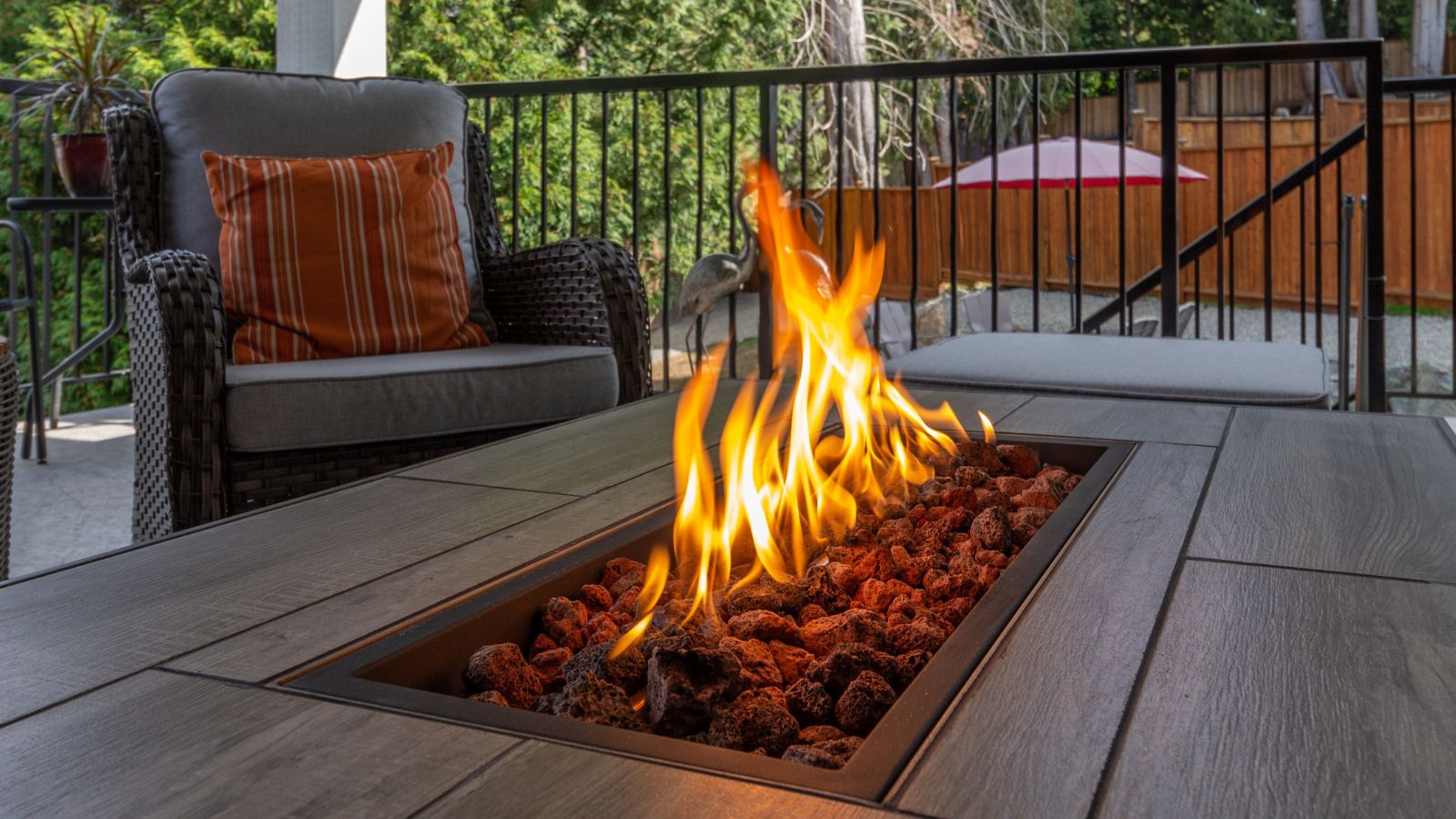
Propane fire tables promise ambience without the mess of wood smoke, which makes them tempting for patios and decks. Regret appears when buyers assume “propane” automatically means “allowed anywhere.” Rules can vary by municipality, building type, landlord, condo board, and fire season. Some properties restrict open flames, fuel storage, or appliance placement on balconies. Even when a fire table is legal, it still needs clearance from furniture, umbrellas, walls, and overhead coverings.
The practical disappointment is heat. Many decorative fire tables create atmosphere more than warmth, especially on breezy evenings. Guests may still need sweaters, blankets, or a proper heater. Propane cylinders also require safe handling and storage, and fuel runs out faster than some buyers expect during frequent use. By July, the purchase can feel less like a cozy gathering point and more like a rule-sensitive centerpiece that is expensive to operate and not as warming as advertised.
Patio Heaters That Are Used in the Wrong Space
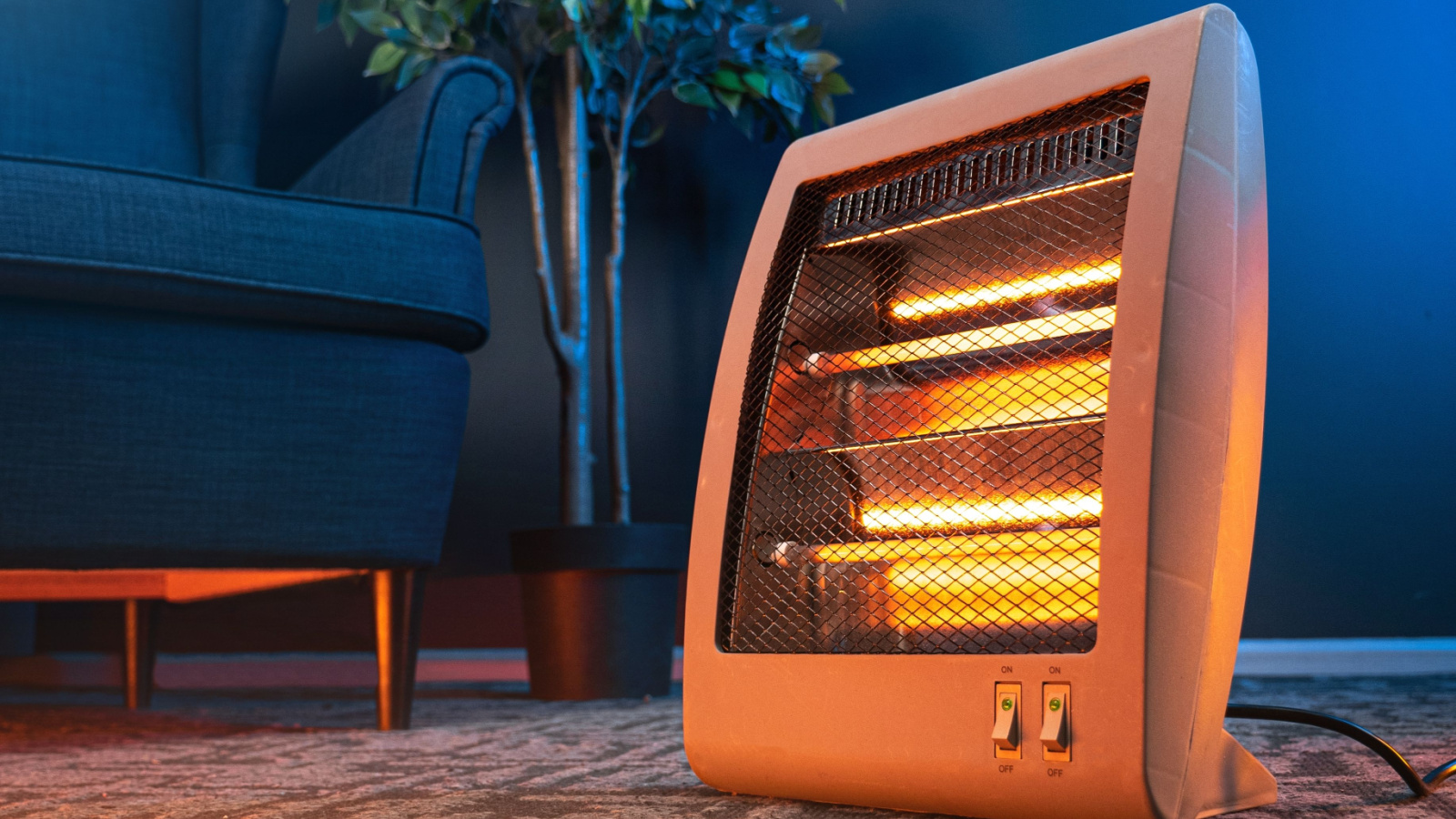
Patio heaters are often purchased to stretch Canada’s outdoor season, but they can disappoint when expectations are unrealistic. A freestanding heater may warm people sitting nearby, yet breezes can carry heat away quickly. On an open deck, the warmth may feel strong at shoulder height and weak at the legs. On a covered or semi-enclosed patio, buyers may then be tempted to block wind with curtains or panels, which can create safety issues if the heater burns fuel.
The safety concerns are significant. Carbon monoxide is produced when fuel burns, and Canadian safety guidance warns that fuel-burning equipment can create dangerous exposure risks in enclosed or poorly ventilated spaces. Technical safety guidance for patio heaters also warns against indoor or enclosed-structure use. By July, some households realize the heater is too hot to use on warm nights, too weak on windy nights, and too restricted for covered spaces. It becomes a bulky item with a narrow window of usefulness.
Above-Ground Pools Bought Before Reading the Safety Fine Print
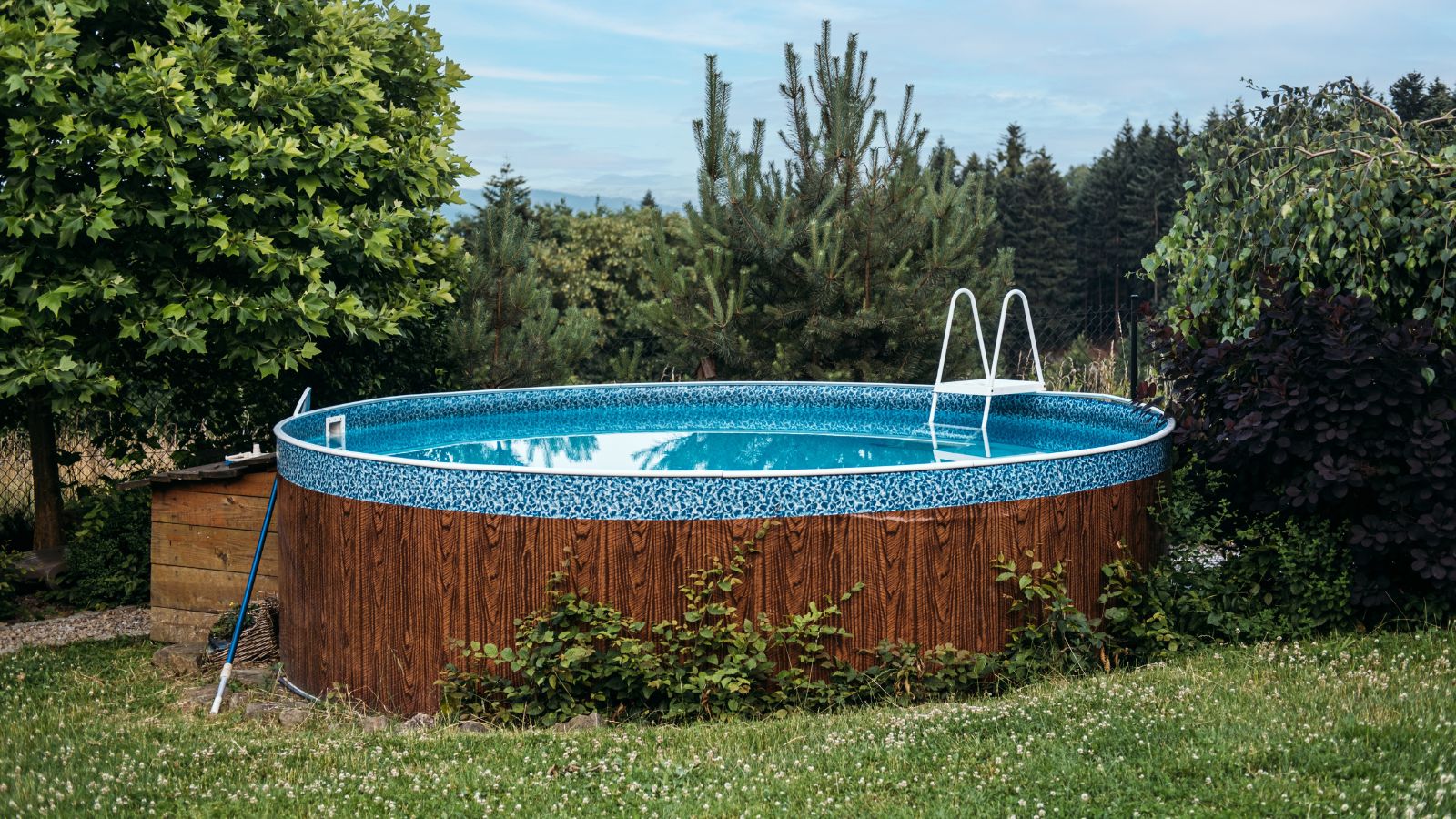
Above-ground pools can turn a backyard into the summer gathering place, but regret often follows when setup, supervision, maintenance, and safety rules are underestimated. Larger pools require level ground, chemical balancing, filtration, ladders, covers, and often more water than expected. They can also raise questions about fences, permits, insurance, and neighbourhood safety. A pool bought for spontaneous fun can quickly become a daily responsibility.
Recent recall history has made the fine print even more important. In 2025, Health Canada posted a recall for certain 48-inch-and-taller above-ground pools with exterior compression straps that could create a foothold for children, posing a drowning risk. The recall noted no Canadian incidents at the time, but U.S. reports included drownings. By July, the pool may still be enjoyable, but families often realize that the purchase was not just a leisure item. It was a safety, maintenance, and liability commitment.
Inflatable Kiddie Pools That Seem Harmless but Need Constant Attention

Small inflatable pools look simple: fill, splash, drain, repeat. That simplicity is part of the problem. Because they are inexpensive and shallow, adults may underestimate the risk and the work involved. Public health and injury-prevention guidance repeatedly emphasizes that young children can drown quickly and quietly, even in very small amounts of water. A kiddie pool left partly filled after play can become a hazard, especially during a busy barbecue or family visit.
By July, the maintenance side becomes annoying too. Grass clippings, sunscreen, dirt, insects, and leaves collect fast. If the pool is not drained and cleaned regularly, the water becomes unpleasant, and if it sits too long, it can contribute to mosquito problems. The pool also kills grass beneath it and may leave muddy patches when moved. What began as a cheerful low-cost buy can turn into a daily cycle of filling, supervising, emptying, cleaning, and finding somewhere to store a wet plastic ring.
Decorative Water Features That Invite Mosquito Trouble

A small fountain, birdbath, or tabletop water feature can make a patio feel calmer. The regret comes when the water is not moving consistently or maintenance gets skipped. Mosquitoes breed in standing water, and Canadian public health guidance recommends removing standing water around homes to reduce West Nile virus risk. Even small containers can become part of the problem if water sits long enough between cleanings.
Water features also require more care than many buyers expect. Pumps clog, algae appears, mineral deposits build up, and wind can splash water onto nearby decking or furniture. In hard-water areas, the finish may stain faster than expected. If the feature is solar-powered, cloudy stretches can interrupt circulation. By midsummer, some owners unplug it because the sound is too weak, the pump is noisy, or the cleaning is tedious. The object that promised serenity can become another item on the weekend maintenance list.
Trendy Planters Filled With High-Maintenance Annuals

Large planters can transform a deck quickly, especially when garden centres are full of dramatic flowers in May and June. The regret comes when the plants chosen for instant colour need daily watering, deadheading, fertilizing, and protection from heat. Hanging baskets and shallow containers dry out quickly during warm spells. On balconies, wind can stress plants even faster, and reflected heat from glass or concrete can cook tender varieties.
There is also the cost of replacing failures. A planter that looked full at purchase may fade by July if it was not matched to the site’s sun, shade, and watering routine. Some buyers also underestimate soil volume, drainage, and the weight of wet planters on balconies or older decks. The result is familiar: crispy petunias, leggy herbs, and half-dead arrangements that looked beautiful for three weeks. A more modest mix of hardy plants often outperforms a dramatic display that needs constant rescue.
Invasive or Aggressive Plants Bought for Quick Coverage

Fast-growing plants are tempting when a fence line, bare corner, or balcony screen needs instant softness. The regret is that “fills in quickly” can also mean “takes over quickly.” Some commonly sold garden plants can spread aggressively, and invasive-species organizations warn that certain ornamentals create long-term problems once established. Goutweed, for example, is described by the Invasive Species Centre as a problematic perennial garden species and is still commonly sold in some garden centres.
By July, the first signs may look harmless: runners appearing beyond the planter, roots pushing under edging, or seedlings showing up where they were never intended. Over time, removal can become far more expensive than the original plant. Neighbours may not appreciate plants creeping under fences, and native garden efforts can be undermined by aggressive ornamentals. A privacy shortcut can turn into a multi-year battle with roots, rhizomes, and regret.
Outdoor Rugs That Stay Damp Underfoot
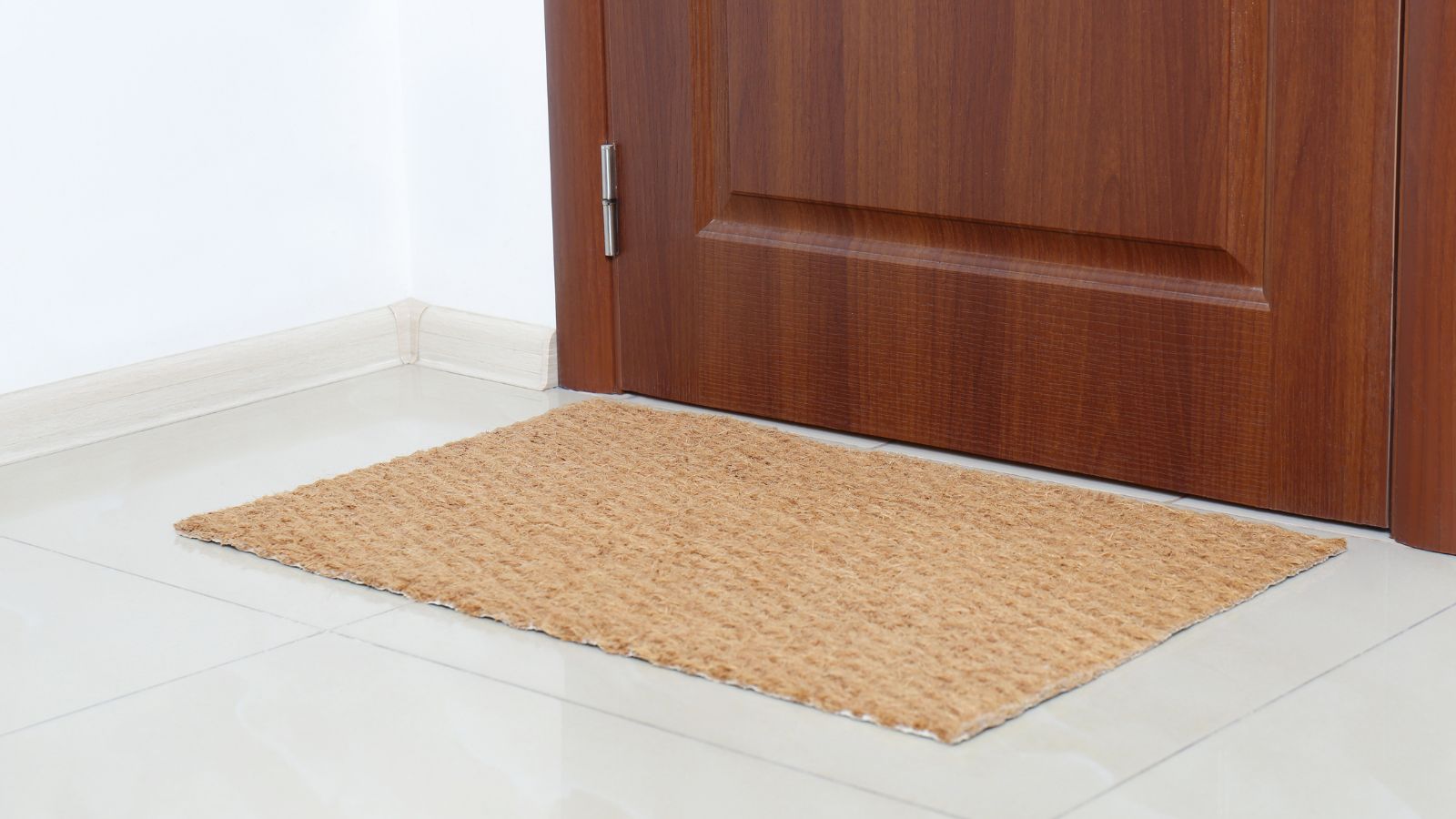
Outdoor rugs are sold as an easy way to make a deck or patio feel like a room. They do add colour and softness, but they can also trap moisture, dirt, and debris against the surface below. On wood decks, a rug that stays damp after rain can slow drying and hide problems until staining, discolouration, or surface wear appears. On concrete or stone, the issue may be mildew smells and grit collecting underneath.
By July, the rug often needs more cleaning than expected. Pollen, spilled drinks, barbecue grease, pet hair, and soil from planters all settle into the weave. If the rug sits under a dining table, crumbs and sauces make it age quickly. In shaded or humid spaces, it may never dry fully between rainfalls. Many households end up rolling it away after a few weeks, discovering that the patio looked better with bare boards than with a soggy textile that requires constant attention.
Solar String Lights That Look Better Online Than in Real Life

Solar string lights are inexpensive, attractive, and easy to install, which makes them one of the most common backyard impulse purchases. The regret comes from performance. In shaded yards, north-facing balconies, or cloudy stretches, the lights may glow weakly or shut off earlier than expected. Small solar panels need good placement, and decorative bulbs can look sparse if the strand is too short for the space.
Durability is another issue. Outdoor electrical products have to handle moisture, wind, heat, and repeated movement. Health Canada’s electrical product guidance advises using proper indoor and outdoor cords, keeping cords away from heat and water sources, and avoiding overheating hazards. While many solar lights are low-voltage, poor-quality products can still fail quickly, collect water, or become tangled and brittle. By July, the backyard may have several half-working strands: charming in theory, dim and uneven in practice.
Outdoor Speakers and TVs That Compete With Weather and Neighbours

Outdoor entertainment gear can sound like the final step in building a backyard retreat. The problem is that outdoor conditions are hard on electronics, even when products are described as weather-resistant. Sun glare makes screens difficult to watch, humidity affects storage decisions, and sudden storms force owners to rush outside and unplug or cover equipment. A TV that looks luxurious in an outdoor kitchen may be used far less than expected if daytime viewing is poor.
Noise is the other regret. Music that sounds pleasant beside the sofa may carry clearly over fences, especially at night or in dense subdivisions. Condo balconies, townhome patios, and small urban lots leave little acoustic buffer. By July, the owner may be turning volume down constantly, moving speakers inside, or fielding neighbour complaints. The purchase can end up serving a narrow purpose: sports nights or parties, rather than the daily outdoor upgrade imagined at checkout.
Deck Boxes That Are Too Small, Too Flimsy, or Not Waterproof Enough
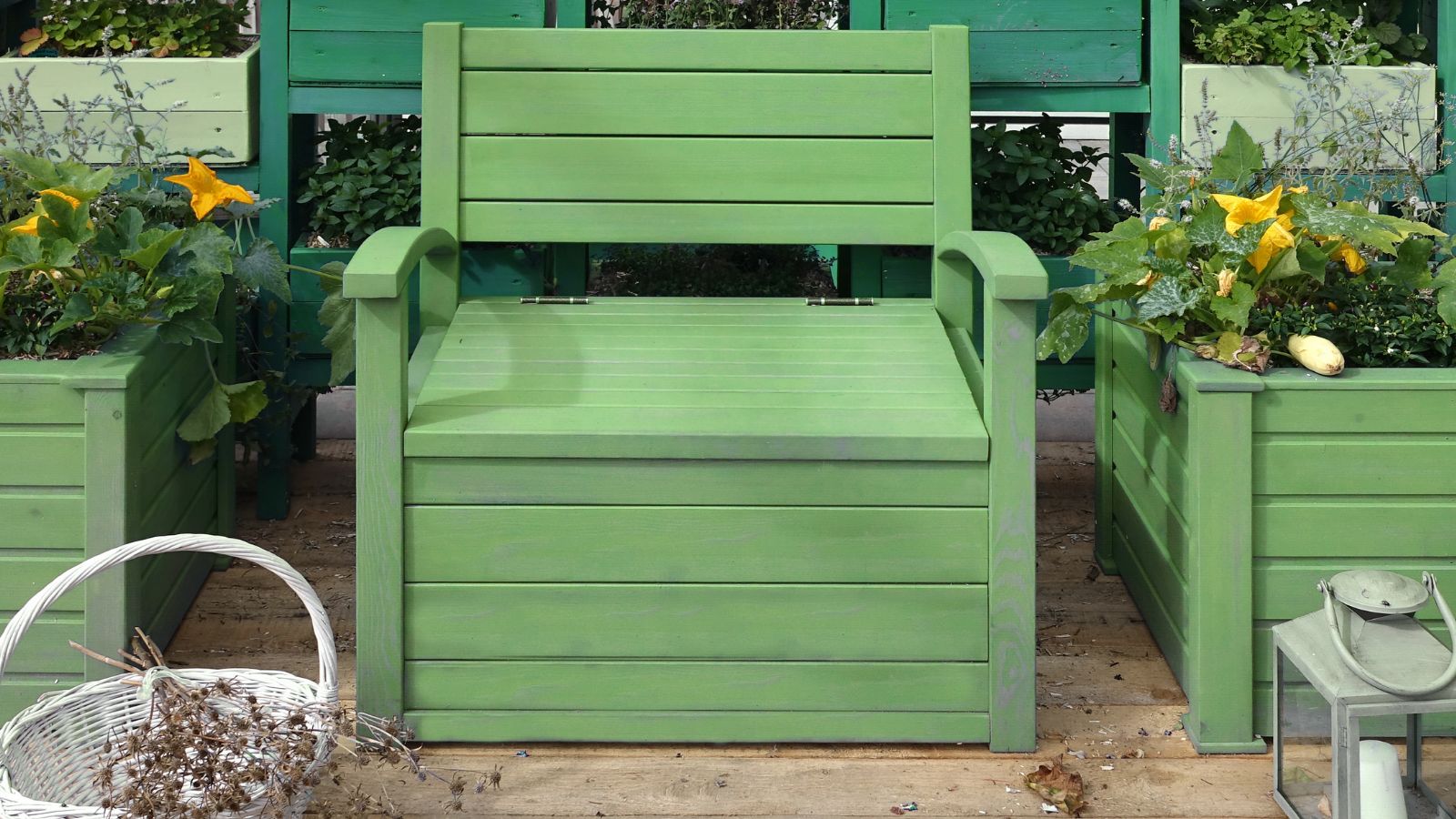
A deck box seems like the practical answer to outdoor clutter. Then the cushions, pool toys, citronella supplies, gardening gloves, extension cords, and barbecue accessories arrive. Many buyers discover too late that the box is too small, awkwardly shaped, or hard to open when furniture is placed nearby. A low-cost resin box may also flex, leak, or become difficult to latch after repeated heat and cold cycles.
The hidden issue is what goes inside. Damp cushions stored in a closed box can develop odours. Dirty tools can stain fabric. Batteries, cords, and solar-light parts may not belong in a humid container. If the box is light, strong winds can shift it unless weighted or secured. By July, the “storage solution” often becomes a jumble of wet covers and forgotten accessories. The best deck storage is planned around airflow, weather exposure, and real inventory, not just the nearest sale price.
Outdoor Kitchens That Outgrow the Budget
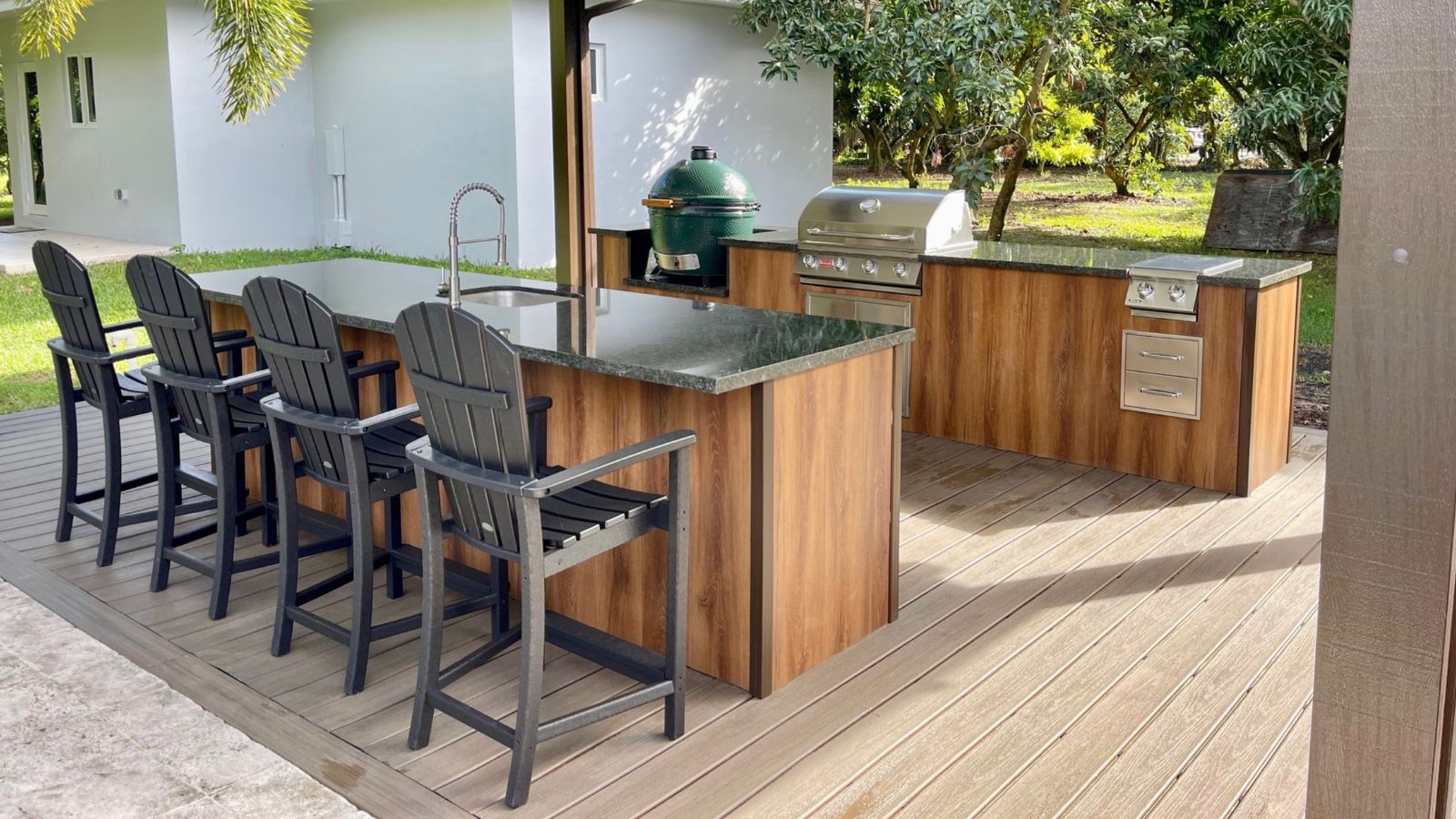
Outdoor kitchens are the dream purchase at the top of the outdoor-living ladder: counters, built-in grills, fridges, sinks, stonework, storage, and lighting. The regret comes from scope creep. What starts as a grill island can become electrical work, gas lines, plumbing, permits, drainage, masonry, appliance covers, and winterizing. Renovation costs in Canada have continued to move, and even small increases matter when a project involves labour, materials, and specialized trades.
The practical question is use. In many Canadian regions, the best outdoor cooking season is concentrated into a few months, with shoulder-season evenings affected by rain, cool temperatures, smoke, or mosquitoes. A full outdoor kitchen may make sense for frequent entertainers, but casual grillers may find that the fridge sits empty, the sink is rarely used, and the counter needs constant wiping. By July, the upgrade can feel less like a lifestyle improvement and more like a renovation project that moved outdoors.
19 Things Canadians Don’t Realize the CRA Can See About Their Online Income

Earning money online feels simple and informal for many Canadians. Freelancing, selling products, and digital services often start as side projects. The problem appears at tax time. Many people underestimate how much information the CRA can access. Online platforms, banks, and payment processors create detailed records automatically. These records do not disappear once money hits an account. Small gaps in reporting add up quickly.
Here are 19 things Canadians don’t realize the CRA can see about their online income.
This Options Discord Chat is The Real Deal
While the internet is scoured with trading chat rooms, many of which even charge upwards of thousands of dollars to join, this smaller options trading discord chatroom is the real deal and actually providing valuable trade setups, education, and community without the noise and spam of the larger more expensive rooms. With a incredibly low-cost monthly fee, Options Trading Club (click here to see their reviews) requires an application to join ensuring that every member is dedicated and serious about taking their trading to the next level. If you are looking for a change in your trading strategies, then click here to apply for a membership.