
35,000+ smart investors are already getting financial news, market signals, and macro shifts in the economy that could impact their money next with our FREE weekly newsletter. Get ahead of what the crowd finds out too late. Click Here to Subscribe for FREE.
Summer has a way of turning ordinary family routines into a string of small expenses: snacks after swimming, gas for weekend drives, day-camp extras, air conditioning, sunscreen, and “just one more” frozen treat. With food, travel, and recreation costs still weighing on Canadian household budgets, families are looking for ways to stretch the season without making it feel smaller.
These 18 ideas focus on practical, realistic savings that protect the best parts of summer: time outdoors, simple meals, short getaways, and low-pressure fun. The goal is not to strip joy out of the warmest months, but to spend more deliberately so the memories last longer than the bills.
Build Summer Meals Around Flexible “Base” Ingredients
18 Ways Canadian Families Can Cut Summer Costs Without Feeling Cheap
- Build Summer Meals Around Flexible “Base” Ingredients
- Turn Parks Canada Sites Into Anchor Day Trips
- Use Library Perks Before Paying for Attractions
- Make Splash Pads the Default Heat-Wave Plan
- Pack a Cooler Like It Is Part of the Budget
- Choose One Paid “Big Day” and Make the Rest Simple
- Drive Less by Clustering Summer Errands
- Use Transit, Walking, and Bikes for Short Summer Trips
- Raise the Thermostat Slightly and Lean on Fans
- Make Backyard Meals Feel Like Going Out
- Borrow, Swap, or Rent Summer Gear Before Buying
- Plan Around Free Community Calendars
- Use Child and Family Benefit Dates to Time Expenses
- Rethink Camps With Half-Day and Mix-and-Match Options
- Shop Seasonal Produce With a “Use-It-Twice” Rule
- Compare Travel by Total Trip Cost, Not Ticket Price
- Avoid “Vacation Mode” Spending at Home
- Protect the Best Memories, Not the Most Expensive Ones
- 19 Things Canadians Don’t Realize the CRA Can See About Their Online Income

A summer grocery bill can climb quickly when every meal starts from scratch. Families can save without making dinner feel repetitive by building meals around flexible base ingredients: rice, pasta, potatoes, tortillas, eggs, canned beans, frozen vegetables, and seasonal produce. One batch of grilled chicken, for example, can become wraps one night, pasta salad the next, and rice bowls later in the week. That approach feels more like variety than leftovers.
This matters because food costs remain one of the most visible pressures in Canadian homes. Canada’s Food Price Report 2026 forecast a 4% to 6% increase in overall food prices, with a family of four projected to spend up to $17,571.79 on food during the year. A family that plans three dinners from one protein purchase can cut waste, avoid extra store trips, and still keep meals summery with sauces, salads, and picnic-style sides.
Turn Parks Canada Sites Into Anchor Day Trips

A family outing does not need a theme-park price tag to feel special. National parks, historic sites, canals, and marine conservation areas can become the backbone of a low-cost summer plan, especially when paired with packed lunches and early departures. A day at a fort, lighthouse, trail, beach, or interpretive centre can feel like a real getaway without hotels, parking garages, or restaurant bills attached.
For summer 2026, the Canada Strong Pass makes this strategy even more useful. From June 19 to September 7, Parks Canada admission is free at participating places, and camping or overnight stays through Parks Canada are discounted by 25%. Families who live within driving distance of a national historic site or park can build a full day around admission-free experiences, then spend selectively on one treat, ferry ride, or local bakery stop.
Use Library Perks Before Paying for Attractions

Public libraries are often overlooked as summer money-savers because families think of them mainly as book lenders. In many communities, a library card can also unlock museum passes, provincial park day-use passes, streaming services, craft kits, language tools, board games, and children’s programming. That means a rainy Saturday can turn into a museum visit or movie night without adding another paid subscription or admission fee.
This is especially helpful in bigger cities, where a single family admission to a museum or gallery can cost as much as a week’s worth of groceries. Toronto Public Library’s Museum + Arts Pass, for instance, offers free general admission for a cardholder and a group of up to two adults and four children at participating cultural venues. In Ontario, some libraries also lend provincial park vehicle permits, giving families access to day-use areas without paying the regular parking fee.
Make Splash Pads the Default Heat-Wave Plan

When the temperature climbs, indoor entertainment becomes tempting because it is air-conditioned and easy. But malls, trampoline parks, cinemas, and restaurant stops can turn one hot afternoon into an expensive outing. Splash pads, wading pools, beaches, shaded playgrounds, and municipal outdoor pools offer the same “summer break” feeling with far less spending, especially for younger children who mainly want water, snacks, and space to run.
The key is planning them like real outings instead of backup options. Pack towels, refillable bottles, sunscreen, dry clothes, and a cooler snack before leaving home. Many Canadian municipalities operate free splash pads or low-cost outdoor pools during summer, though hours vary by location. Families who create a rotating list of three or four nearby water spots can avoid the “what should we do today?” scramble that often leads to pricier choices.
Pack a Cooler Like It Is Part of the Budget
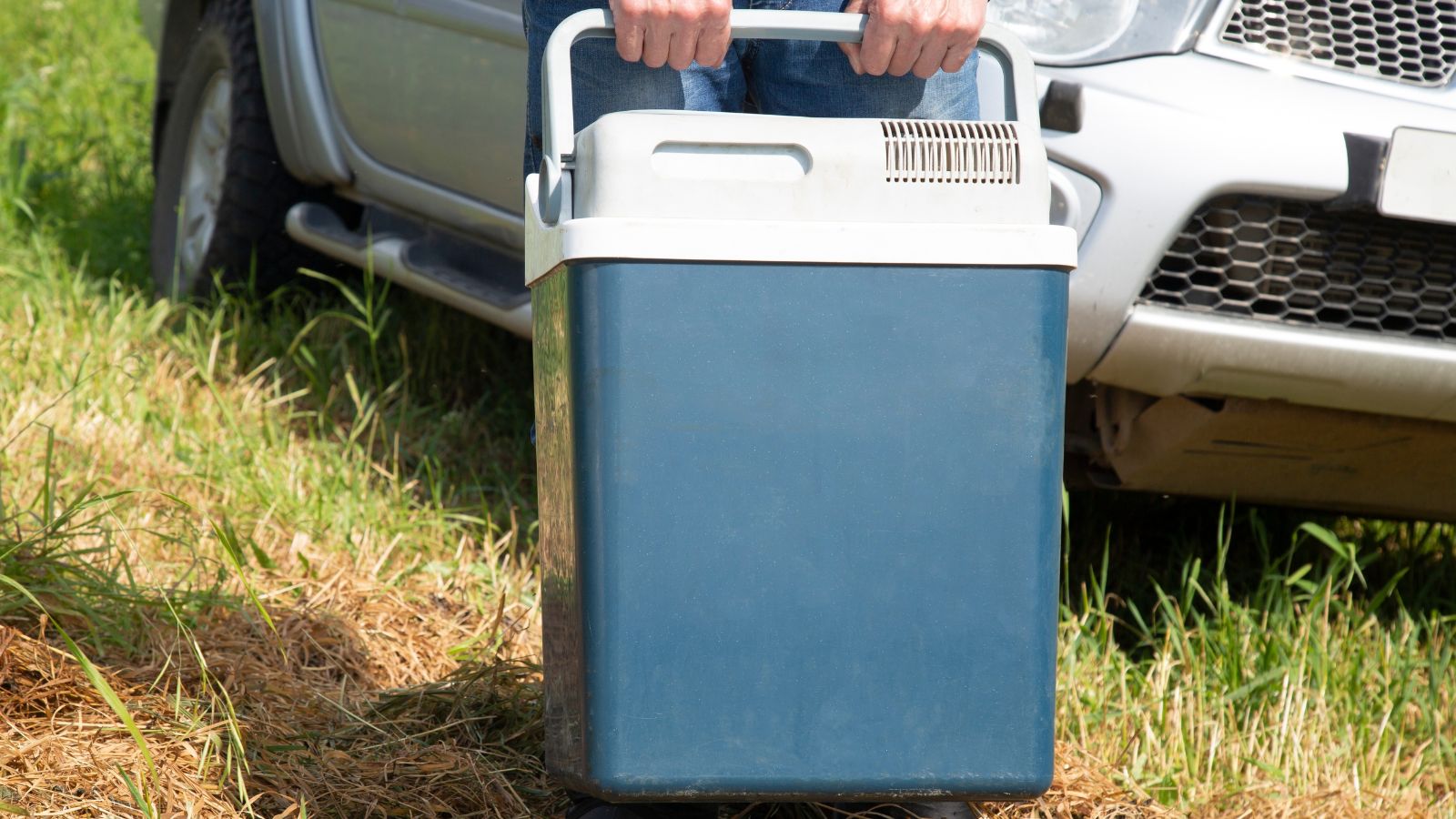
A cooler is not just camping gear; it is a summer budgeting tool. Road trips, beach days, sports tournaments, park visits, and long errands all become more expensive when hungry kids meet convenience prices. Keeping sandwiches, cut fruit, cheese, crackers, water, and frozen juice boxes ready can prevent the casual $40 stop that nobody planned. A family cooler turns small outings into predictable expenses.
Food safety still matters, especially in Canadian summers where heat can build quickly in parked cars and picnic areas. Health Canada recommends keeping perishable foods cold in a cooler at or below 4°C, using ice packs, limiting how often the cooler opens, and keeping it out of direct sunlight. Separate drink and food coolers can help because the drink cooler is usually opened more often. Saving money should not mean gambling with spoiled food.
Choose One Paid “Big Day” and Make the Rest Simple

Summer often gets expensive because families try to make every weekend feel event-worthy. A smarter approach is to choose one paid “big day” every few weeks, then surround it with lower-cost traditions. That could mean one amusement park visit, one baseball game, one water park day, or one special festival meal, while other weekends lean on beaches, libraries, backyard dinners, bike rides, and free community events.
This strategy works because it protects the feeling of celebration. Children often remember the ritual around an outing as much as the price of the outing itself: choosing snacks, packing swimsuits, making a playlist, or inviting cousins. When the budget has one planned splurge, saying no to the smaller impulse purchases feels less like deprivation. It also gives parents a clearer way to compare value before buying tickets, parking, meals, and add-ons.
Drive Less by Clustering Summer Errands

Summer driving can quietly eat into the family budget, especially when errands are scattered across hot afternoons. A trip to the grocery store, then the pharmacy, then a return for forgotten sunscreen, then a separate drive to practice adds fuel, time, and wear. Clustering errands by neighbourhood and planning them around existing routes can reduce unnecessary kilometres without changing family routines too dramatically.
Fuel-efficient driving advice from Natural Resources Canada and CAA points in the same direction: smoother acceleration, less idling, properly inflated tires, and fewer unnecessary trips can all help reduce fuel use. CAA notes that underinflated tires can increase fuel consumption by up to 4%. A simple “one loop” errand list on the fridge can make summer feel calmer too, because fewer last-minute drives means less rushing and fewer drive-through temptations.
Use Transit, Walking, and Bikes for Short Summer Trips

Not every family can replace car travel, especially outside major transit corridors. But summer creates more chances to swap short drives for walking, cycling, transit, scooters, or mixed trips. A library visit, splash pad stop, farmers’ market run, or nearby playground outing can become part transportation and part activity. For children, the bike ride may be the highlight rather than the thing that happens before the highlight.
The financial benefit is strongest when families target trips under a few kilometres, where cars are least efficient and parking is often annoying. Natural Resources Canada recommends walking, biking, transit, and carpooling as ways to drive less and use no fuel for some destinations. Even replacing two short drives a week can lower fuel use, reduce snack-stop spending, and create a slower rhythm that feels more like summer than another rushed errand.
Raise the Thermostat Slightly and Lean on Fans
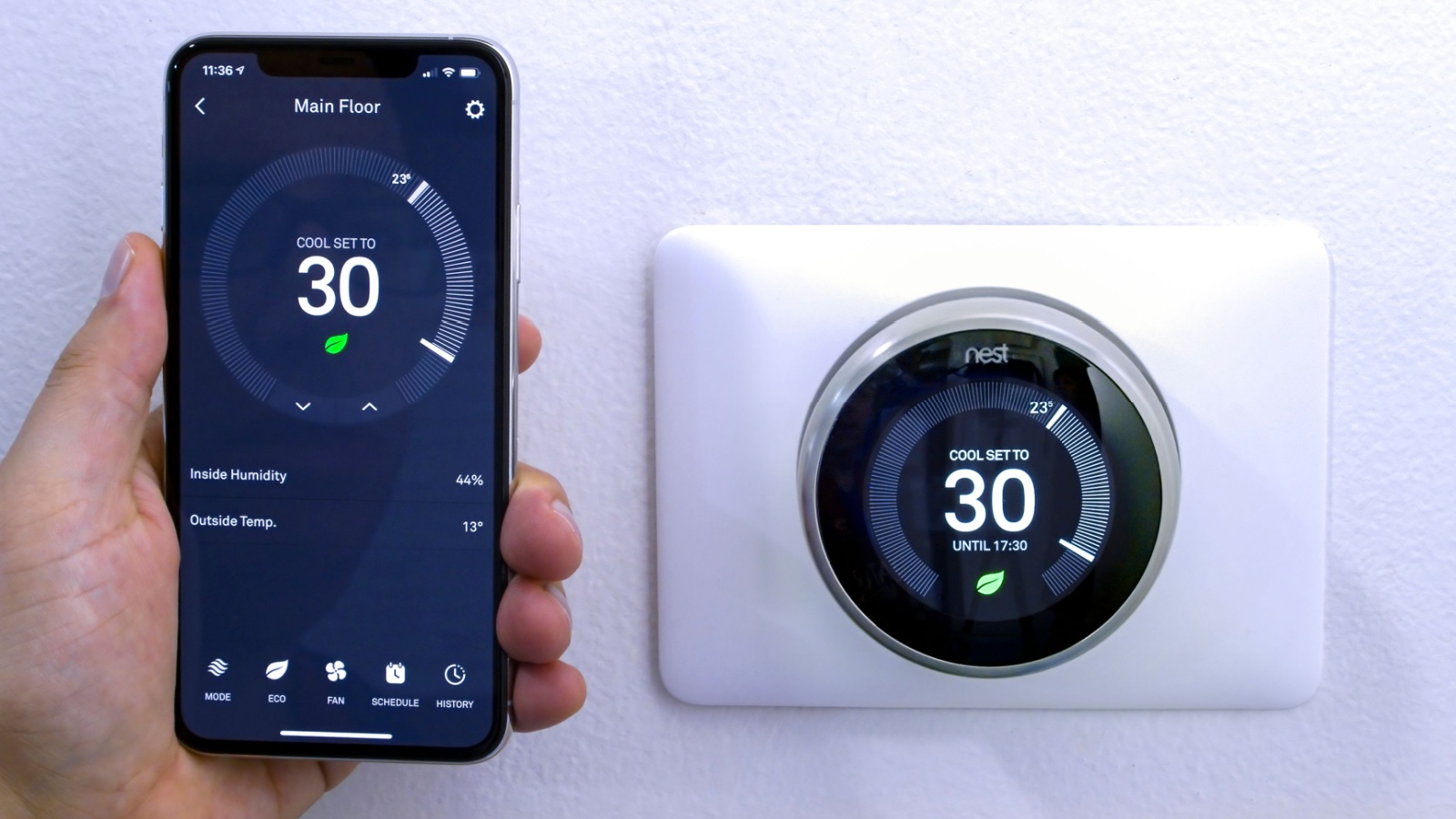
Air conditioning can make home life comfortable during humid Canadian heat, but it can also push electricity bills higher during peak summer months. Families do not have to sweat through dinner to save money. A small thermostat adjustment, ceiling fans, closed blinds during the hottest hours, and avoiding oven use in the afternoon can all reduce strain on the system while keeping rooms livable.
Natural Resources Canada has noted that using a ceiling fan can allow a thermostat setting about two degrees higher while still feeling comfortable, with potential air-conditioning cost savings. Fans cool people rather than rooms, so they should be turned off when spaces are empty. The most practical family routine is simple: close curtains before noon, run fans in occupied rooms, cook outdoors or use smaller appliances when possible, and save laundry or dishwasher heat for cooler hours.
Make Backyard Meals Feel Like Going Out

Restaurant patios are one of summer’s great pleasures, but frequent family meals out can drain a budget quickly. Backyard dinners, balcony picnics, park-table suppers, or “bring-your-own-toppings” hot dog nights can create the same relaxed feeling at a fraction of the cost. The trick is presentation: a picnic blanket, paper boats, lemonade, corn on the cob, music, and a cooler of popsicles can make an ordinary meal feel like an event.
This approach also helps families manage rising food costs without making meals feel austere. Canada’s Food Price Report has pointed to higher costs across grocery categories, which means the savings gap between home-prepared meals and frequent dining out can become more noticeable. A family that replaces one casual restaurant dinner with a backyard taco night can still enjoy novelty, but keep the spending focused on ingredients rather than tips, delivery fees, drinks, and markups.
Borrow, Swap, or Rent Summer Gear Before Buying

Summer creates a buying trap: beach umbrellas, camping chairs, paddleboards, tents, sports gear, bike racks, coolers, lawn games, and festival wagons all look essential in June. By September, many of those items are sitting in garages. Families can cut costs by borrowing from relatives, using neighbourhood groups, checking library “things” collections, renting specialty gear, or organizing swaps for life jackets, cleats, skates, and bikes.
This is not about looking cheap. It is about matching ownership to actual use. A tent used once a year may be better borrowed; a cooler used weekly may be worth buying. Some libraries and community organizations lend non-book items such as passes, tools, games, and outdoor equipment, depending on location. A practical rule is to rent or borrow the first time, then buy only after the family proves the activity will become a repeat habit.
Plan Around Free Community Calendars

Summer festivals, outdoor concerts, movie nights, farmers’ market events, cultural celebrations, nature walks, and recreation-centre activities can fill a calendar without filling a credit card statement. The challenge is that free events often require advance planning: knowing dates, bringing chairs, packing food, arriving before parking fills, and checking whether tickets or registration are needed even when admission is free.
Municipalities, tourism boards, library branches, BIAs, and local recreation departments usually publish summer event calendars. Families that review them once a week can choose the best options before defaulting to paid entertainment. A free evening concert becomes more satisfying when dinner is already packed and the kids know they can pick one treat from a vendor. The result feels intentional, not like settling for whatever costs nothing.
Use Child and Family Benefit Dates to Time Expenses

Summer expenses often arrive in clusters: camp deposits, school supplies, sports registration, back-to-school shoes, travel bookings, and utility spikes. Families receiving Canada Child Benefit payments can reduce stress by matching planned expenses to known payment dates rather than reacting after the bill arrives. This is especially useful for July and August, when routines change and spending can become less predictable.
The Canada Revenue Agency lists Canada Child Benefit payment dates in advance. For 2026, payments include June 19, July 20, August 20, and September 18, with the new 12-month benefit period beginning in July and based on the 2025 tax year. Families can use those dates as budget anchors: camp fees from one payment, school supplies from another, and a small summer outing fund from another. Predictability can make modest spending feel more controlled.
Rethink Camps With Half-Day and Mix-and-Match Options

Full-week specialty camps can be excellent, but they are not the only way to structure summer care or enrichment. Families can often reduce costs by mixing municipal half-day programs, library activities, grandparent days, neighbourhood playdates, sports clinics, and a few strategic paid camps. A child who loves art may enjoy one dedicated art week more than six expensive weeks of general programming.
Municipal recreation programs are often cheaper than private camps, though spaces can fill quickly. Some communities offer subsidies, inclusion support, or lower-cost drop-in options. The key is to compare the true hourly cost, not just the weekly fee. A camp that includes swimming, supplies, and extended care may be better value than a cheaper program with add-ons. Conversely, a half-day program paired with a free splash pad afternoon may meet the same need for much less.
Shop Seasonal Produce With a “Use-It-Twice” Rule

Summer produce can be a money-saver or a waste trap. A flat of berries, a giant watermelon, or a bag of peaches is only a bargain if the family eats it before it spoils. The “use-it-twice” rule helps: every produce purchase should have at least two planned uses. Corn can be dinner and salad; berries can be snacks and overnight oats; cucumbers can go into sandwiches and Greek-style bowls.
Food waste research has repeatedly identified meal planning, shopping with a list, and better storage as ways to reduce household waste. That matters when grocery prices are elevated. Families can also freeze ripe fruit for smoothies, turn soft berries into sauce, chop vegetables for tomorrow’s lunch, and move delicate produce to the front of the fridge. Saving money feels easier when the fridge looks like options, not guilt.
Compare Travel by Total Trip Cost, Not Ticket Price

A cheap fare is not always a cheap trip. Families planning summer travel should compare the full cost: baggage, seat selection, airport meals, parking, rental cars, fuel, pet care, attraction tickets, and the cost of arriving exhausted. A nearby rail trip, campground, cottage share, or two-night city break may offer better value than a flight that looks affordable until every add-on appears.
For 2026, the Canada Strong Pass also affects family travel math. VIA Rail’s Canada Strong Pass offer allows children and youth aged 17 and under to travel free in Economy class when accompanied by an adult on eligible fares and routes between June 19 and September 7, with conditions. That does not make every rail trip cheaper, but it gives families another option to compare against driving and flying, especially on routes where parking and fuel would be significant.
Avoid “Vacation Mode” Spending at Home

Families do not have to leave town to overspend like they are on vacation. Summer can trigger a steady stream of treats: iced drinks, food delivery, convenience-store snacks, last-minute toys, paid parking, and online purchases for activities that happen once. None of these feels extravagant alone, but together they can rival the cost of a weekend away.
A practical fix is to create a small “summer fun” cash or prepaid-card category. Children can help choose where it goes: ice cream after the beach, one festival snack, craft supplies, or a movie rental night. When the fund is visible, trade-offs become less emotional. The family is not refusing fun; it is choosing the version that matters most. That turns budgeting into a shared summer plan rather than a series of parental no’s.
Protect the Best Memories, Not the Most Expensive Ones

The cheapest summer is not automatically the best one. Families usually feel most satisfied when they protect the moments that matter: visiting grandparents, swimming after dinner, camping with cousins, one special road trip, backyard birthdays, or lazy library mornings. Cutting costs works best when the family first names what summer should feel like, then trims the spending that does not support that feeling.
This mindset also keeps savings from feeling like deprivation. A family might skip two restaurant meals to afford one campsite, borrow sports gear to pay for swimming lessons, or choose free museum admission so there is room for a train ride. The point is not to remove spending altogether. It is to make each dollar compete for its place. When money follows priorities, summer feels less cheap and more carefully enjoyed.
19 Things Canadians Don’t Realize the CRA Can See About Their Online Income

Earning money online feels simple and informal for many Canadians. Freelancing, selling products, and digital services often start as side projects. The problem appears at tax time. Many people underestimate how much information the CRA can access. Online platforms, banks, and payment processors create detailed records automatically. These records do not disappear once money hits an account. Small gaps in reporting add up quickly.
Here are 19 things Canadians don’t realize the CRA can see about their online income.
This Options Discord Chat is The Real Deal
While the internet is scoured with trading chat rooms, many of which even charge upwards of thousands of dollars to join, this smaller options trading discord chatroom is the real deal and actually providing valuable trade setups, education, and community without the noise and spam of the larger more expensive rooms. With a incredibly low-cost monthly fee, Options Trading Club (click here to see their reviews) requires an application to join ensuring that every member is dedicated and serious about taking their trading to the next level. If you are looking for a change in your trading strategies, then click here to apply for a membership.