35,000+ smart investors are already getting financial news, market signals, and macro shifts in the economy that could impact their money next with our FREE weekly newsletter. Get ahead of what the crowd finds out too late. Click Here to Subscribe for FREE.
Summer spending has a way of slipping through the smallest doors: a cold drink after the beach, a snack during a fuel stop, a forgotten bottle of sunscreen before a day outside. Convenience stores serve a real purpose, especially during road trips, heat waves, and busy family weekends, but that speed often comes with a premium. For Canadian households already watching grocery, fuel, and travel costs, a few small purchases can quietly turn into a surprisingly expensive habit. These 20 common convenience-store buys are worth rethinking this summer, not because every stop is wasteful, but because planning even slightly ahead can keep more money in the family budget without making anyone feel deprived.
Bottled Water
20 Things Canadians Should Stop Buying at Convenience Stores This Summer
- Bottled Water
- Fountain Pop
- Energy Drinks
- Iced Coffee and Bottled Coffee Drinks
- Bags of Chips
- Candy and Chocolate Bars
- Beef Jerky and Meat Sticks
- Milk, Bread, and Eggs
- Sunscreen
- Over-the-Counter Pain Relievers
- Phone Charging Cables
- Lottery Tickets
- Cigarettes and Vaping Products
- Prepared Sandwiches and Wraps
- Roller-Grill Hot Dogs
- Ice Cream Novelty Bars
- Bags of Ice
- Batteries
- Windshield Washer Fluid
- Paper Plates, Napkins, and Disposable Cutlery
- 19 Things Canadians Don’t Realize the CRA Can See About Their Online Income

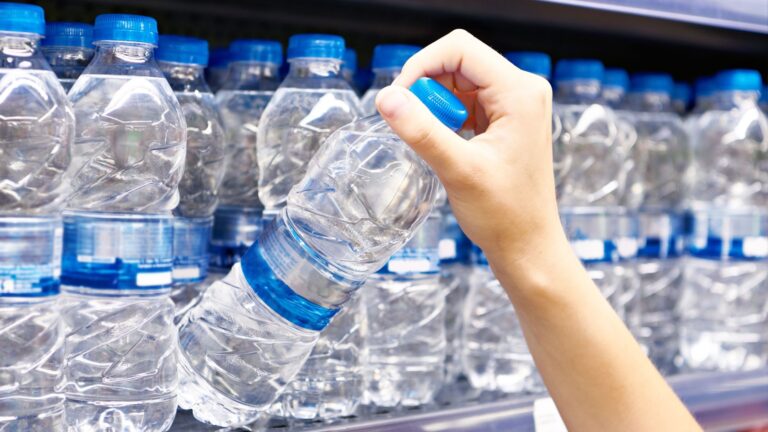
Bottled water is one of the easiest summer purchases to justify. It feels practical, especially when the car is hot, kids are thirsty, or a walk turns longer than planned. The problem is repetition. A single bottle may not feel expensive, but families who grab two or three at every gas stop can spend the price of a reusable bottle within days. Canada’s Food Guide recommends making water the drink of choice, which makes this one of the simplest swaps: keep a refillable bottle in the car, backpack, or stroller instead of paying convenience prices for the same basic need.
There is also the waste angle. Single-use plastic bottles add packaging to a purchase that can often be avoided with a bit of preparation. On summer road trips, a small cooler with refillable bottles can cover a whole afternoon at the park, splash pad, or soccer field. The convenience store still works as an emergency backup, but it should not become the default hydration plan.
Fountain Pop
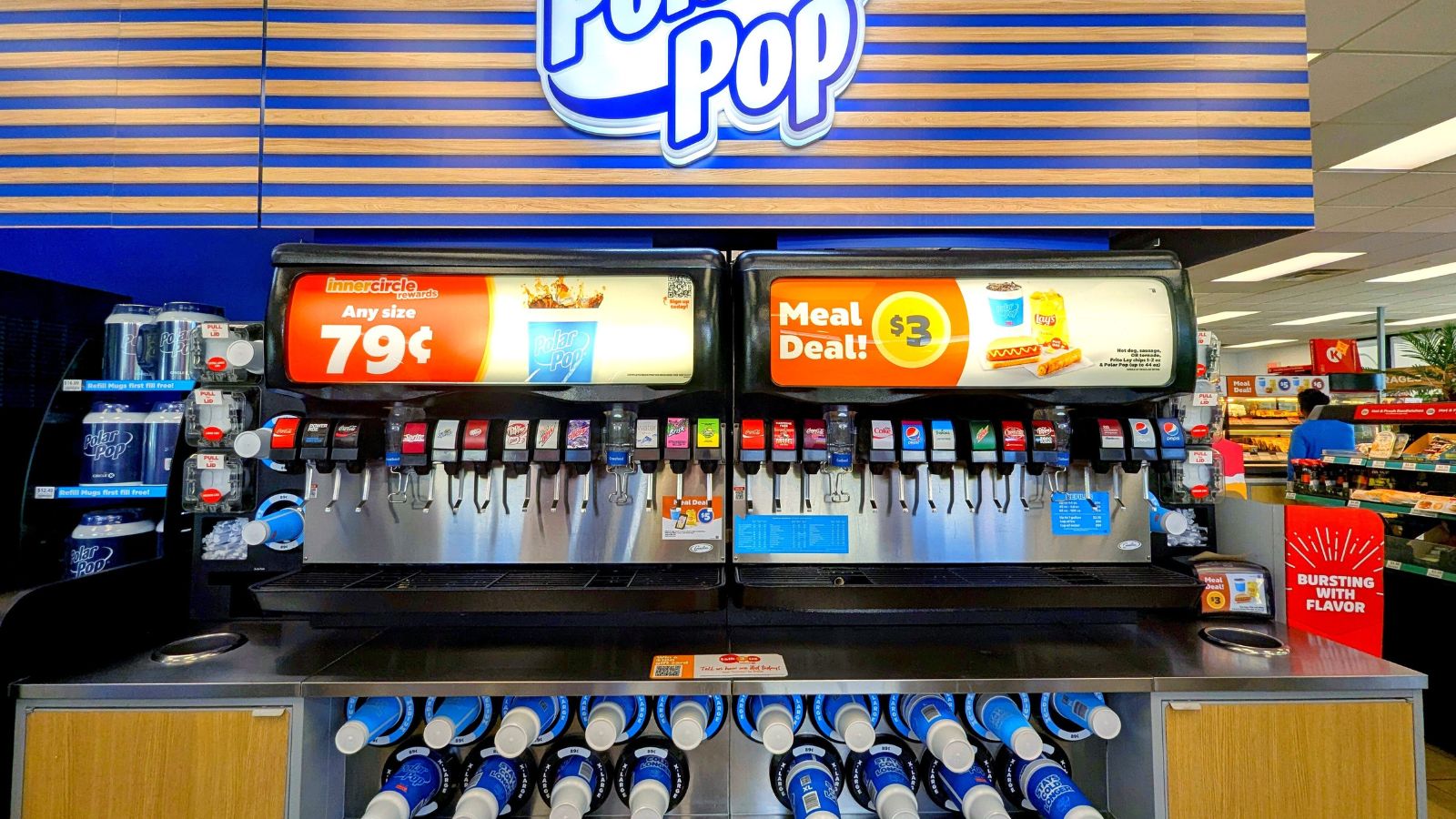
Fountain drinks are designed to feel like a bargain: a huge cup, crushed ice, and a price that looks small beside the cost of fuel. In summer heat, that cold rush can be especially tempting. But sugary drinks are one of the purchases Health Canada specifically advises people to replace with water more often. The issue is not one treat on a road trip; it is the habit of turning every stop into a sweet drink stop.
The money adds up too. A family buying several fountain pops during a weekend drive can easily spend more than the cost of a case of drinks bought in advance, or better, sparkling water and fruit kept cold at home. For anyone trying to cut costs without feeling cheap, this swap is painless: keep chilled drinks ready before leaving, and save the fountain pop for the occasional treat rather than the routine.
Energy Drinks

Energy drinks often sit right near the checkout because they match the convenience-store mood: tired driver, long day, instant solution. Health Canada limits caffeine in caffeinated energy drinks to 180 mg per serving, which is a reminder that these are not ordinary soft drinks. For adults, an occasional can may not be a crisis, but the combination of caffeine, sugar, and premium single-serve pricing makes them an expensive summer habit.
They can be especially risky as a casual purchase for teens. Canadian pediatric guidance has warned that children and adolescents have lower recommended caffeine limits than adults. A better plan is to prevent the energy crash in the first place: pack water, snacks with protein, and real rest stops during long drives. If caffeine is needed, coffee made at home or bought more deliberately is usually cheaper and easier to control.
Iced Coffee and Bottled Coffee Drinks

A cold coffee from a convenience-store fridge feels like a small luxury on a hot day. Many bottled coffee drinks, however, are closer to dessert than a plain coffee, often containing added sugars and flavourings. Health Canada’s guidance on sugary drinks applies here too: drinks can quietly add sugar and calories without the fullness of food. That matters in summer, when people may already be buying more cold beverages than usual.
The financial side is just as clear. A bottled iced coffee bought several times a week can cost far more than making a pitcher of cold brew at home or pouring regular coffee over ice in a travel mug. For commuters, cottage-goers, and parents running between activities, this is one of the best “still feels nice” swaps. The drink stays cold, the routine stays intact, and the convenience-store markup disappears.
Bags of Chips

Chips are classic convenience-store bait. They are salty, portable, and easy to open in the car. Industry shopper research has found salty snacks to be among the strongest impulse categories in convenience retail, which matches what many families already know from experience: nobody planned to buy the chips until they saw them. Health Canada also lists highly processed foods as something Canadians should limit because they can add excess sodium, sugars, or saturated fat.
That does not mean summer snacks have to become joyless. It means buying them smarter. A larger bag from a grocery store, portioned into containers or small reusable bags, usually costs less per serving than grabbing single bags at the counter. Adding fruit, crackers, nuts, or homemade popcorn gives kids and adults something to reach for before the “just one bag” stop becomes a weekly pattern.
Candy and Chocolate Bars
Candy and chocolate bars feel harmless because they are small. That is exactly why they are so easy to buy without thinking. Convenience-store shopper studies regularly place candy among the most common impulse purchases, and summer makes the habit stronger: a treat after swimming, something for the kids at the gas station, a chocolate bar after a long errand. The checkout counter is built for that moment.
The smarter move is not to ban treats; it is to stop paying the highest price for the least planned version of them. Families can buy multipacks at grocery stores and keep a few in a picnic bag or pantry for planned treats. In hot weather, chocolate also melts quickly in the car, turning an impulse buy into a sticky disappointment. Frozen grapes, granola bites, or a grocery-store box of popsicles at home can scratch the same itch for less.
Beef Jerky and Meat Sticks

Jerky and meat sticks look like practical road-trip food because they are high in protein and do not need refrigeration. The problem is that convenience-store versions are often expensive per gram and can be high in sodium. Canadian research on sodium intake has repeatedly identified processed and prepared foods as major contributors to excess sodium in the diet. Health Canada also recommends limiting highly processed foods as part of a healthy eating pattern.
For summer outings, there are better-value ways to get protein. Hard-boiled eggs, cheese portions kept in a cooler, roasted chickpeas, peanut butter sandwiches, or grocery-store trail mix can all do the job. Jerky can still be useful for camping or long drives, but buying it in larger packages ahead of time usually makes more sense than grabbing a tiny pouch at a roadside stop.
Milk, Bread, and Eggs

Convenience stores are helpful when a household truly runs out of basics. The trouble starts when milk, bread, and eggs become routine convenience buys instead of emergency ones. Statistics Canada tracks food price pressure closely, and Canadian households have already been dealing with several years of elevated grocery costs. Paying a premium for pantry staples makes that pressure worse without adding much value.
A simple summer fix is to keep a short “almost out” list on the fridge or phone. Before heading home from work, daycare, sports practice, or the beach, families can stop at a grocery store or discount retailer instead of buying one item at a convenience store. Even better, keeping a freezer loaf, shelf-stable milk, or backup breakfast option at home can prevent the late-night run altogether.
Sunscreen

Sunscreen is one of those summer items people often remember only after arriving somewhere sunny. Convenience stores know this, which is why small bottles near beaches, parks, and highways can command attention. Health Canada advises using broad-spectrum sunscreen with SPF 15 or higher, applying it before sun exposure, and reapplying regularly. That makes sunscreen essential, but not something families should repeatedly buy in panic mode.
The better approach is to treat sunscreen like keys or a phone charger: part of the leaving-home checklist. Keep one bottle by the door, one in the beach bag, and one in the car only if it can be stored safely away from extreme heat. Buying family-size bottles at pharmacies, grocery stores, or warehouse clubs usually offers better value than small convenience-store bottles. Preparedness protects skin and the budget at the same time.
Over-the-Counter Pain Relievers

Summer headaches, sore muscles, sunburn discomfort, and travel aches can make a small pack of pain relievers seem necessary. Sometimes it is. But convenience stores often sell small-count packages that cost more per dose than larger pharmacy bottles. There is also a safety issue: Health Canada’s acetaminophen labelling guidance stresses maximum daily dosing because taking too much can cause serious harm, especially when multiple products contain the same ingredient.
A safer and cheaper habit is to keep a labelled family medicine kit at home and a small travel kit for trips. That kit should include only products appropriate for the people using them, with dosing instructions intact. Buying medicine in a rush can lead to duplicate products, wrong formats, or forgotten warnings. Convenience-store medicine is useful in a pinch, but it should not replace planned, careful stocking.
Phone Charging Cables

A dead phone during a summer road trip feels urgent. That urgency is exactly why people pay too much for charging cables at convenience stores. A cable near the checkout can solve the immediate problem, but it may be lower quality, easy to misplace, and far more expensive than a multipack bought ahead of time. For families using phones for maps, tickets, parking apps, and emergency calls, charging is now part of basic travel planning.
The fix is boring but effective: keep one charging cable in the car, one in the overnight bag, and one in a daily backpack. A small power bank can also prevent last-minute buying during festivals, ferry waits, camping weekends, or airport delays. Convenience-store electronics should be treated like emergency gear, not regular replacements for items that are easy to stock in advance.
Lottery Tickets

Lottery tickets are one of the most common “while I’m here” purchases at convenience stores. The dream is inexpensive, but the odds are long. OLG lists the main Lotto Max jackpot odds at about 1 in 33.4 million per play, while responsible gambling resources warn that easy retail availability can encourage impulse buying. A ticket here and there may feel harmless, but repeated summer stops can turn small hopes into a steady drain.
Families trying to cut costs should separate entertainment from errands. If lottery play is part of the household budget, it should be planned like any other discretionary spending, with a fixed limit. Buying tickets because the line is slow, the jackpot sign is bright, or the cashier asks about an add-on is not a strategy. The best savings move is to make the purchase intentional or skip it entirely.
Cigarettes and Vaping Products
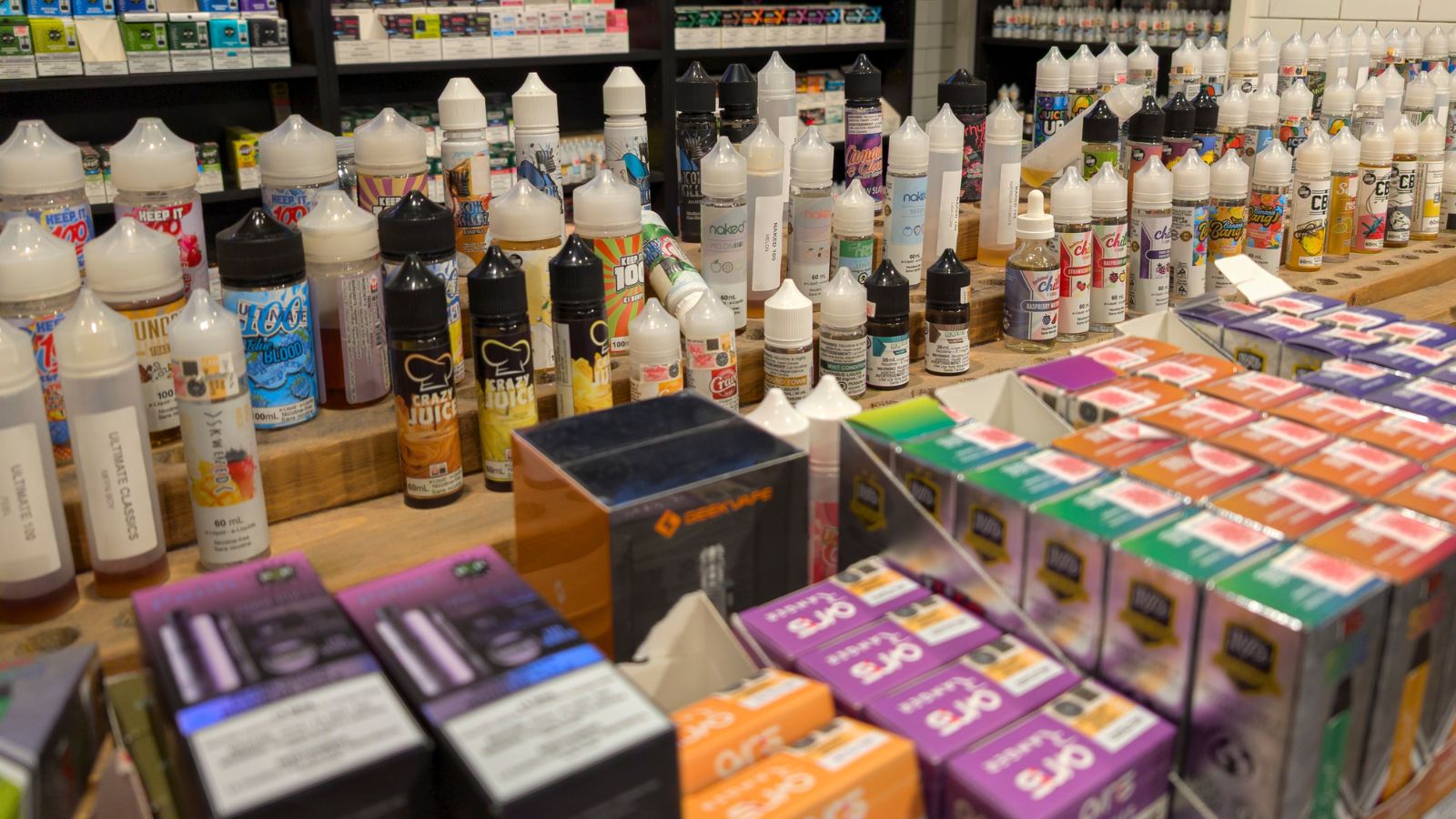
For households trying to reduce summer spending, tobacco and vaping products are among the most expensive convenience-store habits. Federal excise duty on cigarettes increased again in 2026, and provincial tobacco taxes can add significantly more depending on where a person lives. Beyond price, tobacco remains a major public-health concern in Canada, and convenience-store access can make cutting back harder because the product is always visible during routine stops.
This is one category where “stop buying at convenience stores” may also mean reducing triggers. Paying for fuel at the pump, using grocery pickup, or avoiding unnecessary store entry can help limit impulse purchases. For people trying to quit, planning around common buying moments matters. A summer budget benefits immediately when tobacco spending drops, but the bigger gain is long-term health and fewer purchases tied to stress, driving, or social routines.
Prepared Sandwiches and Wraps

Prepared sandwiches and wraps can save the day when a family is hungry between activities. The issue is value and freshness. A single convenience-store sandwich may cost as much as several homemade ones, and summer heat makes food handling more important. Health Canada’s summer food safety advice says perishable foods should be kept cold and not left at room temperature for long on hot days.
Packing lunch does not have to mean elaborate meal prep. A cooler with sandwiches, cheese, fruit, cut vegetables, and ice packs can cover a beach day or highway drive. When buying prepared food is unavoidable, it is worth checking dates, refrigeration, and whether the item will be eaten right away. Convenience sandwiches are useful in emergencies, but expensive as a habit and risky if they sit in a warm car.
Roller-Grill Hot Dogs

Roller-grill hot dogs are appealing because they are fast, hot, and familiar. For a hungry driver or child after swimming, they can seem like the simplest lunch. But hot dogs are processed meats, and Health Canada’s advice to limit highly processed foods includes items that may contribute excess sodium and saturated fat. The price can also be deceptive: once a drink and snack are added, the “cheap lunch” becomes less cheap.
A better summer plan is to keep quick meals ready before leaving home. Grocery-store rotisserie chicken, homemade wraps, pasta salad in a cooler, or even peanut butter sandwiches can feed more people for less. If hot dogs are part of a planned barbecue, buying a pack at the grocery store makes more sense than paying one at a time during errands. Convenience meals should solve rare problems, not become the default lunch.
Ice Cream Novelty Bars

Nothing says summer quite like an ice cream bar pulled from a convenience-store freezer. The problem is that novelty bars are priced for the moment: hot weather, tired kids, and no desire to compare costs. Buying one for each family member can quickly cost more than a full box from a grocery store. The treat is not the issue; the format is.
A simple alternative is to make ice cream part of the plan. Keep a box of frozen bars at home, bring a cooler for longer outings, or choose a local ice cream shop when the experience itself is the point. That way, the money buys a memory rather than a rushed add-on beside the gas pump. Summer treats should still feel fun, but convenience-store freezers are rarely the best value.
Bags of Ice

Bags of ice are sometimes necessary, especially for camping, cottage weekends, and coolers full of perishable food. Health Canada recommends keeping cold foods at or below 4°C in a cooler and using ice packs on the go. The problem is buying ice repeatedly because no one planned ahead. Convenience-store ice can be expensive, and during heat waves or long weekends it may sell out when everyone needs it most.
Families can reduce both cost and stress by freezing water bottles, reusable ice packs, or containers of water before a trip. Frozen bottles keep food cold and become drinking water as they thaw. For bigger gatherings, buying ice at a grocery store, warehouse club, or ice supplier may offer better value than grabbing one bag at a time. Ice is useful, but last-minute ice is often the most expensive kind.
Batteries

Summer activities have a way of exposing dead batteries: flashlights for camping, fans for tents, toys for the car, portable radios, and bug zappers on the patio. Convenience stores sell batteries because people often discover the problem too late. The cost per battery can be much higher in small packs, and the selection may be limited to premium brands or sizes that are not quite right.
The better habit is to check seasonal gear before the first long weekend. Rechargeable batteries can be a strong value for devices used often, while multipacks bought at grocery, hardware, or warehouse stores usually beat emergency pricing. Keeping a small labelled box of AA, AAA, and specialty batteries at home prevents the late-night run. Convenience-store batteries should be treated like a backup plan for true surprises, not household inventory.
Windshield Washer Fluid
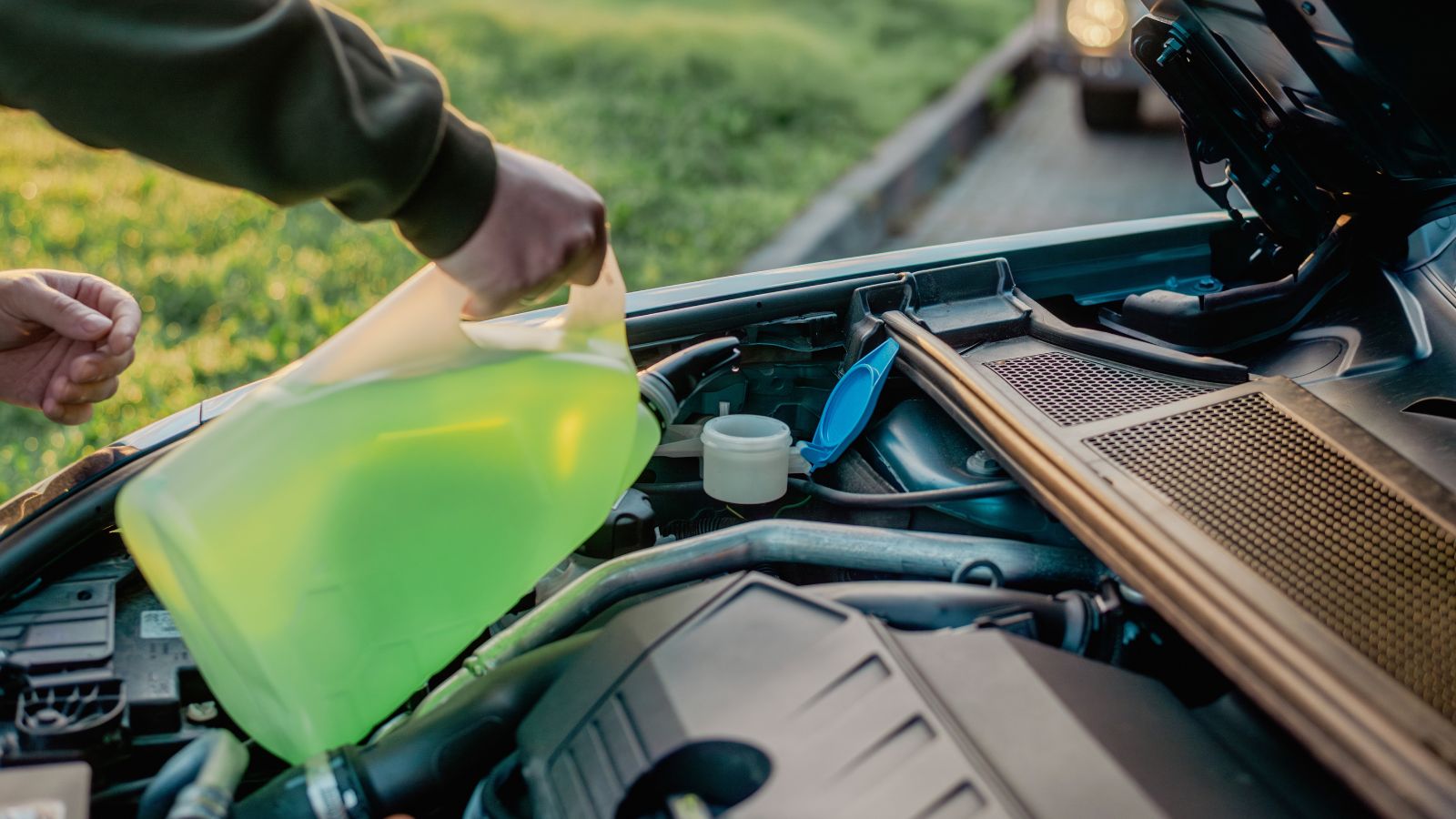
Summer driving can drain washer fluid faster than expected. Bugs, dust, pollen, construction grime, and highway spray all hit the windshield at once. Convenience stores and gas stations make it easy to grab a jug after the warning light comes on, but that ease often means paying more than at automotive, hardware, or big-box retailers. It is a classic example of buying at the moment of inconvenience.
The smarter approach is to keep one spare jug at home or in the garage and top up before road trips. Drivers should also choose fluid appropriate for the season and conditions, especially if a vehicle will still see chilly mornings in parts of Canada. Clear visibility is a safety issue, so skipping washer fluid is not the answer. The savings come from buying it before the dashboard reminder turns into an emergency purchase.
Paper Plates, Napkins, and Disposable Cutlery

Convenience stores often become the last stop before a picnic, campsite, or backyard gathering, which makes disposable plates and cutlery easy to overpay for. These items seem minor, but summer events can multiply them quickly. Canada has also been moving away from several categories of single-use plastics, reflecting a broader push to reduce disposable waste. Even when legal alternatives are available, buying them in tiny packs at the last minute is rarely economical.
A reusable picnic kit is a better solution. A bin with washable plates, cutlery, cups, napkins, a small cutting board, and garbage bags can live near the camping gear or barbecue supplies. For larger gatherings, bulk compostable or paper goods from a grocery or warehouse store usually cost less. The goal is not perfection; it is avoiding the expensive panic purchase five minutes before the burgers come off the grill.
19 Things Canadians Don’t Realize the CRA Can See About Their Online Income

Earning money online feels simple and informal for many Canadians. Freelancing, selling products, and digital services often start as side projects. The problem appears at tax time. Many people underestimate how much information the CRA can access. Online platforms, banks, and payment processors create detailed records automatically. These records do not disappear once money hits an account. Small gaps in reporting add up quickly.
Here are 19 things Canadians don’t realize the CRA can see about their online income.
This Options Discord Chat is The Real Deal
While the internet is scoured with trading chat rooms, many of which even charge upwards of thousands of dollars to join, this smaller options trading discord chatroom is the real deal and actually providing valuable trade setups, education, and community without the noise and spam of the larger more expensive rooms. With a incredibly low-cost monthly fee, Options Trading Club (click here to see their reviews) requires an application to join ensuring that every member is dedicated and serious about taking their trading to the next level. If you are looking for a change in your trading strategies, then click here to apply for a membership.