
35,000+ smart investors are already getting financial news, market signals, and macro shifts in the economy that could impact their money next with our FREE weekly newsletter. Get ahead of what the crowd finds out too late. Click Here to Subscribe for FREE.
June has a way of making credit card spending look harmless until the statement lands. Patio meals, graduation gifts, long-weekend travel, sports fees, cottage supplies, and early summer sales can all pile up before the balance feels real. For Canadian households already managing high borrowing costs and rising everyday expenses, a few small checks before the June statement arrives can prevent interest charges, missed rewards, billing surprises, and avoidable stress. These 20 practical steps focus on the moments when a little attention can save money, protect credit health, and make the next bill easier to handle.
Review Every Posted Transaction Before the Statement Closes
20 Things Canadians Should Do Before Their June Credit Card Statement Arrives
- Review Every Posted Transaction Before the Statement Closes
- Pay Down the Balance Before the Billing Date
- Confirm the Exact Payment Due Date
- Check Whether the Interest-Free Grace Period Still Applies
- Cancel or Pause Forgotten Subscriptions
- Verify Rewards, Cash Back, and Travel Points
- Look for Foreign Transaction Fees Before Summer Travel
- Inspect Cash Advances and Balance Transfers Separately
- Make More Than the Minimum Payment
- Check Automatic Payments and Linked Accounts
- Review the Credit Limit and Utilization
- Download the Statement and Save Receipts
- Dispute Suspicious Charges Quickly
- Watch for Refunds That Have Not Posted
- Check Installment Plans and “Buy Now, Pay Later” Charges
- Revisit the Budget Before Summer Spending Peaks
- Confirm Insurance and Purchase Protection Benefits
- Avoid New Purchases That Push the Card Near Its Limit
- Check for Annual Fees Posting in June
- Review Authorized Users and Shared Spending
- 19 Things Canadians Don’t Realize the CRA Can See About Their Online Income

A quick scan of posted transactions can catch mistakes while the details are still fresh. June spending often includes one-off purchases, such as barbecue supplies, sports registrations, end-of-school gifts, and fuel for weekend trips. A family in Mississauga might remember a $118 grocery run but overlook a duplicate tap payment at the gas station. Checking the account before the statement closes makes it easier to spot charges that do not match receipts.
This step matters because credit card statements summarize a busy billing cycle after the fact. By then, pending charges have settled, merchants may appear under unfamiliar company names, and small errors can blend into the total. Canadian cardholders should compare receipts, app notifications, and online banking records, then flag anything unusual immediately. Even a $12 error is worth catching when summer spending is already accelerating.
Pay Down the Balance Before the Billing Date

Many people focus only on the payment due date, but the statement date also matters. The balance that appears when the billing cycle closes is often the amount reported on the statement, and it can influence how much debt appears active at that moment. Paying part of the balance before the June statement arrives can make the bill look more manageable and reduce the amount that could start accruing interest if not paid in full.
For example, a cardholder with a $2,400 balance and a $5,000 limit is using nearly half of the available credit. Paying $700 before the statement closes changes the picture quickly. This does not erase the need to pay the remaining bill on time, but it can soften the financial impact. For Canadians preparing for summer travel or back-to-school expenses later in the season, reducing the balance early can preserve breathing room.
Confirm the Exact Payment Due Date

Credit card due dates can feel predictable until a long weekend, payday shift, or banking delay gets in the way. A June statement may arrive just as families are juggling rent, mortgage payments, childcare fees, and early vacation deposits. Confirming the exact due date before the statement arrives prevents assumptions from becoming late-payment problems. The date may also differ from the billing-cycle closing date, which can confuse occasional card users.
This is especially important for anyone paying from a different bank than the card issuer. Online bill payments may take time to process, and a payment made late in the evening may not count as received that day. A simple calendar reminder three to five days before the due date can help. The goal is not just avoiding a fee, but keeping the account in good standing during an already expensive month.
Check Whether the Interest-Free Grace Period Still Applies

The interest-free grace period on purchases is valuable, but it usually depends on paying the previous balance in full by the due date. If a balance was carried from May, new June purchases may not receive the same interest-free treatment. That can surprise cardholders who assume every purchase has a fresh grace period. A camping reservation or new patio set may start costing more than expected if interest is already running.
Before the June statement arrives, Canadians should check whether the prior statement was paid in full. If it was not, the next best move is to reduce the balance as quickly as possible and avoid adding more discretionary purchases to the card. Interest on credit cards can accumulate faster than many household budgets expect. Knowing whether the grace period is intact helps separate ordinary spending from debt that is becoming more expensive.
Cancel or Pause Forgotten Subscriptions

June is a good time to hunt for quiet recurring charges. Streaming services, fitness apps, cloud storage, meal kits, children’s learning platforms, and “free trials” can all renew on credit cards with little warning. A $9.99 monthly charge may not look urgent, but four or five forgotten subscriptions can add up to the cost of a tank of gas or a week’s worth of school lunches.
Subscription traps are especially frustrating because the original sign-up often feels harmless. Some consumers enter card details for shipping, a trial, or a discounted first month, then discover recurring charges later. Before the statement arrives, cardholders should search transaction histories for repeated merchant names and cancel anything no longer used. Taking screenshots of cancellation confirmations is a smart habit, particularly when a merchant makes cancellation difficult or buries the process behind several screens.
Verify Rewards, Cash Back, and Travel Points

June spending can be reward-heavy, especially when cards offer cash back on groceries, gas, recurring bills, or travel. But rewards are not always automatic in the way consumers expect. Merchant category codes can affect earning rates, caps may apply, and some promotional offers require activation before purchase. A hotel deposit or airline seat selection may earn differently than a cardholder assumes.
Before the statement arrives, Canadians should review pending rewards, promotional offers, and category limits. This is particularly useful for families using one card for summer travel and another for groceries or fuel. A rewards check can also reveal whether an annual-fee card is still pulling its weight. If a card costs $120 a year but the household rarely uses its strongest categories, June may be the right time to reconsider its role before another fee posts.
Look for Foreign Transaction Fees Before Summer Travel

Many Canadians book flights, hotels, event tickets, and vacation rentals through international platforms. Even when prices appear in Canadian dollars, some transactions may be processed outside Canada or involve foreign currency conversion. Foreign transaction fees can commonly add around 2.5 percent, turning a $1,200 booking into roughly $30 in extra cost. That may not wreck a trip, but it is enough to make comparison shopping less accurate.
Before the June statement arrives, travelers should identify any foreign or cross-border charges and check how the card handled them. A booking site, airline, or ticket reseller may display a familiar price but settle differently on the card account. This step also helps spot currency-conversion surprises while there is still time to adjust summer spending plans. For frequent travelers, a no-foreign-transaction-fee card may be worth comparing against the current card.
Inspect Cash Advances and Balance Transfers Separately

Cash advances and balance transfers do not behave like regular purchases. They often have separate interest rates, transaction fees, and different interest rules. A cardholder who used a credit card at an ATM during a weekend trip may expect it to appear like any other transaction, only to find that interest began immediately. Balance transfers can also lose their value if promotional terms are missed or misunderstood.
Before the June statement arrives, Canadians should open the account details and separate purchases from cash advances, balance transfers, and promotional balances. This helps avoid paying the wrong portion first or assuming a low promotional rate applies to everything. A small cash advance can become irritatingly expensive if ignored. The key is to know which balances are costing the most and pay those down with urgency.
Make More Than the Minimum Payment

Minimum payments keep an account current, but they are not designed to clear debt quickly. A June statement that shows a manageable minimum can create a false sense of comfort, especially after spring expenses and before summer travel. Paying only the minimum means more money goes toward interest over time, and the balance can linger long after the original purchases are forgotten.
A practical approach is to set a fixed payment above the minimum before the statement arrives. For example, if the minimum is expected to be $85, paying $250 or $400 can meaningfully change the trajectory. Federally regulated credit card issuers must show how long it would take to repay the balance by making only minimum payments, which can be a useful reality check. The statement is easier to face when a stronger payment is already planned.
Check Automatic Payments and Linked Accounts

Automatic payments can prevent missed due dates, but they can also fail quietly when a linked chequing account has insufficient funds or an old account number remains on file. June is a common month for cash-flow pressure, with property tax instalments, daycare deposits, camp fees, and travel bookings often landing close together. A failed payment can create unnecessary fees and stress.
Before the statement arrives, Canadians should confirm which bank account funds the card payment, whether autopay is set to minimum or full balance, and whether the payment date still works with payday timing. It is also worth checking pre-authorized payments charged to the card, such as insurance, phone bills, memberships, and utilities. A small mismatch between income timing and automatic withdrawals can turn a good system into a costly inconvenience.
Review the Credit Limit and Utilization

Credit limits can be helpful, but they can also make overspending feel available. A $10,000 limit does not mean a household budget can comfortably absorb a $4,000 June balance. Credit utilization, or the share of available credit being used, is commonly watched by lenders and credit-scoring systems. Keeping balances low relative to limits can support a healthier credit profile over time.
Before the statement arrives, cardholders should compare the current balance with the total credit limit. A balance near the limit deserves attention even if the account is not technically overdue. For someone planning to apply for a mortgage renewal, car loan, or rental home later in the year, high utilization can be an avoidable obstacle. Paying the balance down before the statement closes may help present a steadier borrowing picture.
Download the Statement and Save Receipts

Digital statements are convenient, but they can disappear from attention once the email notification is dismissed. Saving the June statement and matching receipts can help with returns, warranties, reimbursements, insurance claims, and tax records. This is especially useful for business owners, gig workers, students, and anyone splitting costs for a group trip or cottage weekend.
A practical system does not need to be complicated. A folder labelled “June Credit Card” can hold the statement PDF, major receipts, refund confirmations, and travel bookings. If a camping stove fails in July or a hotel deposit is disputed in August, the paperwork is easier to find. Canadians who claim eligible business expenses also benefit from keeping records organized before memory fades and transactions become harder to explain.
Dispute Suspicious Charges Quickly

Suspicious charges should not wait until the full statement arrives. If a cardholder sees a transaction from an unknown merchant, a duplicate charge, or a purchase from a city they have not visited, contacting the issuer quickly can limit damage. Credit card protections are stronger when customers act promptly and avoid sharing passwords, PINs, or authentication details.
This is not only about major fraud. Sometimes a small test charge appears before a larger unauthorized purchase. A $1.37 online transaction may be easy to ignore, but it can signal that card details are being tested. Canadians should lock the card in the banking app if available, call the issuer through the official number, and document the date of the report. Acting before the June statement arrives can keep one strange charge from becoming a messy month-long dispute.
Watch for Refunds That Have Not Posted

Refunds often take longer than purchases to appear. In June, returns from spring clothing, cancelled travel plans, concert tickets, or online orders may still be in limbo when the statement is close to closing. A retailer may say the refund was processed, but the credit card account may not show it for several business days. That timing can affect the balance due.
Before the statement arrives, Canadians should make a list of expected credits and compare it with posted transactions. If a $350 hotel refund has not appeared, the cardholder may still need to pay the statement balance to avoid interest and then carry the credit forward later. This feels unfair, but it is often how billing cycles work. Keeping refund emails and merchant confirmations makes follow-up easier if the credit never arrives.
Check Installment Plans and “Buy Now, Pay Later” Charges

Some credit cards and merchants offer installment plans that split purchases into smaller payments. They can be useful for larger items, but they also make the monthly statement harder to read. A new appliance, concert package, or travel booking may appear as several smaller charges rather than one obvious purchase. That can make the total obligation feel lighter than it really is.
Before the June statement arrives, Canadians should review any installment plans, promotional financing, or buy now, pay later arrangements connected to the card. The key question is whether future payments are already committed. A household may feel comfortable with the June bill while forgetting that July and August are already partly spoken for. Listing future installment amounts beside regular bills can prevent summer cash flow from being overbooked.
Revisit the Budget Before Summer Spending Peaks

June is the doorway to higher seasonal spending. Travel, fuel, weddings, festivals, patio meals, children’s camps, and home projects often increase card use before households notice the pattern. Reviewing the budget before the statement arrives helps turn the credit card from a vague spending tool into a clearer record of choices. The point is not guilt; it is visibility.
A useful review separates fixed charges, seasonal necessities, and flexible spending. Groceries and fuel may be unavoidable, while extra delivery orders or impulse sale purchases may be easier to trim. With Canadian household debt still elevated, even a modest adjustment can matter. Cutting $150 from discretionary card spending before the next billing cycle may help avoid carrying a balance into July, when vacation expenses often rise again.
Confirm Insurance and Purchase Protection Benefits

Many Canadian credit cards include benefits such as extended warranty, purchase protection, mobile device insurance, rental car collision damage coverage, or travel insurance. These features vary widely and often come with conditions. A card may require the full purchase to be charged to that card, or a claim may need documentation within a specific time. Assuming coverage exists can be risky.
Before the June statement arrives, cardholders should check which major purchases were made and whether the card’s benefits apply. A new phone, luggage set, bicycle, or appliance may qualify for protection only if the paperwork is kept. Travelers should also confirm whether trip cancellation, baggage delay, or rental car coverage is included before relying on it. A five-minute benefit review can prevent expensive misunderstandings during peak summer travel.
Avoid New Purchases That Push the Card Near Its Limit
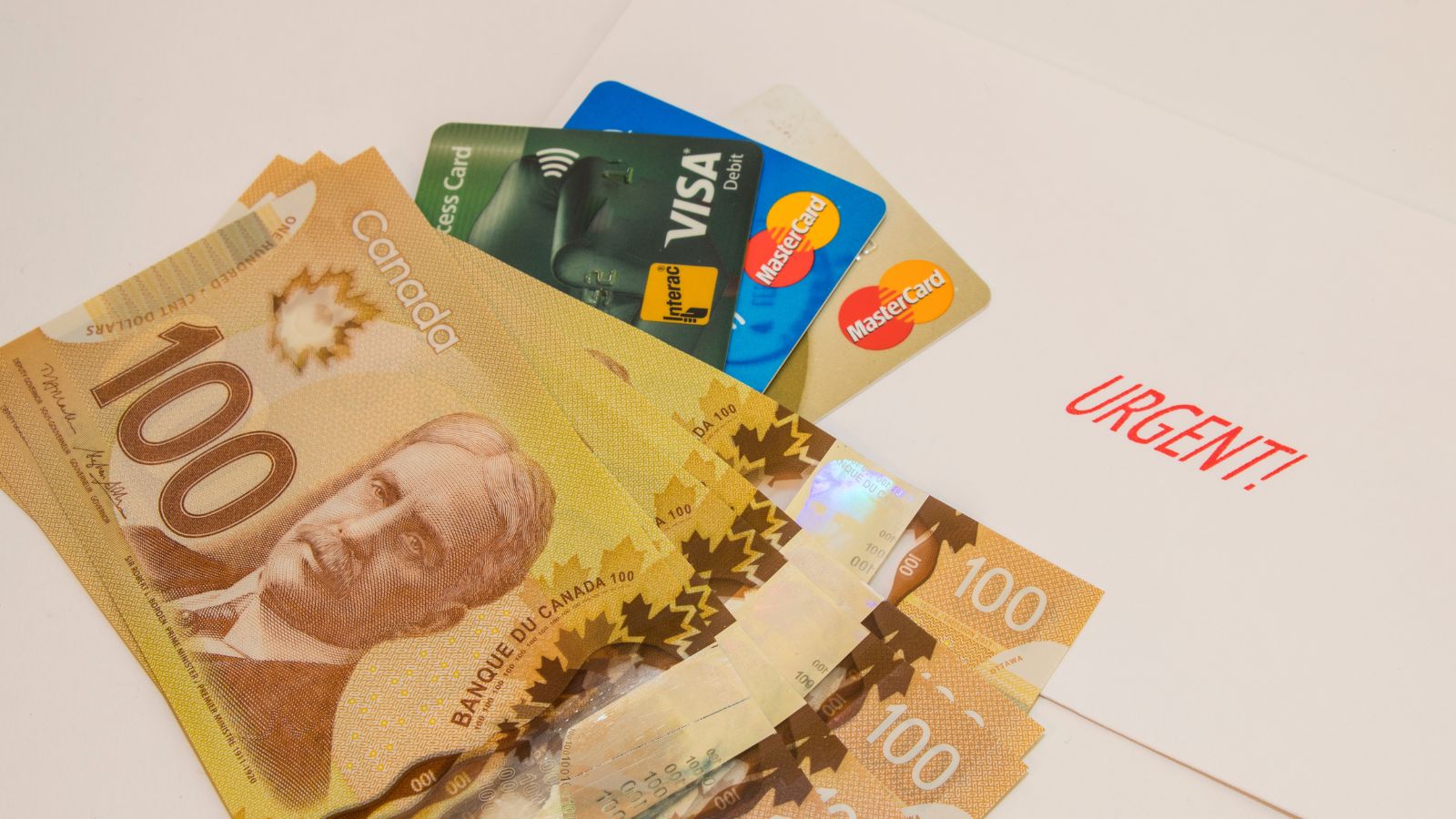
A card close to its limit can become a problem quickly. A hotel pre-authorization, rental car deposit, or emergency repair can be declined if there is not enough available credit. In June, this can happen at the worst possible time, such as during a road trip, airport check-in, or weekend away. Available credit matters almost as much as the statement balance.
Before the statement arrives, Canadians should stop using any card that is approaching its limit and switch to debit or a lower-balance card for planned purchases. It may also be wise to pay down the balance before travel so pre-authorizations do not create headaches. A family booking two hotel rooms could see hundreds of dollars temporarily held. Leaving room on the card keeps routine travel logistics from turning into financial embarrassment.
Check for Annual Fees Posting in June

Annual fees can sneak onto statements at inconvenient times. A premium rewards card, travel card, or store card may charge its fee once a year, and June can be an awkward month for it to appear. A $120 or $150 fee may be worthwhile if the benefits are used, but it deserves a deliberate review rather than an automatic renewal.
Before the statement arrives, cardholders should check whether an annual fee is scheduled or has recently posted. The right question is whether the card still fits current spending habits. A frequent traveler may value lounge access or insurance, while a household staying local this summer may not. If the card no longer earns enough rewards or protection to justify the fee, contacting the issuer before renewal may open options such as downgrading to a no-fee product.

Shared cards can make household budgeting easier, but they can also hide spending patterns. An authorized user may buy fuel, groceries, streaming upgrades, sports equipment, or travel extras without realizing how close the account is to its limit. The primary cardholder is usually responsible for managing the account, so shared use needs clear expectations before the statement lands.
Before the June statement arrives, families and couples should review who has access to the card and what was charged during the cycle. This does not need to become a tense audit. A practical conversation might simply sort purchases into household expenses, personal spending, and reimbursable costs. If a teenager or partner uses the card for convenience, setting a monthly limit or notification threshold can prevent surprises when summer routines become less predictable.
19 Things Canadians Don’t Realize the CRA Can See About Their Online Income

Earning money online feels simple and informal for many Canadians. Freelancing, selling products, and digital services often start as side projects. The problem appears at tax time. Many people underestimate how much information the CRA can access. Online platforms, banks, and payment processors create detailed records automatically. These records do not disappear once money hits an account. Small gaps in reporting add up quickly.
Here are 19 things Canadians don’t realize the CRA can see about their online income.
This Options Discord Chat is The Real Deal
While the internet is scoured with trading chat rooms, many of which even charge upwards of thousands of dollars to join, this smaller options trading discord chatroom is the real deal and actually providing valuable trade setups, education, and community without the noise and spam of the larger more expensive rooms. With a incredibly low-cost monthly fee, Options Trading Club (click here to see their reviews) requires an application to join ensuring that every member is dedicated and serious about taking their trading to the next level. If you are looking for a change in your trading strategies, then click here to apply for a membership.