35,000+ smart investors are already getting financial news, market signals, and macro shifts in the economy that could impact their money next with our FREE weekly newsletter. Get ahead of what the crowd finds out too late. Click Here to Subscribe for FREE.
Gas prices have a way of turning a relaxed summer drive into a rolling budget check. For Canadian drivers planning cottage weekends, national park routes, family visits, or long highway stretches, fuel economy often comes down to ordinary habits repeated over hundreds of kilometres.
These 18 gas saving habits focus on practical changes that can be made before summer travel begins: smoother driving, smarter packing, better tire care, cleaner planning, and fewer fuel-wasting routines. None require a new vehicle or complicated equipment. The biggest savings often come from treating fuel as something influenced by preparation, not just pump prices.
Ease Into Acceleration
18 Gas Saving Habits Canadian Drivers Should Use Before Summer Travel
- Ease Into Acceleration
- Keep Highway Speed Reasonable
- Use Cruise Control When Conditions Make Sense
- Check Tire Pressure Before the First Long Drive
- Remove Winter Weight From the Trunk
- Take Off Roof Racks When Not Needed
- Pack With Aerodynamics in Mind
- Plan Routes Around Traffic, Not Just Distance
- Combine Errands Before the Trip
- Avoid Long Idling Stops
- Coast Earlier Instead of Braking Late
- Keep a Larger Following Distance
- Use Air Conditioning Strategically
- Maintain the Vehicle Before Summer Heat Arrives
- Use the Right Fuel Grade
- Refuel Before Remote Markups Become Unavoidable
- Watch the Dashboard Fuel Economy Display
- Reduce Drag From Open Windows at Highway Speed
- 19 Things Canadians Don’t Realize the CRA Can See About Their Online Income

Fast starts feel harmless in the moment, especially when merging onto a busy road or leaving a red light. The problem is that hard acceleration asks the engine for a quick burst of power, and that extra demand burns more fuel than a gradual climb in speed. On summer trips, this habit can repeat dozens of times through small towns, construction zones, traffic lights, and highway ramps.
A smoother approach does not mean crawling away from every stop. It means pressing the accelerator steadily and letting the vehicle build speed without sudden surges. Families heading from Toronto to cottage country, for example, may see more stop-and-go traffic before reaching open highway than they expected. Keeping takeoffs calm helps reduce fuel use and also lowers wear on tires, brakes, and passengers’ patience.
Keep Highway Speed Reasonable
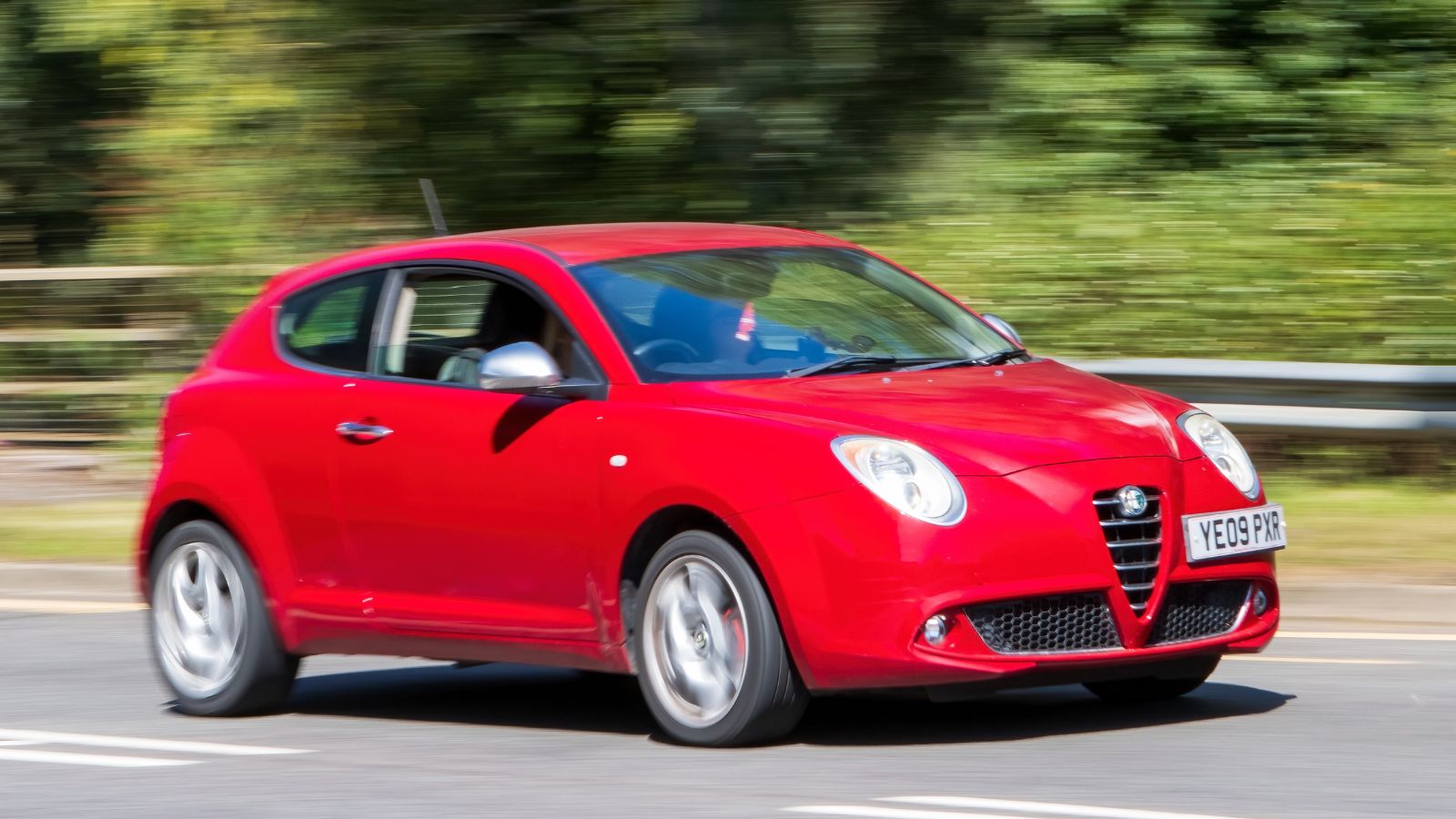
Many drivers think the fastest route is always the cheapest route, but higher speed can quietly erase fuel savings. Once a vehicle pushes against air resistance at highway speed, the engine has to work harder to maintain momentum. That effect becomes more noticeable on long summer routes across Ontario, Alberta, Saskatchewan, or the Maritimes, where drivers may spend hours at steady speed.
Keeping close to posted limits is one of the simplest fuel-saving habits because it requires no purchase, app, or mechanical change. A vehicle travelling slightly faster may arrive only a few minutes earlier, yet burn noticeably more fuel along the way. On a 500-kilometre road trip, the extra cost can become more obvious than the time saved, especially when gas prices are high or the vehicle is loaded.
Use Cruise Control When Conditions Make Sense
Cruise control can help on open highways because it reduces the tiny speed changes that happen when a foot drifts on the accelerator. Those small changes may not feel dramatic, but they add up over long distances. A steady pace can be especially useful on prairie highways, northern routes, or long divided highways where traffic is light and road conditions are predictable.
It should not be treated as a fuel-saving tool in every situation. Hilly roads, heavy rain, traffic congestion, and winding routes may call for more driver control. In parts of British Columbia or northern Ontario, cruise control may cause a vehicle to hold speed too aggressively on climbs. The habit that saves fuel is not using cruise control automatically; it is using it selectively where steady speed makes sense.
Check Tire Pressure Before the First Long Drive
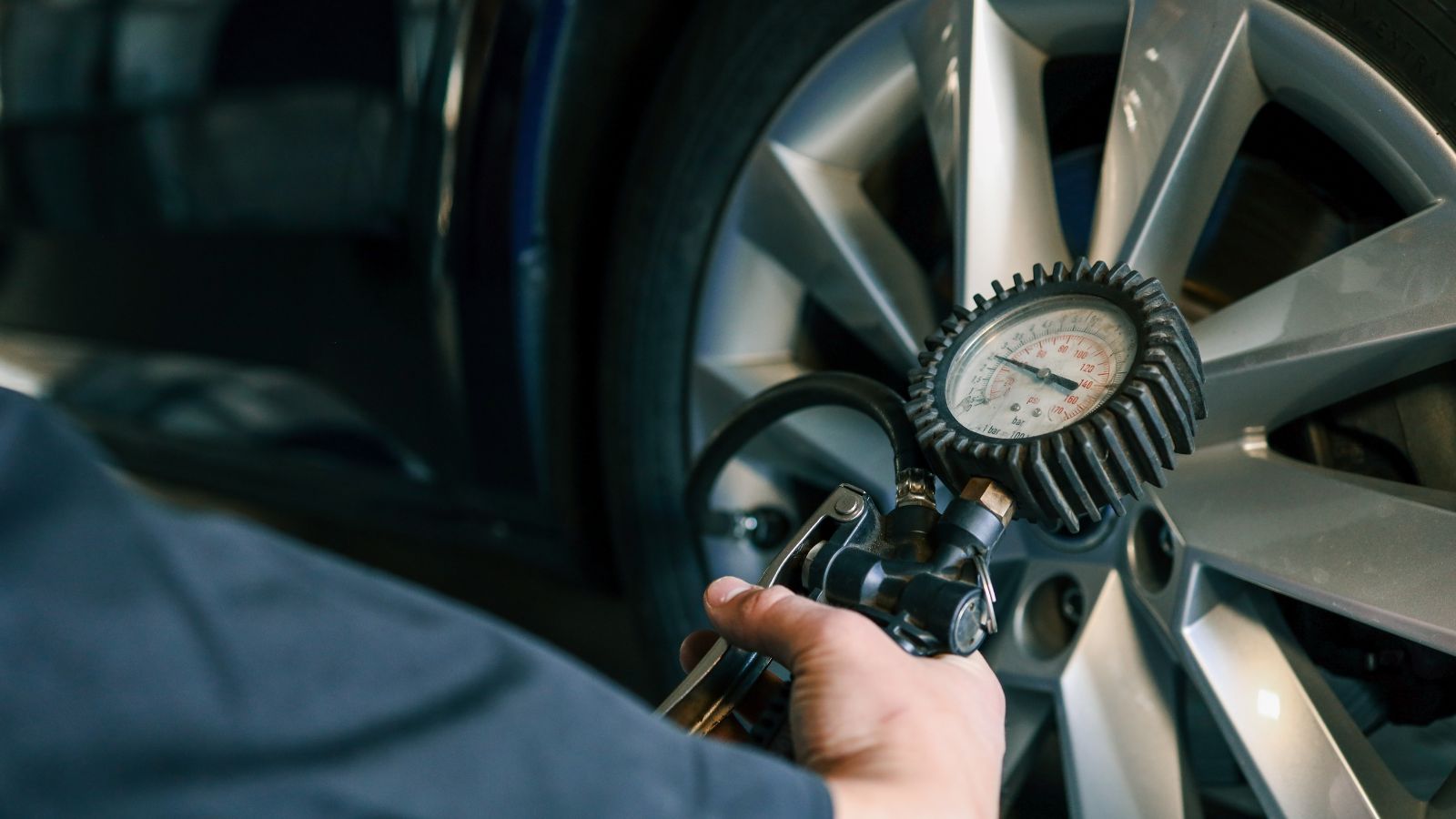
Tire pressure is easy to ignore until a warning light appears, but fuel economy can suffer before a tire looks noticeably low. Underinflated tires create more rolling resistance, which means the engine must use more energy to move the vehicle. Summer travel often adds luggage, passengers, camping gear, coolers, bikes, and highway heat, all of which make proper tire care more important.
The correct pressure is usually listed on the driver-side door placard, not the number printed on the tire sidewall. Checking pressure when tires are cold gives a more reliable reading because driving heats the tires and temporarily changes pressure. A quick check before leaving for Banff, Muskoka, Prince Edward Island, or a cross-province family visit can save fuel and reduce the risk of uneven tire wear.
Remove Winter Weight From the Trunk
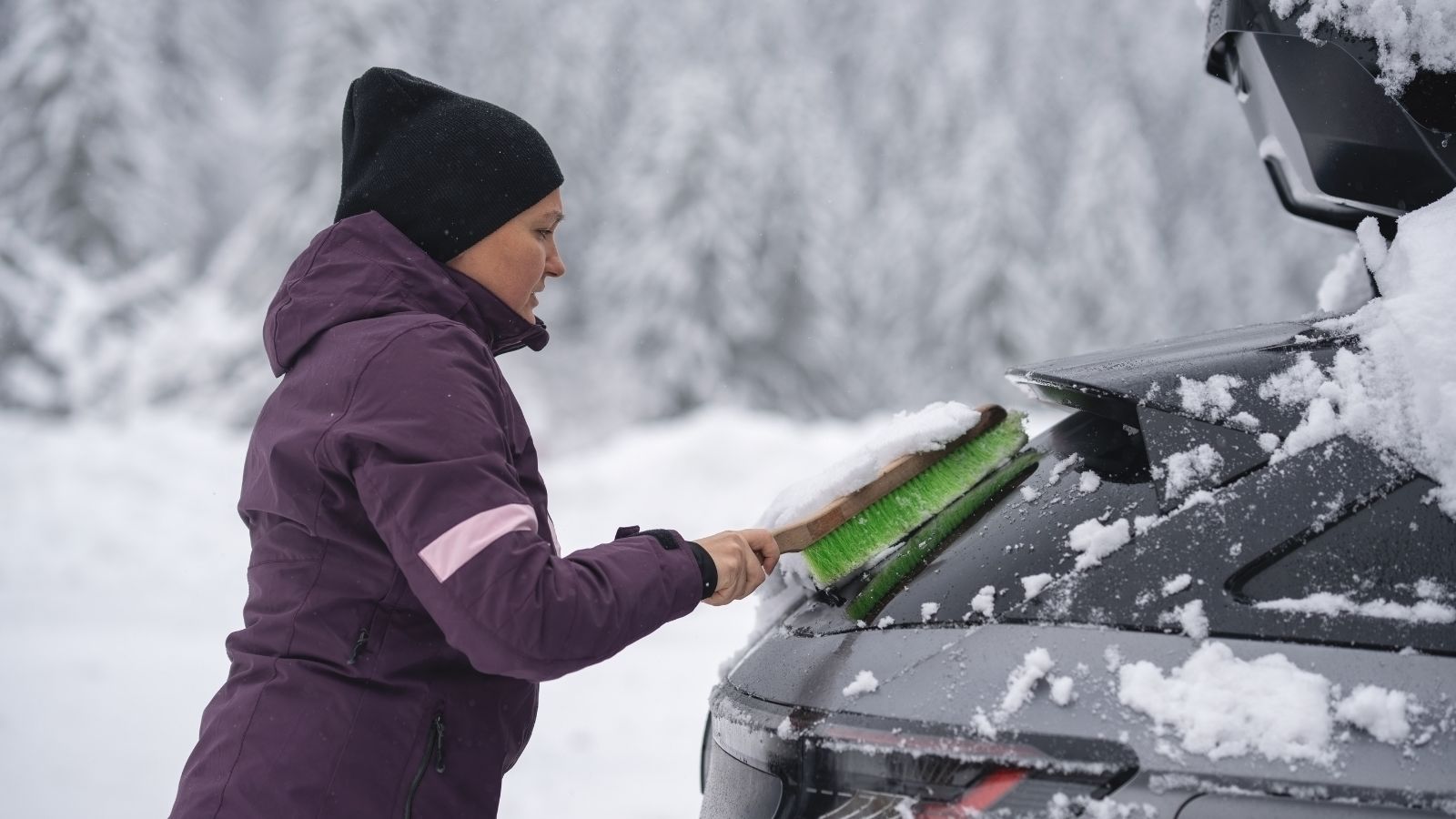
Canadian vehicles often carry seasonal leftovers long after they are needed. Bags of sand, heavy snow brushes, emergency winter kits, old washer-fluid jugs, sports gear, and forgotten tools can sit in the trunk into July. Each item may seem small, but combined weight makes the vehicle work harder, particularly in city driving and on routes with repeated starts and stops.
Before summer travel, a five-minute trunk cleanout can be surprisingly useful. The goal is not to remove essential safety equipment, but to clear out things that no longer belong. A driver leaving Calgary for a mountain weekend may need water, a spare layer, and emergency basics, but not a full winter kit from February. Less unnecessary weight means less fuel burned hauling items that serve no purpose.
Take Off Roof Racks When Not Needed
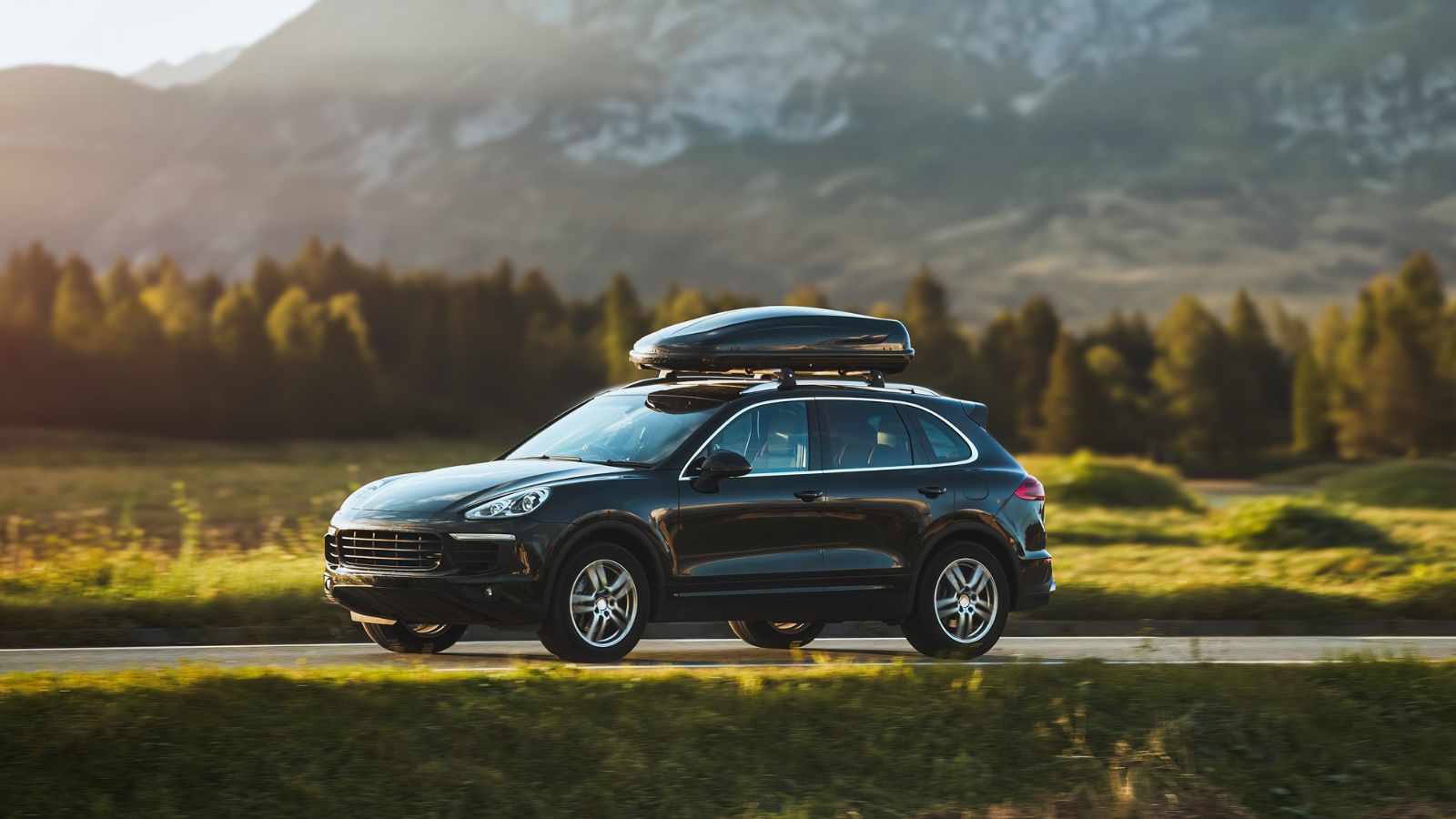
Roof racks, cargo boxes, and bike carriers are helpful when they are actually carrying something. When left on after a trip, they keep creating aerodynamic drag every time the vehicle moves. At highway speeds, that drag forces the engine to work harder, especially on long routes where wind resistance becomes one of the biggest fuel-economy penalties.
This habit matters before summer because many drivers install racks early and leave them on all season. A bike carrier used for one weekend in June may remain attached through weeks of commuting. Removing unused racks takes a little effort, but the payoff is continuous. For drivers covering hundreds or thousands of kilometres over summer, restoring the vehicle’s cleaner shape can be more valuable than expected.
Pack With Aerodynamics in Mind

When luggage does not fit inside the vehicle, the roof often becomes the backup plan. That may be unavoidable for camping trips or large family vacations, but how the load is packed matters. A bulky rooftop cargo box, poorly secured gear, or uneven stack can increase drag and reduce fuel economy on highway stretches.
A better habit is to pack heavy items low and inside the vehicle when possible, while reserving the roof for lighter, necessary gear. If rooftop storage is needed, a streamlined cargo box is usually better than loose, irregular loads. On a summer drive from Halifax to Cape Breton or Vancouver to the Okanagan, reducing drag can make the vehicle feel quieter, steadier, and less thirsty between fuel stops.
Plan Routes Around Traffic, Not Just Distance

The shortest route on a map is not always the most fuel-efficient route on the road. Stop-and-go traffic, construction detours, steep grades, ferry lineups, and crowded downtown corridors can all increase fuel use. Summer travel adds another layer because popular routes often slow down near beaches, campgrounds, festivals, and border crossings.
Checking traffic before leaving can prevent fuel from being wasted while idling in predictable congestion. Leaving earlier, taking a bypass, or choosing a slightly longer but steadier route may save more gas than cutting a few kilometres. A driver heading toward Wasaga Beach, Kelowna, or Cavendish may benefit from timing the trip around peak traffic rather than simply following the default navigation option.
Combine Errands Before the Trip

Pre-trip errands can quietly burn more fuel than expected. A separate drive for snacks, another for sunscreen, another for pet supplies, and another for propane can turn preparation into a series of short, inefficient trips. Cold starts and short drives are often less efficient because the engine and drivetrain spend more time below ideal operating conditions.
A better approach is to make a single list and complete errands in one loop. This habit also reduces the chance of forgetting something important. For a family preparing for a week at a cottage, one planned supply run can replace several rushed drives across town. Saving fuel before the trip begins may not feel dramatic, but it sets the tone for more efficient travel overall.
Avoid Long Idling Stops

Idling can feel like a minor convenience during summer travel: keeping the cabin cool while waiting for someone, sitting outside a store, or lingering at a scenic stop with the engine running. The fuel loss may seem small, but repeated idling adds up quickly over a road trip. It also produces emissions without moving the vehicle anywhere.
Turning the engine off during longer waits is an easy habit, especially when parked safely and not in traffic. Modern vehicles do not need long warm-ups in summer conditions, and many already include automatic stop-start systems for this reason. At ferry terminals, roadside viewpoints, campground check-ins, or drive-through backups, avoiding unnecessary idling can save fuel without changing the route.
Coast Earlier Instead of Braking Late

Late braking wastes energy the vehicle already spent building speed. Looking farther ahead allows a driver to ease off the accelerator earlier when traffic slows, a light changes, or a lower speed zone approaches. The vehicle then uses its own momentum instead of fuel to cover part of the distance.
This habit is especially useful on summer roads with changing conditions: small towns, construction flaggers, wildlife zones, ferry approaches, and campground entrances. It also makes driving feel calmer. A driver who coasts toward a red light instead of accelerating until the last moment may save only a small amount each time, but repeated over a long weekend route, the savings become meaningful and the ride becomes smoother.
Keep a Larger Following Distance

Tailgating wastes fuel because it forces constant speed corrections. When traffic ahead slows even slightly, the driver behind must brake, then accelerate again to recover speed. That cycle uses more fuel than maintaining a buffer and letting small traffic waves smooth out naturally.
A larger following distance is also safer, particularly during summer travel when highways include trailers, rental vehicles, motorcycles, cyclists, wildlife, and drivers unfamiliar with the area. On busy routes such as Highway 400, Highway 1, or the Trans-Canada through tourist regions, a steady gap can reduce unnecessary braking. Fuel savings and safety come from the same habit: giving the vehicle enough space to move smoothly instead of reacting sharply.
Use Air Conditioning Strategically
Air conditioning improves comfort and safety, especially during heat waves, but it can increase fuel use because the compressor draws power from the engine. Turning it off completely is not always practical or wise, particularly with children, pets, older passengers, or humid conditions. The better habit is to use it thoughtfully.
At lower speeds, opening windows briefly may cool the cabin without much penalty. At highway speeds, open windows can create drag, so moderate air conditioning may be the better choice. Parking in shade, using a windshield shade, and venting hot air before driving can reduce the load on the system. Comfort matters, but avoiding maximum cooling for an entire trip can help stretch a tank.
Maintain the Vehicle Before Summer Heat Arrives
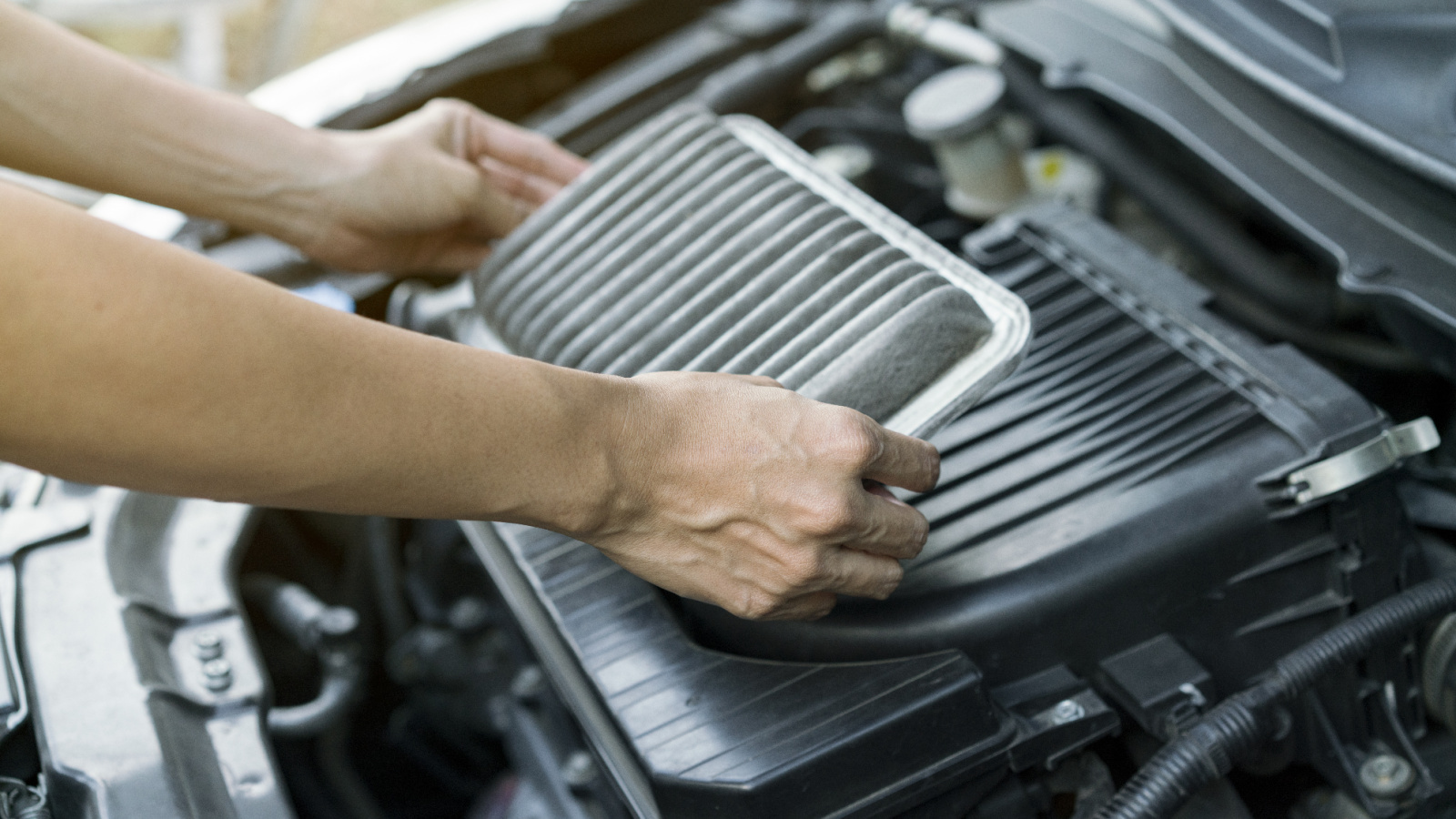
A poorly maintained vehicle often uses more fuel because the engine, tires, fluids, filters, or brakes are not working efficiently. Summer heat can make small problems more noticeable. Low fluids, dirty air filters in some vehicles, dragging brakes, overdue oil changes, and worn spark plugs can all contribute to rougher performance or reduced efficiency.
A pre-trip maintenance check is especially valuable before long drives into remote areas where repair options may be limited. This does not require replacing parts unnecessarily. It means following the owner’s manual, checking warning lights, confirming fluid levels, and addressing known issues before loading the vehicle. The most fuel-efficient driving habit can be making sure the vehicle is not fighting preventable mechanical resistance.
Use the Right Fuel Grade
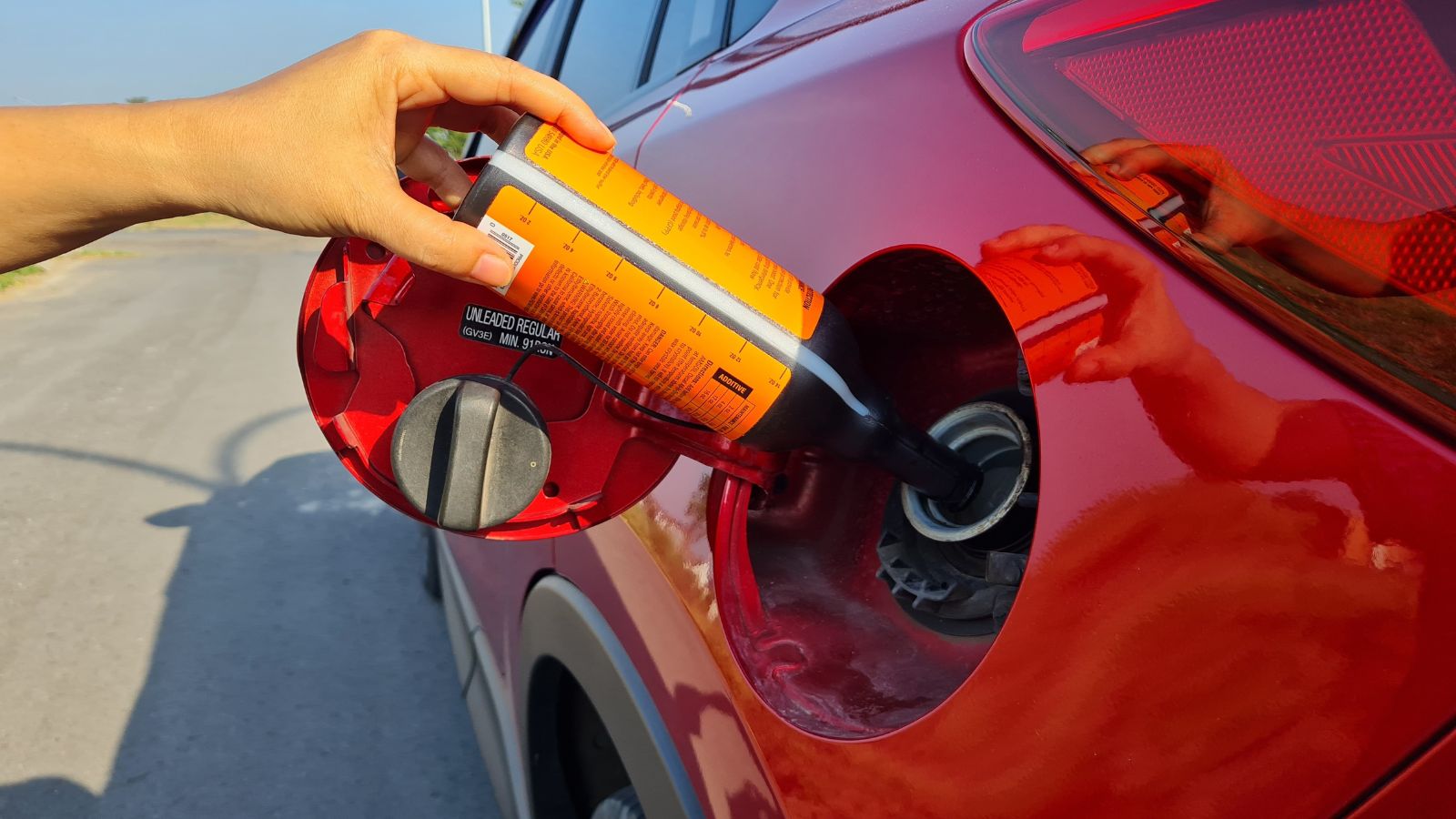
Many drivers assume premium gasoline must be better because it costs more. In most vehicles, however, the recommended fuel grade is the one listed in the owner’s manual or fuel door. If regular gasoline is recommended, buying premium usually does not improve fuel economy enough to justify the higher price.
This habit is particularly useful before summer travel because fuel purchases become larger and more frequent. A driver filling an SUV several times on a long trip may spend much more by choosing premium without a reason. Some engines do require premium, and those instructions should be followed. The savings come from matching fuel grade to the vehicle’s actual requirement, not from assuming higher octane is automatically smarter.

Fuel prices can vary widely between urban centres, highway stops, resort towns, remote communities, and isolated routes. Waiting until the tank is nearly empty can force a driver to buy wherever fuel is available, even if the price is higher. Summer travel increases this risk because popular destinations and rural corridors may have fewer stations.
Planning refuelling stops does not mean chasing the absolute cheapest pump across town. It means avoiding panic purchases. A driver heading into northern Ontario, rural Newfoundland, the Rockies, or cottage regions can check prices and distances before departure. Filling up at a reasonably priced station before entering a remote stretch can prevent both range anxiety and a painful receipt.
Watch the Dashboard Fuel Economy Display
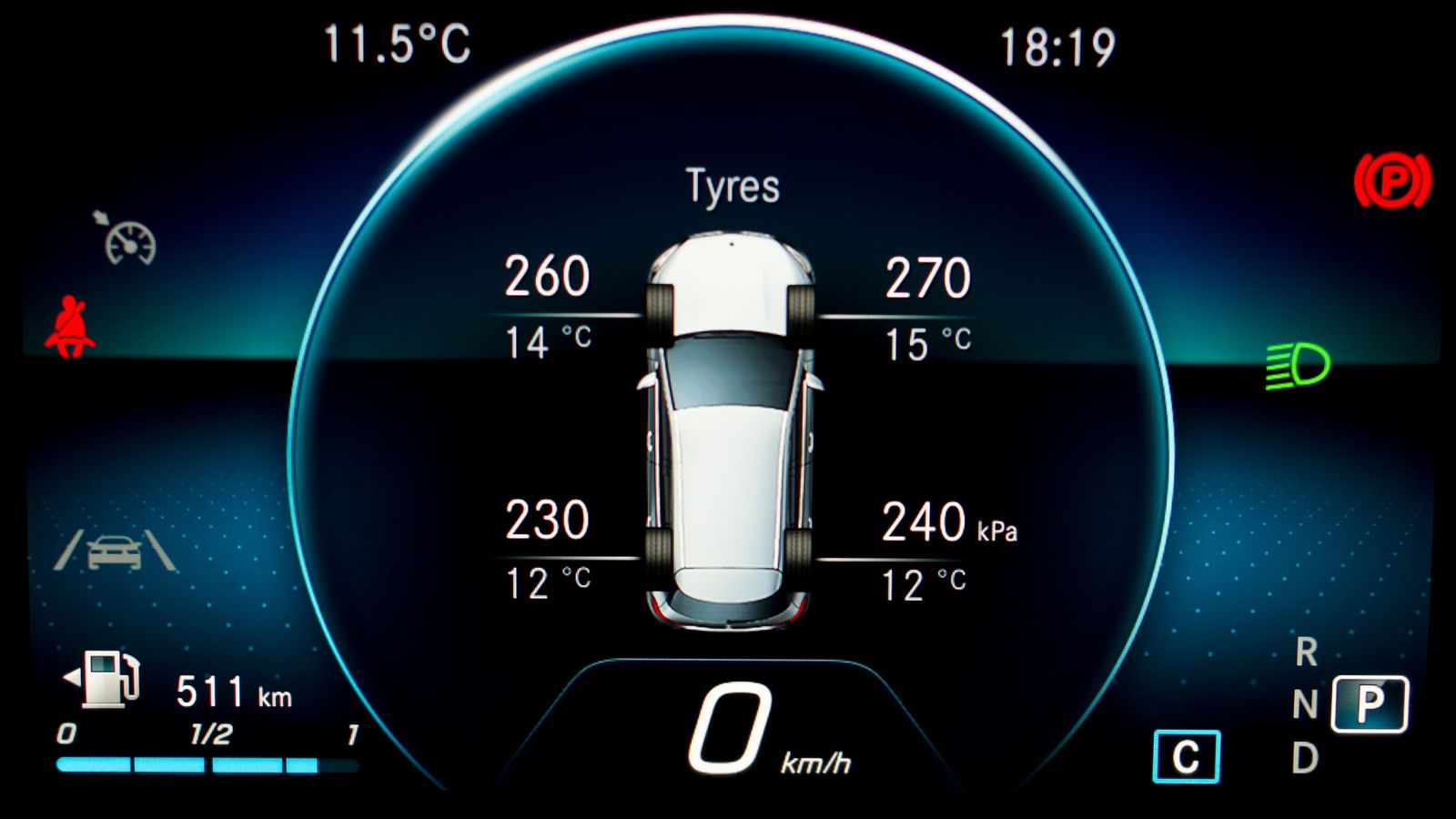
Many modern vehicles show real-time or trip-based fuel consumption. Some drivers ignore this screen because it seems like a novelty, but it can become a useful coaching tool. The display often reveals how quickly fuel economy changes with hard acceleration, high speed, roof cargo, headwinds, or unnecessary idling.
Using the display does not require obsessing over every number. It works best as gentle feedback. A driver may notice that dropping speed slightly on the highway improves consumption, or that a loaded roof box changes results more than expected. Over time, the vehicle itself teaches which habits matter most. Before summer travel, resetting the trip meter can make those lessons easier to see.
Reduce Drag From Open Windows at Highway Speed

Open windows feel refreshing on warm days, especially after a vehicle has been parked in the sun. At city speeds, they can be a reasonable way to vent heat. On the highway, however, open windows can disturb airflow and increase drag, making the engine work harder to maintain speed.
The best habit is to use windows and air conditioning according to the situation. Vent the cabin before starting, use open windows briefly at lower speeds, then close them once highway driving begins. This approach balances comfort and efficiency. It also reduces noise fatigue during long drives. For summer road trips, small aerodynamic choices can make the difference between a calm, efficient cruise and a louder, thirstier ride.
19 Things Canadians Don’t Realize the CRA Can See About Their Online Income

Earning money online feels simple and informal for many Canadians. Freelancing, selling products, and digital services often start as side projects. The problem appears at tax time. Many people underestimate how much information the CRA can access. Online platforms, banks, and payment processors create detailed records automatically. These records do not disappear once money hits an account. Small gaps in reporting add up quickly.
Here are 19 things Canadians don’t realize the CRA can see about their online income.
This Options Discord Chat is The Real Deal
While the internet is scoured with trading chat rooms, many of which even charge upwards of thousands of dollars to join, this smaller options trading discord chatroom is the real deal and actually providing valuable trade setups, education, and community without the noise and spam of the larger more expensive rooms. With a incredibly low-cost monthly fee, Options Trading Club (click here to see their reviews) requires an application to join ensuring that every member is dedicated and serious about taking their trading to the next level. If you are looking for a change in your trading strategies, then click here to apply for a membership.