
Summer planning often starts with a good deal: a cottage week, a cheap flight, a festival weekend, or a family road trip that finally fits the budget. That same urgency is exactly what makes the season attractive to scammers. High demand, limited availability, and fast online payments create the perfect conditions for convincing fake offers.
These 15 summer scams Canadians should watch for before booking anything cover the most common traps tied to travel, events, rentals, transportation, and seasonal deals. Some are old tricks with new digital polish, while others rely on realistic messages, fake reviews, or pressure to pay before details can be checked.
Fake Vacation Rentals That Disappear After the Deposit
15 Summer Scams Canadians Should Watch For Before Booking Anything
- Fake Vacation Rentals That Disappear After the Deposit
- Too-Good-To-Be-True Flight Deals From Fake Agencies
- Fake Hotel Confirmation Messages Asking For Card Details
- Fake Travel Visa And Passport Help Sites
- Phony Festival, Concert, And Sports Tickets
- Bogus Campground And Park Reservation Pages
- Fake Car Rental Deals And Surprise Pickup Problems
- Fake Travel Insurance Or Medical Coverage Offers
- Fake All-Inclusive Or Timeshare Prize Calls
- Social Media Tour Operators With No Real Business
- Fake Currency Exchange And Travel Money Services
- Fake QR Codes At Hotels, Restaurants, And Attractions
- Public Wi-Fi Traps While Booking On The Go
- Fake Refund Or Cancellation Notices
- Fake Seasonal Job And Volunteer Travel Offers
- 19 Things Canadians Don’t Realize the CRA Can See About Their Online Income
A beautiful lakefront cottage at a strangely reasonable price can feel like a lucky find, especially when summer dates are nearly gone. Scammers often copy photos from real listings, create a polished ad, and claim the property is available only if a deposit is sent quickly. The listing may appear on social media, classified sites, or even copied versions of familiar rental platforms.
The danger is usually in the payment request. If the supposed owner asks for an e-transfer, wire transfer, cryptocurrency, or another direct payment outside a trusted platform, the booking can vanish as soon as the money is sent. A family may arrive after a long drive to find the address belongs to someone else, the cottage never existed, or the real owner has no record of the reservation.
Too-Good-To-Be-True Flight Deals From Fake Agencies

Summer flights can become expensive quickly, which makes bargain airfare especially tempting. Fake travel agencies and imitation booking sites may advertise steep discounts, urgent seat sales, or “last chance” fares that appear just believable enough. Some sites accept payment, send a confirmation number, and then disappear before the traveller realizes the booking was never valid.
In other cases, scammers call after payment and claim there is a problem with the ticket. They may ask for more personal information, extra fees, or a second payment to “secure” the fare. A real airline booking should be verifiable directly with the airline, not only through a third-party confirmation email. Checking the reservation on the carrier’s official website can reveal problems before the departure date arrives.
Fake Hotel Confirmation Messages Asking For Card Details

Hotel scams have become more convincing because some messages appear to include real booking details. A traveller may receive an email, app message, or text that names the hotel, check-in date, and room type, then warns that the reservation will be cancelled unless payment information is confirmed immediately. The link often leads to a fake payment page.
This scam works because the message feels personal rather than random. Busy travellers may assume the hotel is simply updating a card on file. The safest response is to avoid clicking the link and contact the property directly using the phone number or website found independently. A legitimate hotel should be able to confirm whether a payment issue exists without requiring information through a suspicious link.
Fake Travel Visa And Passport Help Sites

Before international trips, Canadians may search online for visa requirements, electronic travel authorizations, passport renewals, or entry forms. Scammers take advantage by creating websites that look official, charge inflated “processing” fees, or collect sensitive identity details. Some may provide a basic form that travellers could have completed through an official government site for much less.
The risk is not only overpayment. Passport numbers, birth dates, addresses, and payment details can be useful for identity fraud. A family rushing to prepare for a trip may not notice that the site has no government domain, unclear contact information, or vague language about being an “assistance service.” Official travel documents and entry requirements should always be checked through government sources before any payment is made.
Phony Festival, Concert, And Sports Tickets

Summer brings outdoor concerts, festivals, baseball games, cultural events, and last-minute resale opportunities. Scammers exploit sold-out events by posting fake tickets on social media or resale marketplaces. The ticket may look authentic, include a barcode, and come with a believable story about a schedule conflict or extra passes.
The problem often appears only at the gate. A barcode can be copied, cancelled, or sold to several people at once. Some victims pay by e-transfer because the seller promises to transfer tickets after payment, then blocks communication. The safest route is to use official ticket sellers, verified resale platforms, or payment methods with buyer protection. A slightly higher price through a legitimate channel may be cheaper than paying twice.
Bogus Campground And Park Reservation Pages

Popular campsites, cabins, and provincial park spots can sell out early, especially around long weekends. Scammers may build lookalike reservation pages or promote fake availability through ads and social posts. The site may ask for a booking fee, personal details, vehicle information, and card numbers while using logos or language that resembles a real park authority.
This scam can be particularly frustrating because it targets practical planners, not impulsive shoppers. The traveller believes they have secured a campsite, only to discover there is no reservation at arrival. Before entering payment information, the web address should be checked carefully, especially if the page was reached through a sponsored ad. Official park booking portals and known tourism websites remain safer than unfamiliar links promising rare availability.
Fake Car Rental Deals And Surprise Pickup Problems

Rental cars can be scarce during peak travel weeks, especially near airports, ferry terminals, and vacation towns. Scammers may advertise low daily rates, claim a vehicle is reserved after a deposit, or impersonate a small rental company. The booking may include a confirmation email that looks professional but cannot be matched to a real fleet.
A common warning sign is pressure to pay upfront through a method that cannot be reversed. Some scams also involve fake insurance charges, invented pickup fees, or requests for photos of a driver’s licence before the company’s legitimacy has been verified. Real rental companies should have a clear address, business history, published terms, and a secure payment process. Calling the branch directly can prevent a stranded arrival.
Fake Travel Insurance Or Medical Coverage Offers

Travel insurance is easy to overlook until a flight is booked, a tour is paid for, or a family member gets sick before departure. Scammers may promote cheap “full coverage” policies through pop-up ads, unsolicited calls, or fake broker websites. The policy wording may be vague, copied, or missing essential details about exclusions and claims.
The harm can be severe because the problem may not appear until an emergency. A traveller who believes they are insured could face medical bills, cancellation losses, or no support abroad. Before buying, Canadians should confirm that the insurer or broker is legitimate, read the policy carefully, and understand what is not covered. A real policy should provide clear claims procedures, contact details, and documentation.
A call or message announcing a free vacation can arrive just when summer costs feel overwhelming. The offer may claim that taxes, resort fees, or registration costs must be paid immediately to unlock the trip. Sometimes the prize is tied to a timeshare presentation, travel club, or membership that becomes much more expensive than advertised.
These scams rely on excitement and urgency. The person on the phone may sound friendly, mention familiar travel brands, and insist the deal is available for a limited time. A legitimate prize should not require pressure-payment tactics or secrecy. If the caller asks for card details before providing written terms, cancellation rights, and a verifiable company identity, the “free” vacation may become a costly lesson.
Social Media Tour Operators With No Real Business

Summer tours can look irresistible on social media: whale watching, winery routes, guided hikes, boat days, city food tours, or private airport transfers. Scammers may use attractive photos, fake testimonials, and limited-time pricing to collect deposits. The account may have followers, comments, and polished branding, but no licensed operator behind it.
A real tour provider should be traceable beyond social media. There should be a business name, booking terms, refund policy, safety information, and contact details that can be checked independently. The most troubling requests are direct deposits to a personal account, vague meeting locations, or refusal to provide a receipt. Before booking, Canadians should look for consistent reviews across multiple platforms, not just comments under curated posts.
Fake Currency Exchange And Travel Money Services

Travellers heading abroad may look for better exchange rates before departure or after arrival. Scammers can appear as unofficial currency exchange services, social media sellers, or pop-up websites promising unusually favourable rates. Some demand an e-transfer first, then fail to deliver cash or send counterfeit notes.
The same risk can appear overseas through street exchanges, airport approaches, or “helpful” strangers offering better rates than banks or ATMs. Money-counting tricks, hidden commissions, and short-changing schemes are common travel warnings in many destinations. Using established financial institutions, reputable exchange counters, and secure ATMs reduces the risk. A rate that is dramatically better than the market should raise questions, not excitement.
Fake QR Codes At Hotels, Restaurants, And Attractions
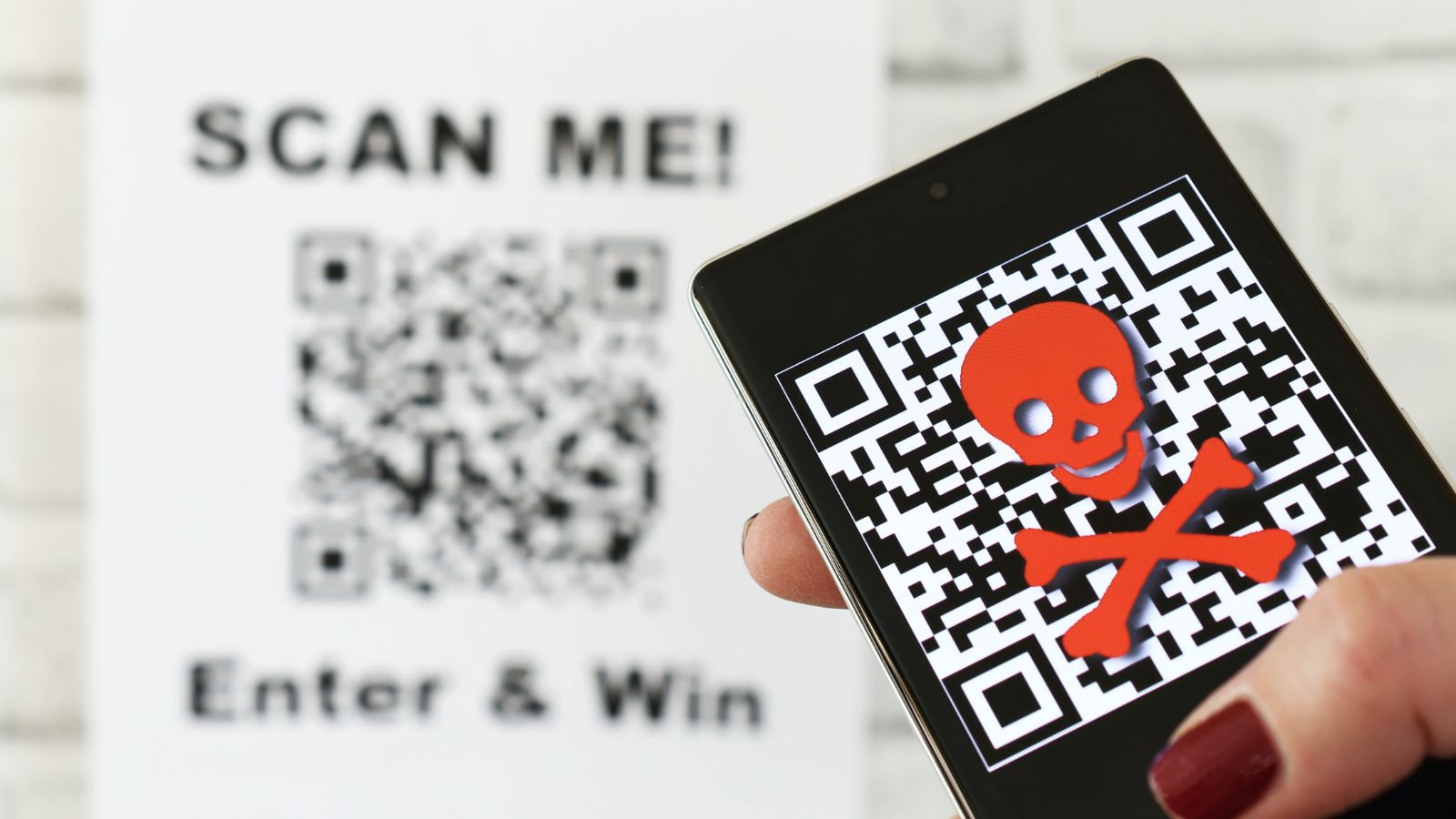
QR codes are now common for menus, parking, check-ins, event schedules, and attraction tickets. Scammers can place a fake code over a real one or send one through a message that appears to come from a hotel, airline, or booking service. The code may open a payment page, download malware, or collect login details.
The problem is that QR codes hide the destination until after scanning. In a busy hotel lobby or crowded restaurant patio, a traveller may not inspect the page carefully. Before entering payment or account information, the web address should be reviewed. Staff can confirm whether the code is legitimate. For bookings, typing the official website directly is safer than trusting a sticker, poster, or unexpected message.
Public Wi-Fi Traps While Booking On The Go

Many summer bookings happen in transit: at airports, cafés, hotels, ferry terminals, or highway stops. Public Wi-Fi can be convenient, but it is also a weak point for travellers entering passwords, card numbers, or booking details. A fake network with a familiar name may trick people into connecting without realizing who controls it.
The risk increases when travellers log into banking apps, email accounts, loyalty programs, or booking platforms on unsecured networks. A scammer does not need to steal a suitcase if they can capture account access. Using mobile data, a trusted VPN, strong passwords, and multi-factor authentication can reduce exposure. Purchases and sensitive logins are best handled on secure connections rather than open networks.
Fake Refund Or Cancellation Notices

A delayed flight, cancelled tour, or changed reservation can make travellers anxious and more likely to act quickly. Scammers may send fake refund notices claiming money is waiting, but a card number or banking login is needed to process it. Others claim a booking will be cancelled unless a fee is paid immediately.
These messages often borrow the names of airlines, hotels, ticket platforms, or payment processors. The timing may seem plausible if the traveller recently booked something or searched for a trip online. Instead of clicking the link, it is safer to log in through the official app or website. Real refunds usually follow the company’s established process and should not require sharing a banking password or one-time security code.
Fake Seasonal Job And Volunteer Travel Offers

Students, newcomers, and seasonal workers may search for summer jobs at resorts, camps, farms, festivals, or cruise-related businesses. Scammers post fake roles that promise accommodation, travel, or high wages, then ask for application fees, background-check payments, training costs, or copies of identity documents before an interview.
Volunteer travel scams can follow a similar pattern. A program may promise meaningful work abroad but provide little proof of local partnerships, safety planning, or financial transparency. The emotional appeal can make people overlook weak details. Legitimate employers and volunteer organizations should have clear contracts, verifiable contacts, and no demand for unusual upfront fees. Personal documents should be shared only after the organization has been carefully checked.
19 Things Canadians Don’t Realize the CRA Can See About Their Online Income

Earning money online feels simple and informal for many Canadians. Freelancing, selling products, and digital services often start as side projects. The problem appears at tax time. Many people underestimate how much information the CRA can access. Online platforms, banks, and payment processors create detailed records automatically. These records do not disappear once money hits an account. Small gaps in reporting add up quickly.
Here are 19 things Canadians don’t realize the CRA can see about their online income.
This Options Discord Chat is The Real Deal
While the internet is scoured with trading chat rooms, many of which even charge upwards of thousands of dollars to join, this smaller options trading discord chatroom is the real deal and actually providing valuable trade setups, education, and community without the noise and spam of the larger more expensive rooms. With a incredibly low-cost monthly fee, Options Trading Club (click here to see their reviews) requires an application to join ensuring that every member is dedicated and serious about taking their trading to the next level. If you are looking for a change in your trading strategies, then click here to apply for a membership.