
35,000+ smart investors are already getting financial news, market signals, and macro shifts in the economy that could impact their money next with our FREE weekly newsletter. Get ahead of what the crowd finds out too late. Click Here to Subscribe for FREE.
Warm weather changes the mood of dining in Canada, but it can also change the final bill in ways that are easy to miss. A sunny table, a cold drink, and a longer evening outside can turn a simple meal into something noticeably pricier once seasonal menus, service expectations, taxes, and add-ons are included.
Patio season brings extra costs for restaurants, too, from permits and staffing to higher demand for fresh ingredients and alcohol service. The result is a dining experience where charges may appear through menu changes, payment screens, booking rules, and small upgrades. These 21 common cost additions explain how patio meals can become more expensive than they first appear.
Seasonal Menu Prices That Quietly Rise With Demand
21 Ways Canadian Restaurants Add Extra Costs During Patio Season
- Seasonal Menu Prices That Quietly Rise With Demand
- Limited-Time Patio Menus With Pricier Items
- Reservation Deposits for Peak Patio Times
- Cancellation Fees When Weather Changes Plans
- Automatic Gratuities for Larger Outdoor Groups
- Higher Suggested Tips on Payment Terminals
- Credit Card Surcharges at the End of the Bill
- Mandatory Service Fees That Blur the Real Price
- Patio Permit Costs Built Into Prices
- Premium Seating or Minimum Spend Expectations
- Shorter Happy Hours and Narrower Deals
- Pricier Drinks Designed for Outdoor Dining
- Pitchers and Shareable Drinks That Hide the Per-Serving Cost
- Share Plates That Cost More Than Full Appetizers
- Add-Ons for Sauces, Sides, and Substitutions
- Bottled or Sparkling Water Upsells
- Weather-Related Comfort Charges Hidden in Pricing
- Longer Stays That Lead to Extra Rounds
- Event Nights and Festival Pricing
- Delivery-App Style Fees Creeping Into Takeout From Patios
- Taxes Applied After the Menu Price
- 19 Things Canadians Don’t Realize the CRA Can See About Their Online Income

Patio season often gives restaurants a reason to refresh menus, and that refresh can come with higher prices. A burger, salad, or seafood plate may look familiar, but the price can be adjusted to reflect busier dining rooms, higher ingredient costs, and the extra labour needed to serve outdoor sections. Since many restaurants update printed and digital menus in spring, the increase can feel like part of the seasonal reset rather than a separate charge.
The effect is especially noticeable in tourist-heavy neighbourhoods, waterfront districts, and downtown patios where demand spikes as soon as the weather turns. A couple who paid one price for dinner in February may return in June and see a few dollars added across appetizers, mains, and cocktails. Those small increases matter because they also raise the base amount used to calculate tax and tips.
Limited-Time Patio Menus With Pricier Items

A seasonal menu can sound refreshing, but it often steers diners toward higher-margin items. Instead of the regular sandwich or pasta dish, the patio menu may highlight lobster rolls, grilled seafood, premium salads, share plates, and “summer spritz” cocktails. These items fit the weather and the setting, yet they can also push the average cheque higher than a regular indoor meal.
Restaurants use limited-time offerings because they create urgency and make comparisons harder. A customer may know the usual price of a classic entrée, but not the fair price of a summer flatbread with burrata or a pitcher-style cocktail. The result is a softer kind of upsell: nothing looks hidden, but the menu is arranged so the patio experience naturally costs more.
Reservation Deposits for Peak Patio Times

As patios fill up on Friday evenings and long weekends, some restaurants use deposits to protect against no-shows. The deposit may be credited toward the bill, but it still changes the spending psychology. Once money is already committed, diners may feel more comfortable ordering an extra drink, appetizer, or dessert because the meal already feels partly paid for.
Deposits can also become a cost if cancellation rules are strict. A sudden thunderstorm, delayed transit, or last-minute change in group size can turn a casual dinner plan into a forfeited charge. For restaurants, the policy helps manage limited outdoor seating. For diners, it means patio season sometimes starts costing money before anyone has even sat down.
Cancellation Fees When Weather Changes Plans

Patio bookings are vulnerable to weather, but cancellation policies do not always bend with the forecast. A restaurant may still apply a late-cancellation charge if guests cancel too close to the reservation time, even when rain or smoke makes outdoor dining less appealing. Some places offer indoor seating instead, but that may not be the experience the group originally wanted.
This can feel especially frustrating in Canadian cities where summer weather can shift quickly. A sunny afternoon in Vancouver, Toronto, Halifax, or Montreal can turn windy or wet by dinner. Restaurants face real staffing and food-prep costs when tables go empty, but customers can end up paying for the uncertainty that makes patio season charming in the first place.
Automatic Gratuities for Larger Outdoor Groups
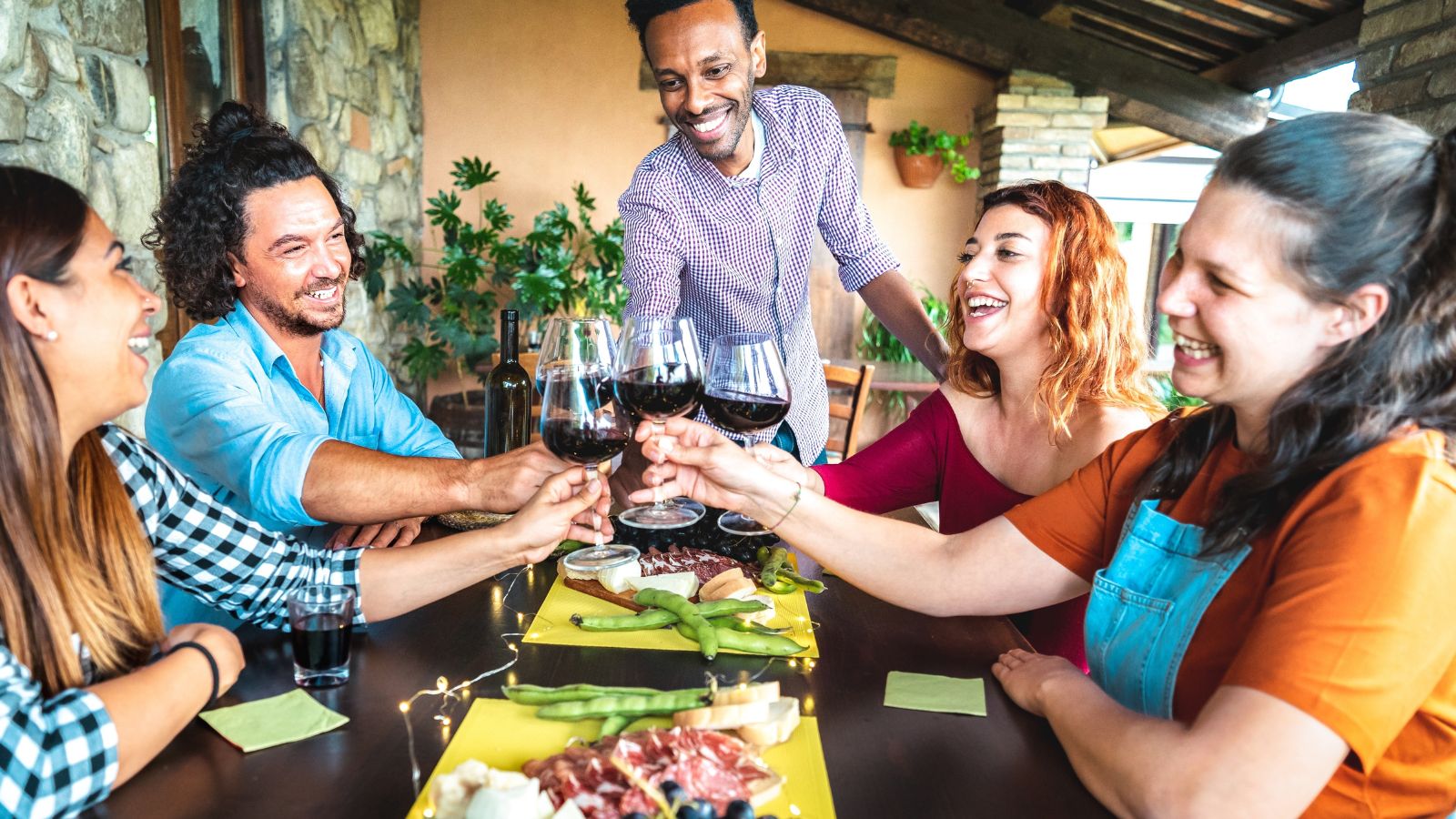
Patios attract birthdays, office gatherings, sports nights, and family visits, which means group dining becomes more common. Many restaurants add an automatic gratuity for tables over a certain size, often because larger parties require more coordination and can occupy limited patio space for longer periods. The charge may be disclosed on the menu, reservation page, or bill, but it is still easy to miss.
The extra cost becomes more noticeable when the payment terminal also asks for a tip. If diners do not check the bill carefully, they may tip on top of an automatic service charge. A group ordering pitchers, appetizers, and mains can add a substantial amount by accident, especially when the suggested tip percentages are calculated after taxes or fees.
Higher Suggested Tips on Payment Terminals

Digital payment terminals have changed the end of the meal. During patio season, when servers may be covering larger areas, navigating stairs, or moving between indoor and outdoor stations, suggested tip options can appear higher than expected. Prompts that start at 18% or 20% can make a standard patio bill climb quickly.
The pressure is partly social. A server may be standing nearby while the screen offers preset percentages, and diners may feel awkward choosing “other amount.” Since tips rise automatically when menu prices rise, even the same percentage can cost more than it did a few summers ago. A $90 patio lunch with drinks turns into a very different total once tax and a high suggested tip are added.
Credit Card Surcharges at the End of the Bill
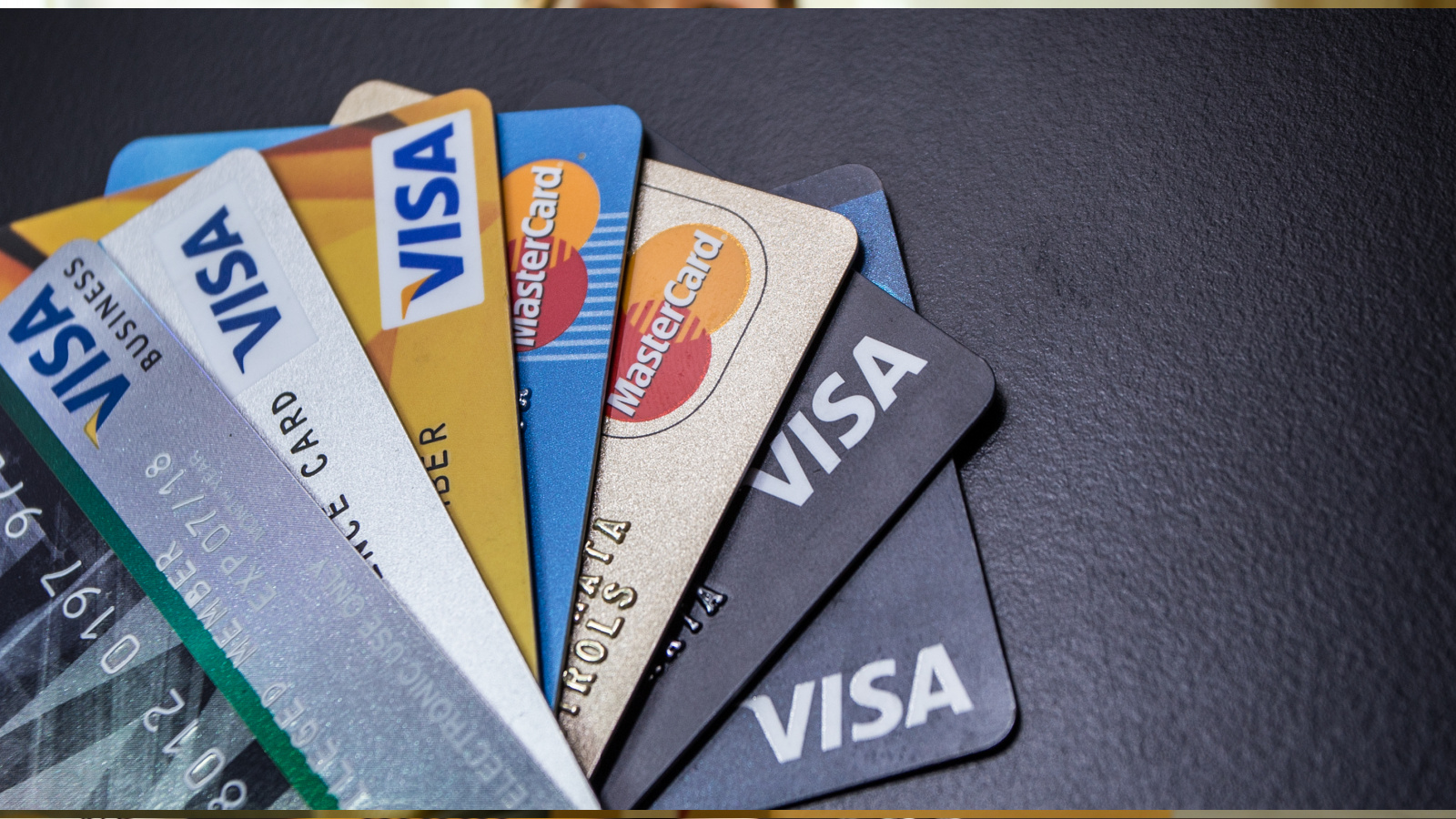
Some Canadian businesses can apply credit card surcharges, though rules and provincial restrictions matter. For restaurants, these charges can be a way to offset payment processing costs, especially when most patio customers tap cards or phones rather than paying cash. The surcharge may be small as a percentage, but it becomes more visible on larger group bills.
A $160 patio dinner can pick up a few extra dollars simply because a credit card is used. That may not feel dramatic once, but it adds up over a summer of brunches, drinks, and birthday dinners. The key issue is disclosure: diners should be able to see payment-related charges clearly before deciding how to pay.
Mandatory Service Fees That Blur the Real Price

Some restaurants add service fees to help cover wages, kitchen staff, benefits, or general operating costs. These charges may be explained as hospitality fees, kitchen appreciation fees, employee support fees, or venue fees. On paper, the goal can be reasonable. In practice, the final price can feel confusing when the menu price is not the amount that lands on the bill.
Patio season can make these fees more common because restaurants are dealing with seasonal staffing, longer hours, and higher guest volume. A diner may think an entrée is $24, then find that tax, service fee, and tip expectations push the real cost much higher. When the mandatory portion is not obvious upfront, the meal can feel more expensive than advertised.
Patio Permit Costs Built Into Prices

Outdoor dining often uses public or semi-public space, and that space can come with permits, design requirements, barriers, inspections, and insurance considerations. In cities with formal patio programs, operators may pay application fees, annual permit fees, or costs related to accessibility and safety. Those expenses do not appear as a separate “permit fee” on most bills, but they can influence menu pricing.
A small restaurant with only a handful of outdoor tables has to recover patio costs during a short season. That can mean slightly higher drink prices, fewer low-cost menu options, or minimum-spend expectations during busy periods. The customer sees a pleasant curb-lane table; the operator sees a seasonal setup that has to pay for itself before the weather turns.
Premium Seating or Minimum Spend Expectations

Some patios are more desirable than others. Rooftop tables, waterfront views, shaded garden spaces, and front-row street seats can come with minimum spends, set menus, or stricter booking windows. The charge may not be labelled as a seating fee, but the result is similar: the better table costs more because it comes with higher spending expectations.
This is common in places where warm-weather dining is a limited-time attraction. A restaurant may not charge extra just to sit outside, but it may reserve prime patio slots for dinner service rather than coffee, or require a full meal instead of drinks only. That changes the cost of a casual stop into a more formal outing.
Shorter Happy Hours and Narrower Deals

Patio season can reduce the need for deep discounts. When tables are full and the weather is doing the marketing, restaurants may shorten happy hours, limit discounted items, or exclude patios from certain promotions. A deal advertised online may apply only indoors, at the bar, or before the busiest evening window.
This can surprise diners who planned around a familiar special. The nachos may still be discounted from 3 p.m. to 5 p.m., but the patio table at 6 p.m. may be full price. Even a small difference matters when drinks and shared plates are involved. The real cost of patio season is often not a new fee, but the disappearance of savings that were available in colder months.
Pricier Drinks Designed for Outdoor Dining

Patio menus often lean heavily into drinks: spritzes, sangria, local beer, frozen cocktails, canned ready-to-drink beverages, and seasonal mocktails. These items are easy to enjoy slowly outside, but they can also carry strong markups. A drink that looks light and casual may cost nearly as much as an appetizer.
Alcohol also brings layered costs, including excise duties, provincial systems, licensing obligations, and staffing requirements for responsible service. Even non-alcoholic specialty drinks can be expensive because they use fresh fruit, herbs, syrups, premium sodas, and extra preparation. A table that adds two rounds of patio drinks may double what began as a modest food order.

Pitchers feel economical because they are shared, but the math is not always obvious. A sangria pitcher, margarita pitcher, or beer tower may look like a group-friendly deal, yet the number of actual servings can vary widely. Ice, fruit, glass size, and alcohol content all affect value.
The social setting helps the upsell. On a sunny patio, ordering one pitcher for the table feels easier than asking everyone to choose individual drinks. By the time a second pitcher arrives, the bill has moved quickly. Shareable formats also make it harder to track personal spending, which can lead to awkward bill-splitting when some people drank more than others.

Patio dining encourages grazing. Restaurants know that outdoor groups often prefer fries, dips, oysters, skewers, sliders, flatbreads, and snack boards over traditional courses. These plates create a relaxed rhythm, but they can be expensive for the amount of food provided. A table may order several shareables and still need mains afterward.
The pricing works because no single item feels outrageous. A $16 dip, $22 flatbread, and $19 small seafood plate each sound manageable, especially split among friends. Combined with drinks, however, the shared-food strategy can push the bill higher than ordering individual entrées. The more casual the meal feels, the easier it becomes to lose track.
Add-Ons for Sauces, Sides, and Substitutions
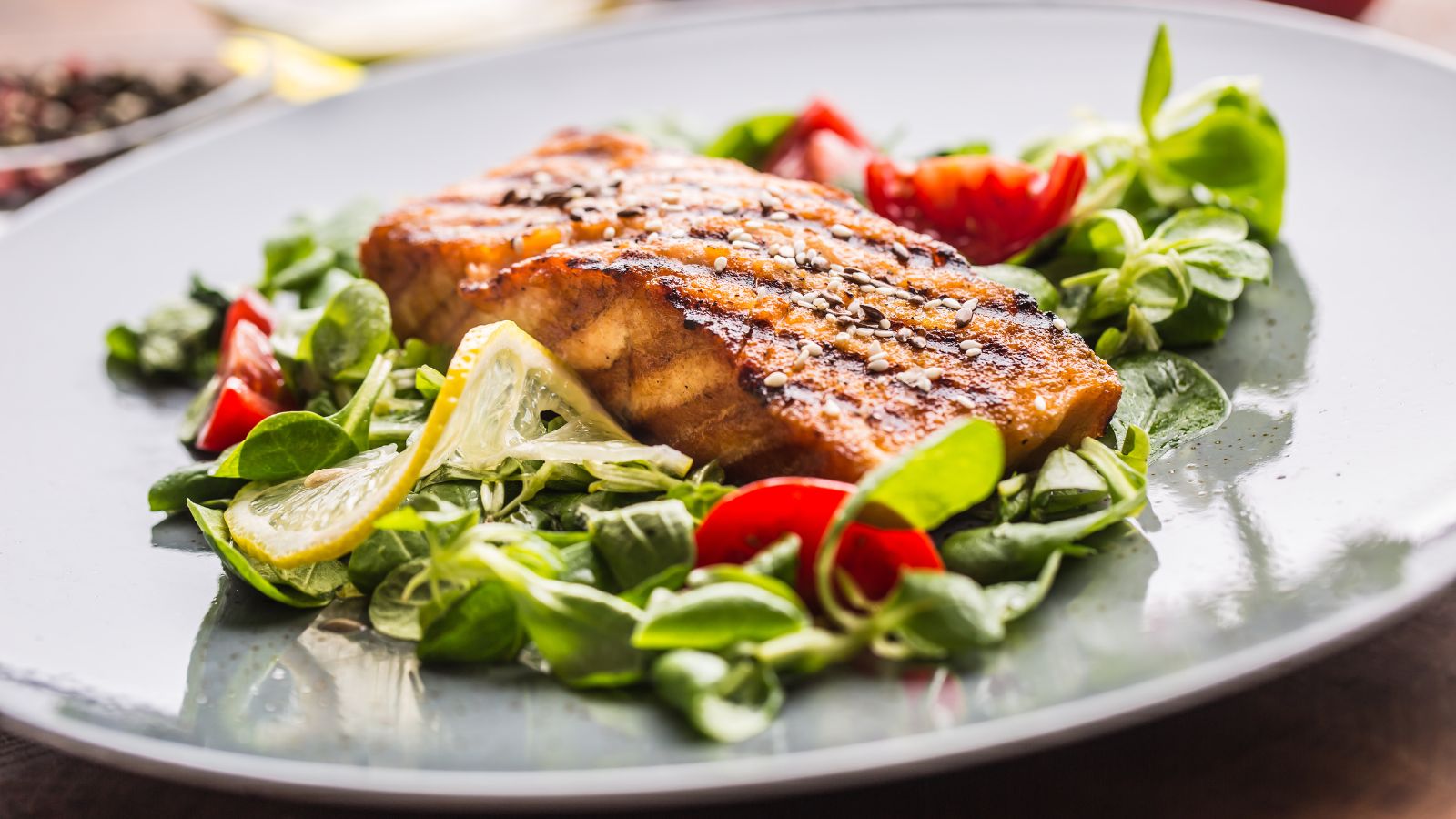
Extras often become more noticeable during patio season because outdoor menus feature burgers, bowls, salads, tacos, and sandwiches that invite customization. Avocado, chicken, shrimp, gluten-free buns, extra dressing, fries instead of salad, or a premium sauce can all add small charges. Individually, the add-ons seem harmless. Together, they change the price of the meal.
A diner may choose a salad because it looks lighter and cheaper, then add protein, cheese, and a dressing upgrade that makes it cost more than a main dish. Restaurants use add-ons because they allow flexible pricing without raising every base item. For customers, the challenge is that the final cost is assembled one choice at a time.
Bottled or Sparkling Water Upsells

Warm weather makes water service more important, but it can also create upsell opportunities. A server may ask whether the table wants still, sparkling, or tap water, and the wording can make bottled water feel like the default. On a patio, especially during a hot afternoon, guests may agree quickly without thinking about the cost.
The charge can be easy to overlook because water arrives before the meal and feels separate from the main order. A few bottles for a group can add a surprising amount, particularly at restaurants that serve premium imported or branded sparkling water. Tap water is usually available, but diners may need to ask clearly if they want to avoid the extra line item.
Weather-Related Comfort Charges Hidden in Pricing
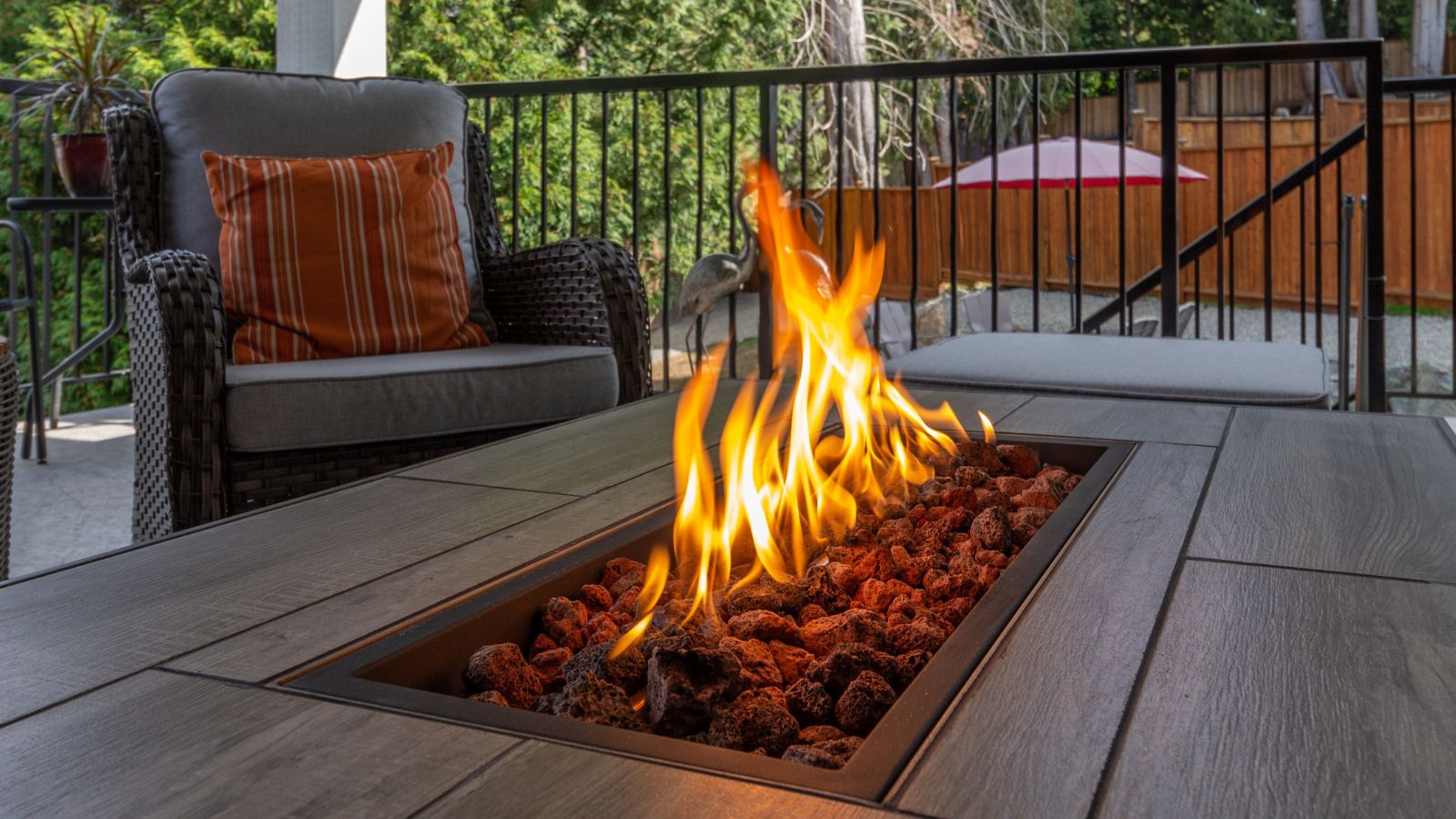
Patios require more than tables and chairs. Umbrellas, planters, heaters, misters, lighting, barriers, cushions, pest control, cleaning, and maintenance all cost money. These expenses are rarely itemized, but they influence patio pricing. A comfortable outdoor setup can be expensive to install and even more expensive to maintain through a full season.
Customers may notice the result through slightly higher prices at restaurants with polished outdoor spaces. A covered patio with heaters and wind protection can keep operating through cooler evenings, but those improvements have to be paid for. The price of a meal may partly reflect the comfort of staying outside when the weather is not quite perfect.
Longer Stays That Lead to Extra Rounds

Patios encourage lingering. A meal that might take 60 minutes indoors can stretch into two hours outside, especially when the evening is warm and the table is comfortable. Restaurants may benefit from extra rounds of drinks, desserts, or coffees, while customers experience the higher bill as a natural part of the night.
This is not a hidden fee, but it is one of the most common ways patio season increases spending. A couple may arrive for dinner and add a second glass of wine because the sunset is nice. A group may order one more plate because nobody wants to leave. The setting does part of the selling, and the bill reflects the extra time.
Event Nights and Festival Pricing

Patios near stadiums, concert venues, waterfront events, parades, and summer festivals often face demand surges. Restaurants may use special menus, minimum spends, shorter seating limits, or event-day pricing to manage crowds. A meal before a baseball game or outdoor concert can cost more than the same meal on a quiet Tuesday.
The pricing is partly about scarcity. Staff must serve more people in a compressed window, kitchens run at high volume, and tables turn quickly. Customers may accept the higher cost because the location is convenient and the mood is festive. Still, event-night dining can make ordinary patio items feel premium simply because the surrounding city is busy.
Delivery-App Style Fees Creeping Into Takeout From Patios
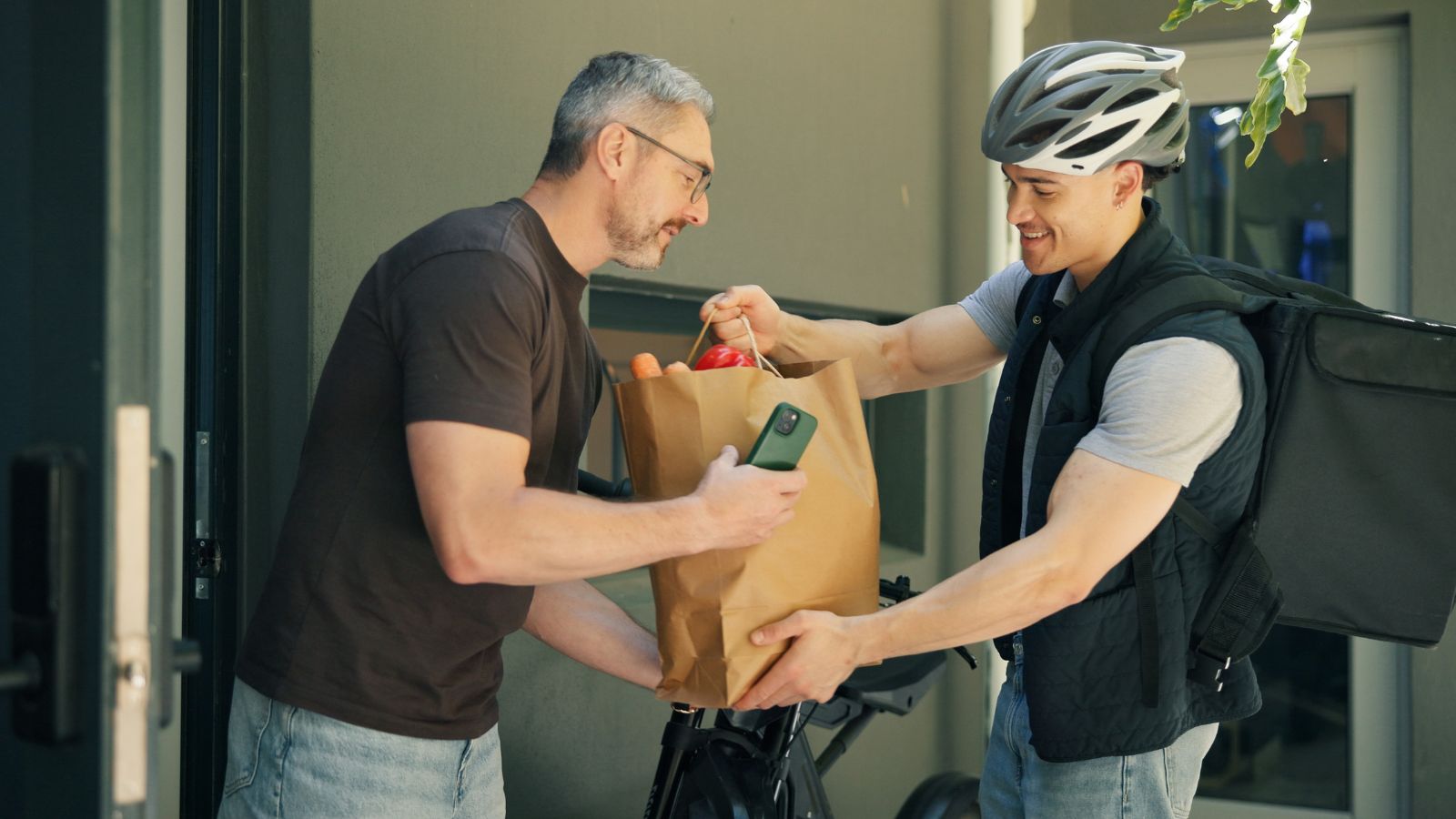
Some patio visits turn into takeout orders, especially when tables are full. Restaurants that rely on online ordering platforms may have higher menu prices or added service charges on digital orders. Even when food is picked up from the same location, the platform structure can make the total different from ordering directly.
This matters during patio season because people often order from nearby parks, beaches, or outdoor events. A group may fail to get a table, then place a mobile order and discover service fees, bag fees, or higher item prices. Convenience has value, but the extra cost can feel out of place when the customer is still doing the pickup.
Taxes Applied After the Menu Price

Sales tax is one of the most predictable additions, yet it still makes patio bills feel larger because menu prices are usually shown before tax. In provinces with harmonized sales tax, the difference between menu price and final price can be significant, especially once alcohol is included. A round of drinks and mains can rise quickly before gratuity even enters the calculation.
The psychological effect is stronger when diners compare the menu total in their head to the payment terminal total. A $25 entrée is not really $25 at checkout, and a $14 cocktail is not really $14. Patio season increases the number of casual restaurant visits, which means this familiar tax gap appears more often across the summer.
19 Things Canadians Don’t Realize the CRA Can See About Their Online Income

Earning money online feels simple and informal for many Canadians. Freelancing, selling products, and digital services often start as side projects. The problem appears at tax time. Many people underestimate how much information the CRA can access. Online platforms, banks, and payment processors create detailed records automatically. These records do not disappear once money hits an account. Small gaps in reporting add up quickly.
Here are 19 things Canadians don’t realize the CRA can see about their online income.
This Options Discord Chat is The Real Deal
While the internet is scoured with trading chat rooms, many of which even charge upwards of thousands of dollars to join, this smaller options trading discord chatroom is the real deal and actually providing valuable trade setups, education, and community without the noise and spam of the larger more expensive rooms. With a incredibly low-cost monthly fee, Options Trading Club (click here to see their reviews) requires an application to join ensuring that every member is dedicated and serious about taking their trading to the next level. If you are looking for a change in your trading strategies, then click here to apply for a membership.