35,000+ smart investors are already getting financial news, market signals, and macro shifts in the economy that could impact their money next with our FREE weekly newsletter. Get ahead of what the crowd finds out too late. Click Here to Subscribe for FREE.
Long weekends in Canada have a way of turning ordinary highways into packed escape routes, whether the destination is a cottage, campground, family barbecue, ferry terminal, national park, or border town. A smooth drive often depends less on luck than on what gets checked before the engine starts. These 20 things Canadian drivers should check before a long weekend road trip cover the mechanical, legal, safety, and comfort details that can quietly decide whether the getaway begins with confidence or a roadside delay.
Tire Pressure and Tread Depth
20 Things Canadian Drivers Should Check Before a Long Weekend Road Trip
- Tire Pressure and Tread Depth
- Spare Tire, Jack, and Repair Kit
- Engine Oil and Other Fluid Levels
- Brakes and Warning Sounds
- Battery Health and Charging System
- Lights, Signals, and Hazard Flashers
- Windshield Wipers and Visibility
- Road Conditions, Closures, and Construction
- Weather Alerts and Regional Forecasts
- Driver’s Licence, Registration, and Insurance
- Emergency Kit and Roadside Supplies
- Fuel, Charging, and Range Planning
- Navigation, Offline Maps, and Backup Route
- Phone Setup and Distraction Controls
- Rest Stops and Fatigue Plan
- Seat Belts, Child Seats, and Passenger Setup
- Load Limits, Roof Racks, and Trailer Connections
- Cooling System and Air Conditioning
- Vehicle Recalls and Recent Repairs
- Parking Security and Valuables
- 19 Things Canadians Don’t Realize the CRA Can See About Their Online Income
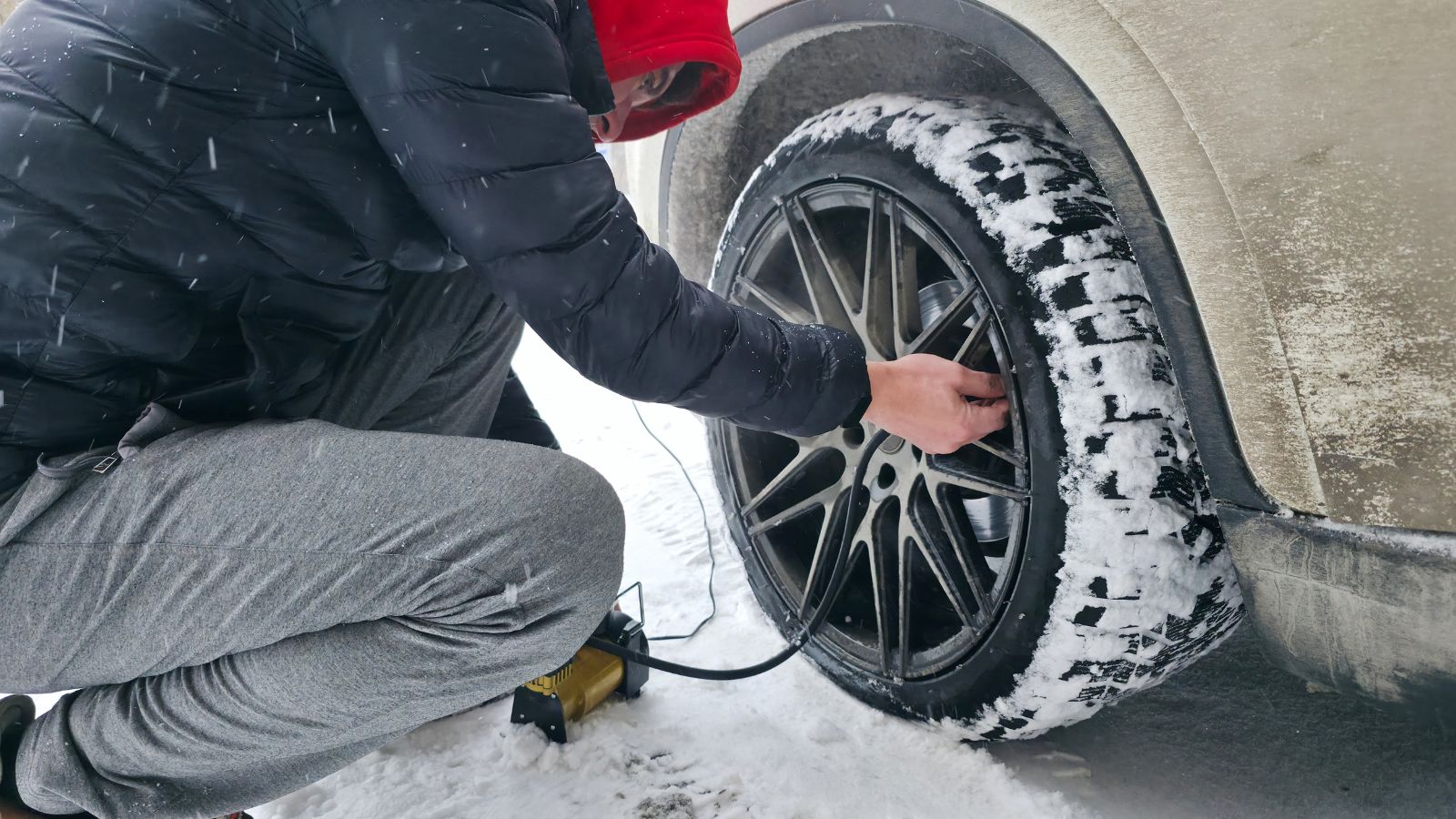
Tires carry the full weight of a long weekend plan, yet they are often checked only after something feels wrong. Before a longer drive, tire pressure should be measured when the tires are cold and compared with the pressure listed on the driver’s door placard or in the owner’s manual, not the maximum number printed on the tire sidewall. Heat, highway speeds, luggage, passengers, and trailer loads all make proper inflation more important than it feels during ordinary errands.
Tread deserves the same attention, especially when spring rain, mountain roads, gravel pull-offs, or sudden prairie storms are possible. A tire that looks acceptable in a driveway can struggle to move water at highway speed. Uneven wear can also reveal alignment or suspension issues before they turn into a vibration halfway to the lake. A family leaving Toronto for cottage country, for example, may notice nothing on city streets but feel the problem quickly once traffic opens up on Highway 400.
Spare Tire, Jack, and Repair Kit
Many drivers assume the spare tire is ready because it has never been used. That assumption can fail at the worst possible time. A compact spare may need much higher inflation than the regular tires, and some newer vehicles no longer carry a spare at all. Instead, they may include run-flat tires, a sealant kit, or a small compressor. Before a long weekend trip, the driver should know which system the vehicle has and whether it still works.
The jack, wheel wrench, locking wheel nut key, and roadside instructions deserve a quick check as well. A flat tire is stressful enough without discovering that the wrench is missing or the spare is buried under luggage and beach coolers. In rural areas, tow trucks can be delayed during holiday peaks, and cellular service can be uneven. A simple driveway test—locating the tools and confirming how they fit—can prevent a small puncture from becoming a long, expensive interruption.
Engine Oil and Other Fluid Levels

Long drives expose weak maintenance habits. Engine oil, coolant, brake fluid, transmission fluid where accessible, power steering fluid where applicable, and windshield washer fluid should all be checked before departure. Low oil can mean more than a simple top-up; it may point to leaks or consumption that becomes more serious under highway heat. A dipstick check takes minutes, but skipping it can put an engine under strain for hundreds of kilometres.
Washer fluid is especially easy to underestimate in Canada, where long-weekend driving can mean bugs, construction dust, road spray, pollen, or late-season slush depending on the region. A driver heading from Calgary toward the Rockies may leave in dry weather and meet rain, mud, and temperature swings before arrival. Keeping the reservoir full, and carrying extra fluid, protects visibility when gas stations are far apart or closed early in smaller communities.
Brakes and Warning Sounds
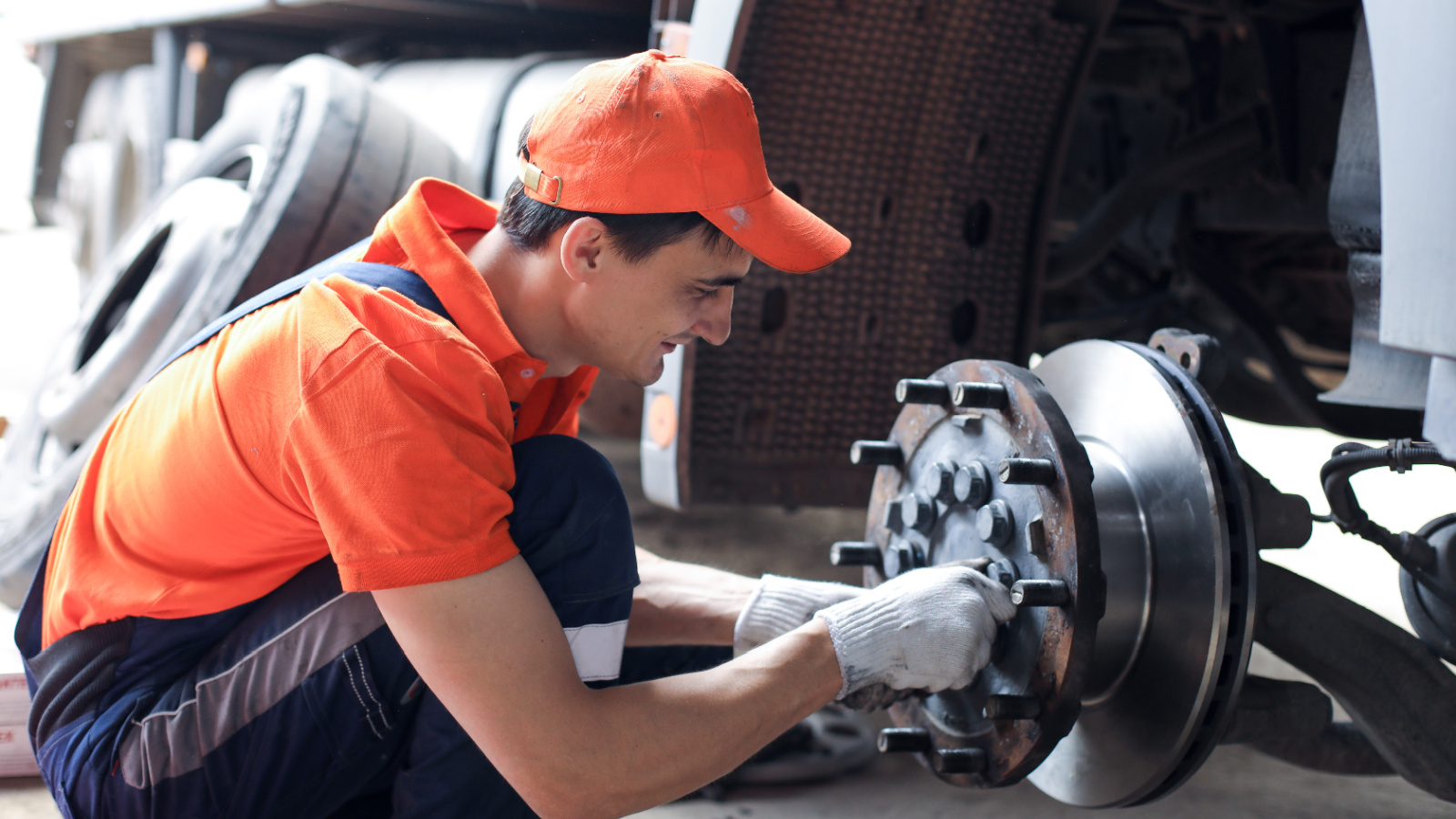
Brakes rarely fail without giving some kind of warning. Squealing, grinding, pulsing through the pedal, pulling to one side, or a soft brake pedal should be treated seriously before a road trip. Long weekends often involve stop-and-go traffic, steep grades, boat launches, crowded parking lots, and heavier-than-usual cargo. All of those conditions ask more from the braking system than a typical weekday commute.
A pre-trip brake check is not only about the pads. Brake fluid condition, rotors, calipers, parking brake function, and anti-lock braking system warning lights all matter. A driver descending toward a lakeside town with a loaded SUV may notice brake fade much sooner than expected if the system is already worn. Having a mechanic inspect a suspicious sound before departure is far less disruptive than searching for an open repair shop on a statutory holiday.
Battery Health and Charging System
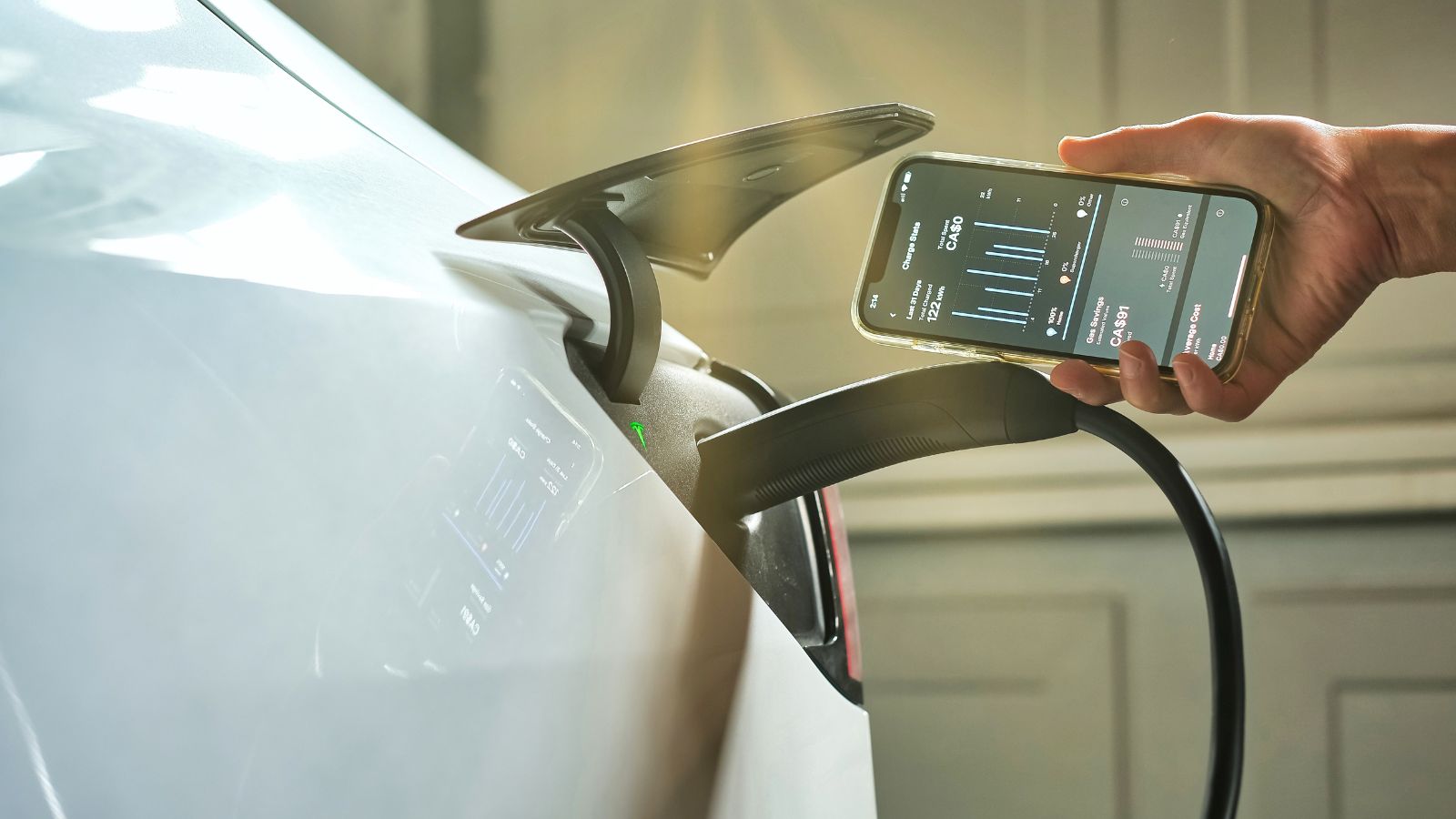
A weak battery is not only a winter problem. Heat can also strain batteries, and long weekend trips often add extra electrical loads such as phone charging, dash cams, coolers, navigation screens, entertainment devices, and frequent starts after short stops. If the battery is older, slow to crank, corroded at the terminals, or recently boosted, it should be tested before the trip rather than trusted out of habit.
The alternator and charging system are part of the same concern. A battery light, dimming headlights, or electronics that behave oddly can signal trouble. In a city, a boost may be easy to arrange; at a trailhead, ferry lineup, provincial park, or remote gas station, the inconvenience grows quickly. Cleaning terminals, checking for tight connections, and confirming battery age can prevent the familiar long-weekend scene of an open hood in an overcrowded rest-stop parking lot.
Lights, Signals, and Hazard Flashers

A vehicle can feel perfectly drivable while still being difficult for others to see. Headlights, brake lights, reverse lights, turn signals, side markers, licence plate lights, and hazard flashers should be checked before departure. The easiest method is to walk around the vehicle while another person operates the controls, though reflective storefront windows or garage doors can help when travelling alone.
Long weekends bring a mix of dawn departures, late returns, foggy lakeshore roads, rainstorms, wildlife zones, and impatient traffic. A burned-out brake light can become more than a ticket risk when traffic suddenly slows near a construction merge. Hazard lights also matter if the vehicle must stop on a shoulder. Replacing a bulb in advance is a small task; trying to find the correct bulb in a rural store after dark can be much harder.
Windshield Wipers and Visibility
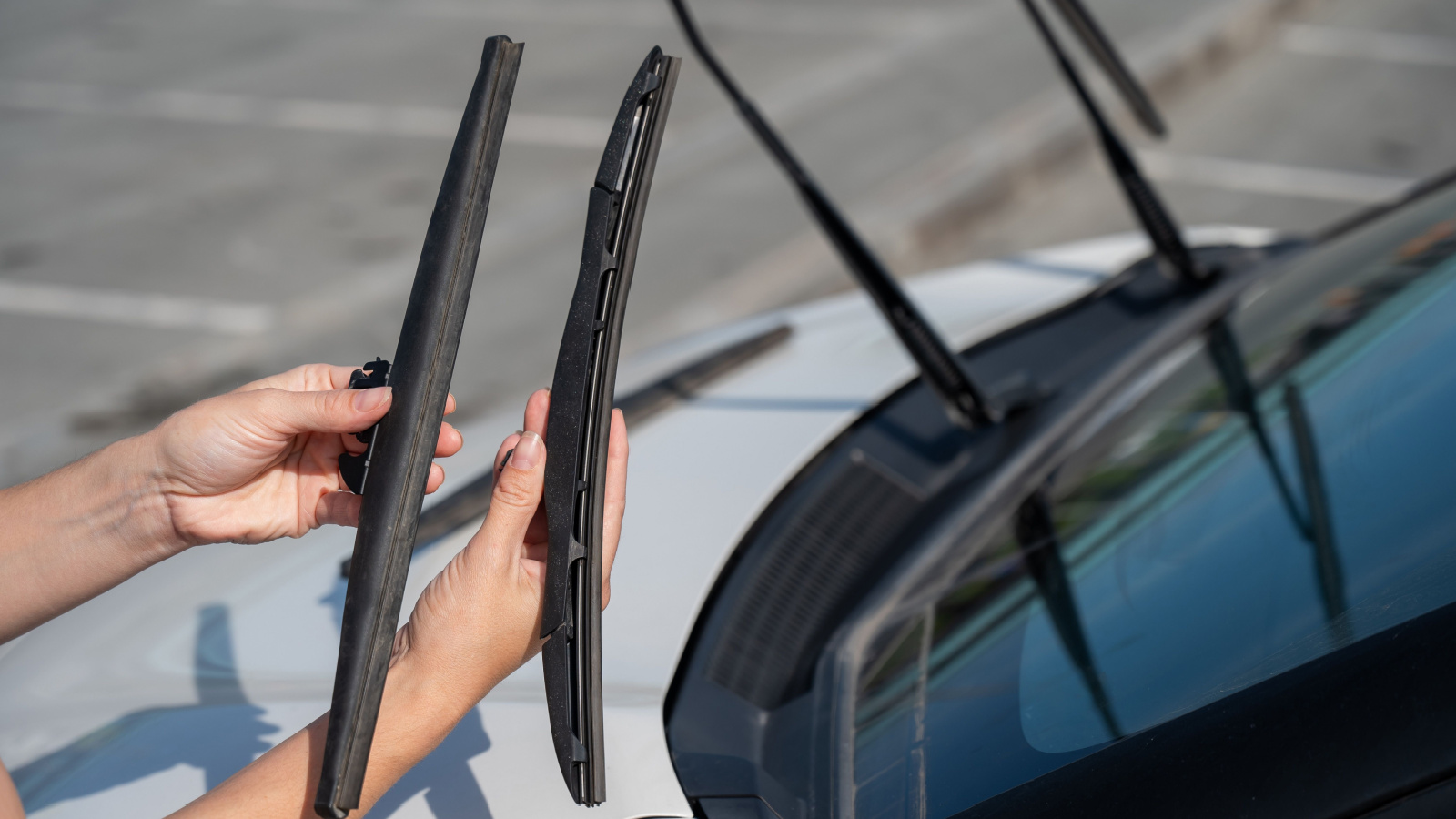
Wipers often reveal their condition only when the rain starts. Cracked rubber, streaking, skipping, or noisy blades can make a long drive tiring and unsafe, particularly when sunlight hits a smeared windshield after a storm. Before a long weekend trip, the windshield should be cleaned inside and out, wiper blades should be inspected, and washer nozzles should be tested.
Visibility also includes mirrors, camera lenses, defrosters, and the driver’s sightlines around luggage. A rear window blocked by camping gear changes how the vehicle feels in traffic and parking lots. Insect buildup is another Canadian road-trip reality, especially near lakes, fields, and northern routes. A small squeegee, microfibre cloth, and extra washer fluid can make a meaningful difference when the next available service station is many kilometres away.
Road Conditions, Closures, and Construction
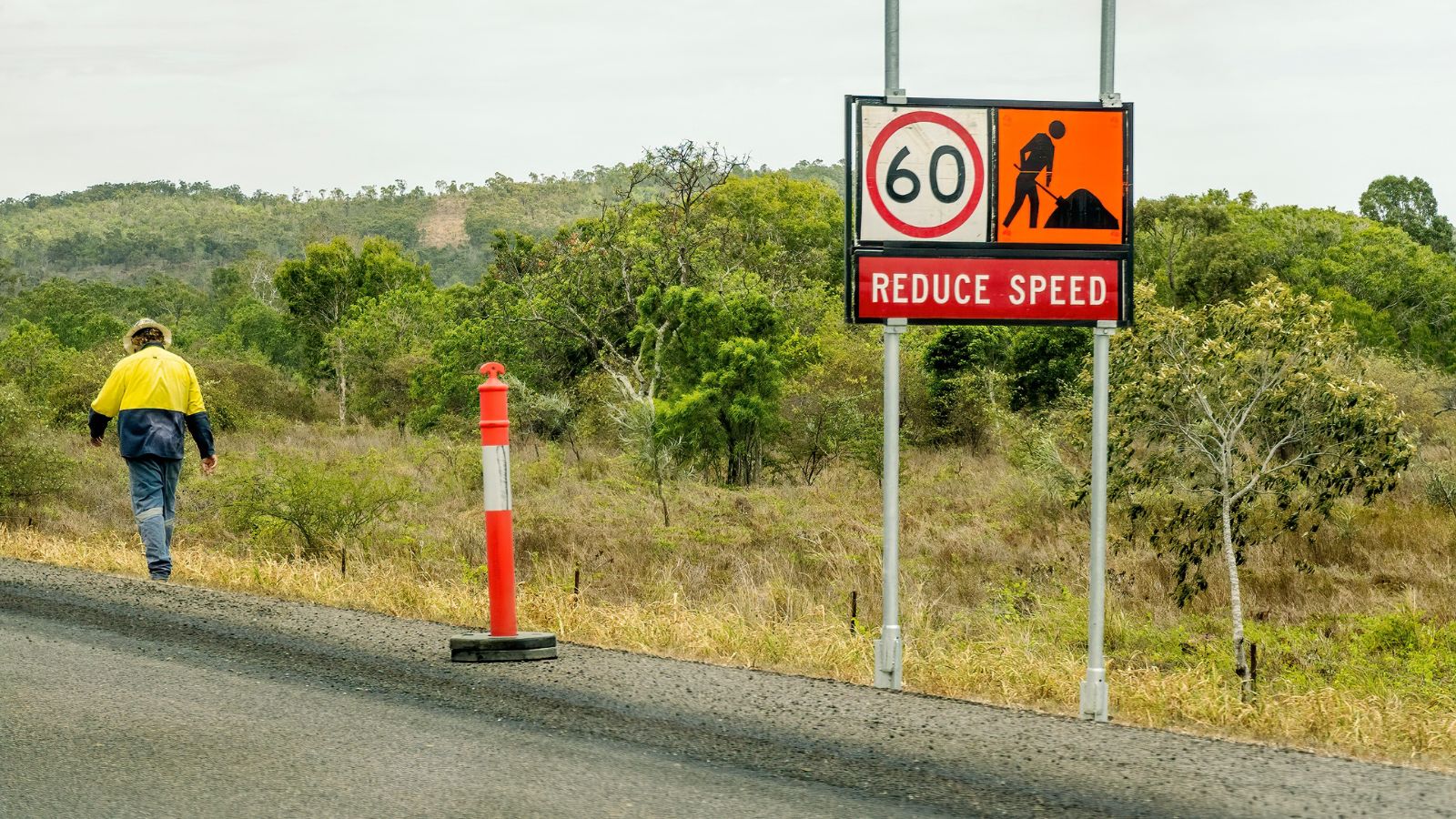
Long weekends are prime time for roadwork, bridge repairs, lane reductions, ferry congestion, and weather-related delays. Before leaving, drivers should check official provincial road-condition services such as 511 systems, DriveBC, Ontario 511, or the relevant transportation ministry source. A navigation app may show traffic, but official sources often provide details about closures, maintenance, winter conditions, cameras, and advisories.
This matters most when the route includes mountain passes, northern highways, ferry terminals, border crossings, or limited detour options. A driver heading from Vancouver to the Interior, for instance, may save hours by knowing about a closure before reaching a highway junction. Printing or saving a secondary route is useful when cell coverage drops. A long weekend is not the ideal time to discover that every other driver is already taking the same detour.
Weather Alerts and Regional Forecasts
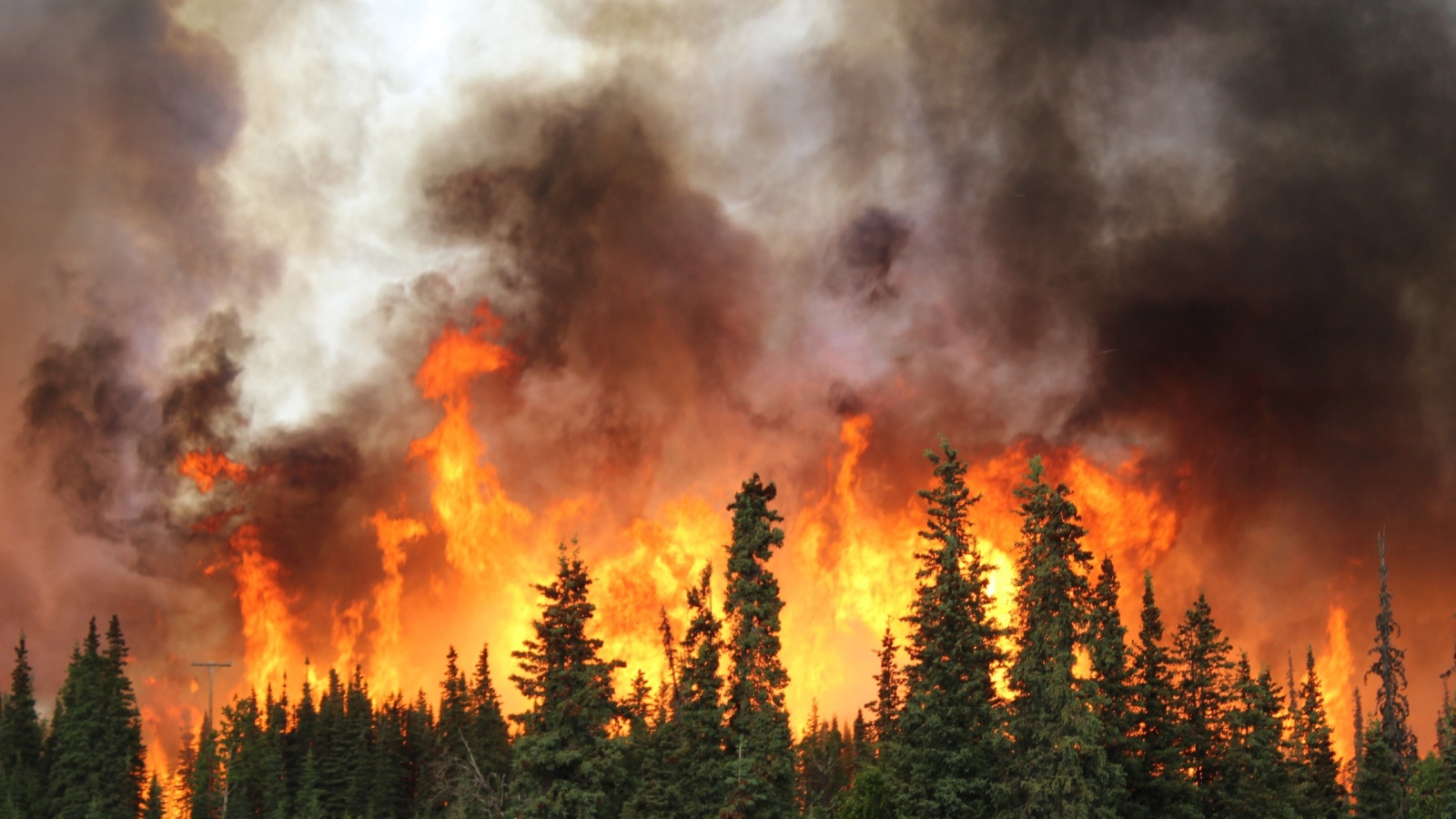
Canadian long weekends can bring sharp regional weather differences. It may be warm in the city, foggy near the coast, stormy on the Prairies, smoky in wildfire season, snowy in mountain corridors, or windy around exposed bridges. Environment and Climate Change Canada weather alerts should be checked before departure and again during longer drives, especially when travelling across regions.
The forecast should shape packing and driving decisions, not just clothing choices. Heavy rain affects stopping distance and visibility. Heat can strain tires and cooling systems. Smoke can reduce visibility and aggravate passengers with respiratory sensitivities. A family leaving Winnipeg under blue skies may still meet severe weather before a campground check-in. Building weather checks into fuel stops gives drivers a chance to slow down, reroute, or pause before conditions become dangerous.
Driver’s Licence, Registration, and Insurance
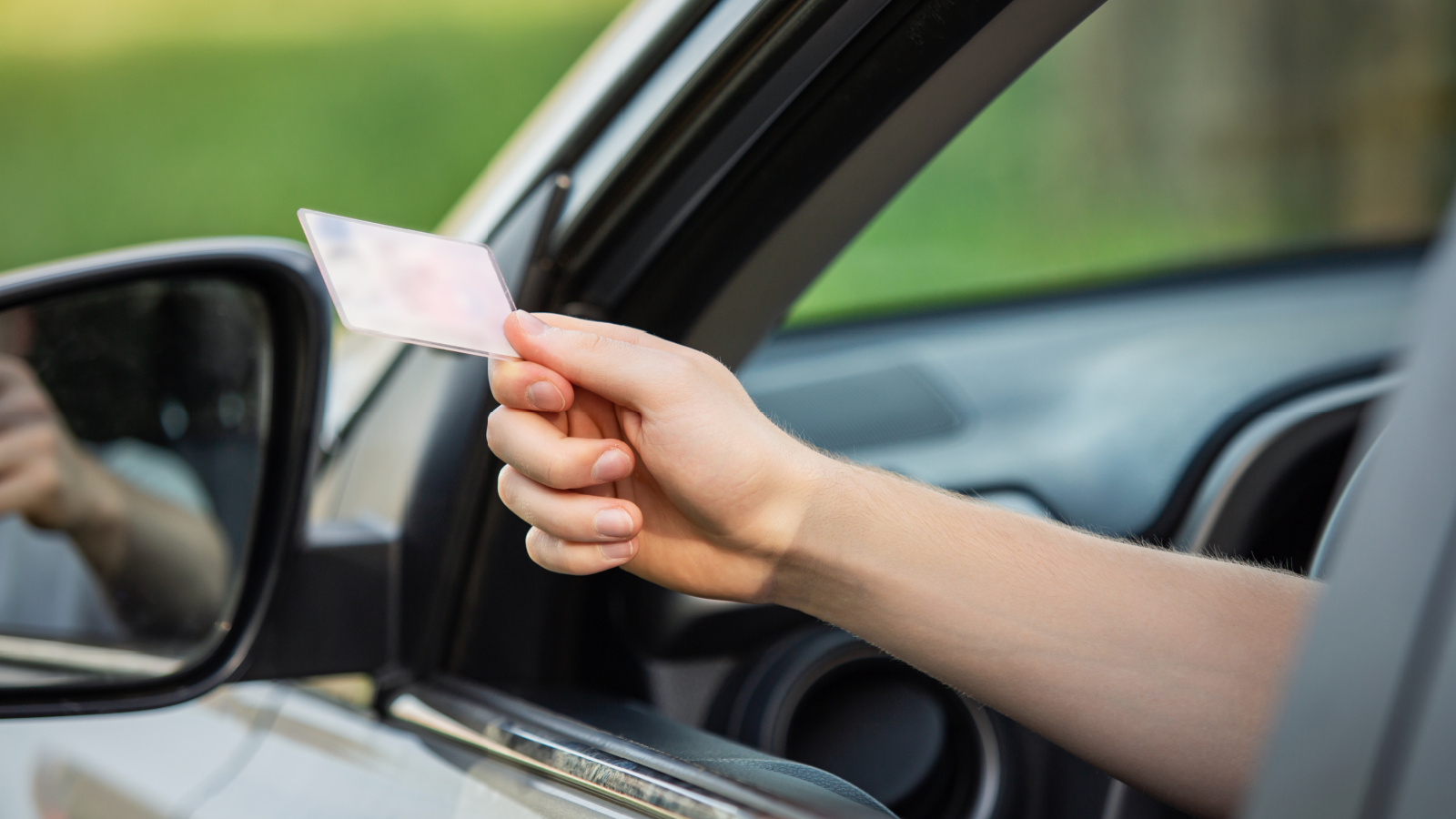
The documents in the glove box can become important very quickly after a collision, roadside stop, ferry issue, rental dispute, or border crossing. Drivers should confirm that the licence is valid, the vehicle registration is current, and proof of insurance is accessible. In Canada, auto insurance is mandatory, and requirements vary by province and territory, so assumptions can be risky when crossing provincial lines.
Digital access can help, but relying only on a phone is not ideal when batteries die, screens crack, or service disappears. A printed insurance slip and registration copy can save time during an already stressful event. Drivers using a borrowed vehicle should also confirm that they are permitted under the policy. A casual “take my car for the weekend” arrangement can become complicated if the driver is not properly covered.
Emergency Kit and Roadside Supplies

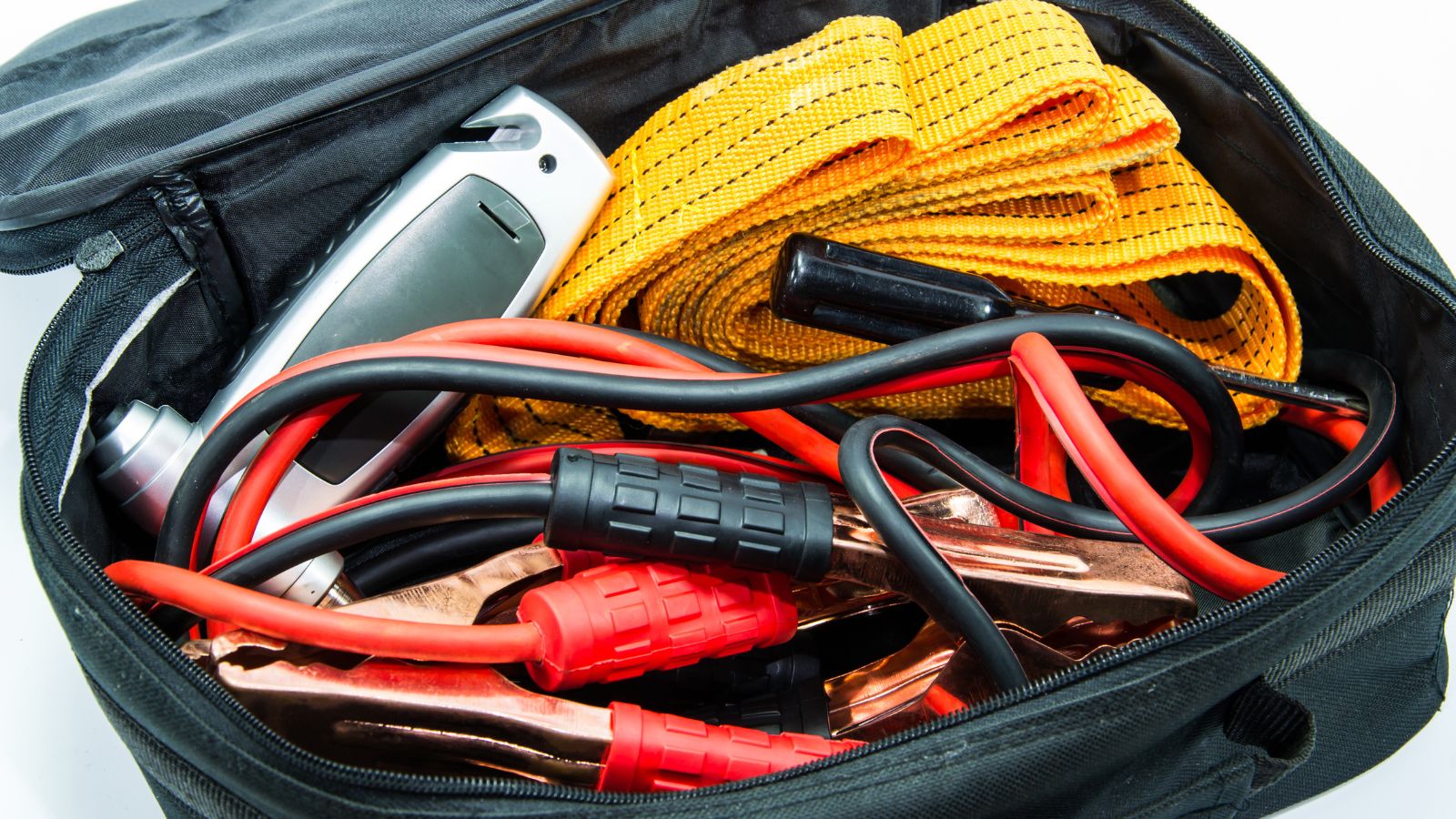
A road-trip emergency kit is easy to postpone because it feels pessimistic. In practice, it is one of the most practical things in the vehicle. A strong kit includes a phone charger, flashlight, first-aid supplies, drinking water, non-perishable snacks, booster cables, tire pressure gauge, reflective triangles or flares, a basic tool kit, gloves, and seasonal gear. In colder regions or shoulder seasons, blankets, traction aids, and a shovel may still make sense.
The kit should be reachable without unpacking the entire trunk. During a shoulder stop, rummaging under luggage while transport trucks pass nearby creates unnecessary risk. A compact bin behind the rear seat can make supplies easier to find. Long weekends also mean longer waits for roadside assistance because many drivers are travelling at once. Being prepared can keep a breakdown from becoming frightening, especially with children, pets, or older passengers on board.
Fuel, Charging, and Range Planning
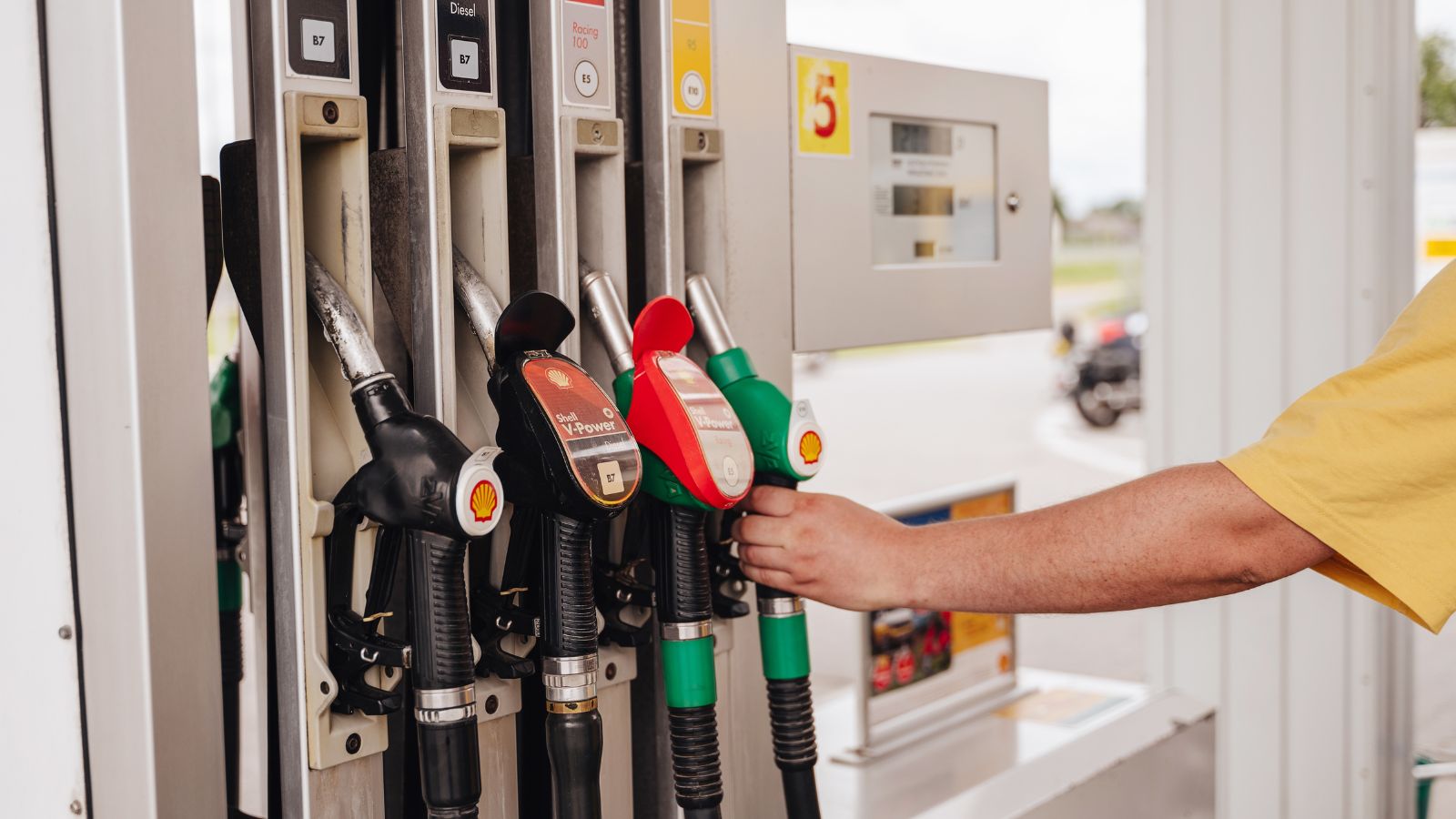
A nearly full tank or well-planned EV charge is more than a convenience before a long weekend. Holiday traffic, detours, ferry waits, border lineups, and rural station hours can all stretch a route beyond the original plan. Gasoline drivers should avoid assuming the next station will be open late, especially in smaller communities or on remote highways. EV drivers should check charger availability, speed, reliability, and backup locations before leaving.
Range planning should also consider load, terrain, temperature, and driving speed. An EV heading into cottage country with bikes on the back and air conditioning running may use more energy than it does during city driving. A pickup towing a boat will burn fuel faster than usual. The practical rule is simple: do not let the vehicle reach “almost empty” just because the map shows a station ahead.
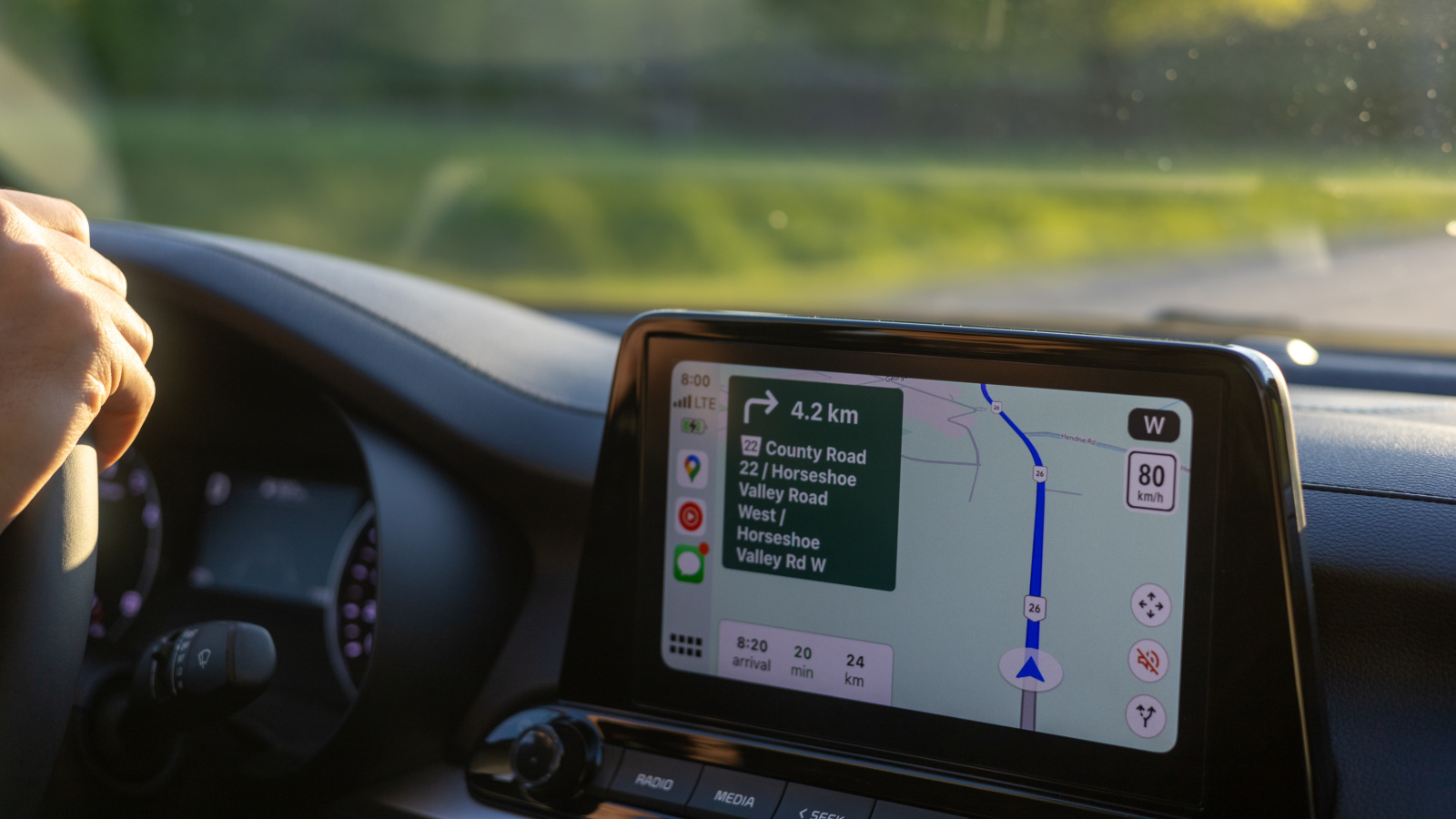
Navigation apps are useful, but they should not be the only plan. Cell service can fade in northern areas, mountain corridors, provincial parks, and rural valleys. Before departure, drivers should download offline maps, save destination addresses, and identify a backup route. This is especially important for trips involving cabins, campsites, trailheads, beaches, or private roads that may not be clearly marked.
A printed note with the destination, reservation number, gate code, or host phone number can feel old-fashioned until the phone loses signal. Navigation should also be set before moving, not adjusted while merging onto a busy highway. A passenger can handle route changes, or the driver can pull over safely. The goal is not only arriving on time; it is avoiding the kind of last-minute screen-checking that contributes to distracted driving.
Phone Setup and Distraction Controls

A phone can be a safety tool or a serious hazard depending on how it is used. Before the trip, drivers should set the route, playlist, charging cable, hands-free controls, and do-not-disturb settings. Transport Canada data has linked distracted driving to a significant share of fatal and serious-injury collisions, which makes pre-setting devices more than a matter of convenience.
The temptation grows during long weekends when group chats, reservation messages, cottage directions, and weather updates keep arriving. A safe system assigns those tasks to a passenger or handles them only when stopped. Even a brief glance can matter at highway speed. A driver moving at 100 km/h covers the length of a football field in only a few seconds, which is why “just checking one message” can become a life-changing decision.
Rest Stops and Fatigue Plan
Long weekend travel often starts after work, early in the morning, or late at night to beat traffic. That timing can create fatigue before the trip truly begins. Drivers should plan rest stops, switch drivers where possible, and avoid treating caffeine as a replacement for sleep. Fatigue is repeatedly identified by Canadian road-safety organizations as a major contributor to serious crashes.
The risk can sneak up on experienced drivers because drowsiness feels ordinary at first. Heavy eyelids, missed exits, drifting within the lane, irritability, and trouble remembering the last few kilometres are warning signs. A family leaving after a full workday may gain little by pushing through another hour. A 20-minute break, a driver swap, or an overnight stop can be the difference between arriving late and not arriving safely.
Seat Belts, Child Seats, and Passenger Setup

Every passenger position should be checked before departure, not after the vehicle is already moving. Seat belts should latch properly, shoulder belts should sit correctly, and children should be in the right restraint for their age, weight, and height. Transport Canada outlines stages from rear-facing seats to forward-facing seats, booster seats, and adult seat belts, while provincial rules may add specific requirements.
Long weekend packing can interfere with passenger safety. A booster seat wedged beside luggage, a loose pet carrier, or a cooler placed near a child’s feet can create problems during sudden braking. Children may also loosen straps during a long drive, especially if they are uncomfortable. A stop after the first hour gives adults a chance to recheck buckles, move cargo, and prevent small discomforts from becoming safety risks.
Load Limits, Roof Racks, and Trailer Connections
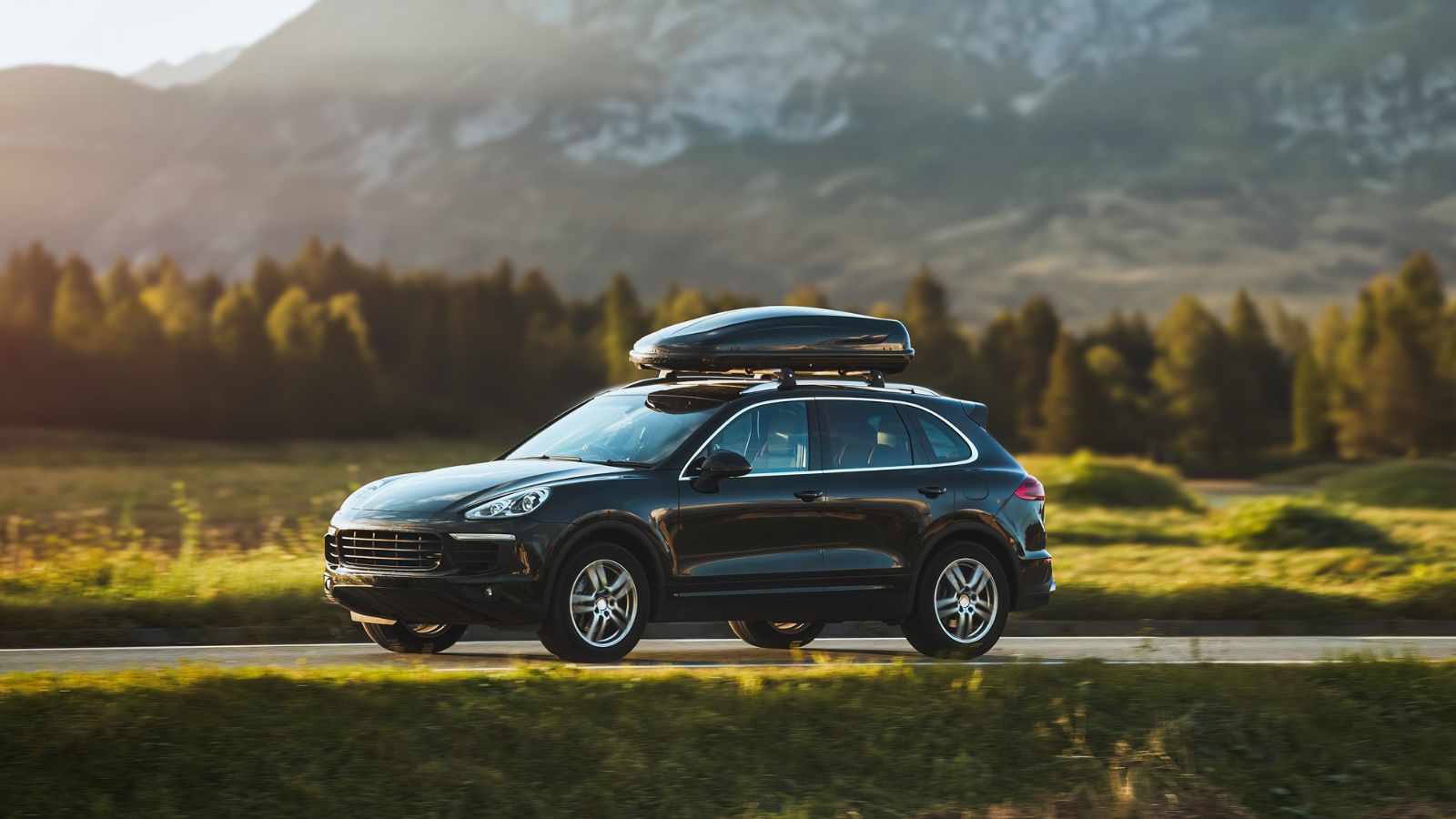
Packing for a long weekend can turn a normal vehicle into a moving storage unit. Drivers should check the vehicle’s payload rating, roof-rack limits, hitch rating, and trailer tongue weight before loading bikes, coolers, luggage, paddleboards, camping bins, pets, and passengers. Extra weight affects braking, handling, fuel economy, tire heat, and acceleration.
Roof loads deserve special caution because they change the vehicle’s centre of gravity and increase wind resistance. A canoe, cargo box, or stack of bikes can also create clearance problems in parkades, drive-thrus, ferries, and low branches at campsites. Trailers add another layer: lights, chains, coupler locks, tire pressure, bearings, and breakaway cables should all be checked. A few minutes of inspection can prevent a dangerous sway event or a lost-load incident on a crowded highway.
Cooling System and Air Conditioning
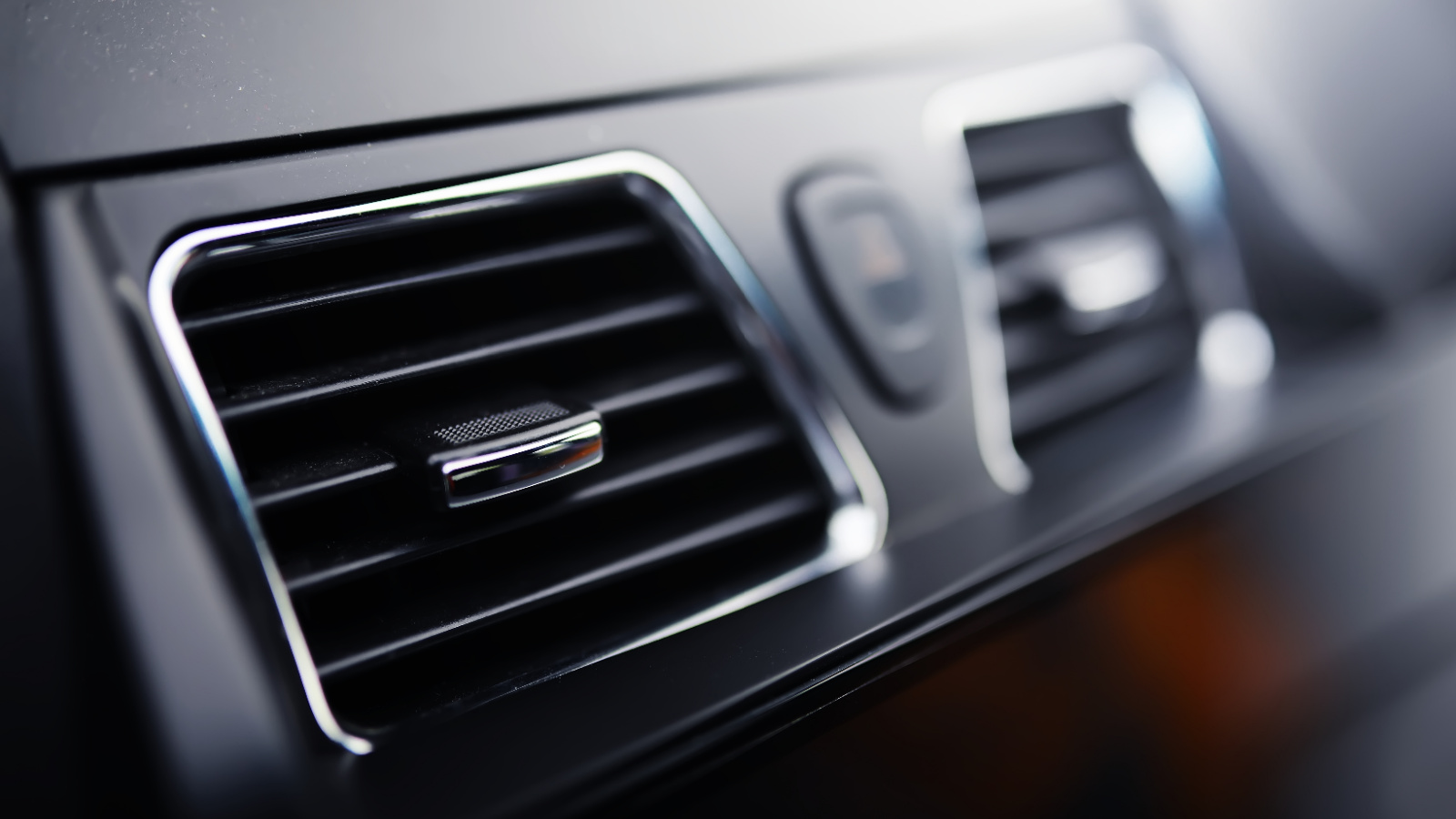
A cooling system that seems fine in city driving may struggle in holiday traffic, steep climbs, or hot weather. Drivers should check coolant level only when the engine is cool, look for leaks, watch the temperature gauge, and pay attention to sweet smells, steam, or unexplained drops in coolant. Overheating can quickly turn a road trip into a tow.
Air conditioning is not just about comfort. It helps keep drivers alert, reduces window fogging, and protects passengers during heat waves or smoke events. Pets, infants, older adults, and people with health conditions can be especially vulnerable when a vehicle becomes hot. Testing the system before departure gives time to fix weak cooling, replace a cabin filter, or adjust plans. Discovering poor airflow while stuck in long-weekend traffic is far less pleasant.
Vehicle Recalls and Recent Repairs
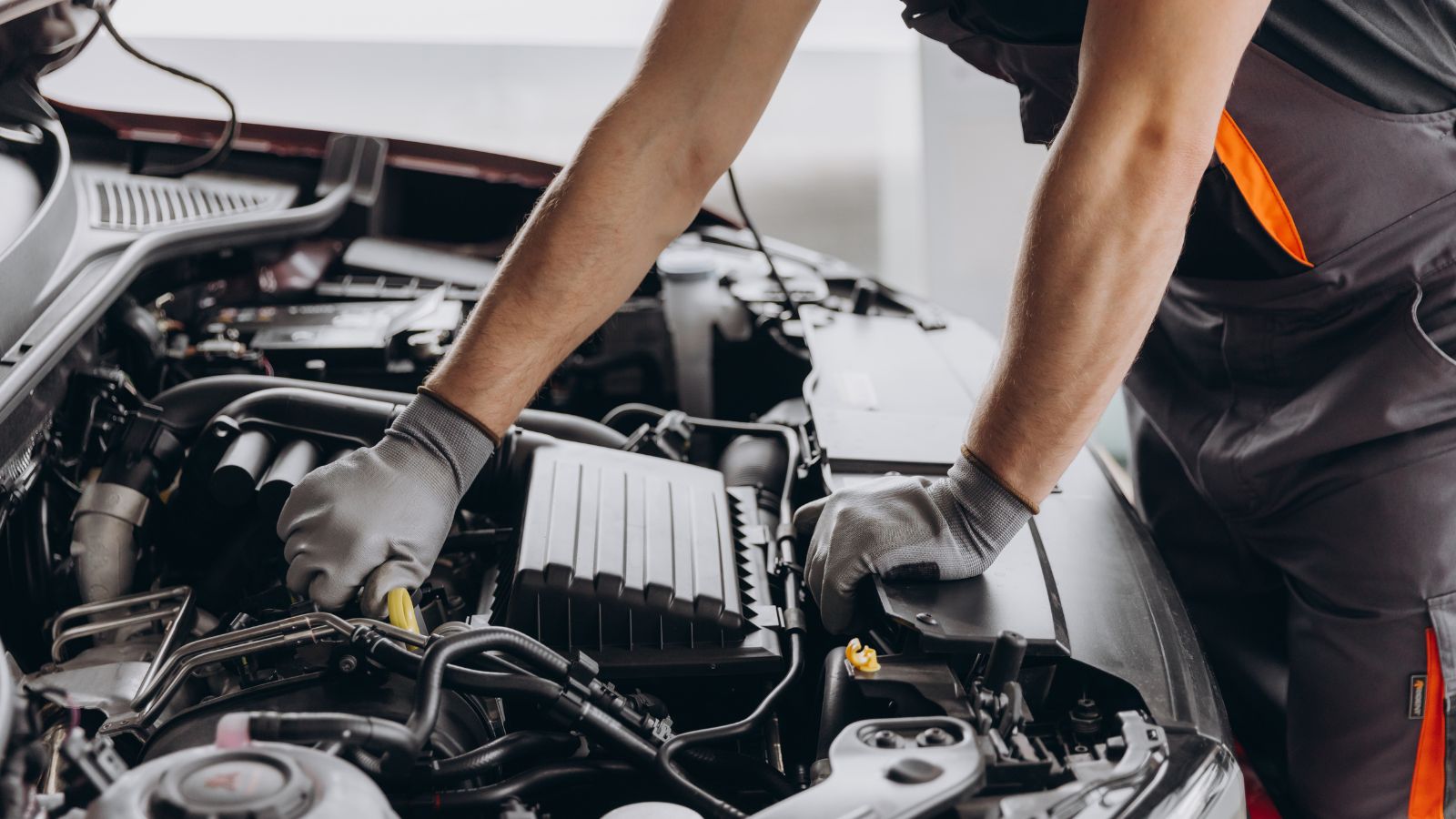
A vehicle may have an unresolved recall even if it has been driving normally. Before a long trip, drivers should check the manufacturer’s recall lookup or Transport Canada’s vehicle safety defect information using the vehicle identification number. Recalls can involve airbags, brakes, fuel systems, steering components, electrical issues, child restraints, and tires. Not every recall is urgent in the same way, but ignoring one before heavy travel is unnecessary risk.
Recent repairs should also be reviewed. If tires were changed, wheels should be torqued as recommended. If brakes were serviced, unusual sounds should be investigated. If a battery, belt, or hose was replaced, a quick visual check can catch loose connections or leaks. Many problems appear shortly after work is done, not months later. The week before a long weekend is a better time to notice them than the first hour of the trip.
Parking Security and Valuables

Road trips involve unfamiliar parking lots, scenic stops, restaurant breaks, trailheads, beaches, hotels, and ferry terminals. Drivers should remove visible valuables, lock the vehicle, avoid leaving spare keys inside, and be mindful of where the vehicle is parked overnight. Auto theft has been treated as a national concern in Canada, with government and industry sources pointing to organized theft networks and pressure on insurance costs.
Security is partly about habits. A vehicle packed with luggage advertises that the owner may be away for hours. A quick lunch stop can be enough time for a theft from auto. Keeping bags covered, parking in visible areas, using steering locks or anti-theft devices where appropriate, and not posting real-time travel plans publicly can reduce exposure. Long weekends should create memories, not insurance claims and police reports.
19 Things Canadians Don’t Realize the CRA Can See About Their Online Income

Earning money online feels simple and informal for many Canadians. Freelancing, selling products, and digital services often start as side projects. The problem appears at tax time. Many people underestimate how much information the CRA can access. Online platforms, banks, and payment processors create detailed records automatically. These records do not disappear once money hits an account. Small gaps in reporting add up quickly.
Here are 19 things Canadians don’t realize the CRA can see about their online income.
This Options Discord Chat is The Real Deal
While the internet is scoured with trading chat rooms, many of which even charge upwards of thousands of dollars to join, this smaller options trading discord chatroom is the real deal and actually providing valuable trade setups, education, and community without the noise and spam of the larger more expensive rooms. With a incredibly low-cost monthly fee, Options Trading Club (click here to see their reviews) requires an application to join ensuring that every member is dedicated and serious about taking their trading to the next level. If you are looking for a change in your trading strategies, then click here to apply for a membership.