
35,000+ smart investors are already getting financial news, market signals, and macro shifts in the economy that could impact their money next with our FREE weekly newsletter. Get ahead of what the crowd finds out too late. Click Here to Subscribe for FREE.
Summer travel often feels less expensive during the planning stage than it does after the credit card statements arrive. A cheap fare can become a costly itinerary once baggage, roaming, parking, meals, insurance gaps, exchange rates, and last-minute changes are added in. For Canadians, the effect is even sharper when cross-border shopping, currency conversion, airport rules, provincial health coverage limits, and peak-season demand all collide.
These 18 common money leaks show how ordinary travel decisions can quietly inflate the final cost of a summer getaway. Some happen before departure, others show up at the airport, on the road, at check-in, or after returning home. The amounts may look small one by one, but together they can turn a carefully planned trip into a much more expensive memory.
Booking Flights Before Comparing the Full Fare
18 Ways Canadians Waste Money on Summer Travel Without Realizing It
- Booking Flights Before Comparing the Full Fare
- Waiting Too Long to Book Peak-Season Accommodation
- Ignoring Foreign Transaction Fees
- Paying Roaming Fees Out of Habit
- Skipping Travel Medical Insurance
- Forgetting Cancellation and Change Rules
- Renting a Car Without Checking the Total Cost
- Overpacking and Paying Baggage Fees
- Buying Airport Food and Drinks Without Planning
- Assuming Cross-Border Shopping Is Always a Deal
- Not Checking Passport Timing Early Enough
- Choosing the Wrong Travel Dates
- Paying for Attractions Without Looking for Bundles or Free Days
- Losing Money on Poor Exchange Choices
- Forgetting Parking and Ground Transportation Costs
- Falling for Vacation Rental and Booking Scams
- Missing Out on Passenger Rights After Disruptions
- Paying for Convenience Items at the Destination
- 19 Things Canadians Don’t Realize the CRA Can See About Their Online Income

A low base fare can be misleading when the total trip cost is not compared properly. Many Canadian travellers focus on the first number they see, then discover that seat selection, checked bags, carry-ons, itinerary changes, and airport transfers make the “deal” less impressive. A family flying from Toronto to Vancouver or Calgary to Halifax can easily see the final price change once everyone needs luggage, adjacent seats, or a more convenient departure time.
The smarter comparison is not just airline versus airline, but full itinerary versus full itinerary. A flight that leaves at 6 a.m. may require an airport hotel or expensive early taxi. A cheaper connection may add meal costs and increase the risk of delays. Canadian air travel demand also shifts heavily around long weekends and school breaks, which makes timing matter. The waste happens when travellers celebrate the fare before calculating the real door-to-door cost.
Waiting Too Long to Book Peak-Season Accommodation

Summer accommodation can become expensive quickly in popular Canadian destinations, especially near national parks, beaches, festivals, and major cities. A room that looks overpriced in March may look reasonable by July when inventory tightens. Families planning Banff, Tofino, Niagara-on-the-Lake, Prince Edward County, or Old Quebec often find that the remaining options are either farther away, less flexible, or far more expensive than expected.
The hidden waste comes from assuming accommodation prices behave like regular shopping, where waiting sometimes produces discounts. In high-demand summer corridors, waiting can instead push travellers into larger rooms than needed, less convenient locations, or cancellation terms that are harder to manage. A cheaper hotel outside town may also add parking, fuel, rideshare, or transit costs. Saving $40 a night on the room can disappear quickly when each day starts with a costly commute.
Ignoring Foreign Transaction Fees

Canadians travelling outside the country often forget that every restaurant bill, hotel deposit, ride, souvenir, and attraction ticket may be converted back into Canadian dollars. Many credit cards add a foreign currency conversion charge on top of the exchange rate. The fee may look small as a percentage, but on a $3,000 summer trip it can become a noticeable extra cost.
The waste is especially easy to miss because it does not always appear as a separate line at the cash register. It shows up later on the statement, blended into the posted Canadian-dollar amount. Travellers may also accept “dynamic currency conversion,” where a foreign merchant offers to charge in Canadian dollars at checkout. That can feel familiar, but it may come with a less favourable exchange rate. For frequent cross-border or overseas travellers, using the wrong card can quietly erase rewards points.
Paying Roaming Fees Out of Habit

Mobile roaming is one of the easiest summer travel costs to underestimate. A phone connects automatically, maps load in the background, messages sync, and photos back up without much thought. By the time the traveller notices, daily roaming passes or pay-per-use data may already be active. Canadian wireless rules include consumer protections, but those protections do not make roaming free.
The waste often happens when travellers use the same phone behaviour abroad that they use at home. Streaming short videos, uploading vacation photos, checking restaurant menus, and navigating with live traffic can burn through data fast. Even domestic travel can create surprises near border regions if a phone accidentally connects to a U.S. network. Downloaded maps, hotel Wi-Fi, travel eSIMs, and temporary add-ons can all reduce the risk, but only if arranged before the first day of travel.
Skipping Travel Medical Insurance

Some Canadians assume provincial or territorial health coverage follows them fully when they leave Canada. That assumption can become expensive. Public health plans may cover little or none of the cost of medical care outside the country, and foreign hospitals may require payment arrangements immediately. Even a short cross-border trip for shopping, a concert, or a beach weekend can create financial exposure if an injury or illness happens.
The waste is not only the possibility of a large bill. It is also paying for weak or duplicated coverage without reading what is included. Some credit cards include travel insurance, but coverage can depend on age, trip length, how the trip was paid for, pre-existing conditions, and whether the destination is under a travel advisory. A traveller who buys the cheapest policy without checking exclusions may discover too late that the protection does not match the trip.
Forgetting Cancellation and Change Rules
A flexible summer plan can become expensive when the booking itself is not flexible. Flights, hotels, campsites, car rentals, tours, and vacation rentals often have different cancellation windows. A traveller may assume that cancelling “a few days ahead” is safe, only to learn that the refund deadline passed a week earlier or that only a credit, not cash, is available.
This waste often shows up when weather, wildfire smoke, illness, work schedules, or family obligations disrupt plans. A couple booking a lake cabin may pay less for a non-refundable rate, then lose hundreds when a child’s camp schedule changes. Parks, campgrounds, and attractions may also charge transaction, change, or cancellation fees. The cheapest upfront option is not always the cheapest real option when summer plans are uncertain.
Renting a Car Without Checking the Total Cost

A rental car quote can look manageable until taxes, airport surcharges, insurance options, additional drivers, young-driver fees, fuel rules, mileage limits, and drop-off charges appear. Canadians flying into another province or country may also underestimate how much parking, tolls, and gas will add. In some destinations, the daily rental rate is only the beginning of the transportation bill.
The waste is most common when travellers book quickly because inventory appears limited. They may accept airport pickup even when an off-airport location is cheaper, or choose a larger vehicle “just in case” even though it costs more to fuel and park. Insurance is another trap: some travellers buy coverage they already have through a credit card or auto policy, while others decline coverage without confirming whether they are protected. Either mistake can be costly.
Overpacking and Paying Baggage Fees

Packing too much often begins with good intentions. Summer weather can be unpredictable, especially when a Canadian trip includes city stops, beaches, hikes, and cooler evenings. But extra outfits, backup shoes, sports gear, and full-size toiletries can turn into checked-bag charges, overweight fees, and awkward transportation costs. A bag that seemed harmless at home can become expensive at the airport counter.
The hidden cost does not stop with airlines. Heavy luggage can make public transit harder, push travellers toward taxis, or require larger rental cars. It can also slow down connections and create stress if a bag is delayed. Many travellers pay to bring items they could have borrowed, rented, or bought cheaply at the destination. A tighter packing list, shared family items, and laundry access can save more than the fee itself.
Buying Airport Food and Drinks Without Planning

Airport spending is one of the most predictable travel leaks. A delayed flight, a long security line, or an early departure can turn into expensive coffee, bottled water, snacks, and meals. A family that skips breakfast at home may spend the equivalent of a restaurant dinner before boarding. Once past security, choices are limited and prices often reflect convenience.
The waste comes from treating airport purchases as unavoidable. Empty refillable bottles, packed snacks that meet security rules, and a meal before leaving home can reduce impulse spending. This matters even more when flying with children, because delays create hunger faster than schedules predict. The same pattern happens on road trips at highway service centres, where a quick stop can become drinks, chips, fast food, and forgotten essentials at premium prices.
Assuming Cross-Border Shopping Is Always a Deal

Canadians often build U.S. shopping into summer travel, especially near border cities and outlet malls. The savings can be real, but they are not automatic. Currency conversion, foreign transaction fees, state taxes, fuel, parking, duties, and Canadian tax rules can change the math. A discounted pair of shoes may not be cheaper once the full cost is counted.
The biggest mistake is forgetting personal exemption rules. The amount travellers can bring back without duties and taxes depends on how long they were outside Canada. Short trips offer limited relief, and goods must generally be for personal or household use. When shoppers exceed the allowance, the final cost can surprise them at the border. The practical question is not “Is it cheaper in the U.S.?” but “Is it cheaper after exchange, fees, travel costs, and declaration rules?”
Not Checking Passport Timing Early Enough

Passport problems are expensive because they usually appear close to departure. A traveller may notice an expiry date too late, discover a destination expects additional validity beyond the return date, or realize a child’s passport expires sooner than an adult’s. Urgent or express services can help in some cases, but they may require in-person visits, proof of travel, and additional fees.
The waste often comes from treating passport checks as a final step rather than a booking step. Changing flights, rebooking hotels, or missing a prepaid departure can cost far more than renewing early. Some destinations also require visas or electronic travel authorizations, and those rules can vary by citizenship, route, and connection point. A five-minute document check before booking can prevent the most expensive kind of travel mistake: paying for a trip that cannot be taken.
Choosing the Wrong Travel Dates

Summer travel prices often rise around school breaks, civic holidays, Canada Day, provincial long weekends, and major events. A one-day shift can change airfare, hotel rates, rental car availability, and attraction crowds. Canadians who automatically choose Friday-to-Sunday trips may pay more because they are competing with everyone else who wants the same schedule.
The waste is not always obvious because the trip still feels normal. A hotel might be $90 more on Saturday than Thursday, or a flight might be cheaper with a Tuesday return. Travellers who have flexibility but do not test alternate dates leave money on the table. Even domestic travel can show sharp seasonal swings, with accommodation and food spending rising during busy quarters. Comparing date grids before committing can reveal savings without changing the destination.
Paying for Attractions Without Looking for Bundles or Free Days

Museums, galleries, boat tours, historic sites, amusement parks, and guided experiences can add up quickly during a summer trip. The problem is not the attraction itself; it is buying every ticket separately and at the last minute. Families may miss city passes, timed-entry discounts, resident rates, children’s pricing, transit bundles, or free-admission periods.
The waste often happens when travellers plan only the destination, not the daily rhythm. A family visiting Ottawa, Montreal, Vancouver, or Halifax may pay full price for several activities that could have been combined more affordably. In national parks and heritage settings, passes may make sense depending on the number of sites visited. Spontaneity has value, but a quick review of official attraction pages before departure can keep fun from becoming an unplanned spending spree.
Losing Money on Poor Exchange Choices
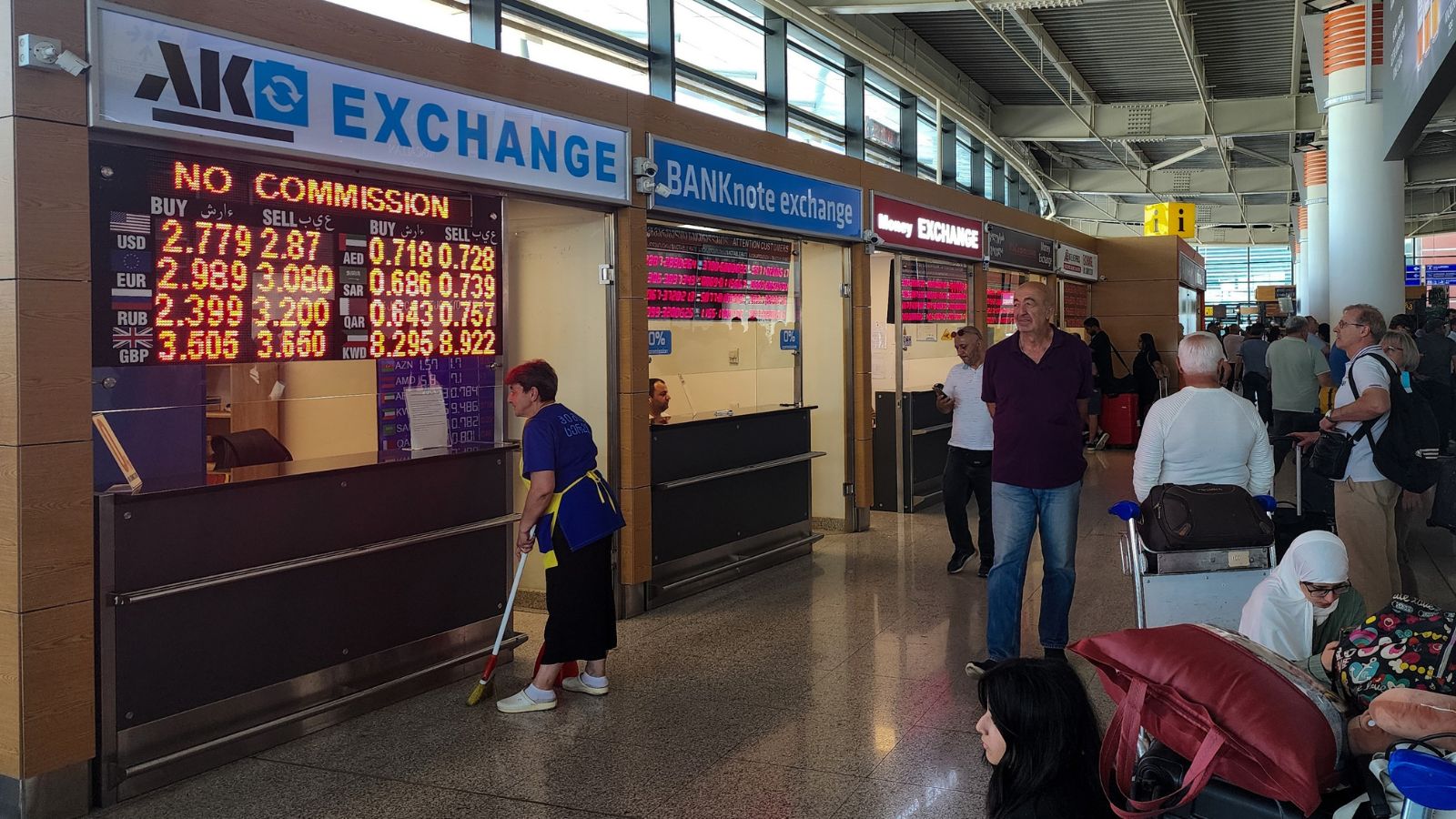
Currency exchange can quietly drain a travel budget before the trip even starts. Airport exchange counters, hotel desks, and last-minute cash withdrawals may be convenient, but convenience can come with weaker rates or extra fees. Some travellers exchange too much cash and return home with foreign bills they later convert back at another unfavourable rate.
The waste is especially common when Canadians travel to the United States, Europe, Mexico, or the Caribbean and try to avoid card fees by relying only on cash. Cash is useful, but too much of it creates risk and friction. Using reputable exchange options, understanding ATM fees, and avoiding credit-card cash advances can make a meaningful difference. The goal is not to chase a perfect rate, but to avoid repeatedly paying for poor timing and convenience.
Forgetting Parking and Ground Transportation Costs

A summer trip can begin with a surprisingly expensive parking bill. Airport parking, downtown hotel parking, ferry terminal lots, event parking, and beach-area meters can cost far more than expected. Some hotels advertise attractive room rates but charge separately for parking, valet service, or in-and-out access. In major Canadian cities, a car can become a daily liability rather than a convenience.
The hidden waste is failing to compare transportation styles. A rental car may be useful for a rural route but unnecessary for a city weekend. A hotel outside downtown may look cheaper until daily parking and transit are added. For airport departures, rideshare, public transit, hotel park-and-fly packages, or a friend’s drop-off may beat long-term parking. Ground transportation is often treated as an afterthought, but it can decide whether the trip budget holds.
Falling for Vacation Rental and Booking Scams

Summer demand creates perfect conditions for fake listings and suspicious booking messages. A beautiful cottage, condo, or beach rental priced below market can tempt travellers to rush. Scammers may copy real photos, pressure people to pay outside the platform, or send convincing messages that appear connected to legitimate reservations. The loss can be devastating because it often includes both money and the place to stay.
The waste is not only falling for an obvious scam. It can also mean ignoring small warning signs because the traveller is afraid of losing the deal. Off-platform payment requests, unusual urgency, vague addresses, poor communication, and listings that cannot be verified should slow the process down. Booking through reputable channels, checking reviews carefully, and contacting properties through official methods can prevent a bargain from becoming the most expensive part of the trip.
Missing Out on Passenger Rights After Disruptions

Flight delays, cancellations, denied boarding, and baggage problems can cost travellers real money. Meals, hotels, replacement clothing, missed connections, and extra transportation may appear suddenly. Some Canadians absorb those costs without checking whether they are entitled to assistance, refunds, rebooking, or compensation under air passenger rules.
The waste often happens after a stressful travel day, when people are tired and just want to get home. Receipts get lost, emails are deleted, and complaint deadlines are forgotten. Not every disruption leads to compensation, because the rules depend on the airline, cause, timing, and circumstances. Still, travellers who keep records, save receipts, and read the airline’s written explanation are in a stronger position. Walking away without checking rights can leave legitimate money unclaimed.
Paying for Convenience Items at the Destination

Sunscreen, insect repellent, chargers, reusable bottles, rain ponchos, beach towels, medication, and basic toiletries often cost more in tourist zones. Forgetting one or two items is normal, but repeatedly buying everyday essentials at resort shops, airports, ferry terminals, or theme-park stores adds up. A $12 bottle of sunscreen here and a $25 phone cable there can quietly become a meaningful expense.
This waste is common because travellers underestimate how much small inconvenience purchases matter. A family arriving at a lakeside cabin without bug spray may pay whatever the nearest shop charges. A road trip without a cooler may lead to more restaurant stops and wasted groceries. The solution is not overpacking; it is packing the small things that are expensive to replace. A short essentials checklist can protect the budget without filling another suitcase.
19 Things Canadians Don’t Realize the CRA Can See About Their Online Income

Earning money online feels simple and informal for many Canadians. Freelancing, selling products, and digital services often start as side projects. The problem appears at tax time. Many people underestimate how much information the CRA can access. Online platforms, banks, and payment processors create detailed records automatically. These records do not disappear once money hits an account. Small gaps in reporting add up quickly.
Here are 19 things Canadians don’t realize the CRA can see about their online income.
This Options Discord Chat is The Real Deal
While the internet is scoured with trading chat rooms, many of which even charge upwards of thousands of dollars to join, this smaller options trading discord chatroom is the real deal and actually providing valuable trade setups, education, and community without the noise and spam of the larger more expensive rooms. With a incredibly low-cost monthly fee, Options Trading Club (click here to see their reviews) requires an application to join ensuring that every member is dedicated and serious about taking their trading to the next level. If you are looking for a change in your trading strategies, then click here to apply for a membership.