35,000+ smart investors are already getting financial news, market signals, and macro shifts in the economy that could impact their money next with our FREE weekly newsletter. Get ahead of what the crowd finds out too late. Click Here to Subscribe for FREE.
Travel plans often fall apart over small details rather than dramatic emergencies. A passport with too little validity left, a forgotten child consent letter, a carry-on packed with oversized liquids, or a souvenir that should have been declared can turn an easy trip into a costly delay. For Canadians, travel rules do not stop at the airport gate; they follow travellers through border crossings, customs halls, rental counters, cruise terminals, and return flights home.
These 20 Canadian travel rules highlight the overlooked requirements that can interrupt a vacation, trigger fines, cause missed departures, or leave families stranded at check-in. The risk is rarely ignorance of travel itself. More often, it is assuming that familiar destinations, short trips, or “minor” items are exempt from rules that officials and airlines still enforce.
Passport Validity Can Matter Even Before the Trip Starts
20 Canadian Travel Rules That Can Ruin a Vacation If Ignored
- Passport Validity Can Matter Even Before the Trip Starts
- Dual Citizens May Need a Canadian Passport to Fly Home
- Children Travelling With One Parent May Need Consent Documents
- Visa and Electronic Authorization Rules Change by Destination
- Travel Advisories Can Affect Safety, Insurance, and Decisions
- Travel Insurance Is Not Replaced by Provincial Health Coverage
- Prescription Medication Must Be Legal and Properly Packed
- Cannabis Cannot Cross the Canadian Border
- Food, Plants, and Animal Products Must Be Declared
- Cash and Monetary Instruments Over CAN$10,000 Must Be Declared
- Personal Exemptions Do Not Cover Every Shopping Haul
- Carry-On Liquids Still Follow the 100 ml Rule
- Airline Carry-On and Checked Baggage Rules Are Not Universal
- Air Passenger Rights Have Deadlines and Conditions
- Pet Travel Paperwork Can Decide Whether an Animal Boards
- NEXUS Privileges Can Be Lost Over Rule Violations
- U.S. Trips Still Have Length-of-Stay and Entry Rules
- Travelling for Medical Care Abroad Carries Coverage Risks
- Medical Devices and Mobility Aids Need Advance Planning
- Local Laws Abroad Apply Even When They Differ From Canada’s
- 19 Things Canadians Don’t Realize the CRA Can See About Their Online Income

A Canadian passport is more than identification; it is the document most widely accepted for proving the right to return to Canada and for entering foreign countries. The problem is that “not expired yet” does not always mean “valid enough.” Some destinations require a passport to remain valid for months beyond the planned departure date, and airlines may check that rule before allowing boarding. A family heading out for a one-week holiday can still be stopped at check-in if the destination requires extra validity.
This rule often catches travellers who renew only when a passport is close to expiry. The risk rises for cruises, multi-country trips, and connecting itineraries, where each destination or transit country may apply its own rules. A passport that works for one vacation may fail for another. The safest habit is to check destination entry and exit requirements before booking, not the night before departure.
Dual Citizens May Need a Canadian Passport to Fly Home
Dual citizenship can feel like a convenience until the wrong passport is used for the wrong flight. Canadians with dual citizenship generally need a valid Canadian passport to board a flight to Canada. That can surprise travellers who hold another country’s passport and assume it will be enough because it is valid, familiar, or easier to renew.
The rule becomes especially important for Canadians living abroad or families with children who inherited citizenship from parents. A traveller may leave Canada using one passport, visit relatives overseas, and then face trouble when trying to return by air. Dual Canadian-American citizens may also need to think about both systems because U.S. rules require U.S. citizens to enter the United States using a U.S. passport. The practical lesson is simple: passport strategy matters before tickets are purchased, especially for dual-citizen households.
Children Travelling With One Parent May Need Consent Documents

Family travel can become complicated when a child is travelling without both parents or legal guardians. Canadian authorities recommend a signed consent letter when a child travels abroad alone, with only one parent, with relatives, or with a group. Airlines and border officials may ask questions to prevent child abduction or custody disputes, even when the trip is routine.
This rule can affect divorced parents, grandparents taking children on vacation, school trips, sports teams, and families where one parent is joining later. A missing consent letter does not always mean the trip ends immediately, but it can cause stressful delays while officials verify permission. In a busy airport, that delay can be enough to miss a flight. The letter should match the itinerary, identify the child and accompanying adult, and include contact information for the non-travelling parent or guardian.
Visa and Electronic Authorization Rules Change by Destination

Many Canadians are used to travelling visa-free to popular destinations, but that habit can create problems when rules change or when the purpose of travel is not simple tourism. Some countries require visas, electronic travel authorizations, biometrics, arrival cards, or online forms completed before departure. Airlines may refuse boarding if required documents are missing, even if the traveller believes everything can be sorted out after arrival.
The details matter. Business meetings, volunteering, study, remote work, long stays, or multiple entries may trigger different requirements than a normal holiday. Transit stops can also create obligations, especially when changing airports or passing through immigration. The most expensive version of this mistake happens when flights, hotels, and tours are prepaid but the traveller is denied boarding. Checking destination requirements directly before booking protects more than paperwork; it protects the entire vacation budget.
Travel Advisories Can Affect Safety, Insurance, and Decisions

Government travel advisories are not just warnings for extreme situations. They can signal changing risks such as civil unrest, crime, natural disasters, health threats, or transportation disruptions. For Canadians abroad, these advisories are the official source of destination-specific safety information and can change quickly. Ignoring them may leave travellers unprepared for conditions that are already known to authorities.
The financial side can be just as important. Some insurance policies may limit coverage when a traveller visits a destination or region under a high-level warning. Even when coverage is not affected, an advisory can help families decide whether to change plans, avoid certain areas, or register travel details. A beach resort may still be operating while nearby roads, demonstrations, or local emergencies create real complications. Checking advisories is less about fear and more about avoiding avoidable surprises.
Travel Insurance Is Not Replaced by Provincial Health Coverage

A provincial or territorial health card should not be treated as travel insurance. Medical care outside Canada can be expensive, and Canadian public health plans may cover little, nothing, or not pay upfront. Hospitals abroad may require immediate payment, and emergency evacuation can create bills large enough to reshape a family’s finances.
This rule matters even on short trips to familiar places. A weekend across the border, a cruise stop, or a quick sun vacation can still involve injury, illness, or hospitalization. Travel insurance also varies by policy: medical coverage, trip interruption, cancellation, baggage, and pre-existing condition rules are not the same thing. The common mistake is buying the cheapest policy without reading exclusions. A proper check includes destination, activities, medical history, trip cost, and whether coverage continues if the itinerary changes.
Prescription Medication Must Be Legal and Properly Packed

A medication that is legal in Canada may be restricted, controlled, or illegal in another country. Travellers are responsible for confirming whether their prescriptions, over-the-counter drugs, supplements, or medical products can be brought into the destination. This is especially important for pain medication, ADHD medication, sleep aids, cannabis-derived products, injectables, and anything containing controlled substances.
Packing also matters. Medication should generally remain in original labelled containers, with copies of prescriptions and enough supply for the trip plus possible delays. A traveller who pours pills into a weekly organizer may save space but lose the label that explains what the medication is and who it belongs to. At customs, that can turn a routine inspection into a long explanation. For people with chronic conditions, carrying medication in hand luggage also reduces the risk of losing essential treatment with checked baggage.
Cannabis Cannot Cross the Canadian Border

Cannabis is legal in Canada, but it is not legal to carry it across the Canadian border without proper authorization. This includes entering Canada with cannabis, leaving Canada with cannabis, and carrying products that contain cannabis or cannabis-derived ingredients. The rule applies regardless of whether the destination also has legal cannabis.
This catches travellers because the item may look ordinary: gummies, oils, capsules, creams, vape cartridges, or CBD products. A passenger may buy something legally in Canada and forget it in a backpack before flying internationally. At the border, “it was legal where purchased” is not a defence. Not declaring cannabis can lead to seizure, penalties, arrest, or prosecution. The safest approach is to keep cannabis and cannabis products away from luggage used for any international trip, including quick cross-border drives.
Food, Plants, and Animal Products Must Be Declared

A sandwich, fruit, seeds, meat snack, wooden souvenir, or handmade wreath can become a border problem if it is not declared. Canada requires travellers to declare food, plants, animals, and related products because they can carry pests, diseases, or invasive species. The rule is broader than many travellers expect and applies even to small quantities or gifts.
The consequences can include seizure, delays, fines, or prosecution. The embarrassing version is a traveller trying to explain an undeclared apple or sausage after a dog flags the bag. The expensive version involves regulated products that require permits or inspection. Declaring does not automatically mean an item will be refused; it gives officers a chance to decide. The risky move is hiding or forgetting it. When in doubt, declare it and let officials make the call.
Cash and Monetary Instruments Over CAN$10,000 Must Be Declared

Travellers entering or leaving Canada must declare currency or monetary instruments totalling CAN$10,000 or more. This does not only mean Canadian bills. It can include foreign currency, bank drafts, cheques, money orders, or other negotiable instruments. The money is not illegal simply because it crosses the threshold, but failing to report it can create serious trouble.
This rule can surprise families travelling together for weddings, property purchases, gambling trips, or extended stays abroad. A person carrying funds for relatives may not think of the total as “theirs,” but border reporting rules still matter. Officers may seize undeclared funds, and recovering them can involve paperwork, penalties, and delay. The simple fix is transparency: know the total value, keep records, and declare when required. It is a reporting rule, not a tax on travelling with savings.
Personal Exemptions Do Not Cover Every Shopping Haul

Duty-free does not mean consequence-free. Canadians returning from abroad may qualify for personal exemptions depending on how long they were away, but those exemptions have limits and conditions. Goods above the allowance may be subject to duties and taxes. Alcohol and tobacco have separate limits, and some products remain restricted or prohibited regardless of price.
This rule often affects cross-border shoppers and vacationers returning with electronics, clothing, jewellery, luxury goods, or gifts. A traveller may assume that removing tags or mixing purchases into luggage makes them “personal,” but border officers can ask for receipts and compare declarations. Understating values can create bigger problems than simply paying what is owed. The smarter approach is to keep receipts, calculate totals before reaching the booth, and make a complete declaration. A bargain can quickly become less attractive when penalties enter the picture.
Carry-On Liquids Still Follow the 100 ml Rule

Airport security rules for liquids, aerosols, and gels remain one of the most common sources of frustration. In Canadian screening, containers in carry-on baggage generally must be 100 ml or 100 g or less and fit into a clear, resealable one-litre bag. Larger containers can be confiscated even if they are half-empty because the container size is what matters.
The rule applies to obvious toiletries, but also to items travellers forget are liquids or gels: sunscreen, maple syrup, perfume, snow globes, sauces, lotions, and some foods. A vacation souvenir bought before security can disappear at the checkpoint. Duty-free liquids may be accepted when properly sealed in official security bags with receipts, but connecting flights can complicate that. The safest packing plan separates checkpoint-friendly items from checked-bag items before leaving home.
Airline Carry-On and Checked Baggage Rules Are Not Universal
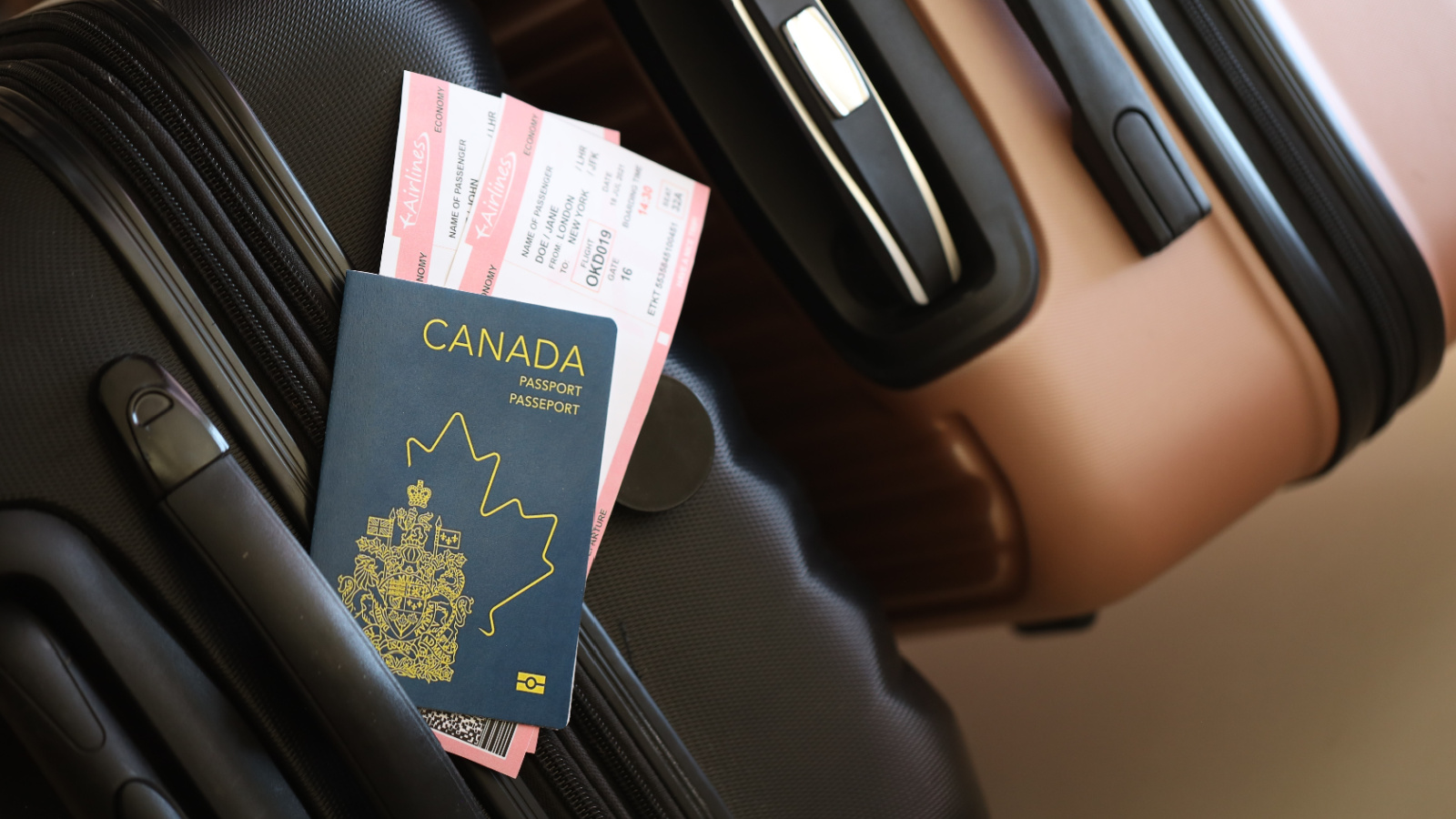
A bag that worked on one airline may fail on another. Canadian carriers publish specific carry-on and checked baggage size rules, and enforcement can be strict during full flights or busy travel periods. A roller bag that seems standard may exceed dimensions once wheels, handles, or bulging pockets are counted.
Checked baggage has its own trap: weight and combined dimensions. Many airlines use a 23 kg or 50 lb checked-bag limit, and overweight or oversized fees can stack quickly. The most frustrating version happens at the airport scale, when shifting items between bags becomes a public puzzle. Basic fares can also carry different baggage conditions than more flexible tickets. Before packing, travellers should check the airline operating each leg, not just the company that sold the itinerary. Code-share flights can make that distinction important.
Air Passenger Rights Have Deadlines and Conditions

Canada’s Air Passenger Protection framework gives travellers rights in cases such as delays, cancellations, denied boarding, and lost or damaged baggage, but those rights are not automatic in every situation. Compensation depends on factors such as airline size, cause of disruption, length of delay, and whether the event was within the airline’s control. Travellers may also need to file claims in writing within required timelines.
This matters because many passengers walk away after a bad airport day without documenting what happened. Boarding passes, delay notices, baggage reports, receipts, and screenshots can become important later. For denied boarding, compensation can be significant when the airline is responsible, but rules differ from weather or safety-related disruptions. Knowing the process does not prevent the vacation problem, but it can prevent a second loss after the trip by preserving the right to claim what is owed.
Pet Travel Paperwork Can Decide Whether an Animal Boards

Travelling with a pet is not as simple as buying a carrier and adding a fee. Animals entering Canada or travelling from Canada to another country may need specific documents, health certificates, rabies vaccination proof, microchip information, permits, or veterinary endorsements. Some steps must be completed within precise time windows.
The emotional cost of getting this wrong can be worse than the financial cost. A family may arrive at the airport with a healthy dog or cat and still be refused because paperwork is incomplete or not endorsed correctly. Rules also vary by destination, species, age, and reason for travel. Airlines may add their own restrictions for cabin, checked, or cargo transport. Planning pet travel should begin weeks or months ahead, especially for international moves, long vacations, or destinations with strict rabies and import controls.
NEXUS Privileges Can Be Lost Over Rule Violations
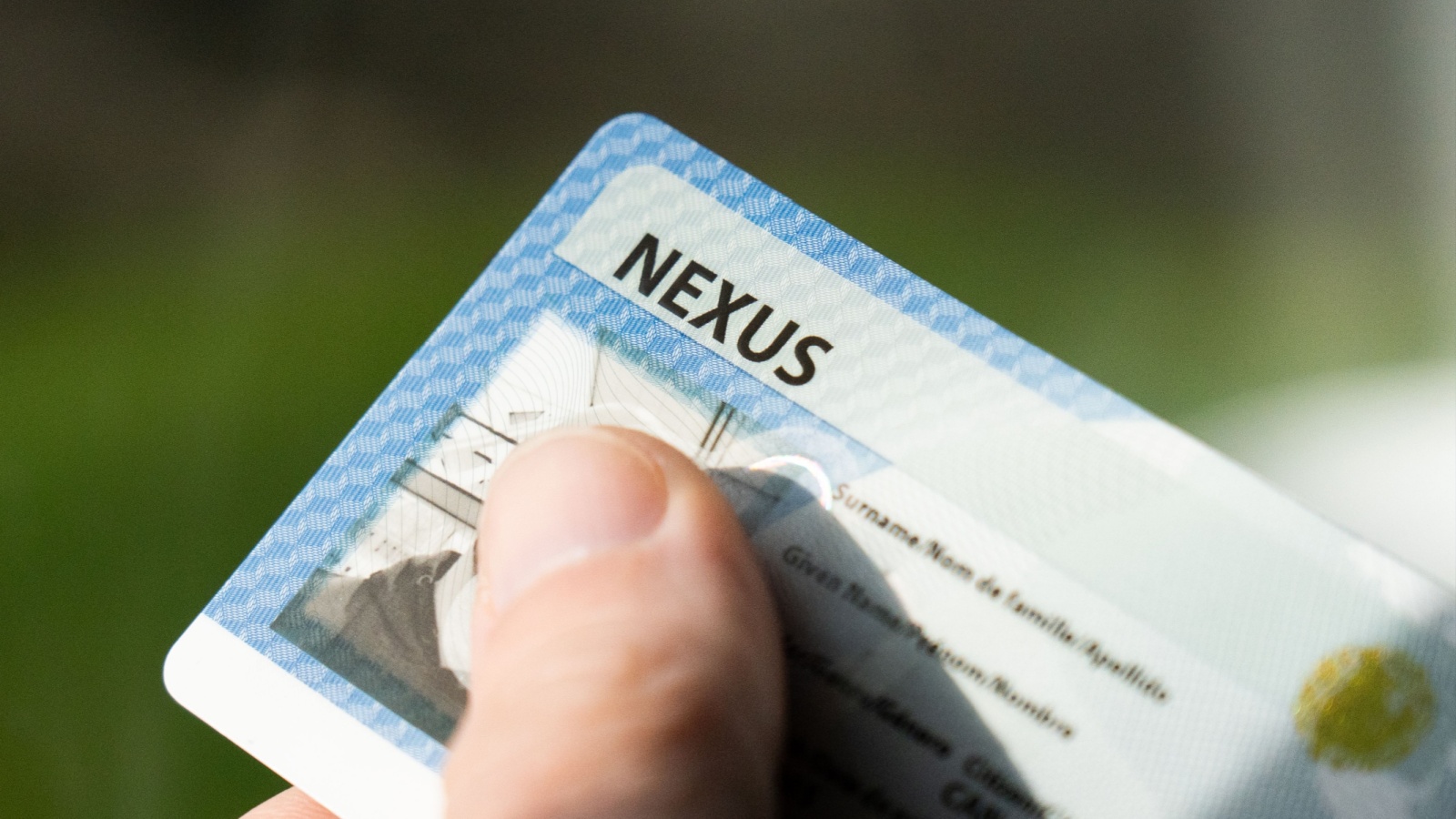
NEXUS can make border crossings faster, but it is not a shield from inspection or a shortcut around customs rules. Members are expected to follow program conditions, provide truthful information, and comply with customs, immigration, and agriculture laws. Violations can lead to reassessment or loss of membership.
The risk is that trusted-traveller habits can make routine crossings feel too casual. A member may forget to declare a small purchase, food item, or change in circumstances, assuming it is not important. For someone who crosses often for work, family, or shopping, losing NEXUS can be a serious inconvenience for years. The program works because members are considered low-risk and pre-approved. Keeping that status requires more care, not less, especially when using dedicated lanes or kiosks.
U.S. Trips Still Have Length-of-Stay and Entry Rules

For many Canadians, the United States feels familiar enough to make border rules seem informal. That is a mistake. Canadian visitors can usually stay in the United States for up to six months without a visa, but they still must satisfy U.S. officers about the purpose and length of stay. Work, study, repeated long visits, or unclear plans can raise questions.
Snowbirds, remote workers, retirees, and cross-border couples should be especially careful. A traveller who spends months in the United States every year may need records showing ties to Canada, return plans, and financial support. Bringing work equipment or saying the wrong thing about “working while away” can create complications if the activity does not match visitor status. The border interview is not a formality; it is the point where permission is granted or refused.
Travelling for Medical Care Abroad Carries Coverage Risks

Medical tourism can look affordable until complications occur. Canadians who travel outside the country for planned procedures may find that provincial health plans do not cover costs abroad, and many travel insurance policies exclude planned medical treatment or complications related to it. Follow-up care, emergency evacuation, infection, or an extended stay can make the final bill much higher than expected.
This rule applies to dental work, cosmetic surgery, fertility treatments, bariatric procedures, and other planned care. A clinic may advertise package pricing that includes the procedure and hotel, but not every medical risk that follows. Travellers also need to consider language barriers, regulation, medical records, and whether a Canadian doctor will be available for aftercare. A lower upfront price is not the same as lower total risk. Medical travel requires a more serious checklist than ordinary vacation planning.
Medical Devices and Mobility Aids Need Advance Planning

Travellers with medical devices, mobility aids, oxygen equipment, CPAP machines, syringes, batteries, or assistive devices should not assume airport and airline rules will sort themselves out at check-in. Medical supplies and mobility aids may receive special treatment, but carriers can require advance arrangements, documentation, battery information, or specific packing procedures.
The rule is especially important for battery-powered wheelchairs and mobility scooters because lithium batteries and device handling can affect aircraft safety. A traveller who arrives without notifying the airline may face delays while staff determine whether the equipment can be carried. Screening can also take longer when devices cannot be removed or when medication and supplies need inspection. Planning ahead protects dignity as well as timing. A smooth trip often depends on calling the carrier before departure and carrying medical documentation in an accessible place.
Local Laws Abroad Apply Even When They Differ From Canada’s

Canadians abroad are subject to local laws, even when those laws feel unfamiliar, unusually strict, or inconsistent with Canadian norms. This can involve alcohol, drugs, photography, drones, public behaviour, religious sites, dress codes, driving rules, or online speech. An act that seems minor on vacation can lead to fines, detention, deportation, or a criminal record in another country.
The human side is easy to imagine: a traveller takes a photo near a government building, flies a drone at a beach, brings a vape product into a restricted country, or drinks in a place where public alcohol rules are enforced. “Legal in Canada” does not carry much weight abroad. Travel advice pages often include local law warnings because consular officials cannot simply override another country’s justice system. Respecting local rules is part safety measure, part financial protection, and part common sense.
19 Things Canadians Don’t Realize the CRA Can See About Their Online Income

Earning money online feels simple and informal for many Canadians. Freelancing, selling products, and digital services often start as side projects. The problem appears at tax time. Many people underestimate how much information the CRA can access. Online platforms, banks, and payment processors create detailed records automatically. These records do not disappear once money hits an account. Small gaps in reporting add up quickly.
Here are 19 things Canadians don’t realize the CRA can see about their online income.
This Options Discord Chat is The Real Deal
While the internet is scoured with trading chat rooms, many of which even charge upwards of thousands of dollars to join, this smaller options trading discord chatroom is the real deal and actually providing valuable trade setups, education, and community without the noise and spam of the larger more expensive rooms. With a incredibly low-cost monthly fee, Options Trading Club (click here to see their reviews) requires an application to join ensuring that every member is dedicated and serious about taking their trading to the next level. If you are looking for a change in your trading strategies, then click here to apply for a membership.