35,000+ smart investors are already getting financial news, market signals, and macro shifts in the economy that could impact their money next with our FREE weekly newsletter. Get ahead of what the crowd finds out too late. Click Here to Subscribe for FREE.
Retirement planning often focuses on the obvious: mortgage payments, groceries, travel, and a dependable monthly income. Yet many Canadian retirees discover that the budget leaks usually come from quieter places — a dental bill, a condo special assessment, a helping hand for adult children, or the cost of staying safely at home.
These 20 Canadian retirement expenses are easy to overlook because they do not always arrive every month. Some appear only after health changes, inflation shifts, or family circumstances change. Others seem small until they repeat for years. A stronger retirement plan accounts for both the predictable bills and the irregular costs that can quietly reshape financial comfort later in life.
Home Repairs That Do Not Retire
20 Canadian Retirement Expenses People Forget to Plan For
- Home Repairs That Do Not Retire
- Property Taxes That Keep Rising
- Condo Fees and Special Assessments
- Utilities in a More Home-Based Life
- Dental Care After Workplace Benefits End
- Prescription Drug Gaps
- Vision Care, Glasses, and Eye Conditions
- Hearing Aids and Hearing Care
- Home Care and Personal Support
- Long-Term Care Co-Payments
- Accessibility Renovations
- Transportation After Driving Becomes Harder
- Vehicle Repairs and Insurance
- Travel Medical Insurance
- Groceries for Special Diets
- Inflation on Everyday Services
- Taxes on Retirement Income
- Supporting Adult Children or Grandchildren
- Technology, Security, and Digital Access
- Pet Care in Later Life
- End-of-Life and Estate Costs
- 19 Things Canadians Don’t Realize the CRA Can See About Their Online Income

A paid-off home can feel like the ultimate retirement milestone, but the house itself keeps aging. Roofs, furnaces, windows, plumbing, appliances, and decks often need replacement just as employment income disappears. A retiree who planned around having “no housing payment” may still face a five-figure repair at the least convenient time.
The challenge is that home maintenance rarely arrives in neat monthly amounts. One year may be quiet; the next may bring a failed heat pump during a January cold snap. In Canada, where freeze-thaw cycles, snow loads, and damp basements can be hard on properties, retirees benefit from treating maintenance like a permanent line item rather than an emergency surprise.
Property Taxes That Keep Rising
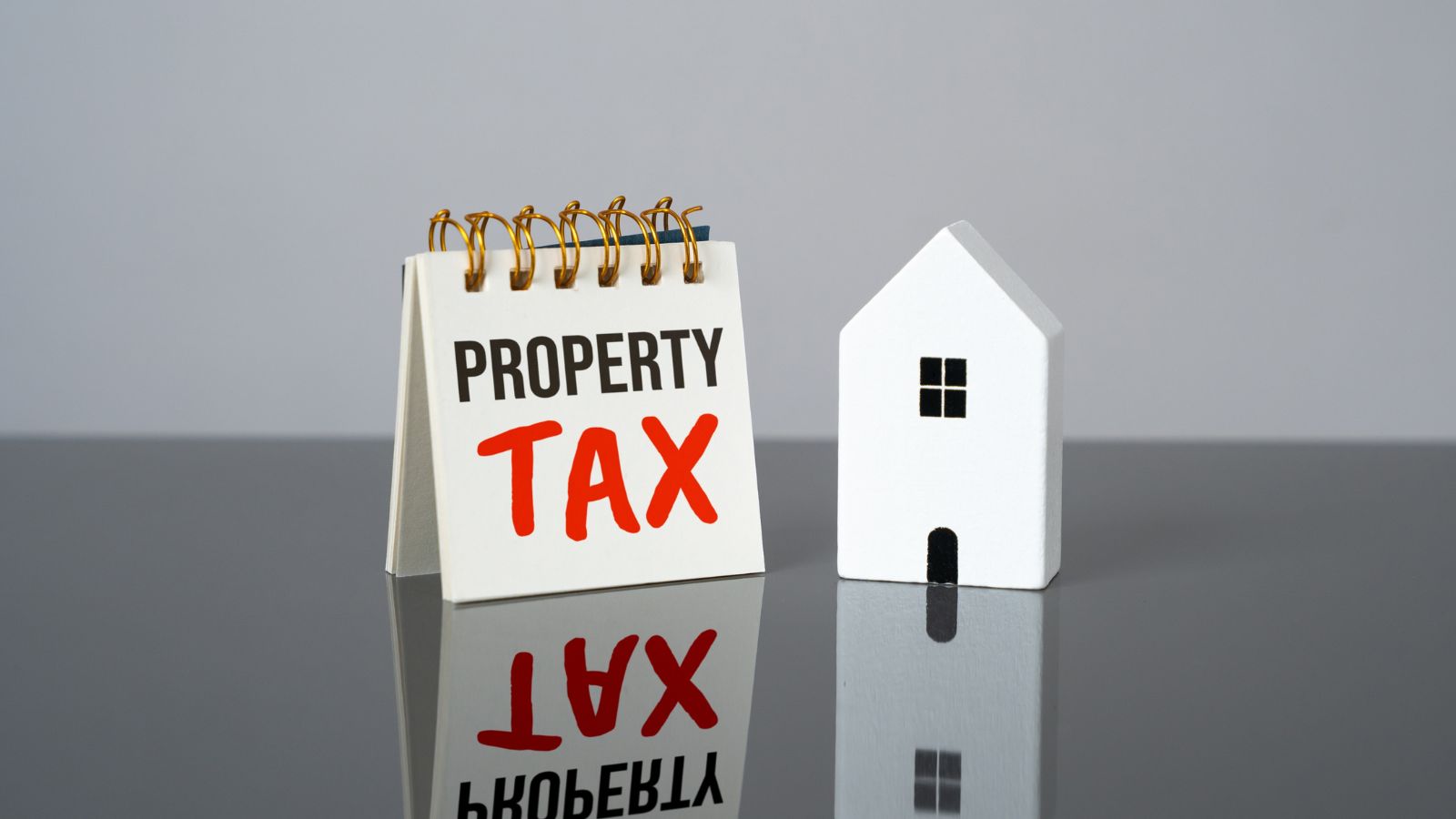
Many retirees assume housing costs will fall sharply once the mortgage is gone. Property taxes can complicate that assumption. Municipal taxes fund local services such as roads, policing, libraries, waste collection, and transit, and they can rise even when a retiree’s income stays flat.
This becomes especially noticeable for older Canadians living in communities where home values have climbed over decades. A bungalow bought years ago may now sit in a much higher assessment bracket. Even when provinces or municipalities offer deferral programs or senior relief, the bill still matters. For retirees on fixed income, property tax planning is less about one payment and more about long-term affordability.
Condo Fees and Special Assessments

Condo living can appeal to retirees who want less yard work, better security, and a simpler lock-and-leave lifestyle. Monthly condo fees, however, are not frozen in time. They can rise because of insurance, utilities, reserve fund requirements, building repairs, elevator maintenance, staffing, and inflation.
Special assessments can be the bigger shock. If a condo corporation needs major work and the reserve fund is not enough, owners may be asked to contribute thousands of dollars. A retiree who downsized to “simplify” may suddenly face a bill for windows, balconies, underground parking repairs, or a new roof. Reviewing reserve fund studies and building history matters before and after retirement.
Utilities in a More Home-Based Life

Working life often keeps people out of the house for much of the day. Retirement can reverse that pattern. More hours at home can mean more heat, air conditioning, lighting, laundry, cooking, and water use. The increase may not look dramatic month to month, but it can add up over a long retirement.
Canadian weather makes this especially relevant. Heating costs can surge during cold winters, while hotter summers can make air conditioning less optional for seniors with health concerns. Retirees who previously budgeted utilities based on working years may need to recalculate for a household that is occupied all day, every day, across changing seasons.
Dental Care After Workplace Benefits End

Dental costs are one of the most common retirement blind spots. Many Canadians rely on employer-sponsored benefits during their working years, then discover that cleanings, crowns, dentures, bridges, implants, and gum treatment can become largely out-of-pocket expenses later.
The Canadian Dental Care Plan has expanded support for eligible residents, but eligibility rules, coverage limits, coordination with private insurance, and co-payments still matter. A retired couple may not qualify exactly as expected, or may still pay part of the cost. Because dental problems can affect nutrition, speech, confidence, and general health, this category deserves more than a vague emergency cushion.
Prescription Drug Gaps

Canada’s public health-care system does not make every prescription free for every retiree. Drug coverage varies by province and territory, and out-of-pocket costs can depend on age, income, deductibles, formularies, private coverage, and the specific medication prescribed.
The surprise often arrives when a retiree develops a chronic condition and a new medication becomes part of daily life. A monthly co-pay that seems manageable can become a permanent cost, especially if several prescriptions are involved. Retirees also need to consider over-the-counter products, dispensing fees, medical supplies, and drugs not fully covered by public plans.
Vision Care, Glasses, and Eye Conditions

Vision expenses often get treated as occasional purchases, but they can become more frequent with age. Eye exams, prescription lenses, progressive glasses, specialty coatings, prescription sunglasses, and treatment-related costs can all affect a retirement budget.
Age-related vision changes can also trigger practical expenses around the home. Better lighting, magnifiers, safer stair markings, or assistive devices may become necessary to maintain independence. For someone who drives, reads medication labels, manages finances online, or lives alone, vision is not a minor lifestyle detail. It is a core part of staying safe and self-sufficient.
Hearing Aids and Hearing Care

Hearing loss can be gradual, which makes its financial impact easy to ignore until daily life becomes harder. Hearing aids, fittings, batteries or rechargeable accessories, repairs, cleaning supplies, follow-up appointments, and replacements can create recurring costs.
The human side matters as much as the invoice. Untreated hearing loss can make social gatherings exhausting and can cause retirees to withdraw from activities they once enjoyed. In a retirement plan, hearing care should be treated as a quality-of-life expense, not a luxury. A realistic budget leaves room for replacement cycles and technology upgrades over time.
Home Care and Personal Support

Many retirees hope to stay at home as long as possible, but aging in place can require paid help. Personal support workers, meal preparation, bathing assistance, medication reminders, housekeeping, respite care, and companionship services may become necessary after an illness, surgery, fall, or cognitive decline.
Publicly funded home care exists, but availability, hours, and eligibility vary. Families often fill the gaps, but not every retiree has nearby relatives with flexible schedules. Even a few paid hours each week can become a meaningful monthly cost. Planning for home care is not pessimistic; it is a practical way to preserve choice when health needs change.
Long-Term Care Co-Payments

Long-term care is often misunderstood. Government programs may subsidize care, but residents generally still contribute toward accommodation and meals. Costs differ by province, room type, and facility structure, and private options can be far more expensive than publicly subsidized spaces.
The emotional pressure around long-term care can also lead to rushed decisions. Families may choose a more expensive private room, pay for extra personal items, hire additional companions, or cover transportation to visit frequently. A retirement plan that ignores this possibility leaves a major late-life expense outside the conversation, even though the need often arises quickly.
Accessibility Renovations
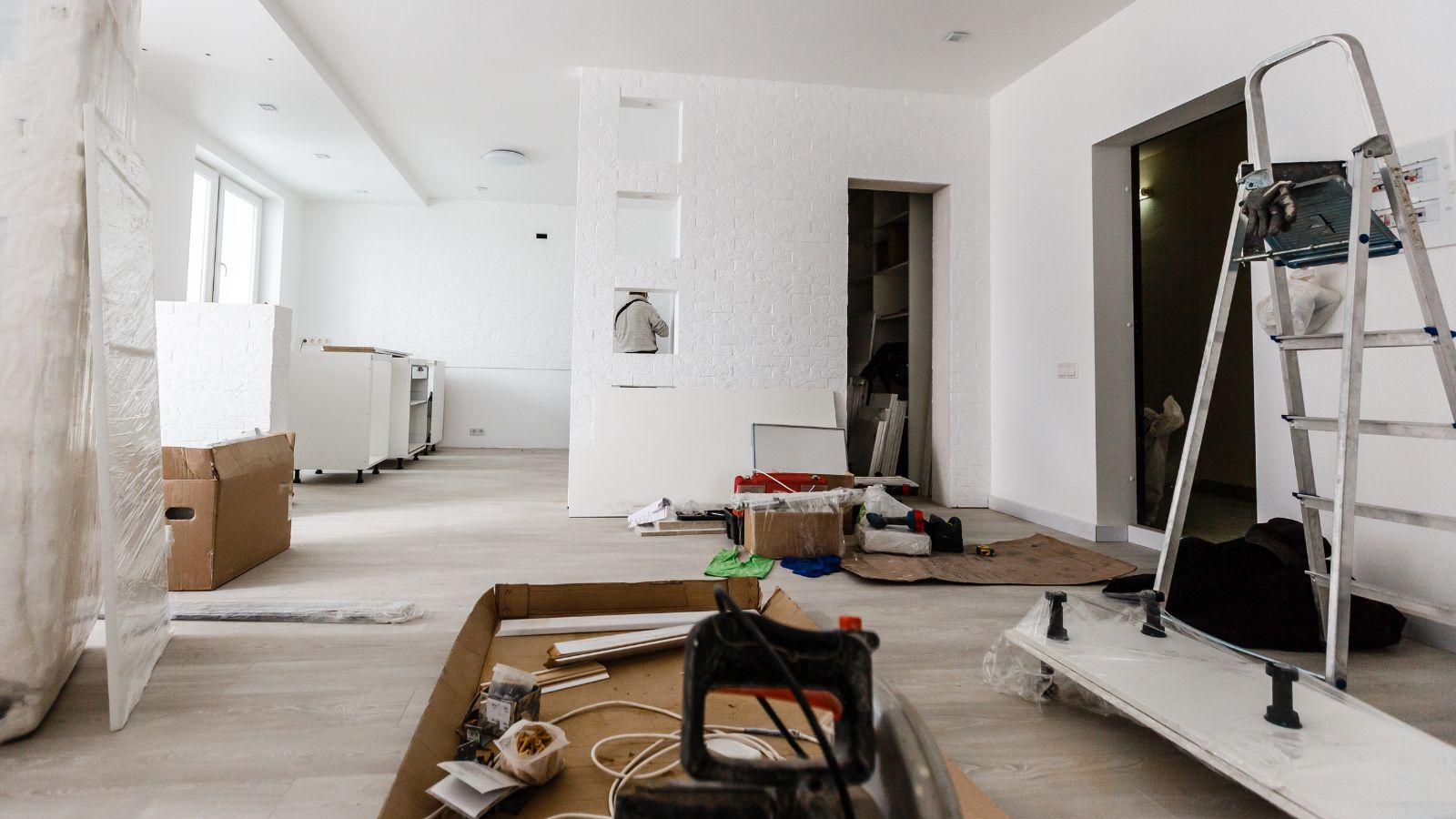
A home that worked perfectly at 62 may not work at 78. Stairs, narrow doorways, high bathtubs, slippery floors, poor lighting, and awkward laundry rooms can become safety concerns. Small changes such as grab bars and lever handles are affordable, but larger modifications can be costly.
Walk-in showers, ramps, stairlifts, widened doorways, main-floor laundry, non-slip flooring, and accessible entrances can make aging in place safer. The expense is often easier to manage when planned before a crisis. Waiting until after a fall or hospital discharge can mean limited contractor availability, rushed decisions, and higher stress for the retiree and family.
Transportation After Driving Becomes Harder

Transportation costs do not always disappear when commuting ends. In fact, they can change form. Retirees may drive less, but they may also spend more on taxis, ride-hailing, community shuttles, accessible transportation, parking at medical centres, or family mileage reimbursements.
The shift can be especially difficult in suburbs, small towns, and rural areas where public transit is limited. A person who stops driving may still need to reach medical appointments, pharmacies, grocery stores, social events, and family gatherings. Retirement planning should consider not only the cost of owning a vehicle, but the cost of independence after driving becomes less comfortable.
Vehicle Repairs and Insurance

Some retirees keep an older vehicle because it is paid off. That can be sensible, but an aging car still needs tires, brakes, batteries, oil changes, rust repairs, insurance, registration, and occasional major work. A single repair can disrupt a budget built around stable monthly spending.
Insurance may not fall as much as expected, particularly if the vehicle is still used regularly or kept in an urban area. Winter tires, roadside assistance, and seasonal maintenance add more pressure. For retirees living where a car remains essential, transportation should remain a serious line item even after the daily commute is gone.
Travel Medical Insurance

Retirement dreams often include travel, whether that means winter in Arizona, visiting grandchildren in another province, or taking a long-delayed overseas trip. Travel medical insurance can become more expensive with age, pre-existing conditions, trip length, and destination.
The risk is not just the premium. A claim can become complicated if medical history is not disclosed accurately or if a condition is considered unstable. Retirees who budget only for flights and hotels may underestimate the cost of protecting themselves properly. In some cases, a longer trip can be made financially safer by comparing coverage options before booking.
Groceries for Special Diets

Food costs are obvious, but special diets are often missed. Retirement can bring medical advice to reduce sodium, manage diabetes, increase protein, avoid certain foods, or buy easier-to-prepare meals. These changes can raise costs, especially when convenience and nutrition both matter.
A retiree living alone may also face food waste differently than a family household. Smaller portions, prepared foods, delivery fees, and specialty items can cost more per serving. Inflation has made grocery planning more important across Canada, but older adults may have less flexibility to simply work more hours or absorb repeated increases without adjusting elsewhere.
Inflation on Everyday Services

Many retirement plans use broad assumptions about inflation, but real life is uneven. Haircuts, home insurance, pet care, restaurant meals, subscriptions, internet, cellphone plans, and repair services can rise at different rates. A retiree may feel financially secure on paper while everyday bills quietly creep higher.
This is why retirement budgets need review, not just creation. A plan made at age 60 may look different at 70 after years of price changes. Since Statistics Canada’s Consumer Price Index measures a basket of goods and services over time, retirees should think beyond one headline number and watch the categories they actually use most.
Taxes on Retirement Income

Many Canadians enter retirement expecting taxes to fall, and often they do. Still, tax planning can be more complicated than expected. RRIF withdrawals, pension income, CPP, OAS, investment income, capital gains, and part-time work can interact in ways that affect the final bill.
The Old Age Security recovery tax can surprise higher-income retirees, while mandatory RRSP conversion rules at age 71 can change taxable income later in life. A retiree who withdraws too much in one year may also lose income-tested benefits or credits. Tax is not just an annual filing issue; it is a cash-flow expense that deserves planning across decades.
Supporting Adult Children or Grandchildren

Family support is one of the hardest retirement expenses to forecast because it is emotional, not just financial. Adult children may need help with rent, tuition, childcare, medical costs, divorce, job loss, or a down payment. Grandparents may also pay for activities, school supplies, travel, or emergency support.
These gifts can be meaningful and generous, but they can also undermine retirement security if they become open-ended. A retiree who gives $500 here and $1,000 there may not notice the annual total until savings are lower than expected. Planning does not require saying no to family; it requires deciding what help is sustainable.
Technology, Security, and Digital Access

Retirement increasingly requires technology. Banking, tax slips, government accounts, medical portals, prescriptions, travel bookings, and family communication often happen online. That means retirees may need to budget for internet, smartphones, device replacements, antivirus tools, password management, tech help, and occasional repairs.
Digital access also brings fraud risks. Seniors targeted by scams may spend money on credit monitoring, professional advice, replacement devices, or help recovering accounts. Even without fraud, a broken laptop or outdated phone can become a practical problem when so much of daily administration has moved online. Technology is no longer optional housekeeping; it is part of modern retirement infrastructure.
Pet Care in Later Life

Pets can provide companionship, routine, and emotional comfort in retirement. They also bring costs that can rise sharply with age — both the pet’s age and the owner’s. Veterinary visits, medications, dental cleanings, food, grooming, pet insurance, boarding, and emergency care can become significant.
The financial challenge is that pet decisions are deeply personal. A retiree may willingly pay for life-extending treatment, even when the cost is difficult. Planning ahead with a pet emergency fund, insurance review, or realistic care budget can prevent painful choices later. For many households, the pet is part of the family, and the retirement budget should reflect that reality.
End-of-Life and Estate Costs

End-of-life costs are easy to avoid discussing, but they are real. Funeral services, cremation or burial, cemetery fees, legal documents, probate-related expenses, executor costs, tax filing, and final bills can place pressure on surviving spouses or adult children.
The cost varies widely by province, service type, and personal wishes. A simple cremation is usually much cheaper than a traditional burial with a formal service, but even modest arrangements require planning. Clear instructions, updated beneficiaries, a current will, and an accessible record of accounts can reduce both financial and emotional strain for families.
19 Things Canadians Don’t Realize the CRA Can See About Their Online Income

Earning money online feels simple and informal for many Canadians. Freelancing, selling products, and digital services often start as side projects. The problem appears at tax time. Many people underestimate how much information the CRA can access. Online platforms, banks, and payment processors create detailed records automatically. These records do not disappear once money hits an account. Small gaps in reporting add up quickly.
Here are 19 things Canadians don’t realize the CRA can see about their online income.
This Options Discord Chat is The Real Deal
While the internet is scoured with trading chat rooms, many of which even charge upwards of thousands of dollars to join, this smaller options trading discord chatroom is the real deal and actually providing valuable trade setups, education, and community without the noise and spam of the larger more expensive rooms. With a incredibly low-cost monthly fee, Options Trading Club (click here to see their reviews) requires an application to join ensuring that every member is dedicated and serious about taking their trading to the next level. If you are looking for a change in your trading strategies, then click here to apply for a membership.