
35,000+ smart investors are already getting financial news, market signals, and macro shifts in the economy that could impact their money next with our FREE weekly newsletter. Get ahead of what the crowd finds out too late. Click Here to Subscribe for FREE.
A credit card can feel easy to cancel: one phone call, a cut-up piece of plastic, and one fewer bill to think about. In practice, closing an account can affect credit utilization, rewards, recurring payments, insurance coverage, and even future borrowing plans if the timing is wrong.
These 16 steps help Canadians close a card more carefully, especially when the account has been open for years, carries unused rewards, or sits behind everyday payments. A little preparation can prevent missed charges, lost points, avoidable credit-score dips, and frustrating calls after the account is already gone.
Check How the Closure Could Affect Credit Utilization
16 Things Canadians Should Do Before Cancelling a Credit Card
- Check How the Closure Could Affect Credit Utilization
- Think Twice Before Closing the Oldest Card
- Pay the Balance in Full, Including Pending Charges
- Redeem or Transfer Rewards Before Closing
- Move Recurring Payments to Another Card
- Download Statements and Tax-Relevant Records
- Check for Purchase Protection, Extended Warranty, and Travel Insurance
- Resolve Disputes and Chargebacks First
- Review Authorized Users and Supplementary Cards
- Ask About Downgrading Instead of Cancelling
- Time the Closure Around Major Borrowing Plans
- Confirm Annual Fee Timing and Possible Refunds
- Remove the Card from Digital Wallets and Shopping Accounts
- Watch for Refunds, Returns, and Merchant Credits
- Get Written Confirmation of the Closure
- Check Credit Reports After the Account Closes
- Destroy the Card and Monitor the Account
- 19 Things Canadians Don’t Realize the CRA Can See About Their Online Income

Before cancelling a card, Canadians should look at how much available credit will disappear. Credit utilization measures the amount of credit being used compared with total available limits. If a person owes $2,000 across cards with $10,000 in total limits, utilization is 20 percent. Closing a card with a $5,000 limit can suddenly make the same balance look much larger.
This matters because credit bureaus and lenders pay attention to revolving balances. A cardholder who rarely uses the account may assume cancellation has no effect, but the unused limit can still help keep overall utilization lower. Someone preparing for a mortgage renewal, car loan, or apartment application may want to pay balances down first, request a limit adjustment elsewhere, or delay closure until after the bigger application is complete.
Think Twice Before Closing the Oldest Card

An older credit card can quietly support a credit profile. Long-running accounts show lenders a history of managing credit over time, especially when payments have been made consistently. Cancelling the oldest card may not erase the past overnight, but it can reduce the strength of a file once the closed account ages off or becomes less relevant in future assessments.
This is where a no-fee downgrade can be useful. A Canadian who opened a first card in university might resent paying an annual fee years later, but the account itself may still be valuable. Asking the issuer about switching to a no-fee version can preserve the relationship, keep the credit line active, and avoid paying for perks that are no longer useful.
Pay the Balance in Full, Including Pending Charges
A card should not be treated as “done” just because the visible balance looks low. Pending transactions, foreign-exchange adjustments, interest, installment-plan charges, and merchant credits can all appear after the last regular payment. A restaurant tip, hotel deposit, or online return can change the balance days after the account seems settled.
The safest approach is to stop using the card, wait for recent purchases to post, and then pay the full statement or current balance. It is also worth asking the issuer whether any trailing interest could appear on the next cycle. A small leftover balance can become irritating quickly if it triggers interest, late-payment notices, or collection-style reminders on an account the cardholder thought was already closed.
Redeem or Transfer Rewards Before Closing

Rewards can be one of the easiest things to forget. Cash back, travel points, retail credits, companion vouchers, and anniversary bonuses may be tied to the card account rather than the customer’s general banking profile. In some programs, closing the card can mean losing unused rewards or shortening the time available to redeem them.
Before cancelling, Canadians should sign in to the rewards portal and check the rules carefully. A practical example is a travel cardholder who has enough points for a short domestic flight but closes the account before transferring them to a partner program. The better move may be redeeming for statement credit, gift cards, travel, merchandise, or transferring eligible points first. The key is to confirm the reward value before it disappears.
Move Recurring Payments to Another Card

Subscriptions have a way of hiding in plain sight. Streaming services, cloud storage, transit apps, gym memberships, charities, insurance premiums, cellphone bills, and online marketplaces may all be connected to one card. Cancelling the account before updating them can lead to failed payments, service interruptions, late fees, or awkward renewal notices.
A good method is to review the last 12 months of statements, not just the last one or two. Annual charges often appear only once, such as domain renewals, roadside assistance, tax software, or professional memberships. Once the list is complete, each payment should be moved to another card or bank account. Keeping the old card open for one more billing cycle can catch anything that was missed.
Download Statements and Tax-Relevant Records
Once an account is closed, online access may become limited or eventually disappear. That can create problems later when a person needs proof of a purchase, warranty record, charitable donation, business expense, medical travel cost, or subscription cancellation. Statements are much easier to save before the account is shut down.
This step matters even more for self-employed Canadians and anyone who uses a personal card for reimbursable expenses. A designer who bought software in March may not think about the receipt until tax time the next spring. Downloading monthly statements, annual summaries, and important receipts creates a paper trail before the portal becomes harder to access. A folder labelled by year can save hours later.
Check for Purchase Protection, Extended Warranty, and Travel Insurance

Many premium cards include insurance-style benefits, but those benefits are usually governed by detailed certificates. Purchase protection, extended warranty, trip cancellation, rental car collision coverage, mobile device insurance, and emergency travel medical coverage may depend on the card being active, the purchase being charged to that card, or the account remaining in good standing.
Before closing, Canadians should check whether any recent purchases or trips still rely on the card’s coverage. For example, cancelling a travel card right after booking a winter vacation could complicate a later claim if the insurance certificate requires an active account. A laptop bought with extended warranty coverage may also need the card documentation if it fails after the manufacturer’s warranty ends.
Resolve Disputes and Chargebacks First

If there is an unresolved dispute, cancellation can make the process messier. A merchant may still issue a refund to the original card, an issuer may need to investigate a billing error, or a chargeback may require documentation from the cardholder. Closing the account does not automatically erase the transaction history or stop the dispute process.
A common example is a cancelled hotel booking, delayed furniture delivery, or online order that never arrived. If the credit card is closed while the matter is still active, the customer may need extra calls to confirm where any credit will go. It is better to complete the dispute, save written confirmation, and ensure any refund has posted before requesting cancellation.
Review Authorized Users and Supplementary Cards

A primary cardholder may remember their own spending but forget about supplementary cards. A spouse, adult child, employee, or caregiver may have a card connected to the same account. Cancelling the primary account can affect those users immediately, especially if they rely on the card for groceries, commuting, work expenses, or emergency purchases.
Before cancelling, the primary cardholder should collect all supplementary cards and confirm that authorized users have another payment method. This step is also a chance to check whether any recurring charges are attached to those cards specifically. A parent may discover that a university student’s transit pass or meal-plan top-up is linked to the supplementary card, not the main one.
Ask About Downgrading Instead of Cancelling

Cancelling is not the only option. Many issuers allow cardholders to switch to a lower-fee or no-fee product, although the terms vary. A downgrade can help someone escape an annual fee while keeping the credit line, account history, and billing relationship intact. This can be especially useful for cards that are no longer used heavily but still support a credit profile.
The request should be specific: ask whether the account can be converted without a new credit application, whether the credit limit will remain the same, and whether rewards will transfer. A traveller who no longer needs airport lounge access may still benefit from a simpler cash-back card. The outcome may be less dramatic than cancellation, but often more practical.
Time the Closure Around Major Borrowing Plans

Credit-card cancellation deserves extra caution before major credit decisions. Mortgage applications, car financing, refinancing, rental applications, and some employment-related background checks can involve reviewing credit history or debt obligations. Closing a card shortly before applying may change available credit and utilization at an inconvenient time.
The effect may be small for someone with a strong, deep credit file and low balances. For a thinner file, it can matter more. A first-time homebuyer, for example, may not want a sudden change to their credit profile in the weeks before final mortgage approval. Waiting until after the transaction closes can reduce uncertainty and keep the file more stable during underwriting.
Confirm Annual Fee Timing and Possible Refunds

Annual fees can complicate cancellation decisions. Some cardholders cancel right after a fee posts, assuming it is unavoidable. Others cancel just before an anniversary and accidentally miss a reward certificate or annual travel credit they had already earned. The right move depends on the issuer’s rules and the card’s benefits calendar.
Before closing, Canadians should ask when the next annual fee is charged, whether any prorated refund is available, and whether unused annual benefits will be lost. A card with a companion voucher, travel credit, or insurance bundle may still offer value if used before cancellation. On the other hand, a fee-heavy card with unused perks may be worth closing before the next anniversary.
Remove the Card from Digital Wallets and Shopping Accounts

A cancelled card can remain stored in many places long after the physical card is gone. Apple Pay, Google Wallet, PayPal, Amazon, Uber, food-delivery apps, grocery accounts, parking apps, and browser autofill can all retain old payment credentials. Even if new charges are declined, failed payments can create confusion.
Updating digital wallets also reduces the risk of accidentally choosing the wrong card at checkout. A person may think they switched every subscription, only to discover an old card is still set as the default for ride-sharing or online shopping. Removing the card from saved-payment lists turns cancellation into a cleaner break and helps prevent failed renewals.
Watch for Refunds, Returns, and Merchant Credits
Refunds often go back to the original payment method. That can be awkward if the card has already been cancelled, especially for large returns, travel credits, event tickets, or delayed merchant adjustments. In many cases, the issuer can still route the credit, but the process may take extra time and follow-up.
Anyone expecting a refund should wait until it posts before cancelling. This is especially important for furniture deliveries, airline bookings, hotel deposits, online returns, and warranty replacements. A $19 refund may not be worth delaying closure, but a $900 travel credit is different. Checking open returns and merchant communications first can prevent money from getting stuck in administrative limbo.
Get Written Confirmation of the Closure

A phone call is useful, but written confirmation is better. Cardholders should ask the issuer to confirm that the account was closed at the customer’s request, with a zero balance if applicable. This helps avoid confusion if a later statement arrives or if a credit report shows an unexpected status.
The wording matters. An account closed by the customer looks different from one closed by the issuer for missed payments or other issues. A simple confirmation number, secure-message transcript, or mailed letter can protect the cardholder if something appears incorrectly later. It also gives a clear date of closure, which is helpful when reviewing credit reports or resolving billing questions.
Check Credit Reports After the Account Closes

After cancellation, Canadians should review their credit reports to make sure the account is reported accurately. The report should not show a remaining balance if it was paid in full, and the account status should not suggest delinquency if payments were current. Errors can happen, especially when final payments, credits, or interest adjustments occur near the closure date.
Credit reports from Canada’s major bureaus are worth checking after enough time has passed for updates to appear. If the closed account is wrong, the cardholder can dispute the information with the bureau and provide supporting documents. This is where saved statements and written closure confirmation become useful rather than merely tidy.
Destroy the Card and Monitor the Account
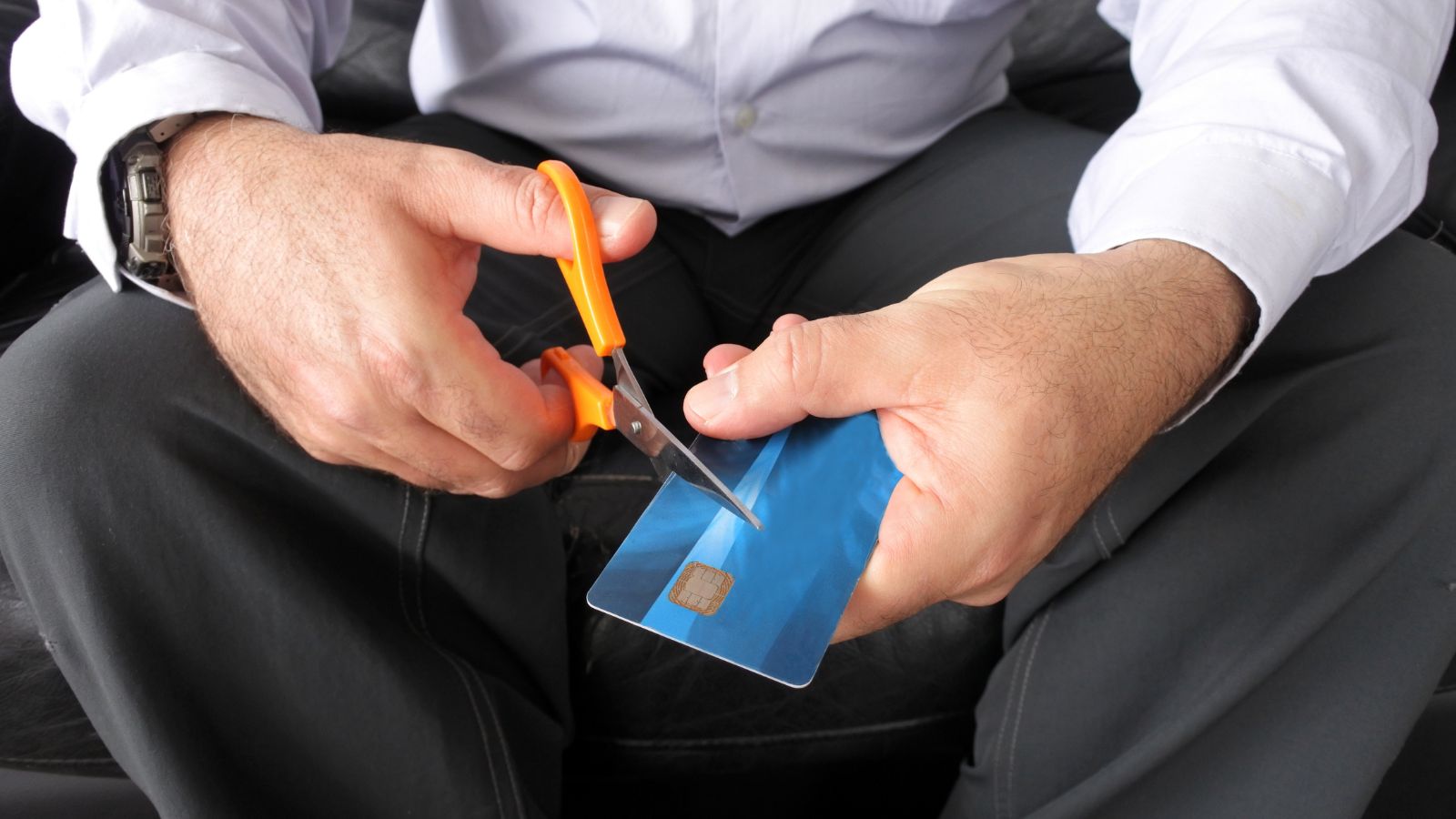
Cutting up the card alone does not cancel the account, but destroying it after confirmed closure is still important. The chip, magnetic stripe, card number, and security code should be made unreadable. Any old paper statements containing account details should also be stored securely or shredded.
Monitoring should continue for at least a couple of billing cycles. A closed account can still receive adjustments, refunds, interest corrections, or disputed charges. If suspicious activity appears, it should be reported immediately. This final step is not about mistrust; it is basic housekeeping. A properly closed account should become quiet, but the cardholder should verify that it actually stays that way.
19 Things Canadians Don’t Realize the CRA Can See About Their Online Income

Earning money online feels simple and informal for many Canadians. Freelancing, selling products, and digital services often start as side projects. The problem appears at tax time. Many people underestimate how much information the CRA can access. Online platforms, banks, and payment processors create detailed records automatically. These records do not disappear once money hits an account. Small gaps in reporting add up quickly.
Here are 19 things Canadians don’t realize the CRA can see about their online income.
This Options Discord Chat is The Real Deal
While the internet is scoured with trading chat rooms, many of which even charge upwards of thousands of dollars to join, this smaller options trading discord chatroom is the real deal and actually providing valuable trade setups, education, and community without the noise and spam of the larger more expensive rooms. With a incredibly low-cost monthly fee, Options Trading Club (click here to see their reviews) requires an application to join ensuring that every member is dedicated and serious about taking their trading to the next level. If you are looking for a change in your trading strategies, then click here to apply for a membership.