
35,000+ smart investors are already getting financial news, market signals, and macro shifts in the economy that could impact their money next with our FREE weekly newsletter. Get ahead of what the crowd finds out too late. Click Here to Subscribe for FREE.
Interest-rate decisions can quietly reshape a household budget long before a bank statement makes the change obvious. Mortgage payments, savings yields, credit-card balances, car loans, and investment choices can all move when borrowing costs shift. In Canada, where many mortgages renew every few years and household debt remains a major pressure point, waiting until the next rate announcement can leave little room to react.
Here are 18 practical money moves Canadians can make before interest rates change again, focused on protecting cash flow, reducing avoidable interest, and making better use of savings while rates remain in motion.
Recalculate the Mortgage Renewal Budget Early
18 Money Moves Canadians Should Make Before Interest Rates Change Again
- Recalculate the Mortgage Renewal Budget Early
- Ask for a Better Mortgage Rate Before Signing
- Decide Between Fixed and Variable With a Stress Test
- Check Variable-Rate Mortgages for Trigger-Rate Risk
- Use Prepayment Privileges Before Rates Move
- Pay Down Credit Cards Before Anything Else
- Review Lines of Credit Before Using Them as a Safety Net
- Build a Cash Emergency Fund While Savings Rates Still Matter
- Ladder GICs Instead of Guessing the Perfect Rate
- Check CDIC Coverage Before Moving Large Cash Balances
- Revisit the TFSA Before Rates Shift Lower
- Match RRSP Contributions to Tax Bracket and Debt Load
- Open or Fund an FHSA Before Buying Plans Get More Expensive
- Reprice Car Loans Before Visiting the Dealership
- Avoid New Buy-Now-Pay-Later Habits
- Rebalance Investments Without Making a Rate Bet
- Review Bond and Bond-Fund Duration
- Renegotiate Floating Business and Student Debt
- Prepare a One-Page Household Rate Plan
- 19 Things Canadians Don’t Realize the CRA Can See About Their Online Income

A mortgage renewal should not begin with the lender’s first offer. Canadians with terms ending soon can start by estimating payments under several rate scenarios, including one rate below today’s offer, one at today’s offer, and one higher. This simple exercise turns uncertainty into a range of numbers that can be planned around instead of feared.
That matters because many households who took mortgages during the ultra-low-rate years are still working through renewals. Even when payment shock is easing compared with 2025, higher interest costs can still land hard on families already managing groceries, insurance, taxes, and childcare. A household that knows its renewal ceiling early can trim discretionary costs, build a buffer, or negotiate before the deadline becomes urgent.
Ask for a Better Mortgage Rate Before Signing

A posted renewal rate is not always the best rate available. Borrowers can compare offers from brokers, credit unions, online lenders, and their current bank before accepting a renewal package. Even a small rate difference can matter over a five-year term, especially on a large balance in Toronto, Vancouver, Calgary, or Ottawa.
For example, a homeowner renewing a $500,000 mortgage may focus on the monthly payment, but the interest difference across the full term can be much larger than expected. Bringing competing offers to an existing lender can sometimes improve the quote without switching institutions. The strongest negotiating position usually comes before paperwork is signed, not after the renewal has been processed.
Decide Between Fixed and Variable With a Stress Test

Choosing fixed or variable should be based on cash-flow tolerance, not predictions alone. A variable rate may look attractive when rate cuts seem possible, but borrowers still need to know whether their budget can handle a reversal. A fixed rate can bring certainty, though it may cost more if rates fall.
A practical test is to calculate the payment at the chosen rate and then calculate it again at one or two percentage points higher. If the higher number would force credit-card borrowing or missed savings contributions, certainty may be worth paying for. If the household has strong cash reserves and stable income, taking more rate risk may feel manageable. The right choice is rarely about being clever; it is about surviving a surprise.
Check Variable-Rate Mortgages for Trigger-Rate Risk

Some Canadians with variable-rate mortgages and fixed payments may not see their monthly payment rise immediately when rates increase. Instead, more of the payment can go toward interest and less toward principal. In extreme cases, the payment may stop reducing the loan balance at all, creating a problem that becomes visible at renewal.
This is why borrowers should ask their lender how much of each payment is currently going to principal, whether the mortgage is close to a trigger rate, and whether a lump-sum payment or payment increase would improve the amortization. It can be uncomfortable to ask, but the alternative is finding out later that the mortgage has stretched farther than expected.
Use Prepayment Privileges Before Rates Move

Many closed mortgages allow some form of annual prepayment, such as a lump-sum payment or a regular payment increase. Before rates change again, homeowners can check whether unused privileges are available and whether using them makes sense compared with other debts. Paying down a mortgage before renewal can reduce the balance exposed to the next rate.
This move is most useful when higher-interest consumer debt is already under control. A family with a $4,000 credit-card balance should usually deal with that first. But for households with extra cash sitting idle, a targeted mortgage prepayment can create lasting savings. The key is checking penalties and limits first, because mortgage contracts can treat extra payments very differently.
Pay Down Credit Cards Before Anything Else
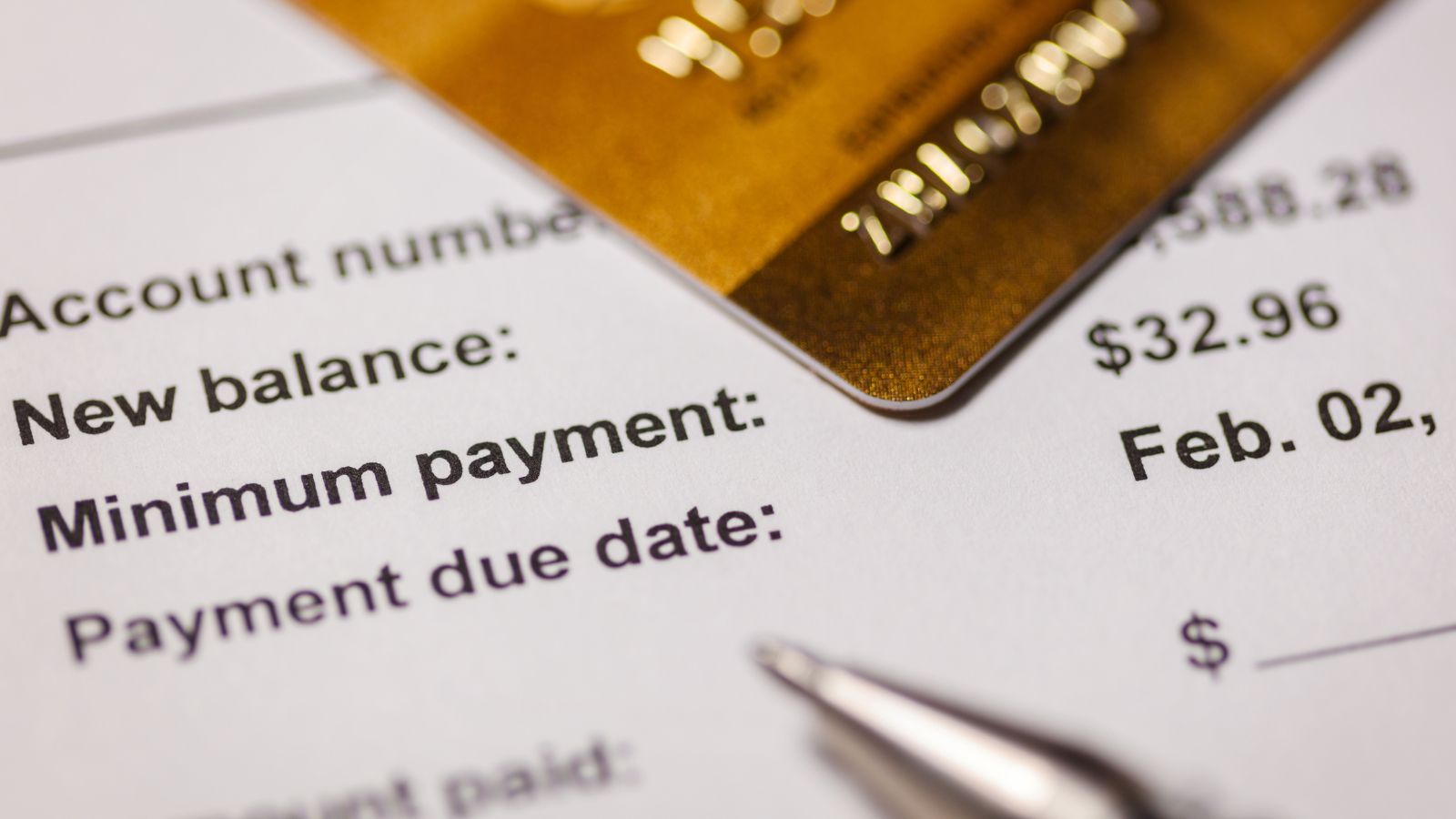
Credit-card debt is one of the least forgiving places to carry a balance when interest rates are uncertain. Rates on cards are usually far higher than mortgages, car loans, or lines of credit, and minimum payments can stretch repayment for years. When household budgets tighten, this type of debt can quietly become the most expensive bill in the room.
A useful approach is to attack the highest-rate balance first while maintaining minimum payments on everything else. Another option is consolidating to a lower-rate product, but only if the card is not refilled afterward. The goal is not just a lower payment; it is a smaller balance. Before borrowing costs shift again, reducing revolving debt can create immediate breathing room.
Review Lines of Credit Before Using Them as a Safety Net

A line of credit can feel like an emergency fund, but it is still borrowed money. Many personal and home-equity lines are tied to variable rates, which means the cost can change when benchmark rates move. A household that relies on a line of credit for surprise expenses may find the safety net getting more expensive exactly when income feels less secure.
Before rates change again, Canadians can review the current rate, payment rules, credit limit, and whether interest-only payments are masking a growing problem. Keeping a line available for rare emergencies can be reasonable. Treating it as everyday cash flow is riskier. A better plan is to pair credit access with actual savings, so the first response to a car repair or dental bill is not more debt.
Build a Cash Emergency Fund While Savings Rates Still Matter

Higher rates have made cash savings more rewarding than they were during the low-rate years. That creates an opportunity to build an emergency fund in a high-interest savings account, cashable GIC, or other low-risk option. The purpose is not to chase the highest yield; it is to keep money accessible when life interrupts the budget.
An emergency fund helps cover job disruption, home repairs, medical travel, or family support without turning immediately to credit cards or payday loans. Even one month of essential expenses can reduce stress. Three to six months is stronger, but many households start with a smaller target, such as $1,000, then build steadily through automatic transfers after each paycheque.
Ladder GICs Instead of Guessing the Perfect Rate

Trying to lock every dollar into the perfect GIC term can backfire when rates shift. A ladder spreads money across different maturity dates, such as 90 days, one year, two years, and three years. That way, not all savings are trapped if better rates appear, and not all savings must be renewed if rates fall.
This can work well for money needed within a few years, such as tuition, a car replacement, a wedding, or a down payment. For example, a household saving $20,000 could split it into several smaller GICs instead of one large certificate. The result is less dramatic than chasing a top advertised rate, but it can be more practical for real family timelines.
Check CDIC Coverage Before Moving Large Cash Balances

When savers move money to higher-rate accounts or GICs, safety deserves as much attention as yield. Eligible deposits at CDIC member institutions are protected up to limits by category and institution. That can matter for households holding large down payments, business proceeds, inheritance money, or sale proceeds from a home.
For example, a couple holding more than $100,000 in one name at one institution may need to understand how coverage categories work before assuming everything is protected. Spreading deposits across eligible categories or member institutions can improve protection. The highest rate is less attractive if the saver has not checked whether the deposit type and institution are covered.
Revisit the TFSA Before Rates Shift Lower

A TFSA can be useful for both savers and investors because growth and withdrawals are generally tax-free. When interest rates are elevated, even conservative TFSA holdings such as high-interest savings or GICs can produce meaningful tax-free income. If rates fall later, the same account can still hold longer-term investments depending on the goal.
For 2026, the annual TFSA dollar limit gives many Canadians fresh room to use. The move is not automatically to contribute the maximum, especially if high-interest debt remains. But for households with cash savings outside registered accounts, shifting eligible money into a TFSA can reduce tax drag. It is especially useful for emergency funds, near-term goals, or conservative savings that would otherwise generate taxable interest.
Match RRSP Contributions to Tax Bracket and Debt Load

RRSP contributions can reduce taxable income, but they should not be treated as a race to use every dollar of room. The best timing depends on income, tax bracket, workplace pension adjustments, and whether the household is carrying expensive debt. A person in a high-income year may benefit more from a contribution than someone expecting higher income later.
Before rates change again, Canadians can compare the guaranteed return from paying down debt with the tax benefit and long-term growth potential of RRSP contributions. A refund can also be used strategically: paying down a credit card, topping up emergency savings, or reducing a mortgage balance. The RRSP is powerful, but it works best when it supports the whole balance sheet.
Open or Fund an FHSA Before Buying Plans Get More Expensive

For eligible first-time home buyers, the FHSA can combine a tax deduction with tax-free qualifying withdrawals. That makes it especially relevant when interest rates affect both mortgage affordability and housing confidence. Even if a purchase is not immediate, opening the account can begin the participation-room timeline.
The annual and lifetime contribution limits mean planning matters. A renter hoping to buy in two or three years can use the FHSA to separate down-payment money from everyday savings while potentially reducing taxable income. The bigger caution is investment choice: money needed soon should not be exposed to large market swings just because it sits inside a registered account.
Reprice Car Loans Before Visiting the Dealership

Auto financing can become a budget trap when buyers focus on the monthly payment instead of the total borrowing cost. Before interest rates change again, Canadians planning to replace a vehicle can get a pre-approval from a bank or credit union, then compare it with dealer financing. This creates a real benchmark before the sales conversation begins.
A lower payment stretched over seven or eight years may hide a higher total cost. Families replacing a commuter car, minivan, or work truck should calculate the full amount paid over the term, including interest and fees. If the old vehicle can safely last another year, waiting may be cheaper than financing a rushed purchase under uncertain rates.
Avoid New Buy-Now-Pay-Later Habits

Buy-now-pay-later plans can make purchases feel smaller by splitting them into instalments. The danger is that several “small” plans can stack up across clothing, electronics, furniture, and travel. When rates shift and other payments rise, those instalments still arrive.
Before the next rate change, households can review all instalment commitments and treat them like debt, not like discounts. A $40 payment may not seem important until there are six of them landing in the same pay period. The cleanest move is to pause new plans until existing ones are gone. It restores a clearer view of cash flow and reduces the chance that a routine purchase becomes part of a larger debt cycle.
Rebalance Investments Without Making a Rate Bet

Interest-rate changes can move stocks, bonds, real estate investment trusts, and cash products in different ways. But changing an entire portfolio based on one rate announcement is usually a poor substitute for a plan. A better move is to rebalance back to the target mix and check whether the portfolio still matches the timeline.
For retirees, that might mean keeping enough cash and short-term fixed income to avoid selling investments during a downturn. For younger investors, it may mean continuing contributions while resisting the urge to chase whatever performed best last month. The point is not to predict the Bank of Canada perfectly. It is to ensure one rate decision cannot derail years of saving.
Review Bond and Bond-Fund Duration

Bonds are often described as conservative, but they still carry interest-rate risk. Longer-duration bonds and bond funds are generally more sensitive to rate changes than shorter-duration holdings. If rates rise, longer-duration bond prices can fall more sharply; if rates fall, they may benefit more.
Canadians using bond ETFs, mutual funds, or individual bonds should check what they actually own. A retiree who thought a fund was “safe cash” may discover it behaves differently when rates move. Someone saving for a home within two years may prefer shorter-term options. Duration does not make bonds bad, but it should match the purpose of the money.
Renegotiate Floating Business and Student Debt

Not all rate-sensitive debt sits in a mortgage. Small-business operating lines, professional student lines of credit, and some personal loans can move with prime rates. A self-employed consultant, contractor, dentist, veterinarian, or recent graduate may feel rate changes through interest costs before noticing them anywhere else.
Before rates change again, borrowers can ask lenders about converting part of a balance to a fixed term, reducing unused credit limits, or setting a structured repayment schedule. Business owners can also update cash-flow forecasts using higher interest costs. The point is to avoid treating variable debt as harmless just because payments have been manageable so far.
Prepare a One-Page Household Rate Plan

The most useful move may be writing everything down. A one-page rate plan can list the mortgage renewal date, debt balances, current rates, emergency-fund target, savings accounts, GIC maturities, and upcoming large expenses. It gives the household a shared view before the next rate announcement changes the conversation.
This does not require a complicated spreadsheet. A family could write three columns: “rate goes up,” “rate stays similar,” and “rate goes down.” Under each, they can note what changes first: extra debt payments, a mortgage decision, a savings transfer, or a paused purchase. When rates move, the plan is already waiting. That calm preparation can be worth more than a perfect forecast.
19 Things Canadians Don’t Realize the CRA Can See About Their Online Income

Earning money online feels simple and informal for many Canadians. Freelancing, selling products, and digital services often start as side projects. The problem appears at tax time. Many people underestimate how much information the CRA can access. Online platforms, banks, and payment processors create detailed records automatically. These records do not disappear once money hits an account. Small gaps in reporting add up quickly.
Here are 19 things Canadians don’t realize the CRA can see about their online income.
This Options Discord Chat is The Real Deal
While the internet is scoured with trading chat rooms, many of which even charge upwards of thousands of dollars to join, this smaller options trading discord chatroom is the real deal and actually providing valuable trade setups, education, and community without the noise and spam of the larger more expensive rooms. With a incredibly low-cost monthly fee, Options Trading Club (click here to see their reviews) requires an application to join ensuring that every member is dedicated and serious about taking their trading to the next level. If you are looking for a change in your trading strategies, then click here to apply for a membership.