
35,000+ smart investors are already getting financial news, market signals, and macro shifts in the economy that could impact their money next with our FREE weekly newsletter. Get ahead of what the crowd finds out too late. Click Here to Subscribe for FREE.
Canadian used-car shopping has become more complicated than simply finding a clean vehicle at a fair price. Prices have cooled from the most overheated pandemic-era market, but financing costs, repair bills, insurance pressure, theft risk, and provincial paperwork can still turn a promising deal into an expensive lesson. A used car can be the smartest purchase on the road, but only when the buyer understands what is hiding behind the odometer, the listing photos, and the monthly payment.
These 22 things Canadians should know before buying a used car cover the practical details that often matter most: history reports, liens, inspections, recalls, winter readiness, insurance, financing, EV batteries, paperwork, and the small warning signs that can save thousands of dollars later.
The Asking Price Is Only the Starting Point
22 Things Canadians Should Know Before Buying a Used Car
- The Asking Price Is Only the Starting Point
- A Vehicle History Report Helps, But It Is Not a Crystal Ball
- Liens Can Follow the Vehicle, Not Just the Seller
- A Pre-Purchase Inspection Is Cheap Compared With a Bad Engine
- Recalls Do Not Automatically Disappear When a Car Is Sold
- Provincial Rules Are Not the Same Across Canada
- Private Sales Carry Different Protections Than Dealer Purchases
- The VIN Should Match Everywhere
- Odometer Readings Tell a Story
- Rust Can Be More Expensive Than It Looks
- Tires Reveal More Than Tread Depth
- Insurance Should Be Quoted Before the Deal Is Signed
- Theft Risk Can Affect Both Ownership Stress and Premiums
- Financing Terms Can Hide the Real Price
- Negative Equity Can Follow Buyers Into the Next Car
- Dealer Add-Ons Are Not Always Worth the Cost
- The Test Drive Should Imitate Real Life
- Service Records Are Often More Valuable Than Sales Talk
- Flood and Water Damage Can Be Hard to Spot
- Rebuilt and Salvage Vehicles Need Extra Caution
- Used EVs Need Battery and Charging Homework
- Certified Pre-Owned Does Not Mean Perfect
- Out-of-Province Vehicles Require Extra Due Diligence
- The Bill of Sale Should Be Boringly Detailed
- A Deal That Feels Rushed Deserves a Pause
- 19 Things Canadians Don’t Realize the CRA Can See About Their Online Income

A used car’s listed price rarely tells the full story. Taxes, registration, inspection requirements, interest charges, insurance, tires, immediate maintenance, and possible dealer add-ons can change the real cost within minutes. A compact car advertised at an attractive price can become far less appealing once a buyer realizes it needs brakes, winter tires, a safety inspection, and a higher insurance premium than expected.
Canadian market conditions make this especially important. Used-vehicle prices have eased in some segments, but affordability remains strained because payments and borrowing costs can still be high. Buyers comparing two vehicles should look beyond the sticker and calculate the first-year cost. A slightly more expensive car with fresh tires, complete records, and no immediate repairs may be cheaper than a bargain that needs work right away.
A Vehicle History Report Helps, But It Is Not a Crystal Ball
A vehicle history report can reveal major clues such as accident records, registration history, odometer readings, service entries, branded titles, and possible liens. For many Canadian buyers, it is one of the simplest ways to spot a vehicle that has changed provinces, been rebuilt after damage, or accumulated mileage in a pattern that does not match the seller’s story.
Still, the report should never replace an inspection. Not every repair, crash, repaint, flood exposure, or owner-performed service makes it into a database. A clean report may simply mean that problems were not reported through channels the database tracks. The smartest approach is to treat the report as an opening interview. If the report shows a gap, a sudden mileage jump, a commercial-use history, or a past write-off, the buyer should ask for documents and verify the vehicle in person.
Liens Can Follow the Vehicle, Not Just the Seller
A lien means money is still owed against the vehicle, often because it was financed or used as collateral. In Canada, this is not a minor paperwork issue. If a buyer purchases a vehicle with an unresolved lien, the lender may still have a legal interest in it. That can complicate registration, resale, or ownership even after the buyer has paid the seller.
This is especially risky in private sales, where the buyer is responsible for doing more homework. A seller may be honest but still misunderstand the payout process. Others may hope the buyer never checks. A safe transaction usually means confirming the lien status by VIN, arranging payment so the loan is discharged, and keeping written proof. Walking away can be cheaper than untangling someone else’s debt after the keys are already in hand.
A Pre-Purchase Inspection Is Cheap Compared With a Bad Engine

A professional inspection can feel like an annoying extra cost, especially when a vehicle looks clean and drives well around the block. Yet many expensive problems are easy to miss without a lift, diagnostic tools, and an experienced eye. Oil leaks, weak suspension parts, uneven tire wear, hidden collision repairs, rusted brake lines, transmission trouble, and failing electronics can stay invisible during a short test drive.
The best inspection is independent, not arranged only by the seller. A buyer should choose a trusted mechanic and ask for a written report, including photos where possible. Even when the vehicle passes, the report can be useful for negotiation. If the inspection finds $1,200 in near-term repairs, the buyer can either renegotiate or keep shopping before emotions take over.
Recalls Do Not Automatically Disappear When a Car Is Sold

Used vehicles can have open safety recalls, and those recalls may remain unresolved through multiple owners. A buyer might assume that a dealership, previous owner, or manufacturer handled everything, but that is not always true. Airbags, braking systems, fuel pumps, seat belts, steering components, tires, and software defects can all be subject to recalls.
Checking for recalls by VIN should happen before purchase, not after a problem appears. It is also wise to ask the seller for proof that recall work was completed, especially on older vehicles with several campaigns. A recall does not always make a car a bad buy, since many recall repairs are performed at no charge by manufacturers. The concern is an owner history that suggests basic safety updates were ignored.
Provincial Rules Are Not the Same Across Canada

Buying a used car in Canada is not a single national process. Provinces handle registration, taxes, safety standards, required documents, and dealer regulation differently. An Ontario buyer may deal with a Used Vehicle Information Package, while a B.C. buyer completes ownership transfer through an Autoplan broker. Alberta, Quebec, and other provinces have their own procedures and consumer-protection details.
This matters most when buying across provincial lines. A car that was acceptable in one province may need inspection or paperwork before it can be registered somewhere else. A buyer moving a vehicle from another province should check requirements before sending a deposit. Otherwise, a tempting out-of-province deal can become a maze of transport, inspection, tax, and registration costs.
Private Sales Carry Different Protections Than Dealer Purchases

Private sales can be cheaper because there is no dealer margin, but the trade-off is reduced protection. In many cases, the buyer is responsible for verifying the vehicle’s condition, ownership, lien status, and paperwork. If a problem appears days later, resolving it can be difficult unless the seller misrepresented something in a way that can be proven.
Dealer purchases usually come with more rules, disclosure obligations, and complaint channels, though they are not risk-free. A licensed dealer may have to disclose certain vehicle history details and comply with provincial advertising rules. Buyers should still read the bill of sale carefully and avoid assuming that “dealer sold” means “problem free.” The key difference is not that one route is always better, but that the risks are different.
The VIN Should Match Everywhere

The Vehicle Identification Number is the used car’s fingerprint. It should match on the dashboard, driver-side door jamb, ownership documents, insurance papers, bill of sale, vehicle history report, and any lien or recall checks. A mismatch can signal a clerical error, but it can also point to stolen vehicles, rebuilt vehicles, swapped parts, or fraudulent paperwork.
Small details matter. A buyer should compare the full VIN, not just the last six digits, and watch for tampered plates, missing labels, or documents that look inconsistent. In a legitimate sale, the seller should not object to a buyer checking the VIN carefully. Any pressure to “deal with it later” should be treated as a major warning sign.
Odometer Readings Tell a Story
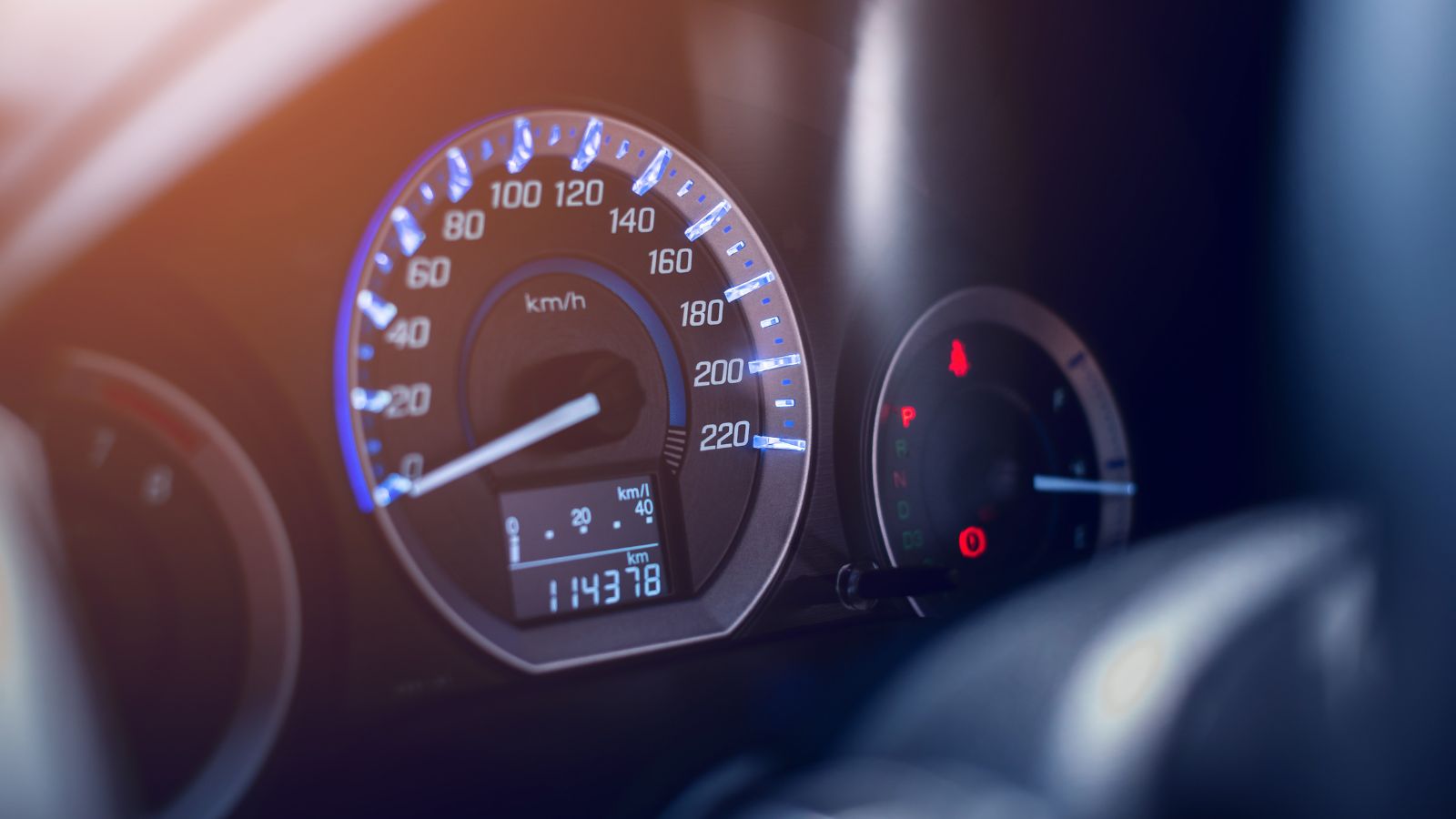
Mileage is one of the biggest drivers of used-car value, but the number on the dashboard should make sense with the car’s overall condition. A low-mileage vehicle with heavily worn pedals, a shiny steering wheel, sagging driver’s seat, and mismatched service records deserves closer scrutiny. Likewise, a vehicle with unusually low annual mileage may have spent long periods parked, which can create its own maintenance problems.
The best way to evaluate mileage is to compare several sources. Service invoices, emissions or inspection records, tire receipts, oil-change stickers, vehicle history reports, and dealer records can all help confirm the odometer pattern. A gradual climb is reassuring. Gaps, sudden drops, or inconsistent entries are not automatic proof of fraud, but they should slow the deal down.
Rust Can Be More Expensive Than It Looks
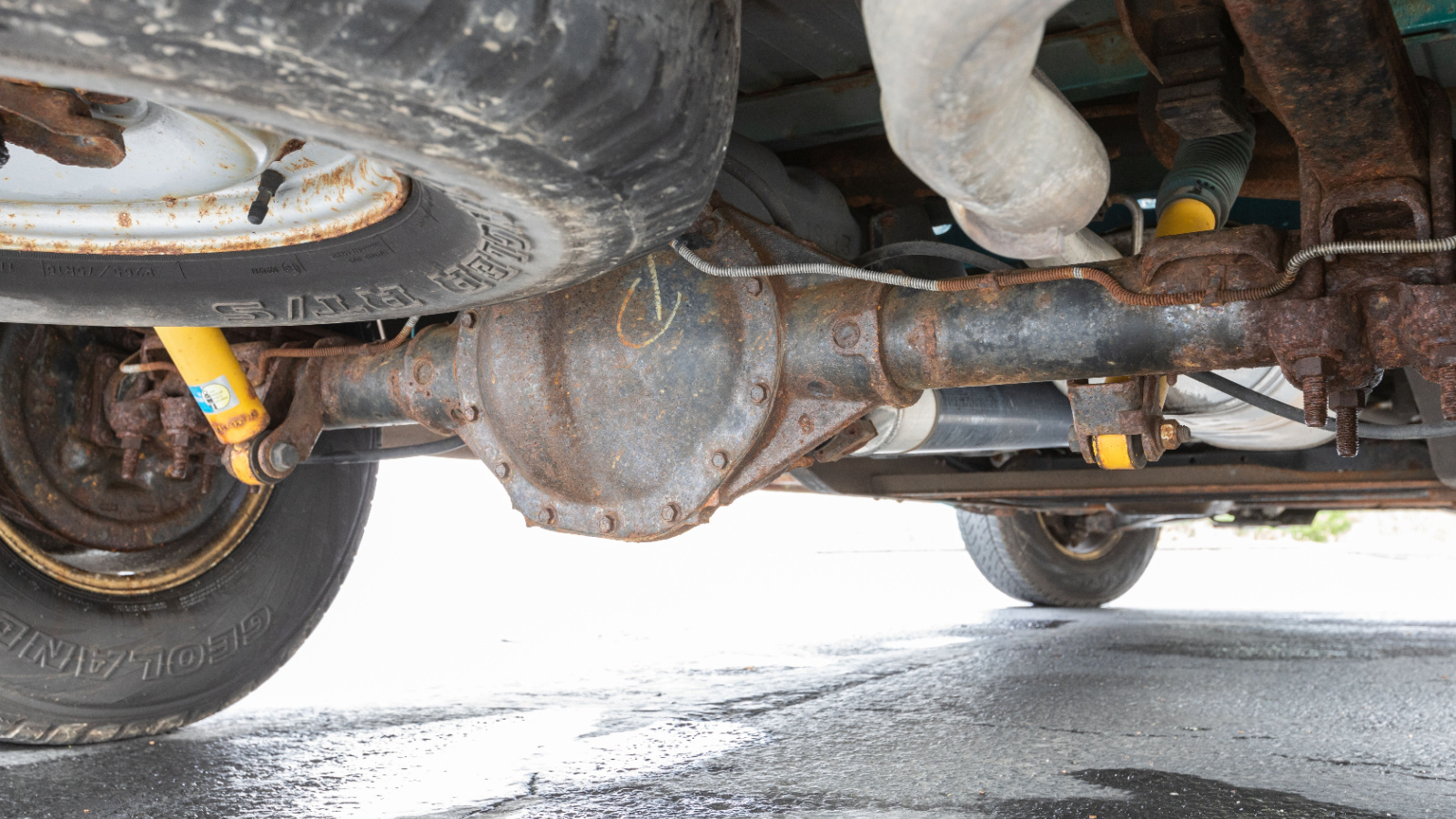
In much of Canada, winter road salt is a used-car enemy. Surface rust may be mostly cosmetic, but structural corrosion around rocker panels, subframes, suspension mounts, brake lines, fuel lines, and floor pans can become expensive or even unsafe. A shiny exterior can hide serious rust underneath, especially if a vehicle has been freshly undercoated to cover trouble.
Rust risk varies by region, storage habits, and maintenance. A car from a coastal or heavy-salt area may need extra attention. Buyers should look under doors, wheel arches, the trunk floor, the hood edges, and beneath the vehicle. A professional inspection is especially valuable here because structural rust is not always obvious from photos. A cheap car with major corrosion can quickly become unfit to keep on the road.
Tires Reveal More Than Tread Depth
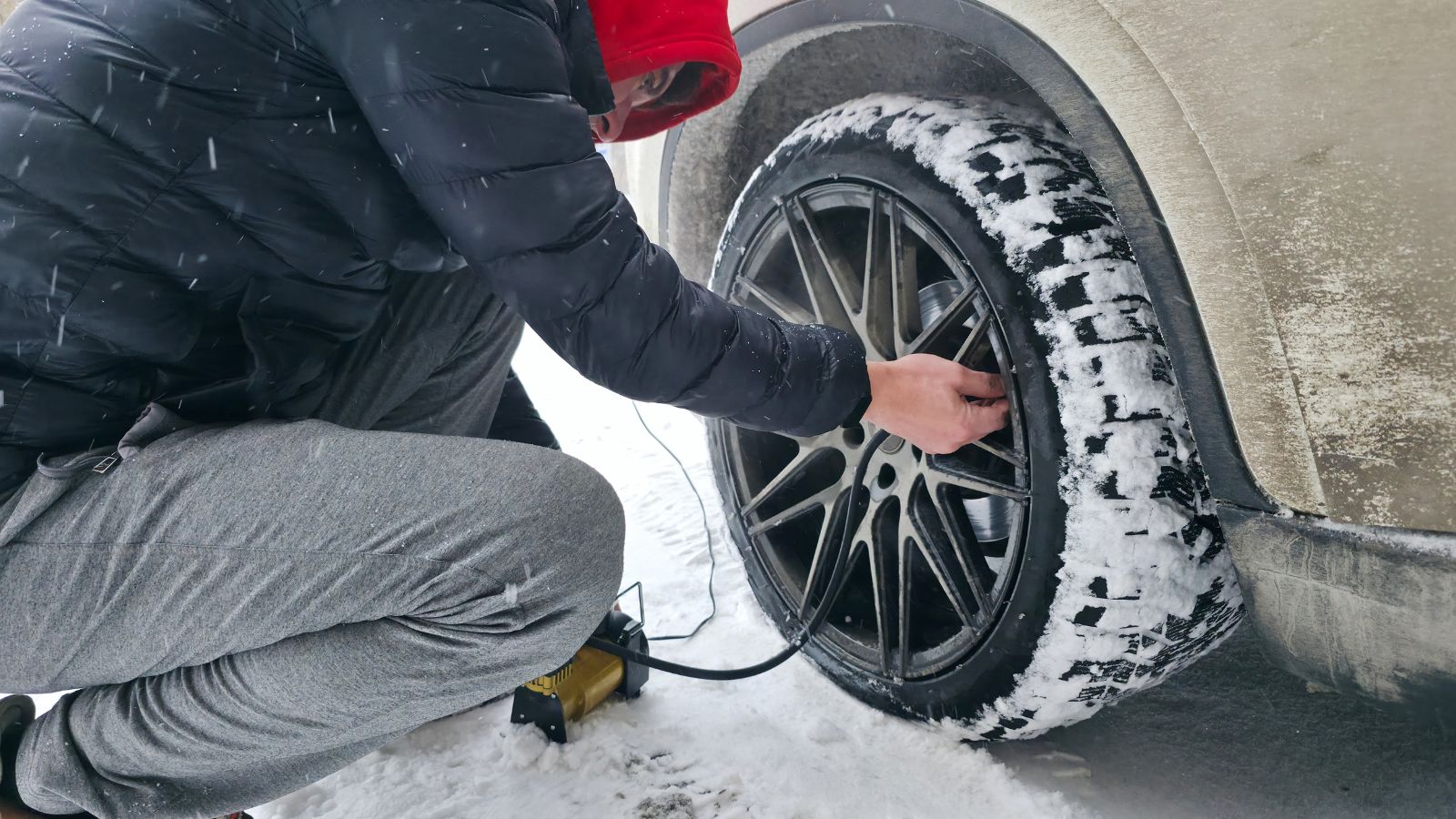
Tires are a safety item and a budget item. A used car may appear road-ready because the tires still have visible tread, but age, uneven wear, sidewall cracking, mismatched brands, and poor alignment can tell a different story. Four replacement tires can add hundreds or thousands of dollars to the first year of ownership, especially for SUVs, trucks, and performance models.
Canadian buyers should also think about winter tires. In Quebec, winter tires are mandatory during the winter driving season, while other provinces may not require them province-wide but still make them practically necessary. Buyers should check whether winter tires are included, whether they are mounted on rims, and how old they are. A “comes with winters” claim is less useful if the tires are cracked, worn, or a decade old.
Insurance Should Be Quoted Before the Deal Is Signed

Many buyers compare fuel economy and payments, then forget to quote insurance until the last minute. That can be costly. Insurance rates can vary by driver, province, postal code, claims history, theft risk, repair costs, trim level, and even the vehicle’s loss experience. Two vehicles with similar purchase prices can have very different insurance premiums.
Getting quotes before signing is especially important for newer SUVs, trucks, performance cars, luxury models, and vehicles frequently targeted by thieves. It also helps buyers avoid surprises with coverage requirements if the vehicle is financed. A monthly payment that looked manageable can become uncomfortable once insurance is added. A ten-minute quote can change the shortlist before money changes hands.
Theft Risk Can Affect Both Ownership Stress and Premiums

Auto theft has become a serious cost issue in parts of Canada, particularly for certain high-demand SUVs and trucks. A vehicle’s theft profile can influence insurance pricing, availability of coverage, and the need for anti-theft devices. For owners in higher-risk communities, insurers may request additional security measures or charge more for comprehensive coverage.
This does not mean buyers should avoid every popular vehicle. It means theft risk belongs in the total-cost conversation. A buyer considering a commonly stolen model should ask insurers about premiums, deductibles, tracking-device requirements, and discounts for approved anti-theft systems. Parking arrangements matter too. A driveway in a high-theft area may carry a different risk than a secured garage or monitored building.
Financing Terms Can Hide the Real Price
Monthly payments are designed to feel simple, but they can hide a complicated deal. A longer term can make a vehicle seem affordable while increasing the total interest paid and raising the risk of owing more than the car is worth. This is especially important with used cars, because the vehicle may need repairs while the loan still has years remaining.
Buyers should compare the total cost of borrowing, not just the payment. The interest rate, loan term, fees, down payment, optional products, and trade-in value all matter. Pre-approval from a bank or credit union can give buyers a benchmark before they sit in the finance office. If a dealer offer is better, it can still be considered, but only after the full loan cost is clear.
Negative Equity Can Follow Buyers Into the Next Car
Negative equity happens when the loan balance is higher than the vehicle’s market value. It often appears when a buyer trades in too soon, accepts a long loan, rolls old debt into a new deal, or buys a vehicle that depreciates quickly. Once negative equity is folded into another loan, the next car starts with extra debt attached.
This can trap buyers in a cycle of larger balances and longer terms. A used car may feel like a practical downgrade, but if it includes unpaid debt from the previous vehicle, the savings may disappear. Buyers should ask for a clear trade-in breakdown showing the old loan payout, trade allowance, taxes, fees, and new amount financed. If the numbers are confusing, that is a sign to pause.
Dealer Add-Ons Are Not Always Worth the Cost

Extended warranties, rust protection, tire-and-rim coverage, fabric protection, anti-theft products, nitrogen, key replacement, and other add-ons can quickly inflate a used-car purchase. Some products may be useful for certain buyers, but they should not be treated as automatic necessities. The danger is agreeing in a finance office after already spending emotional energy on the car.
Every add-on should be judged by price, exclusions, deductible, transferability, cancellation rules, and overlap with existing coverage. A warranty that excludes the most likely failures may provide less protection than expected. A buyer should ask whether each item is optional and request the out-the-door price without it. If the advertised price cannot be obtained without mandatory non-government fees, that deserves scrutiny.
The Test Drive Should Imitate Real Life

A short drive around quiet streets is not enough. A useful test drive should include cold start, city traffic, highway speed, braking, turning, parking, reversing, rough pavement, and low-speed maneuvering. The buyer should listen for clunks, whining, grinding, rattles, hesitation, vibration, pulling, warning lights, and unusual smells after the drive.
Real-life testing matters because some problems only appear under specific conditions. A transmission may shift smoothly at low speed but hesitate on highway merging. A warped brake rotor may only shake under stronger braking. An air conditioner may work briefly, then fade. A seller who refuses a reasonable test drive, insists on a rushed route, or avoids highway speeds may be hiding something.
Service Records Are Often More Valuable Than Sales Talk

A well-kept folder of receipts can say more than a polished description. Oil changes, transmission service, brake work, tire rotations, coolant service, timing-belt replacement, battery invoices, and recall repairs help show whether the vehicle was maintained rather than merely cleaned for sale. For older vehicles, records can also explain why a higher-mileage car may be safer than a neglected low-mileage one.
Missing records are not always a deal-breaker, but they increase uncertainty. Some owners use independent shops that do not feed data into history reports, while others perform basic maintenance themselves. The buyer’s job is to decide whether the price reflects that uncertainty. If a seller claims major work was done, receipts should be available. “The mechanic said it was fine” is not the same as documented maintenance.
Flood and Water Damage Can Be Hard to Spot

Flood-damaged vehicles can develop electrical, mould, corrosion, sensor, and safety problems long after they look dry. Modern vehicles rely heavily on wiring modules, cameras, sensors, and computers, so water intrusion can create intermittent faults that are expensive to diagnose. A vehicle that smells heavily perfumed, has damp carpets, fogged lights, rusty seat tracks, or silt in hidden areas deserves suspicion.
Flood branding rules exist because severe water damage can make vehicles unsafe. Buyers should check vehicle history, branding status, insurance records, and physical signs. Extra caution is needed with vehicles moved from regions recently hit by major storms or flooding. A low price and “minor water issue” explanation can be the beginning of a very expensive ownership experience.
Rebuilt and Salvage Vehicles Need Extra Caution

A rebuilt vehicle is not automatically worthless, but it should be priced and inspected very differently from a clean-title vehicle. The key questions are why it was written off, who repaired it, whether repairs were done to a high standard, and whether the vehicle will be easy to insure, finance, and resell. Cosmetic repairs after a minor incident are different from structural reconstruction after a severe collision.
Buyers should ask for repair invoices, inspection documents, photos of the damage before repair, and details about parts used. A rebuilt vehicle without documentation is a gamble. Even if it drives well, poor repairs can affect crash safety, alignment, electronics, and long-term durability. The discount has to be large enough to compensate for the risk.
Used EVs Need Battery and Charging Homework

A used electric vehicle can offer lower running costs and less routine maintenance, but the battery changes the buying process. Battery health, warranty status, charging history, cold-weather range, home-charging access, and local public charging all matter. A bargain EV may not be a bargain if it cannot comfortably handle winter commuting or road trips in the buyer’s region.
The buyer should verify the remaining battery or powertrain warranty, check whether the vehicle supports the needed charging speed, and ask for a battery-health report where available. Cold weather can reduce range and slow charging, so a realistic winter-use estimate is more useful than the optimistic number shown in an ad. For apartment dwellers or renters, charging access should be solved before purchase, not afterward.
Certified Pre-Owned Does Not Mean Perfect

Certified pre-owned programs can add confidence, especially when they include manufacturer-backed inspections, warranty coverage, roadside assistance, and reconditioning standards. However, “certified” is not a magic word. Programs differ by brand, dealer, age, mileage limit, inspection depth, warranty length, and exclusions. Some dealers may also use certification-like language for in-house programs that are not the same as manufacturer certification.
Buyers should ask exactly who backs the certification and what is covered in writing. A manufacturer CPO warranty may carry more weight than a vague dealer promise. The inspection checklist should be available, and any reconditioning work should be documented. Certification can be valuable, but only when its terms are clear enough to compare against the added price.
Out-of-Province Vehicles Require Extra Due Diligence

A used car that has moved between provinces can be perfectly legitimate, but it deserves extra checking. Provincial inspection rules, accident reporting systems, branding categories, emissions requirements, and road conditions differ. A vehicle from a milder climate may have less rust, while one from a flood-prone or heavy-salt region may need closer inspection.
Buyers should confirm where the vehicle was previously registered, whether it needs an out-of-province inspection, and whether the title brand follows it into the buyer’s province. Transport costs, temporary permits, taxes, and inspection repairs can erase savings. The seller should provide enough documentation to make the move clear. If the history looks fragmented, the buyer should slow down and verify before paying a deposit.
The Bill of Sale Should Be Boringly Detailed

A proper bill of sale protects both sides. It should include the buyer and seller names, addresses, date, purchase price, VIN, make, model, year, odometer reading, payment method, included accessories, warranty promises, and any “as-is” language. If the seller promises extra tires, a second key, repair work, or a missing part, that promise should be written down.
Verbal promises are easy to forget once the money is gone. A detailed bill of sale also helps with registration, tax assessment, and disputes. Buyers should not sign blank forms, incomplete transfer documents, or anything with a different price than the actual transaction. A seller who wants paperwork to be vague is creating risk that the buyer may carry alone.
A Deal That Feels Rushed Deserves a Pause

Pressure is one of the oldest warning signs in used-car shopping. A seller may claim another buyer is waiting, the price is good only today, the deposit must be sent before viewing, or the vehicle cannot be inspected because of timing. Sometimes urgency is real. Often, it is a tactic to stop a buyer from checking the details.
The safest buyers are willing to lose a deal. There will almost always be another vehicle, but there may not be an easy fix after buying the wrong one. A calm process includes seeing the car in person, verifying the seller, checking the VIN, reviewing documents, arranging inspection, confirming insurance, and understanding payment. If a seller will not allow those steps, the risk is already too high.
19 Things Canadians Don’t Realize the CRA Can See About Their Online Income

Earning money online feels simple and informal for many Canadians. Freelancing, selling products, and digital services often start as side projects. The problem appears at tax time. Many people underestimate how much information the CRA can access. Online platforms, banks, and payment processors create detailed records automatically. These records do not disappear once money hits an account. Small gaps in reporting add up quickly.
Here are 19 things Canadians don’t realize the CRA can see about their online income.
This Options Discord Chat is The Real Deal
While the internet is scoured with trading chat rooms, many of which even charge upwards of thousands of dollars to join, this smaller options trading discord chatroom is the real deal and actually providing valuable trade setups, education, and community without the noise and spam of the larger more expensive rooms. With a incredibly low-cost monthly fee, Options Trading Club (click here to see their reviews) requires an application to join ensuring that every member is dedicated and serious about taking their trading to the next level. If you are looking for a change in your trading strategies, then click here to apply for a membership.