35,000+ smart investors are already getting financial news, market signals, and macro shifts in the economy that could impact their money next with our FREE weekly newsletter. Get ahead of what the crowd finds out too late. Click Here to Subscribe for FREE.
Grocery bills have become harder to decode because price increases are no longer the only change shoppers have to watch. A familiar box, tub, pouch, or bag can sit in the same aisle, carry the same branding, and still quietly contain less than it once did. That makes the checkout total feel stubbornly high even when the package looks unchanged at first glance.
Across Canada, shrinkflation has become especially noticeable in packaged and processed foods, where small reductions in grams, millilitres, servings, or pieces can be easy to miss. These 19 Canadian grocery items show how smaller portions and high prices can combine into a frustrating new normal for households trying to stretch every dollar.
Cereal Boxes That Still Take Up Shelf Space
19 Canadian Grocery Items That Shrunk While Prices Stayed High
- Cereal Boxes That Still Take Up Shelf Space
- Cookies and Crackers With Fewer Snacks Per Box
- Margarine Tubs That Lose Their Old Weight
- Pasta Mixes With Smaller Pouches
- Cheddar Cheese Blocks That Don’t Slice as Far
- Mozzarella Cheese That Makes Pizza Night Costlier
- Chocolate Bars That Feel Lighter at the Checkout
- Candy Bags With More Air and Fewer Pieces
- Coffee Canisters and Bags With Fewer Mornings Inside
- Ice Cream and Frozen Desserts in Smaller Tubs
- Yogurt Cups and Multipacks With Smaller Servings
- Granola Bars With Smaller Bars Inside the Box
- Potato Chips in Bags That Feel Puffier Than Ever
- Bread and Buns With Thinner Slices or Fewer Pieces
- Frozen Pizza With Less Topping or Smaller Diameter
- Deli Meat Packs With Fewer Sandwiches
- Bacon Packages That Don’t Cover the Same Breakfast
- Pasta Sauce Jars With Less for the Same Dinner
- Soup Cans That Feel Less Like a Meal
- Juice Cartons and Bottles With Fewer Pours
- Peanut Butter and Spreads With Shallower Jars
- 19 Things Canadians Don’t Realize the CRA Can See About Their Online Income

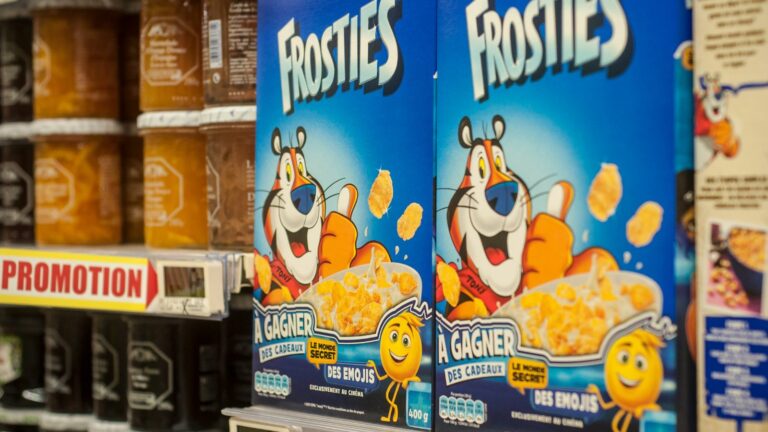
Breakfast cereal is one of the easiest grocery items to shrink without looking dramatically different. A box can keep its height, colours, mascot, and “family size” language while the inner bag holds fewer grams. For households that pour cereal every weekday morning, the difference shows up quickly: the box empties sooner, and the next grocery run arrives earlier than expected.
Cereal also has a long history of relying on packaging psychology. A tall box may still look generous in a cart, but the real comparison is the unit price per 100 grams. Statistics Canada identified breakfast cereal and other cereal products among food categories with frequent quantity adjustments, making cereal a prime example of shrinkflation that feels subtle until shoppers compare old and new labels side by side.
Cookies and Crackers With Fewer Snacks Per Box
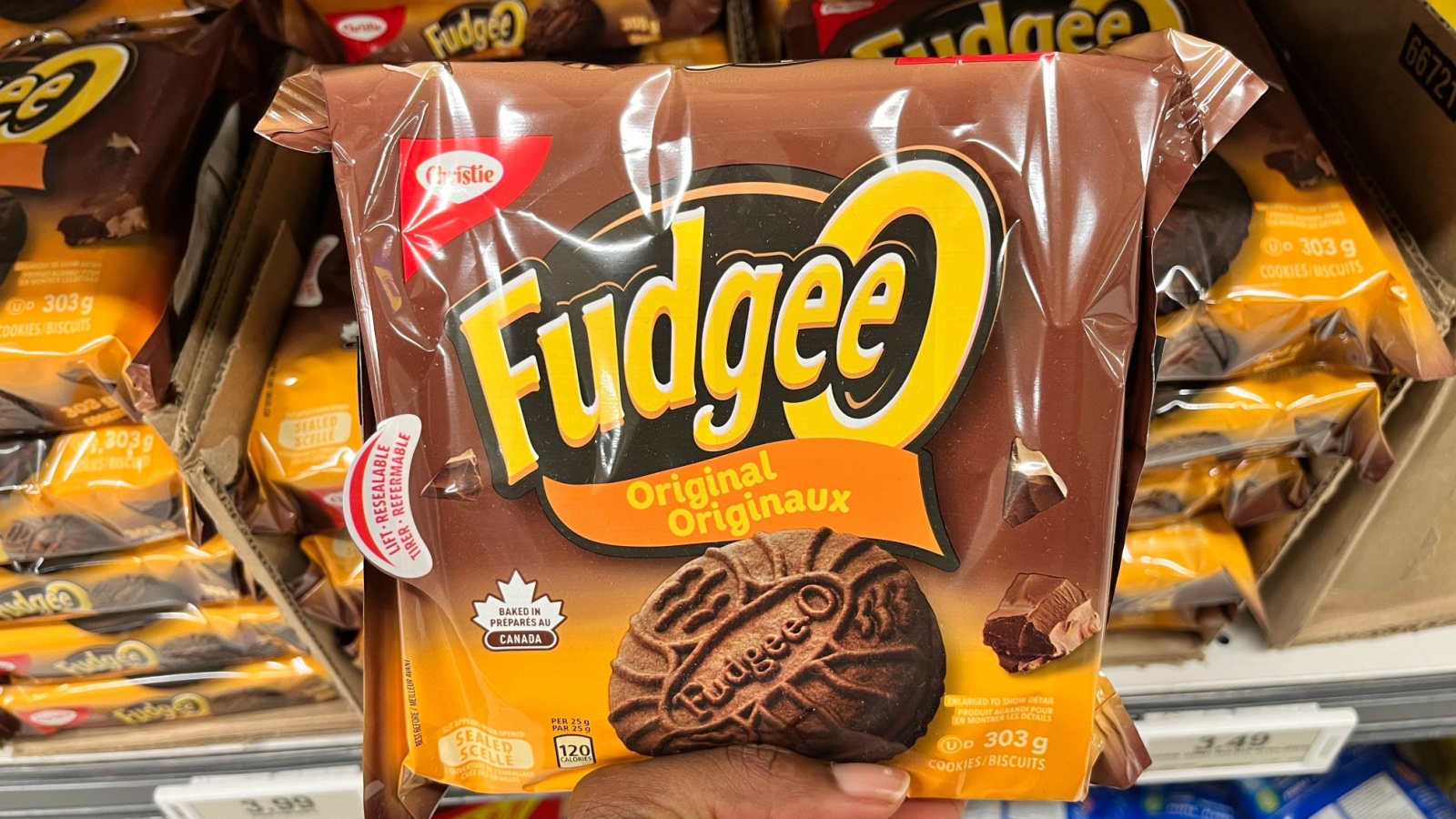
Cookies and crackers often shrink in ways that are barely noticeable at first. A sleeve may contain fewer crackers, a tray may have more empty spacing, or a box may drop by a few dozen grams while keeping the same familiar dimensions. For families packing lunches, that can mean fewer school snacks from the same purchase.
This category matters because cookies and crackers were specifically listed by Statistics Canada among food products with the most shrinkflation instances in the Consumer Price Index sample. That makes them more than just an online complaint; they are part of the measured pattern. When prices remain high, a smaller box of crackers effectively raises the cost of each lunchbox portion, even if the shelf tag looks unchanged from last month.
Margarine Tubs That Lose Their Old Weight

Margarine is a classic shrinkflation target because tubs can be redesigned without looking dramatically smaller. A container may keep a similar footprint in the fridge while the net weight falls, sometimes through shallower tubs, altered lid shapes, or new “easy spread” packaging. The difference only becomes obvious when recipes or weekly routines suddenly require more frequent replacement.
Statistics Canada placed margarine at the top of its list of food products with the most shrinkflation instances from 2021 to 2023. That makes it one of the clearest Canadian grocery examples. Margarine also competes directly with butter, which has faced its own price pressures, so shoppers may switch expecting savings only to find that the cheaper-looking spread no longer lasts as long as it used to.
Pasta Mixes With Smaller Pouches

Boxed pasta mixes and quick side-dish pouches are built around convenience, which makes size reductions easy to overlook. A package can still promise a fast dinner helper, but the finished amount may no longer stretch as far for two adults, a family meal, or next-day leftovers. The result is not just less food; it may require adding vegetables, meat, or another side to fill the gap.
Pasta mixes were also among the food products Statistics Canada flagged for frequent quantity adjustments. This category is especially frustrating because many shoppers buy it as a budget item. When a once-reliable pantry staple quietly loses volume while the price stays high, the value proposition changes. A “cheap dinner” can become less economical once the package no longer feeds the same number of people.
Cheddar Cheese Blocks That Don’t Slice as Far

Cheddar cheese is another item where small weight changes can have a big kitchen impact. A block that once handled sandwiches, pasta toppings, snacks, and weekend omelettes may run out sooner if the package drops in size. Because cheese is often bought on promotion, shoppers may focus on the sale sticker and miss the smaller net weight.
Statistics Canada identified cheddar cheese among products with frequent shrinkflation instances, and dairy was also expected to remain under food-price pressure in Canada’s Food Price Report. That combination is important: a smaller block does not feel like a bargain if the sale price is attached to less cheese. The simplest defence is comparing price per 100 grams, especially when “club size,” “value pack,” or “family size” labels appear.
Mozzarella Cheese That Makes Pizza Night Costlier
Mozzarella can shrink in blocks, shredded bags, or pre-portioned formats. The change is especially noticeable for households that make homemade pizza, lasagna, baked pasta, or school lunches, because recipes often depend on a predictable amount. A smaller bag may still cover one pizza, but it can leave less for the second meal that used to come from the same purchase.
Statistics Canada listed mozzarella cheese among the products with the most shrinkflation instances, placing it directly in the Canadian data rather than relying on anecdote. Mozzarella is also a high-usage item for families trying to avoid restaurant spending. When the grocery version becomes smaller while prices remain elevated, the savings from cooking at home can feel thinner than expected.
Chocolate Bars That Feel Lighter at the Checkout

Chocolate bars are small enough that even a 5-gram or 10-gram reduction can matter. A favourite bar may keep the same wrapper design, sit in the same checkout rack, and still feel lighter in the hand. The change may be dismissed as memory playing tricks, but confectionery has been one of the categories facing strong price pressure.
The issue is amplified by cocoa-market volatility. Statistics Canada reported that Canadians paid significantly more for confectionery in 2025, while the Bank of Canada pointed to sharp increases in chocolate and candy prices linked to supply shortages, extreme weather, and trade-related costs. In that environment, smaller chocolate bars can quietly turn an impulse treat into a much higher cost per gram.
Candy Bags With More Air and Fewer Pieces

Candy bags can shrink through lower net weight, fewer individually wrapped pieces, or packaging that appears puffier than the contents justify. For shoppers buying treats for birthdays, Halloween bowls, office desks, or road trips, the difference becomes obvious only when the bag is opened and disappears faster than expected.
Confectionery price increases have made this category especially sensitive. Even if candy remains a small indulgence, higher cocoa and sugar costs can encourage manufacturers to protect price points by reducing package sizes. The shelf price may stay psychologically comfortable, but the value falls. A bag that used to serve a group may now need a second purchase, which turns shrinkflation into a real spending increase.
Coffee Canisters and Bags With Fewer Mornings Inside
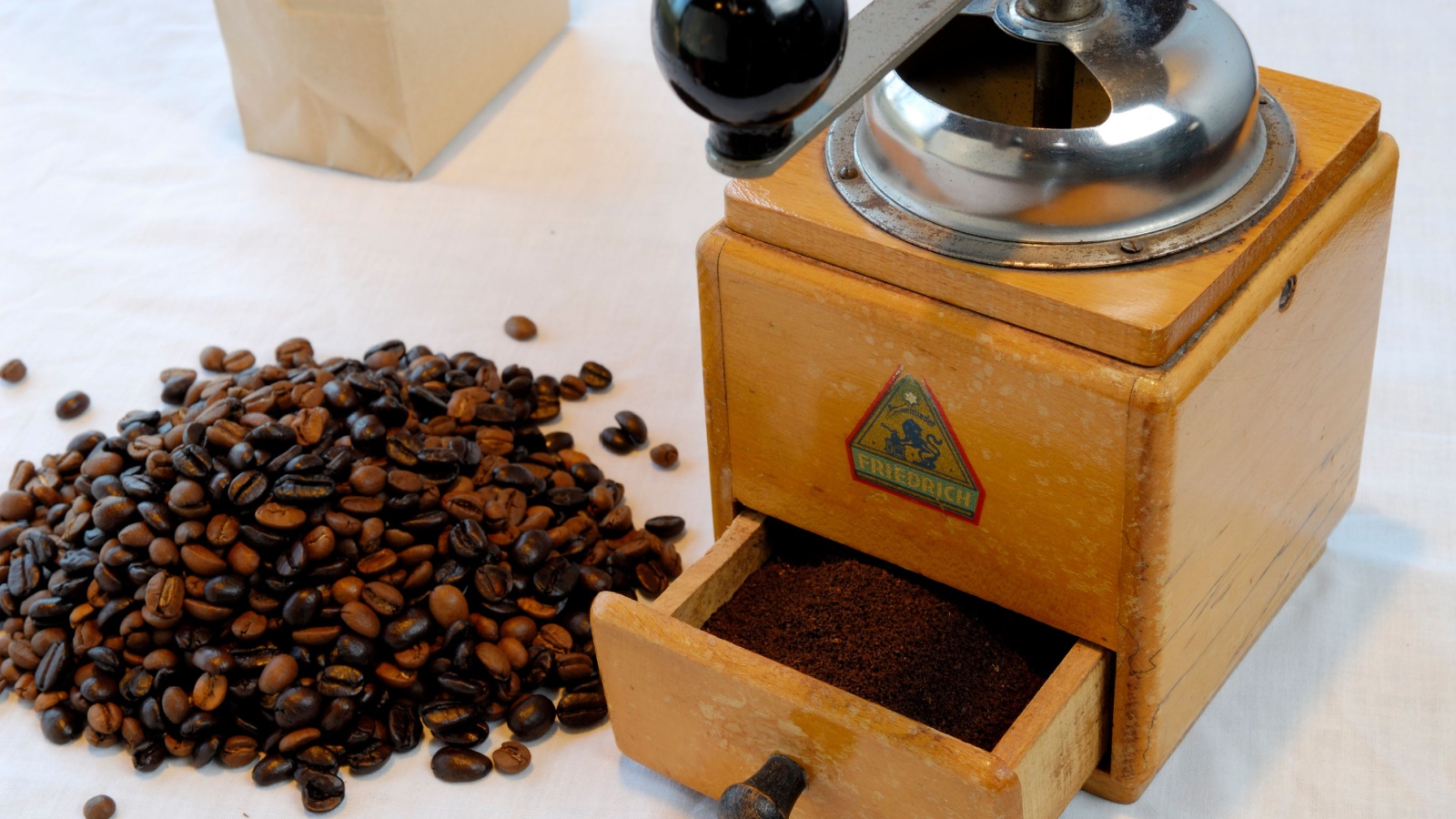
Coffee is one of the most painful grocery items to shrink because many households use it daily. A bag or canister that loses weight may still look familiar in the cupboard, but the number of morning brews declines. For people who measure scoops by habit, the smaller package simply reaches the bottom faster.
Coffee prices have been under exceptional pressure. Statistics Canada reported that Canadians paid much more for coffee in 2025, while the Bank of Canada connected the surge to import costs, supply shortages, extreme weather, and currency effects. Shrinkflation in coffee feels especially sharp because there is little room to disguise the impact: fewer grams mean fewer cups, and the replacement purchase arrives sooner.
Ice Cream and Frozen Desserts in Smaller Tubs

Ice cream tubs can shrink while still looking like the same freezer staple. Rounded containers, deeper lids, and slightly altered tub shapes can hide reductions in volume. In some cases, shoppers also face a second frustration: products marketed as frozen desserts rather than traditional ice cream, depending on ingredients and formulation.
Frozen treats are vulnerable because dairy, sugar, cocoa, packaging, refrigeration, and transport costs all affect the final price. When the tub size falls but the price does not, dessert night gets more expensive per scoop. A family that once counted on one tub for several servings may notice it now disappears after one or two sittings, especially when serving sizes are realistic rather than label-perfect.
Yogurt Cups and Multipacks With Smaller Servings

Yogurt shrinkflation often shows up in individual cups and multipacks. The package may still advertise the same number of cups, but each cup can contain fewer grams. That matters for shoppers buying yogurt for breakfast routines, children’s lunches, or high-protein snacks, because the serving feels less filling while the weekly spend remains high.
Dairy products were forecast to keep rising in Canada’s Food Price Report, and Statistics Canada identified multiple cheese categories among products with frequent quantity adjustments. While yogurt sizes vary by brand, the broader dairy aisle has the right conditions for shrinkflation: high household demand, price sensitivity, and packaging formats that make small changes easy to miss. Checking grams per cup is often more revealing than counting cups per pack.
Granola Bars With Smaller Bars Inside the Box
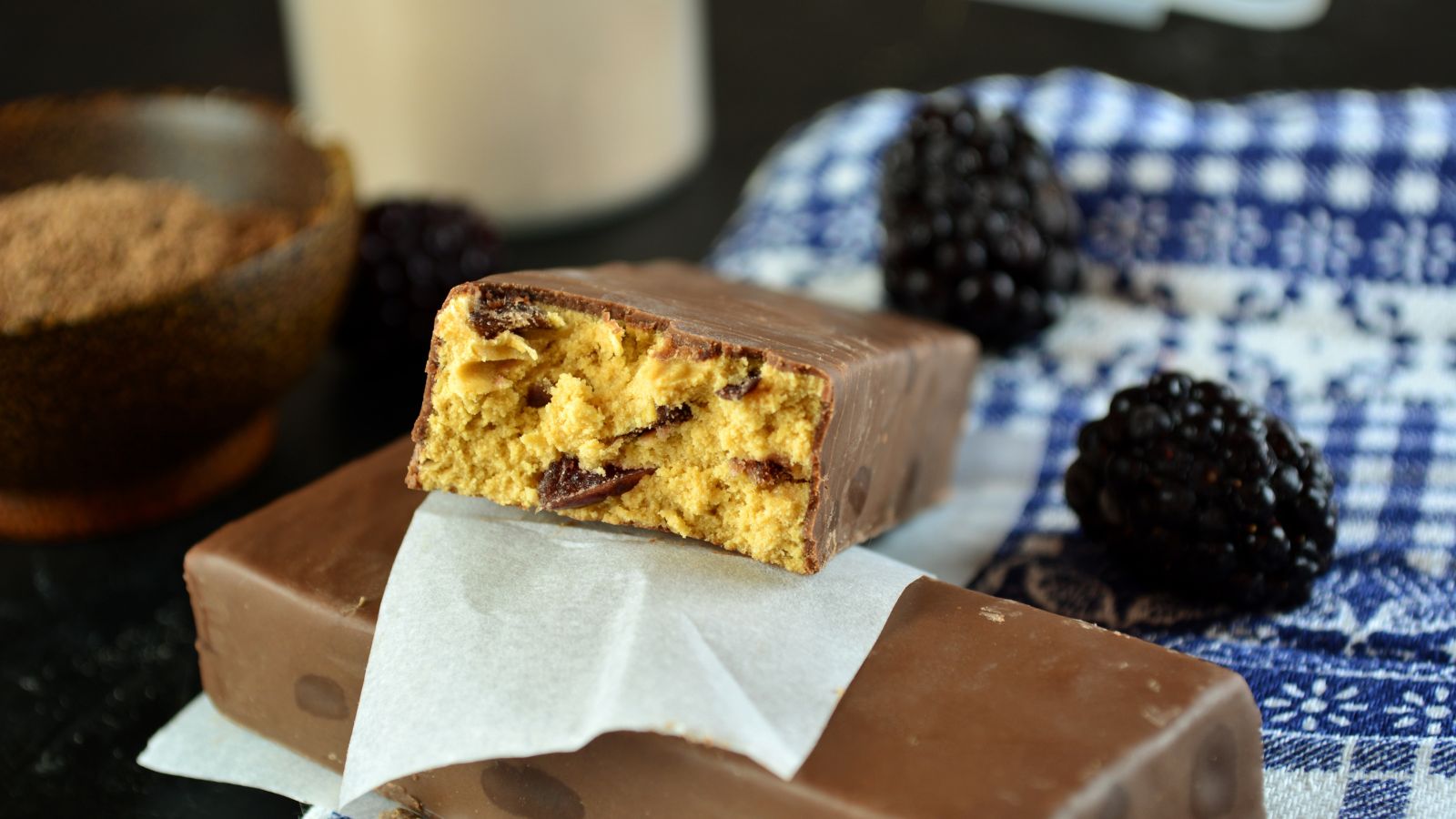
Granola bars are especially prone to hidden shrinkage because the outer box can remain similar while the individual bars inside become shorter or lighter. The count may stay at five, six, or eight bars, but each one may deliver fewer grams. For parents packing school lunches, the box still runs out on schedule while the snack itself feels less substantial.
This category also benefits from health and convenience language that can distract from size changes. Words such as “protein,” “fibre,” “whole grain,” or “less sugar” may be useful, but they do not replace the need to compare net weight. When grocery prices are high, a smaller bar can quietly raise the cost of each snack and encourage shoppers to buy a second box sooner.
Potato Chips in Bags That Feel Puffier Than Ever

Potato chip bags have long carried extra air to protect contents, but shrinkflation makes that familiar complaint feel more expensive. A bag can look full on the shelf yet contain fewer grams than older versions. Because chips are often bought for gatherings, the smaller size becomes obvious when a bowl needs refilling faster than expected.
Snack foods are well suited to shrinkflation because shoppers often buy them by brand, flavour, or promotion rather than by unit price. A sale price can look appealing until the grams are compared. When the shelf price remains high and the bag is lighter, the true cost of movie night, lunches, or weekend entertaining rises in a way that is easy to underestimate.
Bread and Buns With Thinner Slices or Fewer Pieces

Bread shrinkflation can be subtle. A loaf may contain thinner slices, slightly smaller slices, or fewer grams while still fitting into a familiar bag. Buns and rolls may shrink in diameter or weight without changing the package count. The practical impact is simple: sandwiches feel smaller, toast runs out sooner, and a barbecue pack may not stretch as far.
Bakery products were forecast to keep rising in Canada’s Food Price Report, which matters because bread is not a luxury item. It is a weekly staple for many households. When staple foods shrink, the frustration is different from seeing a treat get smaller. Shoppers are not merely losing an indulgence; they are paying more per meal for basic groceries.
Frozen Pizza With Less Topping or Smaller Diameter
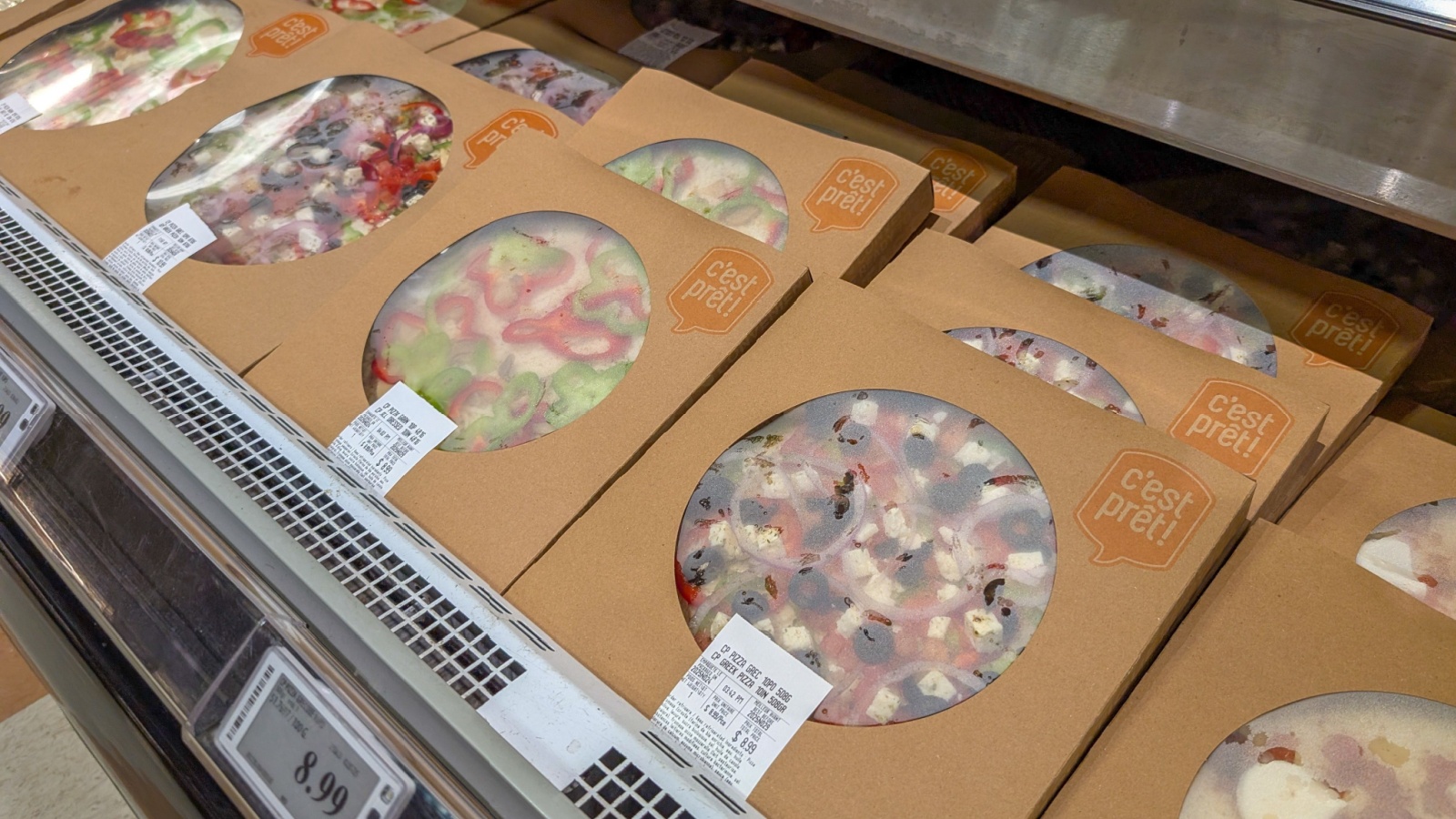
Frozen pizza can shrink through a smaller crust, lower net weight, or fewer toppings, even when the box design stays familiar. A pizza that once handled a quick dinner for two may now feel closer to a snack, especially for teenagers or busy households relying on freezer meals during the week.
This is where shrinkflation and skimpflation can overlap. The package may not only be lighter; it may also appear less generous in cheese, meat, vegetables, or sauce. Processed frozen foods are exposed to wheat, dairy, meat, packaging, energy, and transport costs, so manufacturers have many incentives to reduce inputs. The result is a product that still solves a convenience problem but no longer delivers the same value.
Deli Meat Packs With Fewer Sandwiches
Packaged deli meat can shrink in quiet but meaningful ways. A container or pouch may still look like a lunch staple, but the grams may be lower, slices may be thinner, or the number of usable sandwich portions may fall. For households that build school or work lunches around deli meat, that can quickly change the weekly grocery math.
Meat prices rose sharply in 2025, with fresh and frozen beef among the strongest contributors to food inflation. While deli meat is processed and varies widely by brand, it sits inside a broader meat category facing cost pressure. Smaller packs can make lunch planning harder because shoppers may need two packages where one used to be enough.
Bacon Packages That Don’t Cover the Same Breakfast

Bacon is one of those items where package size changes are easy to feel because the slices are counted out for breakfast, burgers, sandwiches, or recipes. A smaller package may still look indulgent, but it can fail to cover the same weekend meal. Thinner slices can also make the package appear larger than the cooked result suggests.
The broader meat category has faced notable inflation, and Canada’s Food Price Report pointed to meat as one of the categories expected to rise faster than many others. For shoppers, bacon shrinkflation is not just about fewer grams; it is about the disappearance of a familiar household rhythm. The same brunch that once used one pack may now require careful portioning or a second purchase.
Pasta Sauce Jars With Less for the Same Dinner

Pasta sauce jars are often bought by routine: one jar for one package of pasta, one dinner, or one batch of leftovers. When the jar gets smaller, the change can throw off the meal. The sauce may no longer coat the same amount of pasta, leading shoppers to stretch it with water, tomatoes, or another jar.
This category is sensitive because pasta and sauce are classic budget meals. Even a modest reduction in millilitres changes the value of a low-cost dinner. Processed and packaged foods were among the areas affected by import and supply-chain cost pressures, according to the Bank of Canada’s analysis of food inflation. A smaller sauce jar therefore becomes part of a broader pattern: stable-looking packages masking higher unit costs.
Soup Cans That Feel Less Like a Meal

Canned soup has long been a pantry standby, especially for quick lunches, sick days, and low-effort dinners. Shrinkflation can show up through smaller cans, less dense contents, or recipes that feel thinner while the price remains high. The label may look familiar, but the bowl may not feel as filling.
Soup is also a good example of how shoppers experience grocery inflation emotionally. It is not usually treated as a premium purchase. When a basic can costs more or feeds less, it reinforces the feeling that even simple meals have become harder to keep affordable. Checking millilitres, grams, and sodium-adjusted nutrition per serving can reveal whether the can still delivers the value it once did.
Juice Cartons and Bottles With Fewer Pours

Juice containers can shrink from standard-looking cartons or bottles without much visual disruption. A family may still buy the same flavour and brand, only to notice the container empties sooner at breakfast. The change can be particularly frustrating when the carton shape stays similar but the actual volume drops.
Fruit-related products have also faced supply pressures, including weather and disease impacts in citrus markets. Statistics Canada reported higher orange prices in 2025, partly tied to citrus greening disease and supply conditions. Even when juice is processed rather than fresh fruit, these pressures can flow through the aisle. Smaller containers allow brands to preserve a shelf price while households get fewer glasses.
Peanut Butter and Spreads With Shallower Jars

Peanut butter, jam, hazelnut spread, and other pantry spreads can shrink through jar redesigns that are difficult to judge by sight. A taller lid, deeper base, or narrower middle can reduce the contents while preserving the same general shelf presence. The difference becomes obvious only when the jar runs out before the next planned grocery trip.
These spreads matter because they are often used for inexpensive breakfasts, snacks, and lunches. A smaller jar raises the cost of each sandwich or piece of toast, especially for families with children. In a period when food prices remain elevated and households are watching budgets closely, the most important label is not the front design. It is the net weight and the unit price beside it.
19 Things Canadians Don’t Realize the CRA Can See About Their Online Income

Earning money online feels simple and informal for many Canadians. Freelancing, selling products, and digital services often start as side projects. The problem appears at tax time. Many people underestimate how much information the CRA can access. Online platforms, banks, and payment processors create detailed records automatically. These records do not disappear once money hits an account. Small gaps in reporting add up quickly.
Here are 19 things Canadians don’t realize the CRA can see about their online income.
This Options Discord Chat is The Real Deal
While the internet is scoured with trading chat rooms, many of which even charge upwards of thousands of dollars to join, this smaller options trading discord chatroom is the real deal and actually providing valuable trade setups, education, and community without the noise and spam of the larger more expensive rooms. With a incredibly low-cost monthly fee, Options Trading Club (click here to see their reviews) requires an application to join ensuring that every member is dedicated and serious about taking their trading to the next level. If you are looking for a change in your trading strategies, then click here to apply for a membership.