35,000+ smart investors are already getting financial news, market signals, and macro shifts in the economy that could impact their money next with our FREE weekly newsletter. Get ahead of what the crowd finds out too late. Click Here to Subscribe for FREE.
Rising grocery bills have made warehouse shopping feel more essential than ever, but a big cart does not automatically mean a better deal. Costco Canada can offer strong value on staples, fuel, household goods, and bulk groceries, yet the savings often depend on timing, storage, discipline, and how closely shoppers compare prices.
These 16 Costco Canada habits show how ordinary routines—grabbing oversized perishables, chasing rewards, skipping unit-price checks, or relying too heavily on delivery—can quietly turn a money-saving trip into a more expensive one.
Chasing the Executive Membership Without Doing the Math
16 Costco Canada Habits That Could Be Costing Shoppers More Than They Save
- Chasing the Executive Membership Without Doing the Math
- Buying Oversized Fresh Produce Because the Sticker Price Looks Good
- Assuming Every Bulk Package Has the Best Unit Price
- Letting Free Samples Turn Into Full-Size Impulse Buys
- Using Same-Day Delivery Without Pricing It Against the Warehouse
- Forgetting to Request Price Adjustments
- Treating the Return Policy as a Substitute for Careful Buying
- Making a Gas Run That Turns Into a Full Warehouse Trip
- Overbuying Seasonal Items Before Knowing the Real Need
- Ignoring the Cost of Storage Space
- Buying Kirkland or Name Brands Without Comparing Alternatives
- Using the Wrong Payment Strategy
- Paying for Member Services Without Comparing the Outside Market
- Buying Electronics Because the Return Window Feels Comfortable
- Letting the Warehouse Layout Decide the Shopping List
- Skipping the Pantry Check Before Leaving Home
- Treating Every Costco Trip as a Savings Event
- 19 Things Canadians Don’t Realize the CRA Can See About Their Online Income

The Executive Membership can feel like an obvious upgrade because the 2% annual reward sounds straightforward. For households that spend heavily at Costco Canada, the extra fee may be easy to justify. But the habit becomes costly when shoppers upgrade first and calculate later. A Gold Star Membership costs less, while Executive costs more and only pays off if eligible annual spending is high enough to offset the difference.
A family that shops occasionally, buys mostly gas, or splits purchases across several grocery stores may not earn enough reward value to make the upgrade worthwhile. Costco itself notes that the Executive reward is not guaranteed to equal or exceed the upgrade fee. The smarter habit is to estimate annual eligible spending before upgrading, not after a renewal reminder makes the premium tier feel automatic.
Buying Oversized Fresh Produce Because the Sticker Price Looks Good

A large container of berries, a heavy bag of avocados, or a jumbo salad kit can look like a bargain compared with smaller supermarket packages. The problem is that fresh food savings only count when the food actually gets eaten. A low per-unit price loses its advantage quickly when half the container softens, browns, or gets tossed before the weekend.
This is especially relevant in smaller households, condos with limited fridge space, or families with unpredictable schedules. Research on grocery shopping and food waste has linked higher grocery spending and bulk-buying behaviours with more household food waste. Costco can be excellent for produce before a barbecue, school week, or meal-prep stretch. It can be less economical when shoppers buy for an idealized week that never happens.
Assuming Every Bulk Package Has the Best Unit Price

Warehouse shopping trains people to think bigger means cheaper. Often it does, but not always. Some products become harder to compare because package sizes, formats, and concentrations differ. Laundry detergent, coffee, cereal, paper products, vitamins, and snack packs can look cheaper at first glance while competing stores run flyer deals, loyalty offers, or smaller-format discounts.
Unit pricing matters because it turns a shelf comparison into simple math. Canadian grocery competition research has emphasized that easier unit-price comparisons can help consumers make better choices, especially when package sizes vary. At Costco, the habit of pausing for cents per gram, litre, sheet, dose, or load can prevent a shopper from paying extra for the psychological comfort of a bigger box.
Letting Free Samples Turn Into Full-Size Impulse Buys
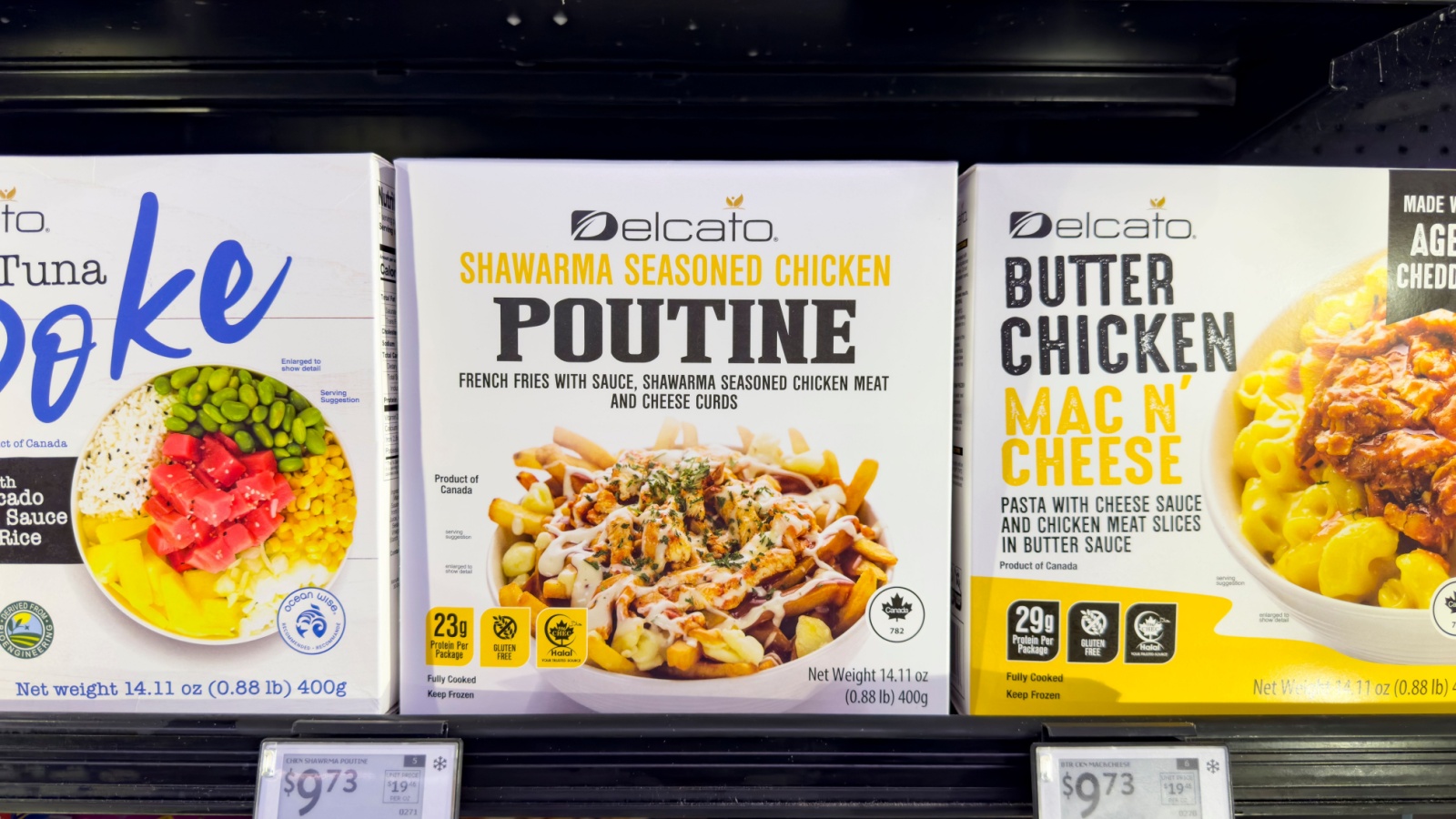
Samples are part of the Costco experience, and they can introduce shoppers to genuinely useful products. The costly habit is treating a pleasant bite as proof that a 48-count box belongs in the cart. A frozen appetizer may taste great in a tiny cup, but it still needs freezer space, family approval, and enough occasions to finish the package.
Impulse buying becomes more expensive in warehouse settings because the “impulse” is rarely small. A supermarket snack impulse might cost a few dollars; a Costco impulse can take up a shelf and add $18, $25, or more to the receipt. Academic research on warehouse-club shopping has examined how the format can influence packaged-food purchases. The practical lesson is simple: sample, enjoy, then ask whether the full package fits real household habits.
Using Same-Day Delivery Without Pricing It Against the Warehouse

Costco same-day delivery can be useful for busy households, bad weather, illness, or heavy items. The expensive habit is assuming the delivery cart reflects warehouse pricing. Costco Canada’s same-day delivery pricing policy states that item prices are marked up higher than the local warehouse, and delivery platforms may also involve minimums, service costs, or tipping expectations.
That does not make delivery bad. It makes it a convenience service rather than a pure savings strategy. A shopper who orders weekly without comparing may give back much of the value that warehouse pricing was supposed to create. Same-day delivery works best when the saved time, transportation cost, or accessibility benefit clearly outweighs the price markup. Otherwise, it can quietly become a premium grocery habit.
Forgetting to Request Price Adjustments

Costco’s price drops can be frustrating when a shopper buys an appliance, mattress, small kitchen item, or pantry product days before a promotion. The costly habit is assuming nothing can be done. Costco’s price-adjustment approach generally allows eligible members to request an adjustment when an item drops in price within a set window, though procedures and exclusions can vary between warehouse and online purchases.
The money lost here often comes from not tracking receipts. A $15 or $40 adjustment may not sound dramatic, but several missed adjustments across a year can add up to more than a membership fee. Shoppers who buy big-ticket items at Costco should keep receipts accessible, check the flyer or online listing afterward, and act quickly when the price changes.
Treating the Return Policy as a Substitute for Careful Buying

Costco is known for a generous satisfaction guarantee, and that confidence can reduce risk on many purchases. But the expensive habit is buying first and thinking later because “it can always go back.” Returns still cost time, fuel, attention, and sometimes restocking inconvenience at home. More importantly, several categories have specific limits or exceptions.
Electronics, for example, are commonly subject to a 90-day return window, and certain items such as gift cards, some tickets, special-order products, and other limited categories may have restrictions. Shoppers who rely on the return policy too casually may also keep items past the relevant window because life gets busy. A better habit is to treat return flexibility as a safety net, not as permission to overbuy.
Making a Gas Run That Turns Into a Full Warehouse Trip
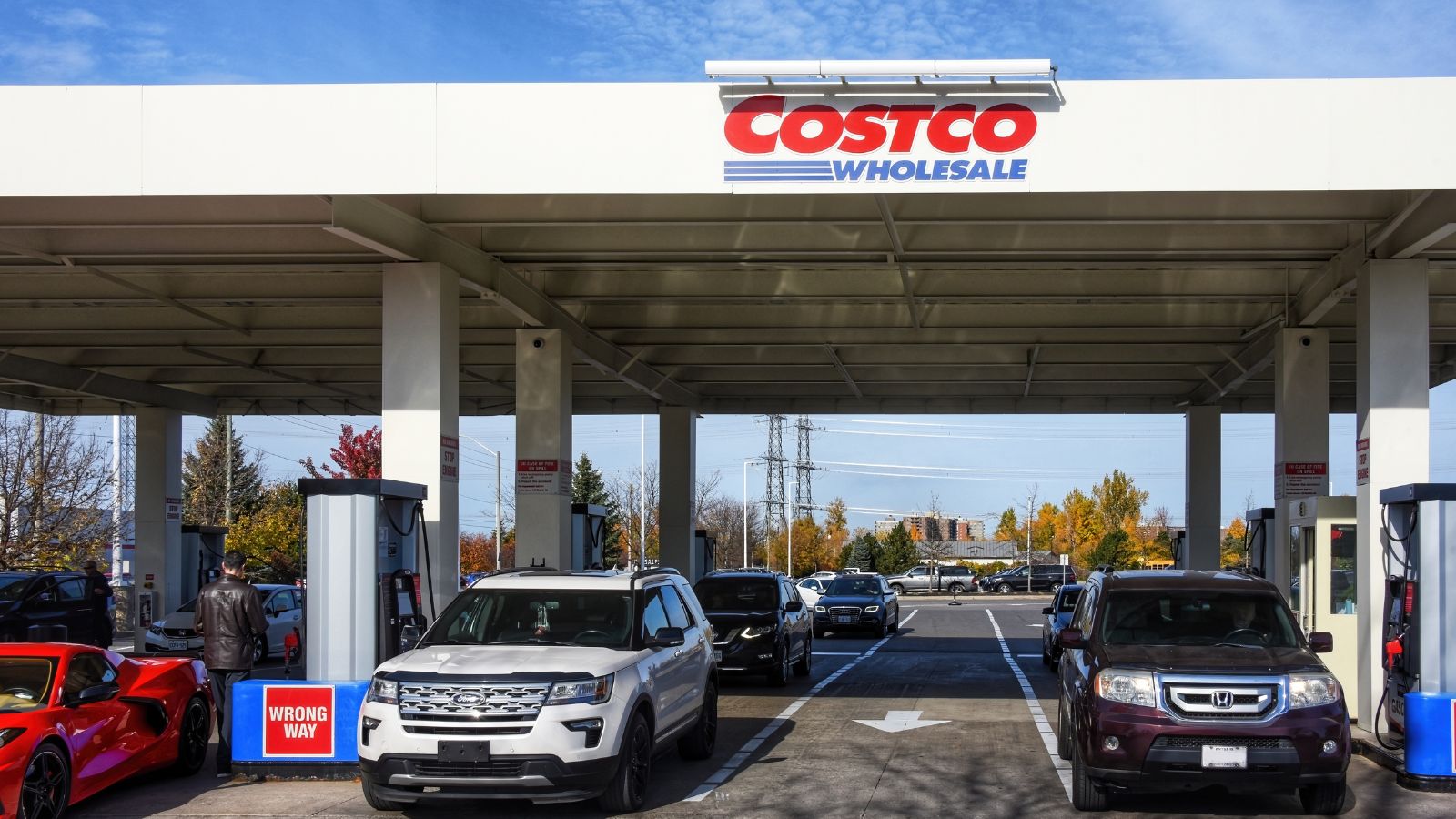
Costco gas can be a genuine savings draw when a warehouse is already on the route or the price gap is meaningful. The costly habit begins when a quick fuel stop becomes a $200 cart. A driver who planned only to fill up may wander inside for rotisserie chicken, snacks, seasonal décor, and one “good deal” that was never on the list.
There is also the hidden cost of detours. If a household drives well out of the way, idles in a long line, or pairs every gas stop with extra purchases, the fuel savings may shrink. Costco’s gas stations can still be valuable, especially for commuters near a warehouse. The key is separating the gas decision from the warehouse decision so one discount does not trigger several unplanned expenses.
Overbuying Seasonal Items Before Knowing the Real Need

Costco’s seasonal aisles are persuasive because the products are large, timely, and often displayed in limited waves. Patio furniture, holiday treats, gardening supplies, camping gear, snow brushes, and summer hosting items can feel urgent because shoppers know they may disappear. The costly habit is buying early out of fear, then realizing the household needed a smaller version, a different size, or nothing at all.
Seasonal bulk buying also creates storage pressure. A giant box of ornaments, outdoor cushions, pool toys, or holiday chocolates may occupy valuable space for months. Worse, seasonal food can expire before the next gathering. Costco can be strong for planned events and recurring traditions, but the best seasonal purchases are tied to a real calendar, not a vague expectation that “this will probably come in handy.”
Ignoring the Cost of Storage Space
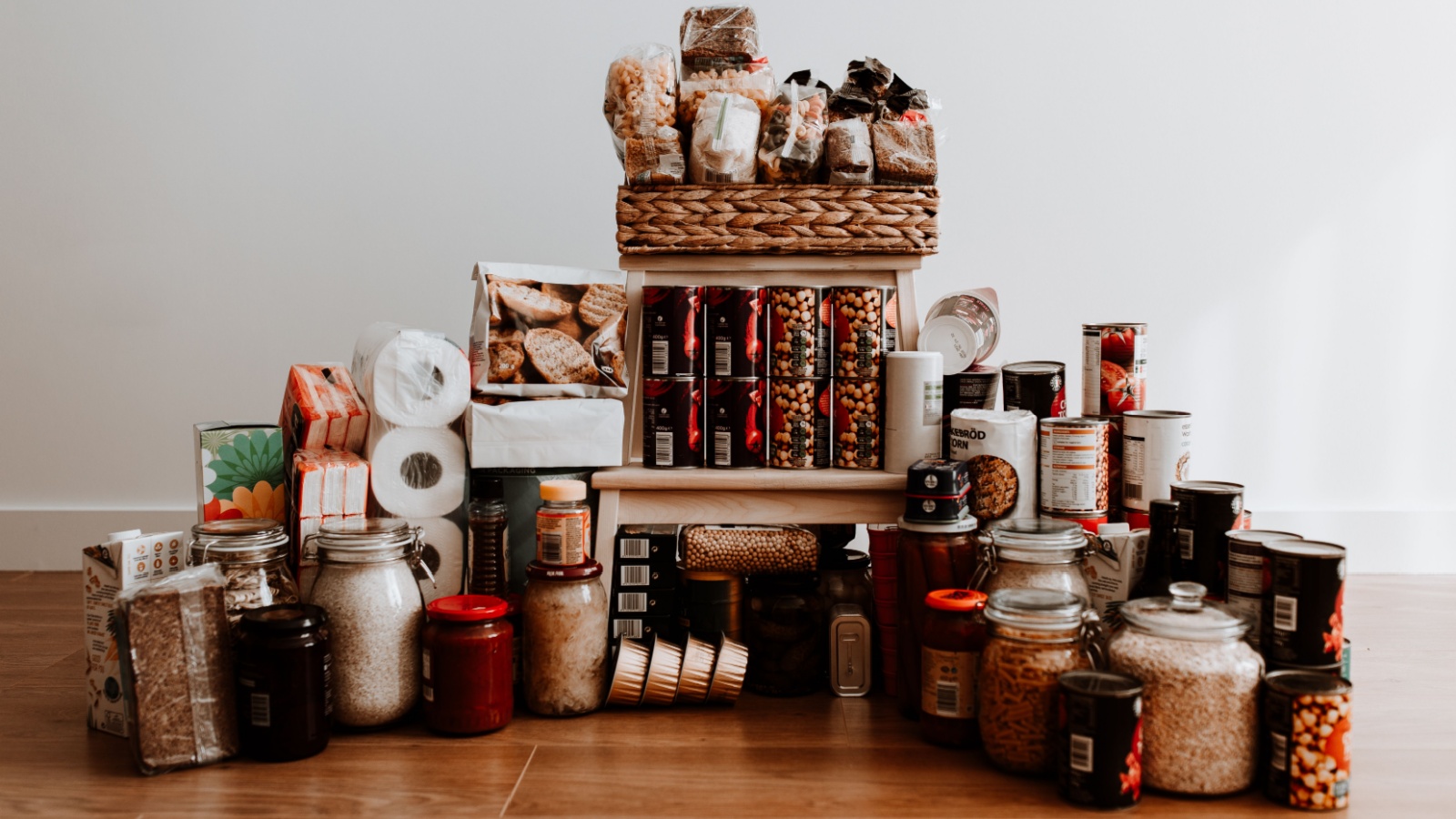
Bulk shopping works best when a household has the pantry, freezer, garage, or basement space to manage it. The expensive habit is treating storage as free. In reality, crowded shelves make it easier to forget what is already there, double-buy staples, or let older items expire behind newer purchases. A bargain is less valuable when it creates clutter that causes future waste.
Freezer space is a common example. A shopper may buy meat, frozen fruit, dumplings, and prepared meals at strong prices, only to run out of room and stop using the freezer efficiently. Chest freezers also require organization and electricity, and cramped kitchens can turn bulk paper goods into everyday obstacles. The best Costco savings often come from households that can store purchases clearly and rotate them consistently.
Buying Kirkland or Name Brands Without Comparing Alternatives
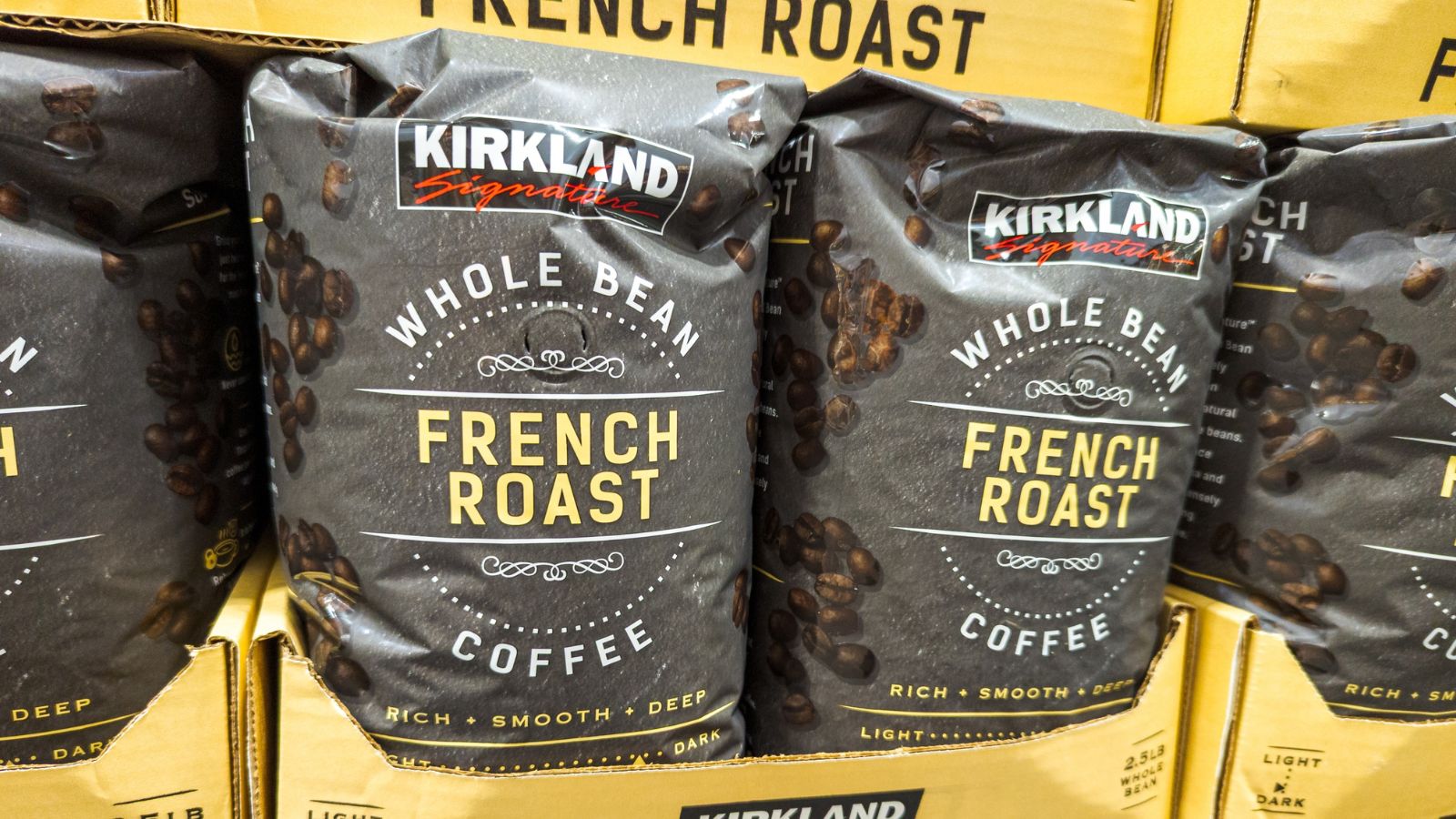
Kirkland Signature has a strong reputation, and many Costco name-brand items are competitively priced. The costly habit is assuming reputation replaces comparison. Some shoppers are loyal to specific warehouse products even when a local grocer, pharmacy, or online retailer has a better sale on the same category. This can happen with cereal, cleaning products, coffee, pet supplies, vitamins, and personal-care items.
Brand loyalty also affects waste. A large Kirkland pack is only a deal if the household likes the product enough to finish it. A smaller competitor product on sale may be cheaper in practice if it fits actual use. Costco’s private label can be excellent, but the strongest habit is selective loyalty: buy the Costco version when quality, size, and price all make sense, not simply because the warehouse setting suggests automatic value.
Using the Wrong Payment Strategy

At Costco Canada warehouses, credit-card acceptance is more limited than at many other retailers, which can change the rewards math. Shoppers who default to debit or cash may miss out on rewards they could earn with an accepted Mastercard. Others may use a card that is accepted but not optimized for warehouse or gas purchases, leaving cash back on the table.
This habit is especially costly for households spending thousands per year at Costco. A small rewards difference can become meaningful across groceries, tires, fuel, appliances, and household staples. The point is not to overspend for points; it is to avoid losing rewards on purchases that were already planned. Payment choice should be part of the savings calculation, not an afterthought at checkout.
Paying for Member Services Without Comparing the Outside Market

Costco Canada promotes member savings on services such as travel, insurance, installation, optical, pharmacy, and other household or business categories. These can be valuable, especially when the service is transparent and comparable. The costly habit is assuming a Costco-linked offer is automatically the lowest or best fit without checking competing quotes.
Services are more complex than shelf goods. A travel package may include convenience but not the exact airline timing a family wants. An installation service may be competitive in one city and less so in another. Insurance depends heavily on personal risk factors and coverage details. Costco membership can open useful doors, but shoppers still need to compare total cost, terms, exclusions, and service quality before treating the member price as the final word.
Buying Electronics Because the Return Window Feels Comfortable

Costco can be attractive for televisions, laptops, tablets, cameras, and small electronics because shoppers often value warranty support, bundles, and return flexibility. The costly habit is buying an electronic item too quickly because the return window feels forgiving. Electronics prices can move fast, especially around major sale periods, model changes, and holiday promotions.
There is also a difference between a good bundle and a useful bundle. A TV package with a mount, soundbar, or delivery perk may be worthwhile for one household and unnecessary for another. Costco’s electronics return period is generous compared with many retailers but still limited for specified categories. Shoppers can save more by checking model numbers, comparing specs, watching price adjustments, and buying when the timing fits both need and market pricing.
Letting the Warehouse Layout Decide the Shopping List

Costco’s treasure-hunt atmosphere is part of its appeal. The layout encourages discovery, and limited-time products can make shoppers feel that hesitation means missing out. The costly habit is letting the warehouse shape the list more than the household does. A cart that begins with eggs, milk, and detergent can quickly collect clothing, snacks, books, candles, cookware, and seasonal novelty items.
This is not accidental; retail environments are designed to influence decisions. Research into impulse buying repeatedly finds that promotions, product presentation, and in-store cues can affect purchasing behaviour. In a warehouse club, those cues are amplified by large packages and perceived scarcity. The antidote is not joyless shopping. It is a short list, a spending ceiling, and a pause before every item that was not part of the original plan.
Skipping the Pantry Check Before Leaving Home

One of the most expensive Costco habits happens before the shopper reaches the parking lot. Skipping a pantry, fridge, and freezer check makes duplicate buying more likely. A household may return with another jar of peanut butter, another flat of canned tomatoes, or another pack of freezer meals because nobody remembered what was already buried at home.
This habit matters more at Costco because duplicates are large. Buying one extra supermarket can of beans is minor; buying another case can crowd shelves for months. A two-minute inventory check can prevent waste, reduce clutter, and keep the trip focused on real needs. Some households use a shared phone note, a freezer whiteboard, or photos of pantry shelves. The method matters less than the habit: check first, then shop.
Treating Every Costco Trip as a Savings Event

The final costly habit is psychological. Many shoppers enter Costco expecting to save, so a high receipt can feel justified. The warehouse may still deliver good value on many items, but the total bill matters more than the average discount. Saving 15% on three planned staples does not help much if the cart also includes $90 in unplanned extras.
This is where Costco requires a different kind of discipline than ordinary grocery shopping. The prices can be strong, but the purchase sizes are larger and the store is built around discovery. A genuinely successful trip is not the one with the most impressive deals; it is the one that lowers household costs after waste, storage, fuel, membership, delivery, and impulse purchases are counted. Savings should show up in the monthly budget, not just on the shelf tag.
19 Things Canadians Don’t Realize the CRA Can See About Their Online Income

Earning money online feels simple and informal for many Canadians. Freelancing, selling products, and digital services often start as side projects. The problem appears at tax time. Many people underestimate how much information the CRA can access. Online platforms, banks, and payment processors create detailed records automatically. These records do not disappear once money hits an account. Small gaps in reporting add up quickly.
Here are 19 things Canadians don’t realize the CRA can see about their online income.
This Options Discord Chat is The Real Deal
While the internet is scoured with trading chat rooms, many of which even charge upwards of thousands of dollars to join, this smaller options trading discord chatroom is the real deal and actually providing valuable trade setups, education, and community without the noise and spam of the larger more expensive rooms. With a incredibly low-cost monthly fee, Options Trading Club (click here to see their reviews) requires an application to join ensuring that every member is dedicated and serious about taking their trading to the next level. If you are looking for a change in your trading strategies, then click here to apply for a membership.