35,000+ smart investors are already getting financial news, market signals, and macro shifts in the economy that could impact their money next with our FREE weekly newsletter. Get ahead of what the crowd finds out too late. Click Here to Subscribe for FREE.
Canadian households have become unusually sensitive to small price jumps because the essentials now seem to rise in clusters: groceries, fuel, rent, insurance, phone bills, and basic household supplies. A few dollars more for milk or bread may not look dramatic on a single receipt, but the pressure builds when nearly every routine purchase feels less predictable than it did a few years ago.
These 20 everyday essentials stand out because they are hard to skip, hard to substitute, or tied to recurring household routines. Some have been pushed up by global commodity costs, weather, tariffs, transportation pressures, supply disruptions, or tight housing markets. Others simply feel overpriced because consumers buy them constantly and notice every increase.
Milk
20 Canadian Everyday Essentials That Suddenly Cost More Than They Should
- Milk
- Bread
- Eggs
- Coffee
- Butter
- Ground Beef
- Chicken Breasts
- Fresh Produce
- Rice and Pasta
- Baby Formula
- Diapers and Wipes
- Toilet Paper and Paper Towels
- Laundry Detergent
- Toothpaste and Oral Care
- Shampoo, Soap, and Deodorant
- Rent
- Electricity
- Gasoline
- Public Transit Fares
- Car Insurance
- Home Internet
- Mobile Phone Plans
- 19 Things Canadians Don’t Realize the CRA Can See About Their Online Income
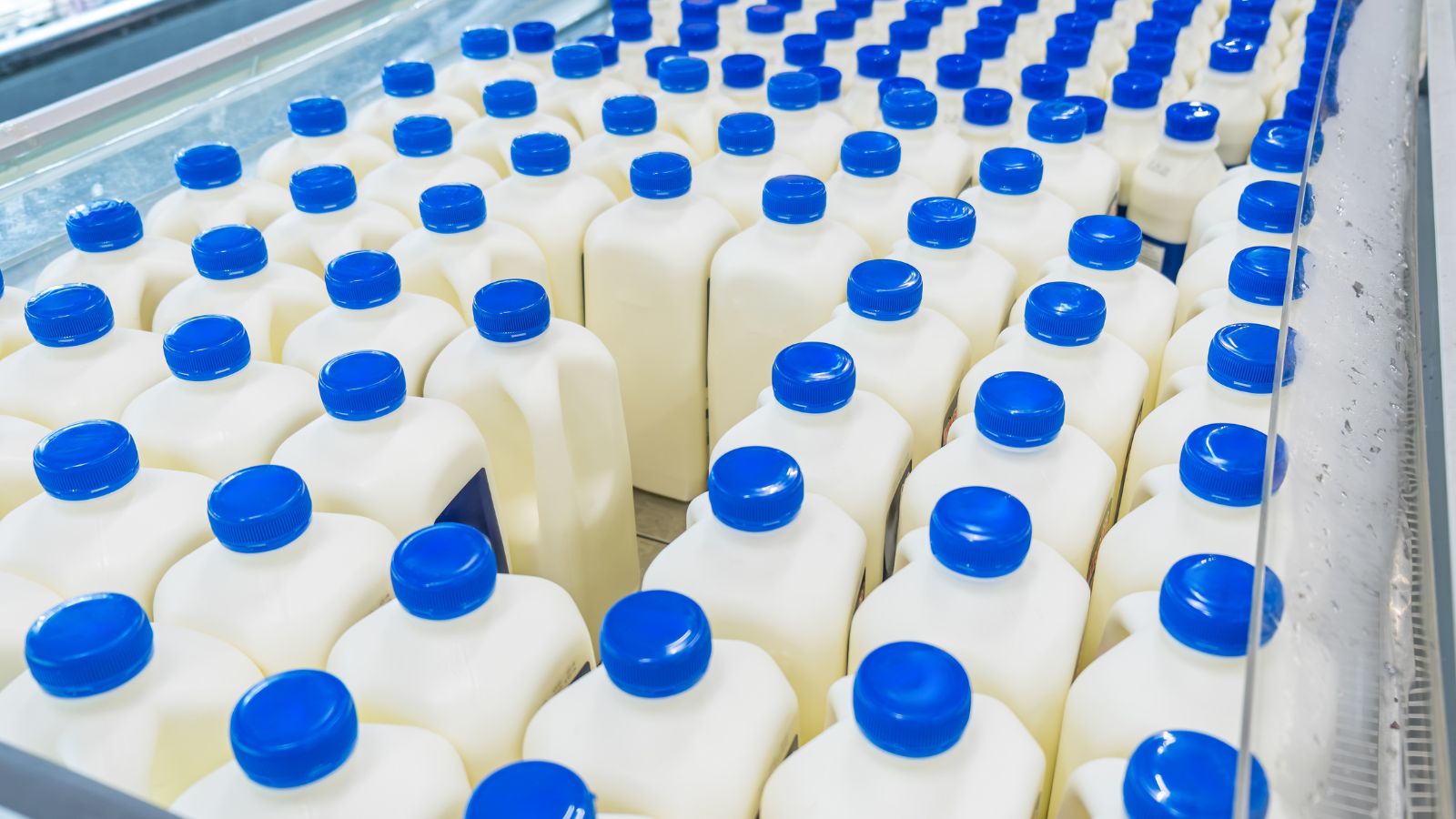
Milk remains one of the clearest examples of an everyday product that feels more expensive because it is bought so regularly. A two-litre carton does not carry the shock value of a major bill, but when it appears on the grocery list every few days, even a modest increase becomes obvious. Statistics Canada’s food price data showed the national average retail price for two litres of milk at $5.51 in March 2026, a level that can feel especially steep for families with children, coffee drinkers, or households that bake often.
The frustration is not only about the shelf price. Milk sits inside a broader grocery basket that has been under pressure for years, with the Bank of Canada noting that grocery prices have risen much faster than overall consumer prices since 2022. For many Canadians, milk has become a symbol of the weekly shop: a basic item that once felt automatic, but now gets noticed at checkout.
Bread

Bread is another staple that has lost some of its “cheap filler” status. Statistics Canada listed the national average retail price for a 675-gram loaf of white bread at $3.63 in March 2026, and specialty loaves, whole-grain options, and bakery items often cost more. A household making school lunches, toast, sandwiches, and quick dinners can go through several loaves a week, which makes bread inflation feel sharper than the number on one package suggests.
What makes bread particularly annoying is that it is often bought alongside other inflated staples: eggs, butter, cheese, deli meat, and produce. A sandwich lunch that used to feel economical can quietly become less budget-friendly. Wheat markets, transportation costs, labour, packaging, and retail margins all flow into the final price, but consumers mostly see the result in one simple place: the bread aisle looking less forgiving than it used to.
Eggs

Eggs used to be one of the easiest ways to stretch a grocery budget, but they now attract far more attention from shoppers comparing cartons by size, grade, and unit price. Statistics Canada’s food price data showed the national average price for a dozen eggs at $4.77 in March 2026, which is a noticeable jump for households that rely on eggs for breakfasts, baking, meal prep, and quick protein.
The issue is that eggs occupy an awkward space between necessity and convenience. They are still cheaper than many meat options, but they no longer feel like an effortless bargain. Families buying multiple cartons, seniors watching fixed incomes, and students stocking small fridges feel the increase quickly. Disease outbreaks, feed costs, energy, packaging, and supply-management dynamics can all affect prices, but to the average shopper, the result is simpler: a basic carton now deserves a second look.
Coffee

Coffee has become one of the most emotionally charged household price increases because it touches daily routines. A can, bag, pod box, or café cup is not just another grocery purchase; it is part of mornings, work breaks, commutes, and social habits. Canada’s Food Price Report 2026 pointed to broad food inflation pressures, while international coffee markets have also faced weather, crop, and supply concerns that can travel into retail prices.
The sticker shock is especially visible because coffee comes in so many formats. A household may notice ground coffee rising at the grocery store, single-serve pods costing more per cup, and café drinks crossing psychological price thresholds. Even people who cut back on takeout coffee may find that the home-brew alternative no longer feels as cheap as expected. Coffee has not disappeared from carts, but it has become one of those small luxuries Canadians increasingly treat like a line item.
Butter

Butter has moved from a background baking ingredient to a product many shoppers buy only when it is on sale. Statistics Canada’s food price data showed a 454-gram block of butter averaging $5.50 in March 2026, and regular shelf prices can make holiday baking, school snacks, and home cooking feel more expensive. For families that bake from scratch to save money, butter’s price can undermine the whole strategy.
Part of the frustration is that butter appears in recipes that are supposed to be economical: muffins, cookies, sauces, grilled sandwiches, mashed potatoes, and simple breakfasts. When butter, flour, eggs, sugar, and milk all cost more, homemade food can feel less like a budget shield. Many shoppers now substitute margarine, wait for multi-buy offers, or freeze butter when it drops in price. That behaviour says a lot about how a basic dairy item became a price-watch product.
Ground Beef

Ground beef has long been the dependable base for chili, pasta sauce, tacos, burgers, casseroles, and freezer meals. Yet Statistics Canada’s food price data showed ground beef averaging $15.57 per kilogram in March 2026, making even “budget” beef feel less dependable. Canada’s Food Price Report 2026 also noted that meat rose faster than expected in the previous reporting period, reinforcing the sense that affordable protein has become harder to find.
The higher price changes how families cook. A pound of beef may now be stretched with lentils, beans, rice, mushrooms, or extra vegetables, not for trendiness but necessity. Some shoppers switch to chicken, pork, or plant-based proteins, only to find those options can also be expensive. Ground beef still appears in weekly flyers, but many Canadians now treat it like a sale-dependent purchase rather than an automatic staple.
Chicken Breasts

Chicken breasts are often marketed as a lean, practical protein, but they no longer feel like the easy middle ground between cheap and premium. Statistics Canada’s food price data showed chicken breasts averaging $14.96 per kilogram in March 2026, which can make a family-sized pack surprisingly expensive. For households trying to cook healthier meals at home, that price can turn a simple dinner plan into a budgeting decision.
The problem is magnified by how quickly chicken gets used. A tray of breasts may cover one dinner and leftovers, but not much more for a larger household. Shoppers increasingly compare thighs, drumsticks, whole chickens, frozen boxes, and bulk packs to avoid paying top price. Chicken remains a core Canadian grocery item, but it has become more strategic: people buy it when discounted, portion it carefully, and rethink recipes that once seemed inexpensive.
Fresh Produce

Fresh produce can make a grocery bill feel unpredictable because prices vary by season, region, weather, imports, and promotions. Statistics Canada’s food data showed apples at $5.62 per kilogram, potatoes at $5.06 per kilogram, and tomatoes at $6.10 per kilogram in March 2026. Those figures help explain why a basket that looks healthy and modest can still surprise shoppers at checkout.
Produce inflation feels especially unfair because public health advice encourages Canadians to eat more fruits and vegetables. When apples, berries, salad greens, tomatoes, and peppers feel pricey, families may shift toward frozen vegetables, bananas, carrots, cabbage, or canned goods. That is practical, but it also changes meals. The hardest part is waste: a forgotten bag of greens or spoiled fruit now feels like throwing away real money, not just cleaning out the fridge.
Rice and Pasta

Rice and pasta still count as budget staples, but even they no longer feel immune from price pressure. Statistics Canada’s food price hub listed white rice at $9.26 for two kilograms in March 2026, a notable figure for a product many households use to stretch meals. Pasta prices vary by brand and format, but shoppers have grown more aware of package sizes, sale cycles, and multi-buy deals.
These foods matter because they are the backbone of affordable cooking. Rice turns leftovers into dinner, pasta makes a quick meal possible, and both help families reduce dependence on expensive proteins. When shelf-stable staples rise, the impact is subtle but broad. A household may still buy them, but the “cheap pantry safety net” feels thinner. That is why increases in rice, pasta, and similar basics can feel more serious than their place on a receipt suggests.
Baby Formula

Baby formula is one of the most stressful essentials to see rising because it is not optional for families who need it. Health Canada has documented how Canadian families experienced limited infant formula supply for months during 2022 and 2023 after major market disruptions tied to a U.S. manufacturing closure. Even after acute shortages eased, the memory of empty shelves and restricted options left many parents more sensitive to price and availability.
Formula also carries a powerful emotional burden. Parents cannot simply “trade down” without considering infant tolerance, allergies, medical advice, and product availability. A price increase can land at the worst possible time, when a household is already absorbing diapers, wipes, childcare, lost income, and medical costs. For many families, formula is not a normal grocery item. It is a high-stakes purchase where supply uncertainty and brand dependence make every price jump feel excessive.
Diapers and Wipes

Diapers and wipes are small purchases only in theory. Statistics Canada reported that disposable infant diapers accounted for nearly two-thirds of nationwide retail sales in the infant care products subclass in one 2022 quarter, showing how central they are to baby-related spending. Families with infants may go through dozens of diapers a week, which turns even a few cents more per diaper into a recurring household cost.
The pressure is especially hard because diaper use cannot easily be delayed. Parents can switch brands, use coupons, buy warehouse boxes, or try cloth options, but many still depend on disposable products for daycare, travel, nighttime use, and convenience. Wipes add another layer because they are used constantly and often bundled into baby-care routines. For new parents, diapers are one of the first lessons in how “small” essentials become major monthly expenses.
Toilet Paper and Paper Towels

Toilet paper and paper towels became unusually visible during the pandemic, and they have never fully returned to being invisible household goods. These products sit inside the broader category of household supplies where packaging, pulp, transportation, energy, and retail costs all matter. Shoppers may not track the commodity chain, but they notice when the same package has fewer rolls, thinner sheets, or a higher price.
The frustration often comes from shrinkflation as much as inflation. A “mega” roll may not last as long as expected, and package labels can make comparisons difficult. Paper towels are even easier to cut back on, which is why some households now reserve them for messes that truly need them and use cloths for everything else. Toilet paper is unavoidable, though, making it one of those mundane products that quietly tests patience every time it is restocked.
Laundry Detergent

Laundry detergent has become one of the household aisles where sticker shock hides behind bright labels, scent names, and concentrated formulas. It is an essential product, especially for families with children, workers in uniforms, athletes, caregivers, and anyone using shared laundry facilities. Even when bottles advertise more loads, consumers often have to do mental math to figure out whether the price per wash has actually improved.
The higher cost is felt differently depending on housing. A homeowner with a large washer can buy bulk detergent and wait for deals, while a renter using coin laundry may face both detergent costs and machine fees. Pods can be convenient but often cost more per load. Liquid detergent can be cheaper but messy or bulky. Because clean clothes are non-negotiable, detergent is exactly the kind of ordinary purchase that becomes irritating when prices rise faster than expected.
Toothpaste and Oral Care

Toothpaste, floss, mouthwash, and toothbrush heads are not glamorous purchases, but they are difficult to postpone for long. Statistics Canada’s CPI data for health and personal care showed personal care and personal care supplies rising year over year in early 2026, reflecting pressure in a category that includes everyday hygiene goods. Oral care feels especially expensive because the shelf is packed with specialized claims: whitening, sensitivity, enamel repair, gum health, charcoal, and premium electric-brush refills.
For consumers, the challenge is separating real need from marketing. A basic toothpaste may still do the job, but the products placed at eye level often cost far more. Families buying for several people can run through tubes quickly, and replacement brush heads can feel surprisingly costly. The result is a familiar modern frustration: staying healthy and presentable requires a steady stream of small purchases that no longer feel small.
Shampoo, Soap, and Deodorant

Personal hygiene products are another group of essentials where higher prices feel personal because they affect daily life. Statistics Canada’s health and personal care CPI table showed personal care prices rising year over year, including personal care supplies and equipment. That matters because shampoo, conditioner, soap, body wash, razors, deodorant, and skin-care basics are not one-time purchases. They repeat month after month, often for every person in a household.
The category is also full of premiumization. Products once seen as basic now come in salon-style bottles, sensitive-skin formulas, refill pouches, natural branding, and gendered packaging. Some of those features are useful, but they can make the aisle feel deliberately confusing. A family may respond by buying larger bottles, switching to store brands, or waiting for loyalty offers. Still, these are not luxuries. They are everyday dignity products, which makes rising prices harder to accept.
Rent

Rent is not a grocery item, but it is the essential that shapes every other household decision. CMHC’s 2025 Rental Market Report found that the average rent paid by all tenants for two-bedroom units rose 5.1% over the previous year on a same-sample basis. That kind of increase can overwhelm savings from cutting back on smaller purchases because rent usually claims the largest share of a household budget.
The pressure is especially sharp for people moving, separating, studying, downsizing, or arriving in a new city. CMHC noted that tenant turnover contributed significantly to rent increases, because vacant units can be repriced at higher levels. A family with controlled rent may feel trapped because moving would mean paying far more. For younger Canadians, rent is often the reason ordinary essentials feel unaffordable: the grocery bill hurts more when shelter has already consumed the margin.
Electricity
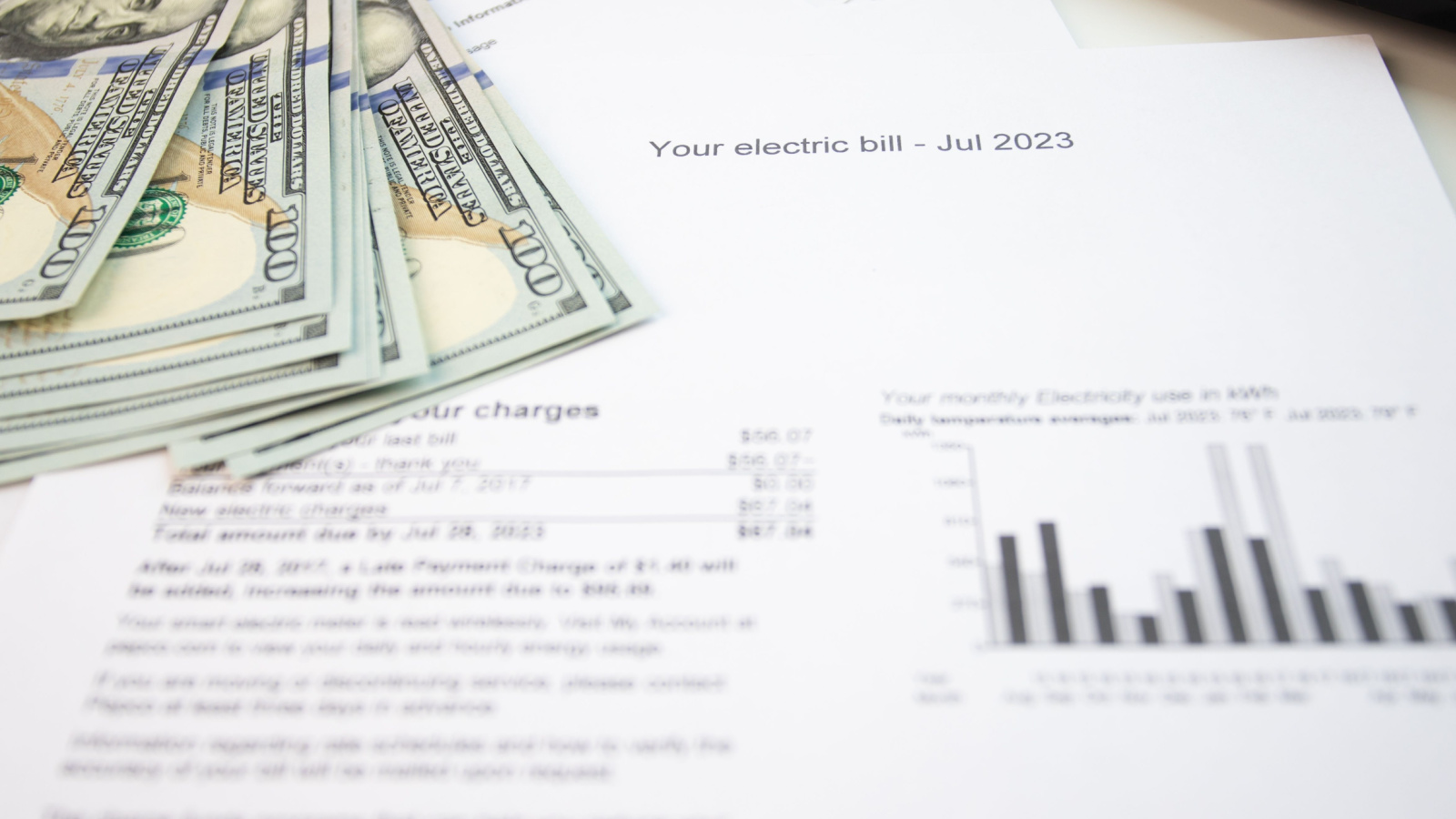
Electricity bills have become harder to ignore as households depend on more plugged-in essentials: heating and cooling equipment, laptops, routers, chargers, appliances, medical devices, and home offices. While energy prices vary widely by province and local utility structure, Statistics Canada’s CPI tracks electricity as a recurring household expense, and Canadians tend to notice changes quickly because bills arrive with detailed usage and delivery charges.
The difficult part is that electricity is both essential and partly weather-driven. A hot summer, cold snap, inefficient rental unit, or older appliance can turn ordinary usage into a higher bill. Families can switch off lights and adjust thermostats, but there are limits when children, seniors, or remote workers are at home. The bill also includes charges beyond simple consumption, which can make conservation feel less rewarding. Electricity remains necessary, but it increasingly feels less predictable.
Gasoline

Gasoline is one of the most visible everyday price shocks because posted prices change constantly and are displayed on large roadside signs. Statistics Canada reported that higher energy prices, especially gasoline, helped push Canada’s CPI higher in April 2026, while Reuters reported gasoline was a major driver of that month’s inflation acceleration. For drivers outside strong transit networks, the pump is not a discretionary expense.
The pain is not limited to commuters. Gasoline prices affect school runs, medical appointments, shift work, delivery jobs, rural life, and weekend family obligations. Higher fuel costs can also move through supply chains, influencing freight and retail costs. A driver may cut leisure trips, combine errands, or use rewards programs, but many cannot meaningfully reduce driving. That is why gasoline feels unfair when it rises suddenly: it taxes movement, work, and basic independence.
Public Transit Fares

Public transit is supposed to be the affordable alternative to driving, but fares can still feel heavy for people who ride daily. Monthly passes, stored-value cards, commuter rail fares, and regional transfers add up quickly, especially in large metro areas where workers may cross municipal fare zones. Even modest increases can frustrate riders because transit is often chosen precisely to avoid the costs of parking, gasoline, insurance, and car ownership.
The concern is not only the fare itself. Riders judge price against service quality: crowding, delays, safety, route frequency, and late-night availability. A fare hike feels worse when buses are infrequent or trains are unreliable. For students, service workers, seniors, and lower-income commuters, transit is an essential link to work, school, health care, and groceries. When fares rise while service feels strained, public transit stops feeling like relief and starts feeling like another unavoidable bill.
Car Insurance

Car insurance has become one of the most resented recurring costs because many drivers see premiums rise even without making a claim. Statistics Canada’s CPI data showed passenger vehicle insurance premiums among major upward contributors in March 2026, with a year-over-year increase reported at 7.0% in that release. That kind of increase is difficult for households already dealing with fuel, repairs, financing, and parking.
The reasons can include repair costs, vehicle technology, theft claims, regional risk, weather events, legal costs, and insurer pricing models. But consumers often experience it as a renewal notice that simply arrives higher than expected. Shopping around can help, though it takes time and may not offset the full increase. For many Canadians, car insurance feels overpriced because it is mandatory in practice: keeping a job, managing family life, or living outside dense transit corridors often requires driving.
Home Internet

Home internet has shifted from convenience to infrastructure. Remote work, school portals, banking, streaming, government forms, telehealth, smart devices, and family communication all depend on a reliable connection. Statistics Canada reported that consumer prices for internet access services rose 2.9% from 2024 to 2025 on an annual average basis, while the all-items CPI rose 2.0% over the same period. That helps explain why internet bills remain a sore point.
The problem is that many households cannot easily downgrade. A cheaper plan may mean slower speeds, data limits, weaker upload performance, or problems with multiple users online at once. Rural and smaller-community customers may face fewer provider choices, while urban households often juggle promotional rates that expire after a year or two. Internet has become an essential household utility, but its pricing still often feels like a cable-era maze of bundles, fees, and retention offers.
Mobile Phone Plans

Mobile service is another modern essential that many Canadians feel should cost less. The CRTC’s 2025 telecommunications reporting shows mobile and fixed internet have become dominant parts of the telecom sector, with mobile revenues growing substantially since 2013. Statistics Canada also reported that cellular service prices moved in ways that affected CPI readings in early 2026, highlighting how phone plans remain economically significant even when promotional competition appears intense.
The frustration comes from dependence. A phone is needed for work scheduling, banking alerts, two-factor authentication, transit apps, school messages, delivery tracking, emergency contact, and family coordination. Consumers may see cheaper advertised plans, but switching can involve device balances, coverage concerns, activation fees, data limits, or losing a bundled discount. Even when prices soften in some plan categories, many households still feel locked into monthly bills that are too high for something now essential to daily life.
19 Things Canadians Don’t Realize the CRA Can See About Their Online Income

Earning money online feels simple and informal for many Canadians. Freelancing, selling products, and digital services often start as side projects. The problem appears at tax time. Many people underestimate how much information the CRA can access. Online platforms, banks, and payment processors create detailed records automatically. These records do not disappear once money hits an account. Small gaps in reporting add up quickly.
Here are 19 things Canadians don’t realize the CRA can see about their online income.
This Options Discord Chat is The Real Deal
While the internet is scoured with trading chat rooms, many of which even charge upwards of thousands of dollars to join, this smaller options trading discord chatroom is the real deal and actually providing valuable trade setups, education, and community without the noise and spam of the larger more expensive rooms. With a incredibly low-cost monthly fee, Options Trading Club (click here to see their reviews) requires an application to join ensuring that every member is dedicated and serious about taking their trading to the next level. If you are looking for a change in your trading strategies, then click here to apply for a membership.