35,000+ smart investors are already getting financial news, market signals, and macro shifts in the economy that could impact their money next with our FREE weekly newsletter. Get ahead of what the crowd finds out too late. Click Here to Subscribe for FREE.
Canadian grocery bills have a way of revealing themselves one aisle at a time. A cart may look ordinary at first — bread, milk, cereal, meat, snacks, produce — until the total at checkout feels sharper than expected. Food inflation has cooled from its worst peaks, but many households still feel the aftershock of years of rising shelf prices, smaller package sizes, and fewer easy bargains.
These 20 Canadian grocery aisles are where shoppers often feel the rip-off first: not always because every item is overpriced, but because the value gap is easiest to notice. Familiar staples, once bought almost automatically, now invite second looks, label comparisons, and quiet substitutions.
Meat and Poultry
20 Canadian Grocery Aisles Where Shoppers Feel the Rip-Off First
- Meat and Poultry
- Fresh Produce
- Bakery Bread and Bagels
- Dairy Cases
- Eggs and Breakfast Staples
- Cereal and Granola
- Snack Foods
- Frozen Foods
- Coffee and Tea
- Packaged Beverages
- Baby Food and Formula
- Pet Food
- Condiments and Sauces
- Pasta, Rice, and Pantry Basics
- Canned Goods and Soups
- Deli and Prepared Foods
- Organic and Specialty Foods
- Cleaning and Household Supplies
- Personal Care and Pharmacy Aisles
- Checkout Impulse Zones
- 19 Things Canadians Don’t Realize the CRA Can See About Their Online Income
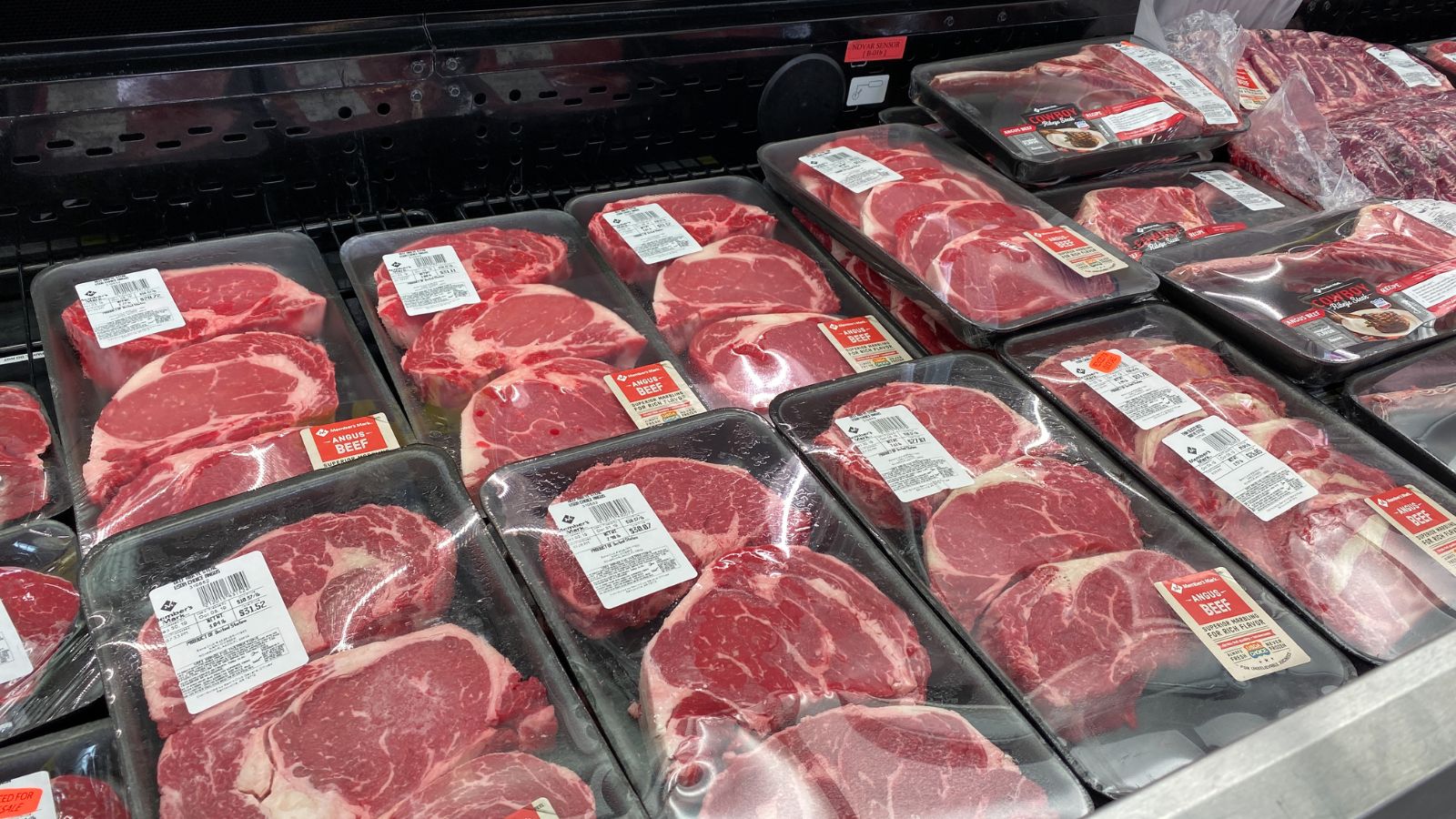
The meat aisle is often where sticker shock arrives before anything reaches the cart. Beef, chicken, pork, and prepared cuts have become harder to buy casually, especially when family-sized packs carry totals that feel closer to restaurant spending than weeknight cooking. Even shoppers who once relied on ground beef, chicken breasts, or roasts as routine staples now pause over price-per-kilogram labels.
Part of the frustration comes from how visible the trade-offs are. A smaller pack of chicken may cover one dinner instead of two, while cheaper cuts can require more time, trimming, or slow cooking. Meat is also one of the categories expected to rise faster than many others in 2026, which makes shoppers feel the pinch before the meal planning even begins.
Fresh Produce

Fresh fruits and vegetables create a different kind of resentment because they are essential, perishable, and often unpredictable. A bag of grapes, a few peppers, or a clamshell of berries can quietly become one of the most expensive items in the cart. Seasonal swings, weather disruptions, transportation costs, and import dependence all show up quickly in this aisle.
The rip-off feeling grows when quality does not match the price. Shoppers may pay more for lettuce that wilts quickly, berries with soft spots hidden underneath, or avocados that move from rock-hard to overripe overnight. Produce is where Canadians often feel forced into a difficult choice: buy fresh and risk waste, or buy frozen and sacrifice the freshness they actually wanted.
Bakery Bread and Bagels

The bakery aisle used to feel like one of the safer corners of the store. Bread, buns, tortillas, bagels, and rolls were everyday basics that rarely required much thought. Now, many shoppers notice that a simple loaf can cost noticeably more, while premium breads, gluten-free options, and bakery-packaged rolls can turn into small luxuries.
What makes this aisle especially irritating is how quickly the products disappear at home. A family can finish a loaf of bread in a day or two, and school lunches can empty a bag of buns before the week is half over. When the price rises on something so ordinary, the increase feels personal because it affects routines rather than special purchases.
Dairy Cases
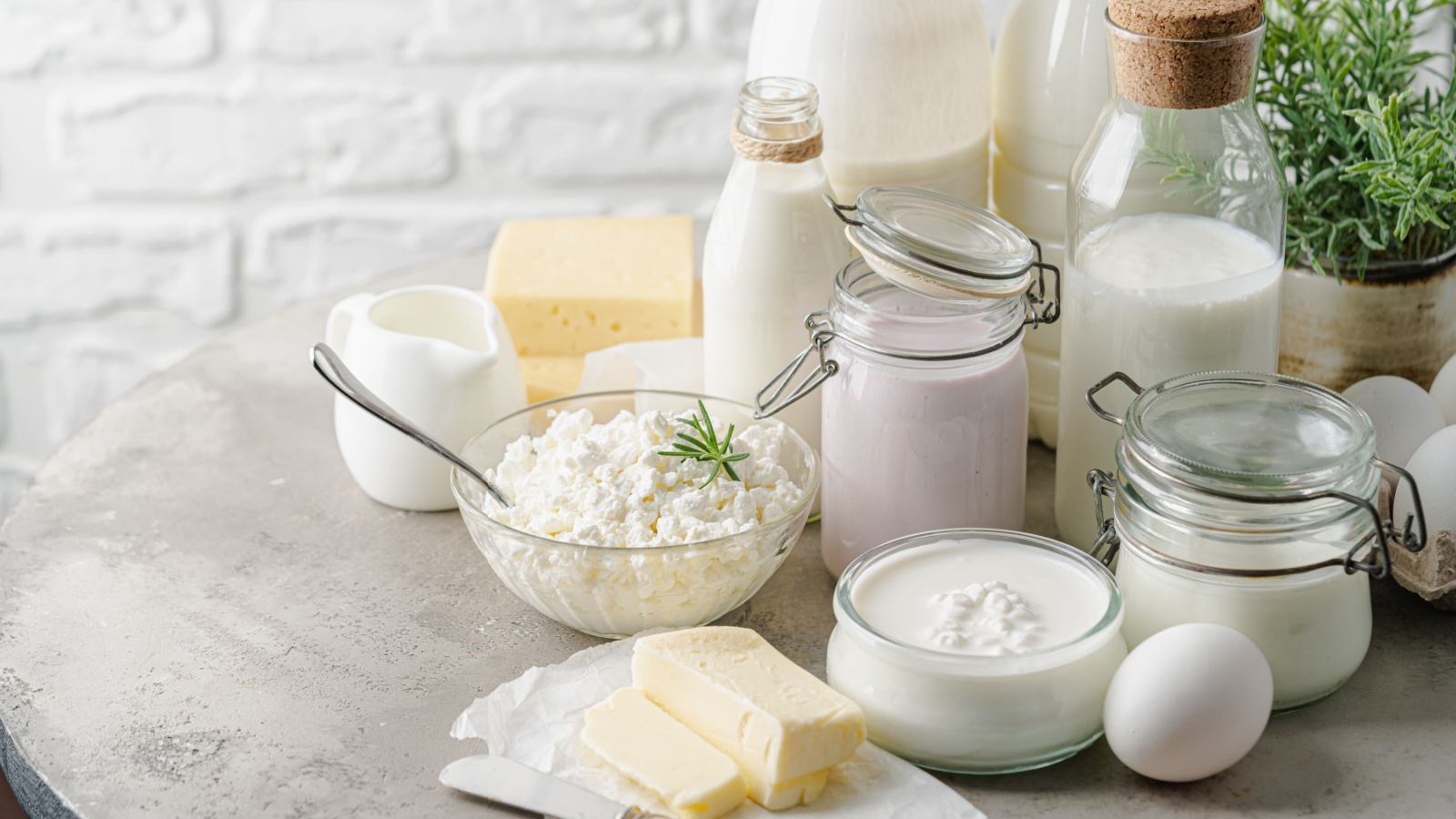
Milk, cheese, yogurt, cream, butter, and specialty dairy products occupy one of the most closely watched parts of the store. Many households buy dairy weekly, so even modest price increases become easy to notice. Cheese blocks, in particular, often trigger frustration because sale prices that once felt normal may now look like temporary relief from a much higher baseline.
The dairy aisle also teaches shoppers to read sizes carefully. Yogurt tubs, shredded cheese bags, and butter packages can look familiar while offering less value than expected. Families may stretch cheese further, swap Greek yogurt for cheaper tubs, or save cream for specific recipes. These are small adjustments, but they add up to a sense that ordinary fridge staples have become harder to justify.
Eggs and Breakfast Staples

Eggs remain one of the most symbolic grocery items because shoppers remember when they were treated as a cheap protein. Even when prices fluctuate, the breakfast aisle can feel expensive because eggs rarely stand alone. A simple morning routine may also include bread, butter, fruit, coffee, cereal, milk, or yogurt, turning breakfast into a surprisingly costly basket.
The frustration comes from how basic the category feels. Eggs are used for quick meals, baking, lunches, and budget dinners, so higher prices affect more than breakfast. When shoppers start comparing cartons by size, brand, production claim, and unit price, it signals that even the most familiar staples are no longer automatic purchases.
Cereal and Granola

Cereal boxes are a classic example of shoppers feeling less value in their hands. Many boxes look large on the shelf, but the bag inside may be smaller than expected, and premium granola can carry prices that rival full meal ingredients. Families that buy cereal for children notice how quickly one box disappears, especially when serving sizes on labels do not match real bowls.
This aisle is also where brand loyalty gets tested. Shoppers may compare national brands against private-label versions, wait for multi-buy promotions, or abandon cereal for oatmeal. The rip-off feeling comes from paying more for products that often contain inexpensive base ingredients such as grains, sugar, and flavouring, yet are marketed as convenient breakfast essentials.
Snack Foods

The snack aisle is one of the easiest places to feel shrinkflation. Chips, crackers, cookies, granola bars, popcorn, and lunchbox snacks can keep familiar packaging while delivering fewer servings. A bag of chips may look big because of air-filled packaging, while individually wrapped snacks often disappear quickly in households with children or busy adults.
Snacks also expose the gap between sale psychology and real value. Promotions may encourage buying two or three packages, but the unit price can still feel steep. Since snack foods are often discretionary, shoppers feel both annoyance and guilt: annoyance at the price, guilt for buying them anyway. That emotional mix makes this aisle feel especially like a trap.
Frozen Foods
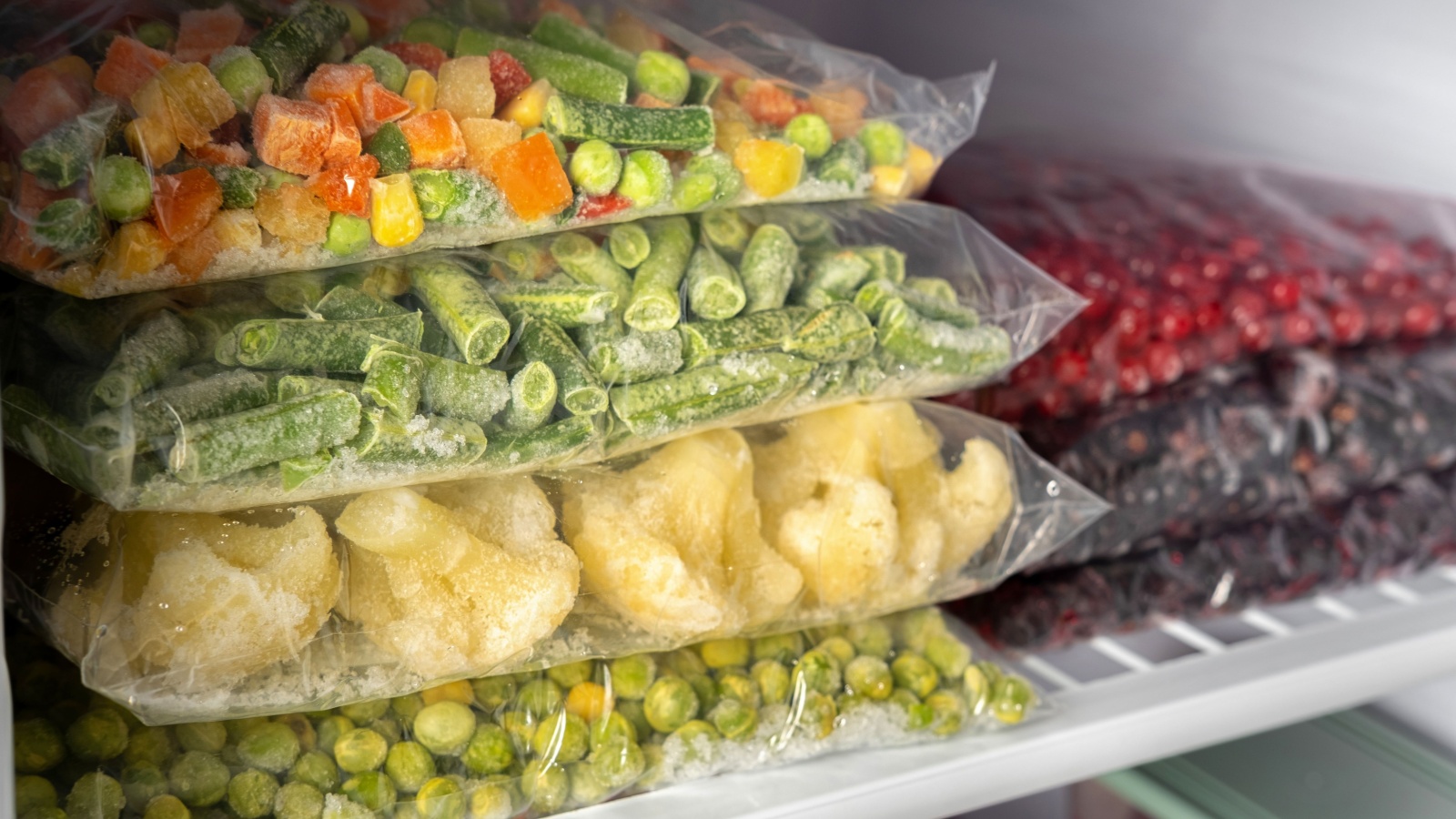
Frozen foods once carried a reputation for practical savings: vegetables lasted longer, pizzas worked for rushed nights, and frozen entrées filled gaps between grocery trips. Now, many shoppers find that frozen convenience has become expensive enough to require the same scrutiny as fresh meals. A frozen pizza, family entrée, or box of appetizers can cost more than expected.
The issue is not only price but portion size. Some frozen meals look substantial on the box but serve fewer people than shoppers assume. Frozen vegetables and fruit can still offer strong value, especially when fresh produce is costly, but the convenience side of the aisle often creates disappointment. The more processed the item, the more shoppers tend to question whether they are paying for food or packaging.
Coffee and Tea

Coffee has become a grocery-cart alarm bell for many Canadians. Ground coffee, whole beans, pods, instant coffee, and specialty teas can all carry prices that make a daily habit feel expensive. The sting is sharper because coffee is bought repeatedly, and many shoppers remember when larger tubs or bags seemed more affordable.
Single-serve pods intensify the value concern. They offer convenience, but the cost per cup is often much higher than brewing from a larger format. Shoppers who switch from café coffee to home brewing may still feel frustrated when grocery coffee prices climb. Tea drinkers notice similar pressure in specialty blends, where smaller boxes and premium branding can make a simple hot drink feel oddly indulgent.
Packaged Beverages

Juice, sparkling water, soft drinks, drink boxes, sports drinks, iced tea, and bottled water can make the beverage aisle feel inflated in more ways than one. Large packaging, deposits, multi-pack pricing, and brand promotions all make it harder to judge value quickly. A case may look like a deal until the per-litre or per-unit cost is compared.
Parents often feel the pressure most in drink boxes and lunchbox beverages. These products are convenient, but they can vanish quickly and add little nutritional value compared with whole fruit or tap water. The aisle becomes a place where convenience, habit, and marketing collide, leaving shoppers wondering why drinks have taken such a large bite out of the weekly budget.
Baby Food and Formula

Few aisles create as much stress as baby food and formula because purchases are tied to care, trust, and necessity. Parents and caregivers may feel they have less freedom to substitute when a baby tolerates one brand, one texture, or one formula type. That lack of flexibility makes price increases feel especially unfair.
Prepared baby pouches, jars, cereals, snacks, and formula can also carry a high convenience premium. A small pouch may cost more than the ingredients inside would suggest, but it saves time and reduces mess. For working parents or caregivers managing busy schedules, that convenience matters. Still, the aisle can feel like a place where emotional pressure and practical need make bargain hunting unusually difficult.
Pet Food

Pet food has become a serious grocery expense for households with cats, dogs, or multiple animals. Dry food, wet cans, litter, treats, and specialty diets can push a grocery total higher even before human meals are covered. Since pets often need consistent diets, switching brands is not always simple or risk-free.
The rip-off feeling is strongest with smaller cans, treat bags, and veterinary-style formulas sold at premium prices. Shoppers may notice that a bag looks similar to the old one but costs more or lasts fewer days. Pets are family members, so owners rarely cut this category easily. Instead, they absorb the increase, compare ingredients more closely, and feel the pressure every time the bag runs low.
Condiments and Sauces

Condiments seem minor until several bottles run out at once. Ketchup, mayonnaise, mustard, hot sauce, barbecue sauce, salad dressing, pasta sauce, salsa, and marinades can quickly turn a small restock into a costly aisle visit. Many products also sit in the fridge for weeks, which makes shoppers underestimate how much they cost until replacement day arrives.
This aisle is also packed with branding and flavour variations. A basic bottle may be affordable, while premium, organic, imported, or specialty versions can cost much more for similar use. Shrinking bottle sizes and higher prices make the frustration worse. Since condiments are often used to make cheaper meals more appealing, price hikes here feel like a hidden tax on stretching food.
Pasta, Rice, and Pantry Basics

Pantry staples still offer some of the best value in the store, but shoppers feel the rip-off when the cheapest meal builders are no longer as cheap as expected. Pasta, rice, flour, oats, beans, lentils, canned tomatoes, broth, and cooking oil form the backbone of budget cooking. When these rise, the effect spreads across many meals.
The aisle also forces shoppers to compare formats. A small bag may be convenient, but bulk sizes often offer better value if storage space and cash flow allow. Cooking oil is a particular pain point because it can jump sharply and is used across many recipes. Pantry basics remain practical, but the feeling of guaranteed savings has weakened.
Canned Goods and Soups

Canned goods once felt like dependable bargains. Soup, tuna, beans, tomatoes, vegetables, fruit, and ready-to-eat meals were easy pantry insurance. Today, shoppers often notice that cans are smaller, prices are higher, and multi-buy offers are less generous than they remember. A few cans can add up quickly without creating many full meals.
The irritation comes from the product’s modest image. Canned soup or beans do not feel like premium purchases, yet the checkout total can say otherwise. Sodium-conscious shoppers may also pay more for reduced-sodium versions, while seafood cans can be especially expensive. The aisle still helps households prepare for busy weeks, but it no longer feels like the effortless budget solution it once was.
Deli and Prepared Foods

The deli counter and prepared-food section are built for convenience, and that convenience is now highly visible in the price. Rotisserie chicken, sliced meats, salads, sushi, sandwiches, ready-made meals, and hot-counter dishes can save time, but they can also cost more than shoppers expect for the portion provided.
This aisle often catches people on tired evenings. A prepared meal may still be cheaper than takeout, but it can be much pricier than cooking from raw ingredients. Deli meats are another pain point because small packages disappear quickly in lunches. Shoppers may feel they are paying not just for food, but for labour, packaging, display, and the relief of not cooking.
Organic and Specialty Foods

Organic, gluten-free, keto, plant-based, high-protein, imported, and allergen-friendly products often sit in the aisles where shoppers feel the value gap most sharply. Some products serve real dietary or ethical needs, but many carry premium prices that can be difficult to separate from marketing. A small loaf, snack bar, dairy alternative, or specialty flour can cost several times more than conventional options.
The problem is not that all specialty foods are unnecessary. For people with allergies, intolerances, or dietary restrictions, these products may be essential. The frustration comes from limited choice and smaller package sizes. When a household needs a specific item and only one or two brands are available, the aisle can feel less like choice and more like a toll booth.
Cleaning and Household Supplies

Although not food, cleaning supplies often share grocery-store space and can distort the weekly bill. Laundry detergent, dish soap, paper towels, toilet paper, garbage bags, disinfecting wipes, and cleaners are expensive, bulky, and easy to underestimate. A cart can look food-heavy, but one detergent jug and one paper product pack may account for a large share of the total.
This aisle also uses complex pricing. Concentrated formulas, load counts, sheet counts, roll sizes, and multi-pack claims can make comparisons difficult. Shoppers may buy the largest package assuming it is cheaper, only to find the unit price tells a different story. The rip-off feeling comes from paying a high total for items that will literally be washed away, thrown out, or used up invisibly.
Personal Care and Pharmacy Aisles
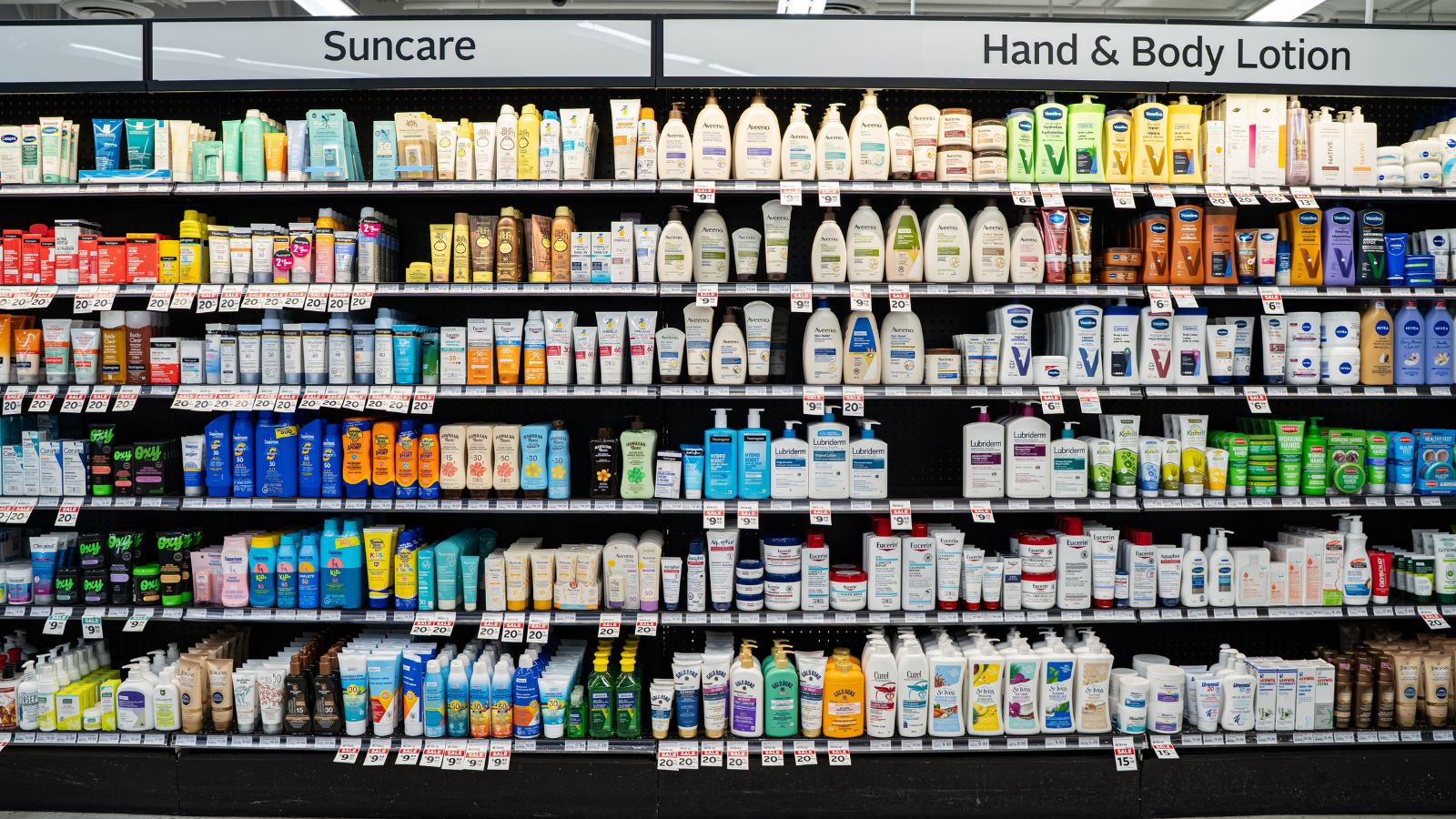
Personal care items add another layer of grocery-bill shock. Shampoo, deodorant, toothpaste, razors, menstrual products, vitamins, pain relievers, and over-the-counter medicines can turn a food trip into a much larger household expense. These items are not optional, but they often carry prices that feel detached from their size.
The aisle is also filled with near-duplicates: sensitive, advanced, clinical, whitening, extra-strength, family-size, travel-size, and premium versions. Shoppers may need time to determine whether the higher price reflects real benefit or simple packaging. For households trying to keep groceries under control, these non-food essentials are often where the budget breaks quietly.
Checkout Impulse Zones

The checkout area may be small, but it is designed to capture the last dollars in the shopping trip. Gum, chocolate bars, mints, bottled drinks, magazines, batteries, lip balm, and small toys sit where shoppers are waiting, tired, or managing children. The prices can be easy to overlook because the items are small.
The rip-off feeling appears later, when a few impulse purchases explain why the receipt exceeded expectations. Individually priced treats often cost far more than buying larger formats elsewhere in the store. Retailers understand that convenience and timing matter, and the checkout zone turns that knowledge into sales. For budget-conscious shoppers, skipping this area can feel like one of the simplest ways to regain control.
19 Things Canadians Don’t Realize the CRA Can See About Their Online Income

Earning money online feels simple and informal for many Canadians. Freelancing, selling products, and digital services often start as side projects. The problem appears at tax time. Many people underestimate how much information the CRA can access. Online platforms, banks, and payment processors create detailed records automatically. These records do not disappear once money hits an account. Small gaps in reporting add up quickly.
Here are 19 things Canadians don’t realize the CRA can see about their online income.
This Options Discord Chat is The Real Deal
While the internet is scoured with trading chat rooms, many of which even charge upwards of thousands of dollars to join, this smaller options trading discord chatroom is the real deal and actually providing valuable trade setups, education, and community without the noise and spam of the larger more expensive rooms. With a incredibly low-cost monthly fee, Options Trading Club (click here to see their reviews) requires an application to join ensuring that every member is dedicated and serious about taking their trading to the next level. If you are looking for a change in your trading strategies, then click here to apply for a membership.