35,000+ smart investors are already getting financial news, market signals, and macro shifts in the economy that could impact their money next with our FREE weekly newsletter. Get ahead of what the crowd finds out too late. Click Here to Subscribe for FREE.
Summer travel has a way of turning small extras into expensive habits. A checked bag here, a seat choice there, a “convenience” upgrade at checkout, and suddenly the trip costs far more than the fare, hotel rate, or rental quote first suggested. For Canadian travellers, the regret often arrives after the payment screen disappears: the add-on sounded useful in the moment, but did not meaningfully improve the trip.
These 15 travel add-ons are the ones many Canadians reconsider every summer, especially when crowded airports, family trips, exchange rates, and peak-season pricing make every extra dollar feel heavier.
Paid Seat Selection
15 Travel Add-Ons Canadians Regret Paying for Every Summer
- Paid Seat Selection
- Checked Bags for “Just in Case” Packing
- Carry-On Upgrades on Basic Fares
- Priority Boarding
- Airport Lounge Day Passes
- Travel Insurance Duplicates
- Rental Car Collision Damage Waivers
- Rental Car GPS Units
- Prepaid Fuel Options
- Hotel Resort Fees and Amenity Packages
- Breakfast Packages That Do Not Fit the Trip
- Foreign Transaction Fees
- International Roaming Day Passes
- Excursion Photo Packages
- Flexible Fare Upgrades That Never Get Used
- 19 Things Canadians Don’t Realize the CRA Can See About Their Online Income

Seat selection fees can feel reasonable when a family is trying to avoid being split across an aircraft, but many travellers later realize they paid mainly for peace of mind. Canadian rules require airlines to help seat children under 14 near an accompanying adult at no extra charge, though that does not guarantee preferred rows or specific seats.
The regret usually comes from paying too early or choosing a seat that offers little practical benefit. A traveller may spend extra to sit near the front, only to wait at baggage claim with everyone else. For short domestic or transborder flights, a paid standard seat often changes the boarding pass more than the experience.
Checked Bags for “Just in Case” Packing

Summer trips invite overpacking: extra shoes, backup outfits, beach gear, jackets for cool evenings, and souvenirs planned before departure. Checked bag fees can add up quickly, especially when the fare looked cheap because baggage was not included in the displayed base price.
Many Canadians regret paying for a checked bag after realizing half the suitcase went unused. Airlines have increasingly separated baggage from lower fares, making the “just in case” bag a costly habit. The disappointment is sharper when a carry-on and personal item would have covered the trip with better planning and fewer airport delays.
Carry-On Upgrades on Basic Fares

Basic fares can look attractive during summer sale periods, but the restrictions often become visible only after the booking process begins. Some low-cost and basic economy fares limit travellers to a personal item, while larger carry-ons require an additional fee or a fare upgrade.
This add-on creates regret because it feels like paying for something that used to be assumed. A small backpack may work for a weekend, but not for a weeklong family visit or cottage trip. When the carry-on fee is added in both directions, the original bargain fare can lose much of its appeal.
Priority Boarding

Priority boarding sounds useful when overhead bins are crowded, but its value depends heavily on the aircraft, route, and baggage rules. Travellers who have already paid to check bags may find that boarding early changes very little, especially when the seat assignment remains the same.
The regret is often emotional rather than logistical. After standing in a separate line, passengers may still sit on the plane for the same departure delay. For families, mobility needs, or tight carry-on situations, priority boarding can help. For many summer travellers, it becomes a paid shortcut to wait longer in a smaller seat.
Airport Lounge Day Passes

Lounge access has a strong vacation appeal: quieter seating, snacks, drinks, Wi-Fi, and a break from terminal crowds. In peak summer, however, lounges can be crowded, waitlisted, or less relaxing than expected. A day pass may not feel luxurious if the traveller has only 45 minutes before boarding.
Many Canadians regret buying lounge access when the math does not work. A coffee, sandwich, and bottle of water in the terminal may still cost less than the pass. Lounge value improves during long layovers or delays, but for direct flights and short waits, the upgrade can feel more like an impulse purchase than a travel necessity.
Travel Insurance Duplicates

Travel insurance is important, especially for medical emergencies outside one’s province or country. The regret comes from buying overlapping coverage without checking what is already included through an employer plan, credit card, or separate annual policy. Duplicate coverage does not necessarily mean double reimbursement.
The issue is especially common at checkout, where trip cancellation, baggage protection, medical coverage, and rental car coverage may appear as separate add-ons. A traveller may click yes because declining feels risky. Later, the policy wording reveals exclusions, limits, or coverage already held elsewhere. The smarter move is not skipping insurance, but comparing before paying.
Rental Car Collision Damage Waivers

Rental counters are skilled at making collision damage waivers feel urgent. After a long flight, few people want to debate deductibles, exclusions, or credit card coverage with a line forming behind them. The add-on can be valuable in some cases, but it is also one of the most commonly second-guessed travel expenses.
Many Canadian credit cards include some form of rental collision or loss damage coverage when the card is used correctly, though terms vary widely. Regret appears when travellers pay for the waiver only to discover they already had coverage, or when the waiver excludes tires, windshields, undercarriages, or certain vehicle types.
Rental Car GPS Units
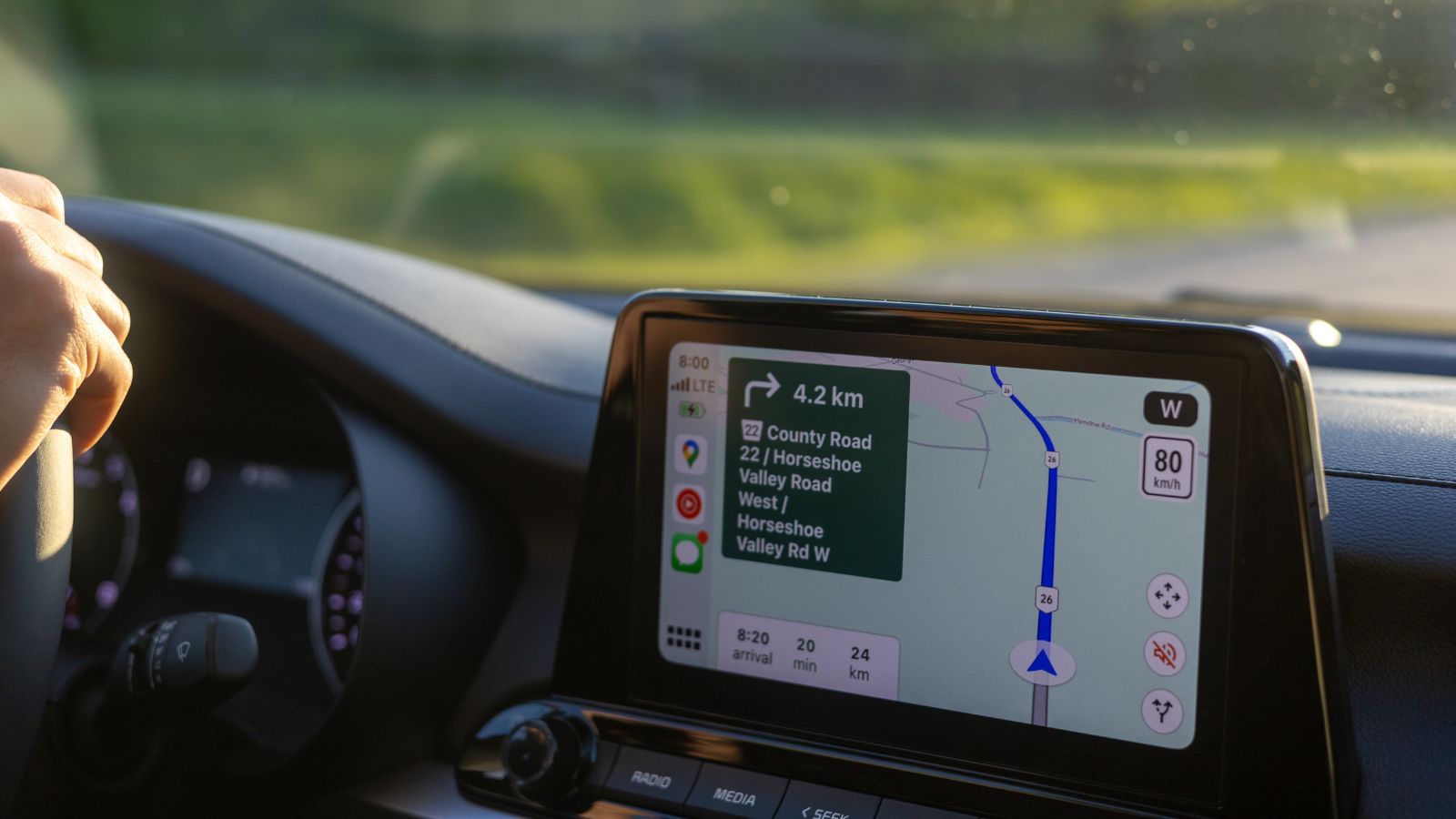
Paying extra for a rental car GPS once made sense. Today, most travellers already carry smartphones with mapping apps, downloadable offline maps, and real-time traffic updates. The rental GPS can feel dated, clunky, or unnecessary by the second day of the trip.
The regret is strongest when the device costs a daily fee for an entire week. A family driving through Atlantic Canada, the Rockies, or the U.S. border states may use it once, then return to phone navigation. Unless cellular access, battery life, or rural coverage is a serious concern, this add-on often solves a problem travellers no longer have.
Prepaid Fuel Options
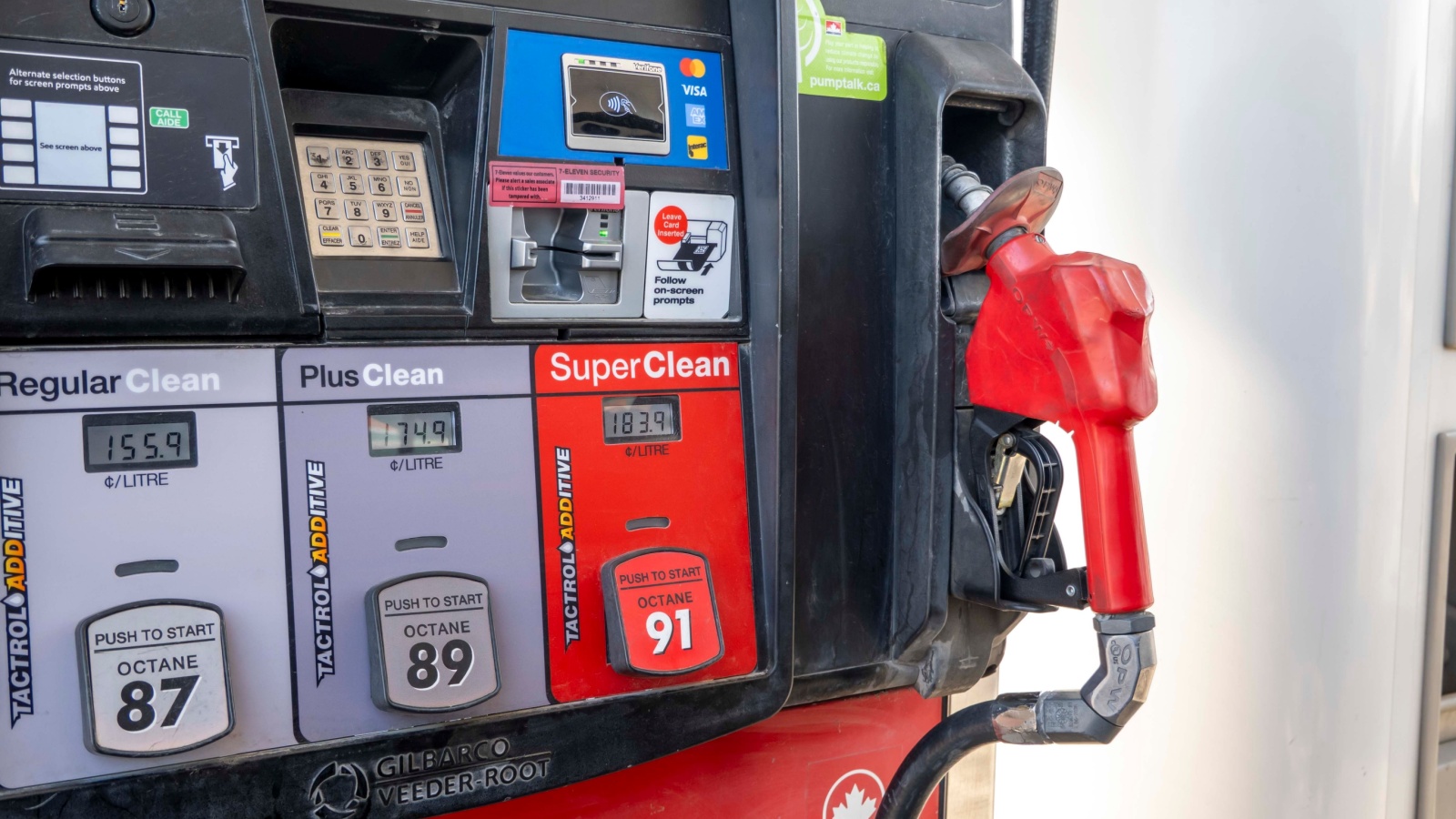
The prepaid fuel option sounds convenient: pay upfront and return the rental car empty. In practice, many travellers return the vehicle with fuel still in the tank, effectively donating the unused portion to the rental company. Summer itineraries rarely go exactly as planned, making the “empty tank” target difficult.
This add-on produces regret because the convenience is easy to overestimate. Travellers imagine rushing to the airport, but many still pass gas stations near the return lot. Unless the schedule is extremely tight or fuel prices are unusually favourable, paying only for the gas actually used often feels better after the trip.
Hotel Resort Fees and Amenity Packages

A hotel rate can look manageable until resort fees, destination fees, facility fees, or amenity charges appear late in the booking process. These fees may cover Wi-Fi, pool access, fitness centres, bottled water, local calls, or other services guests may not use at all.
Canadians often regret these charges because they feel less optional than advertised extras. A couple staying one night before a cruise or a family using the room only to sleep may pay for amenities they never touch. The frustration is not always the amount; it is the sense that the real price was hidden until commitment felt difficult.
Breakfast Packages That Do Not Fit the Trip

Hotel breakfast add-ons can be convenient, especially for families trying to avoid morning decision-making. But the value depends on appetite, schedule, and what is actually included. A paid breakfast plan becomes regrettable when travellers leave early for tours, prefer a local café, or discover that children barely eat enough to justify the charge.
The regret is common in walkable cities where better options sit nearby. In Montreal, Vancouver, Halifax, or Quebec City, breakfast can be part of the travel experience rather than a hotel routine. Paying in advance removes flexibility, and summer travel often rewards flexibility more than bundled convenience.
Foreign Transaction Fees
Foreign transaction fees are easy to ignore because they appear after the purchase, not at the cash register. Canadians using regular credit cards outside Canada may face currency conversion charges on top of exchange-rate movements. On a summer trip, small purchases can accumulate quickly.
The regret often arrives with the statement: restaurant meals, museum tickets, rideshares, tolls, and souvenirs all converted into Canadian dollars with added fees. The charge may look small per transaction, but the total can surprise travellers after a week abroad. Cards with no foreign transaction fee, local-currency payment choices, or planned cash use can reduce the sting.
International Roaming Day Passes

Roaming day passes are convenient, but convenience can be expensive when charged daily. Canadian regulators have noted that travellers often pay flat daily roaming fees regardless of how much data or calling they actually use. That structure can punish light users who only need maps, messages, and occasional check-ins.
The regret is strongest on longer trips. A ten-day vacation can turn a simple phone habit into a sizeable bill, even when hotel Wi-Fi handled most browsing. Downloaded maps, travel eSIMs, local SIM cards, Wi-Fi calling, or temporary travel plans may fit better depending on the destination and device compatibility.
Excursion Photo Packages

Theme parks, boat tours, zipline operators, wildlife excursions, and resort photographers know that summer travellers are in memory-making mode. Photo packages can feel irresistible at the counter, especially when children are smiling or a once-in-a-lifetime view is involved.
Regret sets in when the images are generic, poorly framed, or barely viewed after the trip. A family may pay for digital downloads only to prefer their own phone photos later. These packages can be worthwhile for hard-to-capture activities, but they often rely on urgency: buy now or lose the moment. That pressure is exactly why many travellers later second-guess the purchase.
Flexible Fare Upgrades That Never Get Used
Flexible fares and changeable booking add-ons can be useful when plans are uncertain. Summer travel, however, often involves fixed school breaks, booked accommodations, concert dates, weddings, cruises, or prepaid tours. In those cases, flexibility may be less valuable than it appears at checkout.
The regret comes from paying for theoretical freedom. A traveller may spend more for easier changes, then never change anything. Worse, some “flexible” products still involve fare differences, deadlines, credits instead of refunds, or restrictions buried in the terms. Flexibility is worth paying for when uncertainty is real, not when the trip is already locked into the calendar.
19 Things Canadians Don’t Realize the CRA Can See About Their Online Income

Earning money online feels simple and informal for many Canadians. Freelancing, selling products, and digital services often start as side projects. The problem appears at tax time. Many people underestimate how much information the CRA can access. Online platforms, banks, and payment processors create detailed records automatically. These records do not disappear once money hits an account. Small gaps in reporting add up quickly.
Here are 19 things Canadians don’t realize the CRA can see about their online income.
This Options Discord Chat is The Real Deal
While the internet is scoured with trading chat rooms, many of which even charge upwards of thousands of dollars to join, this smaller options trading discord chatroom is the real deal and actually providing valuable trade setups, education, and community without the noise and spam of the larger more expensive rooms. With a incredibly low-cost monthly fee, Options Trading Club (click here to see their reviews) requires an application to join ensuring that every member is dedicated and serious about taking their trading to the next level. If you are looking for a change in your trading strategies, then click here to apply for a membership.