
35,000+ smart investors are already getting financial news, market signals, and macro shifts in the economy that could impact their money next with our FREE weekly newsletter. Get ahead of what the crowd finds out too late. Click Here to Subscribe for FREE.
Subscription creep rarely arrives as one dramatic bill. It usually shows up as a handful of small, familiar charges: a streaming service renewed after a show ended, a mobile add-on attached during a phone upgrade, or a utility plan that kept rolling after the household forgot why it was set up. In Canada, where telecom, energy, and digital services often run through automatic monthly billing, these costs can quietly blend into everyday banking.
Here are 13 subscription and utility charges Canadians commonly forget they are still paying, from entertainment platforms and cloud storage to home internet extras, smart-home monitoring, and utility-related plans that remain active long after the original need has faded.
Streaming Video Services That Outlive the Show
13 Subscription and Utility Charges Canadians Forget They’re Still Paying
- Streaming Video Services That Outlive the Show
- Music, Podcast, and Audiobook Plans
- Digital News and Magazine Subscriptions
- Cloud Storage and Photo Backup Plans
- App Store Subscriptions and In-App Trials
- Productivity Software and Web Tools
- Mobile Plan Add-Ons That Stay Attached
- Home Internet Equipment and Speed Extras
- Cable TV and Theme Packs
- Home Security and Smart-Home Monitoring
- Gym, Fitness App, and Wellness Memberships
- Delivery, Shopping, and Retail Memberships
- Utility Budget Billing and Rented Equipment
- 19 Things Canadians Don’t Realize the CRA Can See About Their Online Income

Streaming subscriptions are easy to justify when a household signs up for one must-watch series, a sports season, or a discounted bundle. The problem begins when the reason for subscribing disappears while the payment keeps renewing. A family may join for hockey playoffs, a prestige drama, or kids’ programming during winter break, then forget the service is still charging in June. Because each platform may cost less than a dinner out, the monthly hit can feel too small to question.
Canada’s broadcasting market shows why this category matters. Traditional TV subscriptions have been declining, while online streaming has become a normal part of household entertainment. The real trap is overlap: one service for originals, another for sports, another included with a device, and another billed through an app store. A forgotten $9.99 or $16.99 charge can become a year-long expense before anyone notices it on a credit card statement.
Music, Podcast, and Audiobook Plans

Music and audiobook subscriptions often feel harmless because they are used in the background: during commutes, workouts, cleaning, cooking, or workdays. That low-friction usefulness makes them harder to audit. A person may keep a premium music plan after switching to a family account, forget an audiobook credit system, or continue paying for a podcast platform after the favourite show moves elsewhere. The service still works, so the charge rarely feels urgent.
The hidden cost often comes from duplication. One household member may have a standalone music subscription while another is paying for a bundled family plan that could cover everyone. Audiobook plans can be even sneakier because unused credits may create a feeling of value, even when no one is actually listening. A monthly charge that seems modest becomes more noticeable when paired with streaming video, cloud storage, news apps, and mobile extras already pulling from the same account.
Digital News and Magazine Subscriptions

Introductory news and magazine offers are designed to feel painless: a few dollars for the first few months, a special election package, a recipe archive, or a sports analysis deal. Many Canadians sign up with good intentions, especially during major events, tax season, market volatility, or local emergencies. Then the price resets to the standard rate, and the subscription becomes another line item buried among groceries, telecom bills, and fuel purchases.
This category is easy to overlook because the value can be real. Quality journalism, market research, cooking archives, and local reporting all cost money to produce. The issue is not whether the service is worthwhile; it is whether the household still uses it. A digital subscription that was read daily in January may go untouched by spring. If billed annually, the renewal can arrive as a larger surprise, especially when the cancellation reminder was sent to an inbox no one checks.
Cloud Storage and Photo Backup Plans

Cloud storage is one of the easiest subscriptions to keep indefinitely because it feels risky to cancel. Families accumulate years of photos, tax documents, school files, phone backups, and shared folders. A plan that started as extra storage for a vacation video can quietly become a permanent utility-like charge. Even when only a fraction of the storage is used, people hesitate because deleting, downloading, or reorganizing files feels like a weekend project.
The bigger issue is stacking. A household may pay Apple, Google, Microsoft, Dropbox, and a device backup app at the same time without realizing the overlap. Some plans are billed monthly, others annually, and some are attached to old email addresses. Since internet use is woven into daily Canadian life, cloud storage feels less like a luxury than basic digital infrastructure. That makes it harder to spot when a backup plan has become redundant.
App Store Subscriptions and In-App Trials

App store subscriptions are built for convenience, which is exactly why they become forgettable. A meditation app, language course, photo editor, scanner, kids’ game, calorie tracker, or weather app may begin with a free trial. The subscription then renews through Apple or Google rather than directly from the app brand, so the charge can appear under a generic platform name. That makes it harder to connect the bill to the service.
This is where small charges multiply. One person may carry several $3.99 to $12.99 app subscriptions that no longer appear on the phone’s home screen. A child’s game upgrade or a short-term productivity tool can linger for months. Canadian consumer agencies have warned about subscription traps and continuity billing, especially when free or low-cost trials turn into recurring payments. Even legitimate apps can become budget leaks when cancellation is hidden inside account settings rather than the app itself.
Productivity Software and Web Tools

Productivity subscriptions often start with a practical task: editing a PDF, designing a resume, creating a presentation, signing documents, compressing files, or accessing a premium template. Because the need feels work-related, the charge may be mentally filed as necessary. But many of these tools are used once or twice, then left active. The account remains open long after the project, job application, side business idea, or school assignment has ended.
This category is especially common among freelancers, students, remote workers, and small businesses. A monthly design tool, cloud office suite, grammar checker, scheduling app, password manager, and video-meeting add-on can together resemble a second internet bill. Some are worth keeping; others are duplicates of features already included in workplace software or a mobile plan. The danger is not one tool but the quiet pileup of “temporary” services that become permanent overhead.
Mobile Plan Add-Ons That Stay Attached

Mobile bills can include more than talk, text, and data. Device protection, roaming packages, voicemail upgrades, international calling, tablet sharing, premium support, and extra data buckets may be added during a busy phone upgrade. The customer may agree because the add-on seems useful at the time. Months later, the trip is over, the device is older, or the family’s usage pattern has changed, but the charge remains.
Canada’s mobile market is large and heavily used, with CRTC data showing major wireless revenues and rising average mobile data use. That scale helps explain why small add-ons can become normal. A $5 or $10 feature may not trigger alarm beside a larger device financing payment. The most human example is the travel add-on that was added for a March break trip and then forgotten until late summer. It may not be fraud; it is simply inertia turned into revenue.
Home Internet Equipment and Speed Extras

Home internet bills can carry charges that are easy to accept but worth reviewing: modem rentals, router pods, mesh Wi-Fi extenders, security suites, static IP services, speed upgrades, or unlimited data add-ons no longer needed. During remote-work periods or a household move, people often upgrade quickly just to get reliable service. Later, when routines shift, the plan may remain bigger than the household actually requires.
CRTC data shows Canada has millions of high-speed broadband subscriptions, with most customers now on 50/10 Mbps or faster service tiers. That does not mean every household needs the same speed or every add-on. A couple browsing, streaming, and video-calling may not need the package built for a full house of gamers, remote workers, and 4K streams. The forgotten charge often hides in plain sight because internet is essential, while the extras attached to it are optional.
Cable TV and Theme Packs

Cable TV is one of the classic “still paying?” categories. Many households keep it because it is bundled with internet, attached to sports channels, or used by one family member who prefers traditional viewing. The bill may include theme packs, time-shifting, specialty channels, premium movie networks, or extra boxes in rooms where no one watches TV anymore. Since the package may have been negotiated years earlier, the original logic can be hard to reconstruct.
The market has been shifting. CRTC reporting shows television service provider subscribers have continued to decline, even as revenues remain substantial. That means many Canadians are still paying for traditional TV while also paying for streaming services. The duplication can be expensive: live channels for news and sports, plus multiple platforms for entertainment. The forgotten charge is often not the entire cable bill but the small pack added for one channel that is no longer watched.
Home Security and Smart-Home Monitoring

Home security subscriptions often begin with a strong emotional reason: a new house, a break-in nearby, a baby monitor upgrade, a smart doorbell, or peace of mind while travelling. The monthly monitoring fee may feel non-negotiable at first. Over time, the system may be used less, the camera battery may die, or the household may switch devices. Yet the monitoring plan, cloud video storage, or smart-home automation fee may continue.
This charge can be difficult to cancel because it mixes safety, equipment, and contracts. Some providers bundle home security with telecom services, while others bill separately through credit cards. The forgotten cost may be a cloud recording plan for a camera that no longer faces the driveway, or professional monitoring attached to sensors that are rarely armed. The key issue is matching the active service to the current home, not the concerns that existed when the contract was signed.
Gym, Fitness App, and Wellness Memberships
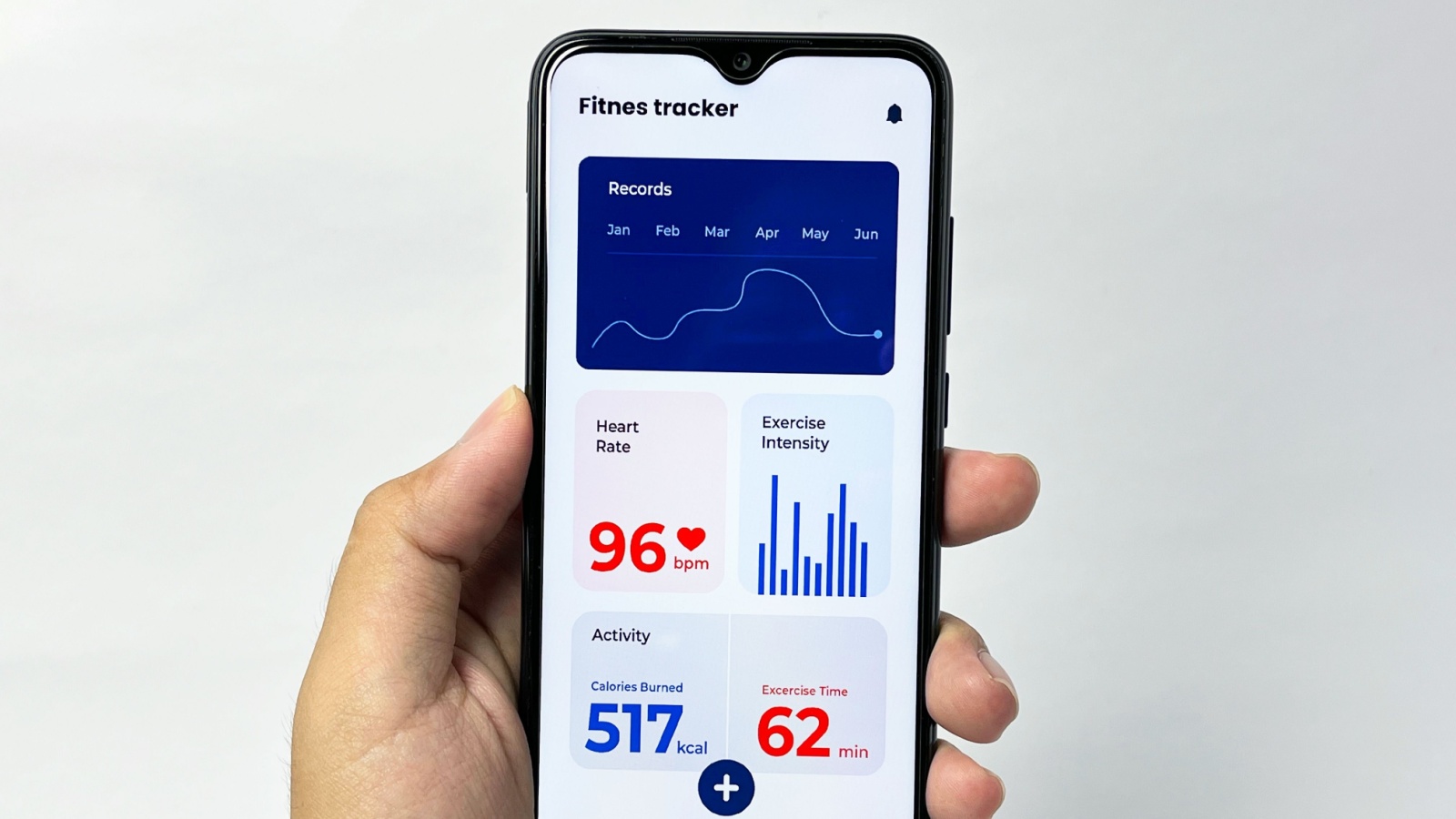
Fitness charges often survive changes in routine. A January gym membership, a boutique class pack, a yoga app, a meal-planning platform, or a virtual coaching plan may begin during a burst of motivation. Then work schedules, injuries, weather, commuting, or family obligations change. The charge keeps renewing because cancellation requires a form, an email, a visit, or a login that is easy to postpone.
Provincial consumer rules show how common continuing-service contracts are in this space. In several provinces, gym and fitness contracts come with cooling-off rights, but those protections do not automatically solve long-term forgetfulness. A person may know a gym is underused yet keep paying because returning feels possible “next month.” That optimism can be expensive. The most overlooked charges are not always large annual memberships, but smaller app-based plans stacked on top of a physical gym fee.
Delivery, Shopping, and Retail Memberships

Retail memberships are built around convenience: free shipping, grocery delivery, restaurant delivery discounts, warehouse perks, fuel savings, or exclusive prices. They can pay for themselves when used often. But they become wasteful when habits shift. A household may stop ordering groceries, move closer to stores, change jobs, or cut back on takeout while the annual or monthly membership continues. Because the fee is framed as savings, it may escape scrutiny.
The psychology is powerful. Paying for a delivery membership can encourage more orders because the delivery fee feels “already covered.” A warehouse or shopping membership can create the same effect, nudging households to buy more to justify the plan. This does not make the service bad; it makes usage important. The forgotten charge becomes especially frustrating when two people in the same household maintain separate memberships, each assuming the other plan is unavailable or rarely used.
Utility Budget Billing and Rented Equipment

Utility charges can be harder to spot than entertainment subscriptions because they feel official and necessary. Equal billing, budget plans, water heater rentals, HVAC equipment rentals, protection plans, and service contracts may remain attached to a household long after the original reason is forgotten. Equal billing can smooth cash flow, but it can also hide seasonal usage changes until a reconciliation arrives. Equipment rentals can be even more stubborn, especially when inherited through a home purchase.
Canadian energy costs vary by province, pricing structure, and fuel type, and regulators continue to track household electricity and energy prices closely. The most surprising utility-related charge is often rented equipment. The Competition Bureau has warned that some home buyers discover rental water heater contracts only after purchase, with exit fees reaching $1,000 or more. This is not the same as forgetting a streaming service; it is a reminder that some recurring charges are embedded in housing paperwork.
19 Things Canadians Don’t Realize the CRA Can See About Their Online Income

Earning money online feels simple and informal for many Canadians. Freelancing, selling products, and digital services often start as side projects. The problem appears at tax time. Many people underestimate how much information the CRA can access. Online platforms, banks, and payment processors create detailed records automatically. These records do not disappear once money hits an account. Small gaps in reporting add up quickly.
Here are 19 things Canadians don’t realize the CRA can see about their online income.
This Options Discord Chat is The Real Deal
While the internet is scoured with trading chat rooms, many of which even charge upwards of thousands of dollars to join, this smaller options trading discord chatroom is the real deal and actually providing valuable trade setups, education, and community without the noise and spam of the larger more expensive rooms. With a incredibly low-cost monthly fee, Options Trading Club (click here to see their reviews) requires an application to join ensuring that every member is dedicated and serious about taking their trading to the next level. If you are looking for a change in your trading strategies, then click here to apply for a membership.