35,000+ smart investors are already getting financial news, market signals, and macro shifts in the economy that could impact their money next with our FREE weekly newsletter. Get ahead of what the crowd finds out too late. Click Here to Subscribe for FREE.
Monthly expenses in Canada have been rising, making it harder to manage everyday spending. Many people try cutting costs, but strict budgeting can feel limiting over time. The goal is not to remove comfort, but to make small changes that actually work. Simple habits like adjusting spending patterns or reviewing bills can make a real difference. These changes help in saving money without affecting daily routines too much. Over time, they build better control and reduce financial stress. The key is finding balance while still enjoying your lifestyle. Here are 18 ways Canadians can cut monthly costs without feeling miserable.
Track Spending Without Overcomplicating It
18 Ways Canadians Can Cut Monthly Costs Without Feeling Miserable
- Track Spending Without Overcomplicating It
- Plan Weekly Meals Using What You Already Have
- Switch to Store Brands for Daily Essentials
- Set Limits for Dining Out Each Month
- Use Public Transit for Select Trips
- Cancel Subscriptions You Rarely Use
- Buy in Bulk Only for Regularly Used Items
- Reduce Energy Use with Small Daily Changes
- Shop During Sales Instead of Full Price
- Use Cashback and Reward Programs Wisely
- Delay Non-Essential Purchases by a Few Days
- Share Streaming Plans with Family Members
- Choose Free or Low-Cost Weekend Activities
- Review and Adjust Insurance Plans Annually
- Cook Coffee and Drinks at Home More Often
- Limit Impulse Online Shopping Habits
- Reuse and Repair Instead of Replacing Items
- Set a Simple Monthly Budget You Can Follow
- 22 Groceries to Grab Now—Before another Price Shock Hits Canada

Keeping track of spending helps in understanding where money goes each month. Using simple methods like a notes app or a basic spreadsheet works well. Writing down daily expenses creates better awareness without adding pressure. Categorizing spending into essentials and non-essentials gives clearer insight. This helps in identifying areas where small cuts are possible. Avoid using too many tools, as it can become confusing. Reviewing expenses once a week keeps things manageable. Over time, patterns start becoming more visible and easier to adjust. This method supports better decisions without making budgeting feel difficult. It helps maintain consistency while keeping a simple, practical approach.
Plan Weekly Meals Using What You Already Have

Planning meals based on existing groceries helps in reducing unnecessary spending. Checking your fridge and pantry before shopping avoids duplicate purchases. Creating a simple weekly plan helps in using ingredients efficiently. This reduces food waste and lowers overall grocery bills. Cooking at home more often also cuts down on dining expenses. Preparing meals in batches can save both time and money. Keeping recipes simple makes the process easier to follow. At the same time, making a short shopping list prevents impulse buying. Tracking grocery use each week builds better habits. This approach supports consistent savings without making meals feel limited or repetitive.
Switch to Store Brands for Daily Essentials
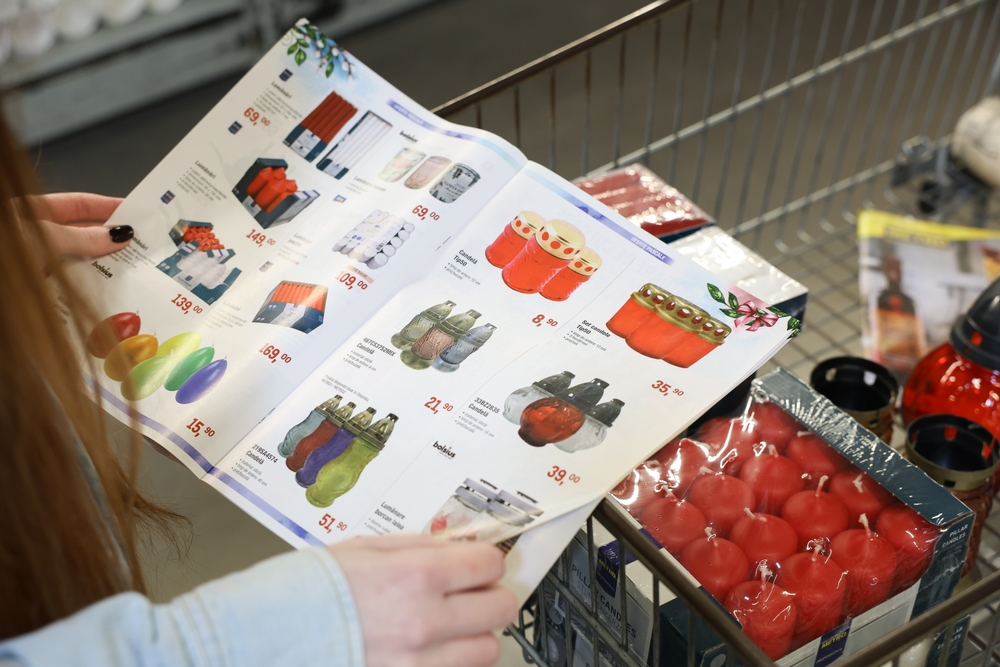
Store brands in Canada often offer similar quality at lower prices compared to popular labels. Items like groceries, cleaning supplies, and toiletries can cost less, with only minor differences. Trying a few products first helps in checking quality before fully switching. Over time, these small savings add up across multiple categories. Comparing unit prices while shopping supports better decisions. Many stores also run discounts on their own brands, which adds extra savings. Keeping a list of reliable products helps in avoiding confusion. Tracking spending after switching shows clear benefits. This method helps in reducing costs without changing everyday routines or product usage habits.
Set Limits for Dining Out Each Month

Dining out can quickly increase monthly expenses if not tracked properly. Setting a fixed limit helps control how often you spend at restaurants. Planning outings in advance makes spending more intentional. Choosing affordable places instead of frequent high-cost dining also helps. Balancing dining out with home-cooked meals keeps expenses in check. Tracking each outing provides better awareness of spending habits. This helps in making small adjustments without feeling restricted. Occasional treats still remain part of the routine. Creating a separate budget for dining supports better control. This approach allows enjoying meals outside while keeping overall spending balanced and manageable.
Use Public Transit for Select Trips

Using public transit for certain trips can reduce transportation costs over time. In many Canadian cities, transit options are reliable and widely available. Choosing transit for daily commutes or short distances helps save on fuel costs. Planning routes in advance makes travel more efficient. Monthly passes can also offer better value compared to single fares. Combining transit with occasional driving creates a balanced approach. Tracking transportation costs helps clearly compare savings. This method does not require giving up personal vehicles completely. It supports gradual cost reduction while maintaining convenience. Over time, these small changes help in lowering overall monthly travel expenses.
Cancel Subscriptions You Rarely Use
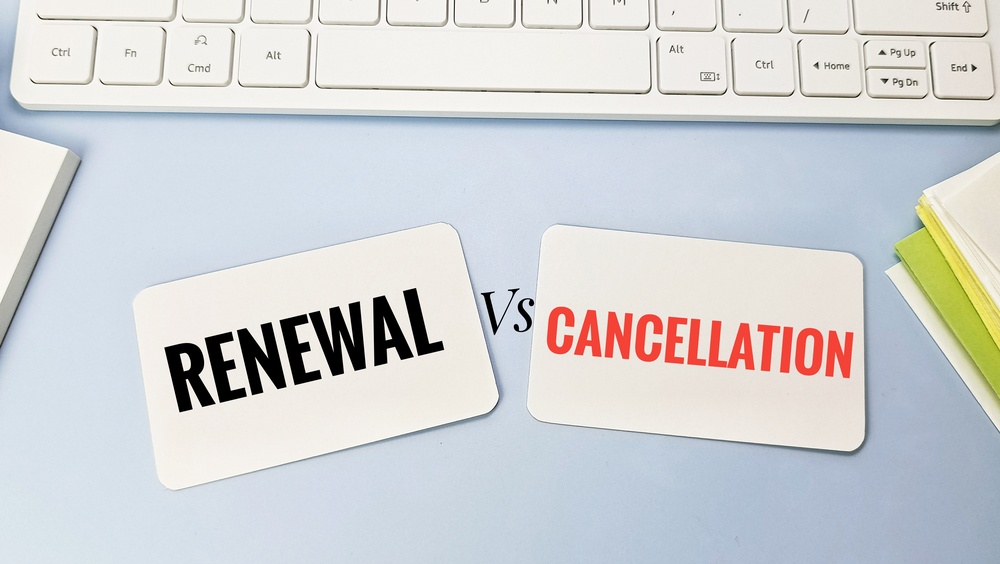
Many people pay for subscriptions they no longer use regularly. These small charges can add up over time without notice. Reviewing all active subscriptions helps in identifying unnecessary ones. Canceling unused services reduces recurring monthly expenses. Keeping only essential subscriptions improves spending control. Setting reminders for renewal dates prevents unexpected charges. Switching to lower-cost plans may also help in saving money. Tracking subscription spending gives better visibility. This allows you to make informed decisions about what to keep. Reducing these costs does not affect daily comfort. It simply removes expenses that are no longer adding value to your routine.
Buy in Bulk Only for Regularly Used Items

Buying in bulk can save money, but only when done for items used regularly. Purchasing large quantities of rarely used products can lead to waste. Focusing on essentials like pantry items or household supplies works best. Comparing unit prices helps in identifying real savings. Storing items properly also prevents spoilage or damage. Planning bulk purchases during sales adds extra benefits. Avoid buying just because the price seems lower. Tracking usage patterns helps in deciding what to buy in larger quantities. This approach supports smarter shopping habits. It helps in reducing costs without creating unnecessary clutter or increasing waste at home.
Reduce Energy Use with Small Daily Changes

Reducing energy use can lower monthly bills without changing your routine too much. Turning off lights when leaving a room makes a simple difference. Using energy-efficient bulbs helps in cutting electricity costs over time. Unplugging devices that are not in use avoids unnecessary power usage. Adjusting thermostat settings based on the weather helps keep energy use balanced. Using appliances like washing machines with full loads saves both water and electricity. Opening windows during mild weather reduces heating or cooling needs. Tracking energy bills helps in noticing improvements. These small habits are easy to follow daily. Over time, they help lower costs without affecting home comfort.
Shop During Sales Instead of Full Price

Shopping during sales helps in reducing spending on everyday items. Many Canadian stores offer seasonal discounts, especially during major sale periods. Planning purchases around these times allows better savings. Buying essentials during promotions helps in avoiding full-price costs later. Comparing prices across different stores supports smarter choices. Avoid buying unnecessary items just because they are discounted. Making a list before shopping keeps spending focused. Tracking purchases during sales helps in understanding actual savings. This approach supports better budgeting without changing shopping habits completely. Over time, it becomes easier to plan purchases around discounts and manage expenses more effectively.
Use Cashback and Reward Programs Wisely
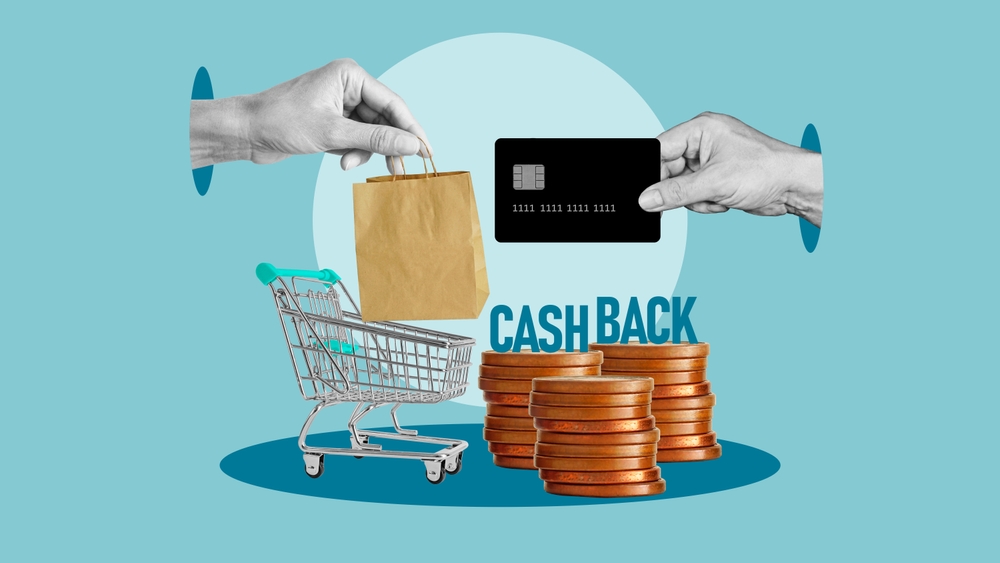
Cashback and reward programs can provide savings when used carefully. Many credit cards and stores in Canada offer points or cashback on purchases. Choosing programs that match your regular spending gives better value. Tracking rewards helps in using them before expiry. Avoid overspending just to earn points, as it defeats the purpose. Using rewards for essentials rather than luxury items yields practical savings. Regularly reviewing available offers helps maximize benefits. Keeping a record of earned rewards improves awareness. This method supports small savings over time. It helps reduce overall costs while maintaining normal spending habits.
Delay Non-Essential Purchases by a Few Days
Delaying purchases helps in avoiding impulse spending. Waiting a few days before buying non-essential items gives time to think. This pause often reduces unnecessary expenses. Many purchases feel less urgent after a short delay. Creating a list of planned purchases helps in organizing spending. Reviewing this list later supports better decisions. Setting a rule for waiting periods builds discipline over time. Tracking avoided purchases shows how much you save. This method does not remove spending completely. It simply adds a step before buying. Over time, it helps in controlling habits while keeping your budget more stable and balanced.

Streaming services can increase monthly costs when used individually. Sharing plans with family members helps in reducing these expenses. Many platforms allow multiple users under one account. Splitting the cost makes subscriptions more affordable. Choosing plans that match shared usage avoids unnecessary upgrades. Keeping track of shared payments helps avoid confusion. Reviewing which services are used most helps decide what to keep. Canceling less-used platforms adds extra savings. This approach maintains access to content without paying full individual costs. Over time, sharing plans supports better budget control while keeping entertainment options available.
Choose Free or Low-Cost Weekend Activities

Weekend plans can increase spending if not managed carefully. Choosing free or low-cost activities helps in saving money. Many Canadian cities offer parks, trails, and public events at low cost. Exploring local areas can be both enjoyable and affordable. Planning outings in advance helps in avoiding last-minute expenses. Limiting paid activities to occasional outings keeps spending balanced. Tracking weekend expenses provides better awareness. This approach supports social and leisure time without overspending. It allows maintaining an active lifestyle while staying within budget. Over time, these choices help in reducing monthly costs without affecting enjoyment.
Review and Adjust Insurance Plans Annually

Insurance plans may not always stay suitable as needs change over time. Reviewing policies each year helps in identifying unnecessary coverage or higher costs. Comparing providers can lead to better rates or benefits. Adjusting coverage based on current needs helps in managing expenses. Bundling policies may reduce overall premiums in some cases. Checking for available discounts also helps save money. Keeping track of renewal dates avoids missed opportunities for changes. This process does not take much time but can lead to noticeable savings. It helps in maintaining proper coverage while keeping insurance costs under control each year.
Cook Coffee and Drinks at Home More Often

Buying coffee and drinks regularly can increase monthly spending without notice. Preparing them at home helps reduce these recurring costs. Investing in basic supplies like coffee, tea, or mixers works out cheaper over time. Learning simple recipes makes the process easy and consistent. Carrying drinks from home also reduces the need for frequent purchases. Tracking how often you skip buying outside shows clear savings. Occasional treats can still be part of your routine. Setting a small monthly limit on outside drinks helps keep spending balanced. This habit supports steady savings while keeping daily comfort and convenience intact throughout the month.
Limit Impulse Online Shopping Habits

Online shopping makes it easy to spend without much thought. Limiting impulse purchases helps in controlling unnecessary expenses. Removing saved payment details can add a pause before buying. Avoiding browsing without a purpose also reduces temptation. Adding items to a wishlist instead of buying immediately helps in decision-making. Reviewing these items later often leads to fewer purchases. Tracking online spending provides better insight into habits. Setting a monthly limit for such purchases supports control. This approach does not stop online shopping completely. It simply adds structure, helping in reducing extra costs while maintaining flexibility in spending choices.
Reuse and Repair Instead of Replacing Items

Replacing items frequently can increase expenses over time. Reusing and repairing help extend the life of everyday products. Fixing small issues early often costs less than buying new items. Basic repairs for clothing, furniture, or appliances can save money. Learning simple repair skills makes this process easier. Checking if items can be reused before replacing them supports better spending habits. Tracking these savings shows long-term benefits. This approach also reduces waste at home. It allows you to maintain what you already have without extra costs. Over time, this habit supports both financial savings and more mindful consumption.
Set a Simple Monthly Budget You Can Follow

A simple budget helps in managing money without feeling restricted. Listing income and key expenses gives a clear starting point. Dividing spending into categories makes tracking easier. Keeping the structure simple avoids confusion and helps in consistency. Reviewing the budget regularly allows for small adjustments when needed. Setting realistic limits supports better follow-through. Tracking progress each month builds stronger habits over time. This approach focuses on what works in daily life. It does not require complex planning or strict rules. Over time, a simple budget helps in controlling expenses while maintaining a comfortable and balanced lifestyle.
22 Groceries to Grab Now—Before another Price Shock Hits Canada

Food prices in Canada have been steadily climbing, and another spike could make your grocery bill feel like a mortgage payment. According to Statistics Canada, food inflation remains about 3.7% higher than last year, with essentials like bread, dairy, and fresh produce leading the surge. Some items are expected to rise even further due to transportation costs, droughts, and import tariffs. Here are 22 groceries to grab now before another price shock hits Canada.
22 Groceries to Grab Now—Before another Price Shock Hits Canada
This Options Discord Chat is The Real Deal
While the internet is scoured with trading chat rooms, many of which even charge upwards of thousands of dollars to join, this smaller options trading discord chatroom is the real deal and actually providing valuable trade setups, education, and community without the noise and spam of the larger more expensive rooms. With a incredibly low-cost monthly fee, Options Trading Club (click here to see their reviews) requires an application to join ensuring that every member is dedicated and serious about taking their trading to the next level. If you are looking for a change in your trading strategies, then click here to apply for a membership.