
35,000+ smart investors are already getting financial news, market signals, and macro shifts in the economy that could impact their money next with our FREE weekly newsletter. Get ahead of what the crowd finds out too late. Click Here to Subscribe for FREE.
Flight routes rarely stay predictable anymore. Weather shifts, airspace closures, and staffing gaps can disrupt even well-planned trips. Canadian travelers are adapting quickly and getting smarter about their bookings. They know delays can mean higher prices or fewer options within hours. Instead of waiting, they plan around chaos before it starts. From flexible fares to clever routing hacks, small moves can save real money. These strategies are not flashy, but they work consistently. They help travelers stay calm and in control when plans change suddenly. Here are 13 airline booking tricks Canadians use when routes get rerouted.
Booking Flights with Free Change Policies First
13 Airline Booking Tricks Canadians Use When Routes Get Rerouted
- Booking Flights with Free Change Policies First
- Choosing Flights with Longer Layovers
- Booking Direct Flights When Possible
- Using Multiple Booking Platforms to Compare Options
- Booking Separate Tickets for Flexibility
- Monitoring Flights Daily After Booking
- Calling Airlines Instead of Using Apps During Disruptions
- Using Nearby Airports for Better Options
- Booking Flights Earlier in the Day
- Using Airline Alliances to Their Advantage
- Holding Backup Flights Temporarily
- Using Travel Insurance Strategically
- Booking Refundable Tickets During High-Risk Periods
- 22 Groceries to Grab Now—Before another Price Shock Hits Canada

Canadian travelers now prioritize fares that allow free changes. These tickets cost slightly more upfront but offer strong flexibility. When routes shift, they can rebook without extra fees. This avoids panic buying during disruptions. Many airlines quietly increase prices after cancellations. Flexible fares protect against that spike. Travelers also gain better seat availability when acting early. It helps them quickly move to alternate routes. Some credit cards also refund change fees, which adds another layer. This approach works best for uncertain travel periods. Paying a little more early often saves much more later during rerouting chaos.
Choosing Flights with Longer Layovers

Tight connections look efficient but fall apart quickly during disruptions. Canadians often choose longer layovers for safety. A two- to three-hour gap provides breathing room if delays occur. It reduces the risk of missing onward flights. Airports also provide more rerouting options over time. If one flight is canceled, alternatives are easier to secure. Airlines prioritize passengers already in transit. That advantage matters during route changes. Travelers also avoid last-minute hotel costs. Longer layovers feel slower, but they protect the entire trip. It is a simple adjustment that prevents bigger issues later when schedules shift unexpectedly.
Booking Direct Flights When Possible

Direct flights reduce risk during uncertain travel periods. Fewer connections mean fewer points of failure. Canadians often pay extra for this peace of mind. When routes change, direct flights remain more stable. They are easier for airlines to manage. Passengers also face fewer rebooking complications. Missed connections can cause long delays or expensive fixes. Direct routes limit that exposure. Even if disruptions happen, recovery is faster. Travelers can rebook simpler itineraries quickly. This strategy works well for domestic and major international routes. It cuts complexity and keeps travel plans more predictable when the system becomes unstable.
Using Multiple Booking Platforms to Compare Options
Relying on one booking site limits visibility. Canadians often check several platforms before confirming flights. Prices and availability differ across systems. Some sites show alternate routes that others miss. During rerouting events, this becomes very useful. Travelers can spot hidden options quickly. It helps them act before seats disappear. Airline websites, aggregators, and travel agents each show different results. Cross-checking improves decision-making. It also reveals price differences worth noting. A few minutes of comparison can save hundreds of dollars. This habit becomes even more valuable when routes shift and options tighten rapidly.
Booking Separate Tickets for Flexibility

Some travelers split journeys into separate tickets. This allows more control during disruptions. If one segment changes, the rest remains unaffected. It also opens access to more routing options. Airlines often restrict changes within single tickets. Separate bookings bypass that limitation. Travelers can adjust one leg without reworking everything. This approach requires careful timing between flights. It works best with built-in buffer time. Many Canadians use this for long-haul travel. It adds flexibility but demands planning. When routes get rerouted, having independent segments can make quick changes easier and less expensive overall.
Monitoring Flights Daily After Booking

Booking a flight is not the final step anymore. Canadians track their flights regularly after purchase. Airlines often adjust schedules quietly. Early changes allow free rebooking in many cases. This creates opportunities to switch routes without cost. Travelers who monitor frequently stay ahead of disruptions. They can act before others notice changes. This improves the chances of securing better alternatives. Apps and email alerts make this easier. Missing these updates can lead to fewer choices later. Staying informed gives a strong advantage. It turns potential problems into manageable adjustments instead of stressful last-minute surprises.
Calling Airlines Instead of Using Apps During Disruptions

When routes change suddenly, apps often lag behind reality. Canadians pick up the phone instead. Airline agents can access more options than apps display. They can reroute passengers creatively. This includes alternate airports or partner airlines. Call centers also prioritize urgent cases during disruptions. Waiting times can be long, but results are better. Travelers often secure seats that others cannot see online. Speaking directly allows negotiation and clarification. It also reduces confusion during complex changes. This approach works especially well during major rerouting events when digital systems struggle to keep up with real-time demand.
Using Nearby Airports for Better Options

Major disruptions often affect specific airports more heavily. Canadians expand their search to nearby cities. Flying from or into alternate airports opens more routes. It can also reduce delays and costs. For example, switching from Toronto to Hamilton can help. Ground transport fills the gap easily. Airlines sometimes offer better availability from secondary airports. This flexibility increases the chances of finding seats. It also helps avoid crowded hubs during chaos. Travelers who think beyond one airport gain more control. A short drive can save hours of delay and high rebooking costs.
Booking Flights Earlier in the Day

Morning flights face fewer delays compared to later departures. Canadians often choose early departures for this reason. Aircraft and crew are already in position overnight. This reduces cascading delays. If disruptions occur, earlier flights still have recovery options. Later flights may get canceled entirely. Morning departures also provide more rebooking choices if needed. Airlines have the full day to adjust plans. This timing advantage matters during rerouting events. It increases the likelihood of reaching the destination on time. Choosing early flights is a small shift that delivers consistent benefits.
Using Airline Alliances to Their Advantage
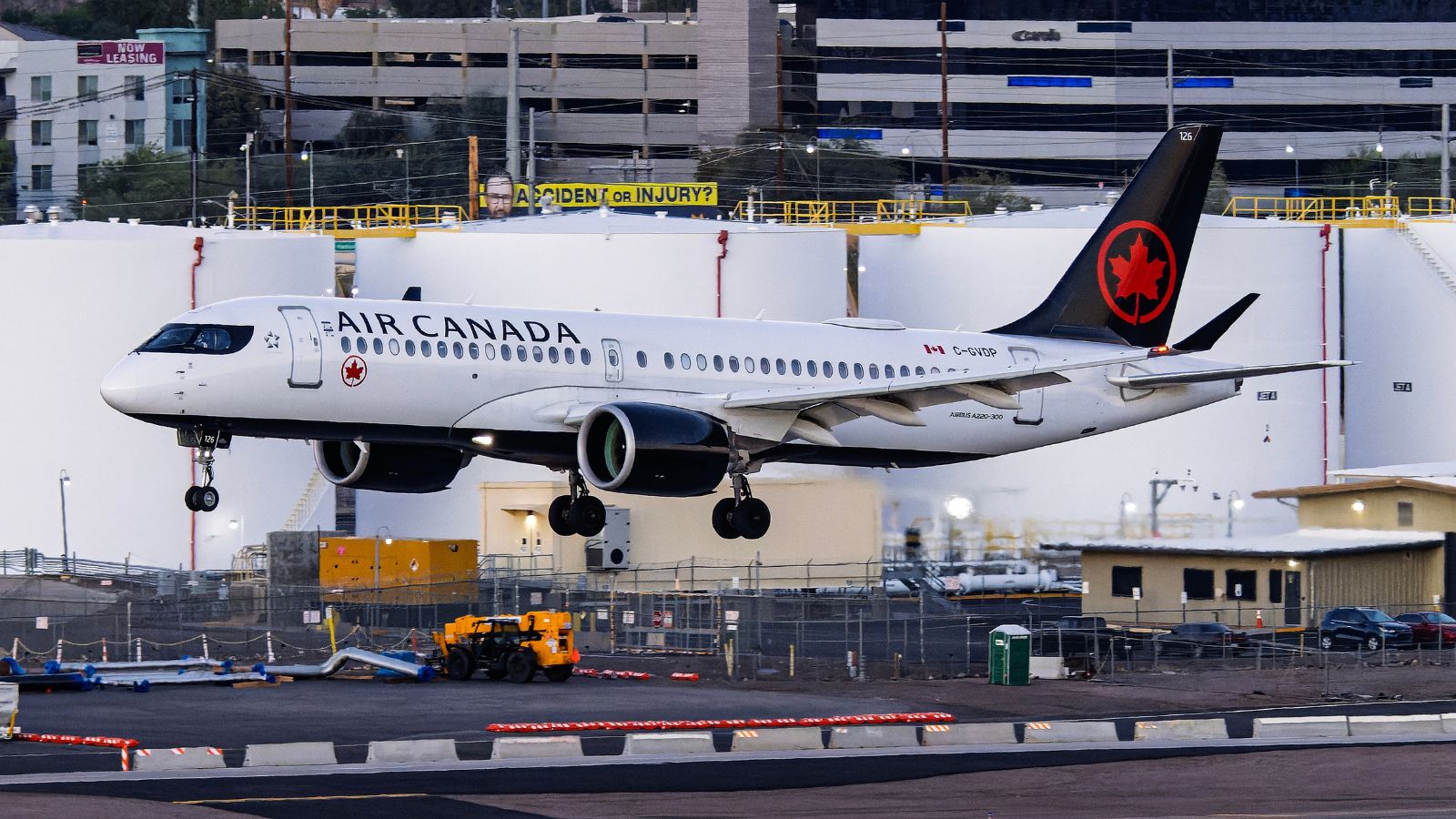
Airline alliances expand rerouting possibilities significantly. Canadians consider alliance partners when booking flights. If one airline cancels a route, partners may offer alternatives. This increases the chances of staying on schedule. Alliances like Star Alliance or SkyTeam provide wider networks. Travelers can shift between airlines without major issues. This flexibility becomes critical during disruptions. Booking within alliances improves recovery options. It also reduces the need for refunds and rebookings. Instead, routes can be adjusted smoothly. Understanding alliances helps travelers navigate complex situations more confidently and efficiently.
Holding Backup Flights Temporarily
Some airlines allow short-term holds on bookings. Canadians use this to secure backup options. If their original flight changes, they already have alternatives. This reduces stress during sudden disruptions. It also prevents paying inflated last-minute prices. Holds usually last 24 hours or less. That window is enough to confirm plans. Travelers compare options before finalizing. This tactic works well during uncertain travel periods. It adds a safety net without full commitment. Having a backup plan ready makes rerouting much easier when plans shift unexpectedly.
Using Travel Insurance Strategically

Travel insurance is no longer an afterthought. Canadians choose plans that cover delays and rerouting costs. This includes meals, hotels, and alternate flights. Good coverage reduces financial stress during disruptions. Policies vary widely, so details matter. Travelers read terms carefully before buying. Credit cards sometimes include basic coverage. Dedicated insurance often offers stronger protection. This safety net allows quicker decisions during chaos. Instead of worrying about costs, travelers focus on solutions. Insurance turns unexpected expenses into manageable claims. It is a practical tool when routes change without warning.
Booking Refundable Tickets During High-Risk Periods

Certain seasons bring higher disruption risks. Winter storms and busy holidays are common examples. Canadians often book refundable tickets during these times. These fares cost more but provide full flexibility. Travelers can cancel and rebook without penalties. This avoids being locked into failing routes. Refunds also allow switching airlines if needed. It offers the highest level of control. While expensive up front, it prevents larger losses later. This approach works best when uncertainty is high. It keeps options open and reduces stress during unpredictable travel periods.
22 Groceries to Grab Now—Before another Price Shock Hits Canada

Food prices in Canada have been steadily climbing, and another spike could make your grocery bill feel like a mortgage payment. According to Statistics Canada, food inflation remains about 3.7% higher than last year, with essentials like bread, dairy, and fresh produce leading the surge. Some items are expected to rise even further due to transportation costs, droughts, and import tariffs. Here are 22 groceries to grab now before another price shock hits Canada.
22 Groceries to Grab Now—Before another Price Shock Hits Canada
This Options Discord Chat is The Real Deal
While the internet is scoured with trading chat rooms, many of which even charge upwards of thousands of dollars to join, this smaller options trading discord chatroom is the real deal and actually providing valuable trade setups, education, and community without the noise and spam of the larger more expensive rooms. With a incredibly low-cost monthly fee, Options Trading Club (click here to see their reviews) requires an application to join ensuring that every member is dedicated and serious about taking their trading to the next level. If you are looking for a change in your trading strategies, then click here to apply for a membership.