
35,000+ smart investors are already getting financial news, market signals, and macro shifts in the economy that could impact their money next with our FREE weekly newsletter. Get ahead of what the crowd finds out too late. Click Here to Subscribe for FREE.
Spring usually feels like a financial reset. War rarely respects that timing. If tensions involving Iran disrupt oil flows, shipping lanes, or global trade, the effects will not stay distant. Canadians may notice subtle price shifts first, then sharper ones across daily expenses. Gas, groceries, flights, and even insurance can quietly climb. Many increases will not carry a clear label tied to conflict. They will show up as “market adjustments” or “supply pressures.” Understanding the links helps you plan ahead instead of reacting late. Here are 24 ways the Iran War could quietly make Spring 2026 more expensive for Canadians.
Higher Gas Prices at the Pump
24 Ways the Iran War Could Quietly Make Spring 2026 More Expensive for Canadians
- Higher Gas Prices at the Pump
- Rising Airline Ticket Costs
- Increased Grocery Bills
- Higher Heating and Energy Costs
- Increased Car Prices
- Higher Insurance Premiums
- Shipping and Delivery Costs Rising
- More Expensive Electronics
- Higher Interest Rates Pressure
- Increased Public Transit Costs
- Costlier Construction Materials
- Rising Rent Prices
- Increased Restaurant Prices
- Higher Clothing Prices
- Increased Banking Fees
- More Expensive Travel Insurance
- Higher Fuel Surcharges on Goods
- Rising Utility Infrastructure Costs
- Increased Auto Repair Costs
- Higher Subscription Costs
- Increased Import Taxes and Fees
- Higher Credit Costs for Businesses
- Rising Fuel Costs for Agriculture
- Increased Cost of Living Overall
- 22 Groceries to Grab Now—Before another Price Shock Hits Canada

Oil markets react quickly to instability in the Middle East. Iran sits near key shipping routes like the Strait of Hormuz. Even a small disruption can tighten global supply. Canada produces oil, but prices still follow global benchmarks. That means drivers in Toronto or Calgary feel the impact. A sudden spike could push gas toward $1.90 or even $2.20 per liter. That adds up fast for commuters. Delivery companies also pay more, which raises costs elsewhere. Spring road trips may feel less spontaneous. Filling up becomes a budgeting decision instead of a routine stop.
Rising Airline Ticket Costs

Jet fuel is tied directly to crude oil prices. When oil rises, airlines adjust fares quickly. Flights from Canada to Europe or Asia could jump by $150 or more. Even domestic routes may see noticeable increases. Airlines rarely absorb these costs for long. Spring break trips may cost more than expected. Budget airlines may cut routes instead of raising prices. That limits choices for travelers. Frequent flyers might notice fewer deals in April and May. Planning ahead becomes more important than usual. Travel starts to feel like a premium activity again.
Increased Grocery Bills

Food prices often rise when energy costs climb. Transportation becomes more expensive for farms and suppliers. Imported items feel it first. Fresh produce from abroad may cost more at checkout. Meat and dairy follow as feed and transport costs rise. A weekly grocery bill could increase by $20 to $40. That adds pressure on already stretched budgets. Discount brands may sell out faster. Stores might reduce promotions to protect margins. Canadians may shift toward local or seasonal foods. Even then, prices will not stay immune for long.
Higher Heating and Energy Costs
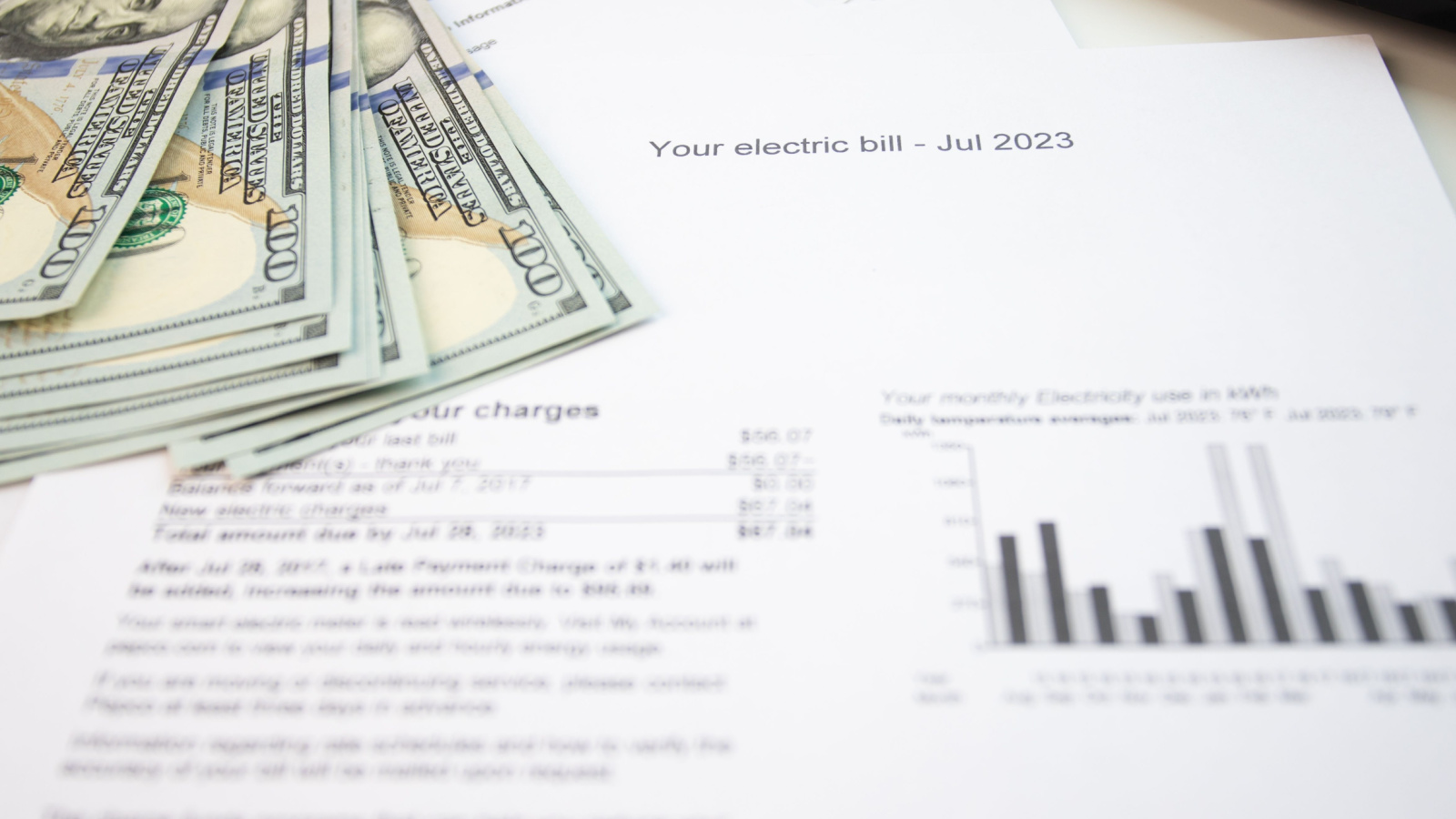
Natural gas prices can rise alongside global energy uncertainty. Many Canadian homes rely on gas for heating. Even in spring, colder nights still require energy use. Utility bills may climb without warning. Electricity costs can also rise if fuel inputs become expensive. Provinces with mixed energy sources may see uneven changes. Households may delay turning off heating systems. That extends higher bills into warmer months. Energy-saving habits become more important. Small changes like lowering thermostats start to matter. The impact may feel gradual but steady.
Increased Car Prices

New car prices already sit at record highs. Supply disruptions can push them further. Shipping costs affect imported vehicles and parts. Popular models like the Toyota RAV4 or Honda CR-V could see price increases of $1,500 to $3,000. Luxury SUVs may climb even higher. Dealers rarely advertise these changes clearly. Instead, incentives disappear quietly. Waiting lists may grow longer again. Used cars may also rise in price. Buyers face fewer affordable options. Financing becomes harder as prices climb. Spring promotions may feel less generous than expected.
Higher Insurance Premiums

Insurance companies factor risk into pricing models. Global instability increases uncertainty across markets. Investment returns may fluctuate. That can lead insurers to adjust premiums. Car insurance could rise by 5 to 10 percent. Travel insurance may become more expensive for international trips. Home insurance can also shift due to rising replacement costs. Materials and labor become pricier during global disruptions. Policy renewals may include unexpected increases. Canadians might shop around more often. Coverage limits may also change quietly. Insurance becomes another area where costs creep upward.
Shipping and Delivery Costs Rising

Global shipping routes can face delays or rerouting during conflict. That increases fuel use and transit times. Shipping companies pass those costs to businesses. Online orders may include higher delivery fees. Retailers might raise prices to compensate. Even domestic shipping feels the pressure. Small businesses may struggle to absorb these costs. Customers may notice slower delivery times. Free shipping thresholds may increase. Imported goods take longer to arrive. The convenience of quick delivery becomes less reliable. Canadians may rethink how often they order online.
More Expensive Electronics

Electronics rely on global supply chains. Components often travel across multiple countries. Shipping disruptions increase costs at every stage. Prices for laptops, phones, and TVs may rise. A new smartphone could cost $100 more than expected. Retailers may reduce discounts during spring sales. Limited stock can also drive prices upward. Consumers may delay upgrades. Repair services may see more demand. Even accessories like chargers and headphones may cost more. Technology purchases start to feel less routine. Buyers may hold onto devices longer.
Higher Interest Rates Pressure

Central banks watch global risks closely. Rising energy prices can drive inflation higher. That may delay interest rate cuts in Canada. Borrowing costs stay elevated for longer. Mortgage payments remain high for homeowners. Variable rate holders feel the impact immediately. Credit card interest stays expensive. Consumers may reduce spending to cope. Businesses may delay expansion plans. Spring housing activity could slow down. Buyers face tighter budgets. The overall economy feels the strain. Financial planning becomes more cautious.
Increased Public Transit Costs

Transit systems rely on fuel and operational funding. Rising energy costs affect buses and infrastructure. Cities may adjust fares to cover expenses. Monthly passes could increase by $5 to $10. Service cuts may also occur in some areas. That reduces convenience for commuters. Crowding may become more common. Riders may switch to driving despite higher fuel costs. Transit agencies face difficult choices. Governments may step in with subsidies. Even then, changes take time. Public transport becomes slightly less affordable.
Costlier Construction Materials

Construction depends on materials like steel, cement, and fuel. Global disruptions can increase costs quickly. Builders pass these costs to buyers. New home prices may rise further. Renovation projects become more expensive. Contractors may revise quotes frequently. Delays can also occur due to supply issues. Spring is a busy season for construction. Rising costs may slow projects down. Homeowners may postpone upgrades. Developers may adjust timelines. Housing affordability remains under pressure. The ripple effect touches many sectors.
Rising Rent Prices

Higher costs for landlords often lead to rent increases. Energy bills, maintenance, and financing costs all rise. Landlords pass some of this to tenants. Rent increases may appear modest, but they add up. Vacancy rates remain tight in many cities. That limits options for renters. New listings may come at higher prices. Shared housing may become more common. Renters may move less often to avoid increases. The housing market feels more strained. The spring rental season becomes more competitive.
Increased Restaurant Prices

Restaurants face rising food and energy costs. Labor costs also remain high. Menu prices often adjust gradually. A meal that costs $20 may now cost $23. Portion sizes may shrink slightly. Specials and discounts may become less frequent. Restaurants may simplify menus to manage costs. Dining out becomes less casual. Customers may visit less often. Takeout orders may also rise in price. The dining experience changes quietly. Canadians may cook more at home.
Higher Clothing Prices

Clothing supply chains depend on global shipping. Fabric production also uses energy. Rising costs affect both areas. Retailers may increase prices for new collections. Spring fashion may feel less affordable. Sales may offer smaller discounts. Fast fashion brands may adjust pricing strategies. Inventory may also become limited. Consumers may buy fewer items. Quality may vary as brands cut costs. Seasonal shopping habits may shift. Canadians may focus on essentials instead of trends.
Increased Banking Fees

Banks respond to economic shifts in subtle ways. Fees for services may increase slightly. Foreign exchange rates may become less favorable. International transfers may cost more. Credit card rewards may lose value. Interest on savings may not rise equally. Customers may notice changes over time. Monthly account fees may adjust quietly. Banks rarely highlight these changes clearly. Canadians may compare options more often. Financial awareness becomes more important. Small fee increases add up.
More Expensive Travel Insurance

Travel insurance reflects global risk levels. Conflict increases perceived risk for insurers. Premiums may rise for international coverage. Policies may include new exclusions. Travelers may need to read the terms carefully. Emergency coverage may cost more. Trip cancellations may become more common. Insurance providers adjust pricing quickly. Canadians may reconsider travel plans. Budgeting for trips becomes more complex. Protection comes at a higher cost. Peace of mind is no longer cheap.
Higher Fuel Surcharges on Goods
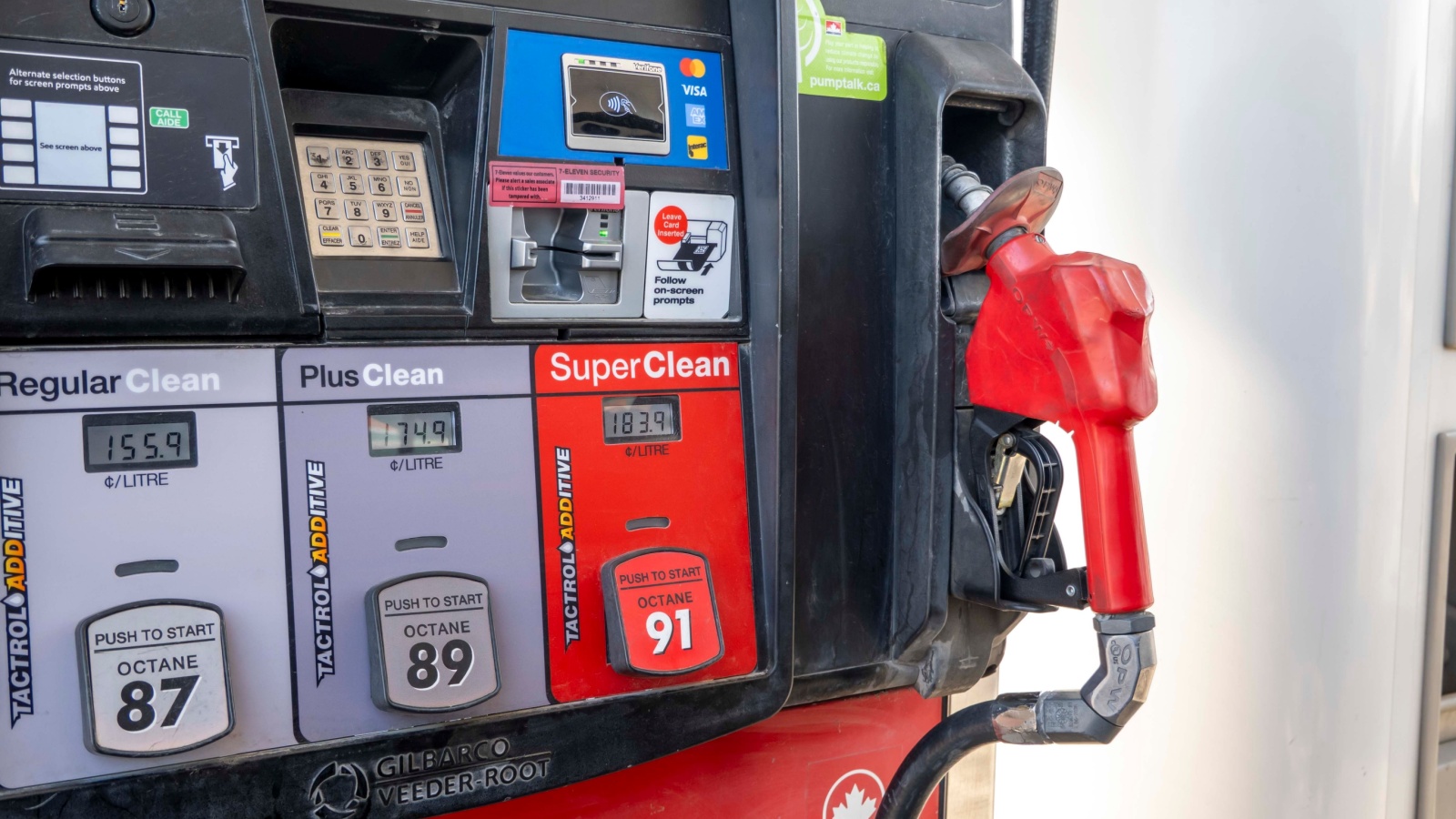
Many companies add fuel surcharges to products. These fees increase when fuel prices rise. They may not always be clearly labeled. Consumers pay indirectly through higher prices. Delivery services often include these charges. Retailers may adjust pricing structures. The impact spreads across many products. Groceries, electronics, and furniture all feel it. Canadians may not notice the cause immediately. Costs appear as small increases. Over time, they become significant. Transparency remains limited.
Rising Utility Infrastructure Costs
Energy companies invest in infrastructure upgrades. Rising material costs affect these projects. Utilities may pass costs to consumers. Bills may include new charges or adjustments. Maintenance becomes more expensive. Aging systems require more investment. Spring may bring new rate announcements. Consumers may feel the impact gradually. Energy reliability remains important. Costs continue to rise quietly. Canadians may need to adjust usage habits. Long-term planning becomes necessary.
Increased Auto Repair Costs

Auto repairs depend on parts and labor. Parts often come from global suppliers. Shipping disruptions increase costs. Mechanics may raise service prices. Repairs that cost $500 may now cost $650. Waiting times may also increase. Some parts may become harder to find. Drivers may delay non-urgent repairs. That can lead to bigger issues later. Maintenance becomes more expensive overall. Canadians may keep cars longer. Reliability becomes more important.
Higher Subscription Costs

Streaming and digital services adjust pricing regularly. Economic pressure can accelerate increases. Monthly fees may rise by a few dollars. Bundles may change or disappear. Companies aim to maintain margins. Consumers may cancel unused subscriptions. Competition may shift pricing strategies. Content production costs also rise. That affects service pricing. Canadians may review their spending habits. Digital entertainment becomes slightly more expensive. Small increases add up over time.
Increased Import Taxes and Fees

Governments may adjust tariffs during global disruptions. Import costs can rise for certain goods. Businesses pass these costs to consumers. Prices for imported items increase. Customs fees may also change. Shipping delays can add extra charges. Retailers may limit imports to control costs. Product variety may shrink. Canadians may notice fewer options. Domestic alternatives may gain attention. Trade dynamics shift during conflict. Costs rise quietly across many categories.
Higher Credit Costs for Businesses

Businesses rely on credit for operations. Rising interest rates increase borrowing costs. Companies may pass costs to customers. Prices for goods and services rise. Small businesses feel the pressure most. Expansion plans may slow down. Hiring may become cautious. Consumers may see fewer promotions. Discounts may become rare. The economy adjusts gradually. Canadians may notice changes in spending patterns. Businesses focus on stability.
Rising Fuel Costs for Agriculture

Farming depends heavily on fuel. Equipment, transport, and processing all use energy. Rising fuel prices increase production costs. Farmers may adjust pricing to stay viable. Food prices rise as a result. Seasonal produce may cost more than expected. Supply may also fluctuate. Canadians may notice higher prices at markets. Local food is not immune to global changes. Agriculture feels the pressure quickly. Costs ripple through the supply chain.
Increased Cost of Living Overall

All these factors combine into a broader trend. The cost of living rises across multiple areas. Small increases add up quickly. Canadians may feel the impact daily. Budgeting becomes more important. Savings may shrink faster. Spending habits may change. Financial stress may increase. Spring may feel less affordable than expected. Planning ahead becomes essential. Awareness helps manage the impact. The situation may evolve over time.
22 Groceries to Grab Now—Before another Price Shock Hits Canada

Food prices in Canada have been steadily climbing, and another spike could make your grocery bill feel like a mortgage payment. According to Statistics Canada, food inflation remains about 3.7% higher than last year, with essentials like bread, dairy, and fresh produce leading the surge. Some items are expected to rise even further due to transportation costs, droughts, and import tariffs. Here are 22 groceries to grab now before another price shock hits Canada.
22 Groceries to Grab Now—Before another Price Shock Hits Canada
This Options Discord Chat is The Real Deal
While the internet is scoured with trading chat rooms, many of which even charge upwards of thousands of dollars to join, this smaller options trading discord chatroom is the real deal and actually providing valuable trade setups, education, and community without the noise and spam of the larger more expensive rooms. With a incredibly low-cost monthly fee, Options Trading Club (click here to see their reviews) requires an application to join ensuring that every member is dedicated and serious about taking their trading to the next level. If you are looking for a change in your trading strategies, then click here to apply for a membership.