
35,000+ smart investors are already getting financial news, market signals, and macro shifts in the economy that could impact their money next with our FREE weekly newsletter. Get ahead of what the crowd finds out too late. Click Here to Subscribe for FREE.
Overspending often happens gradually through small daily purchases. Many Canadians do not notice how quickly these expenses add up over time. Coffee runs, online shopping, subscriptions, and food delivery can slowly increase monthly spending. Without tracking habits, it becomes difficult to understand where money is going. Simple tracking methods can help create better awareness of spending patterns. These habits do not require complex budgeting systems. Small actions such as reviewing statements or writing down expenses can reveal useful insights. Over time, tracking spending regularly helps people make more informed financial decisions. These habits can reduce unnecessary purchases and improve savings. Here are 22 simple tracking habits Canadians use to stop overspending.
Checking Bank Account Balances Every Morning
22 Simple Tracking Habits Canadians Use to Stop Overspending
- Checking Bank Account Balances Every Morning
- Writing Down Daily Expenses in a Simple Notebook
- Using Budgeting Apps to Monitor Spending
- Reviewing Weekly Bank and Credit Card Statements
- Tracking Cash Spending Separately From Card Payments
- Setting Monthly Spending Limits for Each Category
- Recording Small Purchases That Are Easy to Forget
- Reviewing Subscription Charges Each Month
- Tracking Grocery Spending Week by Week
- Checking Credit Card Balances Before Making Purchases
- Reviewing Buy Now Pay Later Installments Regularly
- Tracking Online Shopping Orders in One List
- Setting Alerts for Bank Transactions
- Reviewing Spending Patterns at the End of Each Month
- Comparing Monthly Spending to Previous Months
- Tracking Seasonal Expenses Throughout the Year
- Monitoring Dining Out and Food Delivery Spending
- Recording Major Purchases Before They Are Made
- Tracking Debt Payments and Remaining Balances
- Reviewing Financial Goals Alongside Spending Habits
- Checking Automatic Payments and Recurring Charges
- Scheduling a Weekly Personal Finance Check-In
- 22 Groceries to Grab Now—Before another Price Shock Hits Canada
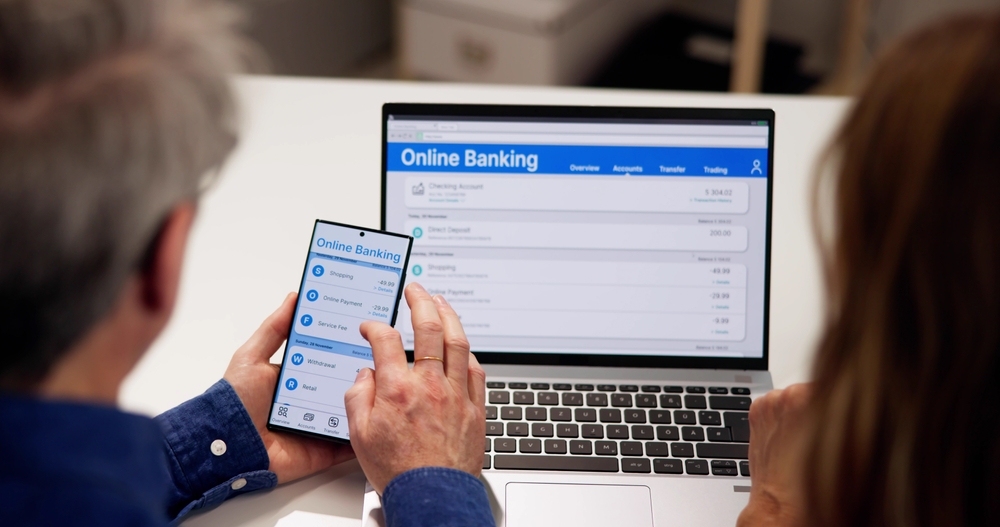
Checking a bank account balance each morning is a simple habit that builds financial awareness. Many Canadians begin their day by reviewing their available balance through a banking app. This quick check helps identify recent transactions and spending activity. When people see their balance regularly, they become more aware of how daily purchases affect their finances. This habit can also reveal unexpected charges early. Catching errors quickly allows them to be resolved sooner. Regular balance checks also help people avoid overspending. Over time, this small routine strengthens financial discipline. A daily review provides a clear picture of how spending decisions affect overall financial stability.
Writing Down Daily Expenses in a Simple Notebook
Recording daily expenses in a notebook is one of the simplest ways to track spending. Many Canadians use this method because it requires no special tools or technology. Each purchase is written down as it happens. Seeing expenses listed together helps reveal spending patterns more clearly. Small purchases that normally go unnoticed become easier to recognize. Over time, this record shows where money is going each day. Reviewing the list weekly can highlight areas where spending could be reduced. This habit encourages thoughtful decision-making before making new purchases. Writing expenses by hand often increases awareness of spending habits.
Using Budgeting Apps to Monitor Spending
Budgeting apps provide a convenient way to monitor spending automatically. Many Canadians connect these apps to their bank accounts and credit cards. The app organizes transactions into categories such as groceries, transportation, or entertainment. This makes it easier to see where money is being spent each month. Some apps also send alerts when spending approaches a set limit. Visual charts and summaries help users understand financial habits quickly. Reviewing the app regularly helps maintain awareness of spending trends. Budgeting apps reduce the effort required to track expenses manually. This tool helps people stay informed about their financial activity throughout the month.
Reviewing Weekly Bank and Credit Card Statements
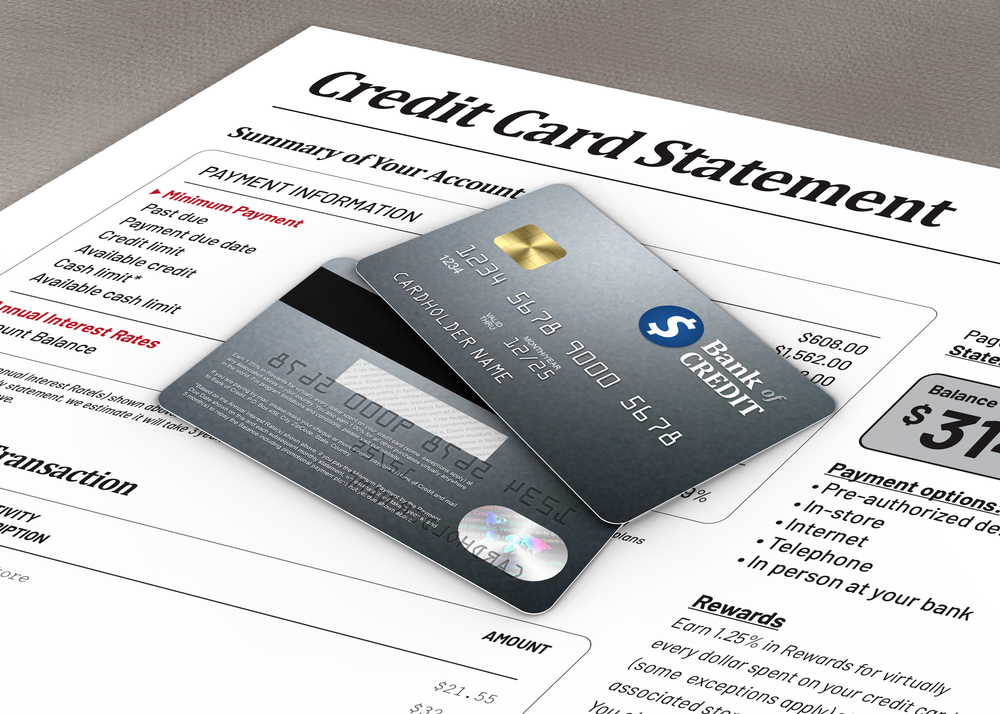
Weekly reviews of bank and credit card activity help maintain financial awareness. Many Canadians set aside a few minutes each week to examine their statements. This habit helps identify spending patterns and unusual charges. Reviewing statements regularly also helps catch billing errors quickly. Small purchases that seem minor individually often become noticeable when viewed together. A weekly review also helps track progress toward spending limits. This habit allows people to adjust their spending before the month ends. Monitoring financial activity frequently helps maintain control over personal finances. Weekly reviews make it easier to manage spending and avoid surprises later.
Tracking Cash Spending Separately From Card Payments
Cash purchases can be harder to track than card payments. Bank statements record card transactions automatically, but cash spending often goes unnoticed. Some Canadians track cash purchases separately to maintain a complete record of their spending. Writing down cash expenses helps prevent them from being forgotten. Even small purchases such as snacks or parking fees can add up over time. Recording these transactions helps create a more accurate picture of overall spending. This habit also encourages more careful use of cash. Tracking both cash and card spending together provides a clearer view of financial habits.
Setting Monthly Spending Limits for Each Category
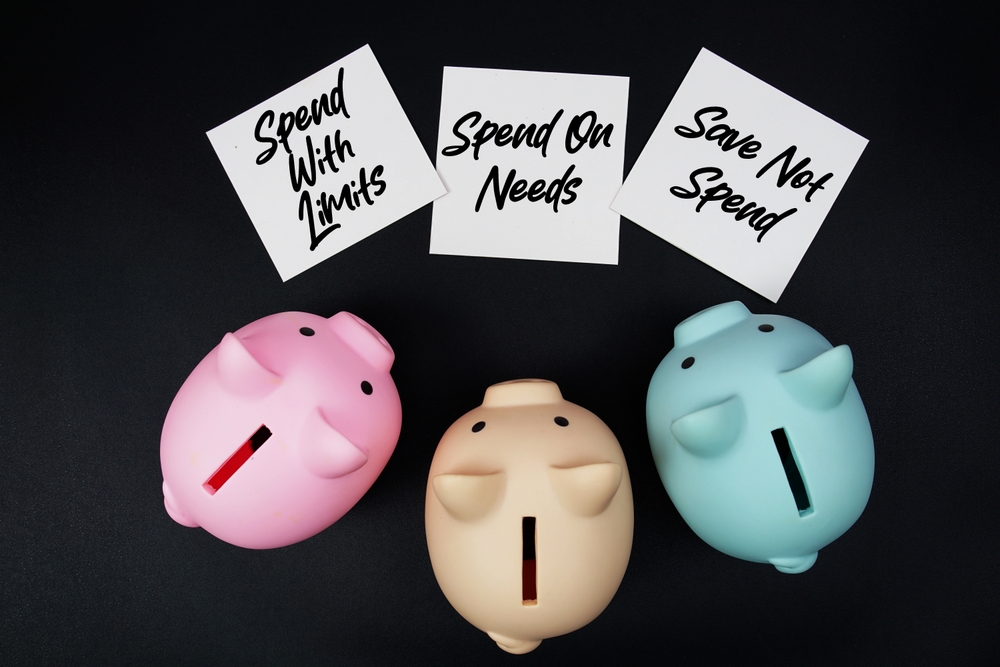
Setting spending limits for different categories helps control monthly expenses. Many Canadians create simple categories such as groceries, transportation, dining out, and entertainment. Assigning a limit to each category provides clear guidance for spending decisions. When spending approaches the limit, it becomes easier to adjust behavior before exceeding the budget. Some people track these limits using apps or spreadsheets. Others monitor spending manually throughout the month. This habit helps prevent one category from consuming too much of the budget. Category limits encourage balanced spending across all areas of personal finances.
Recording Small Purchases That Are Easy to Forget

Small purchases often seem harmless at the moment. Coffee, snacks, parking fees, and quick online buys may feel insignificant individually. However, these small expenses can accumulate quickly over time. Recording these purchases helps reveal their real impact. Many Canadians track small spending in a notebook or a budgeting app. Seeing these expenses listed together often creates awareness. It becomes easier to notice patterns such as daily coffee runs or frequent convenience store visits. Once these habits become visible, people can decide whether the spending is worthwhile. Recording small purchases regularly helps prevent unnoticed overspending and supports better financial decisions.
Reviewing Subscription Charges Each Month

Subscriptions have become a common part of everyday spending. Streaming services, apps, software plans, and memberships often charge automatically each month. Many Canadians forget about these subscriptions after signing up. Reviewing these charges monthly helps identify services that are no longer used. A quick review of bank or credit card statements usually reveals all active subscriptions. Cancelling unused services can free up extra money in the budget. This habit also prevents duplicate subscriptions from continuing unnoticed. Tracking subscriptions regularly keeps recurring expenses under control. A monthly review ensures that every subscription still provides value.
Tracking Grocery Spending Week by Week
Groceries are one of the most frequent household expenses. Many Canadians track grocery spending weekly to avoid exceeding their monthly food budget. Dividing the monthly grocery budget into weekly limits helps control spending. Each week’s grocery total can be recorded after shopping. This method helps identify when spending is higher than expected. It also encourages planning meals and shopping lists more carefully. Tracking grocery spending regularly helps households adjust their shopping habits. Over time, this practice reveals patterns such as impulse purchases or unnecessary items. Weekly tracking helps keep grocery costs consistent and manageable.
Checking Credit Card Balances Before Making Purchases

Credit cards make purchases easy, but they can also hide the true impact of spending. Many Canadians develop the habit of checking their credit card balance before making new purchases. This quick review helps determine whether the purchase fits within the budget. Seeing the current balance also reminds people of recent spending. This habit prevents small purchases from building into large balances. It also encourages paying attention to available credit limits. Checking balances regularly helps maintain better control over credit card use. Over time, this simple step helps prevent unnecessary debt.
Reviewing Buy Now Pay Later Installments Regularly
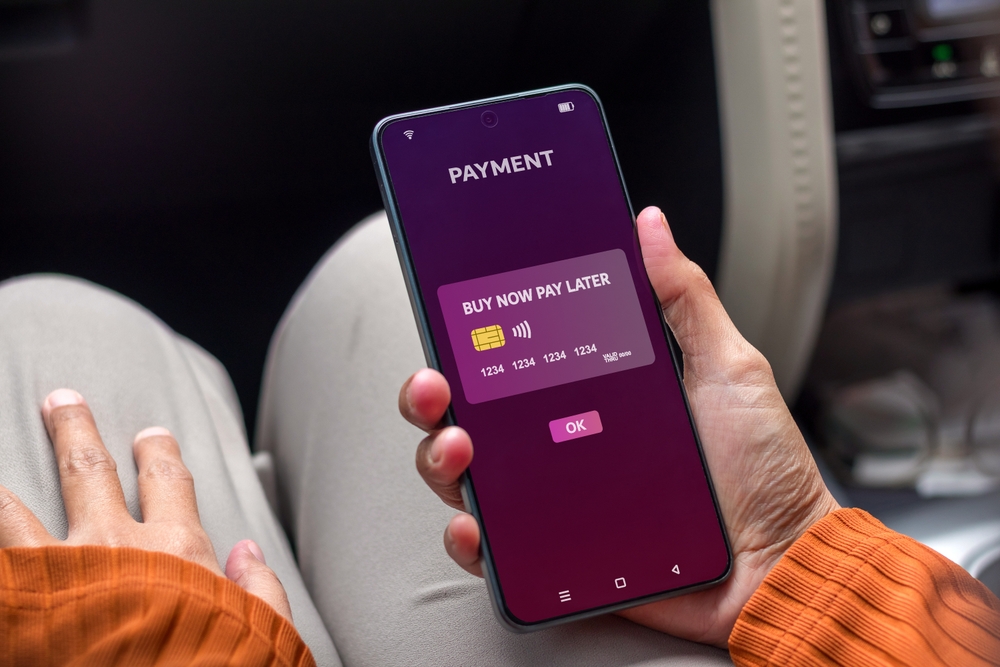
Buy Now Pay Later services divide purchases into several payments over time. These installments may seem small individually, but several plans can overlap quickly. Many Canadians review their active installment plans regularly to stay aware of upcoming payments. Listing each purchase and its payment dates helps track obligations clearly. This review helps prevent forgotten payments and late fees. It also reveals the total amount still owed across all plans. Monitoring installments regularly encourages more careful use of these services. Keeping track of BNPL payments helps maintain a balanced budget.
Tracking Online Shopping Orders in One List

Online shopping has become common for many Canadians. Orders from different websites can make it difficult to track spending. Some people create a single list of all online purchases. This list may include the item, price, and order date. Tracking purchases in one place helps maintain awareness of total spending. It also helps monitor delivery dates and return deadlines. Reviewing this list weekly reveals how often online purchases occur. This habit helps prevent impulse buying and unnecessary spending. Keeping all orders organized in one list provides a clear view of online shopping habits.
Setting Alerts for Bank Transactions

Many Canadian banks allow customers to set alerts for account activity. These notifications can appear through mobile apps, text messages, or email. Alerts may be triggered by large purchases, withdrawals, or low account balances. This habit helps people stay aware of their spending in real time. Instead of reviewing accounts only at the end of the month, customers receive updates immediately. Alerts also help detect unexpected transactions quickly. If a mistake or unauthorized charge appears, it can be reported sooner. Many Canadians find that transaction alerts encourage more careful spending decisions. Regular notifications provide ongoing awareness of how money moves through their accounts.
Reviewing Spending Patterns at the End of Each Month
A monthly spending review helps people understand where their money goes. At the end of the month, Canadians often look through their bank and credit card activity. This review reveals how much was spent on categories such as groceries, transportation, and entertainment. Seeing the total spending can highlight areas where costs increased unexpectedly. It also helps identify habits that may need adjustment. Some people record their totals in a spreadsheet or budgeting app. Others simply review their statements carefully. This habit helps connect daily spending decisions with overall financial results. Monthly reviews provide valuable insights for future budgeting.
Comparing Monthly Spending to Previous Months
Comparing spending across several months helps reveal financial trends. Many Canadians review their current month alongside previous months. This comparison highlights increases or decreases in certain categories. For example, dining out or entertainment spending may rise during certain periods. Recognizing these patterns allows people to adjust their habits if necessary. Some individuals keep simple records of their monthly totals. Over time, this creates a useful financial history. Reviewing past months also shows progress when spending improves. Comparing spending regularly helps maintain awareness and encourages more consistent financial decisions.
Tracking Seasonal Expenses Throughout the Year
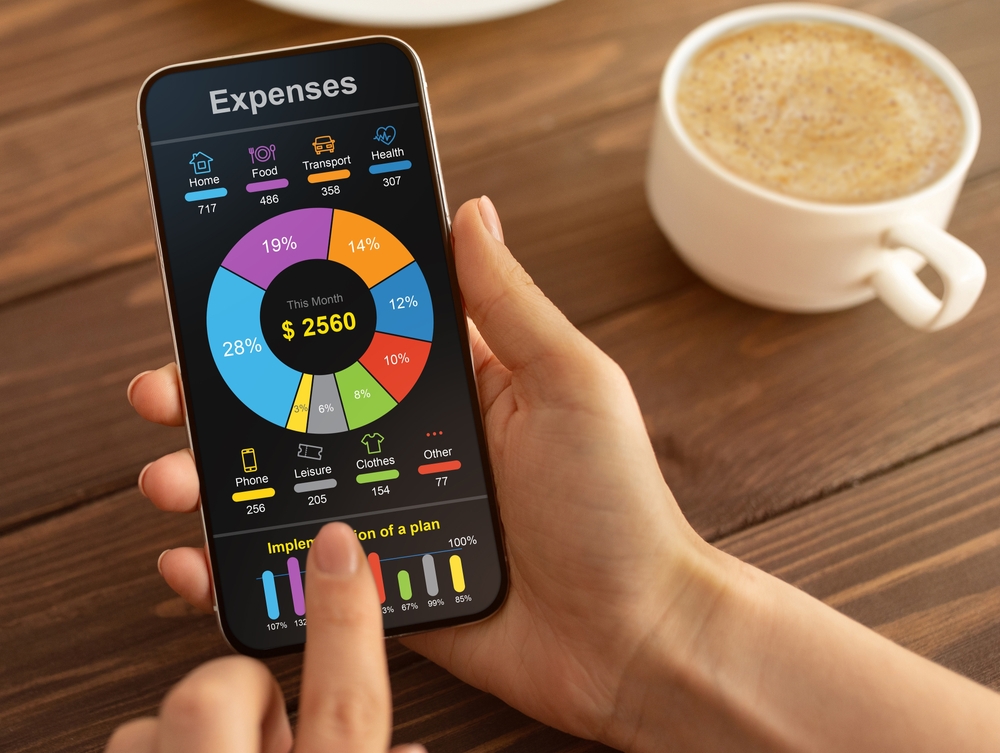
Certain expenses occur only during specific times of the year. Holiday spending, school supplies, and seasonal travel are common examples. Many Canadians track these expenses separately to prepare for them in advance. Recording seasonal spending helps estimate future costs more accurately. For example, reviewing last year’s holiday spending helps plan the next season’s budget. Tracking these expenses prevents sudden financial pressure when the season arrives. Some people create a small savings category for seasonal costs. Monitoring these patterns throughout the year helps maintain better financial balance.
Monitoring Dining Out and Food Delivery Spending

Dining out and food delivery can increase quickly without careful tracking. Many Canadians review these expenses regularly to avoid overspending. Restaurant visits, takeout meals, and delivery services may seem affordable individually. However, frequent orders can add up significantly over a month. Tracking these purchases reveals how often they occur. Some people set a monthly limit for dining out and monitor progress weekly. Recording these expenses helps identify when spending begins to exceed the budget. Monitoring food-related spending encourages more balanced decisions between dining out and cooking at home.
Recording Major Purchases Before They Are Made
Large purchases often require more planning than everyday spending. Some Canadians record these purchases before completing them. Writing down the item, price, and reason for buying helps clarify whether the purchase is necessary. This step creates a pause before making the final decision. Waiting a day or two after recording the purchase can also provide perspective. Sometimes the urgency to buy fades after a short delay. This habit encourages thoughtful decision-making rather than impulse spending. Recording planned purchases helps ensure they fit within the overall budget.
Tracking Debt Payments and Remaining Balances

Monitoring debt balances helps maintain awareness of financial obligations. Many Canadians track loan payments, credit card balances, and installment plans regularly. Recording each payment and the remaining balance provides a clear picture of progress. This habit helps people see how quickly debt is being reduced. It also encourages consistent repayment efforts. Some individuals update a simple list or spreadsheet after each payment. Watching balances decrease over time can be motivating. Tracking debt also helps identify opportunities to pay extra when possible. Maintaining visibility of debt balances supports better financial management.
Reviewing Financial Goals Alongside Spending Habits
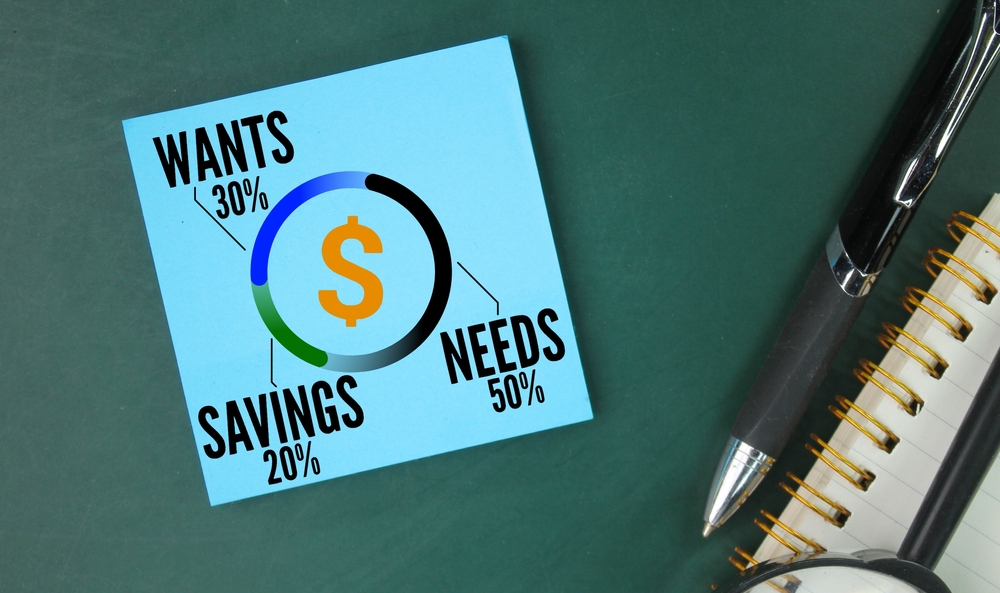
Tracking spending becomes more meaningful when it connects to personal financial goals. Many Canadians review their spending while also considering long-term goals such as saving, reducing debt, or building investments. This habit helps determine whether daily financial decisions support those goals. For example, high discretionary spending may slow progress toward saving targets. Seeing this connection can encourage better choices. Some people review their monthly spending while also checking their savings progress. This comparison helps keep financial priorities clear. When spending habits align with long-term goals, financial progress becomes easier to maintain. Reviewing both spending and goals together helps create a balanced financial plan.
Checking Automatic Payments and Recurring Charges
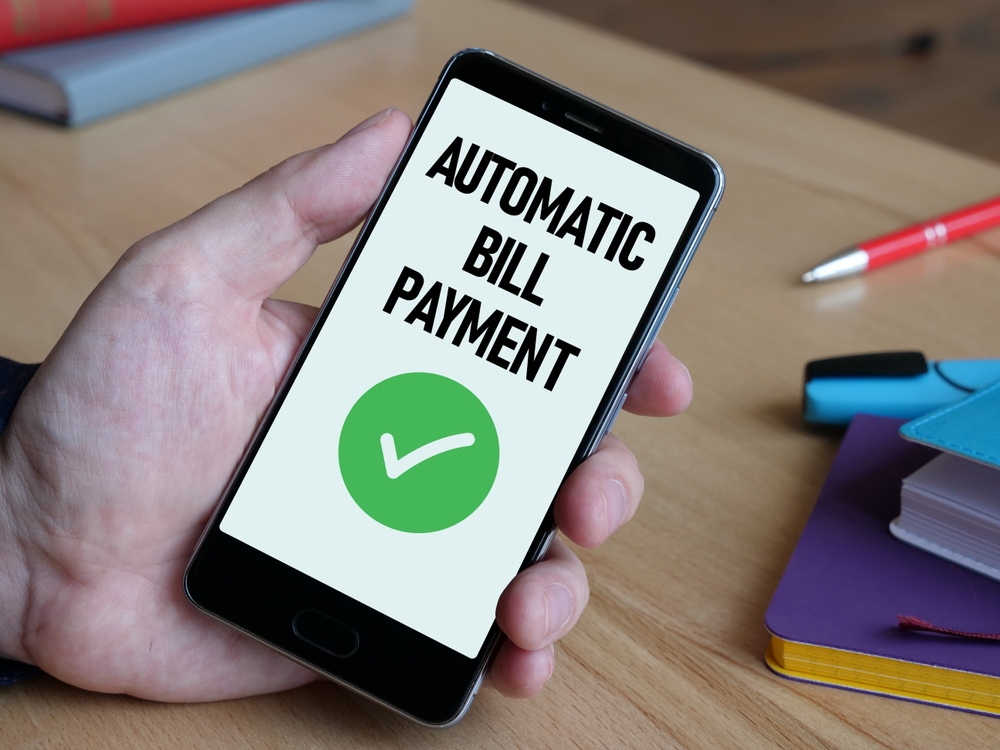
Automatic payments simplify bill management, but they can also hide ongoing expenses. Many Canadians regularly check their recurring payments to stay aware of these charges. Subscriptions, insurance payments, memberships, and loan installments often occur automatically. Reviewing these transactions ensures they are still accurate and necessary. Sometimes services continue to charge even after they are no longer in use. Identifying these charges allows them to be cancelled. This review also confirms that scheduled payments are processed correctly. Checking automatic payments helps maintain better control of monthly finances. Monitoring these transactions prevents unnoticed spending from accumulating over time.
Scheduling a Weekly Personal Finance Check-In
A weekly finance check-in helps maintain regular awareness of money habits. Many Canadians choose a specific day each week to review their finances. During this time, they may review recent transactions, update spending records, and check account balances. This routine usually takes only a few minutes. However, it helps prevent financial issues from building unnoticed. Weekly reviews allow people to adjust spending before the month ends. It also helps track progress toward savings or debt repayment goals. Scheduling this regular check-in builds consistent financial discipline. Over time, it becomes a simple habit that supports better money management.
22 Groceries to Grab Now—Before another Price Shock Hits Canada

Food prices in Canada have been steadily climbing, and another spike could make your grocery bill feel like a mortgage payment. According to Statistics Canada, food inflation remains about 3.7% higher than last year, with essentials like bread, dairy, and fresh produce leading the surge. Some items are expected to rise even further due to transportation costs, droughts, and import tariffs. Here are 22 groceries to grab now before another price shock hits Canada.
22 Groceries to Grab Now—Before another Price Shock Hits Canada
This Options Discord Chat is The Real Deal
While the internet is scoured with trading chat rooms, many of which even charge upwards of thousands of dollars to join, this smaller options trading discord chatroom is the real deal and actually providing valuable trade setups, education, and community without the noise and spam of the larger more expensive rooms. With a incredibly low-cost monthly fee, Options Trading Club (click here to see their reviews) requires an application to join ensuring that every member is dedicated and serious about taking their trading to the next level. If you are looking for a change in your trading strategies, then click here to apply for a membership.