
35,000+ smart investors are already getting financial news, market signals, and macro shifts in the economy that could impact their money next with our FREE weekly newsletter. Get ahead of what the crowd finds out too late. Click Here to Subscribe for FREE.
Takeout has become a normal part of daily life for many Canadians. Busy work schedules, commuting, and long days often lead people to quick-food orders. At first, each order may seem like a small expense. Over time, these small purchases can quietly increase monthly spending. Many people only notice the total after reviewing their bank statements. Tracking food spending often reveals habits that went unnoticed for months. Some orders happen out of convenience rather than real need. Others occur during routine activities like commuting or weekend errands. Recognizing these patterns helps people make smarter food decisions. Here are 17 takeout spending habits Canadians don’t notice until they track them.
Ordering Coffee and Breakfast on the Way to Work
17 Takeout Spending Habits Canadians Don’t Notice Until They Track Them
- Ordering Coffee and Breakfast on the Way to Work
- Paying Delivery Fees Instead of Picking Up Food
- Ordering Lunch During Busy Workdays
- Adding Extra Items to Meet Delivery Minimums
- Ordering Late Night Snacks After Dinner
- Buying Takeout During Weekend Errands
- Using Food Delivery Apps Out of Convenience
- Ordering Individual Meals Instead of Cooking Family Portions
- Paying for Restaurant Drinks With Takeout Orders
- Ordering Food While Grocery Shopping Less Often
- Choosing Delivery During Bad Weather
- Ordering Food After Long Commutes
- Buying Takeout Because Ingredients Are Missing
- Ordering Desserts Separately From Restaurants
- Paying Extra for Faster Delivery Options
- Ordering Takeout While Traveling Within the City
- Reordering the Same Meals Without Checking the Cost
- 22 Groceries to Grab Now—Before another Price Shock Hits Canada

Many Canadians start their mornings by stopping for coffee and breakfast. It often feels like a small daily habit. However, these purchases can quietly increase monthly food spending. A coffee and breakfast sandwich may cost around CA$7 to CA$12 in many cities. Buying it five days a week adds up quickly. Over a month, the total can reach more than CA$150. Many people overlook this because each purchase feels minor. Preparing coffee and breakfast at home usually costs much less. Overnight oats, toast, or eggs take only a few minutes to prepare. Tracking spending often reveals how frequent these purchases are. Many Canadians notice this habit only after reviewing their monthly bank statements.
Paying Delivery Fees Instead of Picking Up Food
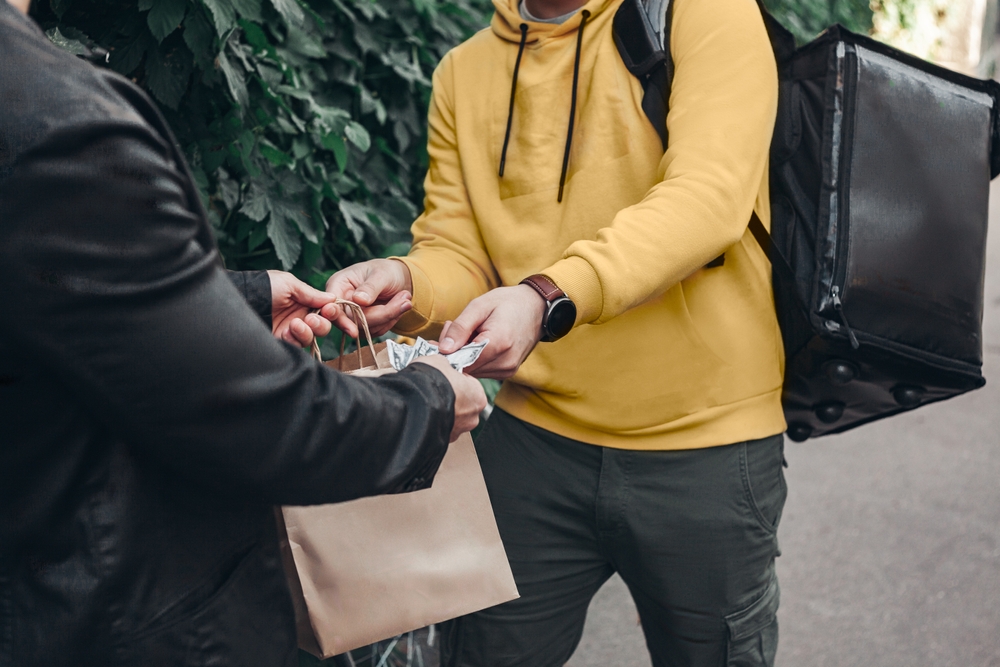
Food delivery apps make ordering meals very convenient. Many Canadians choose delivery instead of picking up food themselves. Each order usually includes a delivery fee and service charge. These fees often range between CA$3 and CA$8, depending on the restaurant and distance. Taxes and tips can increase the total cost further. A meal that costs CA$15 in the store may reach CA$22 after delivery charges. Many people focus on the food price and overlook these added costs. Picking up the order often removes several extra charges. Over a month, avoiding delivery fees can save a noticeable amount of money. Tracking food spending often reveals how often delivery charges appear.
Ordering Lunch During Busy Workdays
Workdays often become busy and unpredictable. Many Canadians order lunch when they run out of time to cook. Food courts, restaurants, and delivery apps offer quick solutions. A single lunch order may cost between CA$12 and CA$20 in many cities. Buying lunch several times a week can quickly raise monthly expenses. People rarely notice the total until they review their spending. Preparing simple lunches at home usually costs much less. Sandwiches, salads, or leftover dinners work well for work lunches. Packing lunch also reduces the time spent deciding what to eat. Tracking food spending often shows how frequently weekday lunch orders happen.
Adding Extra Items to Meet Delivery Minimums
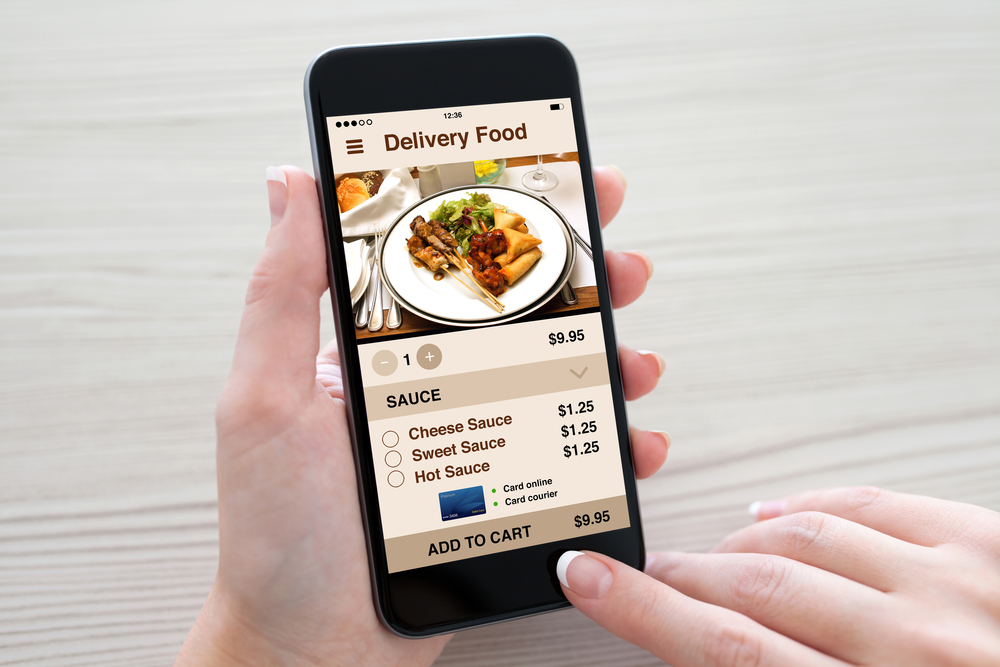
Many delivery apps require a minimum order amount. When the order total falls below that limit, people often add extra items. Common additions include drinks, desserts, or side dishes. These items may not have been planned originally. A person ordering a CA$15 meal may add CA$5 or CA$6 in extras. This helps meet the delivery requirement quickly. However, the final bill becomes much higher than expected. Over time, these small additions increase monthly takeout spending. Many Canadians notice this habit only after reviewing multiple orders. Preparing meals at home or picking up food can avoid these unnecessary additions.
Ordering Late Night Snacks After Dinner

Late-night snacking often leads to unexpected takeout orders. After dinner, some Canadians still feel hungry or bored. Food delivery apps make ordering quick and simple. Many people order items like fries, desserts, or fast food. These small orders can cost between CA$10 and CA$18. Because they happen late at night, people rarely think about the total cost. Over several weeks, these snacks can add a noticeable expense. Preparing snacks at home usually costs much less. Foods like fruit, yogurt, or popcorn work well for late evenings. Tracking food spending often reveals how often these late-night orders occur.
Buying Takeout During Weekend Errands
Weekend errands often lead to unplanned food purchases. Many Canadians stop for takeout while shopping or running errands. Restaurants near shopping centres and busy streets make this easy. A quick meal may cost around CA$12 to CA$18. Because the purchase happens during other activities, people rarely track it closely. Several small purchases during weekends can raise monthly food spending. Preparing food at home before leaving can help avoid this habit. Packing snacks or simple meals also works during longer errands. Many Canadians only notice these purchases after reviewing bank transactions. Tracking spending often reveals how often weekend takeout happens.
Using Food Delivery Apps Out of Convenience
Food delivery apps have become very common across Canada. They make ordering food quick and simple. Many people open these apps whenever they feel tired or busy. Restaurants appear with photos, prices, and delivery times. This convenience often leads to frequent orders. A person may order food even when groceries are available at home. Service fees, delivery charges, and tips increase the final price. Because ordering takes only a few minutes, spending can happen without much thought. Tracking monthly expenses often reveals how often these apps are used. Many Canadians realize that convenience played a large role in their takeout spending.
Ordering Individual Meals Instead of Cooking Family Portions
Many Canadians order separate meals instead of cooking larger portions at home. This habit often appears in busy households. Each family member may choose a different restaurant meal. Individual meals usually cost between CA$12 and CA$20. Ordering several meals in one evening quickly raises the total bill. Taxes, tips, and delivery fees increase the cost further. Cooking a single meal at home usually feeds several people. Family-sized dishes such as pasta, rice bowls, or casseroles stretch ingredients further. These meals often cost much less per portion. Tracking takeout spending often reveals how often individual meals are ordered. Many households notice that cooking larger portions significantly reduces weekly food spending.
Paying for Restaurant Drinks With Takeout Orders

Restaurant drinks often increase the total cost of takeout orders. Many Canadians add soft drinks, iced tea, or specialty beverages to meals. These drinks often cost between CA$2 and CA$5 each. Ordering several drinks for a household raises the final bill quickly. Most homes already have water, juice, or soda available. Buying drinks from a grocery store usually costs less per serving. Restaurant drinks also add extra delivery fees because of the larger order. Many people do not notice this spending during each purchase. Reviewing order history often shows how often drinks appear in takeout bills. Skipping these extras can lower the total cost of many orders.
Ordering Food While Grocery Shopping Less Often

Some Canadians order takeout more often when grocery shopping becomes irregular. Busy schedules may reduce the number of grocery trips each month. Without fresh ingredients at home, ordering food feels like the easiest option. Food delivery apps provide quick meals without planning. However, these orders often cost more than cooking simple meals. Even basic groceries can produce several home-cooked dishes. Buying ingredients weekly usually helps reduce the need for takeout. Many people notice this pattern only after tracking their spending. Grocery purchases may drop while takeout spending rises. Planning regular grocery trips helps keep ingredients available and reduces last-minute food orders.
Choosing Delivery During Bad Weather

Weather conditions often influence food ordering habits in Canada. Rain, snow, or cold temperatures make people avoid leaving home. During these moments, delivery apps become the easiest option. Many Canadians order meals instead of cooking or picking up food. Delivery fees still apply even in poor weather conditions. Some restaurants also increase delivery charges during busy periods. These costs raise the final bill without people noticing immediately. Cooking simple meals at home usually costs less during these situations. Many people notice this habit only after reviewing spending patterns. Weather-related orders may appear frequently during certain seasons. Tracking expenses helps reveal how often this happens.
Ordering Food After Long Commutes

Long commutes can leave people feeling tired at the end of the day. Many Canadians choose to take out instead of cooking after arriving home. The idea of preparing a full meal may feel exhausting. Food delivery apps offer a quick solution in these moments. A single dinner order may cost between CA$15 and CA$25. Repeating this habit several times each week increases monthly expenses. Preparing simple meals ahead of time can help reduce this pattern. Leftovers, soups, or prepared bowls make dinner easier. Many commuters only notice this spending after reviewing their bank statements. Tracking daily food purchases often reveals how often these post-commute orders occur.
Buying Takeout Because Ingredients Are Missing
Sometimes people order takeout simply because one ingredient is missing. A missing vegetable, sauce, or protein can change meal plans quickly. Instead of adjusting the recipe, many Canadians order food instead. Delivery apps make this choice quick and convenient. However, the final cost becomes much higher than cooking at home. A single missing ingredient may cost only a few dollars at a store. Ordering a full meal may cost CA$15 or more. Keeping basic pantry items available helps avoid this situation. Staples like rice, pasta, canned beans, and frozen vegetables support quick meals. Tracking spending often shows how frequently missing ingredients lead to takeout orders.
Ordering Desserts Separately From Restaurants

Desserts often become an extra expense during takeout orders. Many Canadians add items like cake, cookies, or ice cream after finishing a meal. Sometimes desserts are ordered from a different restaurant through the same delivery app. These small orders can cost between CA$6 and CA$12. Delivery fees and service charges may still apply to these items. Because desserts feel like occasional treats, people rarely track their cost. Over time, repeated dessert orders increase monthly food spending. Buying desserts from grocery stores usually costs less per portion. Preparing simple desserts at home also helps reduce these purchases. Tracking spending often reveals how frequently desserts appear in takeout orders.
Paying Extra for Faster Delivery Options
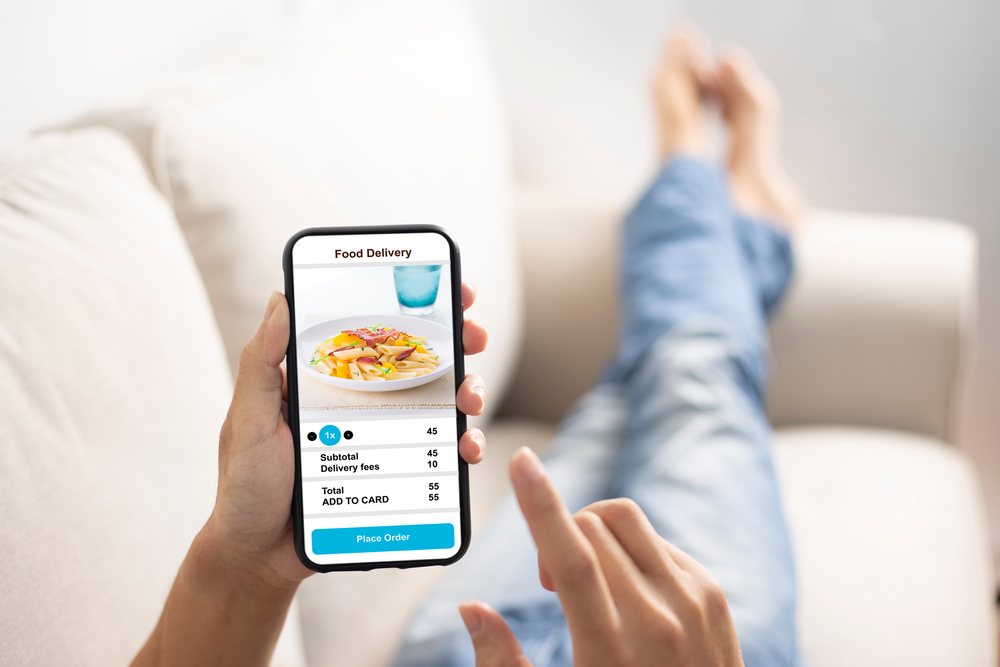
Many food delivery apps offer faster delivery for an extra fee. Customers may pay more to receive food sooner. This option often adds around CA$2 to CA$5 to the order. When delivery fees and tips are added, the final cost rises further. People often choose faster delivery without considering the price. The difference between regular and faster delivery is usually only a few minutes. Over several orders each month, these small fees accumulate. Many Canadians only notice this habit after reviewing their order history. Choosing standard delivery can reduce these extra charges. Tracking spending helps people see how often they pay for faster delivery options.
Ordering Takeout While Traveling Within the City
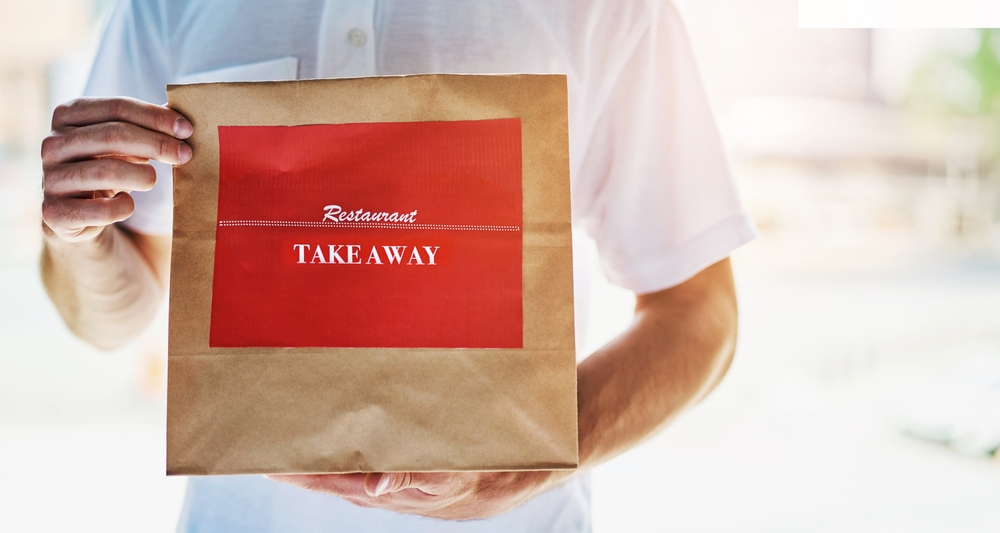
Traveling across the city often leads to unplanned food purchases. Many Canadians order takeout while commuting between activities. This may happen during shopping trips, appointments, or visits with friends. Restaurants located near transit stations or busy streets make ordering easy. A quick meal during travel may cost around CA$12 to CA$18. Because the purchase happens during other activities, people rarely track it carefully. Several small orders during the week can increase food spending. Packing snacks or simple meals before leaving home helps avoid this habit. Tracking expenses often reveals how often food is purchased while moving around the city.
Reordering the Same Meals Without Checking the Cost
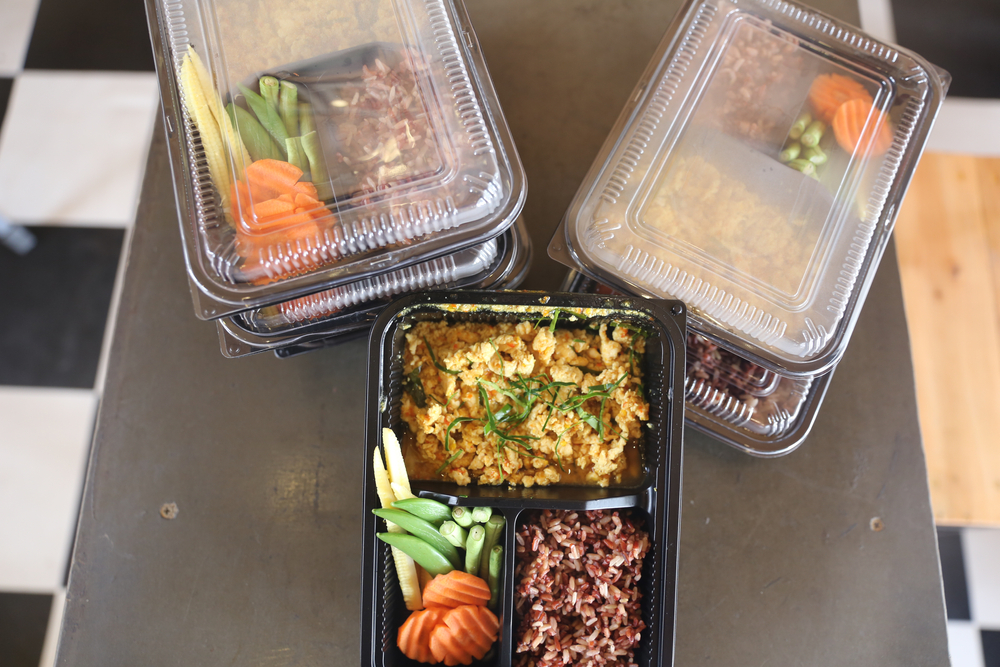
Food delivery apps make it easy to reorder previous meals. Many Canadians use the reorder feature because it saves time. The meal appears familiar and requires only one tap to order again. However, restaurant prices can change over time. Delivery fees or service charges may also increase. People may continue ordering the same meal without checking the updated price. A meal that once cost CA$15 may later cost several dollars more. Over time, repeated orders raise monthly spending. Reviewing menu prices before ordering can help avoid this issue. Tracking expenses often reveals how frequently the same meal appears in order history.
22 Groceries to Grab Now—Before another Price Shock Hits Canada

Food prices in Canada have been steadily climbing, and another spike could make your grocery bill feel like a mortgage payment. According to Statistics Canada, food inflation remains about 3.7% higher than last year, with essentials like bread, dairy, and fresh produce leading the surge. Some items are expected to rise even further due to transportation costs, droughts, and import tariffs. Here are 22 groceries to grab now before another price shock hits Canada.
22 Groceries to Grab Now—Before another Price Shock Hits Canada
This Options Discord Chat is The Real Deal
While the internet is scoured with trading chat rooms, many of which even charge upwards of thousands of dollars to join, this smaller options trading discord chatroom is the real deal and actually providing valuable trade setups, education, and community without the noise and spam of the larger more expensive rooms. With a incredibly low-cost monthly fee, Options Trading Club (click here to see their reviews) requires an application to join ensuring that every member is dedicated and serious about taking their trading to the next level. If you are looking for a change in your trading strategies, then click here to apply for a membership.