
35,000+ smart investors are already getting financial news, market signals, and macro shifts in the economy that could impact their money next with our FREE weekly newsletter. Get ahead of what the crowd finds out too late. Click Here to Subscribe for FREE.
Many Canadians focus on large expenses like rent, groceries, and transportation. However, smaller convenience purchases often go unnoticed. These purchases feel minor when they happen during daily routines. A coffee here, a delivery order there, or a quick ride across town may not seem expensive. Over weeks and months, these habits quietly increase monthly spending. Some convenience purchases can add hundreds of dollars each year. In some cases, the yearly total may exceed common rent increases in many Canadian cities. Tracking spending often reveals how frequently these purchases happen. Understanding these habits can help people make more mindful choices. Here are 22 “convenience” purchases Canadians make that cost more than the rent increase.
Daily Coffee Purchases From Cafés
22 “Convenience” Purchases Canadians Make That Cost More Than Rent Increases
- Daily Coffee Purchases From Cafés
- Frequent Food Delivery App Orders
- Buying Lunch Instead of Packing Meals
- Ordering Groceries Through Delivery Apps
- Paying for Express Shipping on Online Orders
- Using Ride Sharing Instead of Public Transit
- Buying Bottled Water Instead of Using Reusable Bottles
- Paying for Multiple Streaming Subscriptions
- Purchasing Pre-Cut Fruits and Vegetables
- Using Meal Kit Delivery Services Weekly
- Buying Snacks From Convenience Stores
- Paying ATM Withdrawal Fees Regularly
- Using Premium Delivery Memberships Without Tracking Usage
- Ordering Takeout During Busy Workdays
- Paying Parking Fees Instead of Using Transit
- Buying Coffee Pods Instead of Ground Coffee
- Using Laundry Services Instead of Home Laundry
- Ordering Last Minute Gifts With Expedited Delivery
- Paying Extra for Seat Selection During Flights
- Buying Prepared Grocery Store Meals
- Paying Subscription Fees for Apps Rarely Used
- Ordering Late Night Delivery Instead of Cooking
- 22 Groceries to Grab Now—Before another Price Shock Hits Canada

Buying coffee from cafés has become a routine for many Canadians. A single coffee may cost between CA$3 and CA$6, depending on the location. Adding pastries or breakfast items raises the price further. When this habit happens five days a week, the cost grows quickly. Monthly spending on coffee alone can easily pass CA$100. Many people overlook this because each purchase feels small. Preparing coffee at home usually costs far less per cup. A bag of ground coffee can last several weeks. Tracking spending often shows how often café visits occur. Reducing even a few weekly purchases can lower monthly expenses. Over a year, daily coffee purchases may cost more than typical rent increases.
Frequent Food Delivery App Orders

Food delivery apps have become very common across Canadian cities. Ordering meals through these apps is quick and convenient. However, the total cost often goes beyond the menu price. Delivery fees, service charges, and tips increase the bill. A meal priced at CA$15 may reach CA$22 after extra charges. Ordering several times each week quickly raises monthly spending. Many people open delivery apps whenever they feel tired or busy. Because ordering takes only a few minutes, spending happens without much thought. Tracking bank statements often reveals frequent orders. Cooking simple meals at home usually costs much less. Over time, frequent delivery orders can cost more than expected rent increases.
Buying Lunch Instead of Packing Meals

Buying lunch during workdays feels convenient for many Canadians. Restaurants, food courts, and cafés offer quick meal options near offices. A typical lunch may cost between CA$12 and CA$20 in many cities. Buying lunch five days a week quickly increases monthly food spending. Many people overlook the total because each purchase feels routine. Packing lunch from home usually costs far less per meal. Sandwiches, salads, or leftovers work well for weekday lunches. Preparing meals ahead also saves time during busy mornings. Tracking food expenses often shows how frequently lunches are purchased. Over a year, daily lunch purchases can add hundreds of dollars to personal spending.
Ordering Groceries Through Delivery Apps

Grocery delivery apps have grown popular in many Canadian cities. These services bring groceries directly to the door. While convenient, they often include extra charges. Delivery fees, service fees, and tips increase the final bill. Some items may also cost more through delivery platforms. Ordering groceries this way can raise the weekly food budget. Many people use these apps during busy weeks or bad weather. Because the process feels easy, the extra costs often go unnoticed. Shopping in person usually avoids these added fees. It also allows people to compare prices across products. Tracking grocery spending often shows how delivery services increase overall costs.
Paying for Express Shipping on Online Orders

Online shopping has become common across Canada. Many retailers offer express shipping for faster delivery. This option usually adds an extra fee to the order. Express shipping may cost between CA$10 and CA$20, depending on the retailer. Some shoppers select this option simply to receive items sooner. In many cases, standard shipping arrives only a few days later. Choosing express delivery repeatedly increases annual spending. People often overlook this because the fee appears small on each order. Waiting for standard shipping can reduce unnecessary costs. Tracking online purchases often shows how frequently express delivery was chosen.
Using Ride Sharing Instead of Public Transit

Ride-sharing services operate widely in major Canadian cities. They provide a quick alternative to buses, trains, or subways. However, ride sharing usually costs much more than public transit. A short ride may cost between CA$12 and CA$25, depending on the distance. Daily rides quickly increase monthly transportation spending. Public transit fares in many cities cost much less per trip. Many commuters still choose ride sharing for convenience or comfort. During busy days, it feels like the easier option. Tracking spending often shows how often ride-sharing replaces transit. Over time, these rides may cost more than expected increases in housing expenses.
Buying Bottled Water Instead of Using Reusable Bottles

Buying bottled water seems like a simple purchase. Many Canadians buy water during commutes or daily errands. A single bottle may cost around CA$2 to CA$3. Buying one bottle each day quickly increases monthly spending. Over a year, the total can become surprisingly high. Reusable water bottles offer a much cheaper alternative. Tap water in most Canadian cities meets strict safety standards. Refilling a bottle at home or work costs very little. Many people overlook this habit because each purchase feels minor. Tracking spending often shows how frequently bottled water is purchased. Switching to reusable bottles can reduce this unnecessary expense.
Paying for Multiple Streaming Subscriptions
Streaming services have replaced traditional television for many Canadians. Many households subscribe to several platforms at the same time. Each subscription may cost between CA$8 and CA$20 per month. Having three or four services increases monthly entertainment spending. Some subscriptions remain active even when rarely used. Because payments happen automatically, people often forget about them. Over a year, multiple subscriptions can add several hundred dollars to expenses. Reviewing bank statements often reveals unused services. Canceling rarely watched platforms can lower monthly costs. Some households rotate subscriptions instead of keeping all of them active. Tracking subscriptions helps people see how much entertainment services cost over time.
Purchasing Pre-Cut Fruits and Vegetables
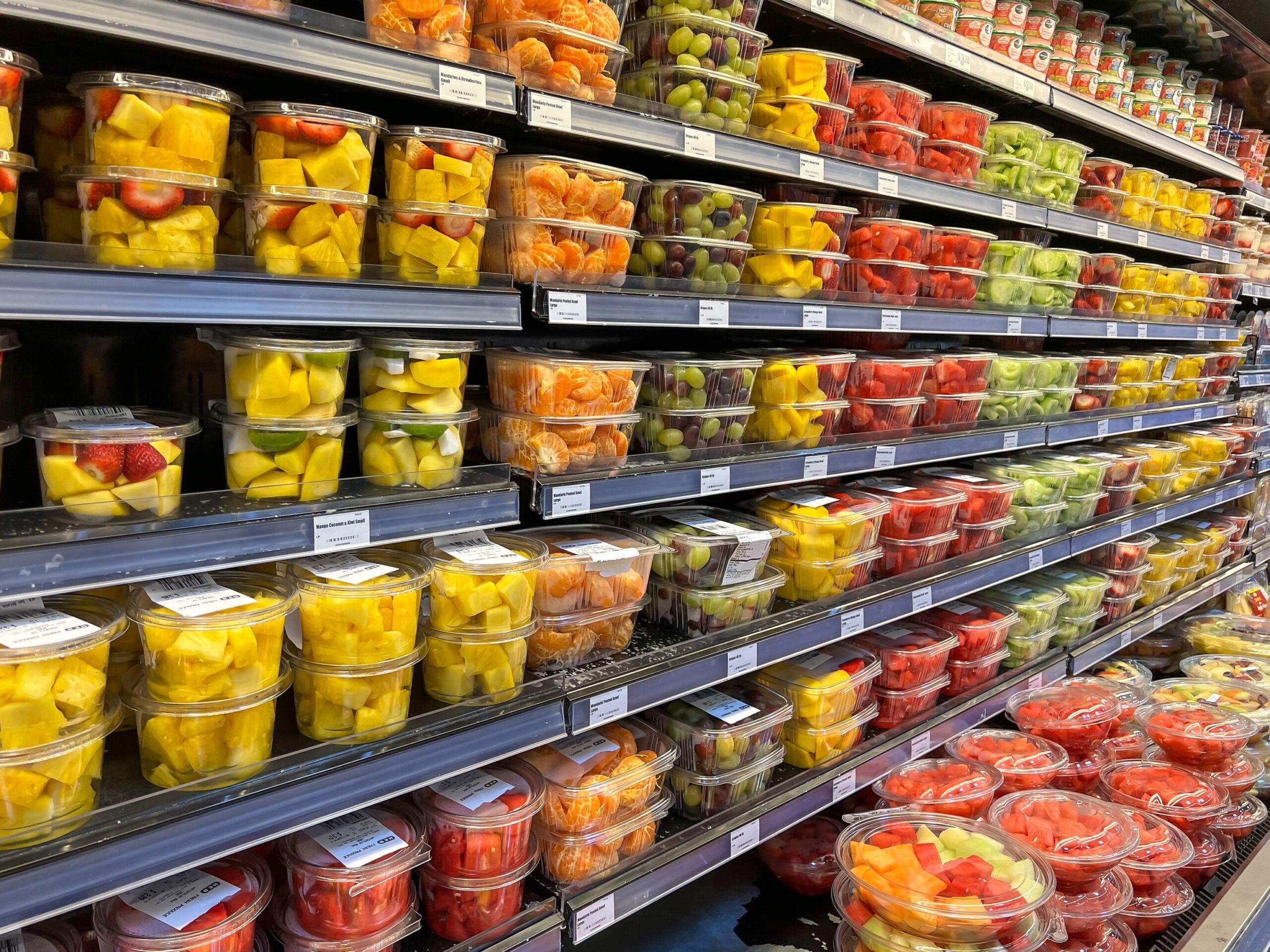
Pre-cut fruits and vegetables save time during meal preparation. Many grocery stores across Canada offer these ready-to-eat items. However, they usually cost more than whole produce. A container of cut fruit may cost twice as much as buying the fruit whole. Pre-sliced vegetables also cost more. Many people buy them because they reduce preparation time. Cutting fruits and vegetables at home takes only a few minutes. Buying whole produce usually stretches the grocery budget further. Over time, repeated purchases of pre-cut items increase food spending. Tracking grocery receipts often reveals how often these products appear.
Using Meal Kit Delivery Services Weekly

Meal kit services deliver ingredients and recipes directly to homes. Many Canadians subscribe to these services for convenience. Each meal kit box may cost between CA$70 and CA$120 per week, depending on the plan. The ingredients are usually portioned and ready to cook. While convenient, the price is often higher than buying groceries separately. Some households continue the service for months without reviewing the cost. Cooking meals from store-bought ingredients usually costs less. Tracking grocery spending often reveals the difference clearly. Meal kits may help with meal planning, but they still increase overall food expenses.
Buying Snacks From Convenience Stores

Convenience stores are easy to access in many Canadian neighborhoods. People often stop for quick snacks during commutes or errands. Items like chips, chocolate bars, and drinks usually cost more in these stores. The same products often cost less in grocery stores. Because purchases happen quickly, people rarely think about the price difference. Several small snack purchases each week raise monthly spending. Buying snacks in larger grocery packs often costs less per item. Packing snacks from home also reduces the need to make these purchases. Tracking spending often reveals how often convenience store visits happen.
Paying ATM Withdrawal Fees Regularly

ATM withdrawal fees often go unnoticed in daily banking activity. Many Canadians withdraw cash from machines outside their bank network. Each withdrawal may include a fee between CA$2 and CA$5. Some machines also charge additional service fees. Several withdrawals each month increase banking costs quickly. Because the fees appear small, people rarely track them closely. Using ATMs from your own bank usually avoids these charges. Planning withdrawals also reduces frequent transactions. Reviewing bank statements often reveals how often these fees appear. Over time, regular ATM fees can add a noticeable amount to yearly expenses.
Using Premium Delivery Memberships Without Tracking Usage

Many delivery platforms offer premium memberships for reduced fees. These subscriptions often promise lower delivery costs and special discounts. The membership itself usually costs a monthly fee. Some Canadians sign up but rarely use the service afterward. When the membership goes unused, the monthly fee becomes unnecessary spending. Automatic payments continue unless the plan is canceled. People often forget about these subscriptions after joining. Tracking delivery usage helps determine if the membership provides value. Canceling unused services can lower monthly expenses. Reviewing subscription charges regularly helps prevent paying for services that are rarely used.
Ordering Takeout During Busy Workdays

Busy workdays often lead people to order takeout meals. Cooking may feel difficult after long hours at work. Delivery apps make ordering food very quick. A single meal may cost between CA$15 and CA$25 after fees. Ordering several times a week raises monthly food spending. Many people see these orders as occasional treats. However, repeated purchases become routine over time. Preparing simple meals ahead of time can reduce this habit. Leftovers, soups, or meal-prep dishes work well on busy evenings. Tracking spending often shows how often takeout occurs on workdays.
Paying Parking Fees Instead of Using Transit

Parking fees can increase transportation costs in many Canadian cities. Downtown areas often charge hourly or daily parking rates. These fees may range from CA$10 to CA$30, depending on the location. Many drivers pay these costs for convenience. Public transit usually costs less for the same trip. However, people often choose driving because it feels faster. Regular parking payments raise monthly commuting expenses. Some workplaces also charge additional parking permits. Using buses or trains may significantly reduce these costs. Tracking transportation spending often shows how frequently parking fees appear.
Buying Coffee Pods Instead of Ground Coffee

Coffee pods have become popular because they make brewing fast and simple. Many Canadian households use pod-based machines every day. A single coffee pod may cost between CA$0.60 and CA$1.00, depending on the brand. Brewing several cups daily increases the cost quickly. Ground coffee usually costs much less per serving. A bag of ground coffee can produce many cups at home. Pods also create more packaging waste compared to traditional coffee methods. Many people choose pods for convenience during busy mornings. Tracking grocery spending often shows how frequently pods are purchased. Switching to ground coffee can reduce monthly beverage costs. Over time, this small change may lower yearly household spending.
Using Laundry Services Instead of Home Laundry

Laundry services offer convenience for busy households. Many Canadians use laundromats or wash-and-fold services regularly. Each load may cost between CA$5 and CA$10, depending on the location. Full-service laundry options may cost even more per bag. Frequent use of these services raises monthly household expenses. Washing clothes at home usually costs less per load. Electricity, water, and detergent still cost money but remain lower overall. Some households rely on laundry services due to time pressure. However, regular use increases yearly spending noticeably. Tracking household expenses often reveals how often laundry services are used. Reducing visits can help lower routine living costs.
Ordering Last Minute Gifts With Expedited Delivery
Last-minute shopping often leads to higher online spending. Many Canadians order gifts shortly before birthdays or holidays. To receive items quickly, they choose expedited delivery options. These shipping upgrades may cost between CA$10 and CA$25. Some shoppers also select premium gift packaging. The extra costs increase the final price of the order. Planning purchases earlier usually avoids these delivery fees. Standard shipping often costs less or may even be free. Tracking online purchases often shows how often expedited shipping is selected. Buying gifts earlier in the month can reduce unnecessary delivery charges.
Paying Extra for Seat Selection During Flights

Airlines often charge extra fees for selecting seats in advance. Many Canadian travellers choose specific seats for comfort or convenience. Seat selection may cost between CA$10 and CA$40, depending on the flight. Families and groups often pay these fees to sit together. Some travellers select seats near the front of the plane. These choices increase the total ticket price. Some airlines assign seats automatically during check-in. Accepting assigned seats may help avoid additional costs. Tracking travel expenses often reveals how frequently seat selection fees appear. Skipping this option can lower the overall cost of flights.
Buying Prepared Grocery Store Meals

Prepared meals in grocery stores have become very common across Canada. These meals include ready-to-eat salads, pasta dishes, and hot food. They save time for people who do not want to cook. However, prepared meals usually cost more than cooking the same dish at home. A prepared dinner may cost around CA$10 to CA$15 per portion. Buying several meals each week increases grocery spending. Cooking simple meals at home often costs less per serving. Preparing meals in advance also helps reduce this habit. Tracking grocery receipts often shows how often prepared meals are purchased.
Paying Subscription Fees for Apps Rarely Used

Mobile apps often charge monthly or yearly subscription fees. Many Canadians subscribe to apps for fitness, learning, or entertainment. These fees usually range between CA$5 and CA$15 per month. Because payments happen automatically, people may forget about them. Some apps remain unused for months while the subscription continues. Over time, these small charges increase yearly expenses. Reviewing app subscriptions helps identify rarely used services. Canceling unused subscriptions can reduce unnecessary spending. Many people discover several forgotten subscriptions during account reviews. Tracking these payments regularly helps keep digital expenses under control.
Ordering Late Night Delivery Instead of Cooking

Late-night delivery orders have become common in many Canadian cities. After long days, people may feel too tired to cook. Food delivery apps make ordering very easy late at night. A small meal or snack may cost between CA$12 and CA$20. Delivery fees and tips increase the final price further. Because the order happens late at night, people rarely think about the cost. Repeating this habit several times each month raises food spending. Keeping simple snacks or leftovers at home helps avoid these orders. Tracking takeout spending often reveals how frequently late-night delivery occurs.
22 Groceries to Grab Now—Before another Price Shock Hits Canada

Food prices in Canada have been steadily climbing, and another spike could make your grocery bill feel like a mortgage payment. According to Statistics Canada, food inflation remains about 3.7% higher than last year, with essentials like bread, dairy, and fresh produce leading the surge. Some items are expected to rise even further due to transportation costs, droughts, and import tariffs. Here are 22 groceries to grab now before another price shock hits Canada.
22 Groceries to Grab Now—Before another Price Shock Hits Canada
This Options Discord Chat is The Real Deal
While the internet is scoured with trading chat rooms, many of which even charge upwards of thousands of dollars to join, this smaller options trading discord chatroom is the real deal and actually providing valuable trade setups, education, and community without the noise and spam of the larger more expensive rooms. With a incredibly low-cost monthly fee, Options Trading Club (click here to see their reviews) requires an application to join ensuring that every member is dedicated and serious about taking their trading to the next level. If you are looking for a change in your trading strategies, then click here to apply for a membership.