
35,000+ smart investors are already getting financial news, market signals, and macro shifts in the economy that could impact their money next with our FREE weekly newsletter. Get ahead of what the crowd finds out too late. Click Here to Subscribe for FREE.
Spring encourages many Canadians to start planning short vacations and weekend trips. Warmer weather and school breaks often increase travel across the country. While planning destinations feels exciting, budgeting mistakes can quietly increase overall trip costs. Many travellers focus on flights and hotels while overlooking smaller expenses. Currency fees, baggage charges, and last-minute bookings often raise the final cost. Simple planning steps can prevent these problems before the trip begins. Tracking prices, comparing travel options, and planning daily spending all help keep budgets balanced. Understanding common travel mistakes also helps travellers make smarter decisions. Here are 15 travel budget mistakes Canadians make when planning spring trips.
Ignoring Early Flight Price Tracking
15 Travel Budget Mistakes Canadians Make Planning Spring Trips
- Ignoring Early Flight Price Tracking
- Booking Flights Only on Popular Travel Websites
- Waiting Too Long to Reserve Hotels
- Not Checking Regional Canadian Airport Options
- Forgetting to Compare Train and Bus Travel Costs
- Underestimating Gas Costs for Road Trips
- Skipping Travel Insurance for Spring Trips
- Not Setting a Daily Travel Budget
- Ignoring Currency Exchange Fees When Travelling Abroad
- Overlooking Off-Peak Travel Days
- Booking Activities Without Checking Local Deals
- Paying Extra for Airport Parking
- Not Using Canadian Travel Rewards Programs
- Forgetting About Seasonal Price Changes in Spring Destinations
- Packing Inefficiently and Paying Airline Baggage Fees
- 22 Groceries to Grab Now—Before another Price Shock Hits Canada

Many travellers start checking flights only when they feel ready to book. This habit often leads to higher ticket prices. Flight prices usually change several times before departure dates. Airlines adjust fares based on demand and seat availability. Canadians planning spring trips benefit from tracking prices weeks in advance. Tools such as Google Flights allow users to monitor price changes easily. These alerts show when fares rise or drop. Watching trends helps travellers recognize reasonable ticket prices. Waiting until the last moment removes this advantage. Spring break periods often increase travel demand across Canada. Early price tracking helps travellers identify better booking windows. Paying attention to these patterns reduces the chance of buying expensive tickets. This simple habit helps Canadians manage travel budgets more effectively.
Booking Flights Only on Popular Travel Websites

Many travellers rely only on well-known travel booking websites. These platforms make searching flights simple, but they do not always show every option. Some airlines list lower fares directly on their own websites. Canadian carriers sometimes promote limited deals that aggregators miss. Travellers who check airline websites separately may find cheaper tickets. Regional airlines also appear less often on large booking platforms. This means certain routes may look more expensive than they actually are. Comparing several sources improves the chance of finding better fares. Travellers should also review airline websites after finding a flight online. Sometimes, direct bookings remove third-party fees. Spending a few extra minutes comparing sources can lower flight costs during busy spring travel periods.
Waiting Too Long to Reserve Hotels

Hotel prices usually rise as travel dates approach. Many travellers delay booking because they expect prices to drop later. This assumption rarely works during busy travel seasons. Spring travel increases hotel demand in many Canadian destinations. Cities such as Vancouver, Montreal, and Toronto receive more visitors during this time. As availability decreases, nightly rates often increase. Booking early provides more room choices and better prices. Travellers can still choose refundable reservations if plans might change. This option keeps flexibility while locking in a lower rate. Waiting too long may leave only expensive hotels available. Early reservations also allow travellers to compare locations carefully. Planning accommodation ahead of time helps Canadians control overall travel spending.
Not Checking Regional Canadian Airport Options

Large airports often appear first during flight searches. Many travellers assume these airports offer the best prices. However, nearby regional airports sometimes offer cheaper flights. Canada has several smaller airports that serve major routes. Airports in cities such as Hamilton or Abbotsford sometimes provide lower fares. Airlines operating from these locations may charge less than those from larger hubs. Travellers willing to drive a short distance may find meaningful savings. Parking fees at smaller airports can also be lower. Security lines and boarding times are often shorter as well. Ignoring these airports limits available travel options. Checking nearby airports during flight searches expands possible routes. This approach helps Canadians compare prices more effectively when planning spring travel.
Forgetting to Compare Train and Bus Travel Costs

Flights often appear as the default choice for travel planning. However, train and bus options sometimes cost less for certain routes. VIA Rail connects several major Canadian cities through reliable rail services. Intercity buses also operate between many regional destinations. For shorter distances, these options may cost less than flights. Travellers also avoid airport security procedures and baggage fees. Train stations and bus terminals often sit closer to city centres. This reduces additional transportation costs after arrival. Spring trips between cities such as Toronto, Ottawa, and Montreal often offer rail alternatives. Comparing these options helps travellers see the full range of prices. Ignoring trains and buses may lead Canadians to spend more than necessary on travel.
Underestimating Gas Costs for Road Trips

Road trips remain popular during spring travel across Canada. Many travellers focus on accommodation and activity budgets. Fuel costs sometimes receive less attention during planning. Long driving distances can quickly increase overall travel expenses. Gas prices also vary between provinces and cities. Travellers driving through remote areas may encounter higher prices. Estimating fuel costs before departure helps avoid surprises later. Online calculators can estimate fuel expenses based on distance and vehicle efficiency. This information helps travellers adjust their route or budget. Planning fuel stops also helps locate lower-priced stations. Ignoring these calculations may cause budgets to stretch further than expected. Accounting for fuel costs makes road trip planning more accurate.
Skipping Travel Insurance for Spring Trips

Some travellers skip travel insurance to reduce trip expenses. This decision can create financial risks during unexpected situations. Flight delays, cancellations, or medical emergencies can happen during travel. Spring weather sometimes causes disruptions in certain regions. Travel insurance helps cover costs related to these issues. Policies often include trip cancellation coverage and emergency medical support. Canadians travelling abroad especially benefit from medical protection. Healthcare costs outside Canada can become expensive without coverage. Insurance plans usually cost only a small portion of the total trip budget. Ignoring this protection may lead to much higher expenses later. Considering travel insurance helps travellers manage unexpected problems during spring trips.
Not Setting a Daily Travel Budget

Many travellers plan transportation and accommodation carefully. However, daily spending often receives less planning. Meals, attractions, and local transportation can quickly increase travel costs. Without a daily spending limit, expenses accumulate unexpectedly. Setting a simple daily budget helps travellers track spending during trips. This approach also helps prioritize activities that matter most. Travellers may choose less expensive attractions while enjoying free experiences. Many cities across Canada offer parks, museums, and cultural areas with low entry costs. Tracking daily spending through mobile apps also helps maintain control. This habit prevents overspending during longer trips. Planning a daily budget allows Canadians to enjoy their travel experience without financial stress aafterwards
Ignoring Currency Exchange Fees When Travelling Abroad

Canadians travelling outside the country often focus on flight and hotel costs. Currency exchange fees sometimes remain overlooked during planning. Banks and exchange counters often charge service fees for converting money. Credit card transactions abroad may also include foreign transaction charges. These small fees accumulate during an entire trip. Travellers using certain credit cards may avoid these charges. Some cards offer no foreign transaction fees for international purchases. Comparing exchange options before travel helps reduce unnecessary costs. Airport currency exchanges often charge higher rates than banks. Planning currency conversion in advance allows better control over spending. Paying attention to these fees helps Canadians protect their travel budgets during international spring trips.
Overlooking Off-Peak Travel Days

Travel demand often changes depending on the day of the week. Many travellers prefer leaving on Fridays and returning on Sundays. This pattern increases prices during those periods. Airlines and hotels often charge higher rates on popular travel days. Travelling during off-peak days sometimes reduces costs. Midweek flights and hotel stays often appear at lower prices. Flexible schedules allow travellers to take advantage of these differences. Even shifting the departure by one day can lower travel expenses. Spring holidays often create busy travel periods across Canada. Checking different date combinations helps reveal cheaper options. Travellers who ignore off-peak days may pay more than necessary for flights and accommodation.
Booking Activities Without Checking Local Deals

Travellers often book attractions before arriving at their destination. While early planning helps organize trips, it may not always provide the best price. Many cities offer discounts through tourism websites or local visitor centres. Museums, tours, and cultural sites sometimes offer reduced entry fees. These discounts may apply on certain days of the week. Some attractions also provide combination tickets for multiple sites. Travellers who check local tourism pages can find these deals easily. Ignoring these offers may lead to higher spending on activities. Spring events and festivals also provide free or low-cost experiences. Reviewing local deals before booking attractions helps Canadians reduce activity expenses during their trips.
Paying Extra for Airport Parking
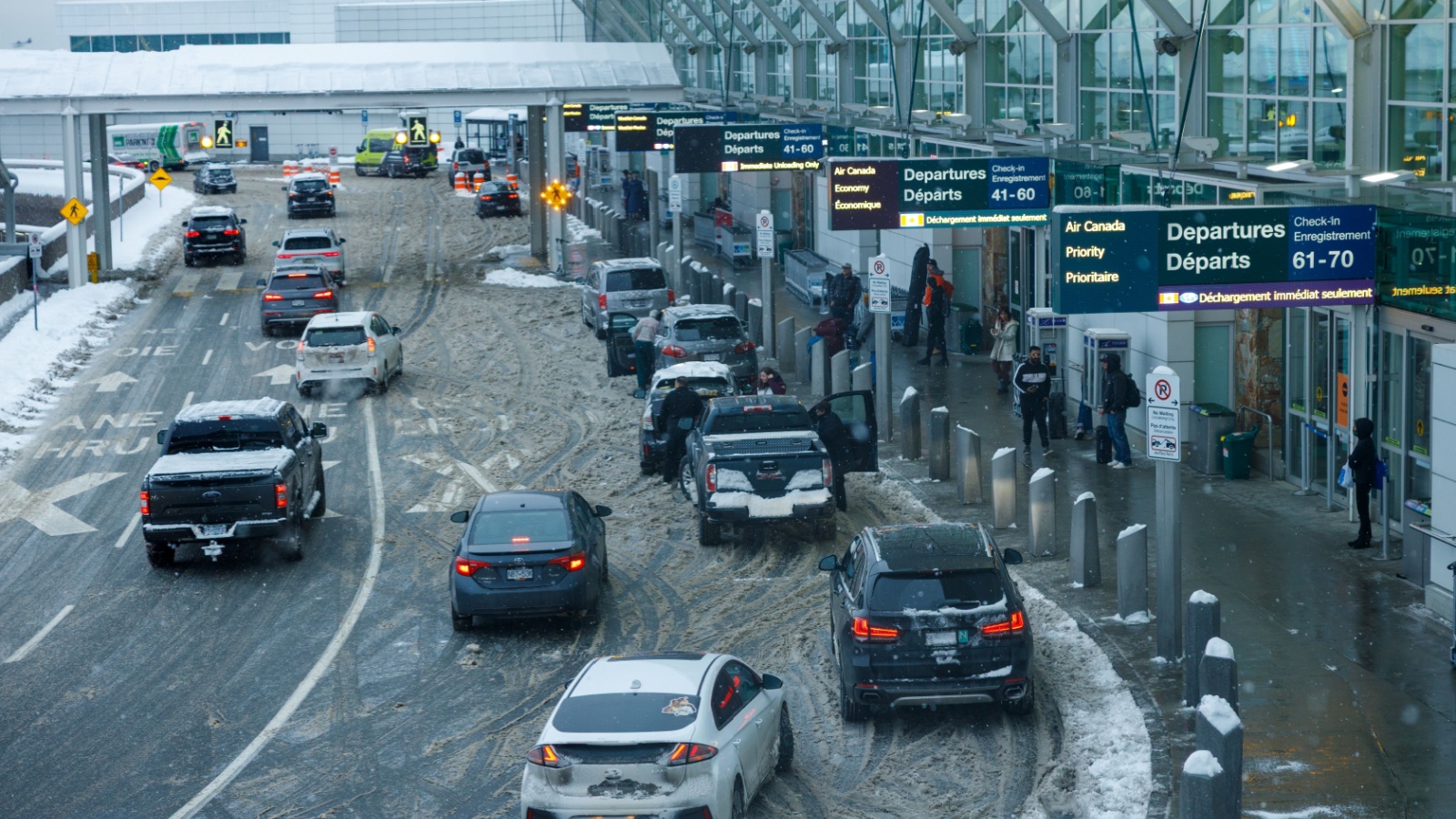
Airport parking often becomes an unexpected travel expense. Many travellers park directly at airport terminals for convenience. These locations usually charge higher daily rates. Long trips can make parking fees quite expensive. Some airports across Canada offer economy parking lots farther from terminals. Shuttle buses connect these lots with airport entrances. These options usually cost less than terminal parking. Travellers can also compare private airport parking services nearby. Some of these facilities offer lower prices and secure parking areas. Planning parking before departure helps travellers avoid last-minute decisions. Ignoring these options may lead to unnecessary spending. Choosing affordable parking helps Canadians manage transportation costs when flying.
Not Using Canadian Travel Rewards Programs

Many Canadians collect reward points without using them for travel. Programs linked to credit cards or airlines often accumulate points over time. These points can reduce flight or hotel costs during trips. Aeroplan and other loyalty programs allow travellers to redeem points for flights. Some credit card programs also allow travel statement credits. Ignoring these options means missing potential savings. Checking reward balances before booking travel may reveal useful discounts. Some programs also provide travel-related perks such as priority boarding. These benefits improve the travel experience without extra cost. Using available reward points helps reduce out-of-pocket expenses. Canadians who redeem these rewards regularly often lower their overall travel spending.
Forgetting About Seasonal Price Changes in Spring Destinations

Spring travel demand varies depending on destination popularity. Some places experience higher visitor numbers during this season. Cities hosting festivals or seasonal events often see price increases. Accommodation rates may rise during these busy periods. Travellers who overlook these trends may face unexpected costs. Checking local event calendars helps predict busy travel dates. Booking accommodation before these events often provides better prices. Spring weather also attracts visitors to national parks and coastal destinations. Increased demand can raise both hotel and activity prices. Understanding seasonal patterns helps travellers plan more carefully. Ignoring these price changes may cause travel budgets to stretch. Awareness of seasonal demand allows Canadians to choose travel dates more strategically.
Packing Inefficiently and Paying Airline Baggage Fees

Packing decisions often affect travel expenses more than expected. Many airlines charge additional fees for checked baggage. Travellers who pack more items than necessary may face extra charges. These fees can increase quickly on round-trip flights. Planning luggage carefully helps avoid these costs. Many airlines also allow one carry-on bag and a personal item. Packing lighter allows travellers to stay within these limits. Choosing versatile clothing also reduces the need for extra bags. Reviewing airline baggage policies before travel helps prevent surprises. Spring trips often require fewer heavy items compared to winter travel. Efficient packing helps Canadians avoid unnecessary airline fees while keeping travel plans simple.
22 Groceries to Grab Now—Before another Price Shock Hits Canada

Food prices in Canada have been steadily climbing, and another spike could make your grocery bill feel like a mortgage payment. According to Statistics Canada, food inflation remains about 3.7% higher than last year, with essentials like bread, dairy, and fresh produce leading the surge. Some items are expected to rise even further due to transportation costs, droughts, and import tariffs. Here are 22 groceries to grab now before another price shock hits Canada.
22 Groceries to Grab Now—Before another Price Shock Hits Canada
This Options Discord Chat is The Real Deal
While the internet is scoured with trading chat rooms, many of which even charge upwards of thousands of dollars to join, this smaller options trading discord chatroom is the real deal and actually providing valuable trade setups, education, and community without the noise and spam of the larger more expensive rooms. With a incredibly low-cost monthly fee, Options Trading Club (click here to see their reviews) requires an application to join ensuring that every member is dedicated and serious about taking their trading to the next level. If you are looking for a change in your trading strategies, then click here to apply for a membership.