
35,000+ smart investors are already getting financial news, market signals, and macro shifts in the economy that could impact their money next with our FREE weekly newsletter. Get ahead of what the crowd finds out too late. Click Here to Subscribe for FREE.
Spring often brings more travel across Canada as the weather improves. People start driving more often for work, errands, and weekend trips. Rising fuel prices and transit fares can quickly affect monthly budgets. Many Canadians look for simple ways to manage these costs without changing daily routines. Small habits such as planning routes, tracking gas prices, and using transit discounts can make a real difference. Technology, loyalty programs, and better vehicle care also help reduce spending over time. Even short trips offer opportunities to save when planned wisely. The ideas below focus on practical options that Canadians can use right away while moving around cities or travelling between regions. Here are 20 ways Canadians can save on gas and transit this spring.
Compare Gas Prices Using Canadian Fuel Price Apps
20 Ways Canadians Can Save on Gas and Transit This Spring
- Compare Gas Prices Using Canadian Fuel Price Apps
- Join Gas Station Loyalty and Rewards Programs in Canada
- Plan Errands to Reduce Unnecessary Driving
- Keep Tires Properly Inflated for Better Fuel Economy
- Use Public Transit Pass Discounts in Major Canadian Cities
- Try Carpooling Programs Available in Canadian Communities
- Take Advantage of Spring Transit Promotions
- Drive Smoothly to Reduce Fuel Consumption
- Maintain Your Vehicle for Better Gas Mileage
- Use Park and Ride Facilities Near Canadian Transit Stations
- Walk or Bike for Short Local Trips
- Avoid Peak Traffic Hours in Canadian Cities
- Use Student, Senior, or Employer Transit Discounts
- Choose Fuel-Efficient Routes Using Navigation Apps
- Consider Regional Transit Systems for Intercity Travel
- Switch to Monthly Transit Passes Instead of Single Tickets
- Use Credit Cards That Offer Gas Rewards in Canada
- Share Rides for School and Work Commutes
- Monitor Gas Price Trends Across Canadian Provinces
- Consider Hybrid Car Rentals for Occasional Long Trips
- 22 Groceries to Grab Now—Before another Price Shock Hits Canada

Gas prices often vary between stations within the same neighbourhood. A short drive can sometimes lower the price per litre. Many Canadians now check fuel price apps before filling their tanks. Apps such as GasBuddy show nearby stations and updated prices. Drivers can quickly see which stations charge less that day. The information usually comes from other drivers reporting prices. That helps keep listings current in busy areas. This quick check takes less than a minute before leaving home. Over time, saving a few cents per litre adds up across many refuels. The habit becomes even more useful during spring travel. Drivers planning road trips can check fuel prices along highways. Using these apps regularly helps Canadians reduce fuel costs without changing how often they drive.
Join Gas Station Loyalty and Rewards Programs in Canada

Fuel companies across Canada offer loyalty programs that reward regular customers. Stations such as Petro-Canada and Esso provide points for every litre purchased. Drivers collect these points through mobile apps or membership cards. Over time, the points convert into fuel savings or store rewards. Some programs link with airline or grocery loyalty systems. For example, Aeroplan members can earn points at certain Petro-Canada locations. PC Optimum members also receive fuel-related offers at Esso stations. These connections increase the value of everyday spending. Drivers who regularly visit the same station gain the most benefit. Spring travel often means filling the tank more often. Using a loyalty program during these months helps reduce overall fuel spending while keeping the same driving routine.
Plan Errands to Reduce Unnecessary Driving

Running errands separately often leads to extra driving across town. Many Canadians make several short trips during the week. Each trip adds fuel use and increases vehicle wear. Planning errands together reduces the number of times the car leaves the driveway. A single planned route saves both time and fuel. For example, grocery shopping, pharmacy visits, and bank stops can happen in one trip. Mapping the order of stops also avoids backtracking across busy streets. Spring weather encourages more outdoor activities, which can increase driving. Keeping a simple list of errands helps organize these trips better. Many drivers also choose one day each week for routine tasks. This small planning step helps Canadians limit unnecessary driving and keep fuel costs under control.
Keep Tires Properly Inflated for Better Fuel Economy

Tire pressure affects how efficiently a vehicle uses fuel. Underinflated tires create more resistance on the road. That extra resistance forces the engine to burn more fuel. Many drivers overlook tire pressure during colder months. Spring is a good time to check tire conditions after winter driving. Most vehicles have recommended pressure levels listed inside the driver’s door frame. Checking tire pressure takes only a few minutes at a gas station air pump. Properly inflated tires help the vehicle roll smoothly on the road. This reduces strain on the engine during daily driving. It also helps tires wear evenly, which extends their lifespan. Maintaining correct tire pressure improves fuel economy and keeps vehicles operating more efficiently across Canadian roads.
Use Public Transit Pass Discounts in Major Canadian Cities

Public transit systems across Canada offer discounted passes for regular riders. Cities such as Toronto, Vancouver, and Montreal provide monthly or weekly passes. These passes usually cost less than buying single rides daily. Commuters travelling to work benefit the most from this option. A monthly TTC pass in Toronto, for example, allows unlimited travel within the system. This makes budgeting transportation costs easier each month. Some cities also provide digital passes through mobile apps. Riders can load and reload passes without visiting transit counters. Spring commuting often becomes busier as travel increases across cities. Using a transit pass helps Canadians reduce both fuel use and parking expenses. Over time, regular transit use lowers overall transportation spending.
Try Carpooling Programs Available in Canadian Communities

Carpooling reduces the number of vehicles on the road during daily commutes. Many Canadian cities support organized carpool programs. These programs help drivers connect with others travelling along the same route. Platforms such as Poparide and local commuter networks allow people to share rides safely. Each participant contributes to fuel costs, lowering expenses for everyone involved. Carpool lanes in several provinces also allow faster travel during busy hours. This saves both fuel and commuting time. Many workplaces encourage employees to share rides as well. Spring often brings increased commuting after winter weather ends. Sharing rides during this season helps reduce traffic and fuel consumption. Canadians who carpool regularly often notice lower weekly fuel costs while maintaining their usual work schedules.
Take Advantage of Spring Transit Promotions

Transit agencies sometimes introduce seasonal promotions to encourage ridership. Spring campaigns often include discounted passes or limited-time travel offers. Cities may run promotions to attract riders returning after the winter months. These offers appear on official transit websites and mobile apps. Riders who follow transit updates can spot these deals quickly. Some promotions allow free travel days or reduced weekend fares. Families often benefit from these offers during local outings. Transit agencies also partner with community events during spring festivals. These partnerships may include reduced fare programs for visitors. Checking transit announcements helps riders stay informed about these deals. Canadians who take advantage of these promotions can lower their travel expenses while using existing transit services.
Drive Smoothly to Reduce Fuel Consumption

Driving style plays a large role in fuel usage. Rapid acceleration and sudden braking increase fuel consumption. Smooth driving helps vehicles operate more efficiently on the road. Gradually increasing speed reduces pressure on the engine. Maintaining a steady pace also improves fuel economy during longer drives. Many Canadian highways allow consistent speeds that support efficient driving. Traffic lights and congestion often encourage aggressive driving habits. Drivers who anticipate traffic changes can slow down earlier. This approach reduces unnecessary braking and acceleration cycles. Spring road trips often involve longer highway travel. Practicing smoother driving during these trips saves noticeable amounts of fuel. Over time, this habit reduces both fuel costs and mechanical stress on the vehicle.
Maintain Your Vehicle for Better Gas Mileage
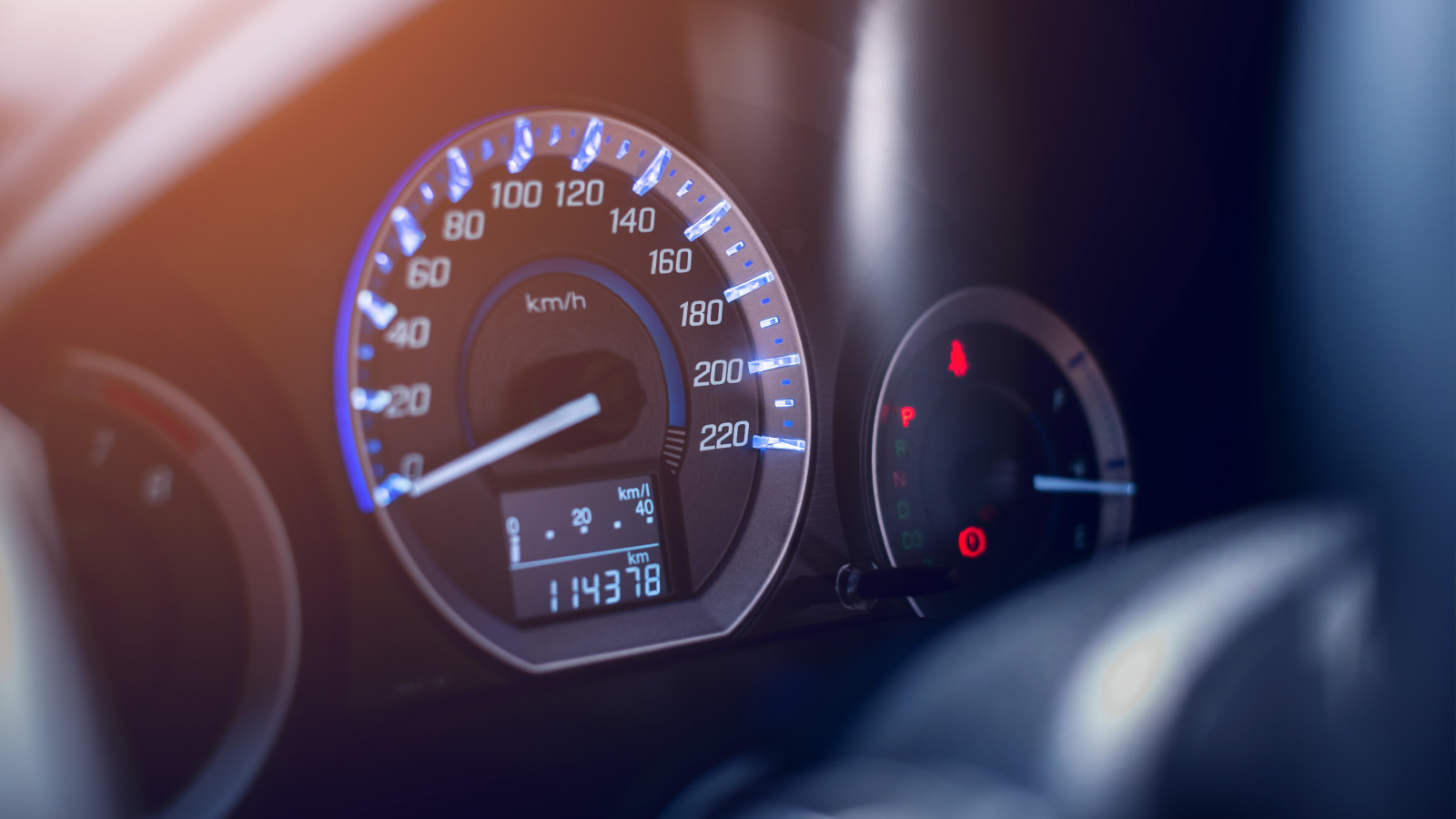
Regular vehicle maintenance plays a role in fuel efficiency. A poorly maintained engine uses more fuel than necessary. Simple tasks such as replacing air filters improve engine performance. Clean filters allow proper airflow into the engine. This helps fuel burn more efficiently during operation. Oil changes also support smoother engine movement. Mechanics across Canada recommend following manufacturer maintenance schedules. Drivers who skip routine service may notice declining gas mileage. Spring is a common time for vehicle inspections after winter driving. Mechanics often check brakes, fluids, and tire conditions during these visits. Keeping the vehicle in good condition helps maintain steady fuel economy. Proper maintenance also reduces the risk of costly repairs during long spring drives.
Use Park and Ride Facilities Near Canadian Transit Stations

Park and ride facilities allow drivers to combine car travel with public transit. Many Canadian cities place these lots near major transit stations. Commuters drive part of the journey and then switch to buses or trains. This approach reduces fuel use during long urban commutes. Parking at these facilities often costs less than downtown parking. Some locations provide free parking for transit users. Cities such as Calgary and Ottawa operate large park-and-ride networks. These lots help reduce traffic congestion in busy city centres. Spring commuting often increases as more people travel regularly. Using park and ride options helps drivers avoid heavy traffic. It also lowers fuel costs while allowing convenient access to public transit systems.
Walk or Bike for Short Local Trips

Many short trips happen within neighbourhood distances. Driving these short routes often uses more fuel than expected. Engines consume more fuel during cold starts and short travel periods. Walking or cycling eliminates fuel use completely for nearby errands. Spring weather across Canada makes outdoor travel more comfortable. Sidewalks and cycling paths reopen after winter snow clears. Many cities also maintain bike lanes that connect residential areas with shops. These routes support safe travel without using a vehicle. Short trips to grocery stores or parks often take only a few minutes on foot. Regular walking or cycling also supports physical health. Canadians who replace short car trips with active travel notice lower fuel spending over time.
Avoid Peak Traffic Hours in Canadian Cities
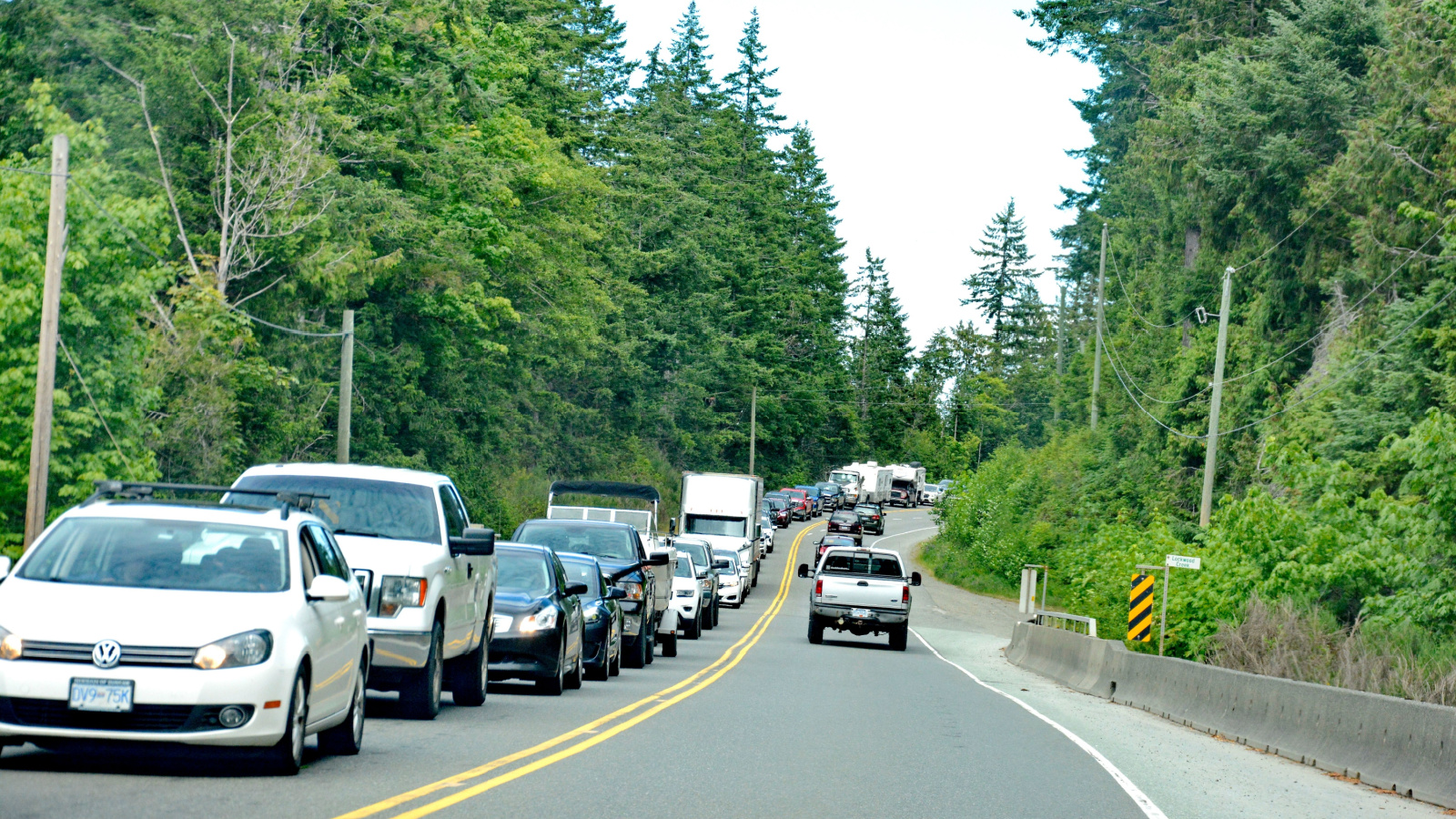
Heavy traffic increases fuel consumption during daily commutes. Vehicles burn fuel while idling in slow-moving traffic. Large Canadian cities experience rush hour congestion each weekday. Drivers travelling during these times often spend extra time on the road. Adjusting travel schedules can reduce this problem. Leaving slightly earlier or later often avoids the busiest traffic periods. Some workplaces also allow flexible work hours. This flexibility helps employees plan smoother commutes. Spring travel often becomes busier as the weather improves. Drivers who avoid peak traffic save both time and fuel. Less congestion also reduces frequent braking and acceleration. Choosing quieter travel times allows vehicles to maintain steady speeds and lower fuel usage.
Use Student, Senior, or Employer Transit Discounts

Transit agencies across Canada offer discounted fares for specific groups. Students and seniors often receive reduced-price passes. These programs help make public transit more accessible. Many universities provide transit passes within student fees. Employees may also receive commuter benefits from their workplaces. Some employers partner with transit agencies for discounted passes. These programs support workers who rely on buses or trains daily. Seniors in many cities receive special fare rates during off-peak hours. Checking eligibility helps riders avoid paying full fares unnecessarily. Spring often brings increased travel for school and work. Using these available discounts lowers regular commuting costs. Canadians who qualify for these programs can reduce transportation expenses throughout the year.
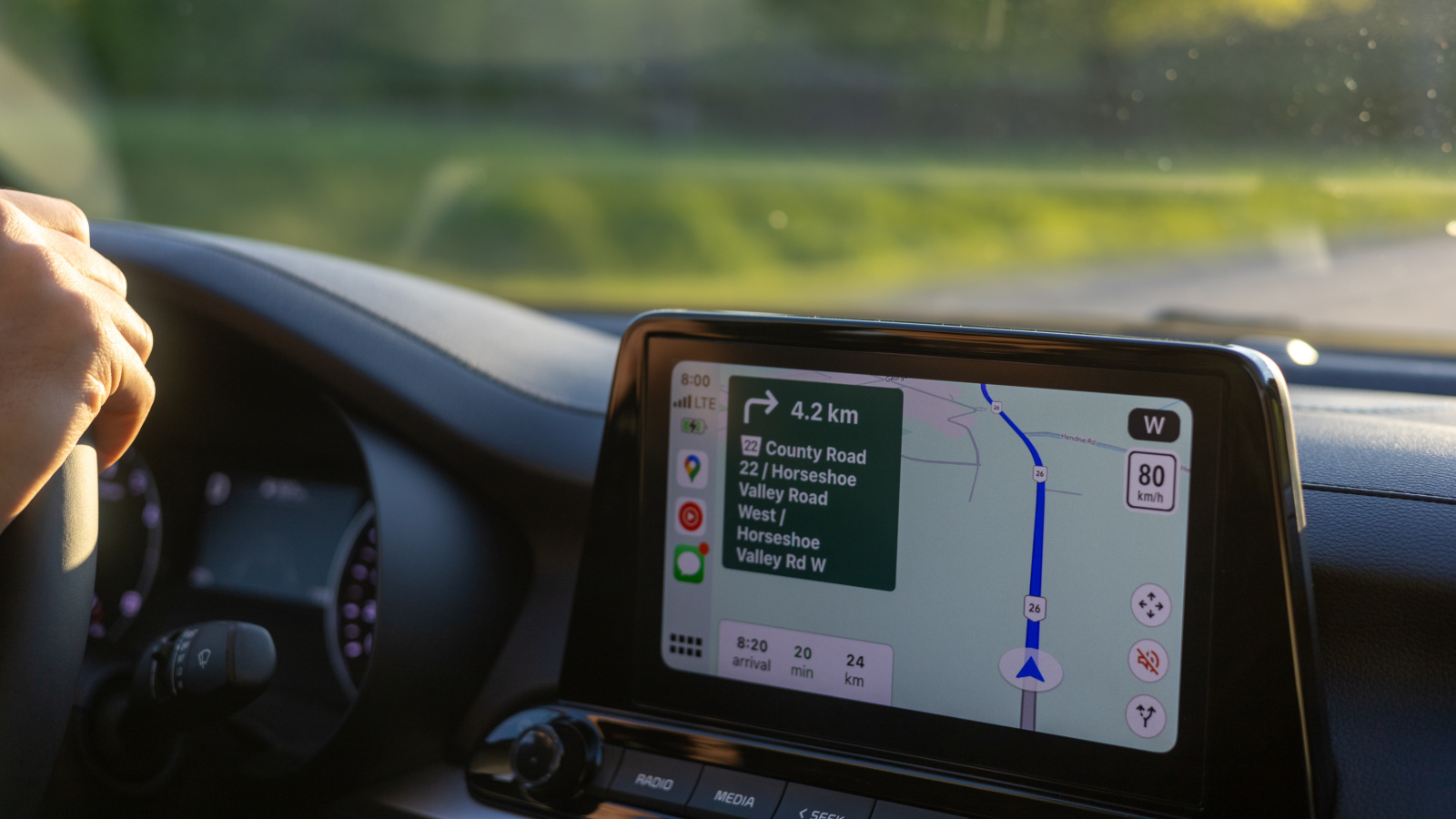
Navigation apps now offer route suggestions based on traffic and road conditions. Apps such as Google Maps and Waze analyze real-time traffic data. Drivers receive suggestions that avoid heavy congestion. Shorter routes often reduce fuel consumption during daily travel. Some apps also highlight routes with fewer traffic signals. Fewer stops allow vehicles to maintain steady speeds. This improves fuel efficiency over longer distances. Drivers planning longer trips during the spring benefit from route planning. Checking routes before leaving home helps avoid unnecessary detours. Navigation apps also alert drivers about accidents or construction delays. These alerts prevent time wasted in slow traffic. Choosing efficient routes allows Canadians to reach destinations faster while using less fuel.
Consider Regional Transit Systems for Intercity Travel

Regional transit systems connect many Canadian cities and surrounding communities. Services such as GO Transit in Ontario support travel between nearby regions. These systems provide trains and buses that cover longer distances. Driving between cities often increases fuel costs quickly. Regional transit offers a reliable alternative for these journeys. Tickets often cost less than the fuel needed for long drives. Travellers also avoid highway congestion and parking challenges. Spring travel often includes visits to nearby towns or attractions. Regional transit systems make these trips easier and more predictable. Passengers can relax while travelling rather than focusing on driving. Canadians who use these services occasionally may reduce overall transportation expenses during busy travel seasons.
Switch to Monthly Transit Passes Instead of Single Tickets

Frequent transit riders often benefit from monthly passes. Buying single tickets repeatedly usually costs more over time. A monthly pass provides unlimited travel within the transit system. This option helps commuters plan transportation budgets more clearly. Many Canadian cities offer passes through reloadable transit cards. Examples include PRESTO in Ontario and Compass Cards in Vancouver. These cards store passes digitally for convenient travel. Riders simply tap their cards when boarding buses or trains. Spring commuting often becomes more active after the winter months. A monthly pass supports consistent travel without extra ticket purchases. Canadians who commute regularly usually save money through this option. It also simplifies daily travel without needing to buy new tickets each day.
Use Credit Cards That Offer Gas Rewards in Canada

Several Canadian credit cards provide rewards for fuel purchases. These cards offer cashback or points when buying gas. Some programs give higher reward rates at gas stations. Others include fuel spending within broader cashback categories. Over time, these rewards reduce the overall cost of fuel purchases. Drivers who regularly buy gas benefit the most from these programs. Many banks across Canada provide credit cards with fuel-related rewards. Responsible credit card use is important for these benefits. Paying balances on time prevents interest charges from canceling savings. Spring travel often increases fuel spending for many households. Using a rewards card during this time helps collect cashback or points. These rewards gradually offset everyday transportation costs.

Many families travel similar routes during school or work hours. Coordinating rides with neighbours can reduce the number of vehicles needed. Parents sometimes rotate school drop-off responsibilities during the week. This reduces daily driving for each household. Employees working in the same office may also share rides. Workplace ride sharing reduces parking demand in busy areas. Each participant contributes to fuel costs for the shared trip. This lowers individual spending compared to driving alone. Spring schedules often include sports events and school activities. Sharing rides during these times helps families manage travel demands. Canadians who organize regular ride-sharing arrangements notice lower weekly fuel expenses and less time spent driving.
Monitor Gas Price Trends Across Canadian Provinces

Gas prices across Canada often change due to supply and demand conditions. Prices can vary significantly between provinces and cities. Monitoring price trends helps drivers plan refueling at better times. Several websites and apps track these changes daily. Drivers travelling between provinces can compare regional fuel costs. Filling up before entering higher price areas can save money. Price increases sometimes follow long weekends or seasonal travel periods. Watching these trends helps drivers avoid buying fuel during peak prices. Spring travel often increases demand across highways and tourist areas. Planning fuel stops in lower-price regions reduces spending. Canadians who track price patterns gain better control over when and where they buy fuel.
Consider Hybrid Car Rentals for Occasional Long Trips

Long-distance travel quickly increases fuel costs for many vehicles. Renting a hybrid vehicle can reduce fuel consumption during these trips. Hybrid cars combine electric power with traditional fuel engines. This design improves fuel efficiency during highway and city driving. Rental companies across Canada now offer hybrid models in many locations. Travellers planning longer spring road trips may benefit from these options. The rental cost sometimes balances out through fuel savings. Hybrid vehicles also require fewer refueling stops during long drives. This can make travel more convenient. Canadians who travel long distances only occasionally may prefer renting a hybrid instead of owning one. Choosing this option helps reduce fuel expenses during specific trips.
22 Groceries to Grab Now—Before another Price Shock Hits Canada

Food prices in Canada have been steadily climbing, and another spike could make your grocery bill feel like a mortgage payment. According to Statistics Canada, food inflation remains about 3.7% higher than last year, with essentials like bread, dairy, and fresh produce leading the surge. Some items are expected to rise even further due to transportation costs, droughts, and import tariffs. Here are 22 groceries to grab now before another price shock hits Canada.
22 Groceries to Grab Now—Before another Price Shock Hits Canada
This Options Discord Chat is The Real Deal
While the internet is scoured with trading chat rooms, many of which even charge upwards of thousands of dollars to join, this smaller options trading discord chatroom is the real deal and actually providing valuable trade setups, education, and community without the noise and spam of the larger more expensive rooms. With a incredibly low-cost monthly fee, Options Trading Club (click here to see their reviews) requires an application to join ensuring that every member is dedicated and serious about taking their trading to the next level. If you are looking for a change in your trading strategies, then click here to apply for a membership.